Family · Advertisement
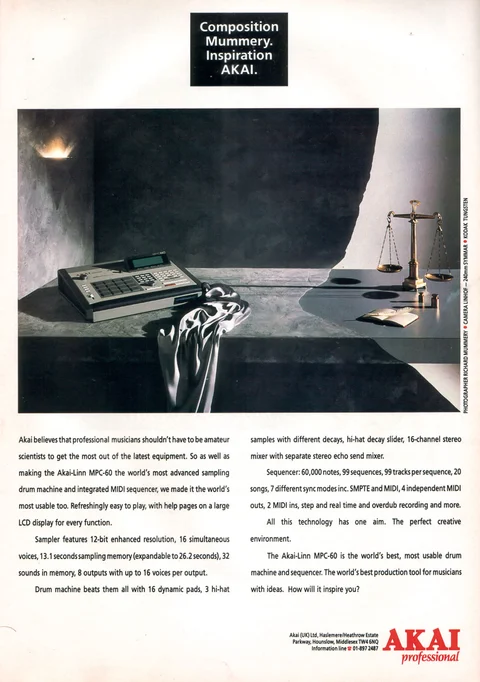
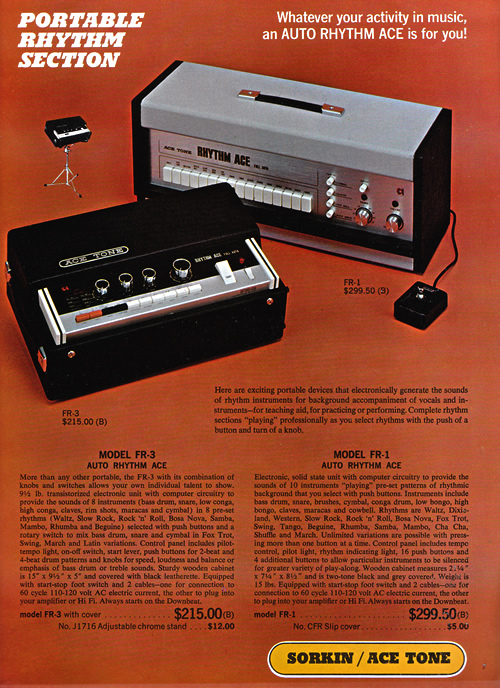
Ace Tone Auto Rhythm Ace FR-1 and FR-3 — advertisement
Undated document
Big Beat machine archive · Source & credit ↗

The visual gallery
A little time travel through drum-machine advertising.
Explore the bold claims, beautiful machines and wonderfully strange graphics of the original ads. Switch to all images for period photography and reviews, too.
No images match. Try another maker or clear the filters.
Family · Advertisement
Undated document
Big Beat machine archive · Source & credit ↗
Akai · Advertisement
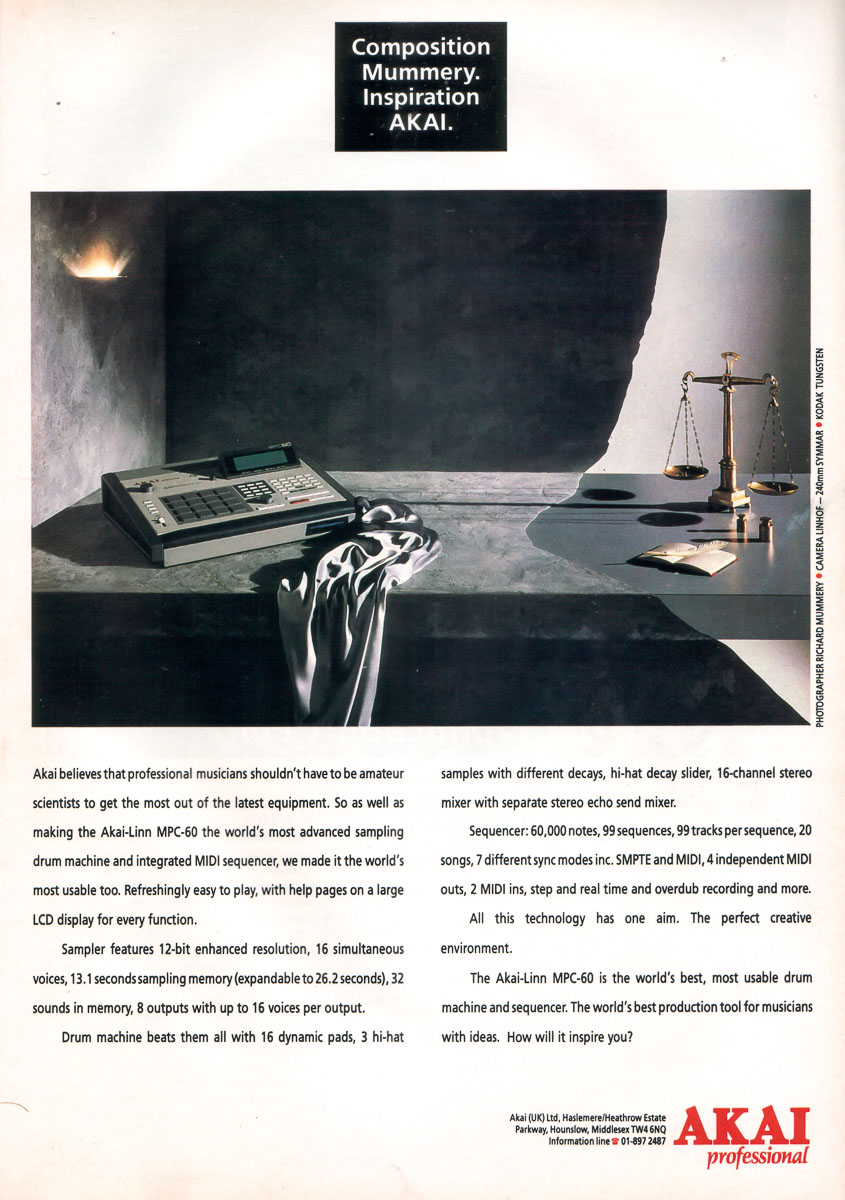
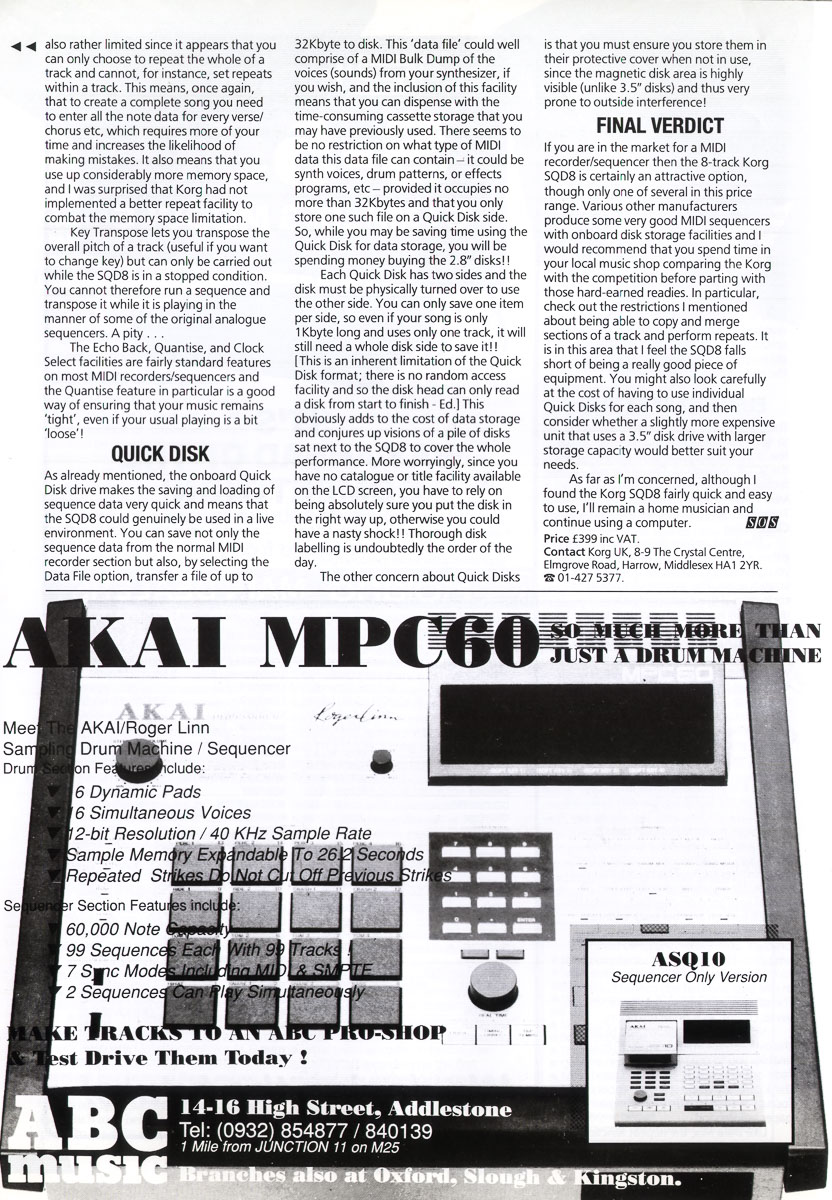
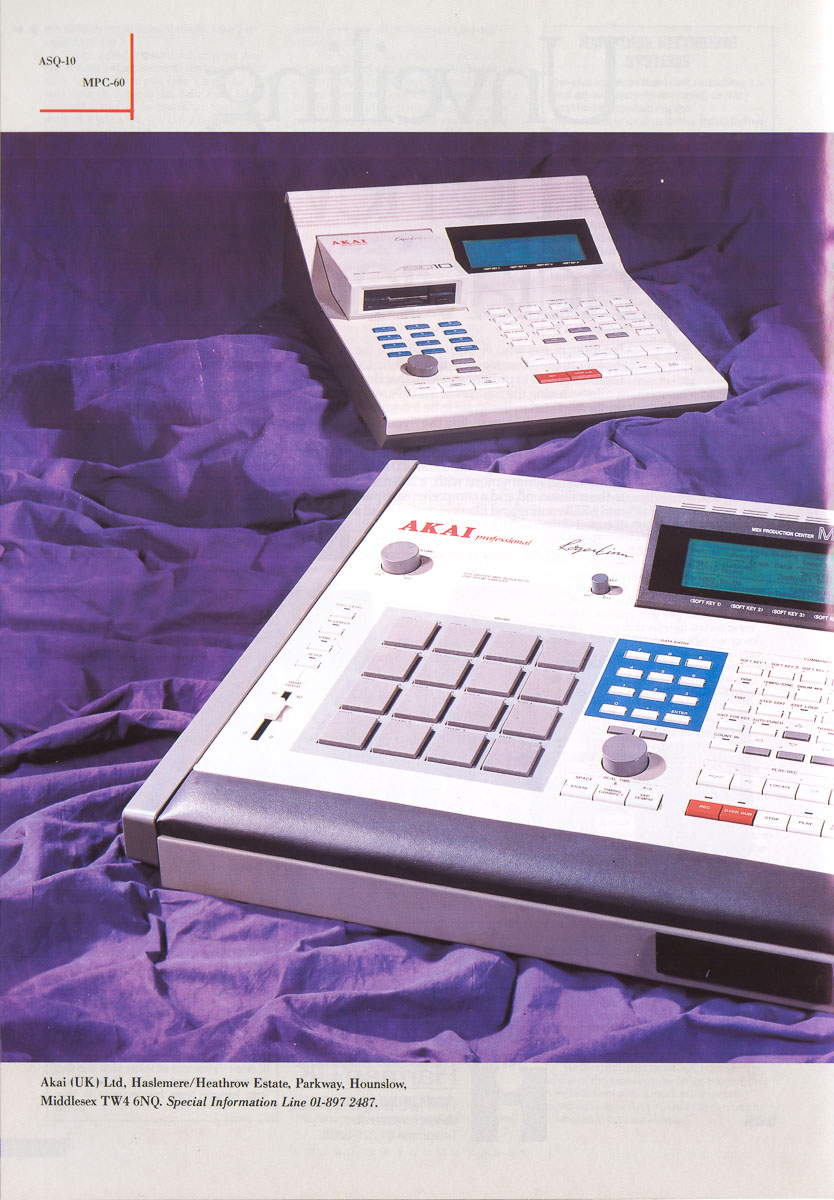
Akai’s MPC60 advertisement, placed beside Man Jumping’s “Tokyo Mix” account. The advert shows the product’s public promise, not the artist’s personal unit.
1988
Museum visual archive · Source & credit ↗
Alesis · Advertisement
Alesis’s 1992 SR-16 advertisement, retained beside the machine’s artist and record associations without treating sales copy as a session document.
1992
Museum visual archive · Source & credit ↗
MXR · Advertisement
Atlantex advertised the MXR Computer Rhythm in 1983. Cabaret Voltaire described the machine as part of its 1984 working set-up; this remains a period advertisement, not a studio photograph.
1983-12, archive issue-path attribution
Atlantex · Source & credit ↗
Linn · Advertisement
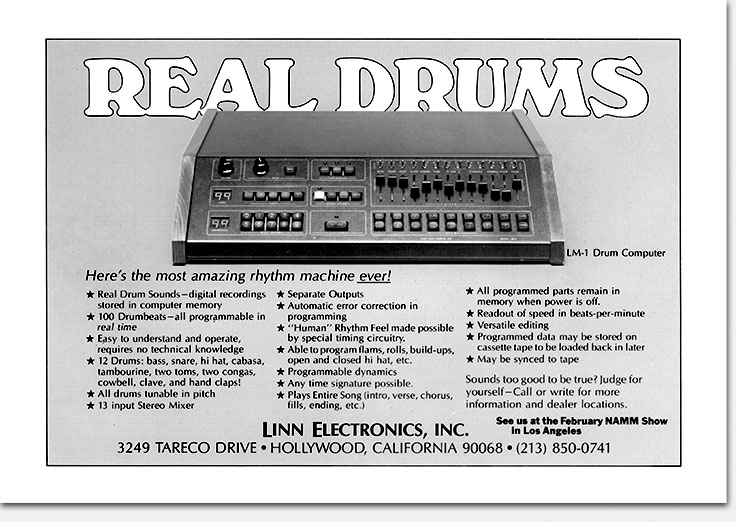
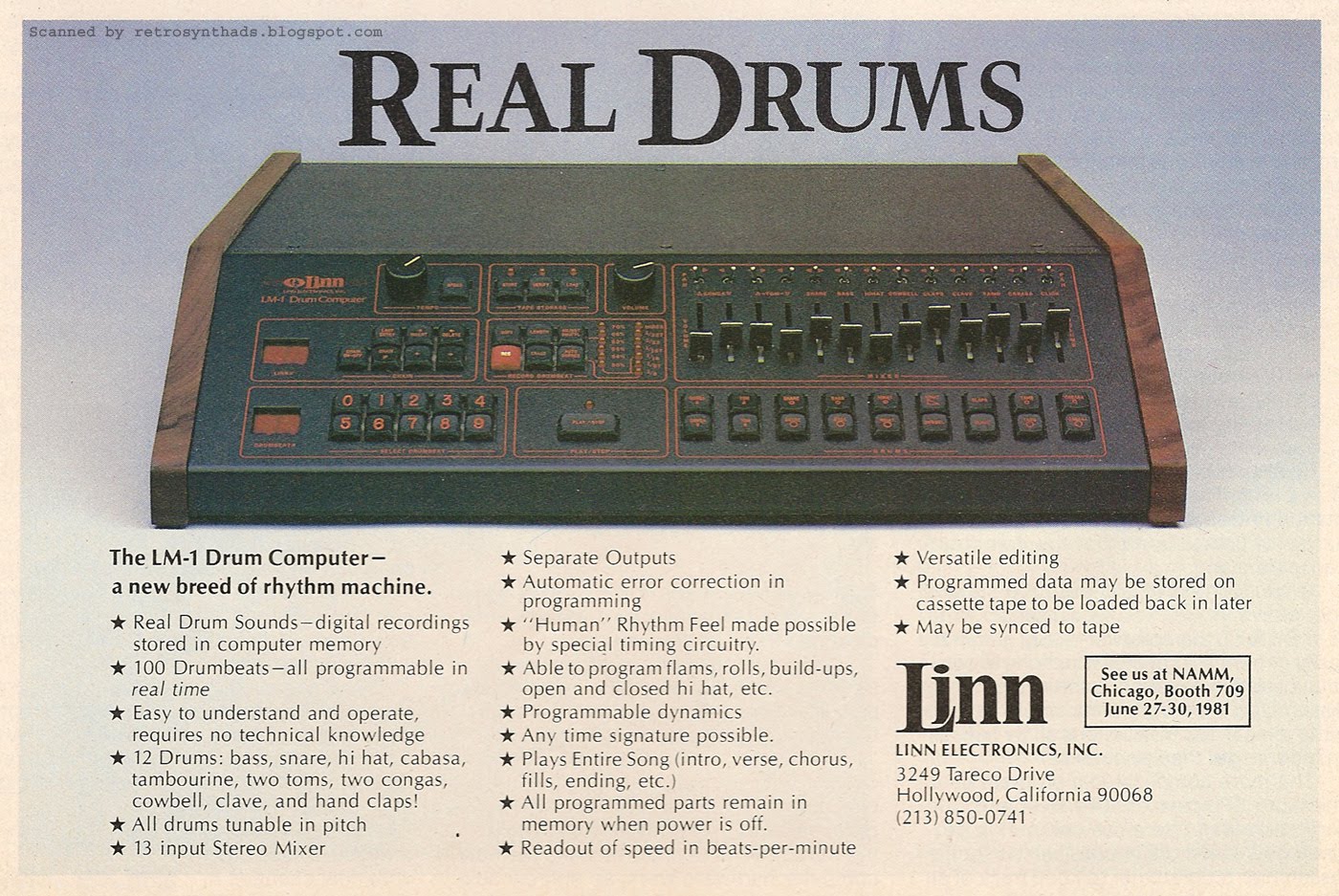
Linn’s “Real Drums” LM-1 campaign, shown as the instrument’s own promise in print. The Human League’s “Don’t You Want Me” story is documented separately in the dossier.
1980–1981, creator attribution
Eric Wrobbel for Linn Electronics · Source & credit ↗
BOSS · Advertisement
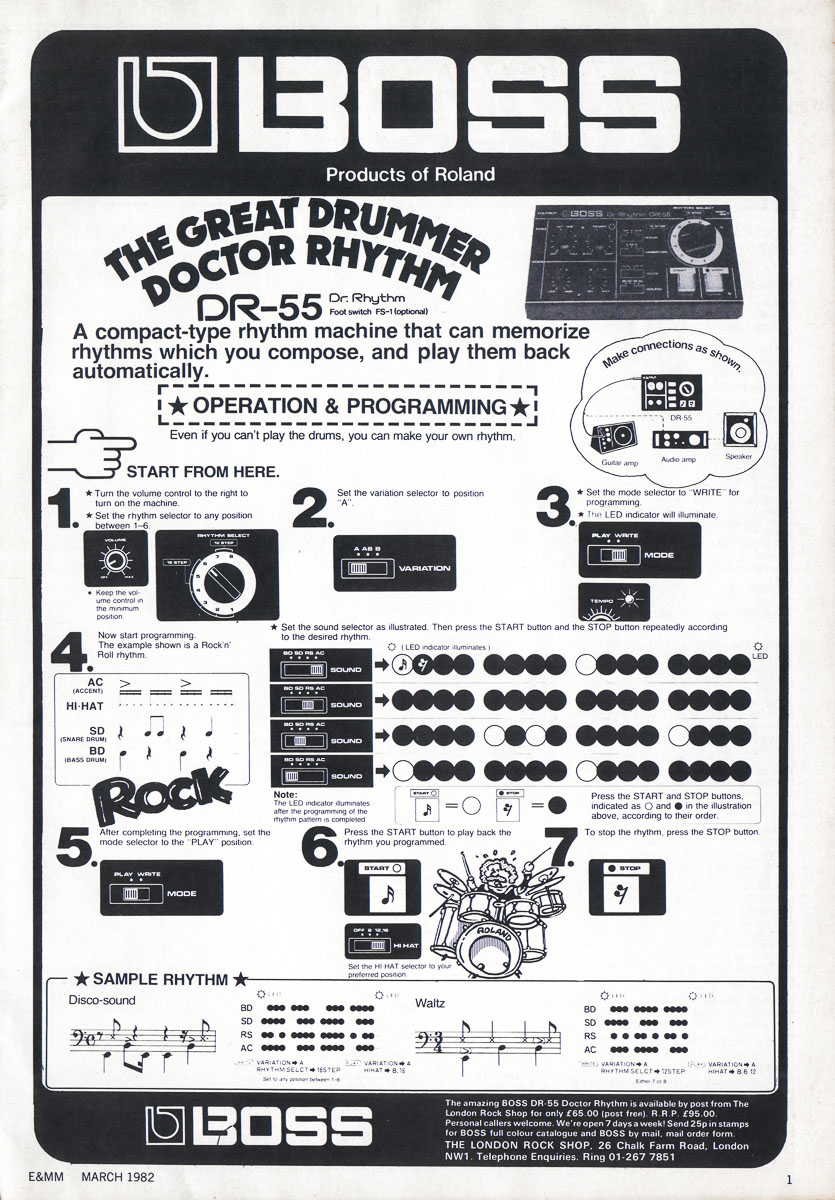
BOSS advertised the DR-55 as a compact programmable rhythm partner. Its later artist associations are kept in the linked dossier, not asserted by the advertisement.
1982
Museum visual archive · Source & credit ↗
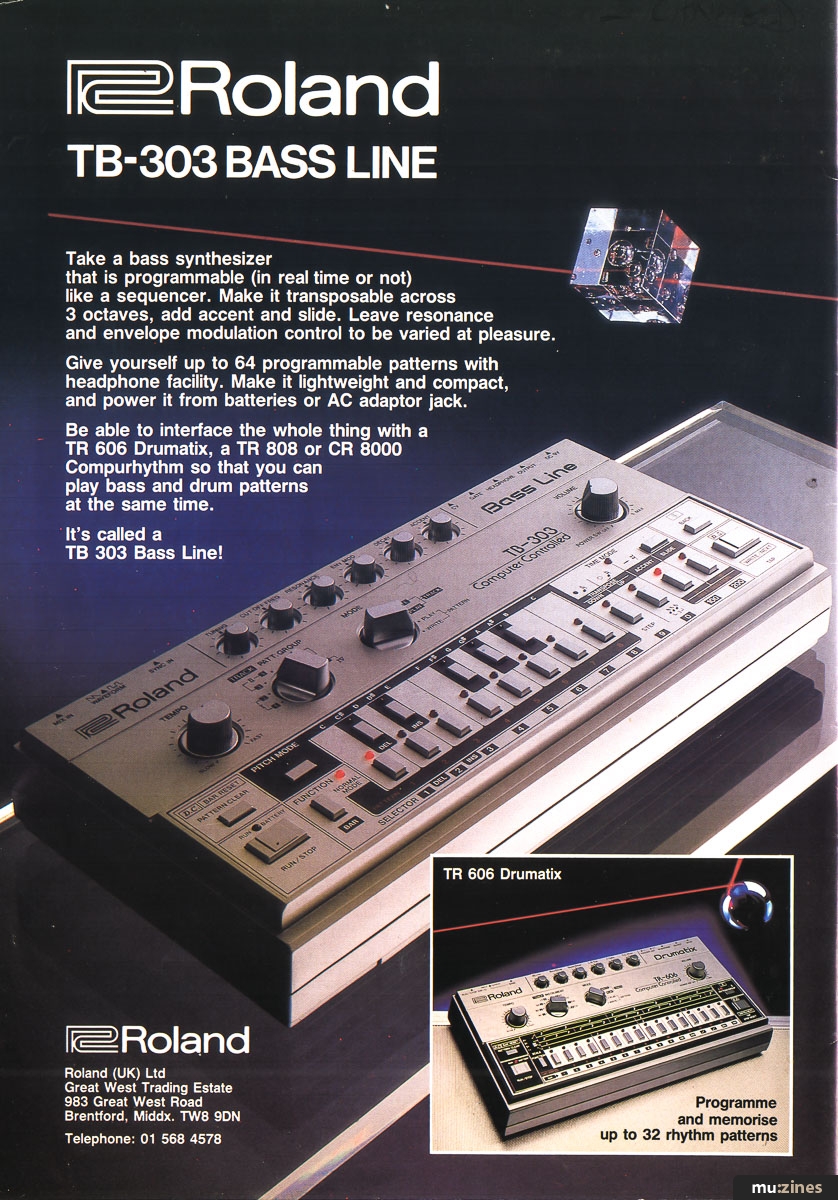
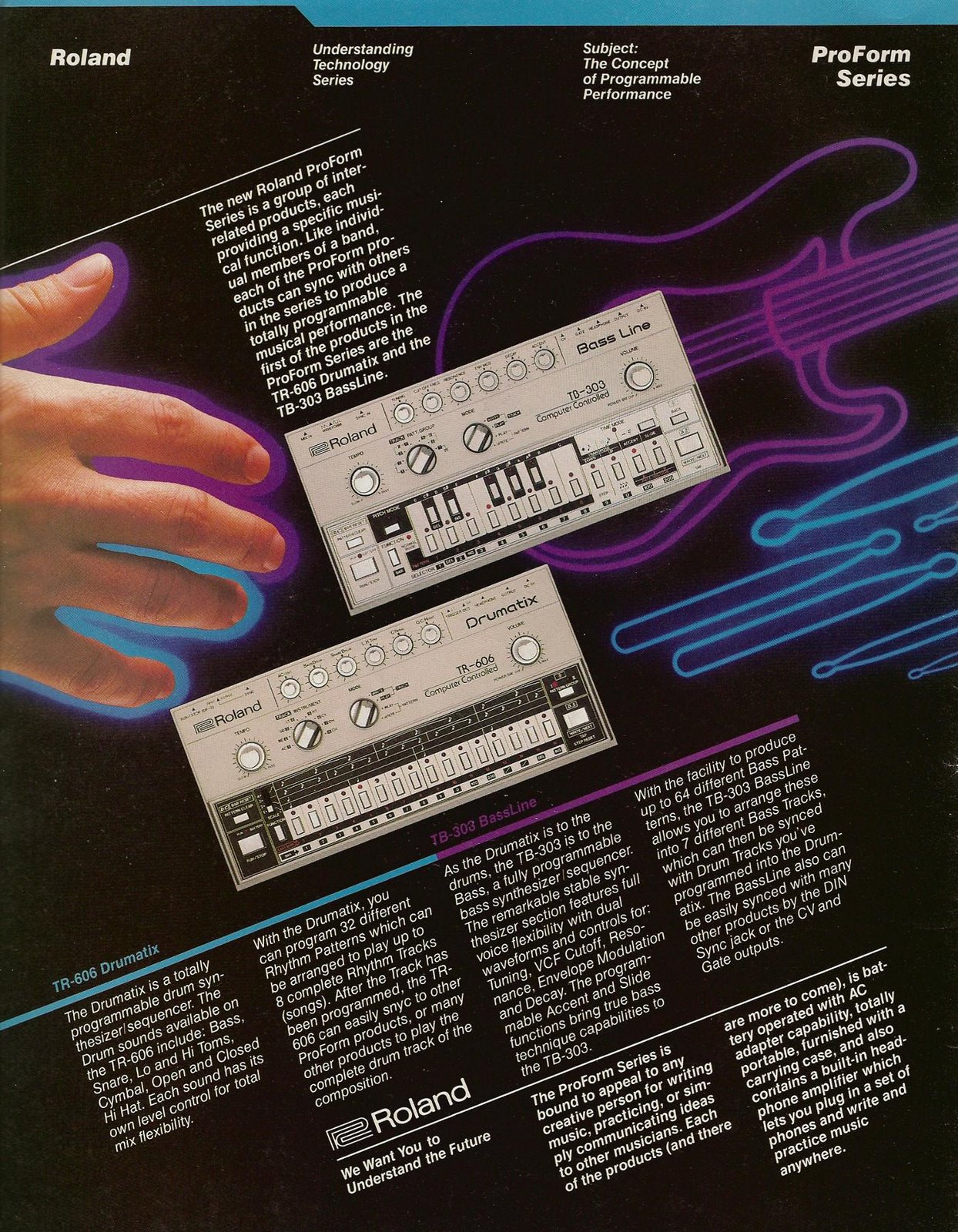
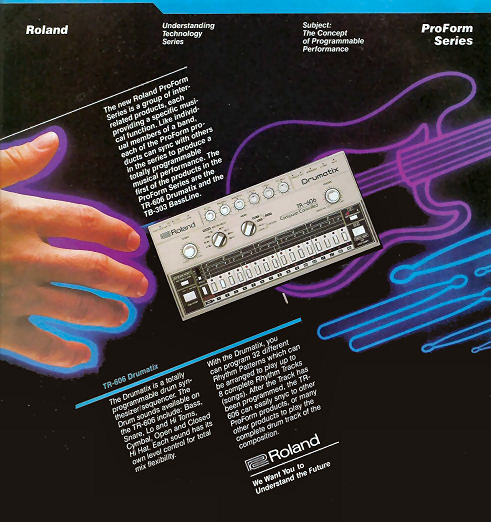
Roland · Advertisement
Undated document
Big Beat machine archive · Source & credit ↗
E-mu · Advertisement
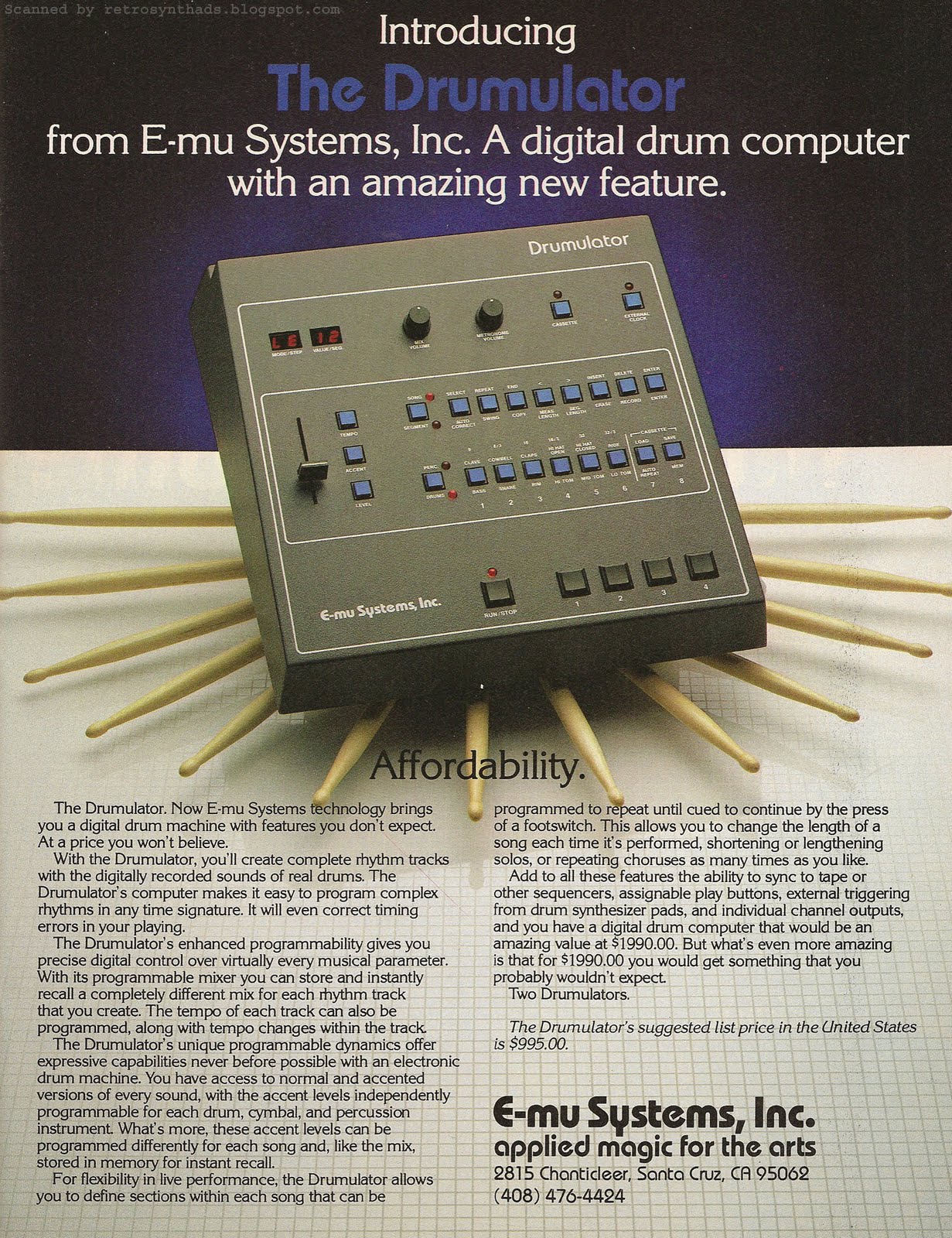
E-mu’s Drumulator advertisement, retained beside Tears for Fears’ “Mothers Talk” story. The page shows how the machine entered the market, not the group’s session.
1983
Museum visual archive · Source & credit ↗
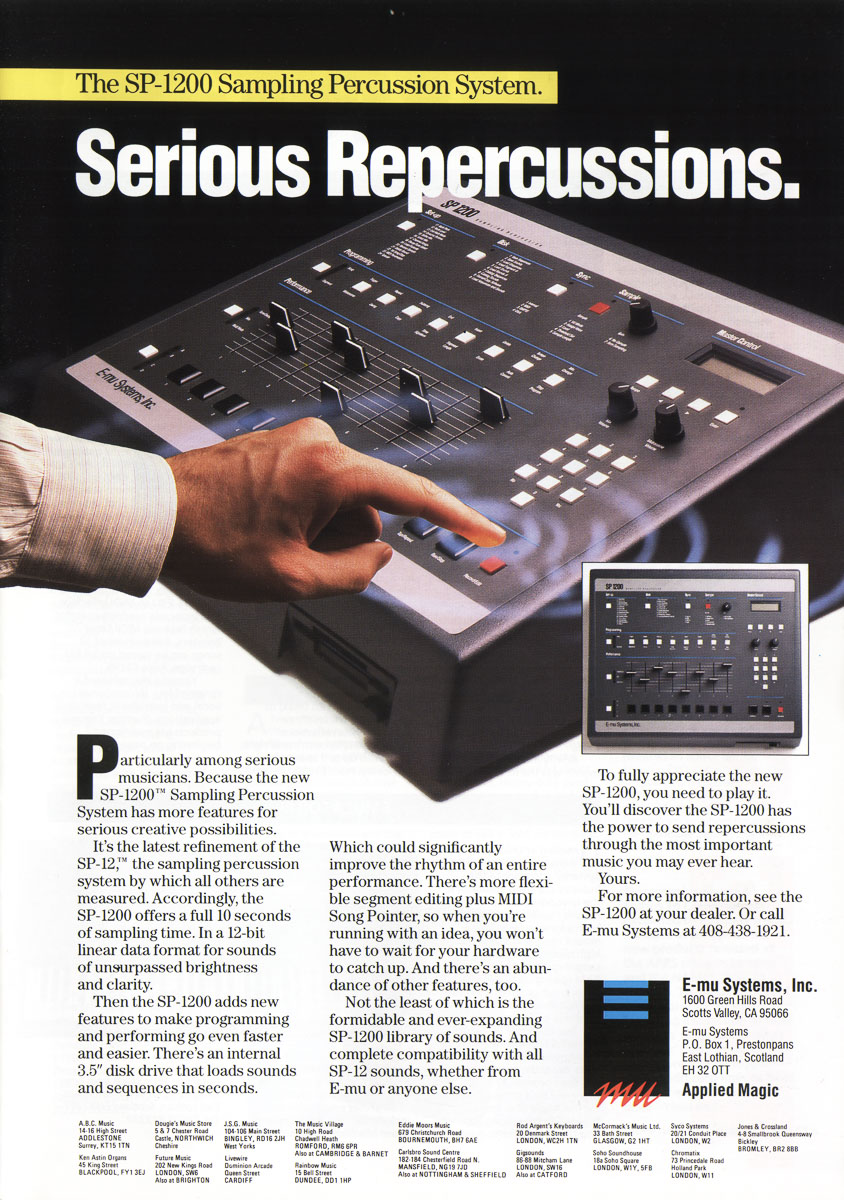
Family · Advertisement
E-mu’s SP-1200 advertisement. The dossier connects the sampler to its artist-led record history; this scan remains the machine’s own period sales image.
1987
Museum visual archive · Source & credit ↗
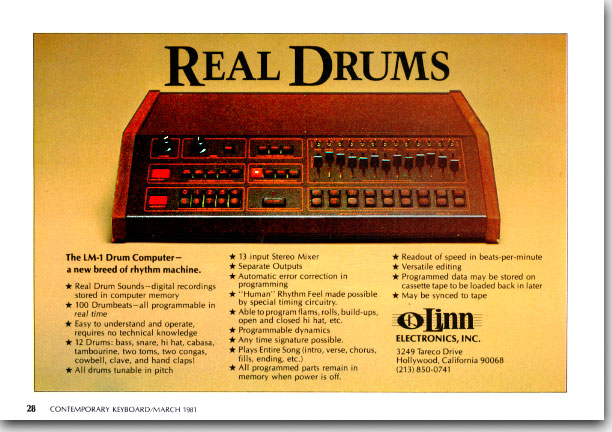
Linn · Advertisement
A gold “Real Drums” LM-1 advertisement with the early Linn logo. The dossier’s Human League and Prince stories are separate musical histories; this is the manufacturer’s own early promise in print.
March 1981, creator attribution
Eric Wrobbel for Linn Electronics · Source & credit ↗
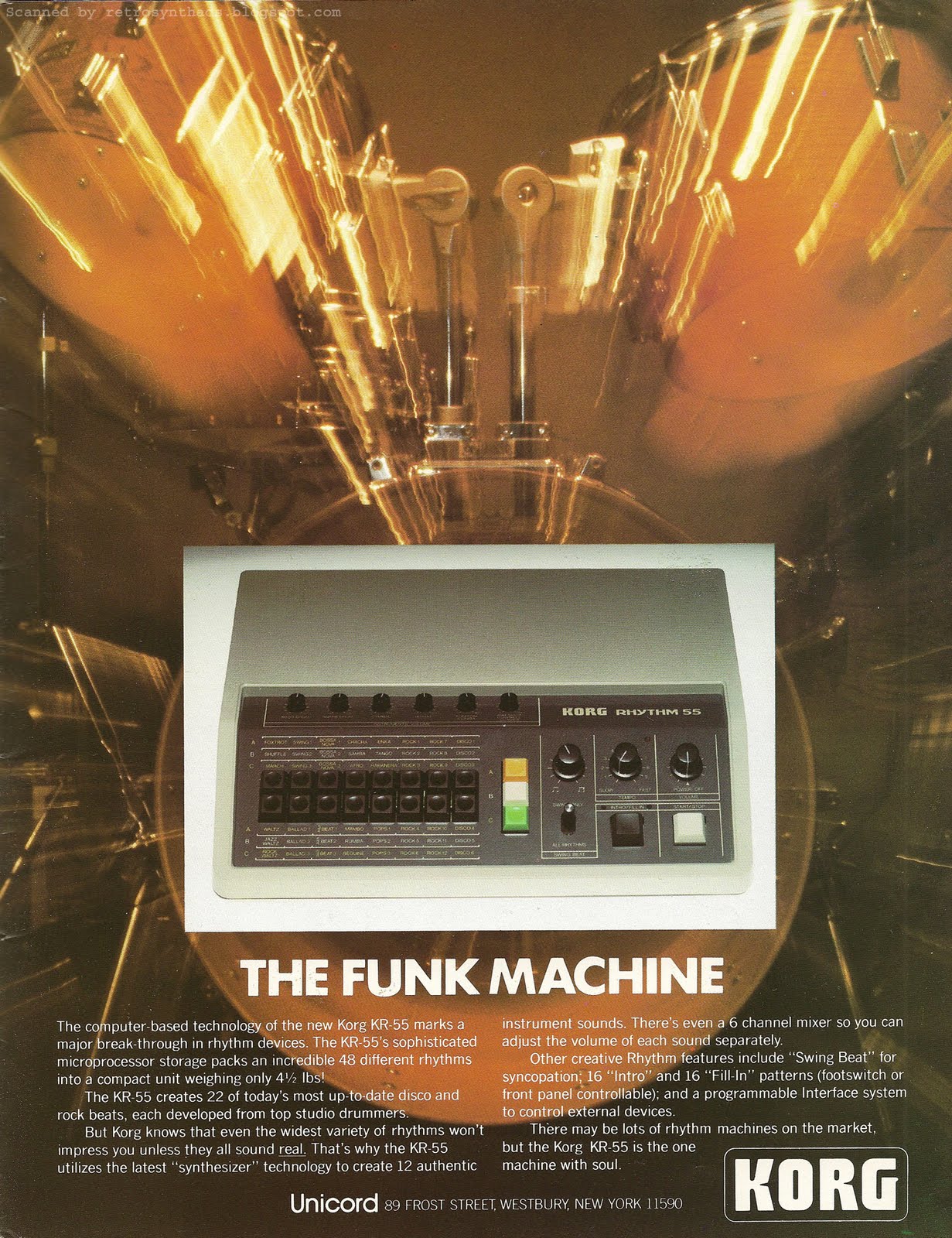
Family · Advertisement
1981
Museum visual archive · Source & credit ↗
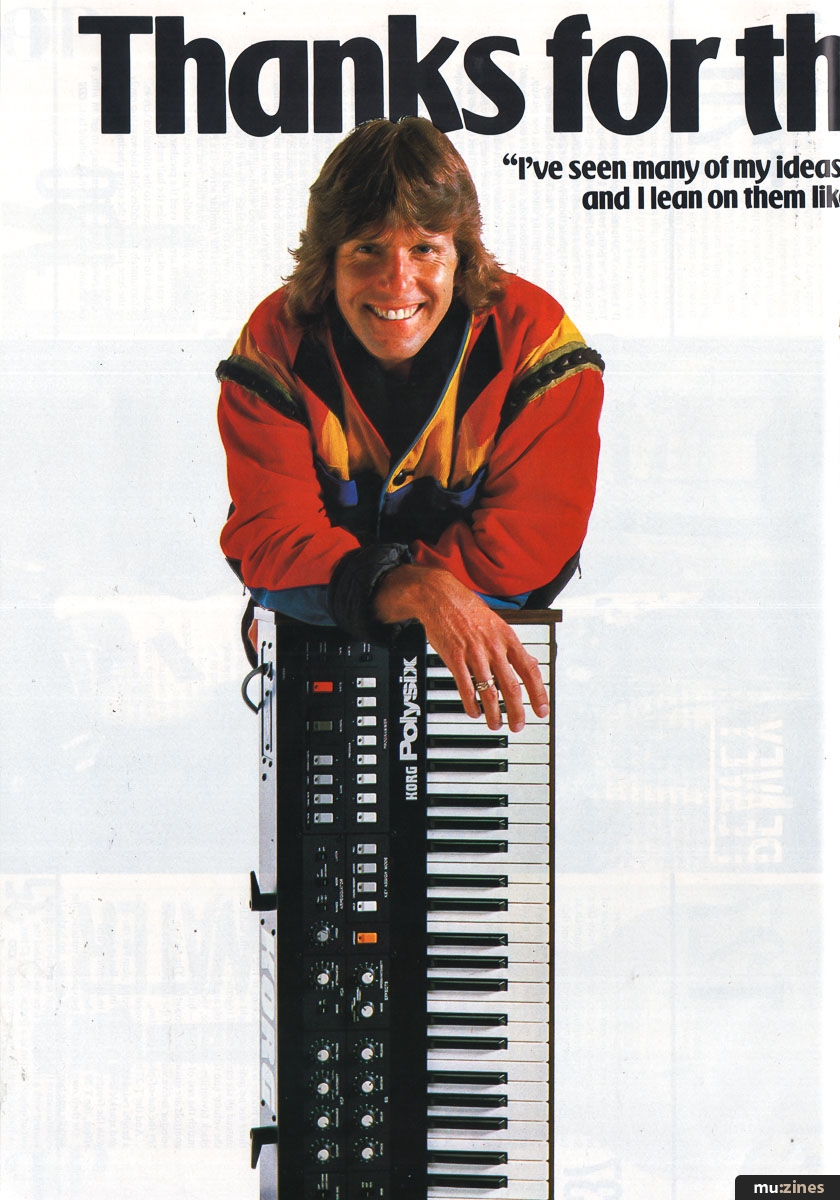
Korg / Keio · Advertisement
Korg’s 1982 range advertisement, retained alongside ESTECHO’s “Arpeggio Down” association. The page is period sales context rather than a studio photograph.
1982-12
Korg / Rose-Morris · Source & credit ↗
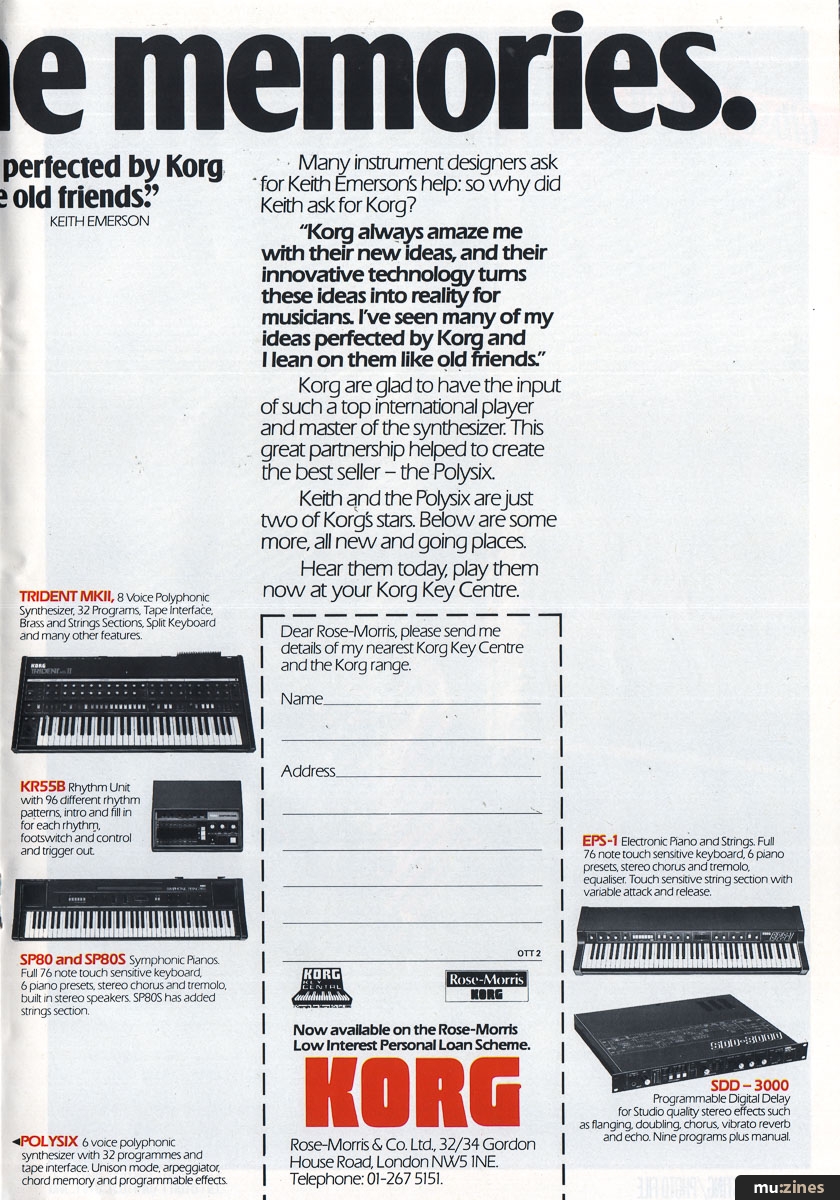
Korg / Keio · Advertisement
The second page of Korg’s 1982 rhythm-machine range advertisement. Beem’s Undeloh credit brings the KR-55B into a modern record; the page remains period sales context.
1982-12
Korg / Rose-Morris · Source & credit ↗
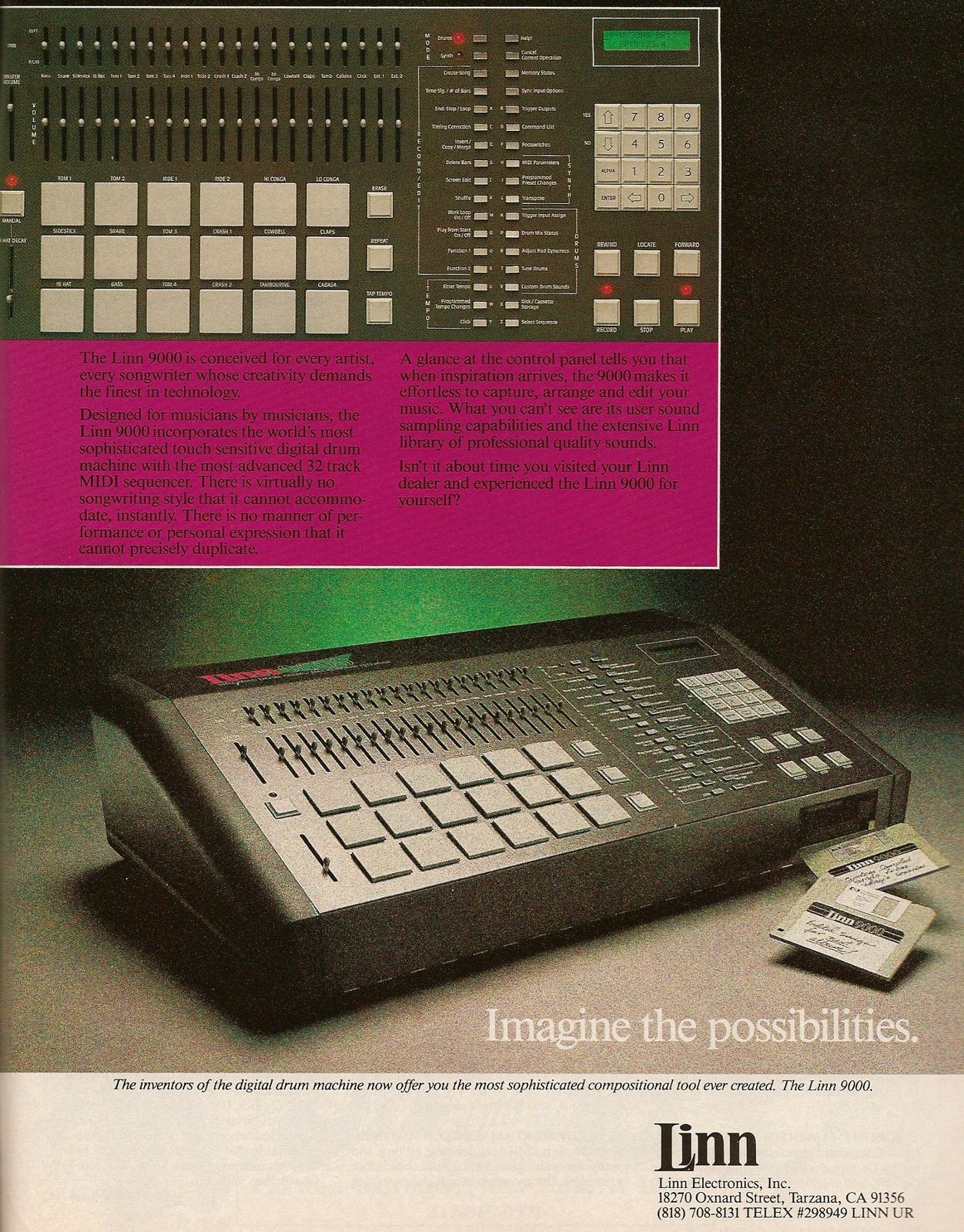
Linn · Advertisement
The Linn 9000 in its 1985 advertising. Rick Astley’s “Never Gonna Give You Up” association belongs to the recording history; the image is a period sales document.
1985
Museum visual archive · Source & credit ↗
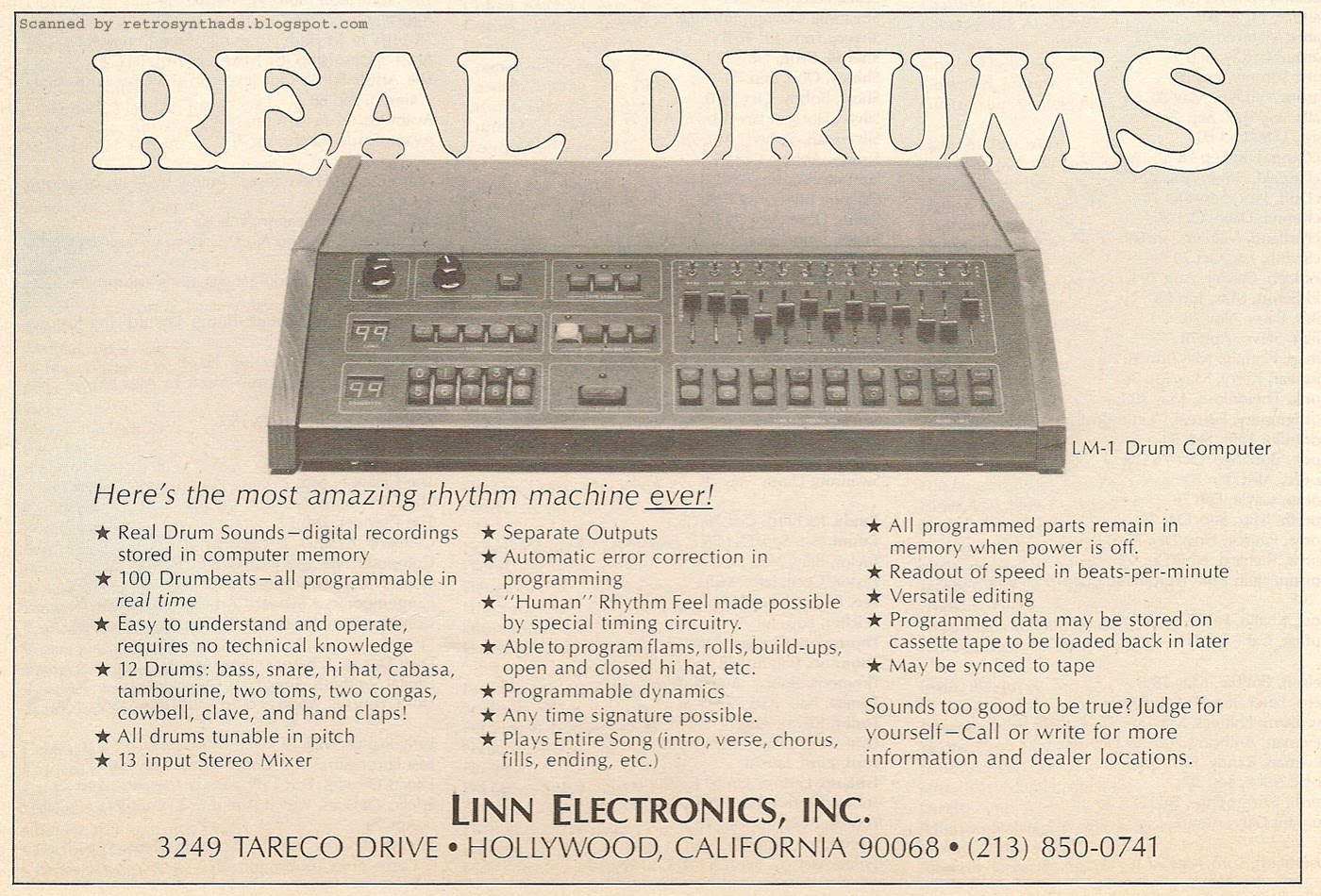
Linn · Advertisement
A 1980 Linn LM-1 advertisement. The Human League, Prince and other record stories belong to the dossier; the advertisement shows how Linn first presented its sampled-drum proposition.
1980
Museum visual archive · Source & credit ↗
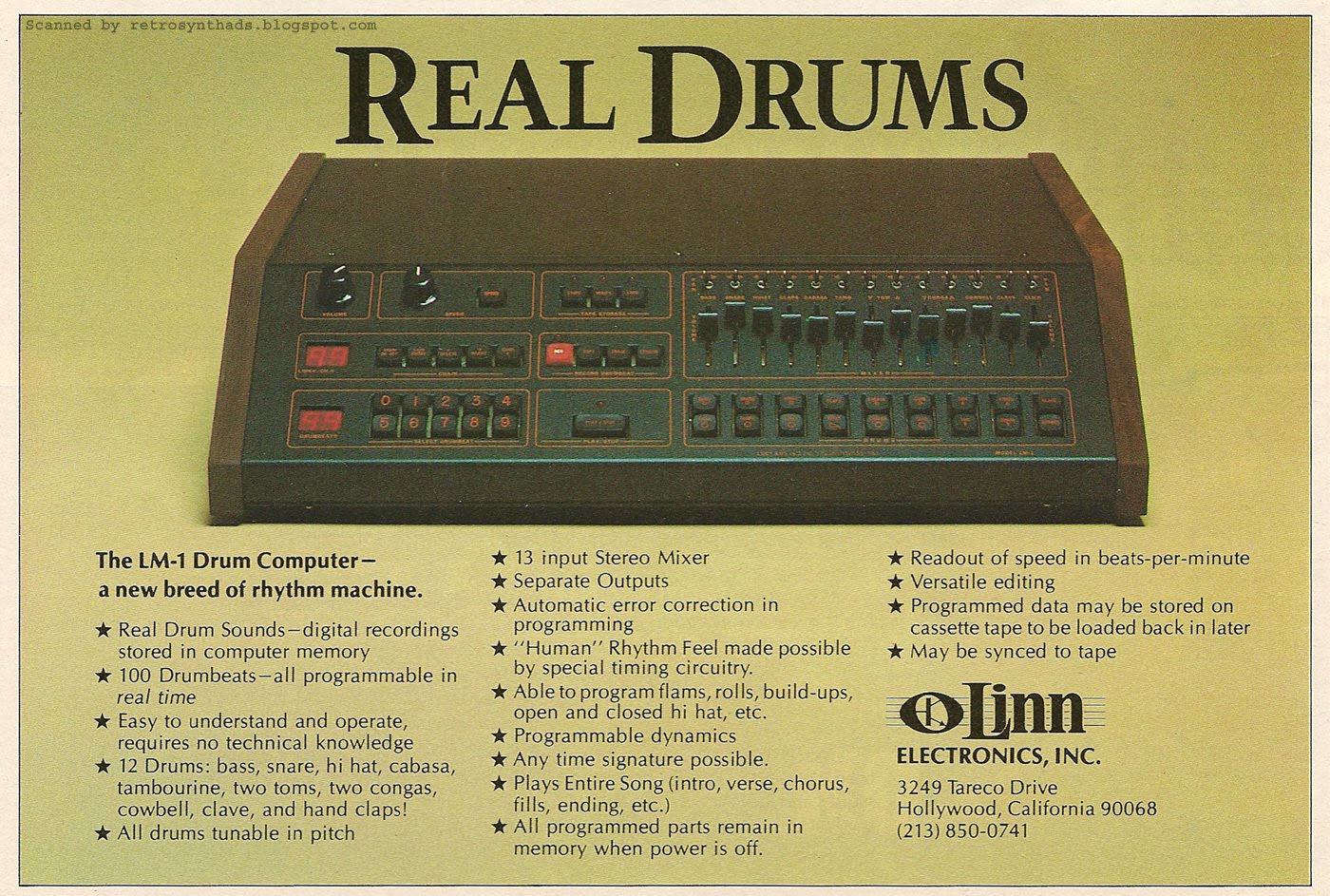
Linn · Advertisement
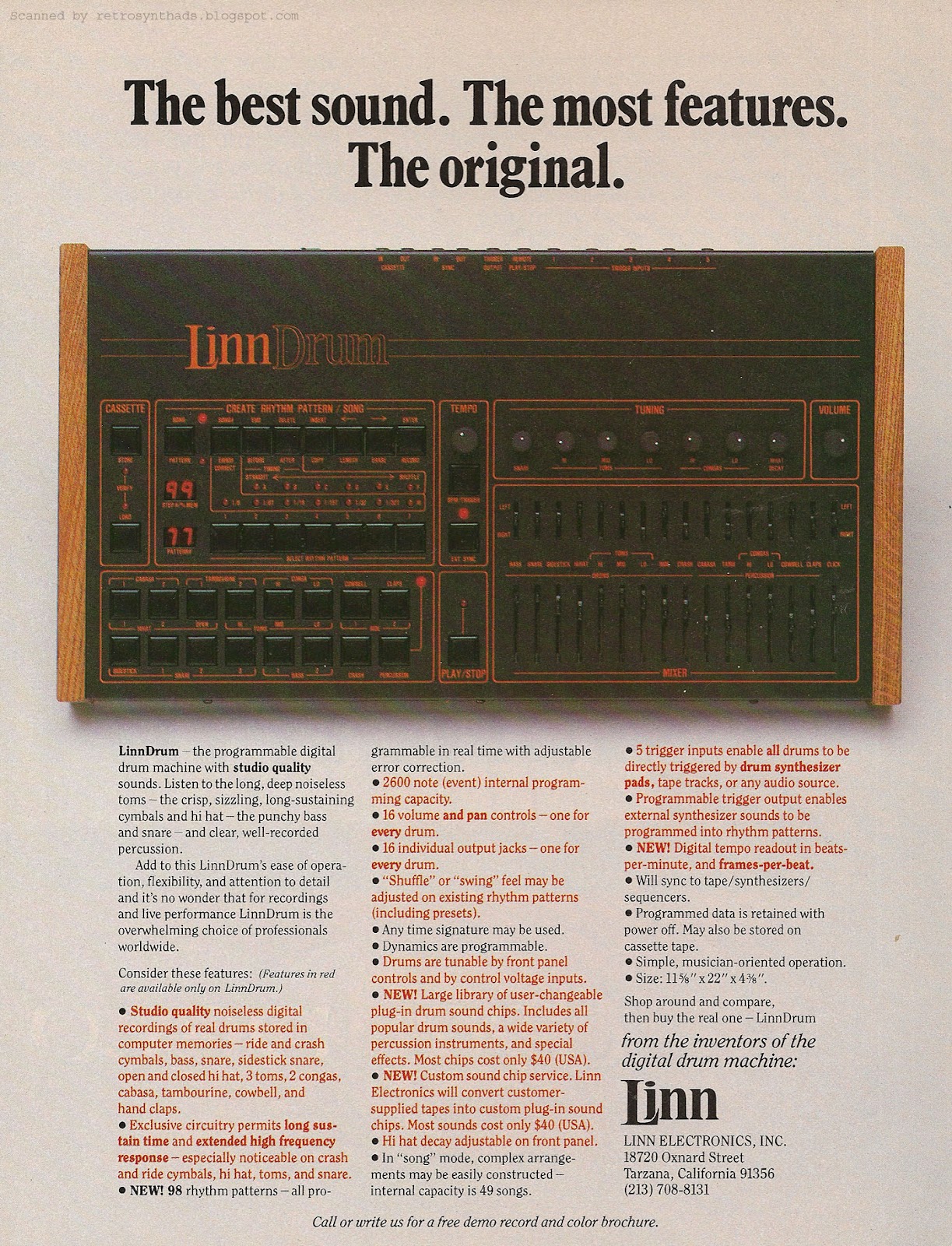
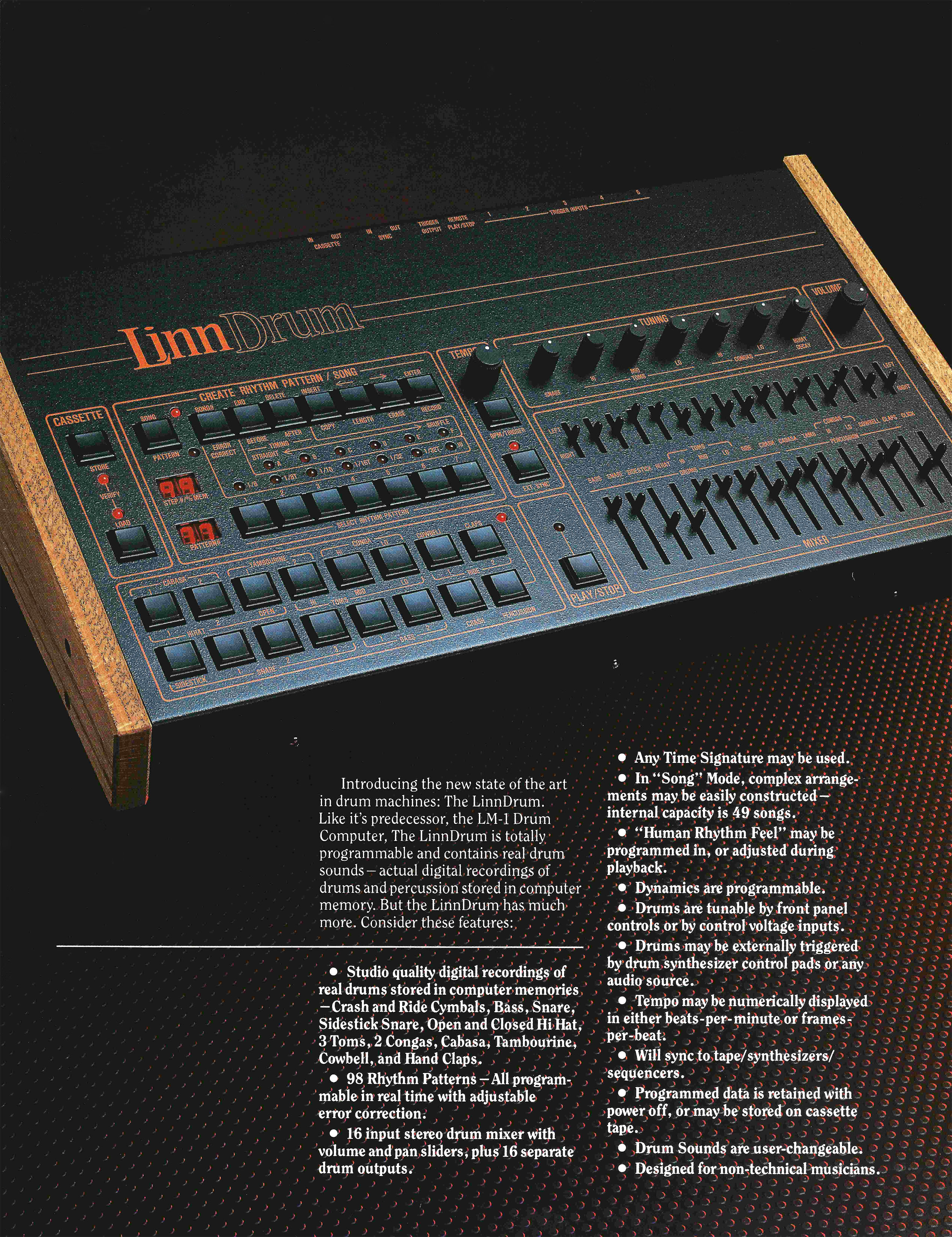
Linn’s original LinnDrum advertisement, kept beside the David Kahne and Bangles account of “Walk Like an Egyptian.” The campaign image shows what the studio machine looked like when it was new.
Undated
Hosted by Roger Linn Design · Source & credit ↗
Family · Advertisement
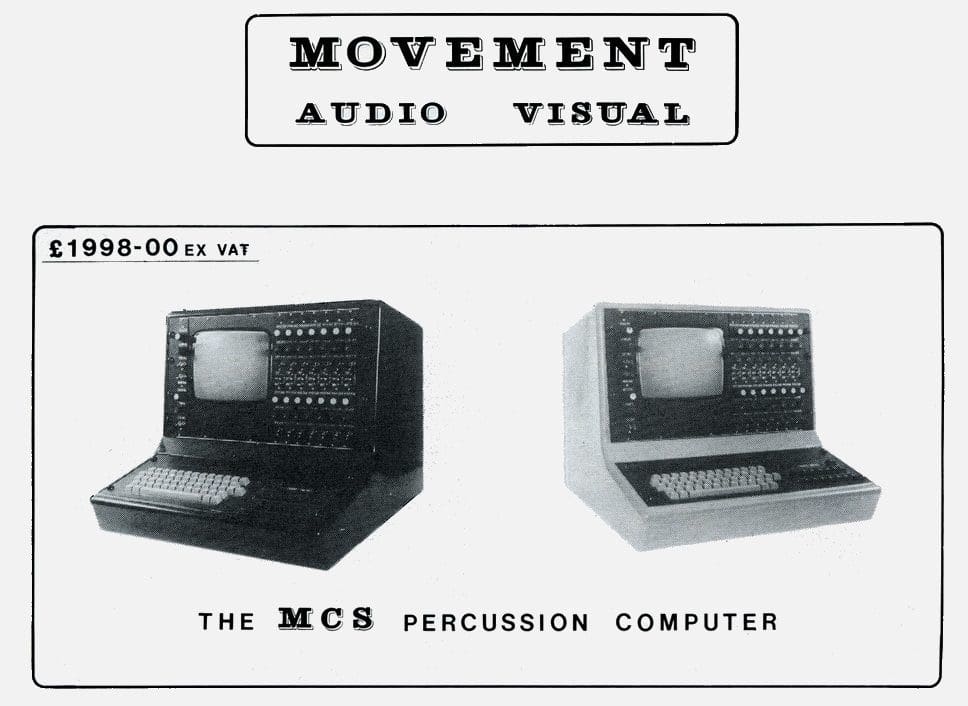
A 1981 Movement Systems percussion-computer advertisement. The linked dossier separates its period claim from later artist-use evidence.
1981
Museum visual archive · Source & credit ↗
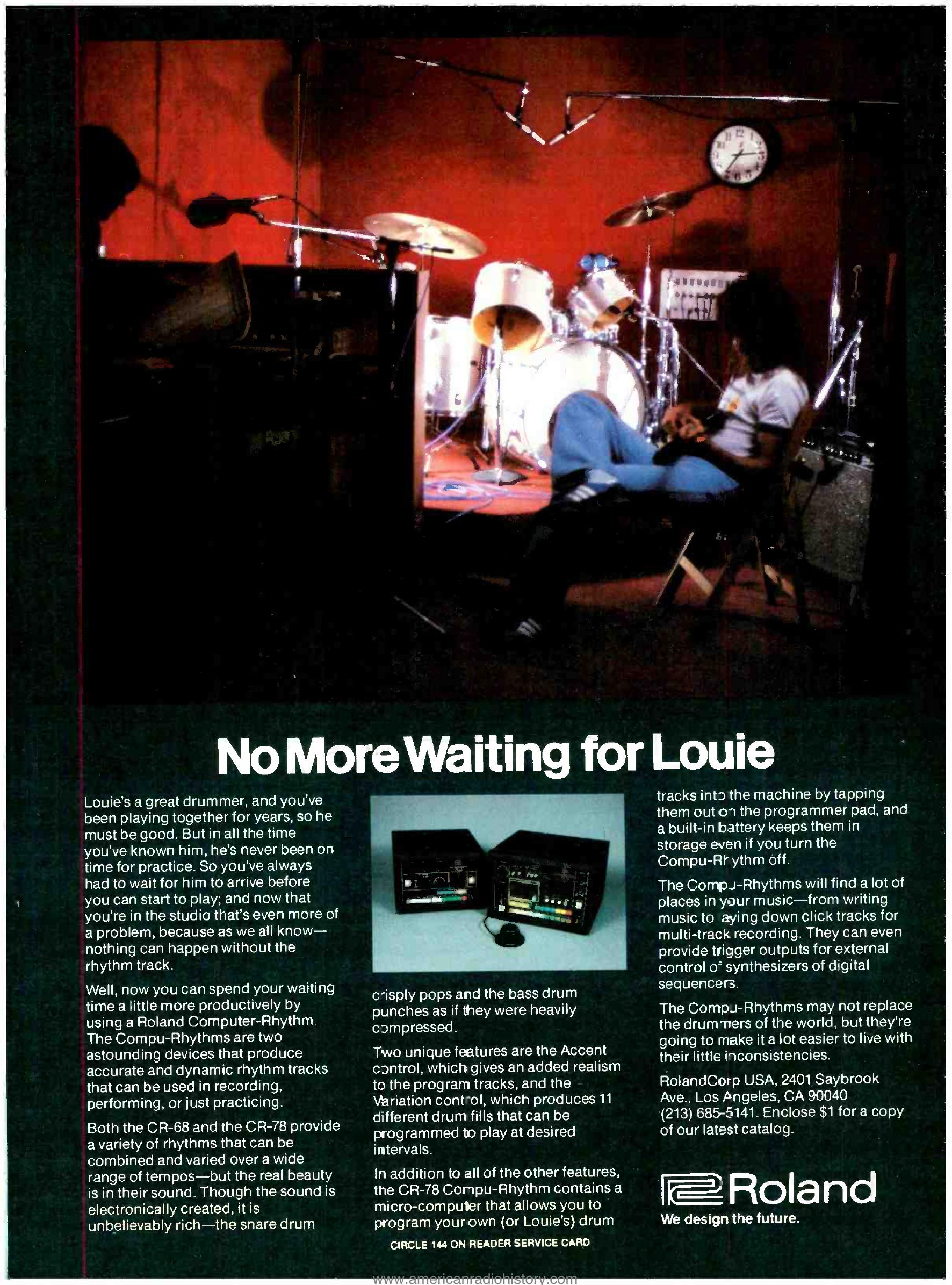
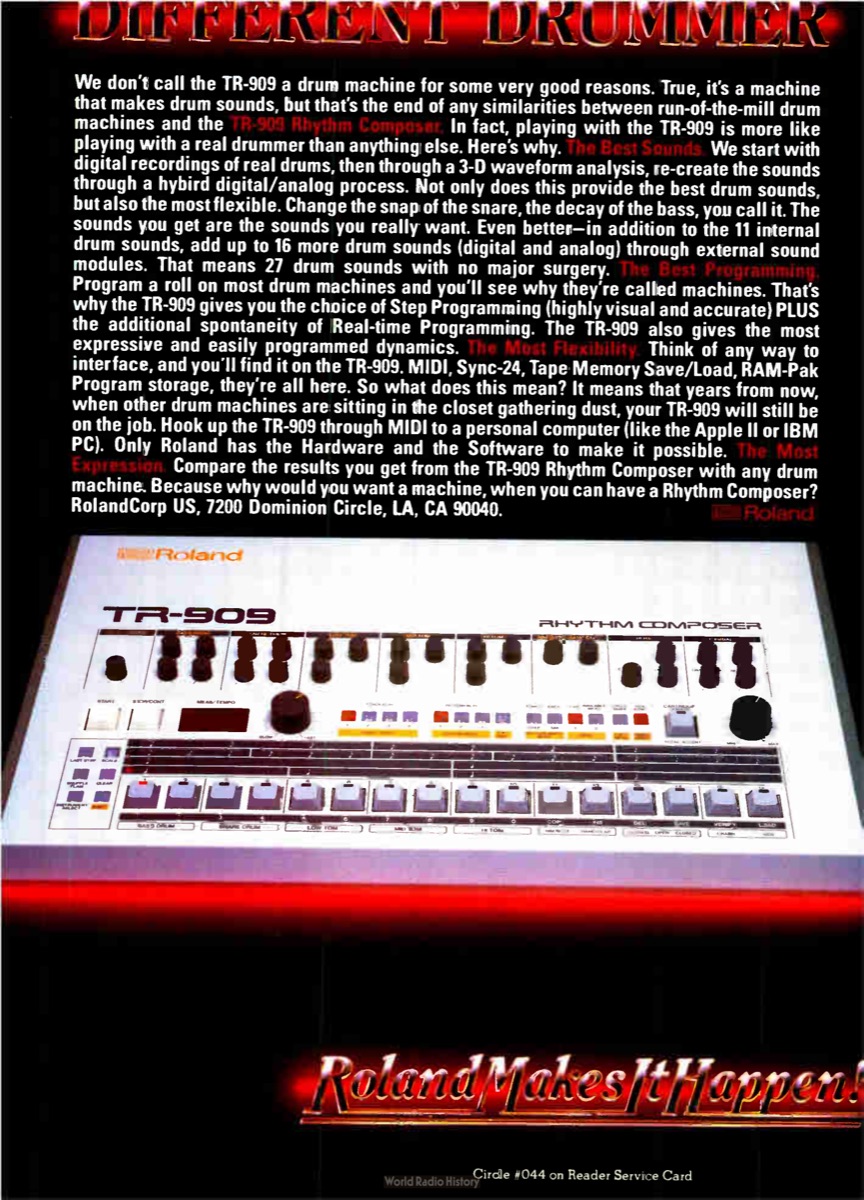
Family · Advertisement
1984
Big Beat machine archive · Source & credit ↗
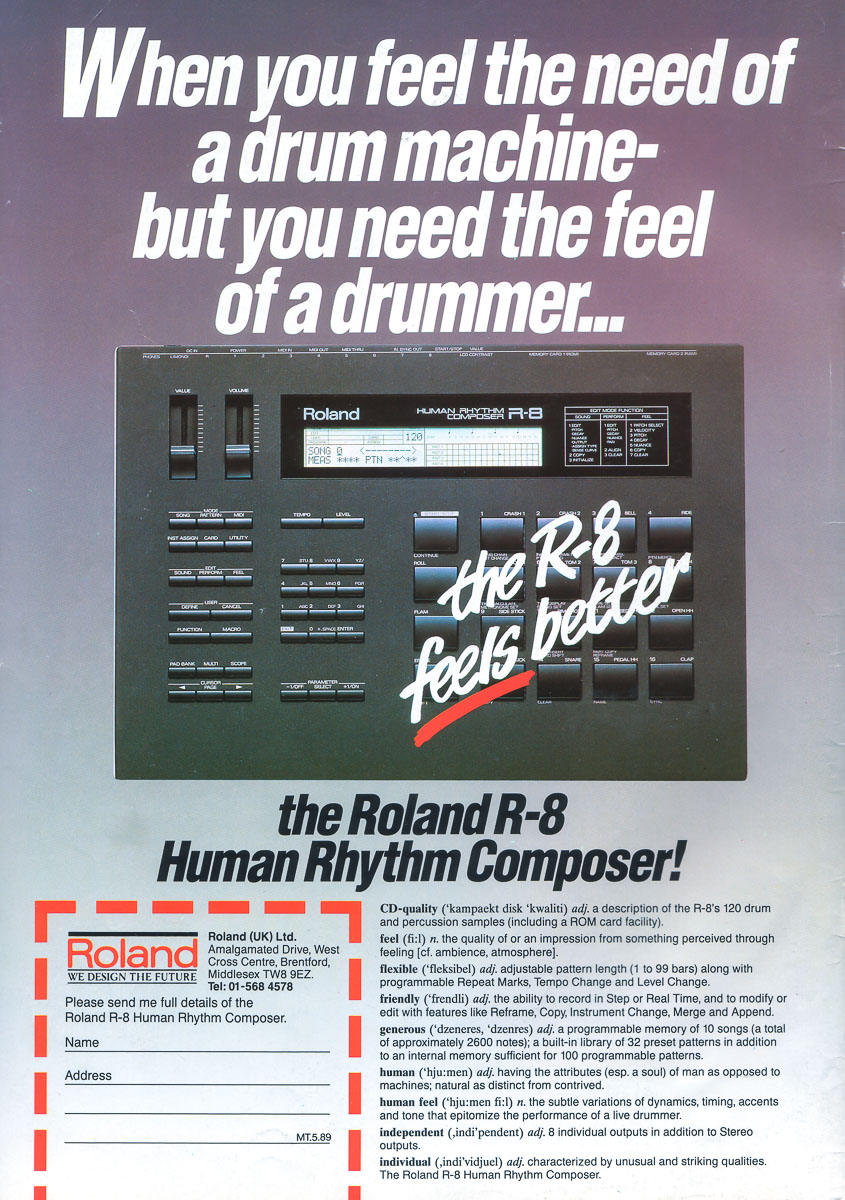
Family · Advertisement
1989
Museum visual archive · Source & credit ↗
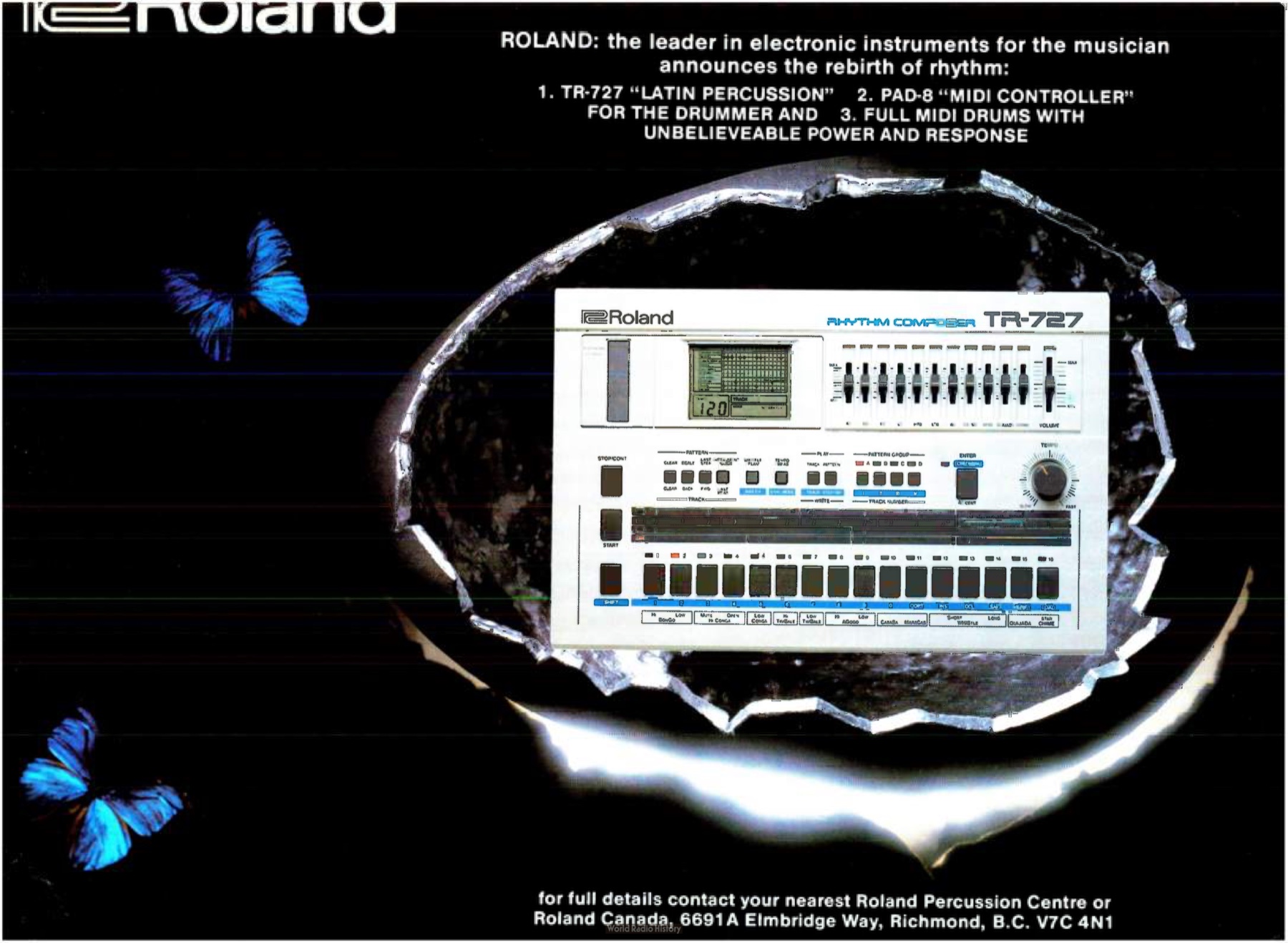
Family · Advertisement
1985
Big Beat machine archive · Source & credit ↗
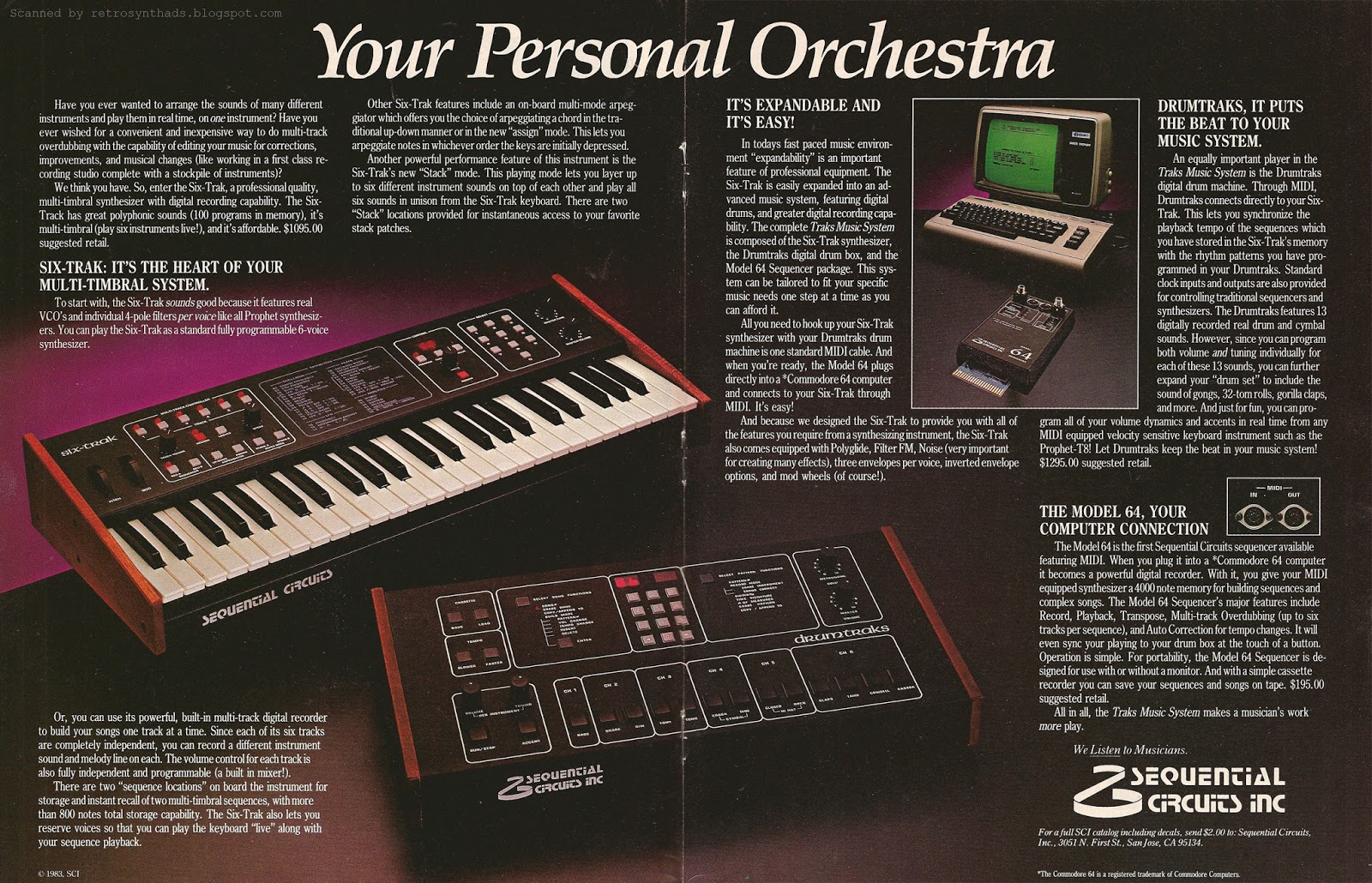
Sequential · Advertisement
1984
Museum visual archive · Source & credit ↗
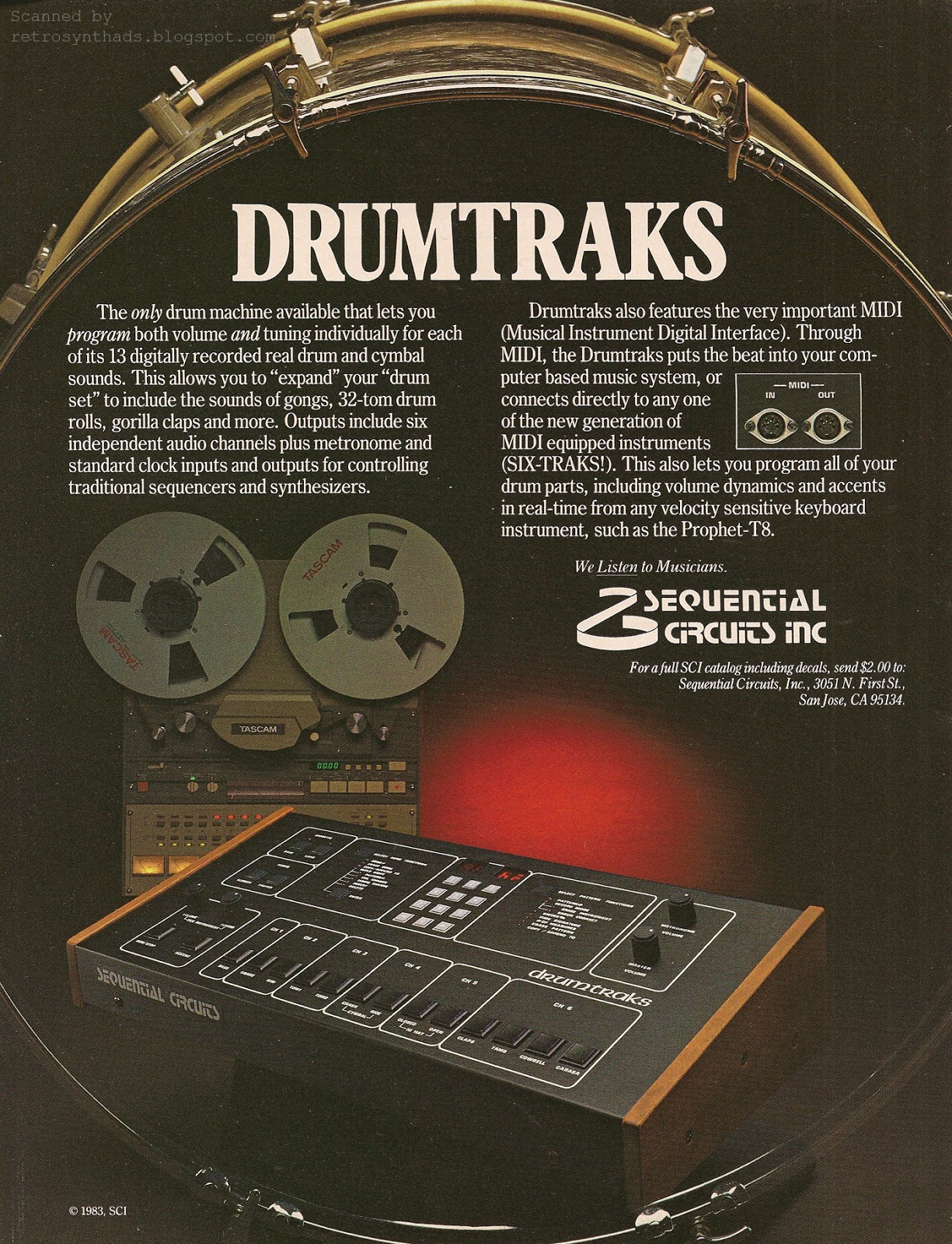
Sequential · Advertisement
Sequential’s Drumtraks advertisement from 1984. Juan Atkins later named the machine, alongside a TR-909, on Model 500’s “No UFOs”; the advert records the instrument entering the market, not the Detroit session.
1984
Museum visual archive · Source & credit ↗
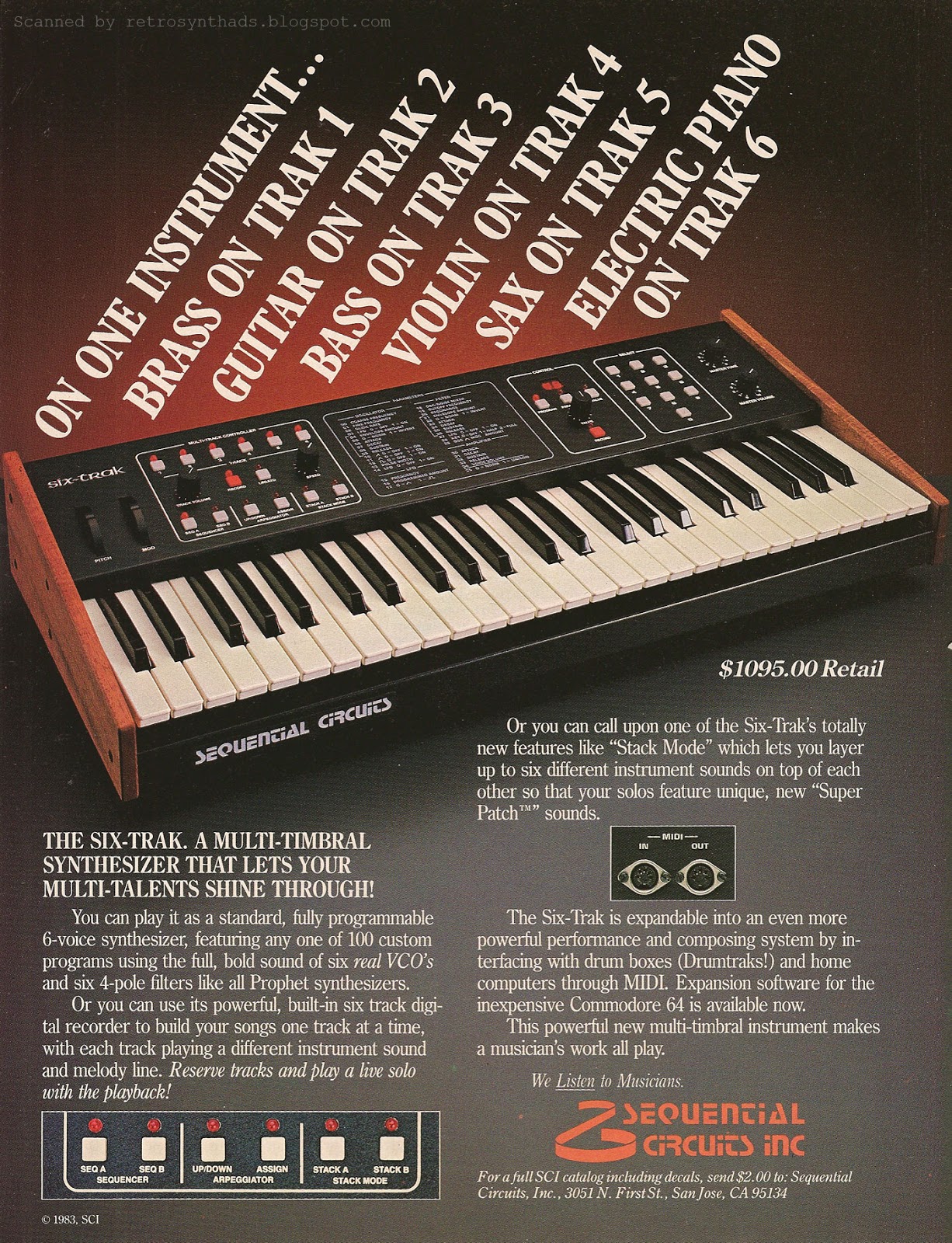
Sequential · Advertisement
1984
Museum visual archive · Source & credit ↗
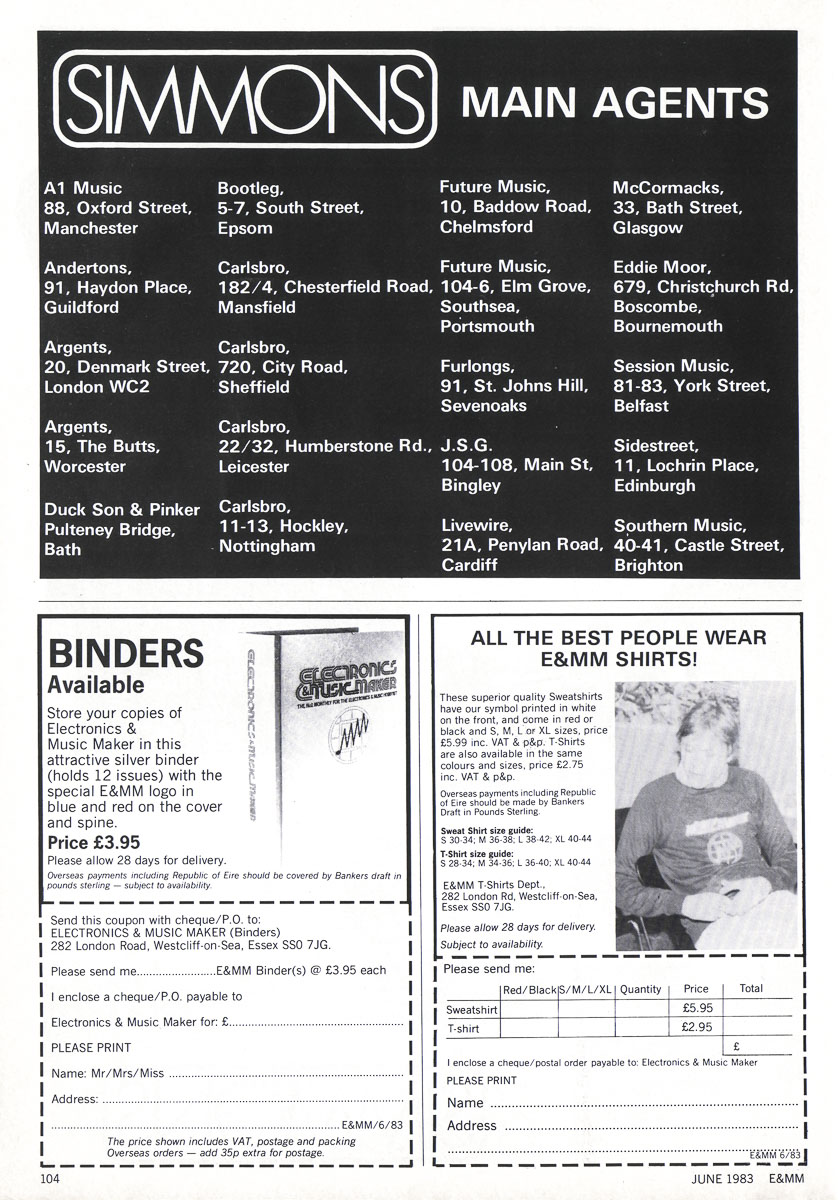
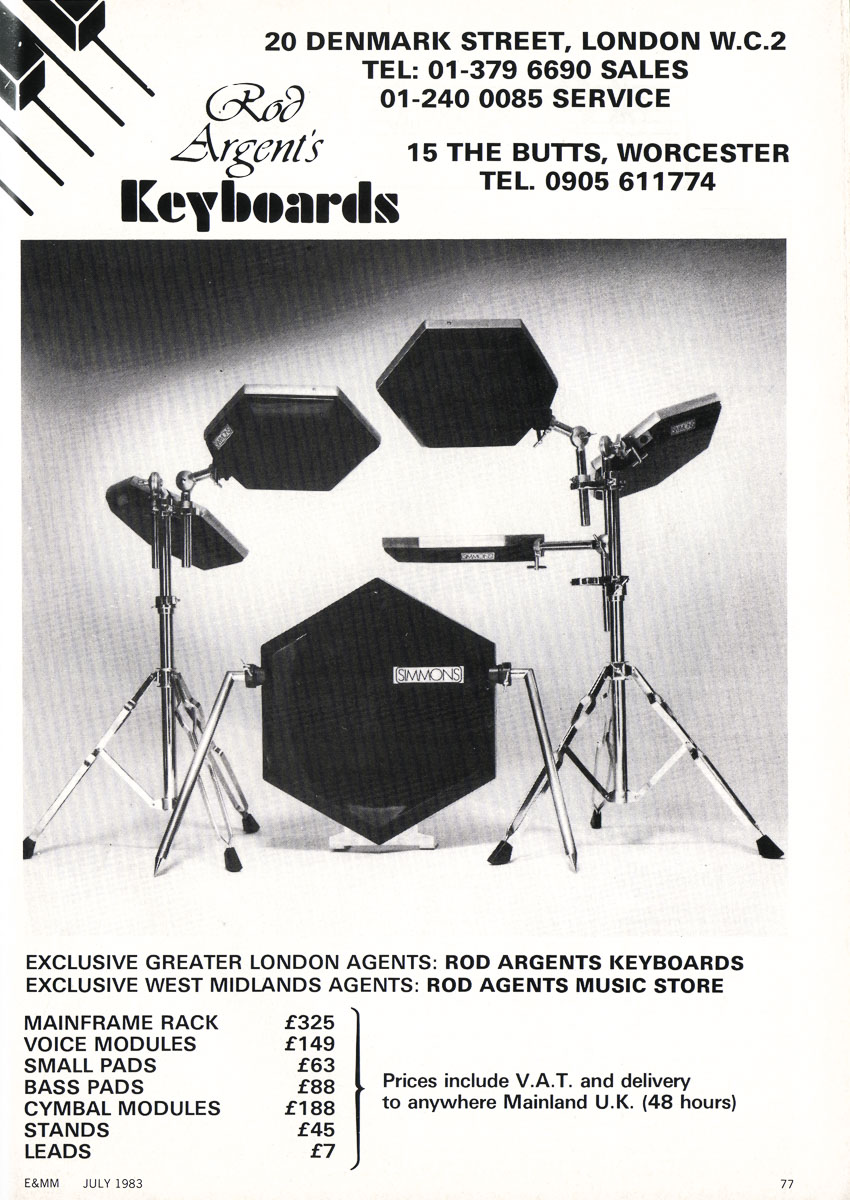
Simmons · Advertisement
A dealer advertisement for Simmons electronic drums. Richard James Burgess remembers the prototype SDS-V being played live on Spandau Ballet’s “Chant No. 1”; the advertisement preserves the visual world from which that pad system emerged.
1983
Museum visual archive · Source & credit ↗
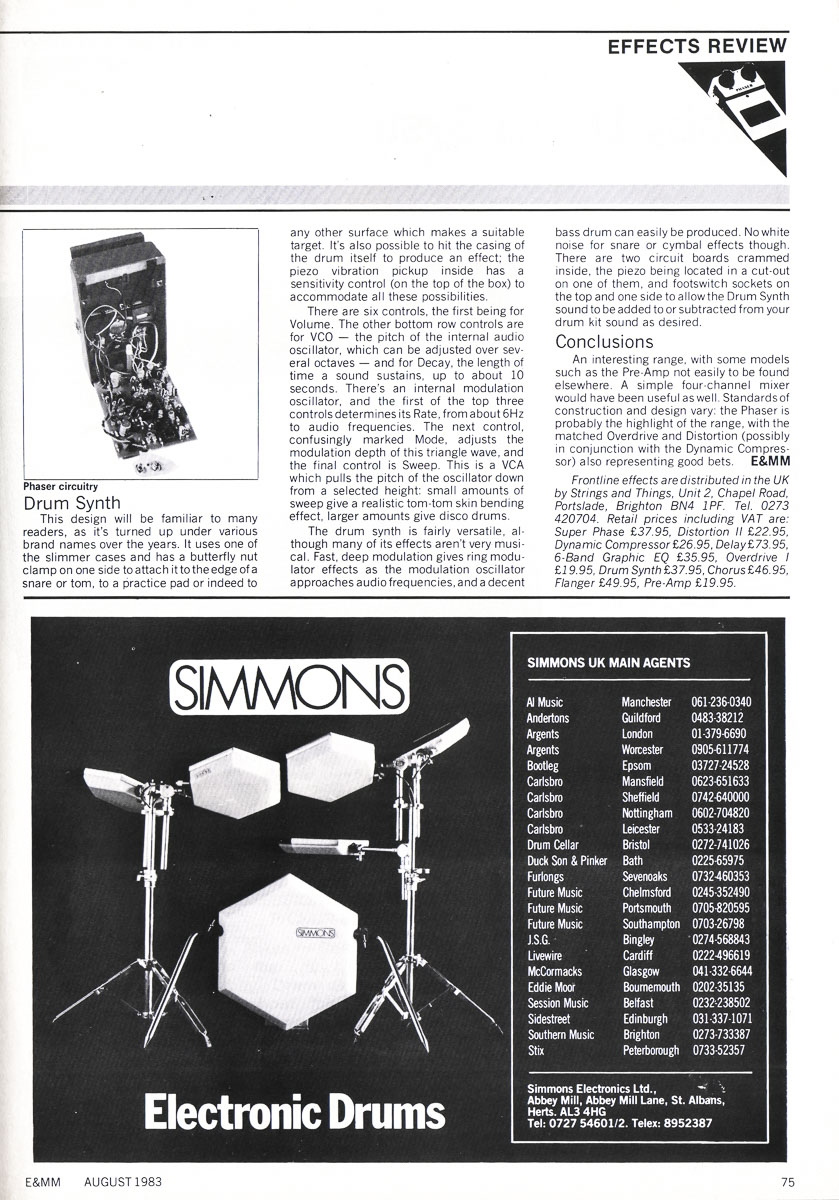
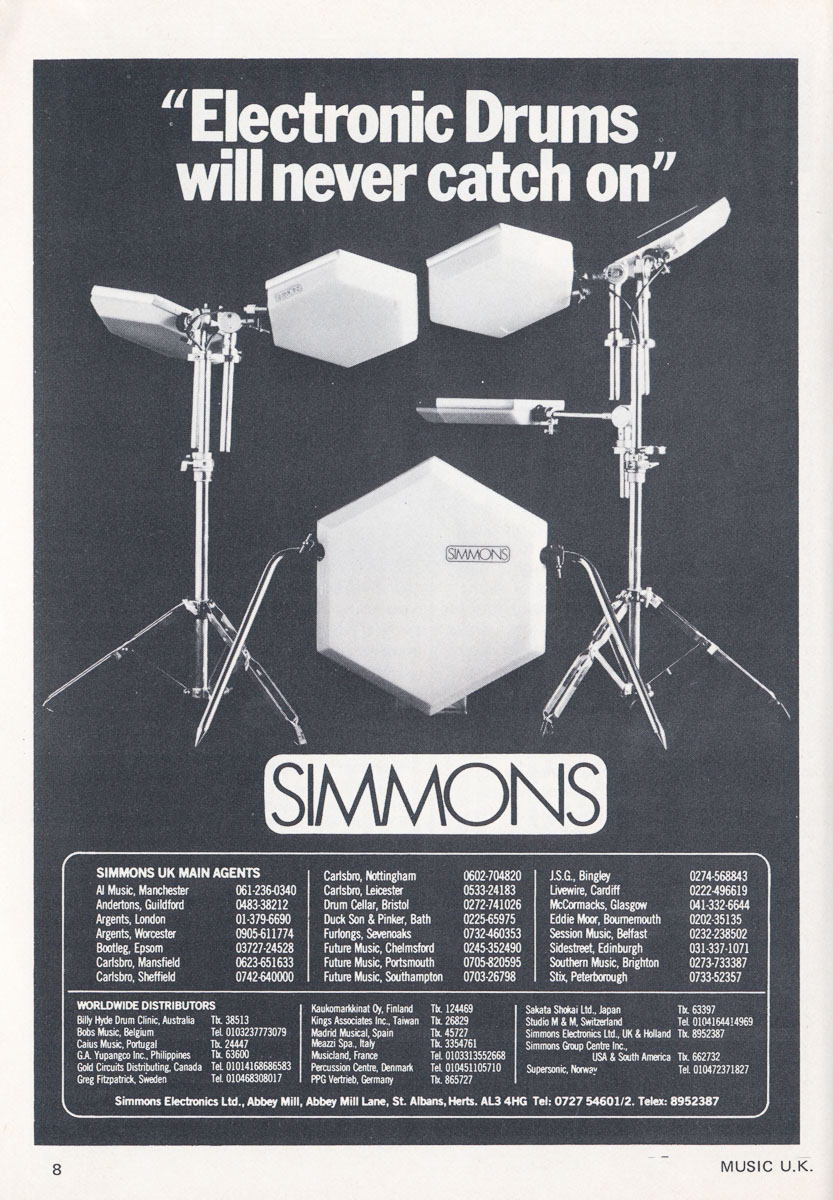
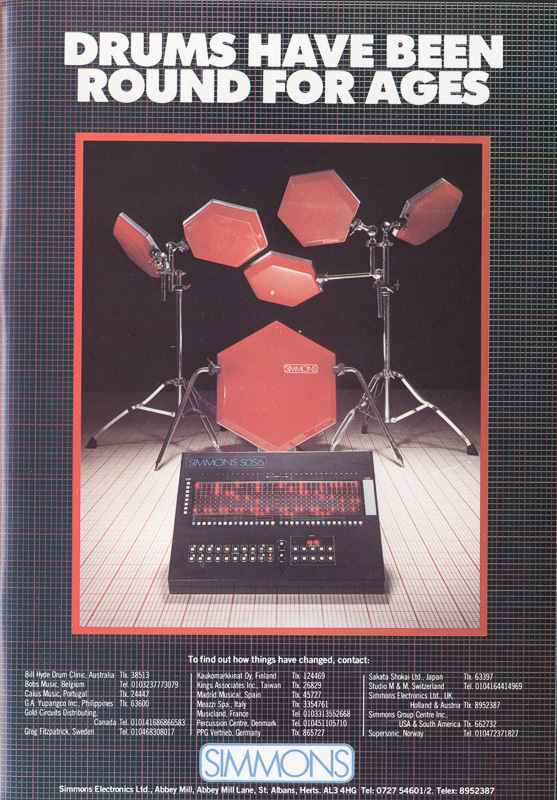
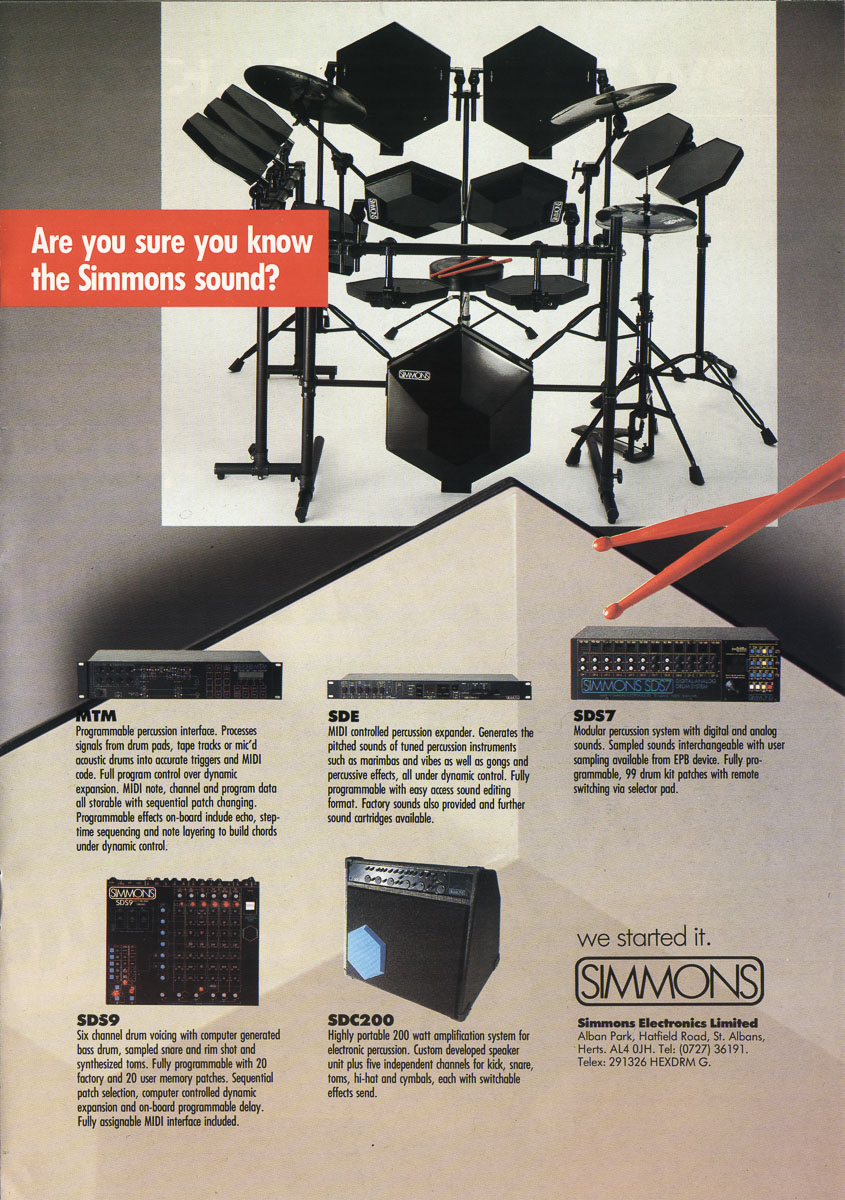
Simmons · Advertisement
Simmons’ SDS7 and SDS9 range advertisement from 1986. The gallery links to distinct artist accounts for the two machines while the sales image documents their shared catalogue moment.
1986
Museum visual archive · Source & credit ↗
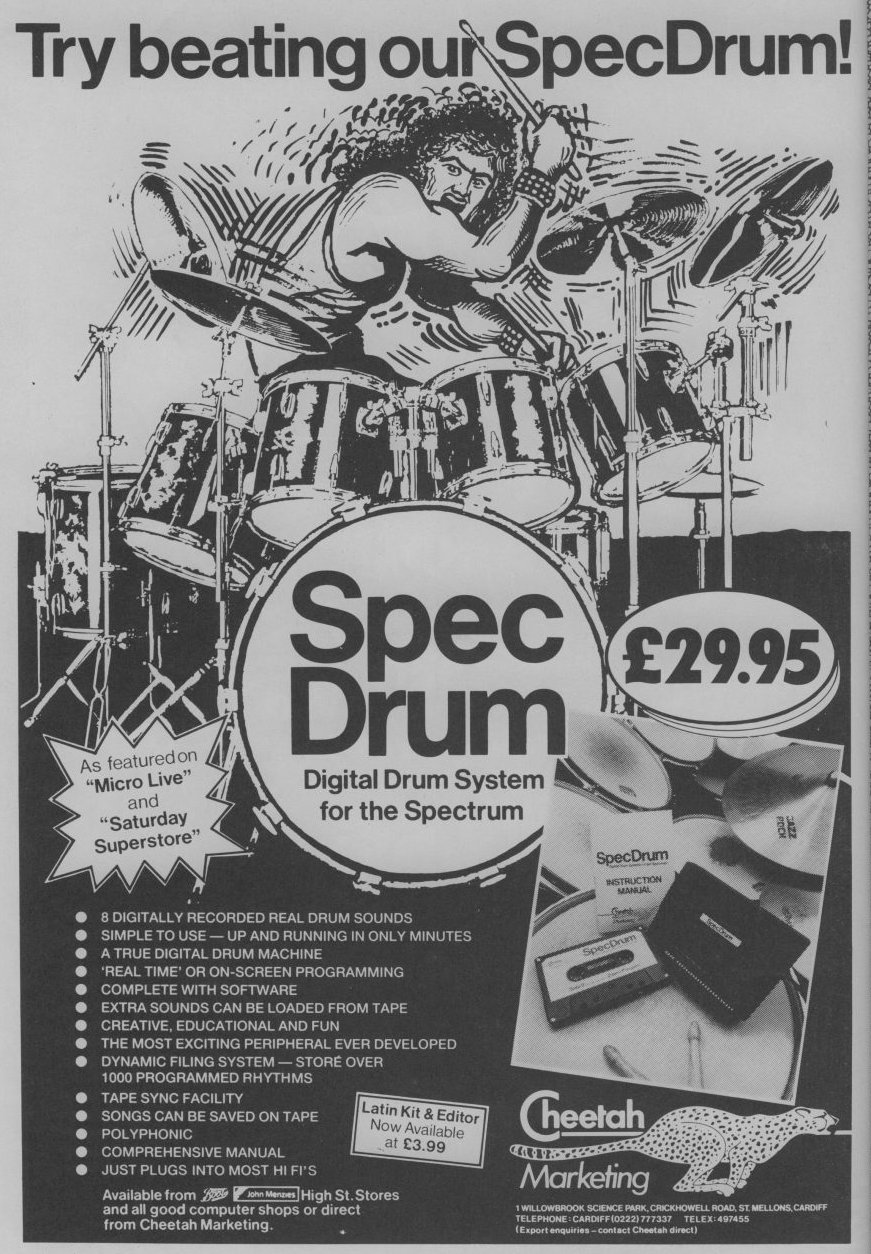
Cheetah · Advertisement
Cheetah’s SpecDrum advertisement promised a small digital drum system. Simon Mooli and Dave Waller’s Thames Valley Living record gives that promise a later musical destination.
Undated advertisement; original issue unknown
Cheetah Marketing · Source & credit ↗
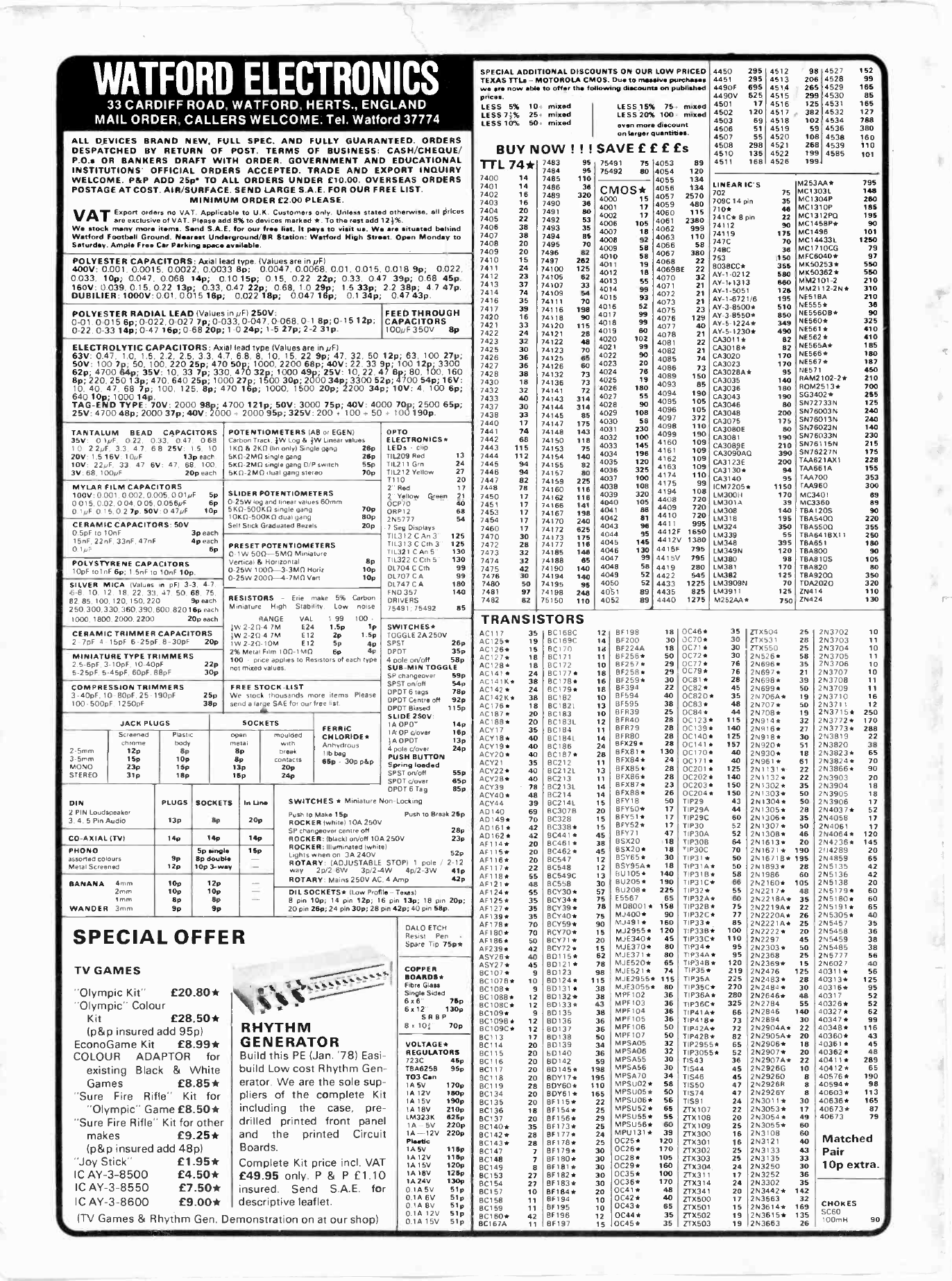
Watford Electronics · Advertisement
Watford Electronics advertised its Rhythm Generator as a mail-order kit in 1978. The Groove Criminals’ later sample-library story is a separate afterlife for the circuit, not a claim that the advert shows their source unit.
February 1978
Watford Electronics / Practical Electronics · Source & credit ↗
A growing collection of archival images. Document dates and source credits accompany each image.
Back to all machines →


