
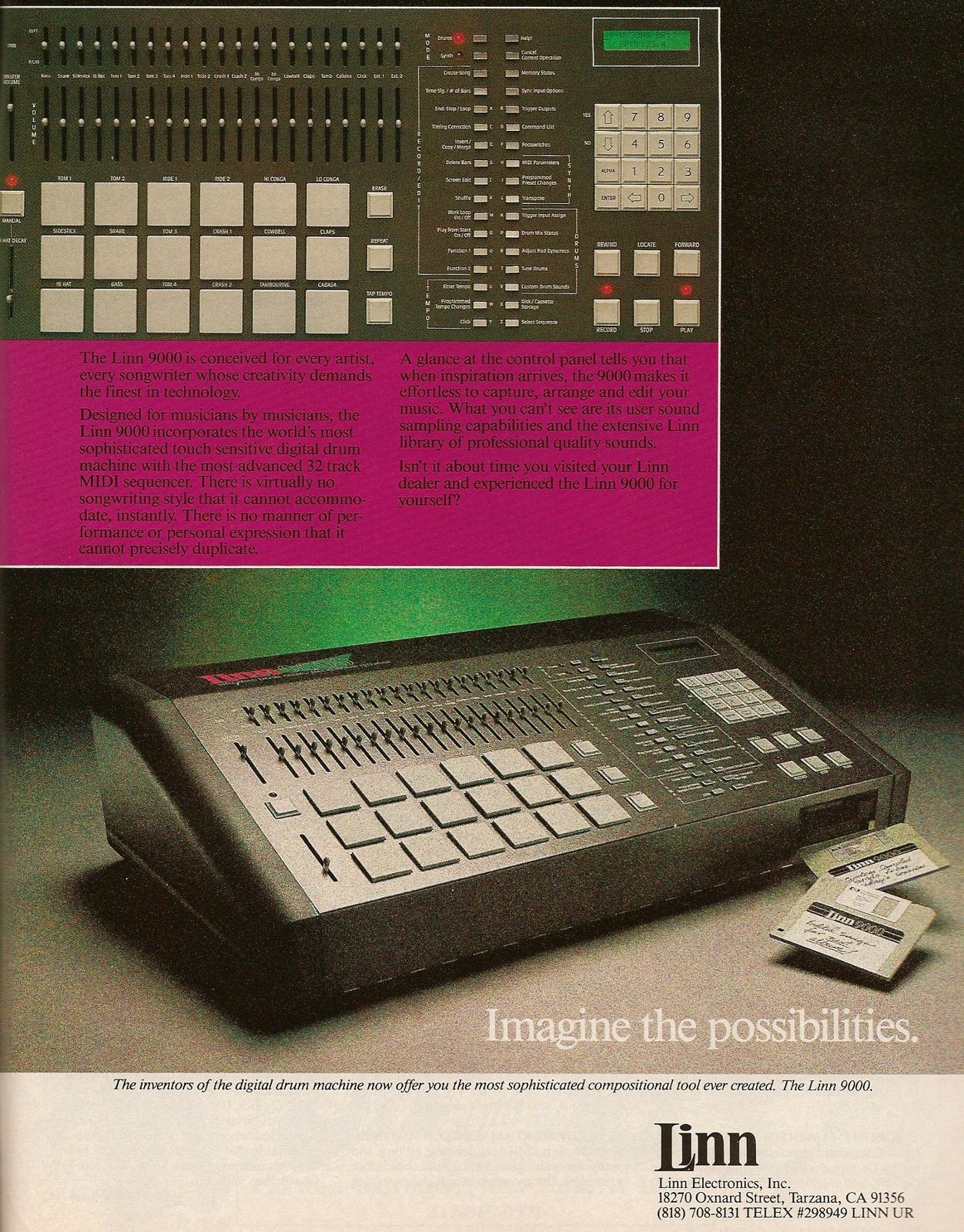
Roger Linn’s retrospective dates the Linn 9000 to 1984 and the last sales to February 1986. His $5,000 basic and $7,000 fully expanded prices are retrospective figures; the dated British reviews describe different tested and advertised facilities.
Silent control study
Press, repeat, vary.
Wiffen's April 1985 review describes pressure-sensitive pads and Repeat as a playable control path. Select a documented action to read its role; this does not emulate a Linn 9000, recreate a pattern or play audio.
Pressure: the reviewed pads respond to a player's changing force. No audio is played.
The machine in the record
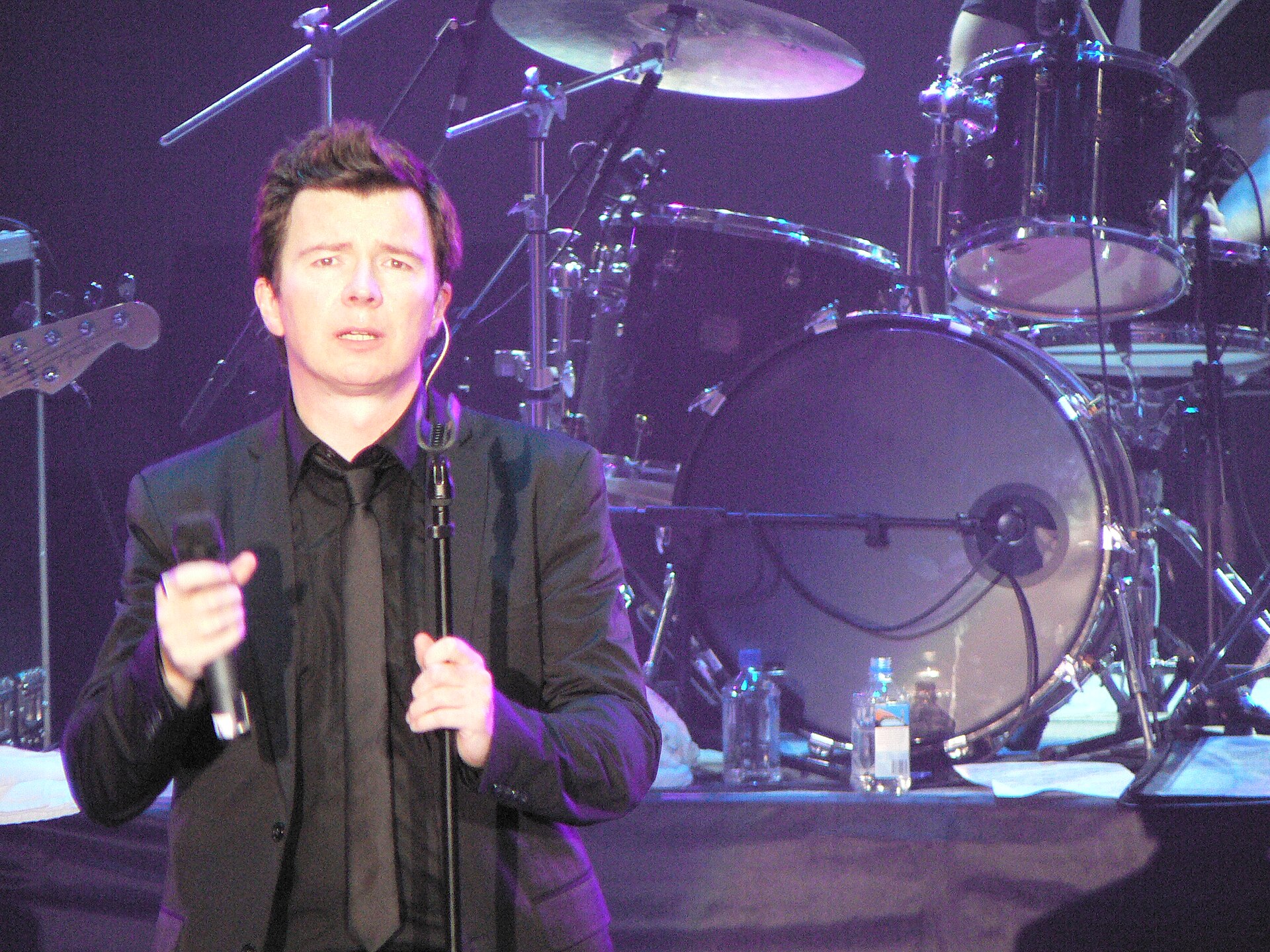
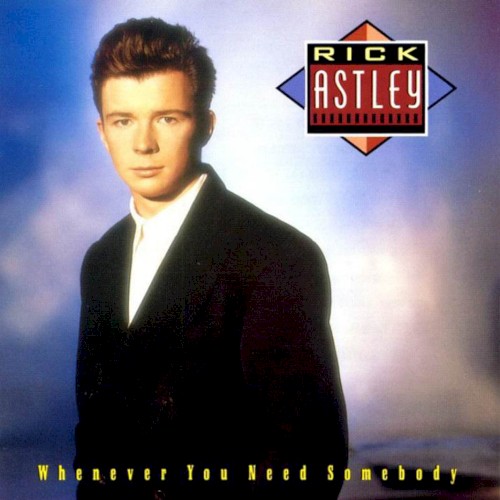
Rick Astley / “Never Gonna Give You Up”.
Rick Astley identifies the Linn 9000 while discussing the backing track for “Never Gonna Give You Up”. He does not separate every sound, process or released mix, but the account puts Linn’s flagship workstation inside a record built for permanent radio motion.
Read Song Exploder episode 233: Rick Astley — Never Gonna Give You Up, official transcript ↗More records in the archive
The machine keeps turning up.
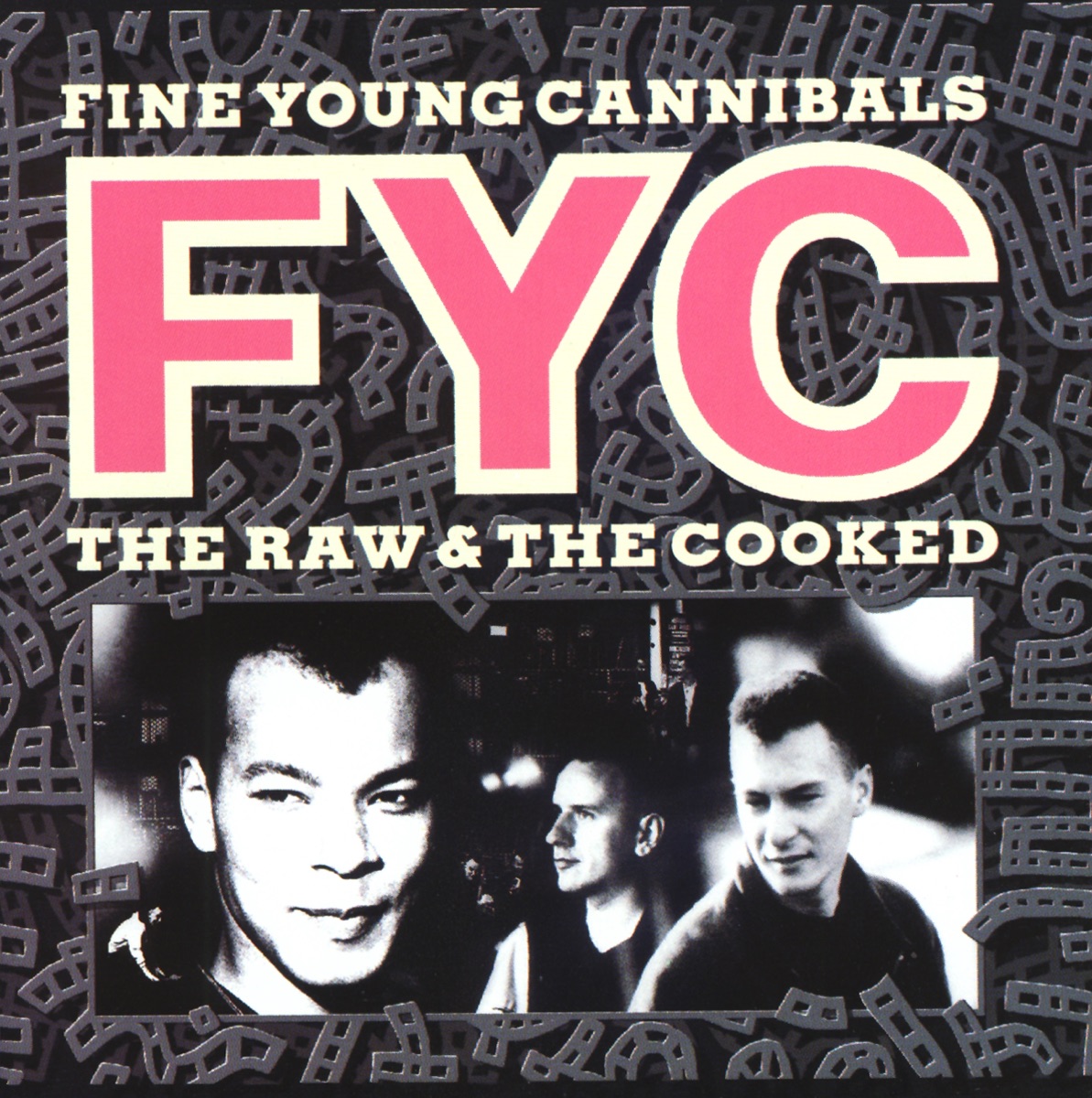
Fine Young Cannibals / David Z / “She Drives Me Crazy”
“She Drives Me Crazy” was made at Paisley Park with Prince’s Linn 9000. David Steele programmed the machine, while producer David Z identifies its conga preset as the starting point for the distinctive treated snare sound.
Read Fine Young Cannibals on recording She Drives Me Crazy at Paisley Park ↗
Atom™ / <3 — album production
Artist includes Linn 9000 in album sound-processing workflow.
Read In the studio with Atom™ ↗Jeff Lorber / Nu Shooz production period
Jeff Lorber says he used a Linn 9000 while helping craft a hit album for Portland group Nu Shooz.
Read Jeff Lorber and the Linn 9000 ↗
Mike Stock / Stock Aitken Waterman / Unnamed composition during PWL studio visit
Reporter observes Stock using Linn 9000 alongside TR-727.
Read Production Line, Music Technology ↗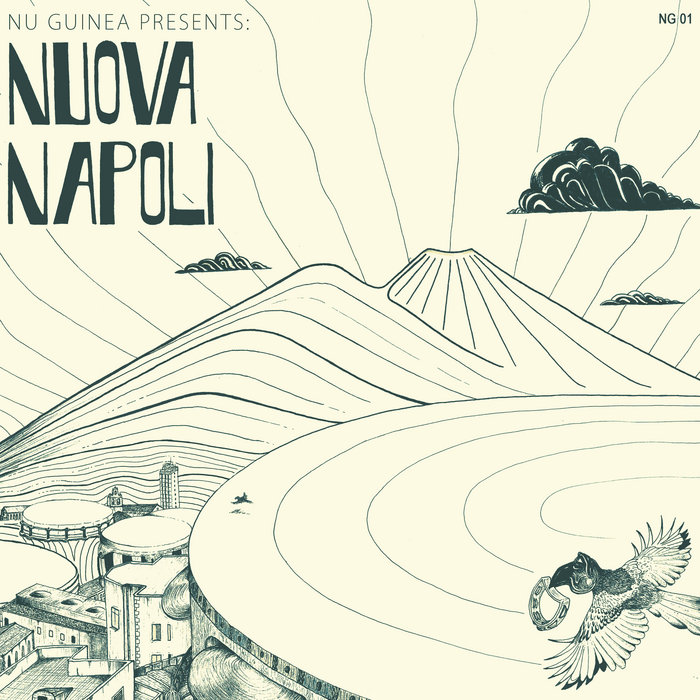
Nu Genea / Nuova Napoli
Nu Genea’s official credits list a Linn 9000 drum machine among the instruments used for Nuova Napoli, with Massimo Di Lena credited for drum programming.
Read Nu Genea / Nuova Napoli ↗
Gonzalo Martinez / gonzalo martinez y sus congas pensantes
Gonzalo Martinez lists a Linn 9000 among the equipment used for gonzalo martinez y sus congas pensantes.
Read gonzalo martinez y sus congas pensantes ↗
Osunlade / Pyrography
Osunlade’s track credits identify a Linn 9000 on “I’m Happy”, “Idiosyncracy” and “Pheramones”.
Read Pyrography (Deluxe Edition) ↗
Die Form / Erick Benzi / POUPÉE MÉCANIQUE
Die Form credits Erick Benzi with Linn 9000 programming, arrangement and mix work on POUPÉE MÉCANIQUE.
Read POUPÉE MÉCANIQUE ↗
Julian Juno / Julian Juno
Julian Juno’s release credits list a Linn 9000 among the drum machines used.
Read Julian Juno ↗
Atom TM / Odd Machine / Phase In — NSP 06
Phase In’s release notes identify Atom TM’s Linn 9000 and LM-2 rhythm programming for the record.
Read Phase In — NSP 06 ↗Archive source
Rhythm Electronics / Vintage Drum Machines for Roland MC-707 & MC-101
Rhythm Electronics includes a Linn 9000 kit and pattern set in Vintage Drum Machines for Roland MC-707 & MC-101, describing the source samples as recorded from mint-state machines.
Read Rhythm Electronics / Vintage Drum Machines for Roland MC-707 & MC-101 ↗
Die Form / Poupée Mécanique
Die Form credit the Linn 9000 as drum machine and sequencer, with Erick Benzi handling its programming.
Read Die Form / Poupée Mécanique ↗In the market
- 1985-03: GBP 4495 — UK contemporary review price. Reviewed machine Source ↗
- 1985-04: GBP 5169.25 — UK contemporary review price. Reviewed machine Source ↗
On record
- Rick Astley — Never Gonna Give You Up. Astley identifies the Linn 9000 in the backing-track discussion. Source ↗
- Atom™ — <3 — album production. Artist includes Linn 9000 in album sound-processing workflow. Source ↗
- Jeff Lorber — Nu Shooz production period. Jeff Lorber says he used a Linn 9000 while helping craft a hit album for Portland group Nu Shooz. Source ↗
- Fine Young Cannibals / David Z — “She Drives Me Crazy”. “She Drives Me Crazy” was made at Paisley Park with Prince’s Linn 9000. David Steele programmed the machine, while producer David Z identifies its conga preset as the starting point for the distinctive treated snare sound. Source ↗
- Nu Genea — Nuova Napoli. Nu Genea’s official credits list a Linn 9000 drum machine among the instruments used for Nuova Napoli, with Massimo Di Lena credited for drum programming. Source ↗
- Gonzalo Martinez — gonzalo martinez y sus congas pensantes. Gonzalo Martinez lists a Linn 9000 among the equipment used for gonzalo martinez y sus congas pensantes. Source ↗
- Osunlade — Pyrography. Osunlade’s track credits identify a Linn 9000 on “I’m Happy”, “Idiosyncracy” and “Pheramones”. Source ↗
- Die Form / Erick Benzi — POUPÉE MÉCANIQUE. Die Form credits Erick Benzi with Linn 9000 programming, arrangement and mix work on POUPÉE MÉCANIQUE. Source ↗
- Julian Juno — Julian Juno. Julian Juno’s release credits list a Linn 9000 among the drum machines used. Source ↗
- Atom TM / Odd Machine — Phase In — NSP 06. Phase In’s release notes identify Atom TM’s Linn 9000 and LM-2 rhythm programming for the record. Source ↗
- Rhythm Electronics — Vintage Drum Machines for Roland MC-707 & MC-101. Rhythm Electronics includes a Linn 9000 kit and pattern set in Vintage Drum Machines for Roland MC-707 & MC-101, describing the source samples as recorded from mint-state machines. Source ↗
- Die Form — Poupée Mécanique. Die Form credit the Linn 9000 as drum machine and sequencer, with Erick Benzi handling its programming. Source ↗
In the studio and on stage
- Mike Stock / Stock Aitken Waterman — Unnamed composition during PWL studio visit. Reporter observes Stock using Linn 9000 alongside TR-727. Source ↗
One clock for drums and keyboard parts
Play a drum pattern, then record an external MIDI keyboard beside it. Paul Colbert’s March 1985 example has a four-bar drum part repeating beneath a sixteen-bar keyboard sequence without a separate synchronisation setup. The 9000 records MIDI performance data, not the synthesizer’s audio: the external instrument still supplies its sound. Joining those jobs on one panel was its practical proposition.
A pattern played under the hands
Strike a pad to record its dynamics; hold Repeat to enter a regular series of strokes and vary pressure to change their level. The hi-hat decay control changes note length, while faders place the drum parts in the mix. Bob Henrit’s April 1985 showroom account describes working on a selected loop, then copying and joining sections. Eighteen pads are playing positions, not proof of eighteen independently sampled recordings.
Linn 9000 ↗ Linn 9000, pp. 30–31 ↗ Linn 9000 — Rhythmcheck ↗
The reviewed machine and the promised options
Paul Wiffen’s April 1985 unit lacked step-time entry; he discussed user-sampling, disk, trigger and SMPTE cards as forthcoming additions. Henrit’s account describes step editing, and Colbert discusses facilities absent from his review sample. Their operating versions remain unresolved. A later advertisement or upgraded survivor cannot settle what every early purchaser received. Wiffen’s £4,500 before VAT is a dated British review price, not the same measure as Linn’s later dollar recollection.
Roger Linn Design — Museum ↗ Linn 9000 ↗ Linn 9000, pp. 30–31 ↗ Linn 9000 — Rhythmcheck ↗
A named record and an unnamed studio visit
Rick Astley identifies the Linn 9000 in the backing-track discussion for “Never Gonna Give You Up” in Song Exploder. That is named-record testimony, not a breakdown of every drum sound or mix. Tim Goodyer’s June 1987 PWL visit separately observes Mike Stock building a rhythm with a Linn 9000 and TR-727 while Matt Aitken plays a D-50 guide. The report does not name that composition.
Song Exploder episode 233: Rick Astley — Never Gonna Give You Up, official transcript ↗ Production Line, Music Technology ↗
Atom™: sound material rather than a running arrangement
In his April 2020 studio interview, Atom™ describes sending sounds among machines, including the Linn 9000, during work on <3. He rarely builds large patterns on it; instead, he shapes source material and edits the results in Pro Tools. He also reports faults in his own instrument. This is an album-level processing account and an individual owner’s experience, not a factory-configuration specification or evidence that the whole album ran from its sequencer.
Repair, revision and the MPC connection
The end of Linn Electronics was not the end of the instruments. Bruce Forat’s later interview describes rewriting the operating software; Jeff Lorber and Oliver Leiber recall both studio use and failures. The Forat F-9000 is a revised continuation, not the configuration of every original 9000. Roger Linn separately describes the MPC concept as re-engineering this sampler/sequencer idea with Akai. Simon Trask’s April 1988 MPC60 review supplies a contemporary comparison, not proof that the two machines were interchangeable.
Roger Linn Design — Museum ↗ The Unknown Heroes of Drum Machines ↗ Industry Interview — Roger Linn, page 3 ↗ Akai MPC60 ↗
Sources
The visual archive
Further visual evidence.
Sources for images shown earlier (13)
- Linn 9000 advertisement ↗
- Nu Genea — Nuova Napoli ↗
Release date not stated on source page · Nu Genea / release artwork via Bandcamp · Official Bandcamp release-page artwork (Open Graph image) - Gonzalo Martinez — gonzalo martinez y sus congas pensantes ↗
2021-01-13 · Gonzalo Martinez / release artwork via Bandcamp · Official Bandcamp release-page artwork (Open Graph image) - Osunlade — Pyrography ↗
2014-06-13 · Osunlade / release artwork via Bandcamp · Official Bandcamp release-page artwork (Open Graph image) - Die Form / Erick Benzi — POUPÉE MÉCANIQUE ↗
1987-01-01 · Die Form / Erick Benzi / release artwork via Bandcamp · Official Bandcamp release-page artwork (Open Graph image) - Julian Juno — Julian Juno ↗
2018-05-20 · Julian Juno / release artwork via Bandcamp · Official Bandcamp release-page artwork (Open Graph image) - Atom TM / Odd Machine — Phase In — NSP 06 ↗
2009-08-01 · Atom TM / Odd Machine / release artwork via Bandcamp · Official Bandcamp release-page artwork (Open Graph image) - Rhythm Electronics — Vintage Drum Machines for Roland MC-707 & MC-101 ↗
2021-02-07 · Rhythm Electronics / release artwork via Bandcamp · Official Bandcamp release-page artwork (Open Graph image) - Rick Astley — Never Gonna Give You Up ↗
1987 · Rick Astley / release artwork via Cover Art Archive · MusicBrainz release record and Cover Art Archive front artwork - Atom™ — <3 — album production ↗
2020-04-17 · Atom™ / release artwork via Cover Art Archive · Release catalogue and retained front artwork - Stock Aitken Waterman — Roadblock (Rare Groove Mix) ↗
1987-07-13T12:00:00Z · Stock Aitken Waterman / release artwork via Apple Music catalog artwork · Release catalogue and retained front artwork - Fine Young Cannibals — She Drives Me Crazy ↗
1989-01-01T12:00:00Z · Fine Young Cannibals / release artwork via Apple Music catalog artwork · Release catalogue and retained front artwork - Rick Astley / Singapore ↗
3 August 2008 · choo chin nian · Rick Astley live in Singapore.
Additional visual sources (8)
Original publications and related image sources.
- Glen Ballard’s Forat-modified Linn 9000 and MPC2000 ↗
March 2003 · Mr Bonzai / Sound On Sound · In Love With Linn box; linked 280×210 GIF - Linn 9000 ↗
Apr 1985 · Electronics & Music Maker · Linn 9000 product photograph with front-panel marking and caption; not evidence for the unidentified Linn percussion bank. - Linn 9000 ↗
Mar 1985 · One Two Testing · Full Linn 9000 product photograph with model marking visible, restored to the March 1985 One Two Testing review that originated the URL. - Linn 9000 ↗
Apr 1985 · Electronics & Music Maker · Linn 9000 mixer, voice-label and performance-pad detail from the dedicated April 1985 review. - Linn 9000 ↗
Apr 1985 · Electronics & Music Maker · Clearly marked Linn 9000 photographed in a contemporary studio/control-room setting. - Electronic Percussion Checklist ↗
Jul 1985 · Electronics & Music Maker · Linn 9000 product photograph, identifiable by its integrated mixer, 18 performance pads, display and control layout. - Electronic Percussion checklist ↗
Jan 1986 · Electronics & Music Maker · Linn 9000 product photograph in the checklist Linn section; the Linn logo, integrated mixer, performance pads and keypad are visible. - The Beating Heart ↗
May 1985 · Electronic Soundmaker & Computer Music · Linn 9000 product photograph from The Beating Heart, shown with an upper expansion/mixer unit; the main 9000 is unmistakable.