
THE INSTRUMENT / AN INTRODUCTION
The record could begin
at the rhythm machine.
Press a key and hear a recorded drum. Play a part, hear it repeat, move a fader and change the balance. The LinnDrum gathers decisions that a studio once distributed across instruments, tape and a mixing desk.
Its front panel tells that story without much ceremony. There are drum keys at the left, a programmer above them and two rows of mixer sliders at the right. Wood end cheeks frame a black surface ruled in orange. This is a machine built to be played, arranged and balanced.
The records made with it are full of human decisions: a beat brought into a session, a part played live, a sound layered with something unexpected. The instrument supplied a vocabulary. Its users found the sentences.
The next Linn.
A different proposition.
The LinnDrum followed Roger Linn’s LM-1 Drum Computer. The sampled-drum idea was already established; the new instrument brought it into another physical and commercial form. Period coverage lets us meet it before its later reputation turns the machine into a monument.
Jerry De Muth’s July 1982 Electronics & Music Maker column reported that shipping had begun in June and gave a suggested US retail price of $2,995. That is a contemporary shipping report, rather than a precise first-delivery date for every market.
The same month’s British buyers guide listed a VAT-inclusive range of £1,950–£2,700. Different territories, sellers and configurations do not collapse into one worldwide launch price. In either account, this was a substantial studio purchase.
The printed advertisement makes its case with the machine itself: a kit of recorded sounds, song construction, timing controls and a mixing surface. The promise was practical. Put the rhythm and its arrangement within reach of the person writing the music.
Read the July 1982 shipping report ↗A sound in memory.
A mix at your fingertips.
The percussion begins with recordings stored in EPROMs. The February 1983 review opens the chassis to show the voice board as well as the front panel. These photographs make a useful pair: the sounds have a physical store, and the musician has a direct way to call them.
The drum keys give immediate access to the kit. The review describes buttons that select different volumes or variations of a sound. The panel’s tuning controls and hi-hat decay control supply further choices. The machine’s identity is partly in the recordings and partly in how they are played back.
The mixer brings level and stereo position to the same surface as programming. Separate outputs let a studio take sounds out of that internal balance and process or place them individually. A LinnDrum part could be the beginning of a mix rather than a finished stereo object.
This is one reason a photograph of the complete instrument matters. The programme keys and mixer belong together. The rhythm can be rewritten, but it can also be made to occupy a different place in the song.
Open the original February 1983 review ↗The clock is steady.
The placement is yours.
The operating instructions treat timing as something a player can work on. Error correction can bring an entered event onto a chosen division. BEFORE and AFTER functions move placement; the A–F feel settings offer further control over the rhythm’s character.
These controls do not remove the player from the instrument. They give the player another stage of editing after the performance has entered memory. A part can be tightened, shifted or given a different relationship to the underlying pulse.
The manual makes the relationship concrete. AFTER changes the feel of an existing pattern, choosing how its eighth or sixteenth notes are placed between straight and shuffled timing. BEFORE sets a feel for what is about to be entered. Parts can therefore acquire different placements as they are overdubbed. Error correction governs the grid against which those events are entered.
The useful question is musical: where should this event sit against the others? The LinnDrum makes that question a set of physical controls and repeatable decisions.
Read the original operating instructions ↗An arrangement
inside the box.
A repeating pattern is a working part. Song mode gives those parts an order. The archived operating-instructions edition describes 49 song locations and songs of up to 99 steps. A player can assemble an introduction, a verse, an answer and a return instead of leaving the box on one loop.
Erase, copy and loop-length functions support the smaller decisions from which that arrangement grows. A good part can be kept, adapted and placed elsewhere. The machine is a place to construct the song as well as a way to hear it.
Cassette storage extends the arrangement beyond the current contents of memory. The manual documents saving, loading and verification. That mundane word—verification—belongs in the history: carrying a programmed song into another session meant knowing it had survived the transfer.
Later advertisements and update documents describe further facilities. A June 1984 advertisement, for example, markets step programming, selectable sync rates and 250-step songs. Those details belong to a developing instrument. They should not be projected backwards onto every earlier unit or manual.
Explore song construction and cassette storage ↗Start with a sound.
Hear six recorded selections from the Studio’s existing Linn Drum LM2 bank. Then follow the records below to hear how musicians put an instrument like this to work.
Choose a voice to listen.
A rhythm becomes
somebody’s record.
The instrument’s history lives in the choices its users describe. Follow the musician, producer or engineer into the arrangement.
Tina Turner
What’s Love Got to Do with It
Engineer John Hudson’s account puts the LinnDrum inside the production of this record. It is a session story about building an arrangement and its sound; it does not establish one drum-machine recipe for the whole Private Dancer album.
Read the session account ↗a-ha
Take On Me
Pål Waaktaar-Savoy’s interview places the LinnDrum in the story of the Alan Tarney recording. The rhythm-machine practice runs from working versions into finished arrangements: a song can grow around a part that has already made itself useful.
Read the session account ↗The Bangles
Walk Like an Egyptian
Producer David Kahne describes performing the LinnDrum part live. A machine associated with repeatable programming could also become a percussion instrument in the hands of the producer. The performance remains part of the story.
Read the session account ↗Trevor Horn / Frankie Goes to Hollywood
Relax
Horn’s account describes a Linn kick layered with a sampled bass note and patterns chosen in performance. The part emerges from an engineered combination. Different takes and mixes make a single-box explanation of the record too simple.
Read the session account ↗A useful machine
keeps changing.
The LinnDrum’s history includes revisions, changing studio systems and aftermarket support. Its published specifications need dates and editions attached to them. The early report and later review, for instance, disagree about a tempo display; an advertisement explicitly introduces a new digital readout.
MIDI retrofit documentation belongs to the next stage of that working life. A later fitted interface should not silently become a factory feature in an account of the original machine. The object and its modifications each have their own chronology.
The sound can also travel without the cabinet. Julie Campbell describes layering real drum-machine samples, including LinnDrum material, in the palette of LoneLady’s Former Things. This is another kind of use: recorded voices carried into a later production system.
The archive therefore follows more than a famous list of songs. It follows the instrument as a complete machine, a programmed part, a studio connection and a source of recordings that musicians keep finding ways to use.
Visit Roger Linn’s account of the instruments ↗Another photograph.
Another way in.
Engineer Chris Porter’s account gives the LinnDrum a central place in the working process for Faith. A familiar record leads back to a rhythm written at the machine, and to a wider studio arrangement that grew around it.
The existing LinnDrum dossier retains the fuller recording register, period documents and technical sources. These pages stay connected as the exhibition grows.
Read Chris Porter’s account ↗Open the complete existing LinnDrum dossier ↗The instrument,
in its own paperwork.
The deeper research record, recording evidence and visual archive remain available below.
Open the deeper dossier, recording register and visual evidence +
The LinnDrum became a defining early-1980s studio instrument by making sampled percussion direct, programmable and unmistakably record-ready. Its patterns, timing controls and individual sounds gave producers a reliable drum section with a very particular personality.Sources (28)
The machine in the record
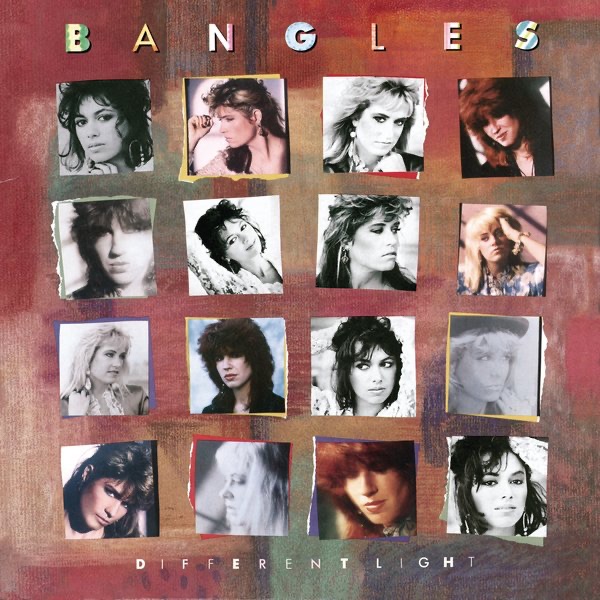
The Bangles / “Walk Like an Egyptian”.
Producer David Kahne says he performed the LinnDrum drum part live against separately constructed shaker backing for “Walk Like an Egyptian”. It is not an album-wide credit or proof of an internal preset: it is a vivid participant account of a drum machine played as performance.
Read Classic Tracks: The Bangles “Walk Like An Egyptian” ↗More records in the archive
The machine keeps turning up.
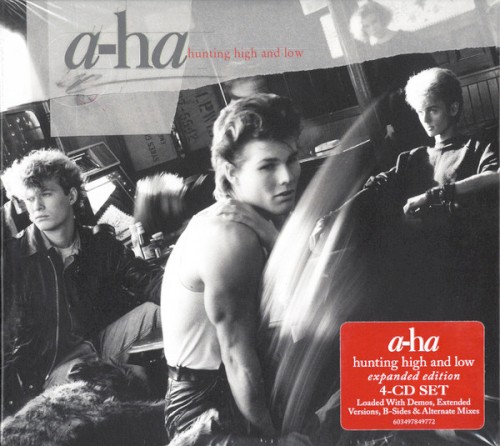
a-ha / Take On Me — Alan Tarney version
Participant explicitly identifies LinnDrum and his programming role.
Read Hiding in Plain Sight: An Interview with A-ha’s Paul Waaktaar-Savoy ↗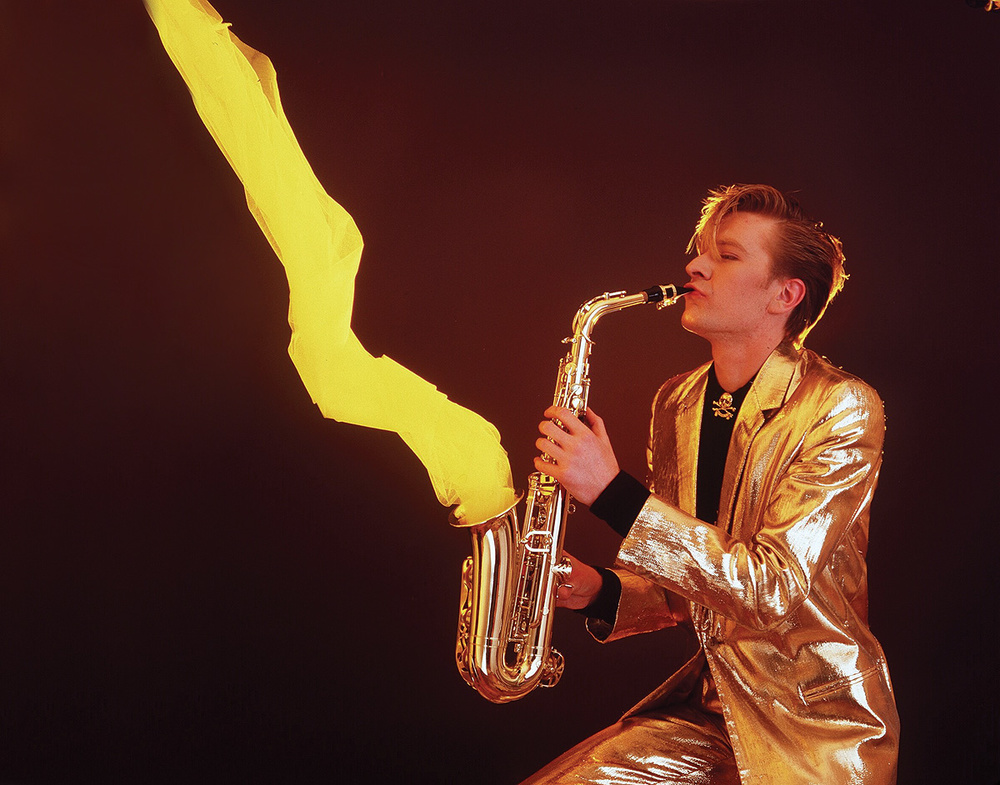
ABC / David Palmer / “The Look Of Love”
Trevor Horn says ABC drummer David Palmer programmed the LinnDrum beat for “The Look Of Love” before the band entered the studio, bringing the machine into the song’s original working arrangement.
Read Classic Tracks: ABC’s “The Look Of Love” ↗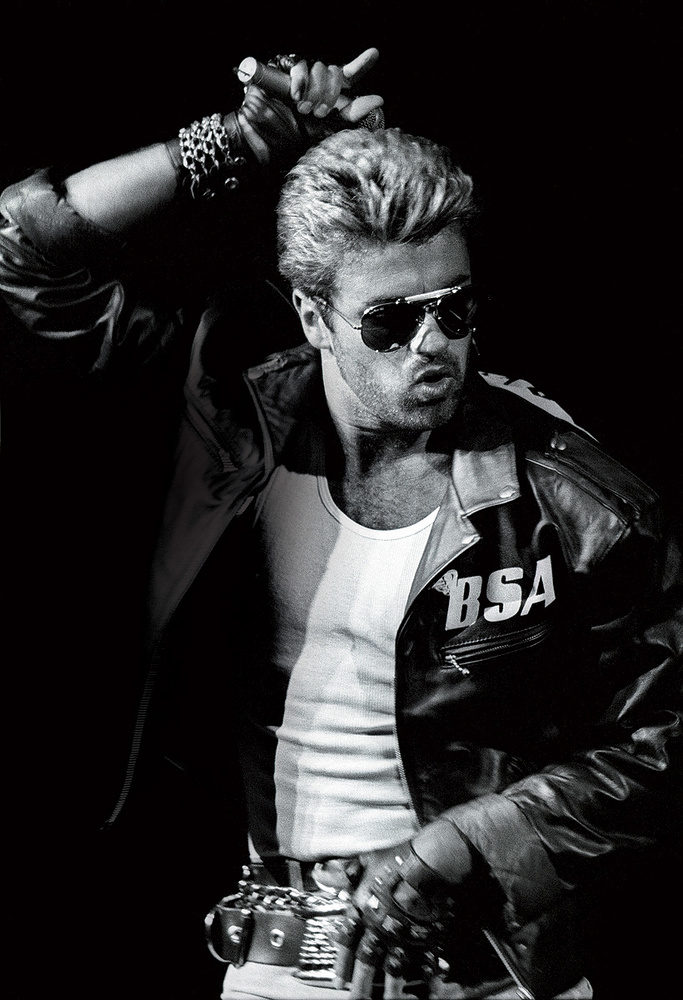
George Michael / Faith
Engineer Chris Porter says the LinnDrum was the rhythmic starting point for every song on George Michael’s Faith, and identifies it with the Juno and DX7 soundscape of the title track.
Read Classic Tracks: George Michael’s “Faith” ↗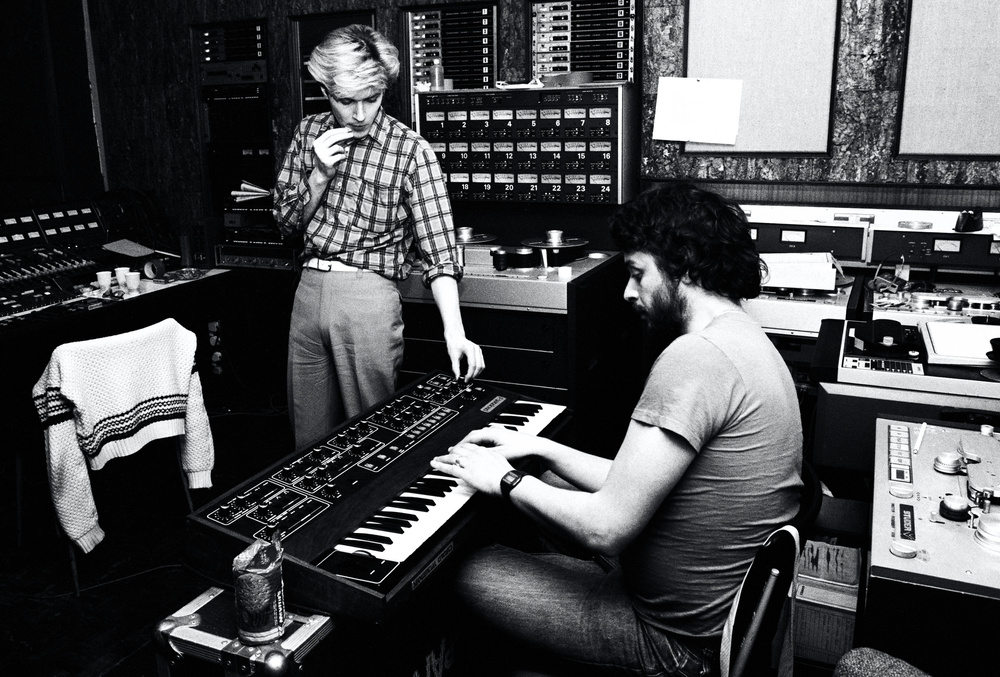
Steve Jansen / Japan / “Still Life In Mobile Homes”
Richard Barbieri says Steve Jansen used a programmed LinnDrum kick pattern on “Still Life In Mobile Homes”, playing live snare and hi-hats over it to create the track’s tight polyrhythm.
Read Classic Tracks: Japan’s “Ghosts” ↗Trevor Horn / Propaganda / “Dr. Mabuse”
Trevor Horn recalls programming Propaganda’s “Dr. Mabuse” into a Linn 2 alongside a Fairlight, Oberheim DMX and DSX, with the intention of performing the arrangement without recording it to tape.
Read Trevor Horn: Recording ABC, ZTT, Yes, & The Pet Shop Boys ↗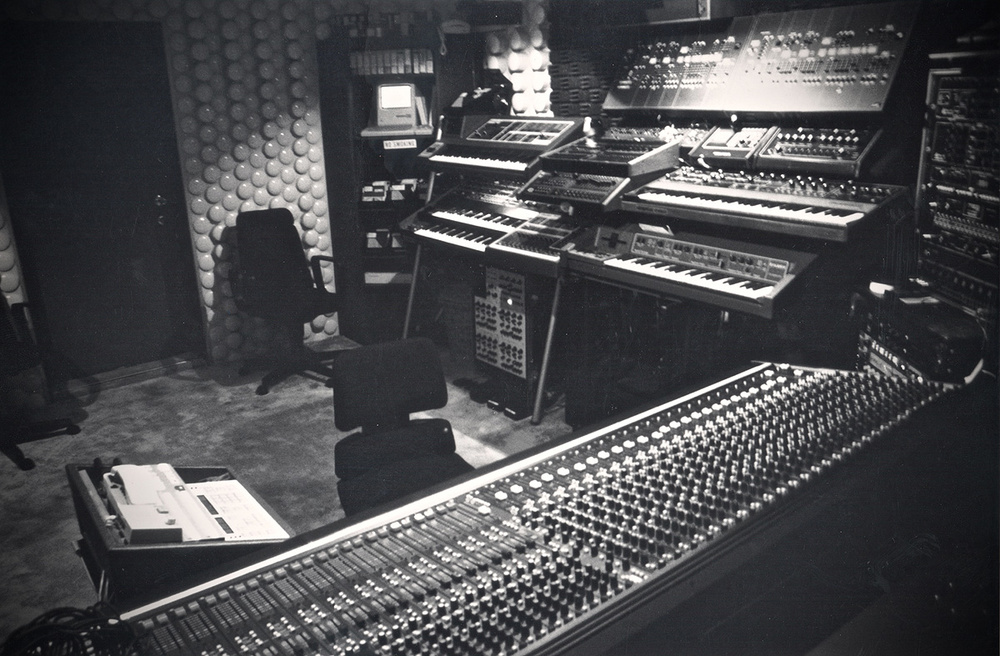
John Carpenter / Alan Howarth / Big Trouble in Little China score-era Electric Melody Studios
Alan Howarth recalls adding a LinnDrum LM-2 to Electric Melody Studios as he and John Carpenter entered the Big Trouble in Little China scoring period.
Read John Carpenter — Electric Melody Studios and Big Trouble in Little China ↗Tim Simenon / Bomb the Bass / Digiland studio, no individual track allocation
Sound On Sound’s 1995 Digiland studio profile lists a LinnDrum 2 among Tim Simenon’s drum machines.
Read Tim Simenon / Bomb the Bass — Digiland studio inventory ↗The Bangles / David Kahne / Walk Like An Egyptian
Producer performed LinnDrum drum part live to a separately constructed shaker backing.
Read Classic Tracks: The Bangles “Walk Like An Egyptian” ↗
Tina Turner / What's Love Got to Do with It
Guide Linn part restored for final mix.
Read Classic Tracks: Tina Turner, What's Love Got To Do With It, pp.140-145 ↗
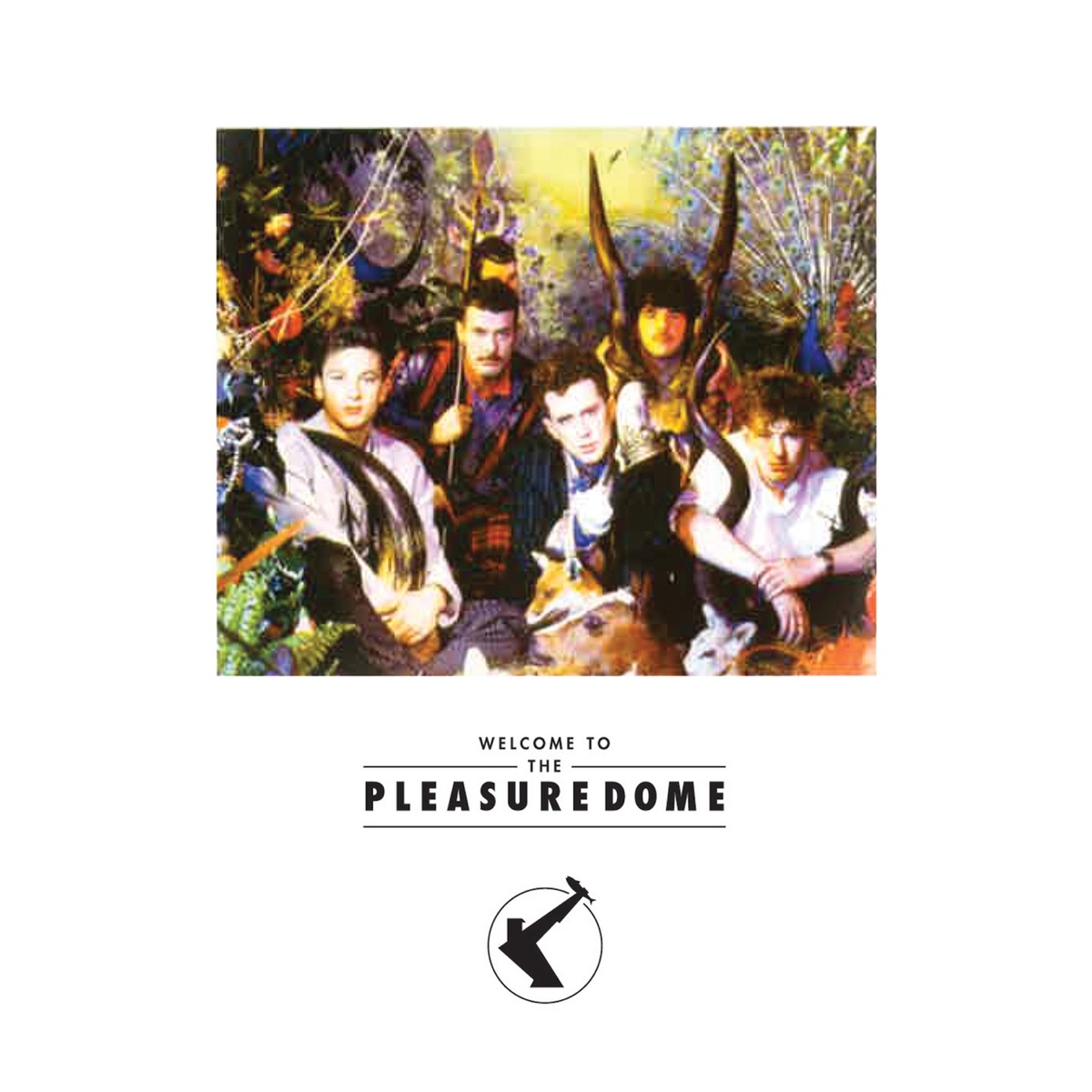
Frankie Goes To Hollywood / Relax
Linn kick layered with sampled bass note; drum patterns selected during performance.
Read Trevor Horn: Recording ABC, ZTT, Yes, & The Pet Shop Boys ↗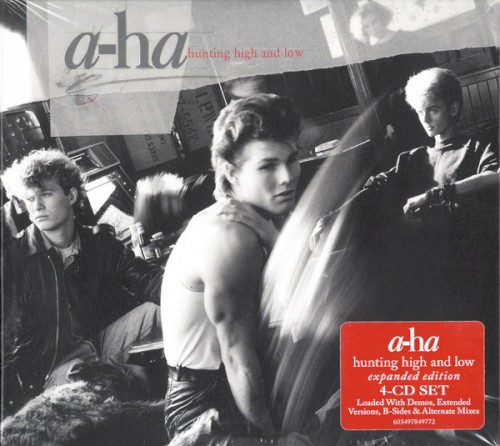
a-ha / The Sun Always Shines on T.V.
Participant identifies Linn within explicit LinnDrum discussion.
Read Hiding in Plain Sight: An Interview with A-ha’s Paul Waaktaar-Savoy ↗Billy Idol / Keith Forsey / “White Wedding”
Steve Stevens recalls the LinnDrum’s central role in the creation of Billy Idol’s “White Wedding”.
Read The LinnDrum’s Most Surprising Trailblazer? ↗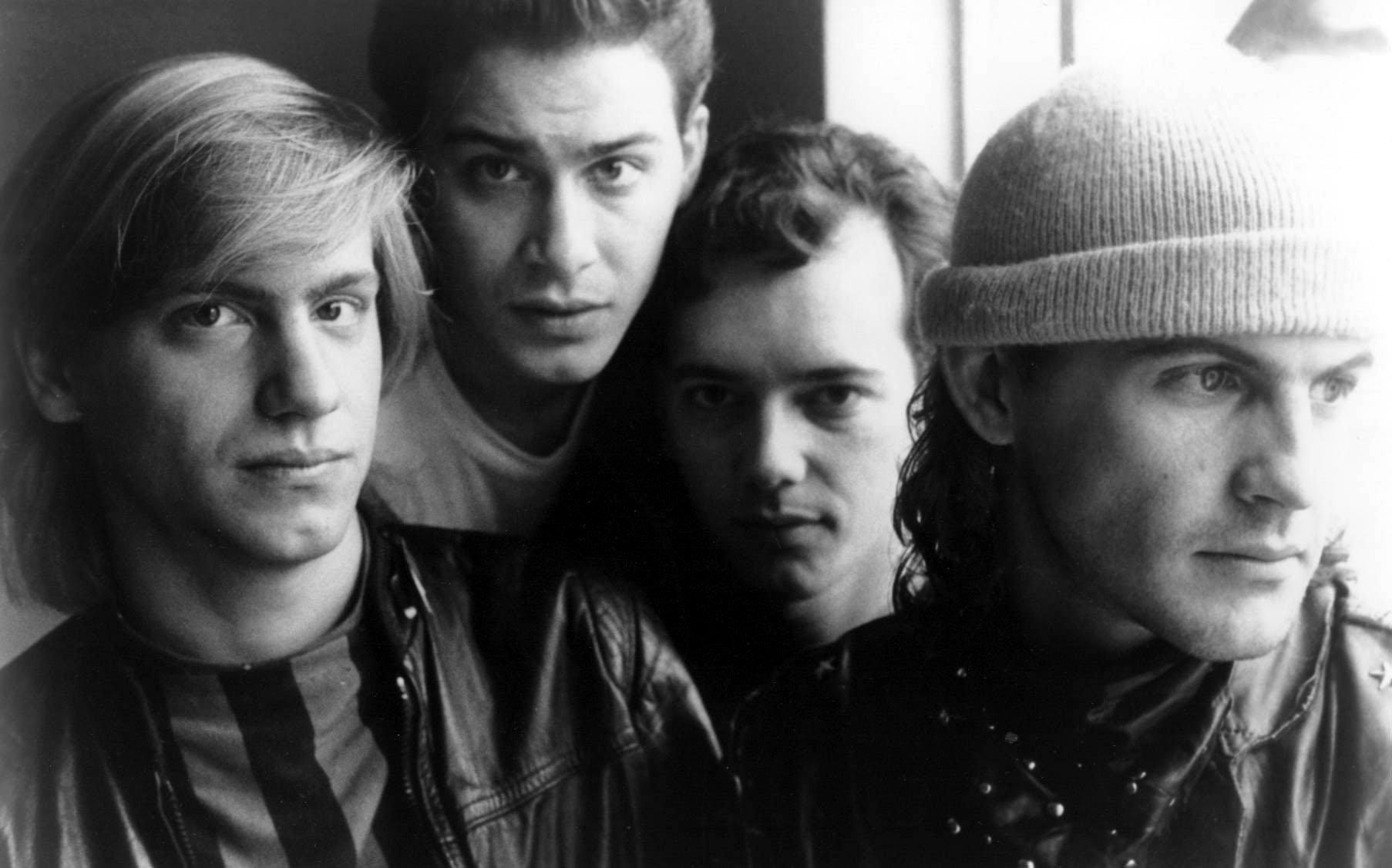
Men Without Hats / 1984 working setup
A contemporary profile documents a LinnDrum in Men Without Hats’ working setup.
Read Men Without Hats, pp.28–29,41–42 ↗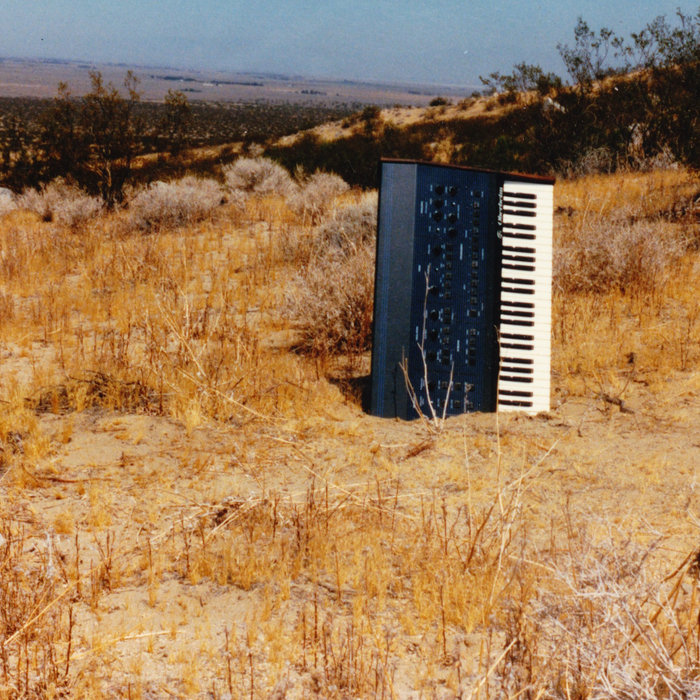
Loren Nerell / Point of Arrival
Loren Nerell lists the LinnDrum among the credited instruments on Point of Arrival, alongside an Oberheim DMX and DX.
Read Loren Nerell / Point of Arrival ↗
Fred Falke / Passion remix
Fred Falke names an original LinnDrum among the analogue instruments used for his remix of Roosevelt’s “Passion”.
Read Fred Falke / Passion remix ↗
Alex Ball / Coalescent Apparatus
Alex Ball’s release notes identify a LinnDrum on track 5 of Coalescent Apparatus.
Read Coalescent Apparatus ↗Archive source
Rhythm Electronics / Vintage Drum Machines for Roland MC-707 & MC-101
Rhythm Electronics includes a Linn LinnDrum kit and pattern set in Vintage Drum Machines for Roland MC-707 & MC-101, describing the source samples as recorded from mint-state machines.
Read Rhythm Electronics / Vintage Drum Machines for Roland MC-707 & MC-101 ↗
Solari / Transfer Point
Solari says the drums on Transfer Point are mostly LinnDrum Machine.
Read Solari / Transfer Point ↗
carter c / there is always a goodbye
cici credits LinnDrum programming on four tracks from there is always a goodbye.
Read carter c — there is always a goodbye ↗
Telan Devik / Retro Illuminated / Attack of the Synthians
The release’s drum-sample inventory includes a LinnDrum.
Read Telan Devik — Retro Illuminated / Attack of the Synthians ↗
Data / Zoran Jevtic and Zoran Vracevic / Could You Find Your Analog Mind?
The reissue personnel credit lists a LinnDrum for Zoran Jevtic and Zoran Vracevic.
Read Data — Could You Find Your Analog Mind? ↗
Hunter Complex / Lars Meijer / Dead Calm and Zero Degrees
Hunter Complex credits a LinnDrum on tracks a5 and b2.
Read Hunter Complex — Dead Calm and Zero Degrees ↗a-ha / Take On Me — Alan Tarney version
Participant explicitly identifies LinnDrum and his programming role.
Read Hiding in Plain Sight: An Interview with A-ha’s Paul Waaktaar-Savoy ↗
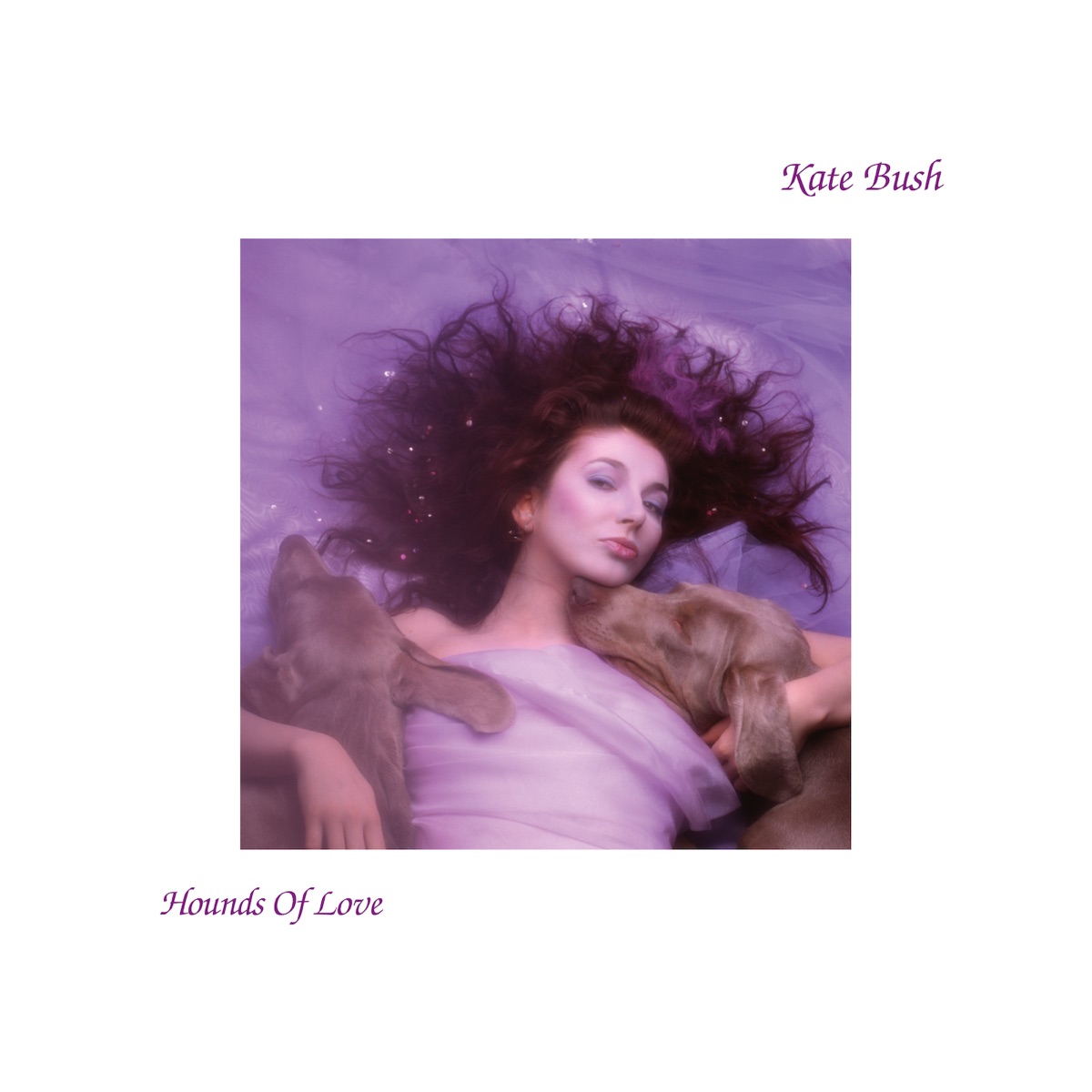
Kate Bush / Del Palmer / Running Up That Hill
The production account identifies Del Palmer’s LinnDrum programming beneath the Fairlight parts on ‘Running Up That Hill’.
Read Exchange the Experience: Kate Bush and the Fairlight CMI ↗Devo / Shout; Total Devo
Reverb’s production history places a LinnDrum LM2 in Devo’s increasingly digital setup for Shout and says that approach continued on Total Devo.
Read The Synths and Studio Techniques of Devo ↗HAIM / Danielle Haim / Creative process and live performance
Danielle Haim says she uses a LinnDrum from jamming and songwriting through live performances.
Read Video: HAIM Talks Favorite Gear From Their New Home ↗LoneLady / Julie Campbell / Former Things
Julie Campbell says Former Things layered real samples from a LinnDrum among its drum-machine palette.
Read LoneLady: a songwriter who turns her music and politics into art ↗The sampled kit becomes a studio habit
The LinnDrum made recorded drum sounds part of the ordinary language of pop, R&B and studio production. Its front panel gives the producer a kit, a sequencer and an invitation to build a beat that feels finished while the song is still taking shape.
Timing that belongs to the player
The operating instructions describe erase and copy functions, loop length, error correction and BEFORE/AFTER timing alongside the A–F feel settings. These controls explain why the machine became so musical: its rhythm is programmed, but its placement can still be made to lean, hurry or relax.Source (1)
A full song inside the box
The LinnDrum can organise patterns into songs, with 49 song memories and 99 steps in the documented edition, and save material to cassette data. It was built for more than a repeated four-bar loop; a user could construct a sequence for the whole track and take it to the session.Source (1)
The sound of documented sessions
Direct accounts connect the LinnDrum to recordings including Tina Turner’s “What’s Love Got to Do with It” and Trevor Horn’s production work, while musicians from A-ha to Men Without Hats appear in the machine’s broader recorded story. It became a tool people wrote around because its sound arrived with its own clear identity.
A machine that kept evolving
Factory sheets, independent reviews and later MIDI-retrofit documentation show a design that remained useful through changing studio systems. The LinnDrum survives because its practical strengths—recognisable samples, clear programming and musical timing—still make sense at a glance.
A sampled kit in the arrangement
The LinnDrum’s role was often more deliberate than “drum machine” suggests. David Kahne performed its part live for “Walk Like An Egyptian”; Morten Harket’s camp recalls Magne Furuholmen programming it on the Alan Tarney version of “Take On Me”; and Trevor Horn’s account of “Relax” has a Linn kick layered with a sampled bass note while patterns were chosen in performance. Here, sampled drums are not a shortcut: they are arrangement material.
The LinnDrum under “Relax”
Trevor Horn and Steve Lipson describe the LinnDrum’s kick as part of the construction of Frankie Goes To Hollywood’s “Relax”, layered with a sampled bass note while patterns were selected in performance. Different mixes and takes complicate any single-box mythology, but their account puts the LinnDrum inside the record’s physical, engineered momentum.Source (1)
a-ha’s early rhythm picture
Pål Waaktaar-Savoy recalls a rhythm-machine practice that followed a-ha from its early demos into the group’s recorded life, and identifies the LinnDrum in the story behind “Take On Me” and “The Sun Always Shines on T.V.”. These are not simply pop credits. They show a rhythm box holding the earliest version of a song while its arrangement grows around it.Source (1)
In the market
- 1983-02: GBP 2650 — UK review recommended price, approximate and exchange-rate-dependent. LinnDrum; optional chip services not included in stated figure Source ↗
- 1982-06: USD 2995 — US review price. Reviewed instrument; options unspecified Source ↗
- June 1984: USD 2495 — Manufacturer advertisement announcing new US list price. LinnDrum; memory expansion advertised separately as optional Source ↗
- June 1984: USD 40 — Manufacturer advertised price for most alternate sound chips. Most individual alternate sound chips; not every sound or custom order Source ↗
- 1986-06: USD 325 — J.L. Cooper MIDI retrofit contemporary news price, not base instrument. Aftermarket retrofit; qualified installation required; inclusion of labour unstated Source ↗
- 1982-07: USD 2995 — Suggested retail price in contemporary report of June shipment commencement. LinnDrum; package unspecified Source ↗
- 1982-07: GBP 1950 — Lower endpoint of quoted UK supplier range. Standard model; package not specified Source ↗
- 1982-07: GBP 2700 — Upper endpoint of quoted UK supplier range. Standard model; package not specified Source ↗
- 1985-07: GBP 2650 — UK checklist indicative retail price. Instrument as listed; options not separately specified; dealer prices may be lower Source ↗
- 1986-01: GBP 1395 — UK checklist introduction: new reduced price. Instrument as listed; options not separately specified; dealer prices may be lower Source ↗
- 1986-01: GBP 1600 — UK checklist table indicative retail price. Instrument as listed; options not separately specified; dealer prices may be lower Source ↗
On record
- The Bangles / David Kahne — Walk Like An Egyptian. Producer performed LinnDrum drum part live to a separately constructed shaker backing. Source ↗
- a-ha — Take On Me — Alan Tarney version. Participant explicitly identifies LinnDrum and his programming role. Source ↗
- a-ha — The Sun Always Shines on T.V.. Participant identifies Linn within explicit LinnDrum discussion. Source ↗
- Tina Turner — What's Love Got to Do with It. Guide Linn part restored for final mix. Source ↗
- Frankie Goes To Hollywood — Relax. Linn kick layered with sampled bass note; drum patterns selected during performance. Source ↗
- Billy Idol / Keith Forsey — “White Wedding”. Steve Stevens recalls the LinnDrum’s central role in the creation of Billy Idol’s “White Wedding”. Source ↗
- Loren Nerell — Point of Arrival. Loren Nerell lists the LinnDrum among the credited instruments on Point of Arrival, alongside an Oberheim DMX and DX. Source ↗
- Fred Falke — Passion remix. Fred Falke names an original LinnDrum among the analogue instruments used for his remix of Roosevelt’s “Passion”. Source ↗
- Alex Ball — Coalescent Apparatus. Alex Ball’s release notes identify a LinnDrum on track 5 of Coalescent Apparatus. Source ↗
- Rhythm Electronics — Vintage Drum Machines for Roland MC-707 & MC-101. Rhythm Electronics includes a Linn LinnDrum kit and pattern set in Vintage Drum Machines for Roland MC-707 & MC-101, describing the source samples as recorded from mint-state machines. Source ↗
- Solari — Transfer Point. Solari says the drums on Transfer Point are mostly LinnDrum Machine. Source ↗
- carter c — there is always a goodbye. cici credits LinnDrum programming on four tracks from there is always a goodbye. Source ↗
- Telan Devik — Retro Illuminated / Attack of the Synthians. The release’s drum-sample inventory includes a LinnDrum. Source ↗
- Data / Zoran Jevtic and Zoran Vracevic — Could You Find Your Analog Mind?. The reissue personnel credit lists a LinnDrum for Zoran Jevtic and Zoran Vracevic. Source ↗
- Hunter Complex / Lars Meijer — Dead Calm and Zero Degrees. Hunter Complex credits a LinnDrum on tracks a5 and b2. Source ↗
In the studio and on stage
- Men Without Hats — 1984 working setup. A contemporary profile documents a LinnDrum in Men Without Hats’ working setup. Source ↗
Sources
- Roger Linn Design — Museum
- Simply Superior — LinnDrum advertisement
- LinnDrum Operating Instructions
- Classic Tracks: Tina Turner, What's Love Got To Do With It, pp.140-145
- Trevor Horn: Recording ABC, ZTT, Yes, & The Pet Shop Boys
- Classic Tracks: Frankie Goes To Hollywood, Relax
- Trevor Horn: Madrid 2011 lecture
- LinnDrum original promotional sheet
- Linn MIDI Retrofit Installation/Owners Manual
- Current Events: Electronic Percussion
- America — Electronics & Music Maker July 1982, pp. 46–47
- Drum Machines Buyers Guide
- Roger Essays & FAQs — Linn Electronics questions
- LinnDrum, Electronics & Music Maker pp. 29–30
- LinnDrum Technical Information and schematics
- Programmable Rhythm Machines, part 2
- Classic Tracks: The Bangles “Walk Like An Egyptian”
- Version 3 Software Update (hosted as LinnDrum Rev 3.1 Software Manual)
- LinnDrum: The best sound. The most features. The original.
- Hiding in Plain Sight: An Interview with A-ha’s Paul Waaktaar-Savoy
- Sound Diving #2 — Take On Me
- Archive source
- The best sound. The most features. The original. — LinnDrum advertisement
- Sample This! Drum Machine and Sampler Museum
- Doctor Click: Rhythm Controller
- Electronic Percussion Checklist
- Electronic Percussion checklist
- Men Without Hats, pp.28–29,41–42
The visual archive
Further visual evidence.
These displayed records are labelled by their documented role, date and source; source-only records are listed separately below.
Sources for images shown earlier (28)
- LinnDrum original advertisement hosted by Roger Linn ↗
- Frankie Goes to Hollywood — Relax studio context ↗
- George Michael on the Faith World Tour, 1988 ↗
- David Sylvian with Steve Nye during the Tin Drum sessions ↗
- Alan Howarth — Electric Melody Studios, 1985 ↗
- Men Without Hats — Recording Academy artist portrait ↗
- LoneLady / Julie Campbell — MusicRadar interview ↗
- a-ha / 1984 ↗
- Martin Fry of ABC ↗
- Loren Nerell — Point of Arrival ↗
Release date not stated on source page · Loren Nerell / release artwork via Bandcamp · Official Bandcamp release-page artwork (Open Graph image) - Fred Falke — Passion remix ↗
Release date not stated on source page · Fred Falke / release artwork via Bandcamp · Official Bandcamp release-page artwork (Open Graph image) - Alex Ball — Coalescent Apparatus ↗
2019-10-04 · Alex Ball / release artwork via Bandcamp · Official Bandcamp release-page artwork (Open Graph image) - Rhythm Electronics — Vintage Drum Machines for Roland MC-707 & MC-101 ↗
2021-02-07 · Rhythm Electronics / release artwork via Bandcamp · Official Bandcamp release-page artwork (Open Graph image) - Solari — Transfer Point ↗
2023-02-28 · Solari / release artwork via Bandcamp · Official Bandcamp release-page artwork (Open Graph image) - carter c — there is always a goodbye ↗
2025-07-25 · carter c / release artwork via Bandcamp · Official Bandcamp release-page artwork (Open Graph image) - Telan Devik — Retro Illuminated / Attack of the Synthians ↗
2016-07-29 · Telan Devik / release artwork via Bandcamp · Official Bandcamp release-page artwork (Open Graph image) - Data / Zoran Jevtic and Zoran Vracevic — Could You Find Your Analog Mind? ↗
2017-10-31 · Data / Zoran Jevtic and Zoran Vracevic / release artwork via Bandcamp · Official Bandcamp release-page artwork (Open Graph image) - Hunter Complex / Lars Meijer — Dead Calm and Zero Degrees ↗
2020-03-20 · Hunter Complex / Lars Meijer / release artwork via Bandcamp · Official Bandcamp release-page artwork (Open Graph image) - The Bangles / David Kahne — Walk Like An Egyptian ↗
Release date not stated by MusicBrainz · The Bangles / David Kahne / release artwork via Cover Art Archive · MusicBrainz release record and Cover Art Archive front artwork - a-ha — Take On Me — Alan Tarney version ↗
2015 · a-ha / release artwork via Cover Art Archive · Release catalogue and retained front artwork - Tina Turner — What's Love Got to Do with It ↗
1984-05-01T07:00:00Z · Tina Turner / release artwork via Apple Music catalog artwork · Release catalogue and retained front artwork - Frankie Goes to Hollywood — Relax ↗
1983-10-24T12:00:00Z · Frankie Goes to Hollywood / release artwork via Apple Music catalog artwork · Release catalogue and retained front artwork - Kate Bush — Running Up That Hill (A Deal With God) [2018 Remaster] ↗
1985-08-05T12:00:00Z · Kate Bush / release artwork via Apple Music catalog artwork · Release catalogue and retained front artwork - Trevor Horn with The Producers — 2007 ↗
25 April 2007 · Matt Verrill · Horn at The Producers performance; uploaded to Wikimedia Commons from Flickr. - Kate Bush / Hounds of Love ↗
1985 · Guido Harari / EMI publicity photograph · Kate Bush publicity photograph for Hounds of Love. - George Michael / 1984–85 ↗
1984–85 · Louise Palanker · George Michael photograph from the Wham! period. - Tina Turner / Private Dancer tour ↗
1984 · TimDuncan · Tina Turner at St David’s Hall, Cardiff, on the pre-Private Dancer tour. - The Bangles / Los Angeles ↗
4 August 1984 · Aurelio Jose Barrera, Los Angeles Times · Los Angeles-based group posed on a street: Debbi Peterson, Vicki Peterson, Susanna Hoffs and Michael Steele.
Additional visual sources (17)
Original publications and related image sources.
- LinnDrum Technical Information and schematics ↗
Mixed compilation: CPU schematic Rev.1 1982 · Linn Electronics · Contents; printed pp.1–6; PDF pp.15–18 and28–29 additionally inspected - LinnDrum rear-panel photograph hosted by Roger Linn ↗
Undated · Hosted by Roger Linn Design · Roger Linn museum, LinnDrum section - LinnDrum Version 3 software update sheet ↗
Undated document · Original document attribution and edition to inspect · Linked document; page locators pending - J.L. Cooper Linn MIDI Retrofit installation/owner manual ↗
Undated document · Original document attribution and edition to inspect · Linked document; page locators pending - LinnDrum: complete instrument, voice board, opened chassis and rear connections ↗
1983-02 · Electronics & Music Maker · Printed pp. 29–30 / PDF pp. 31–32; front and voice board on p. 29, opened chassis and rear on p. 30 - DMX and LinnDrum product portraits in Mix ↗
1982-06 · The Mix · DMX printed p. 38 / PDF p. 40; LinnDrum printed p. 40 / PDF p. 42 - LinnDrum feature-update advertisement ↗
Attributed April 1983 · Linn Electronics · Attributed Keyboard p. 41; complete single-page scan - Simply Superior — LinnDrum and packaged replacement chips ↗
June 1984 · Linn Electronics · Full issue PDF p.147; archived extract p.2, issue cover p.1 - LinnDrum Operating Instructions — orange-cover scan ↗
Undated edition · Linn Electronics · 25 PDF pages; cover and printed pp.1–3,18–21 visually inspected - Tina Turner / What's Love session interview ↗
May 2004 · Sound On Sound · Printed pp.140,143,145; full article extract pp.140-145 - Trevor Horn Madrid 2011 lecture ↗
2011 · Red Bull Music Academy · Transcript Relax passage, before Sex Mix playback - Linn MIDI Retrofit Installation/Owners Manual ↗
Undated · J.L. Cooper Electronics · Printed pp.1–16; installation figures pp.5–9. - Electronic Musician June 1986: LinnDrum MIDI retrofit notice ↗
June 1986 · Electronic Musician · Printed p.14; PDF index 13 - July 1982 E&MM price guide and LinnDrum shipment report ↗
1982-07 · Electronics & Music Maker · Printed pp.26,47; PDF indices27,48 - LinnDrum feature campaign in Mix, June 1983 ↗
June 1983 · Linn Electronics · PDF page 24, unnumbered advertisement; issue contents PDF page 3 - Men Without Hats — Canadian Musician April 1984 ↗
1984-04 · Ashley Collie · Cover PDF1; printed28 PDF30; printed41–42 PDF47–48 - Drum Machines Buyers Guide ↗
Jul 1982 · Electronics & Music Maker · Single-page July 1982 buyers-guide montage. A LinnDrum and Roland Drumatix TR-606 are visually identifiable; the article names the remaining collection models, but the other small overlapping units cannot be resolved confidently at the available image resolution and remain context-only.