
Hear Prince’s LM-1
Prince made the LM-1 a character in the record.
The crucial point is not simply that Prince owned one. He used the machine’s separate, individually tunable outputs as material to shape: engineer Susan Rogers remembers percussion sent through his guitar pedals, while Roger Linn heard the detuning, unusual programming and place in the mix as central to the records’ force.
 Play video ↗
“When Doves Cry”
Roger Linn identifies its driving drum track as the LM-1. The machine has nowhere to hide: for much of the record, its pulse carries the arrangement.
Read the recording account ↗ Play video ↗
“1999”
Its fills punctuate the verses and chorus, placing a programmed kit inside a performance with live drums rather than outside it.
Read the recording account ↗ Play video ↗
“Let’s Go Crazy”
For the 1983 re-recording, Rogers recalls the earlier LM-1 specifically because every rear output could be tuned separately.
Read the recording account ↗Roger Linn introduced the LM-1 at the turn of the 1980s, bringing recorded drum sounds, programmable patterns and a startling $5,000 price into a single studio instrument. Source ↗ Source ↗ Source ↗ Source ↗ Source ↗ Source ↗ Source ↗ Source ↗ Source ↗
Silent manual study
Program, correct, chain.
Three documented decisions turn the LM-1's recorded drums into an arrangement. This is an explanatory study, not an LM-1 emulator, recovered factory pattern or authentic audio demonstration.
Program
Enter a short rhythm in real time against the metronome.
Correct
Move a stored event to a chosen subdivision.
Chain
Order patterns into a song, then preserve pattern data on cassette.
Change the kit?
Replacement chips from recorded sounds were a specialist service, not a front-panel sampling control.
The machine in the record

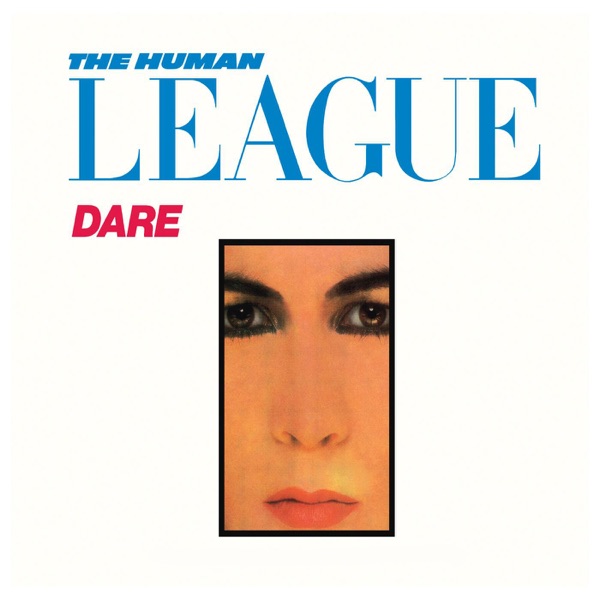
The Human League / “Don’t You Want Me”.
Martin Rushent places the LM-1 in the construction of “Don’t You Want Me”. Alongside the page’s Prince stories, it gives the machine another role: not only a singular pop star’s instrument, but a programmable kit able to carry a British studio record into its final, irresistible shape.
Read Classic Tracks: Human League — Don’t You Want Me ↗More records in the archive
The machine keeps turning up.

Prince / When Doves Cry
Roger Linn identifies the driving drum track as the LM-1.
Read Roger Linn on Drum Samples, Prince, and Unlocking Virtuosity in Electronic Music ↗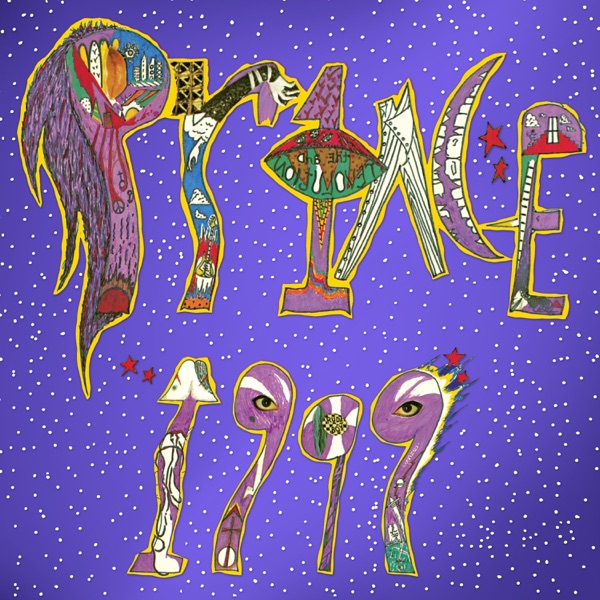
Prince / 1999
The published account identifies LM-1 drum fills in the verses and chorus.
Read Prince’s Drum Machine: How His Use of the Linn LM-1 Heralded a New Age of Pop Rhythm Creation ↗Prince and the Revolution / Let’s Go Crazy
Susan Rogers identifies the earlier LM-1 and its individually tunable outputs on the re-recorded track.
Read Classic Tracks: Prince and the Revolution’s “Let’s Go Crazy” ↗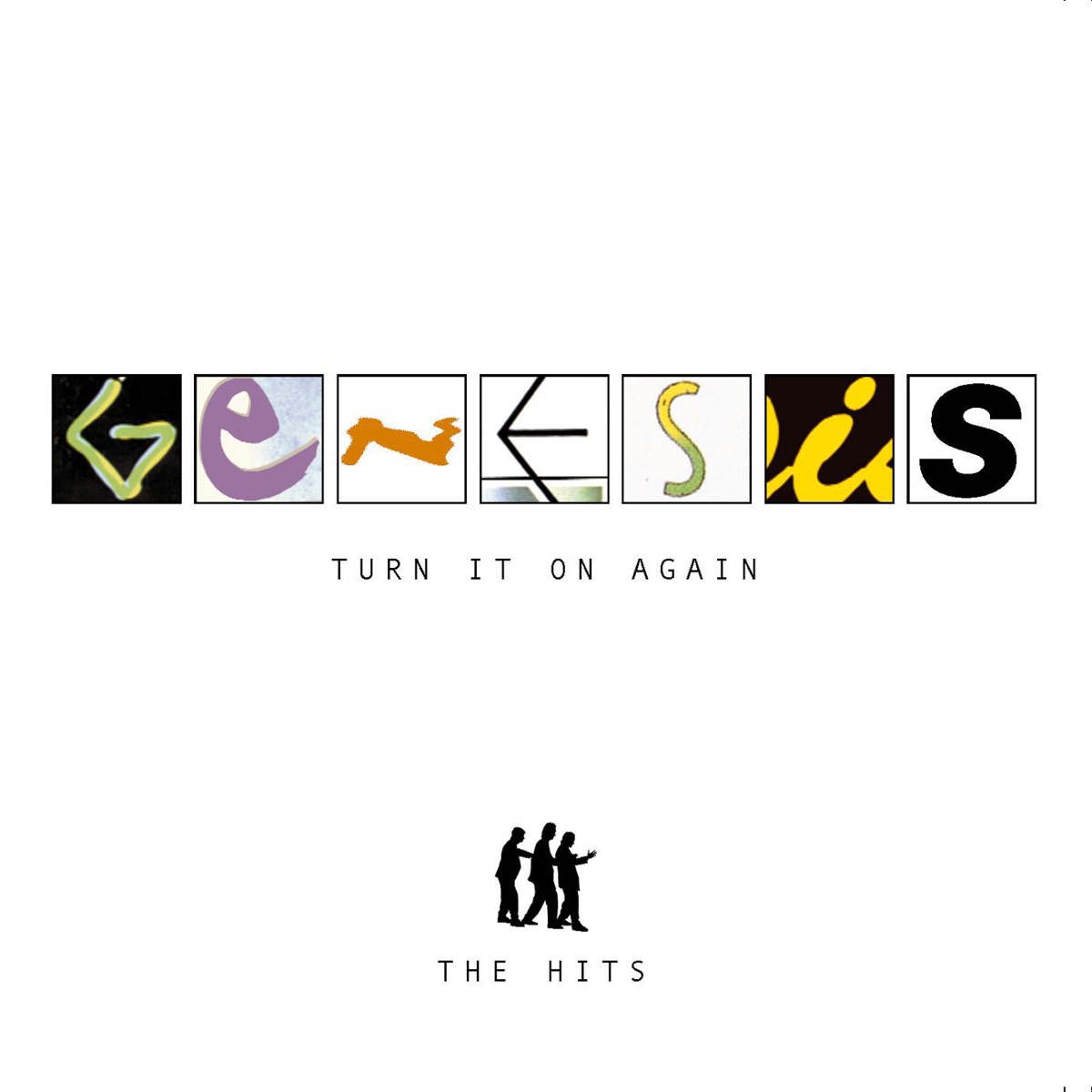
Mike Rutherford / Genesis / Mama
Mike Rutherford, rather than Phil Collins, programmed the Linn LM-1 rhythm for Genesis’s “Mama.” The machine was driven through gated reverb and an amplifier, then blended with the direct signal to make the song’s unnerving pulse.
Read Mama ↗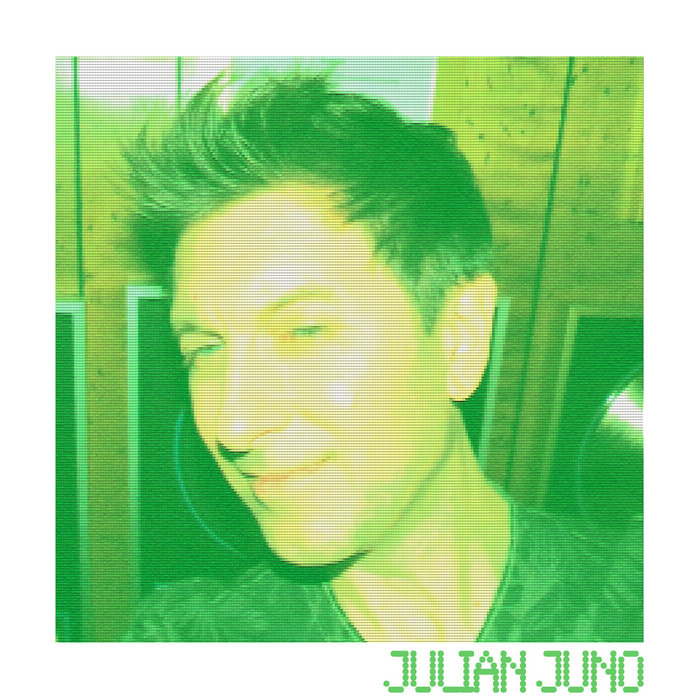
Julian Juno / Julian Juno
Julian Juno’s release credits list a Linn LM-1 among the drum machines used.
Read Julian Juno ↗Archive source
Rhythm Electronics / Vintage Drum Machines for Roland MC-707 & MC-101
Rhythm Electronics includes a Linn LM-1 kit and pattern set in Vintage Drum Machines for Roland MC-707 & MC-101, describing the source samples as recorded from mint-state machines.
Read Rhythm Electronics / Vintage Drum Machines for Roland MC-707 & MC-101 ↗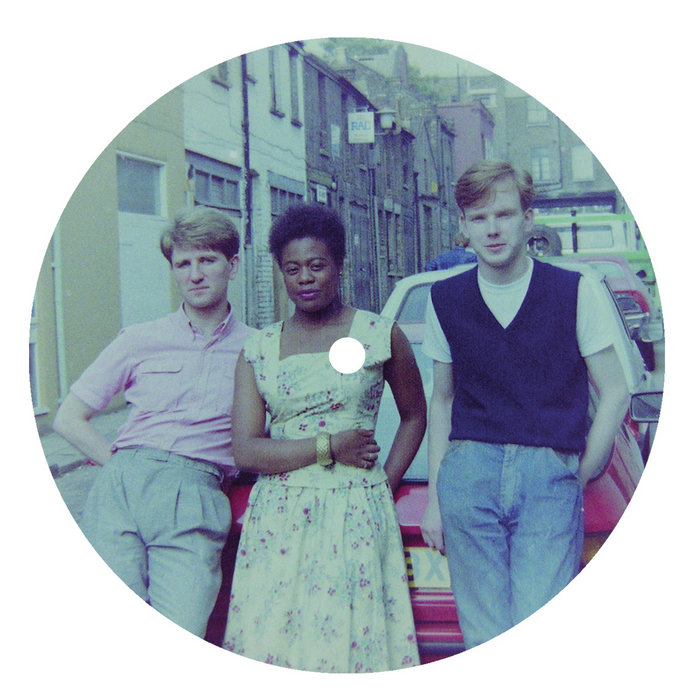
State of Grace / David Inglesfield / Touching the Times
David Inglesfield says State of Grace chose a Linn LM-1 for the full version of “Touching the Times.”
Read State of Grace — Touching the Times ↗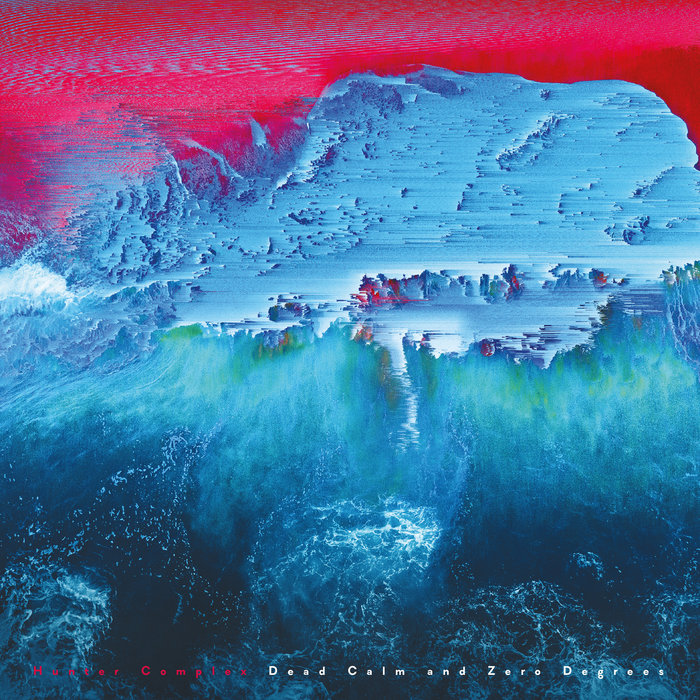
Hunter Complex / Lars Meijer / Dead Calm and Zero Degrees
Hunter Complex credits a Linn LM-1 Drum Computer on tracks a1 and b1.
Read Hunter Complex — Dead Calm and Zero Degrees ↗
Saberlike / Coup (Saberlike Italo Disco Remix)
Saberlike’s remix credits list a Linn LM-1 among the instruments used.
Read Frost Children / Saberlike — Coup (Saberlike Italo Disco Remix) ↗
Danmichael Reyes / Art of Verse / Arrogant Elegance
“Arrogant Elegance” credits Danmichael Reyes on Linn LM-1 Drum Machine.
Read Art of Verse — Heart of Hurt: A Song for Each Year ↗The Human League / Don’t You Want Me
Producer names LM-1 and describes the recording sequence.
Read Classic Tracks: Human League — Don’t You Want Me ↗
Ariel Rechtshaid / HAIM / “Falling”
Rechtshaid recalls programming an LM-1 pattern for HAIM’s “Falling” and building the finished track around the machine’s shifting pulse.
Read Ariel Rechtshaid: Producer and musician ↗A box that promised real drums
The LM-1 put recorded percussion under a musician’s fingers at a time when most rhythm machines still announced themselves as electronics. Its buttons supplied loud and soft strikes for several voices, an open hi-hat, cassette storage and chainable patterns: a drum part could be adjusted as the track grew.Sources (2)
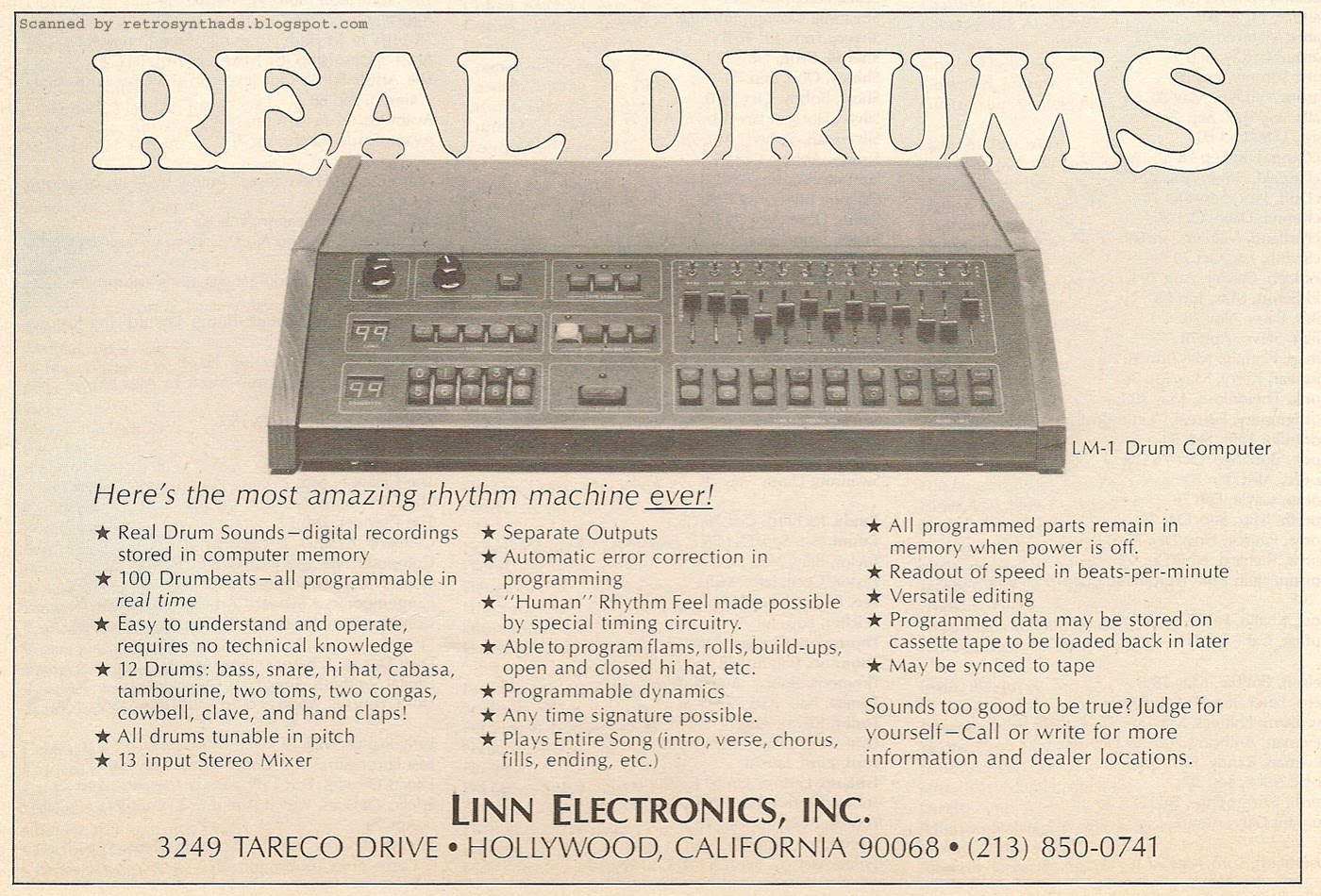
The promise, in print
“Real drums” was the headline.
The campaign did not sell the LM-1 as a clever electronic substitute. It put the claim in enormous type, then showed the compact machine beneath it. That bold promise belongs beside the history, not at the end of a list.
 Open scan ↗
The machine in use
How the studio box was laid out.
The September 1981 review set documents the whole instrument, then the programming and voice controls that turned a pattern into a performance. These three review images remain source links until their republication basis is established.
- The LM-1 in the September 1981 reviewSeptember 1981 · Electronics & Music MakerOpen source image ↗Read the review ↗
- Programming controlsSeptember 1981 · Electronics & Music MakerOpen source image ↗Read the review ↗
- Voice and mixer controlsSeptember 1981 · Electronics & Music MakerOpen source image ↗Read the review ↗
From advertising claim to studio method
The “Real Drums” advertising campaign made a virtue of the contradiction: a compact box sold as a fresh route to a drummer’s presence. Warren Cann valued its sound while describing the practical demands of programming it. Susan Rogers recalls Prince routing its separate outputs through guitar effects, and Martin Rushent places the machine in the staged construction of The Human League’s “Don’t You Want Me”.
A service for changing the kit
Linn also offered replacement sound chips made from customers’ recordings. The manual makes clear that this was a specialist fitting service with rules imposed by the machine’s generators, not sampling on the front panel. It shows how early users could make a fixed drum computer unusually personal.Source (1)
Prince’s first rhythm language
Prince’s relationship with the LM-1 runs deeper than a single famous track. A published account traces its fills through “1999”, while Roger Linn identifies the driving drum track on “When Doves Cry” and Susan Rogers recalls the earlier LM-1, with its individual tuning controls, on the 1983 re-recording of “Let’s Go Crazy”. The three records show the machine as a vocabulary Prince kept reshaping, not a signature he repeated unchanged.Source (1)
In the market
- Undated manual edition: USD 100 — Manufacturer custom-sound service charge. Per alteration; not instrument price Source ↗
On record
- The Human League — Don’t You Want Me. Producer names LM-1 and describes the recording sequence. Source ↗
- Prince — When Doves Cry. Roger Linn identifies the driving drum track as the LM-1. Source ↗
- Prince — 1999. The published account identifies LM-1 drum fills in the verses and chorus. Source ↗
- Prince and the Revolution — Let’s Go Crazy. Susan Rogers identifies the earlier LM-1 and its individually tunable outputs on the re-recorded track. Source ↗
- Mike Rutherford / Genesis — Mama. Mike Rutherford, rather than Phil Collins, programmed the Linn LM-1 rhythm for Genesis’s “Mama.” The machine was driven through gated reverb and an amplifier, then blended with the direct signal to make the song’s unnerving pulse. Source ↗
- Julian Juno — Julian Juno. Julian Juno’s release credits list a Linn LM-1 among the drum machines used. Source ↗
- Rhythm Electronics — Vintage Drum Machines for Roland MC-707 & MC-101. Rhythm Electronics includes a Linn LM-1 kit and pattern set in Vintage Drum Machines for Roland MC-707 & MC-101, describing the source samples as recorded from mint-state machines. Source ↗
- State of Grace / David Inglesfield — Touching the Times. David Inglesfield says State of Grace chose a Linn LM-1 for the full version of “Touching the Times.” Source ↗
- Hunter Complex / Lars Meijer — Dead Calm and Zero Degrees. Hunter Complex credits a Linn LM-1 Drum Computer on tracks a1 and b1. Source ↗
- Saberlike — Coup (Saberlike Italo Disco Remix). Saberlike’s remix credits list a Linn LM-1 among the instruments used. Source ↗
- Danmichael Reyes / Art of Verse — Arrogant Elegance. “Arrogant Elegance” credits Danmichael Reyes on Linn LM-1 Drum Machine. Source ↗
- Ariel Rechtshaid / HAIM — “Falling”. Rechtshaid recalls programming an LM-1 pattern for HAIM’s “Falling” and building the finished track around the machine’s shifting pulse.
Hear the record
The beat leaves the box.
Martin Rushent’s account of Don’t You Want Me places the LM-1 in the construction of the record. Start with the finished single, then return to the shared pattern above and listen for how a programmed kit becomes arrangement.
 Play the official video ↗
Sources
- Roger Linn Design — Museum
- The Linn LM-1 Drum Computer
- LM-1 Drum Computer Instruction Manual
- Linn LM-1 Drum Computer — first ads
- Susan Rogers lecture
- Classic Tracks: Human League — Don’t You Want Me
- Roger Linn on Drum Samples, Prince, and Unlocking Virtuosity in Electronic Music
- Prince’s Drum Machine: How His Use of the Linn LM-1 Heralded a New Age of Pop Rhythm Creation
- Classic Tracks: Prince and the Revolution’s “Let’s Go Crazy”
The visual archive
Further visual evidence.
These displayed records are labelled by their documented role, date and source; source-only records are listed separately below.
Sources for images shown earlier (14)
- Black-and-white Real Drums advertisement ↗
- Linn LM-1 advertisement ↗
- Danmichael Reyes / Art of Verse — Heart of Hurt: A Song for Each Year ↗
- Julian Juno — Julian Juno ↗
2018-05-20 · Julian Juno / release artwork via Bandcamp · Official Bandcamp release-page artwork (Open Graph image) - Rhythm Electronics — Vintage Drum Machines for Roland MC-707 & MC-101 ↗
2021-02-07 · Rhythm Electronics / release artwork via Bandcamp · Official Bandcamp release-page artwork (Open Graph image) - State of Grace / David Inglesfield — Touching the Times ↗
1983-06-01 · State of Grace / David Inglesfield / release artwork via Bandcamp · Official Bandcamp release-page artwork (Open Graph image) - Hunter Complex / Lars Meijer — Dead Calm and Zero Degrees ↗
2020-03-20 · Hunter Complex / Lars Meijer / release artwork via Bandcamp · Official Bandcamp release-page artwork (Open Graph image) - Saberlike — Coup (Saberlike Italo Disco Remix) ↗
2023-05-18 · Saberlike / release artwork via Bandcamp · Official Bandcamp release-page artwork (Open Graph image) - The Human League — Don’t You Want Me ↗
2014 · The Human League / release artwork via Cover Art Archive · MusicBrainz release record and Cover Art Archive front artwork - Genesis — Mama ↗
1999-01-01T12:00:00Z · Genesis / release artwork via Apple Music catalog artwork · Release catalogue and retained front artwork - HAIM — Falling ↗
2013-02-12T08:00:00Z · HAIM / release artwork via Apple Music catalog artwork · Release catalogue and retained front artwork - Prince & The Revolution — Purple Rain ↗
1984-06-25 · Prince & The Revolution / release artwork via Apple Music catalogue · Release catalogue and retained front artwork - Prince — 1999 ↗
1982-01-01 · Prince / release artwork via Apple Music catalogue · Release catalogue and retained front artwork - The Human League / Valencia Q&A ↗
27 July 2007 · andi064 · Susan Sulley, Philip Oakey and Joanne Catherall at a private Human League Q&A in Valencia.
Additional visual sources (7)
Original publications and related image sources.
- Revised Real Drums advertisement ↗
April 1981, creator attribution · Eric Wrobbel for Linn Electronics · Third image at - LM-1 complete instrument and two control-panel details ↗
1981-09 · Electronics & Music Maker · Printed pp. 56–57 / PDF pp. 58–59 - LM-1 Drum Computer Instruction Manual ↗
Undated · Linn Electronics · 18 PDF pages; printed p. 1 = PDF p. 3; printed p. 15 = PDF p. 17 - The Linn LM-1 Drum Computer — visually reviewed image ↗
Sep 1981 · Electronics & Music Maker · Complete front product photograph; the contemporary caption explicitly identifies the Linn LM-1 Drum Computer. — Linn LM-1 Drum Computer. — article: - The Linn LM-1 Drum Computer — visually reviewed image ↗
Sep 1981 · Electronics & Music Maker · Left control-panel detail matching the exact LM-1 overview in the same contemporary review set. — Left-hand panel controls. — article: - The Linn LM-1 Drum Computer — visually reviewed image ↗
Sep 1981 · Electronics & Music Maker · Right mixer/pad-panel detail matching the exact LM-1 overview in the same contemporary review set. — Right-hand panel controls. — article: - The Linn LM-1 Drum Computer — visually reviewed image ↗
Sep 1981 · Electronics & Music Maker · Rear-panel view from the same exact LM-1 review set; individual voice outputs and timing connections are visible. — Rear Panel connections. — article: