
THE INSTRUMENT / AN INTRODUCTION
Press a rhythm.
Then answer it.
The front panel offers a small world of ready-made music: waltz, rock, bossa nova, samba. Beside it sits a programmer. You could accept what Roland had prepared, change what reached the speakers, or write a rhythm the machine had never played before.
The CR-78 makes that choice physical. The wood cabinet and coloured buttons belong to the familiar rhythm box. Four yellow memory keys introduce something else: a place for the musician’s own decisions.
This was a computer-controlled instrument, but the computer stored timing, not audio. Its percussion came from analogue circuits. Presets, memory, cancellation, variation and the mix were different parts of one musical surface.
Two rhythm boxes.
One new possibility.
Roland’s October 1978 Japanese catalogue presents the CR-68 and CR-78 together. The CR-78 is priced at ¥105,000. The extra facility is visible at the centre of its panel: four locations for a rhythm written by the user.
The ready-made vocabulary remained. There were 34 preset rhythms, with arrangement controls around them. Memory added authorship to accompaniment; a musician could retain a recurring part instead of reaching for the same factory selection every time.
The catalogue matters because it shows the instrument at its original moment. Later records had not yet supplied its reputation. A buyer met a cabinet, a price, a panel and a proposition.
Open the October 1978 catalogue ↗The rhythm is fixed.
The arrangement moves.
A preset does not end the conversation. Cancel Voice lets a player remove selected groups of percussion. The Add Voice sliders bring other elements into the balance. A rhythm can become sparse, bright or newly emphatic without consuming one of the four memories.
Variation works at a larger scale. An automatic event can arrive after a chosen number of measures; a manual control lets the player call it. A fill, a break or a move between A and B changes how a repeated part meets the next section.
Fade-in and fade-out give the box its own entrance and exit. These are practical arranging controls. They also explain why a rhythm machine could remain part of a finished performance after it had helped start the song.
Four memories.
Room for a song.
The four programme keys are not four recordings. Each recalls stored trigger decisions for a two-measure rhythm. Four instrument parts and accent fit within the documented memory system.
The selected voice is written, then another part is added. This way of working asks a player to build the rhythm in layers. The lights tell you which memory is active; the pattern inside it has to be heard.
Roland provided two routes into those decisions. The TS-1 writes events against the running clock. The WS-1 uses separate BEAT and REST actions, stepping through 8, 12, 24 or 48 divisions of a measure. Both methods lead into the same store.
Four locations are enough to suggest an arrangement: a stripped section, a fuller answer, a different transition. They are a small set of reusable musical decisions, not a modern library of hundreds of patterns.
Explore the existing four-memory teaching model ↗The computer conducts.
The circuits speak.
The rhythm decides when. A resonator, a noise circuit or a metallic oscillator gives each event a body.
The owner’s manual describes eleven core percussion sources. The voices do not share one universal circuit at different pitches: resonant drums, short bright attacks, filtered noise and inharmonic metallic generators make different kinds of sound.
Try six recorded selections from the Studio’s existing Alex Ball reference bank. These are recordings of individual sounds; the controls here play those recordings.
Choose a voice to listen.
Inside the cabinet: timing and sound +
The NEC µPD8048 control processor scans the panel and organises events. Factory decisions reside in ROM; the user’s pattern information is held in battery-backed RAM. The processor sends triggers to a separate analogue voice system.
This separation explains several different histories inside one object. The stored pattern can survive a power cycle; the voice can change as components age; the same pattern can be played with different controls and gain settings. Timing memory is not a digital recording of the percussion.
The service adjustment table gives concrete design targets: bass drum around 62.5 Hz with a 100 ms decay, and snare body around 340 Hz with a 60 ms decay. These are service references for the original circuitry, not settings exposed by this recorded-sound player.
A rhythm box
with other conversations.
The back of the machine changes the scale of the story. An external clock input can let another system supply timing. A trigger output can send rhythmic events onward. Pedal connections bring start/stop and variation within reach of a performer’s feet.
Audio, clock and trigger are different relationships. The CR-78 has no MIDI interface; a socket that looks familiar does not establish compatibility. The service notes specify the electrical timing of its external clock.
In a studio, these connections could make the rhythm box part of a larger electronic arrangement. The pattern might be audible, or it might help determine when something else happened.
A preset can become
a personal signature.
Combination, original programming, adaptation and a writing prompt: these records put the machine to different work. Follow the participant accounts as well as the music.
COMBINATION
Blondie
Heart of Glass
Roland’s production account identifies Mambo and Beguine in the CR-78 foundation, alongside its trigger role in the keyboard figure. The machine participates in the arrangement as both sound and timing.
Watch the official video ↗Read the account ↗ORIGINAL PROGRAMMING
OMD
Enola Gay
Andy McCluskey recalls programming the CR-78 rhythm that became the bed of the track. Those four memories could carry a part specific to a song.
Watch the official video ↗Read the account ↗ADAPTATION
Phil Collins
In the Air Tonight
Collins describes adapting a supplied rhythm and adding a programmed bass-drum part while writing at home. The retained electronic foundation precedes the acoustic drum entrance.
Watch the official video ↗Read the account ↗A WRITING PROMPT
Hall & Oates
I Can’t Go for That
Roland’s retrospective recounts Daryl Hall beginning with Rock 1 and developing the bass part and chords against it. A factory rhythm could give a new song its starting point.
Watch the official video ↗Read the account ↗Wood, lettering,
switches and wear.
Follow the circuit.
Keep the whole object.
The original owner’s manual explains what the player can do. The service notes show how the control and voice systems cooperate. The catalogue and advertisement show how Roland presented the instrument to its first customers.
The existing CR-78 field guide keeps deeper programming and engineering material, revision-aware service context and later modelled versions. It remains part of this exhibition’s source base and will be preserved during integration.
The deeper research record, recording evidence and visual archive remain available below.
Open the deeper dossier, recording register and visual evidence +
Roland dates the CR-78 to 1978. Its owner’s manual presents 34 preset rhythms, four user-pattern memories and performance controls that made fixed patterns surprisingly malleable.
The machine in the record
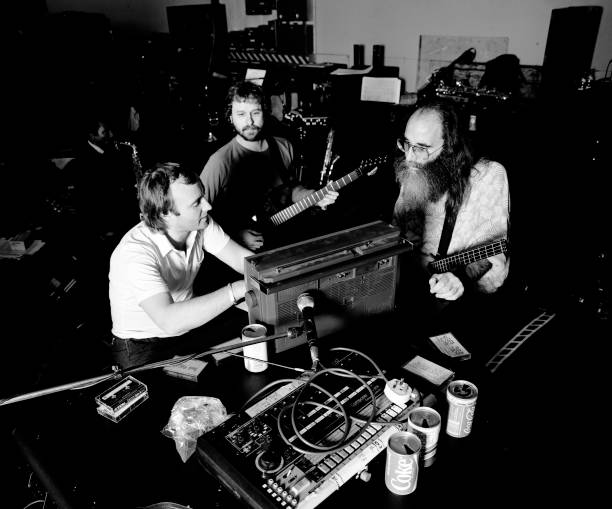
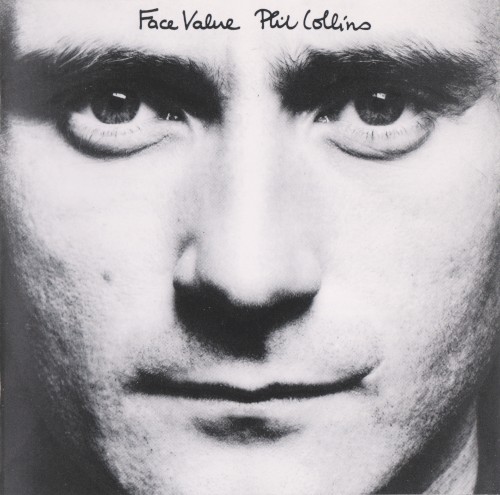
Phil Collins / “In the Air Tonight”.
Phil Collins kept an adapted CR-78 rhythm from the home demo at the foundation of “In the Air Tonight”. The later acoustic fill changes the scale of the record, but the machine’s measured pulse is there from the start, holding the song in its famous state of suspense.
Read Classic Tracks: Phil Collins’ In the Air Tonight ↗More records in the archive
The machine keeps turning up.
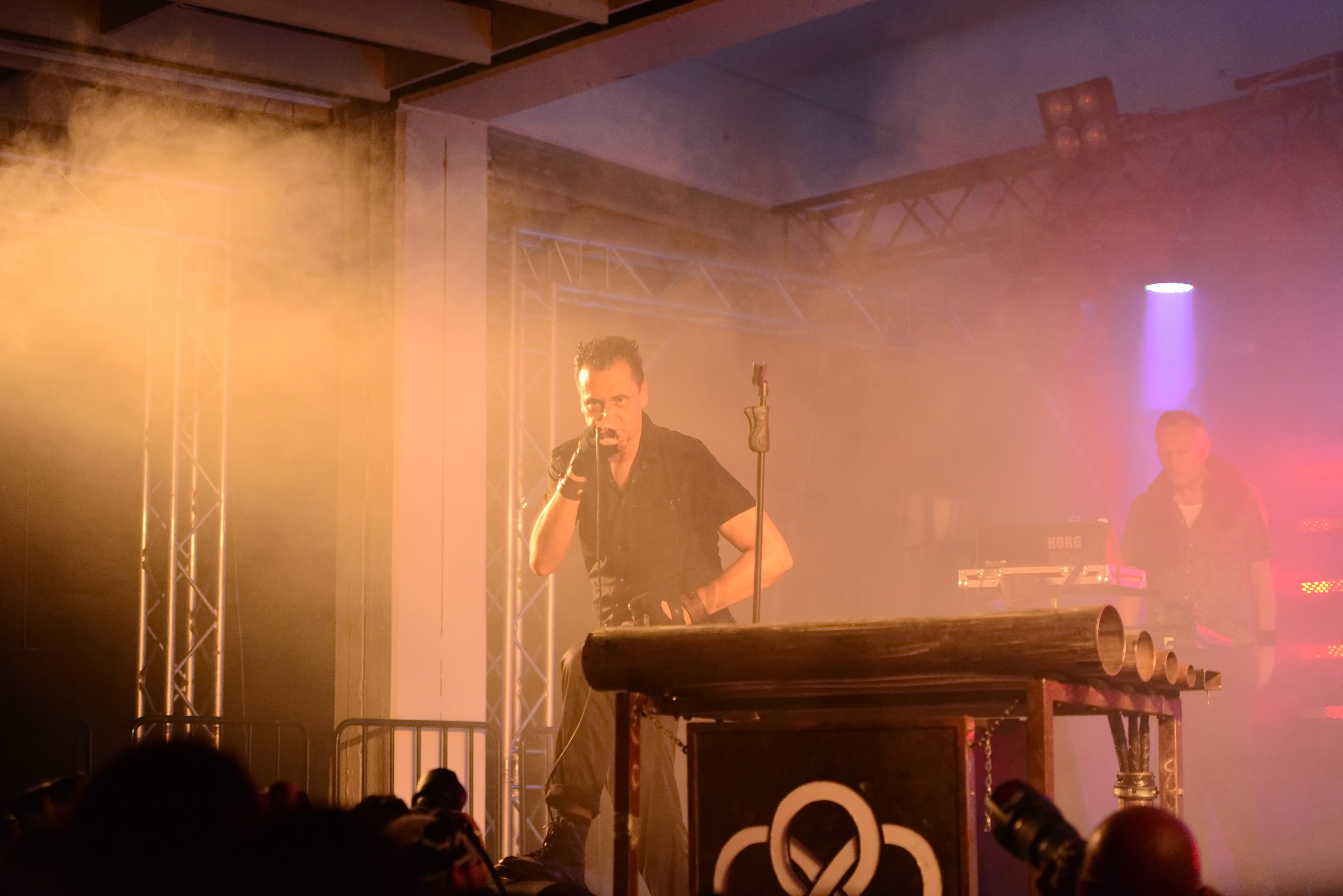
Jürgen Engler / Die Krupps / Stahlwerksynfonie
Jürgen Engler says the programmed drums on Die Krupps’ Stahlwerksynfonie came from a Roland CompuRhythm CR-78 wired into a large sequencer so individual voices could be patched into new patterns.
Read How I Got That Sound: Jürgen Engler ↗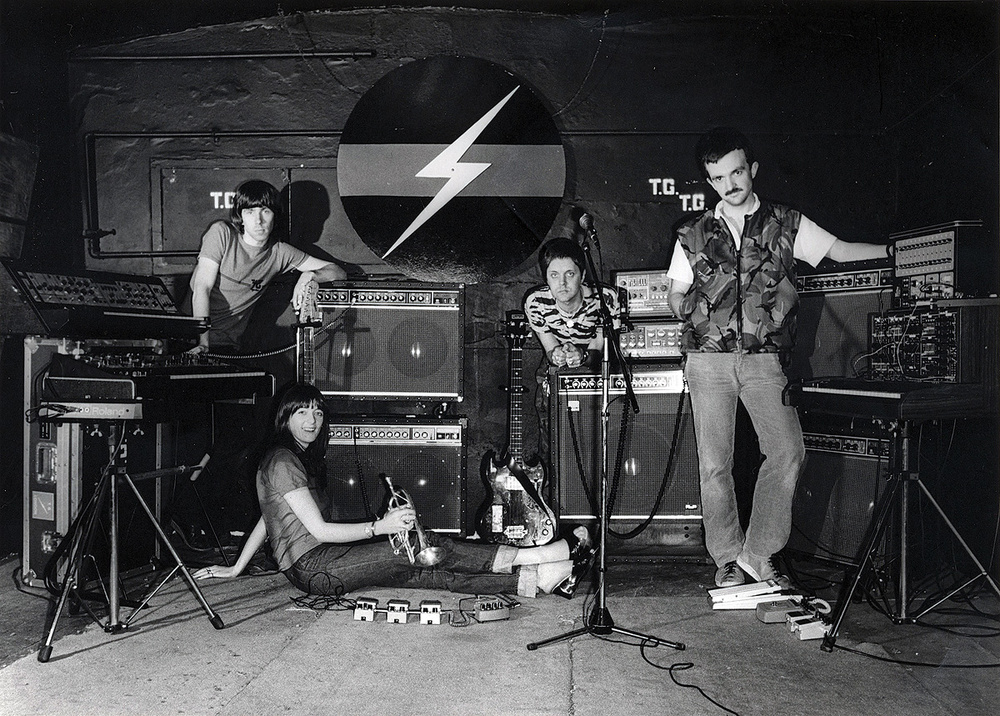
Throbbing Gristle / Chris Carter / “Hamburger Lady” era
Chris Carter calls the modified Roland CompuRhythm CR-78 Throbbing Gristle’s main drum machine for a long stretch, synchronized to a Roland System 100 sequencer and Sleazy’s sampler.
Read Classic Tracks: Throbbing Gristle’s “Hamburger Lady” ↗Reported association
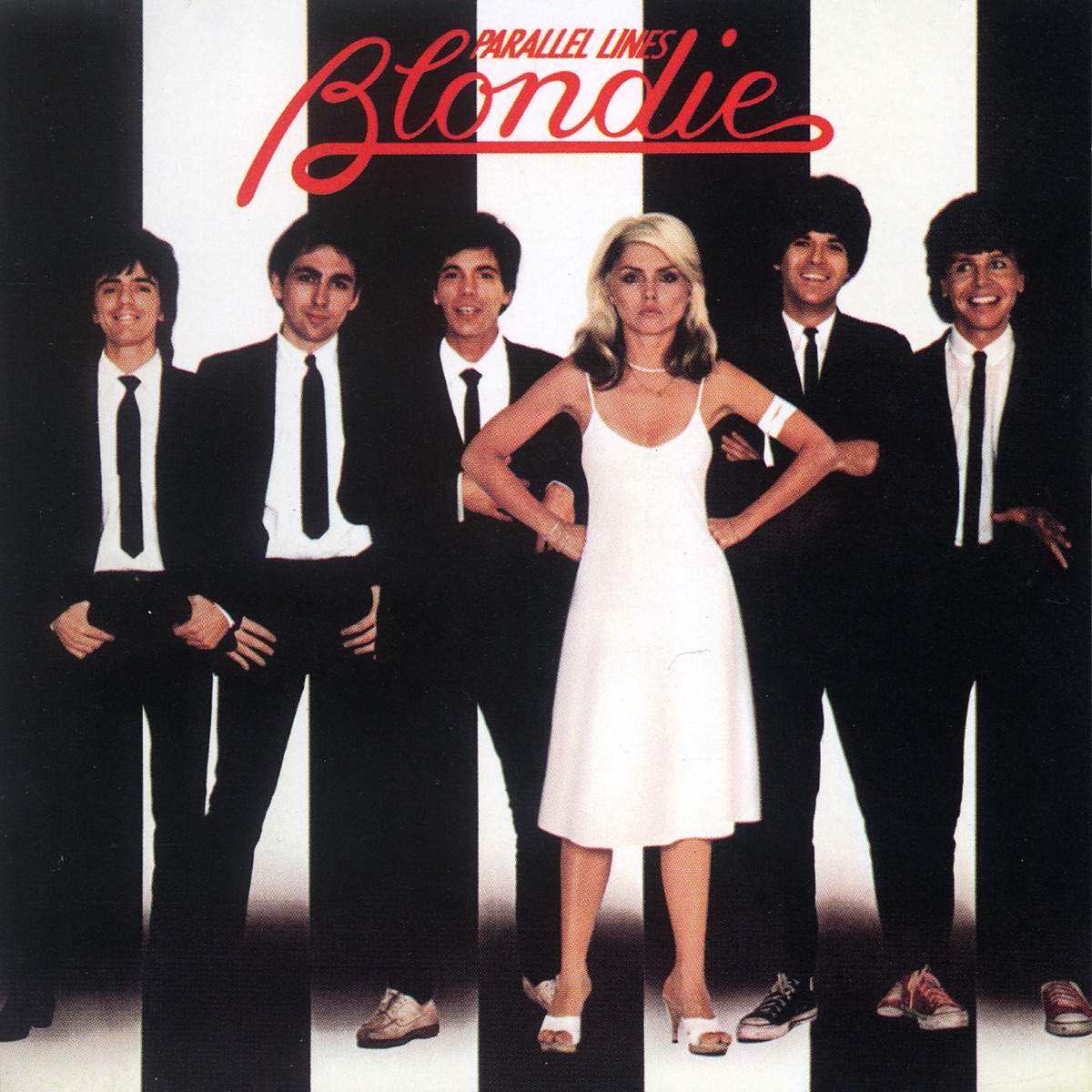
Blondie / Heart of Glass
The CR-78 forms the opening rhythmic bed, combining Mambo and Beguine patterns and supplying a trigger pulse for Jimmy Destri’s SH-5 figure.
Read Sound Behind the Song: “Heart of Glass” by Blondie ↗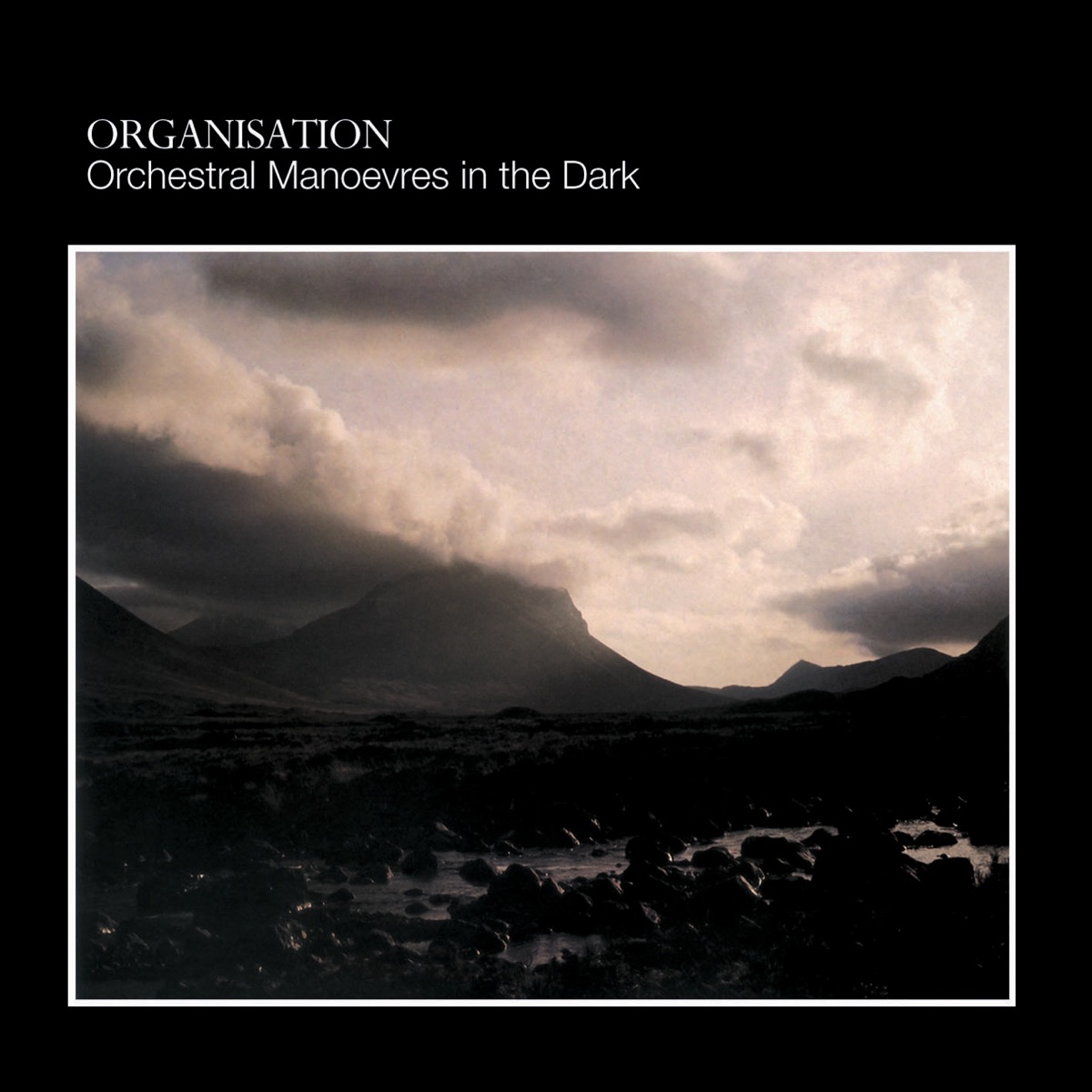
Orchestral Manoeuvres in the Dark / Andy McCluskey / Enola Gay
McCluskey says OMD programmed the CR-78 drum pattern that became the bed of Enola Gay.
Read How I wrote “Enola Gay” by OMD’s Andy McCluskey ↗Reported association

Daryl Hall & John Oates / I Can’t Go for That (No Can Do)
Roland’s historical overview reports use of the CR-78 Rock 1 pattern as a writing prompt.
Read CR-78: The Whole Story ↗Reported association
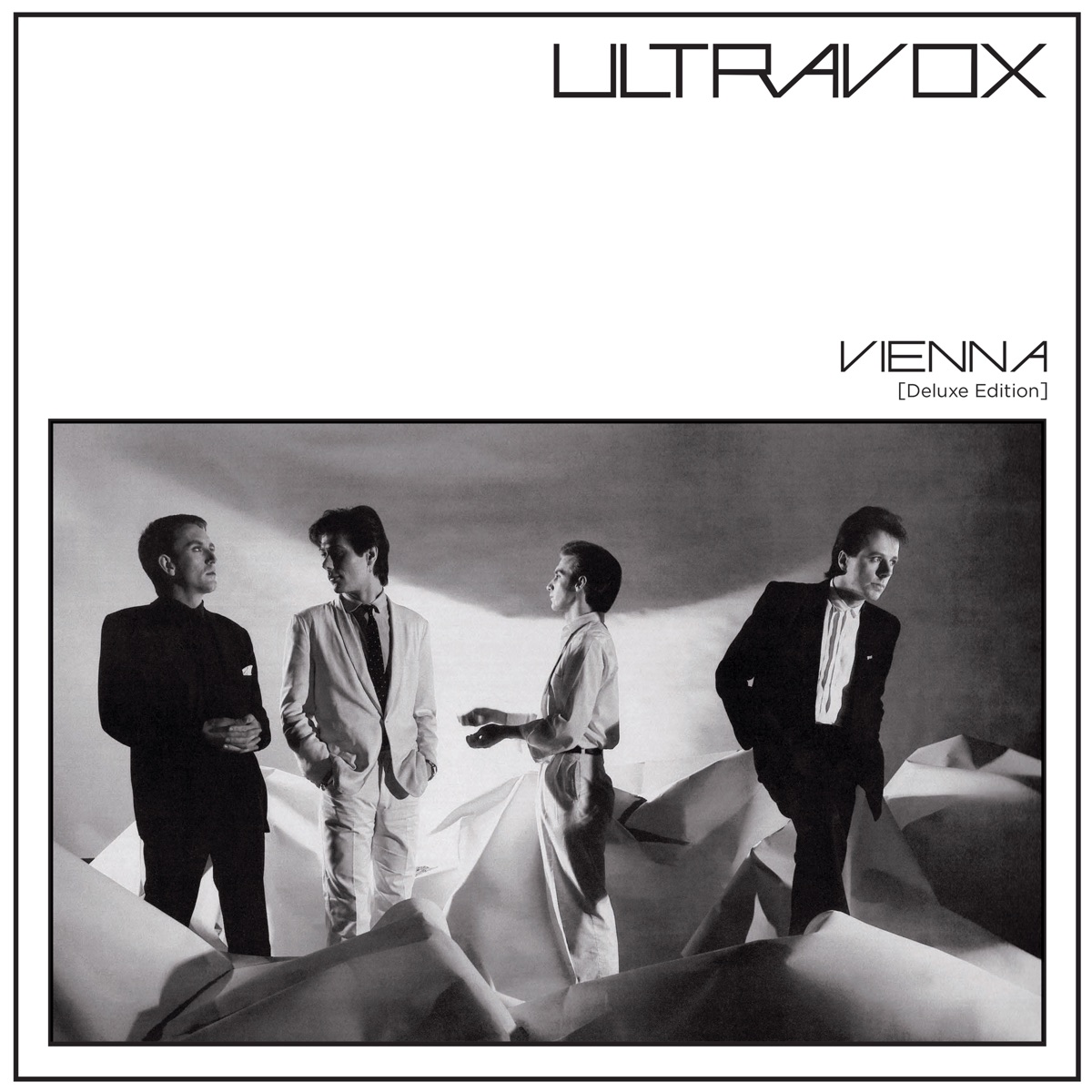
Ultravox / Vienna
Roland’s historical overview reports the CR-78 Rock 4 pattern on Vienna.
Read CR-78: The Whole Story ↗Kate Bush / “Sat In Your Lap” demo
A published production history says Kate Bush used a Roland CR-78 while tracking the demo that became “Sat In Your Lap”.
Read Exchange the Experience: Kate Bush and the Fairlight CMI ↗Reported association
Chris de Burgh / Lady in Red
Roland’s historical overview reports the CR-78 Enka pattern on Lady in Red.
Read CR-78: The Whole Story ↗Reported association
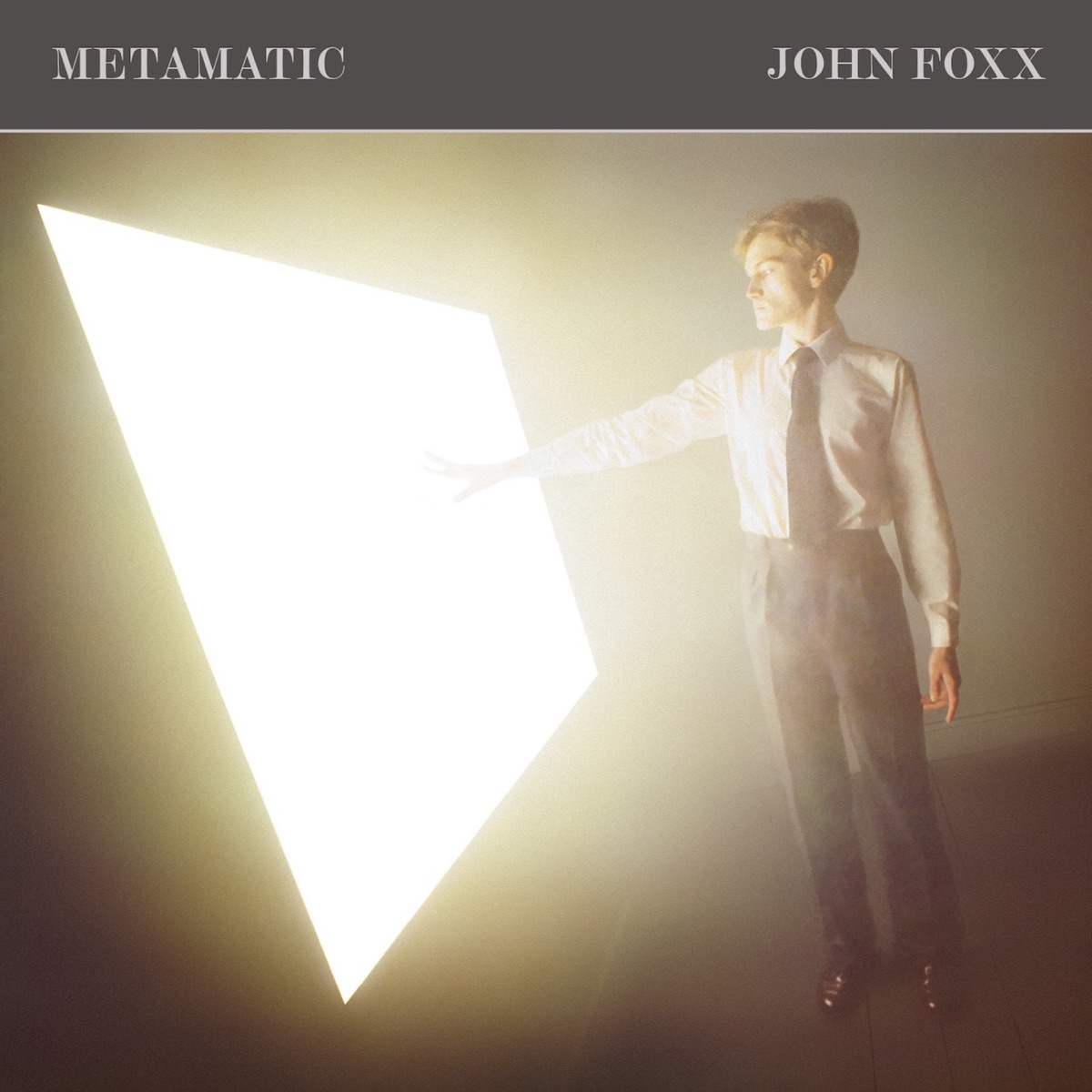
John Foxx / Metamatic
Roland’s historical overview reports CR-78 use across the album.
Read CR-78: The Whole Story ↗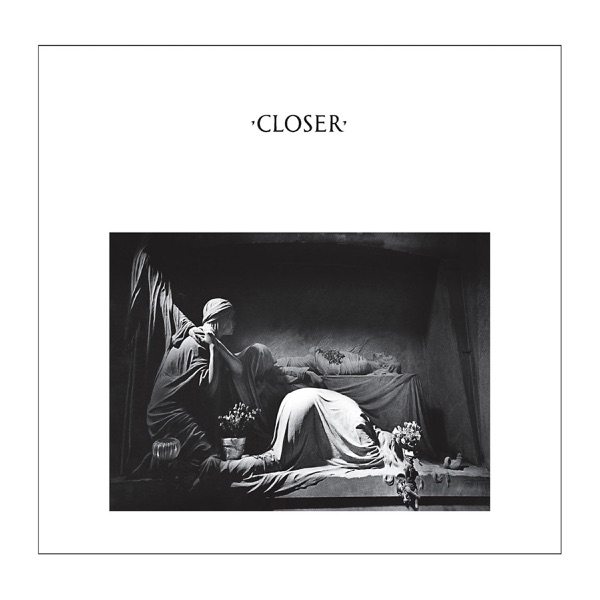
Stephen Morris / Joy Division / Decades
Stephen Morris recalls Martin Hannett directing him to use a Roland CR-78 for Joy Division’s Decades, and remembers wrestling with its programming accessories.
Read Stephen Morris — A Career in Gear ↗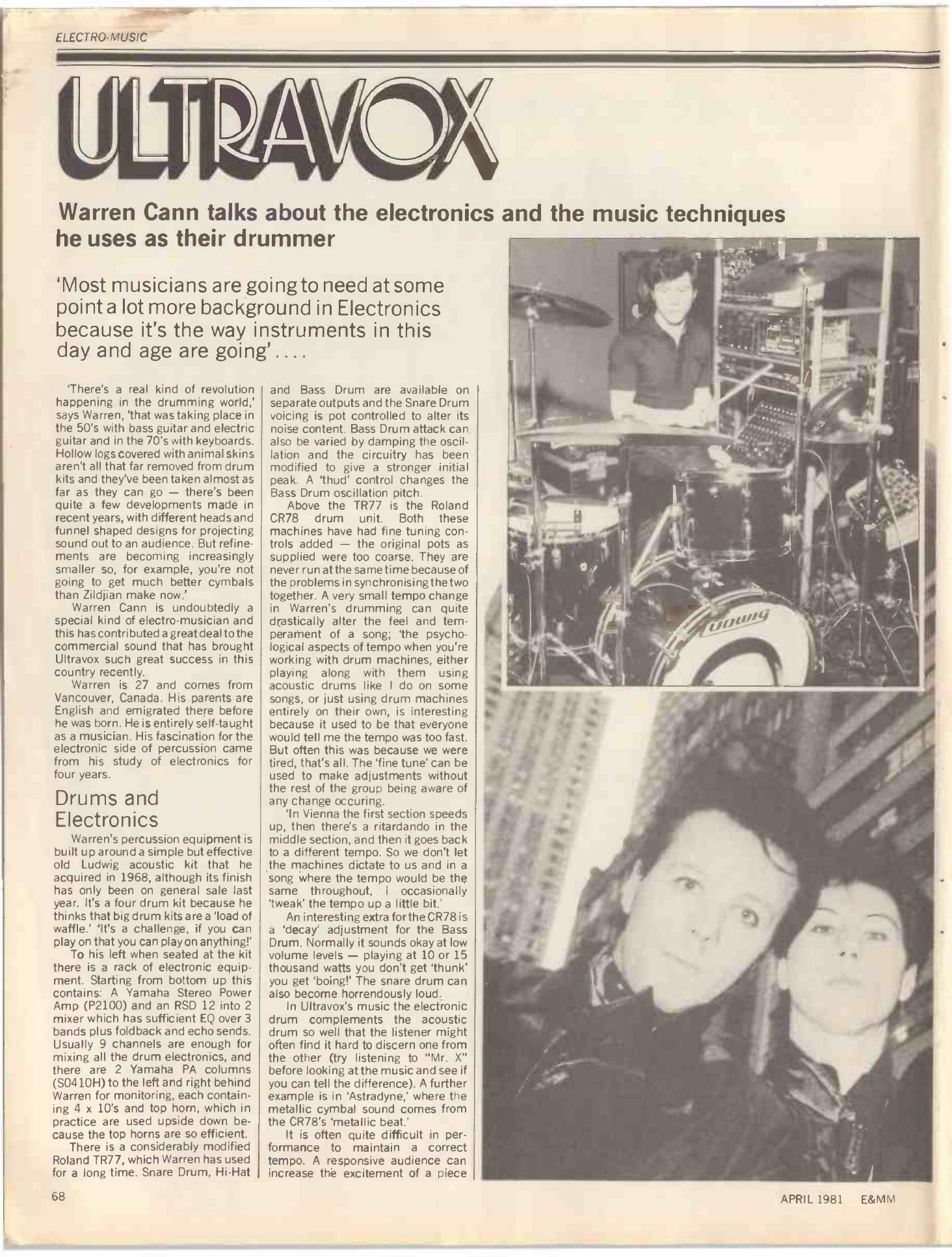
Warren Cann / Ultravox / Vienna and Astradyne
A 1981 profile places a Roland CR-78 beside Warren Cann’s TR-77, describing its programmed rhythm functions and connecting its metallic beat to “Astradyne”.
Read Ultravox ↗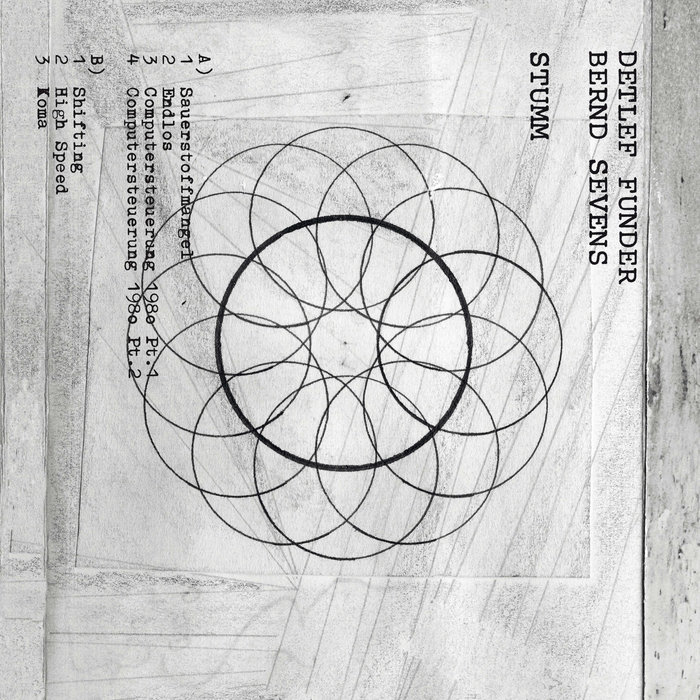
Detlef Funder and Bernd Sevens / Stumm
The CR-78 is named in the duo’s stripped 1980 studio setup.
Read Detlef Funder and Bernd Sevens / Stumm ↗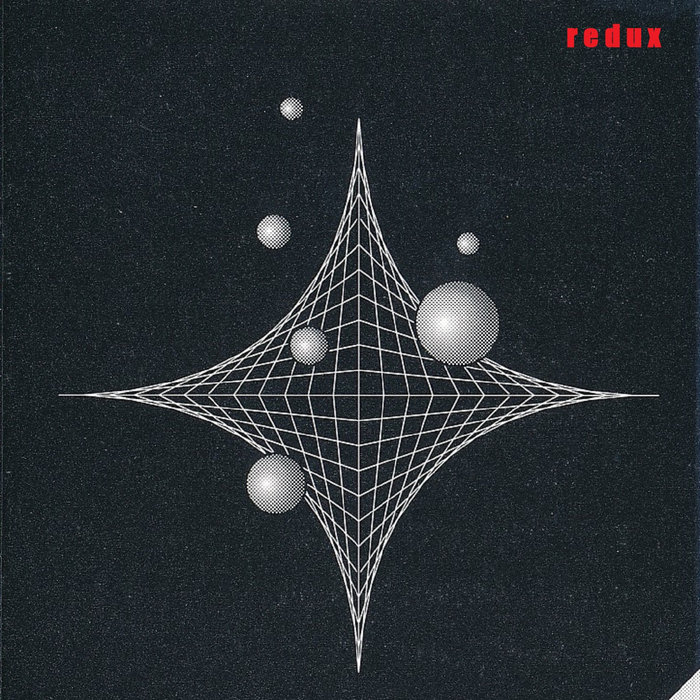
Stephen Parsick / polarity redux
Stephen Parsick recalls buying a Roland CR-78 in July 1991 and immediately using it on the basement recordings later collected as polarity redux.
Read Stephen Parsick / polarity redux ↗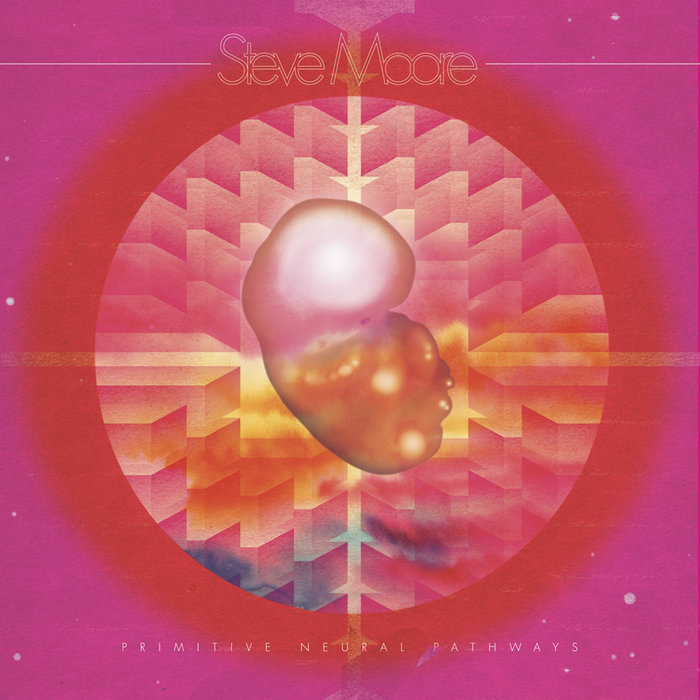
Steve Moore / Primitive Neural Pathways
Steve Moore lists a Roland Compurhythm CR-78 among the instruments used for Primitive Neural Pathways.
Read Primitive Neural Pathways ↗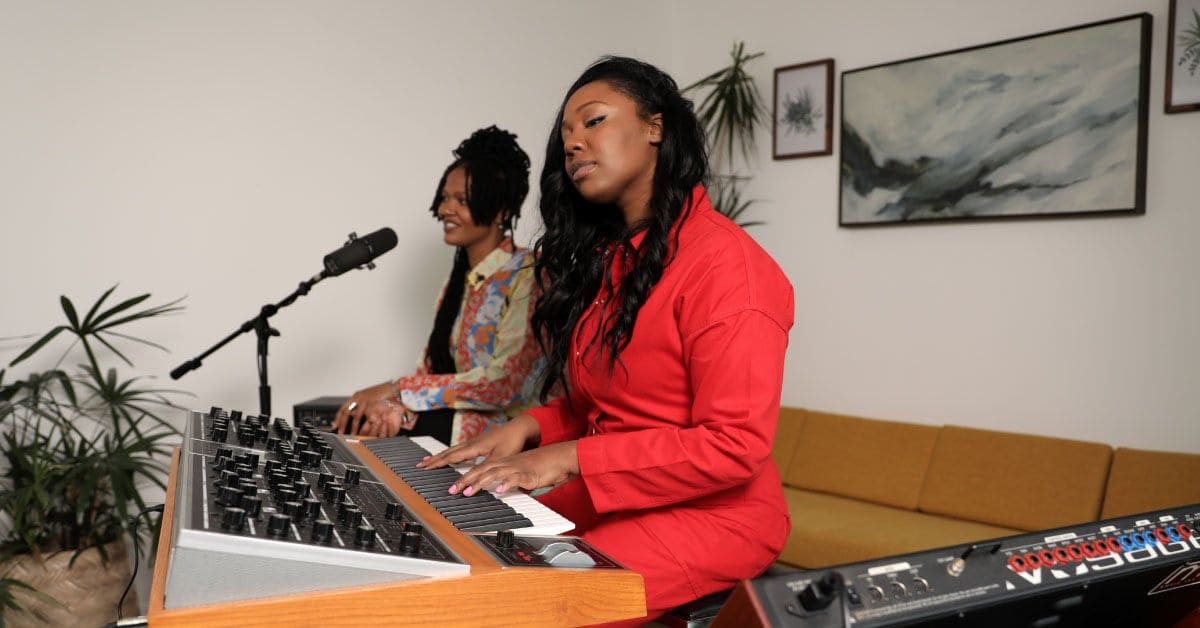
We Are KING / Amber Strother / Songwriting and idea development
Amber Strother describes the Roland CR-78 as the drum machine she turns to for quickly fleshing out song ideas and finding new rhythmic textures.
Read Guitar Center / We Are KING: Make Music ↗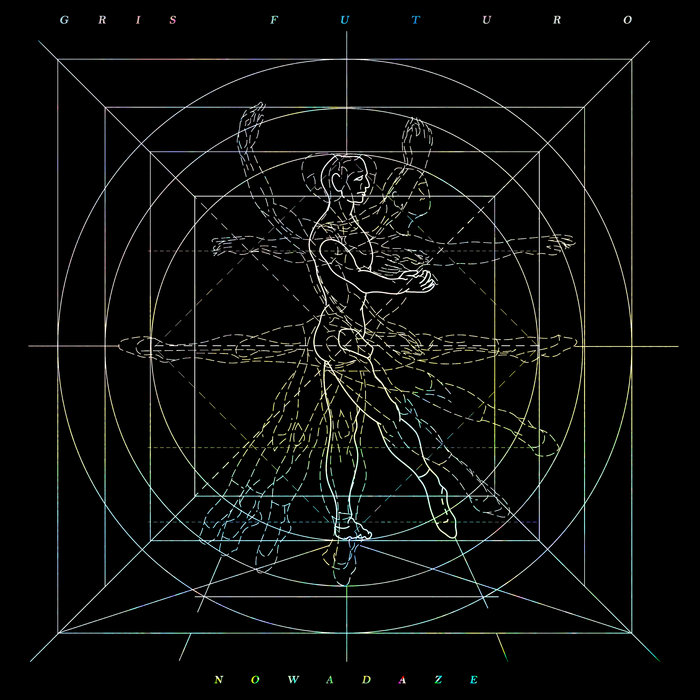
Gris Futuro / Nowadaze
Gris Futuro list a Roland CR-78 in the setup for Nowadaze, with Karolis Budreckas specifically thanked for CR-78 duties.
Read Gris Futuro — Nowadaze ↗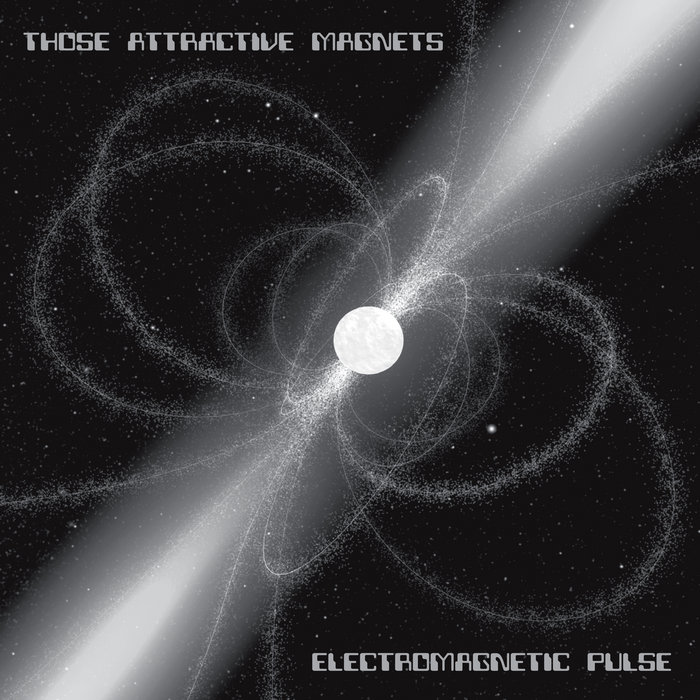
Those Attractive Magnets / Electromagnetic Pulse
Those Attractive Magnets credit a Roland CR-78 among the instruments used for recordings made between 1980 and 1983.
Read Those Attractive Magnets / Electromagnetic Pulse ↗
Lunar Maps / Lunar Maps
Lunar Maps list the Roland CR-78 among the drum machines used for this 2010 recording.
Read Lunar Maps / Lunar Maps ↗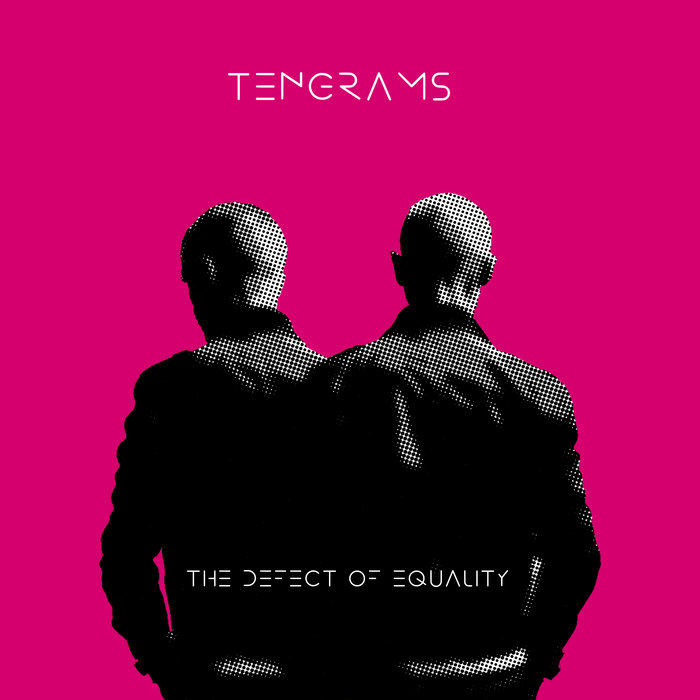
TenGrams / The Defect of Equality
TenGrams name a Roland CR-78 among the drum machines used on The Defect of Equality.
Read TenGrams — The Defect of Equality ↗
L’Avenir / Jason Sloan / L’Avenir | Kiss of the Whip - 2
Jason Sloan’s release inventory for L’Avenir lists a Roland CR-78.
Read L’Avenir / Kiss of the Whip — L’Avenir | Kiss of the Whip - 2 ↗Phil Collins / In the Air Tonight
CR-78 supplied the adapted rhythm foundation retained from the home demo.
Read Classic Tracks: Phil Collins’ In the Air Tonight ↗
Simon Pott / isvisible isinvisible / Isvisible Isinvisible
Simon Pott lists a Roland CR-78 among the sound sources for Isvisible Isinvisible.
Read isvisible isinvisible — Isvisible Isinvisible ↗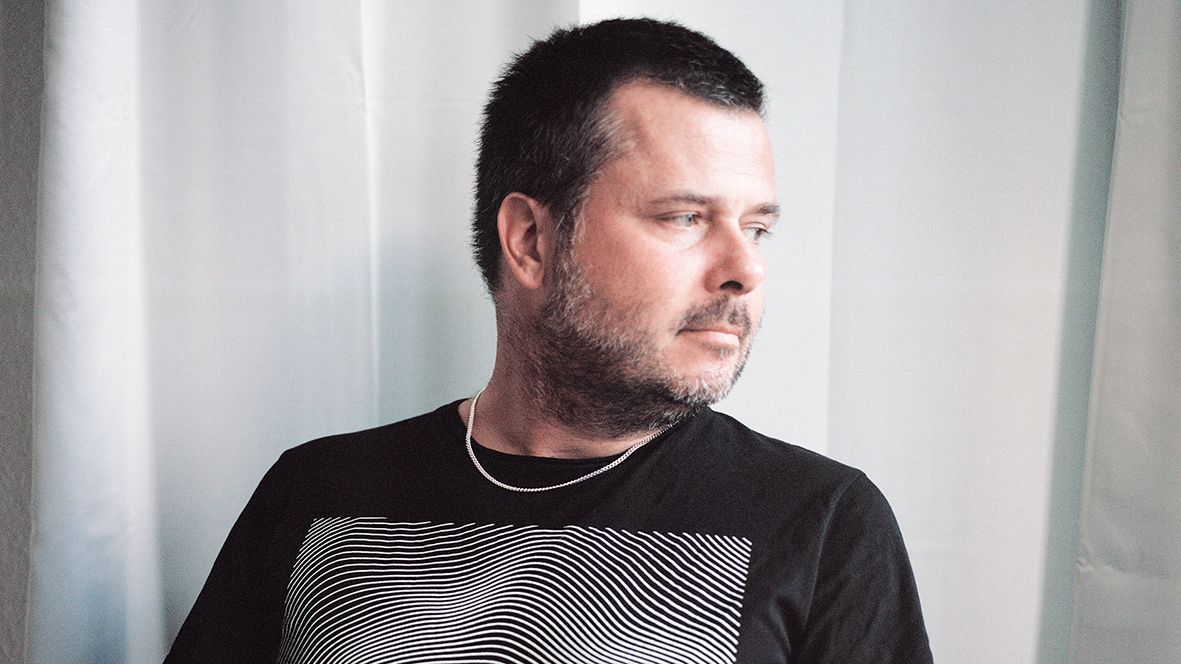
Tyler Pope / Nur Weil Ich Kann
Tyler Pope says James Murphy urged him to make an EP using one drum machine and one synth, prompting him to obtain a Roland CR-78 and ARP Odyssey for Nur Weil Ich Kann.
Read Tyler Pope: CR-78 and ARP Odyssey for Nur Weil Ich Kann ↗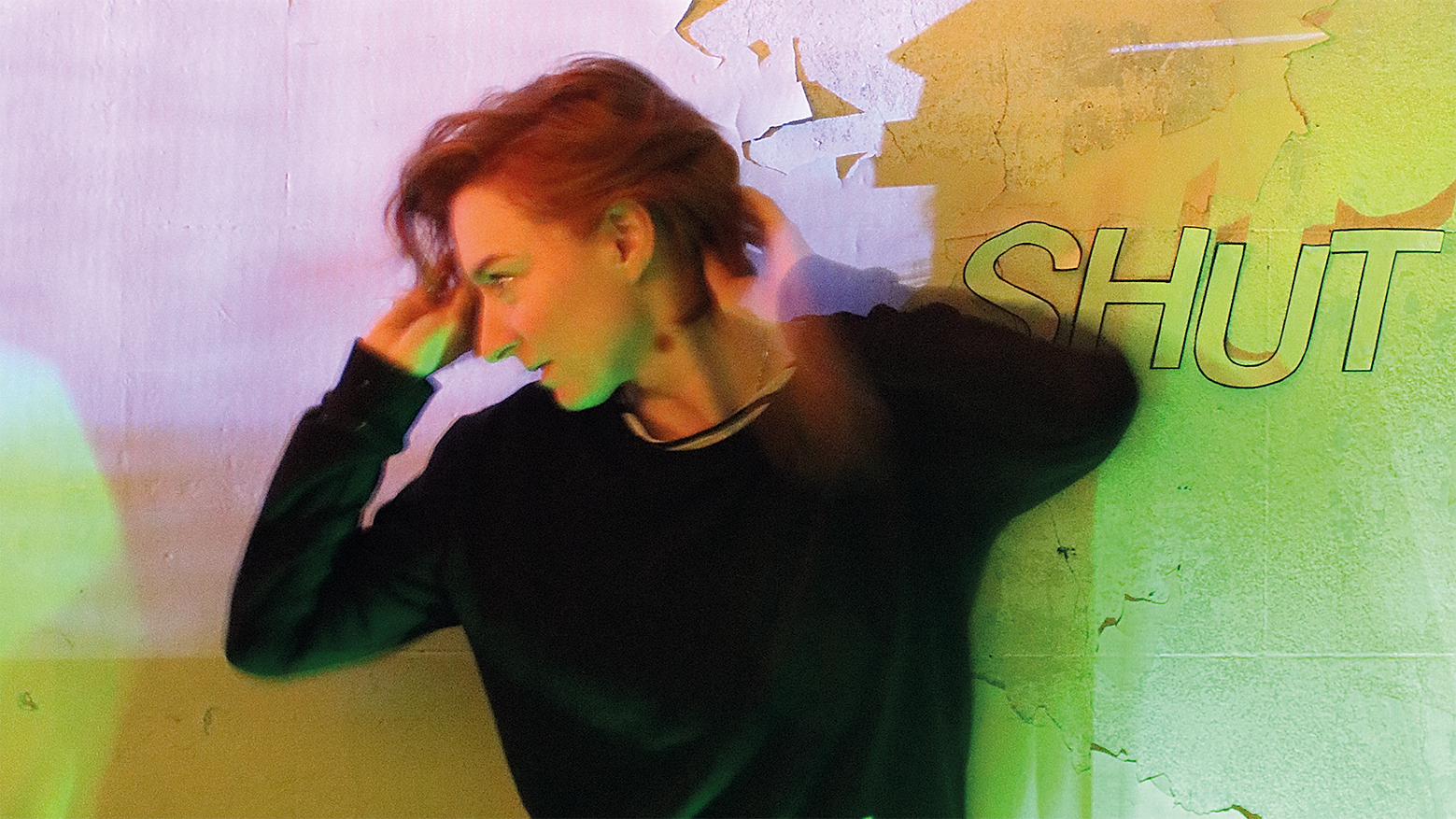
LoneLady / Julie Campbell / Former Things
Julie Campbell says Former Things layered real samples from a Roland CR-78 among its drum-machine palette.
Read LoneLady: a songwriter who turns her music and politics into art ↗The rhythm box that invited an answer
The CR-78 looks like a classic preset accompaniment machine: rows of named dances and grooves at the push of a button. Its microcomputer also retains four user patterns, letting a domestic rhythm box carry a song’s own pulse as well as its supplied foxtrot or bossa nova.Sources (2)
Fixed patterns, open doors
The owner’s manual lists eleven percussion sources and 34 preset rhythms. Add Voice, Metallic Beat and Cancel Voice reshape a pattern; fill, rolling and break interrupt it; fade-in and fade-out give it an entrance and exit. The machine offers a compact vocabulary of musical decisions.Source (1)
Four memories for a different beat
The CR-78’s four memory positions gave musicians room to retain patterns that did not appear on the factory selector. Roland’s later history marks that programmable turn as a bridge between standard preset accompaniment and the more open drum machines that followed.Sources (2)
A song begins at home
Phil Collins has described beginning “In the Air Tonight” with a CR-78 rhythm, subtracting selected sounds and adding a programmed bass-drum part before keyboard chords and an early vocal at home. The finished recording kept that foundation before Hugh Padgham’s acoustic drums delivered its famous fill.Source (1)
A precise kind of flexibility
The CR-78’s appeal lies in its limits: distinctive sounds and a modest set of ways to interrupt, subtract from and write around them. It supplies a beat, then leaves space for a player to make the beat feel chosen.Sources (2)
Blondie’s machine-led disco opening
“Heart of Glass” begins with the CR-78 before Clem Burke turns the groove into a full drum performance. Roland’s account identifies the Mambo-and-Beguine combination and the machine’s trigger role in Jimmy Destri’s SH-5 figure: the preset box is not background decoration, but an opening device that also reaches into the song’s keyboard pulse.Source (1)
Andy McCluskey programs Enola Gay
Andy McCluskey recalls buying a CR-78, programming the beat for “Enola Gay”, and building the whole track on that rhythm bed. The story makes the machine’s programmable memory feel less like a late feature on an accompanist and more like the hinge of an international synth-pop record.Source (1)
Preset patterns with long afterlives
Roland’s historical overview also associates the CR-78 with Hall & Oates’ “I Can’t Go for That (No Can Do)”, Ultravox’s “Vienna”, Chris de Burgh’s “Lady in Red” and John Foxx’s Metamatic. These are reported connections, included as listening leads rather than as new claims about each track’s complete production chain.Source (1)
The preset became the hook
The CR-78’s patterns were fixed, but the records made with them were not. Phil Collins retained an adapted rhythm from the home demo of “In the Air Tonight”; Andy McCluskey says OMD programmed the bed of “Enola Gay”; and Roland’s historical account traces specific CR-78 patterns into “Heart of Glass”, “Vienna” and “Lady in Red”. The enduring lesson is that a preset can be a starting point, a clock and a character all at once.
John Foxx gives the preset a private life
Roland’s historical overview associates the CR-78 with John Foxx’s Metamatic. It is a reported connection rather than a session transcript, but it fits the record’s small-room atmosphere: a preset rhythm machine becoming a steady, impersonal companion to Foxx’s electronic solitude.Source (1)
On record
- Phil Collins — In the Air Tonight. CR-78 supplied the adapted rhythm foundation retained from the home demo. Source ↗
- Blondie — Heart of Glass. The CR-78 forms the opening rhythmic bed, combining Mambo and Beguine patterns and supplying a trigger pulse for Jimmy Destri’s SH-5 figure. Source ↗
- Orchestral Manoeuvres in the Dark / Andy McCluskey — Enola Gay. McCluskey says OMD programmed the CR-78 drum pattern that became the bed of Enola Gay. Source ↗
- Daryl Hall & John Oates — I Can’t Go for That (No Can Do). Roland’s historical overview reports use of the CR-78 Rock 1 pattern as a writing prompt. Source ↗
- Ultravox — Vienna. Roland’s historical overview reports the CR-78 Rock 4 pattern on Vienna. Source ↗
- Chris de Burgh — Lady in Red. Roland’s historical overview reports the CR-78 Enka pattern on Lady in Red. Source ↗
- John Foxx — Metamatic. Roland’s historical overview reports CR-78 use across the album. Source ↗
- Kate Bush — “Sat In Your Lap” demo. A published production history says Kate Bush used a Roland CR-78 while tracking the demo that became “Sat In Your Lap”. Source ↗
- Stephen Morris / Joy Division — Decades. Stephen Morris recalls Martin Hannett directing him to use a Roland CR-78 for Joy Division’s Decades, and remembers wrestling with its programming accessories. Source ↗
- Warren Cann / Ultravox — Vienna and Astradyne. A 1981 profile places a Roland CR-78 beside Warren Cann’s TR-77, describing its programmed rhythm functions and connecting its metallic beat to “Astradyne”. Source ↗
- Detlef Funder and Bernd Sevens — Stumm. The CR-78 is named in the duo’s stripped 1980 studio setup. Source ↗
- Stephen Parsick — polarity redux. Stephen Parsick recalls buying a Roland CR-78 in July 1991 and immediately using it on the basement recordings later collected as polarity redux. Source ↗
- Steve Moore — Primitive Neural Pathways. Steve Moore lists a Roland Compurhythm CR-78 among the instruments used for Primitive Neural Pathways. Source ↗
- We Are KING / Amber Strother — Songwriting and idea development. Amber Strother describes the Roland CR-78 as the drum machine she turns to for quickly fleshing out song ideas and finding new rhythmic textures. Source ↗
- Gris Futuro — Nowadaze. Gris Futuro list a Roland CR-78 in the setup for Nowadaze, with Karolis Budreckas specifically thanked for CR-78 duties. Source ↗
- Those Attractive Magnets — Electromagnetic Pulse. Those Attractive Magnets credit a Roland CR-78 among the instruments used for recordings made between 1980 and 1983. Source ↗
- Lunar Maps — Lunar Maps. Lunar Maps list the Roland CR-78 among the drum machines used for this 2010 recording. Source ↗
- TenGrams — The Defect of Equality. TenGrams name a Roland CR-78 among the drum machines used on The Defect of Equality. Source ↗
- L’Avenir / Jason Sloan — L’Avenir | Kiss of the Whip - 2. Jason Sloan’s release inventory for L’Avenir lists a Roland CR-78. Source ↗
Sources
The visual archive
Further visual evidence.
These displayed records are labelled by their documented role, date and source; source-only records are listed separately below.
Sources for images shown earlier (22)
- Phil Collins and Leland Sklar in the studio ↗
- Ultravox — Warren Cann on drums and electronics ↗
- Throbbing Gristle’s Roland studio photograph ↗
- Tyler Pope — MusicRadar interview ↗
- LoneLady / Julie Campbell — MusicRadar interview ↗
- We Are KING for Guitar Center ↗
- Detlef Funder and Bernd Sevens — Stumm ↗
Release date not stated on source page · Detlef Funder and Bernd Sevens / release artwork via Bandcamp · Official Bandcamp release-page artwork (Open Graph image) - Stephen Parsick — polarity redux ↗
Release date not stated on source page · Stephen Parsick / release artwork via Bandcamp · Official Bandcamp release-page artwork (Open Graph image) - Steve Moore — Primitive Neural Pathways ↗
2011-08-09 · Steve Moore / release artwork via Bandcamp · Official Bandcamp release-page artwork (Open Graph image) - Gris Futuro — Nowadaze ↗
2025-11-07 · Gris Futuro / release artwork via Bandcamp · Official Bandcamp release-page artwork (Open Graph image) - Those Attractive Magnets — Electromagnetic Pulse ↗
2017-04-05 · Those Attractive Magnets / release artwork via Bandcamp · Official Bandcamp release-page artwork (Open Graph image) - TenGrams — The Defect of Equality ↗
2023-06-02 · TenGrams / release artwork via Bandcamp · Official Bandcamp release-page artwork (Open Graph image) - L’Avenir / Jason Sloan — L’Avenir | Kiss of the Whip - 2 ↗
2025-04-18 · L’Avenir / Jason Sloan / release artwork via Bandcamp · Official Bandcamp release-page artwork (Open Graph image) - Simon Pott / isvisible isinvisible — Isvisible Isinvisible ↗
2018-02-23 · Simon Pott / isvisible isinvisible / release artwork via Bandcamp · Official Bandcamp release-page artwork (Open Graph image) - Phil Collins — In the Air Tonight ↗
1984 · Phil Collins / release artwork via Cover Art Archive · MusicBrainz release record and Cover Art Archive front artwork - Blondie — Heart of Glass ↗
1978-09-23T12:00:00Z · Blondie / release artwork via Apple Music catalog artwork · Release catalogue and retained front artwork - Orchestral Manoeuvres in the Dark — Enola Gay ↗
1980-09-26T07:00:00Z · Orchestral Manoeuvres in the Dark / release artwork via Apple Music catalog artwork · Release catalogue and retained front artwork - Daryl Hall & John Oates — I Can't Go for That (No Can Do) ↗
1981-09-01T07:00:00Z · Daryl Hall & John Oates / release artwork via Apple Music catalog artwork · Release catalogue and retained front artwork - Ultravox — Vienna ↗
1980-07-11T12:00:00Z · Ultravox / release artwork via Apple Music catalog artwork · Release catalogue and retained front artwork - John Foxx — Metamatic ↗
1980-01-01T00:00:00Z · John Foxx / release artwork via Apple Music catalog artwork · Release catalogue and retained front artwork - Joy Division — Closer ↗
1980-07-18 · Joy Division / release artwork via Apple Music catalogue · Release catalogue and retained front artwork - Die Krupps / Amphi Festival ↗
27 July 2014 · Atamari · Die Krupps performing at the Amphi Festival.