
BOSS made the DR-55 from 1980 to 1983. Its compact black case introduced the Dr. Rhythm name to a generation of players who wanted to write a beat into the instrument itself.
The machine in the record
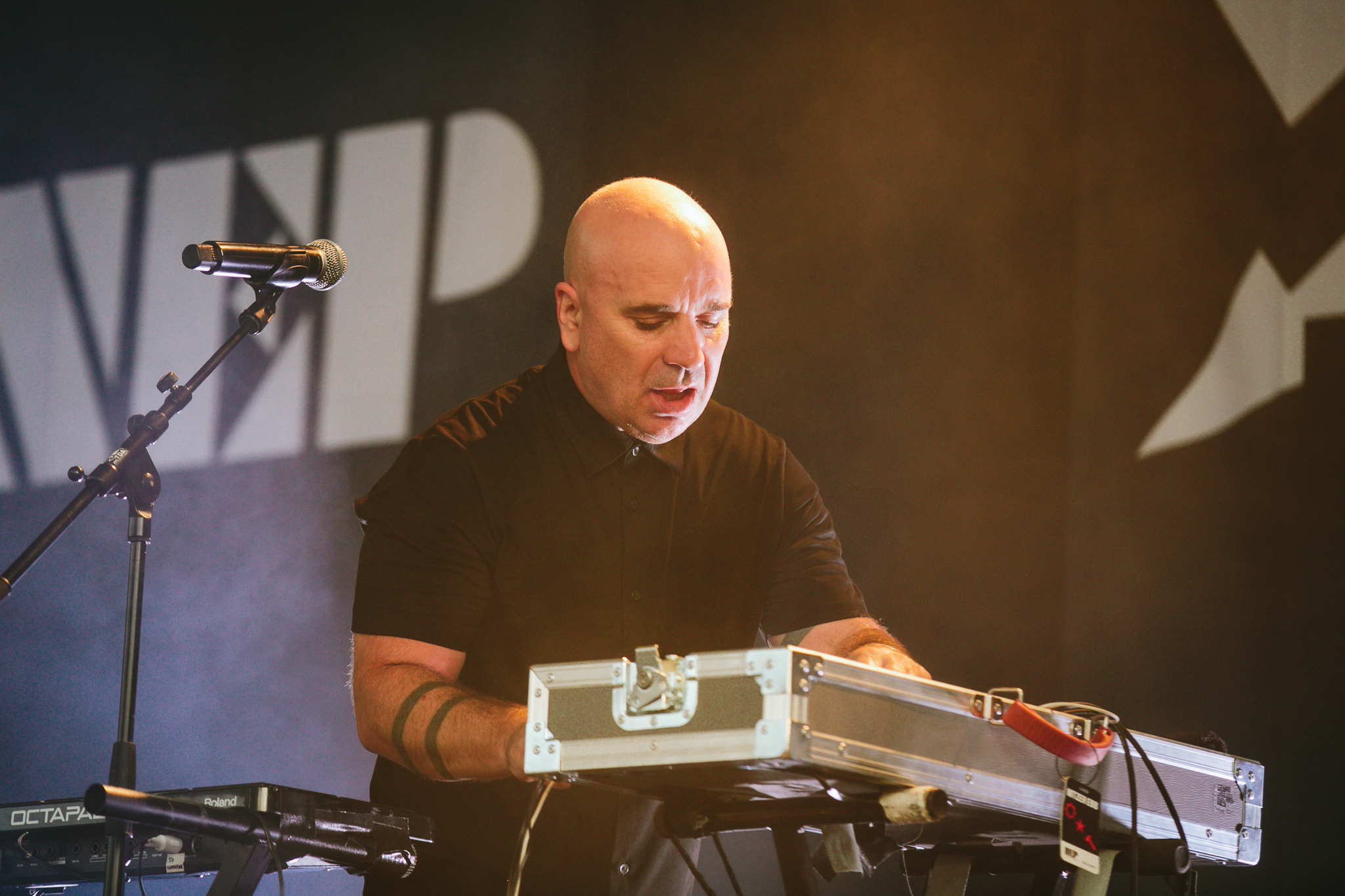
Nitzer Ebb / Bon Harris.
Bon Harris remembers the BOSS DR-55 as the first piece of equipment he bought. Before the industrial muscle and hard-edged electronic arrangements, there was a small grey rhythm box: a machine that gave Nitzer Ebb a place to begin building their own pulse.
Read Bon Harris of Nitzer Ebb on early Roland instruments ↗More records in the archive
The machine keeps turning up.
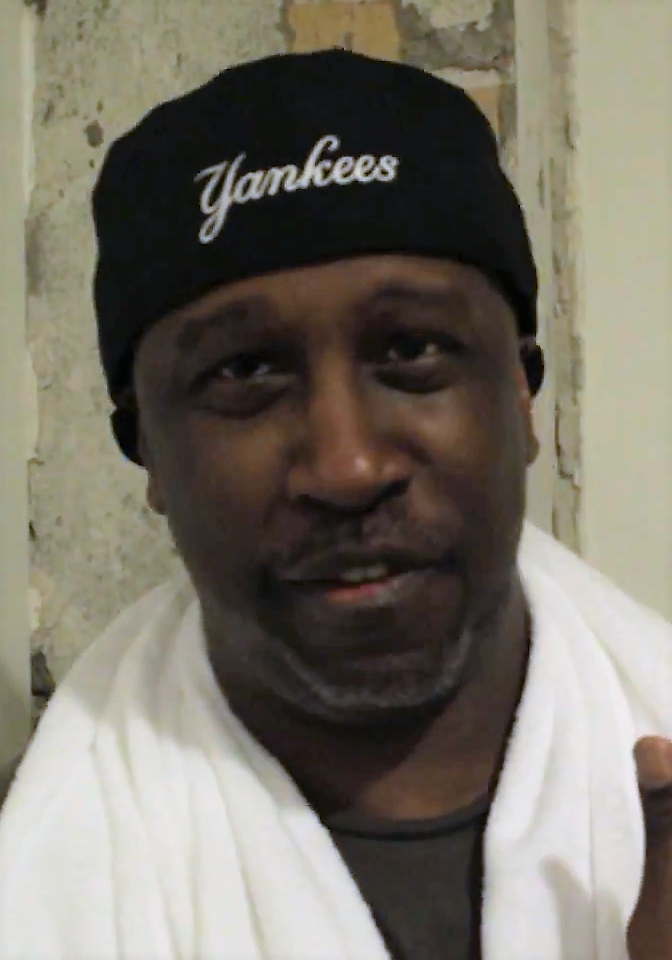
Todd Terry / Early four-track practice; no named recording
Todd Terry recalls learning to program beats on a BOSS DR-55, then bouncing bass and other parts across a four-track recorder.
Read Todd Terry on early drum-machine practice ↗
Mr Concept / November
Mr Concept’s November release notes list a BOSS DR-55 among the drum machines used for the project, alongside an Ace-Tone Rhythm Ace and Roland TR-626.
Read Mr Concept / November ↗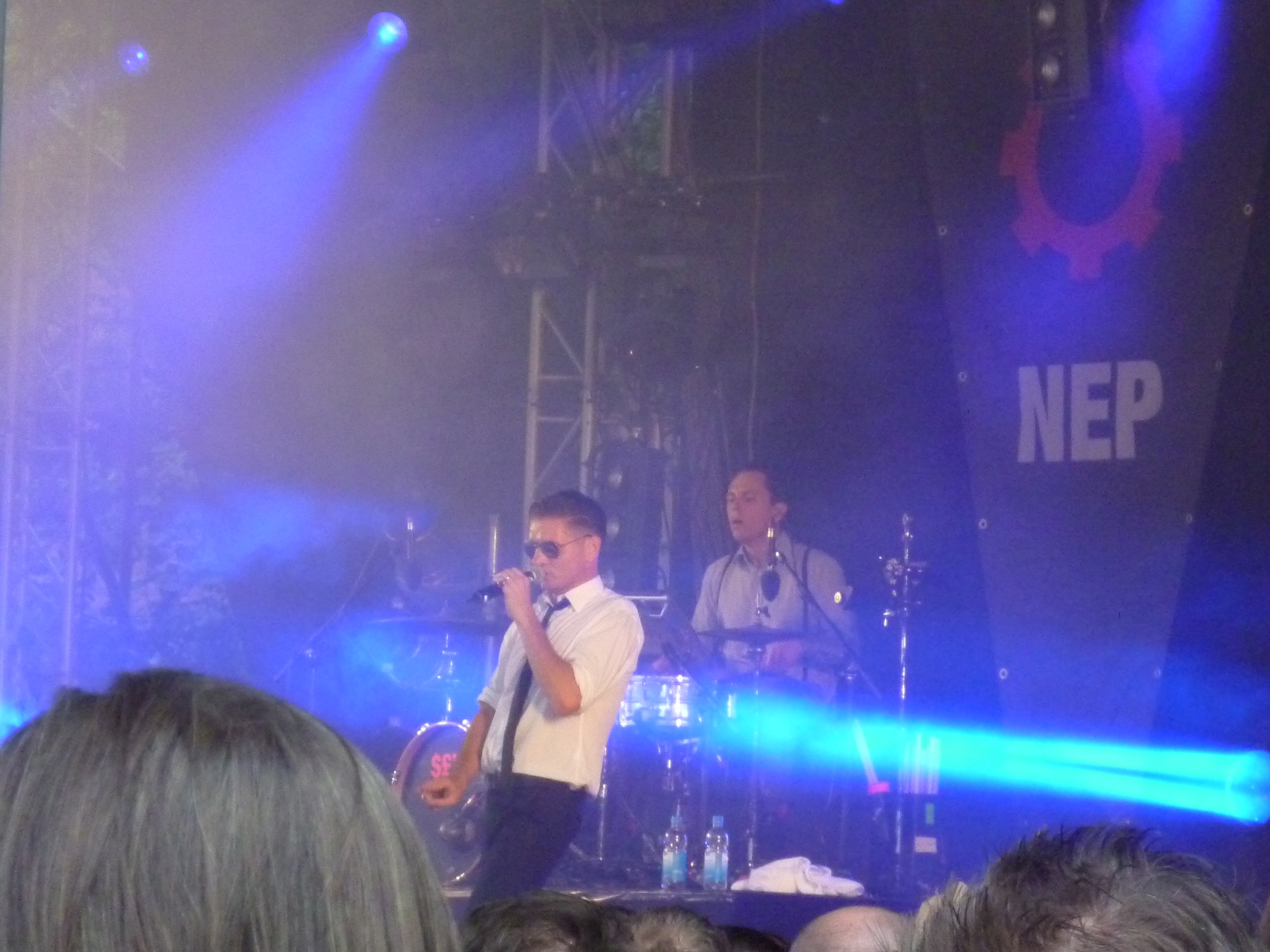
Nitzer Ebb / David Gooday / Earliest Nitzer Ebb setup; no named recording
David Gooday names a BOSS DR-55 in Nitzer Ebb’s earliest setup.
Read HOME Exclusive: Interview with Nitzer Ebb’s David Gooday ↗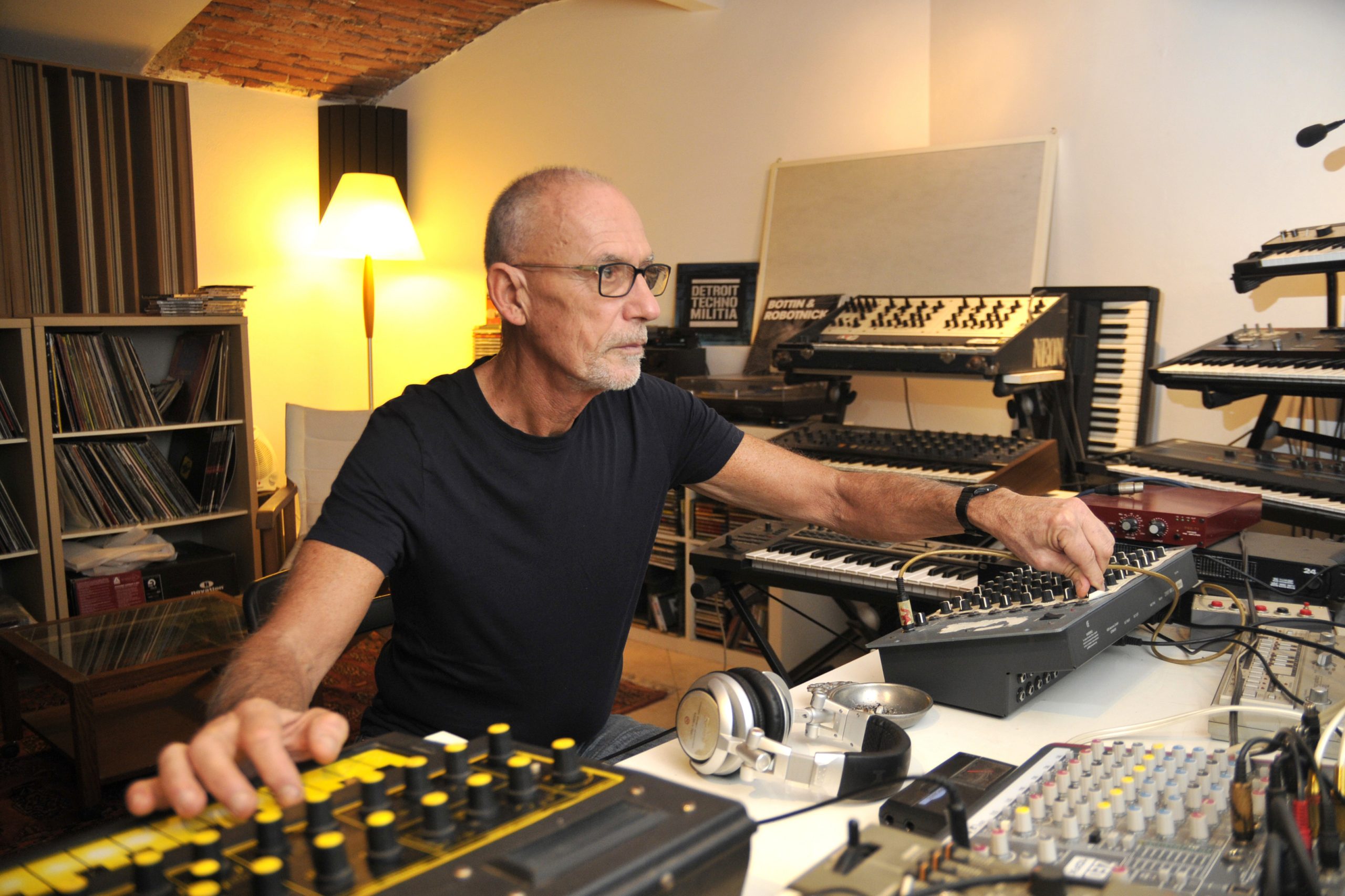
Alexander Robotnick / First electronic-music setup; no named recording
Alexander Robotnick identifies a BOSS DR-55 in his first electronic-music setup.
Read Talking Tech with Alexander Robotnick ↗Reported association
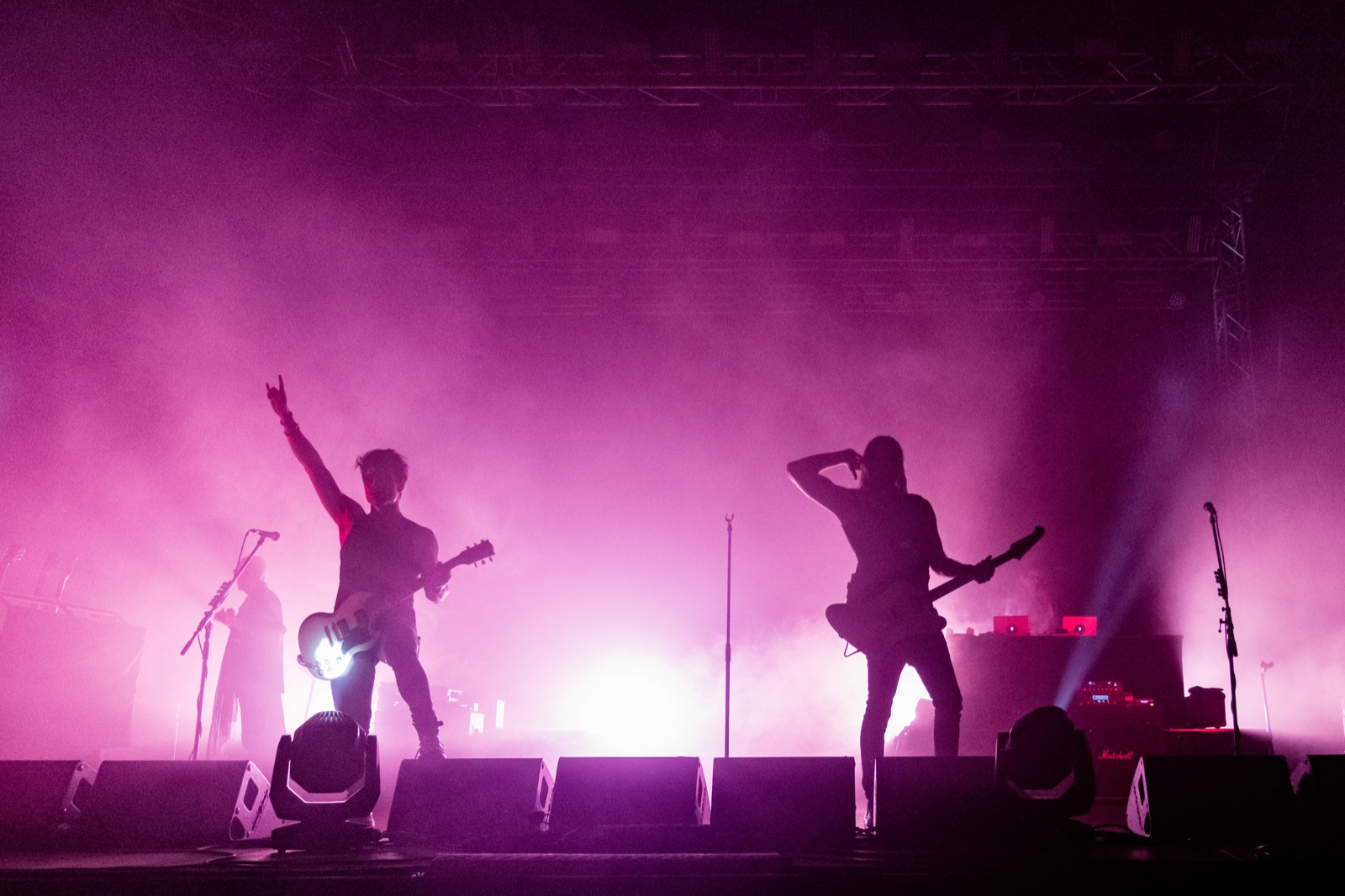
The Sisters of Mercy / Early Doktor Avalanche era
A band-history summary identifies the first Doktor Avalanche as a BOSS DR-55.
Read The Sisters of Mercy ↗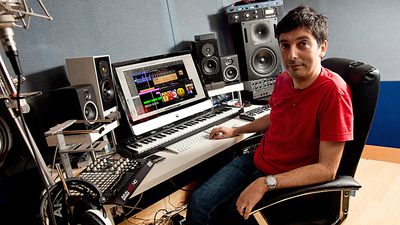
Rui Da Silva / Early beat programming; no named recording
Rui Da Silva recalls spending afternoons programming beats on a second-hand BOSS DR-55.
Read Rui Da Silva talks career and shows off his London studio ↗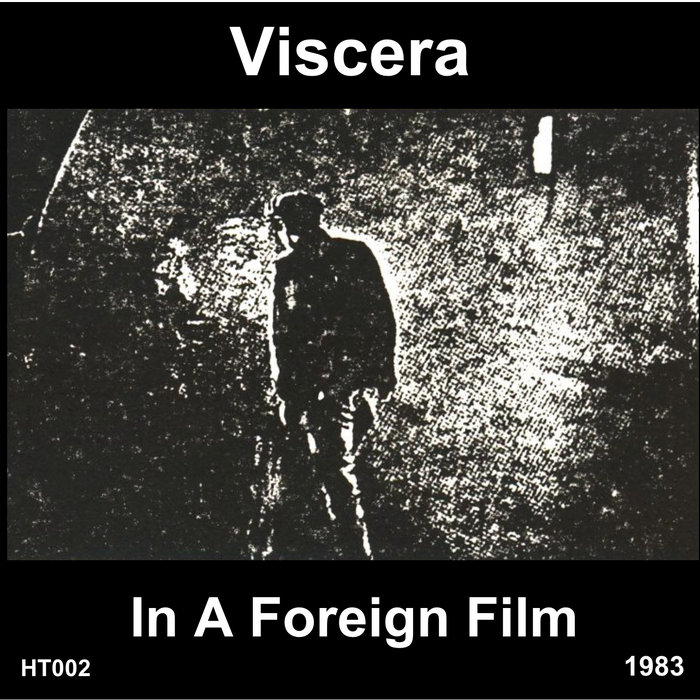
Viscera / Hal McGee and Debbie Jaffe / In A Foreign Film
McGee recalls the newly bought DR-55 in the duo’s 1982 cassette process.
Read Viscera / Hal McGee and Debbie Jaffe / In A Foreign Film ↗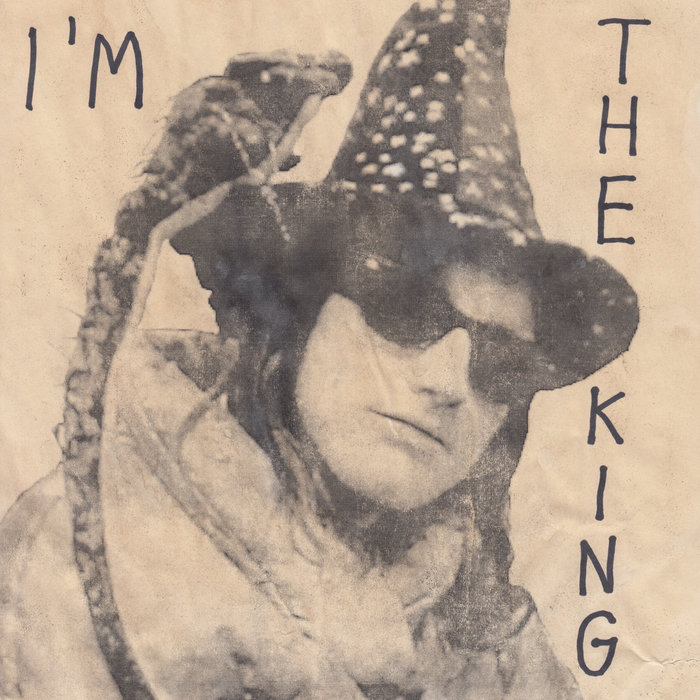
Your Planet Is Next / I’m The King
Your Planet Is Next say half of I’m The King was made solely with a Yamaha CS-10 and a BOSS DR-55, recorded through a cassette PortaStudio.
Read Your Planet Is Next / I’m The King ↗Direct Hit Productionz / beat-making source library
Direct Hit Productionz lists BOSS DR-55 sounds among the drum-machine sources used for its beat-making work.
Read Direct Hit Productionz drum-machine source library ↗Phantom Forth / The EEPP
The reissue account identifies the DR-55, TR-606 and Casio-Tone VL as the core setup for the 1983 mini-album.
Read Dark Entries reissue text ↗
LUNACY / Disposition EP
LUNACY’s release credits state that a BOSS DR-55 supplies the drums on every track of the Disposition EP.
Read LUNACY — Disposition EP ↗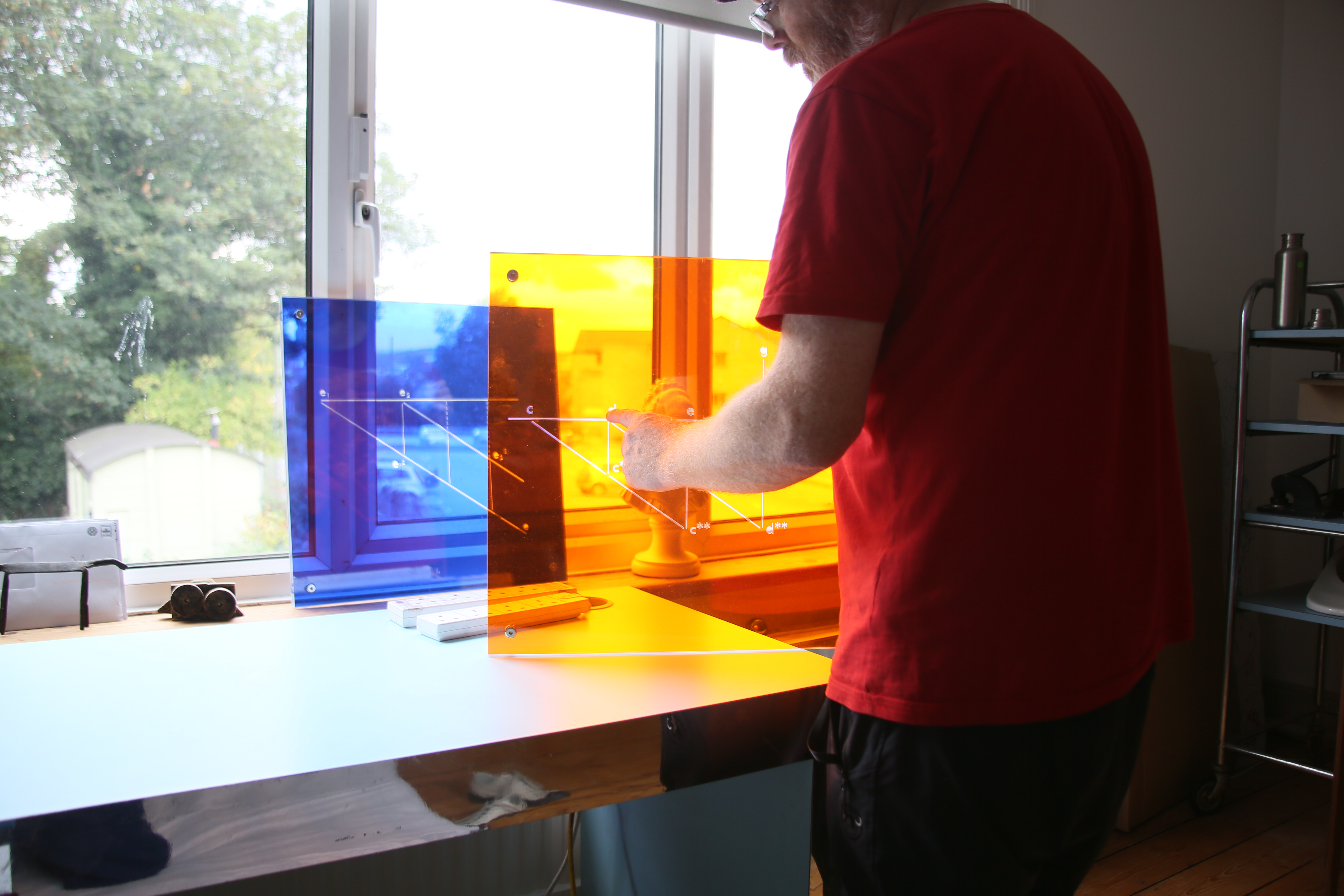
Mark Fell / Formative mid-1980s setup
Mark Fell recalls a BOSS DR-55 as part of his 1984/85 setup, connected with a monosynth while he worked through what the two machines could do together.
Read FACT / Mark Fell on FM synthesis and algorithmic composition ↗
Rodney Cromwell / Adam Cresswell / Rodney’s English Disco
Rodney Cromwell says every drum sound on Rodney’s English Disco came from a vintage BOSS DR-55, within a deliberately minimal recording setup.
Read Rodney Cromwell — Rodney’s English Disco ↗
Dave Bessell / Reality Engine (DiN62)
Dave Bessell’s equipment list for Reality Engine names a BOSS DR-55.
Read Dave Bessell / Reality Engine (DiN62) ↗
The Metronomes / Multiple Choice
The Metronomes’ reissue account says Multiple Choice was recorded in winter 1980 with a BOSS DR-55.
Read The Metronomes / The Ballad Of The Metronomes ↗
L’Avenir / The Wait
L’Avenir’s album equipment list includes the BOSS DR-55.
Read L’Avenir / The Wait ↗
Dave Bessell / Reality Engine
Dave Bessell lists the BOSS DR-55 among the instruments used for Reality Engine.
Read Dave Bessell / Reality Engine ↗
Rodney Cromwell / Rodney’s English Disco
Rodney Cromwell says every drum sound on Rodney’s English Disco came from a vintage BOSS DR-55.
Read Rodney Cromwell — Rodney’s English Disco ↗
L’Avenir / Jason Sloan / Étoiles
Jason Sloan lists a BOSS DR-55 in the release-wide equipment list for Étoiles.
Read L’Avenir — Étoiles ↗
Nick Hudson / On The Eve Of Hope
Nick Hudson’s album credits list a BOSS DR-55 among the instruments he played.
Read Nick Hudson — On The Eve Of Hope ↗
JC Peña / Pasiones en diferido
JC Peña’s album credits list a BOSS DR-55 among the instruments used for Pasiones en diferido.
Read JC Peña — Pasiones en diferido ↗
Mick Milk / Condensed
Mick Milk lists a BOSS DR-55 among the equipment used for the New York recordings collected as Condensed.
Read Mick Milk — Condensed ↗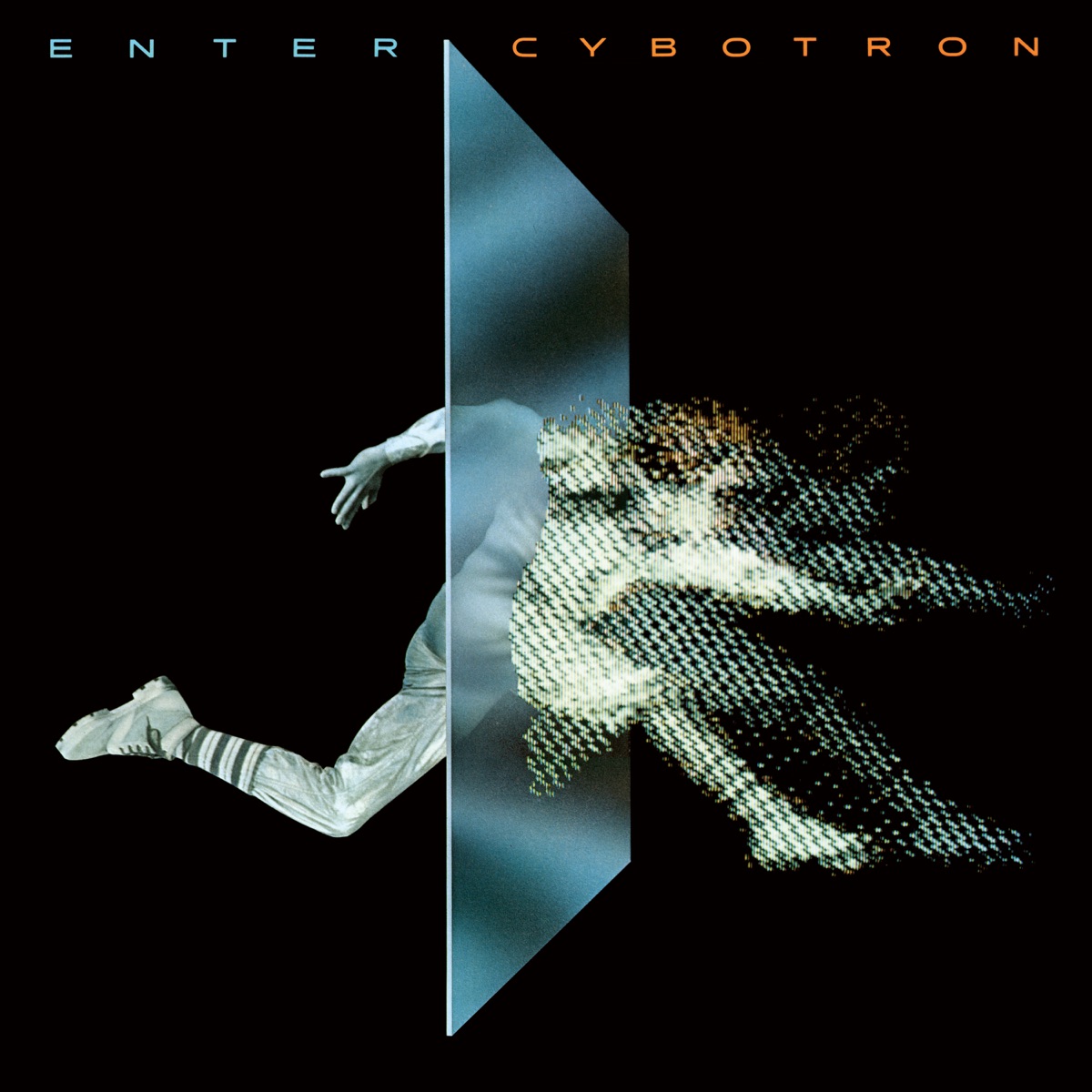
Juan Atkins / Cybotron / Alleys of Your Mind; Cosmic Raindance
Atkins recalls the DR-55 around Cybotron’s early work, including Alleys of Your Mind and Cosmic Raindance.
Read Techno’s Godfather Speaks: An Interview With Juan Atkins ↗Write a beat, leave a space
Set the DR-55 to WRITE, choose a sound and move through the rhythm with its START and STOP buttons: one enters a beat, the other a rest. The small front panel lets a player build a part one decision at a time, then switch to PLAY and hear it repeat.
Notes, accent and the hi-hat
BOSS’s March 1982 advert demonstrates separate bass-drum, snare and accent entries. Its selector also names rimshot. The hi-hat is set separately for playback, so the four written rows should not be mistaken for four independent drum voices. The worked example makes a simple programming method visible beside the notation it produces.
Into Detroit
Juan Atkins has recalled the DR-55 around Cybotron’s early work, including “Alleys of Your Mind” and “Cosmic Raindance”. That memory puts this modest machine close to the practical, economical tools from which a new Detroit rhythm vocabulary was assembled.
Three beginnings, one small box
David Gooday names a DR-55 in Nitzer Ebb’s earliest setup. Alexander Robotnick places one in his first system, while Rui Da Silva remembers programming a friend’s second-hand machine. A group’s first equipment, a home recording setup and afternoons spent learning all bring the rhythm box into use, without requiring a named-record claim.
HOME Exclusive: Interview with Nitzer Ebb’s David Gooday ↗ Talking Tech with Alexander Robotnick ↗ Rui Da Silva talks career and shows off his London studio ↗
Sources
The visual archive
Further visual evidence.
Sources for images shown earlier (21)
- Boss DR-55 advertisement ↗
- Bon Harris of Nitzer Ebb ↗
- Alexander Robotnick — Stamp The Wax portrait ↗
- Rui Da Silva — MusicRadar studio portrait ↗
- Mark Fell — FACT Signal Path ↗
- Mr Concept — November ↗
2019-11-21 · Mr Concept / release artwork via Bandcamp · Official Bandcamp release-page artwork (Open Graph image) - Viscera / Hal McGee and Debbie Jaffe — In A Foreign Film ↗
Release date not stated on source page · Viscera / Hal McGee and Debbie Jaffe / release artwork via Bandcamp · Official Bandcamp release-page artwork (Open Graph image) - Your Planet Is Next — I’m The King ↗
Release date not stated on source page · Your Planet Is Next / release artwork via Bandcamp · Official Bandcamp release-page artwork (Open Graph image) - LUNACY — Disposition EP ↗
Release date not stated on source page · LUNACY / release artwork via Bandcamp · Official Bandcamp release-page artwork (Open Graph image) - Rodney Cromwell / Adam Cresswell — Rodney’s English Disco ↗
2018-05-25 · Rodney Cromwell / Adam Cresswell / release artwork via Bandcamp · Official Bandcamp release-page artwork (Open Graph image) - Dave Bessell — Reality Engine (DiN62) ↗
2020-04-17 · Dave Bessell / release artwork via Bandcamp · Official Bandcamp release-page artwork (Open Graph image) - The Metronomes — Multiple Choice ↗
2011-01-01 · The Metronomes / release artwork via Bandcamp · Official Bandcamp release-page artwork (Open Graph image) - L’Avenir — The Wait ↗
2013-11-04 · L’Avenir / release artwork via Bandcamp · Official Bandcamp release-page artwork (Open Graph image) - Mick Milk — Condensed ↗
2011-12-29 · Mick Milk / release artwork via Bandcamp · Official Bandcamp release-page artwork (Open Graph image) - L’Avenir / Jason Sloan — Étoiles ↗
2015-05-10 · L’Avenir / Jason Sloan / release artwork via Bandcamp · Official Bandcamp release-page artwork (Open Graph image) - Nick Hudson — On The Eve Of Hope ↗
2025-09-19 · Nick Hudson / release artwork via Bandcamp · Official Bandcamp release-page artwork (Open Graph image) - JC Peña — Pasiones en diferido ↗
2026-02-26 · JC Peña / release artwork via Bandcamp · Official Bandcamp release-page artwork (Open Graph image) - Cybotron — Enter (Deluxe Edition) ↗
1983-01-01T08:00:00Z · Cybotron / release artwork via Apple Music catalog artwork · Release catalogue and retained front artwork - Todd Terry — 2012 ↗
2012 · TheRSSShow · Terry speaking about RiskSoundSystem. - Nitzer Ebb / Amphi Festival ↗
17 July 2011 · Gripweed · Nitzer Ebb live at the Amphi Festival in Cologne. - The Sisters of Mercy / Wacken Open Air ↗
31 July 2019 · Sven Mandel · The Sisters of Mercy performing at Wacken Open Air, Germany.