
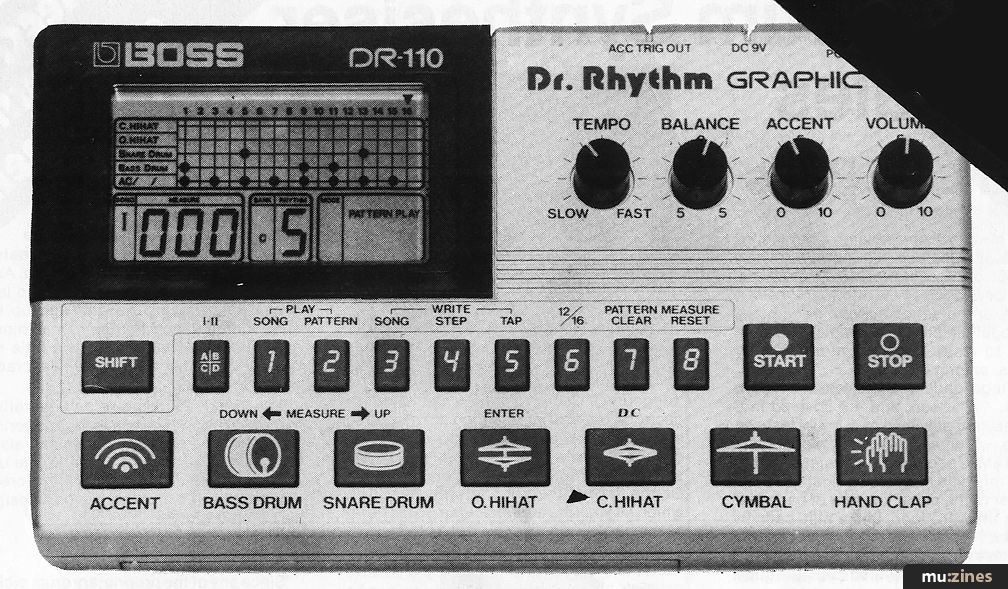
BOSS’s DR-110 Dr. Rhythm Graphic reached British reviews and shops in early 1984 with a graphic grid that made a programmed beat visible. Six voices, step entry and tap entry gave a small machine a readable, player-facing way to build rhythm.
The machine in the record
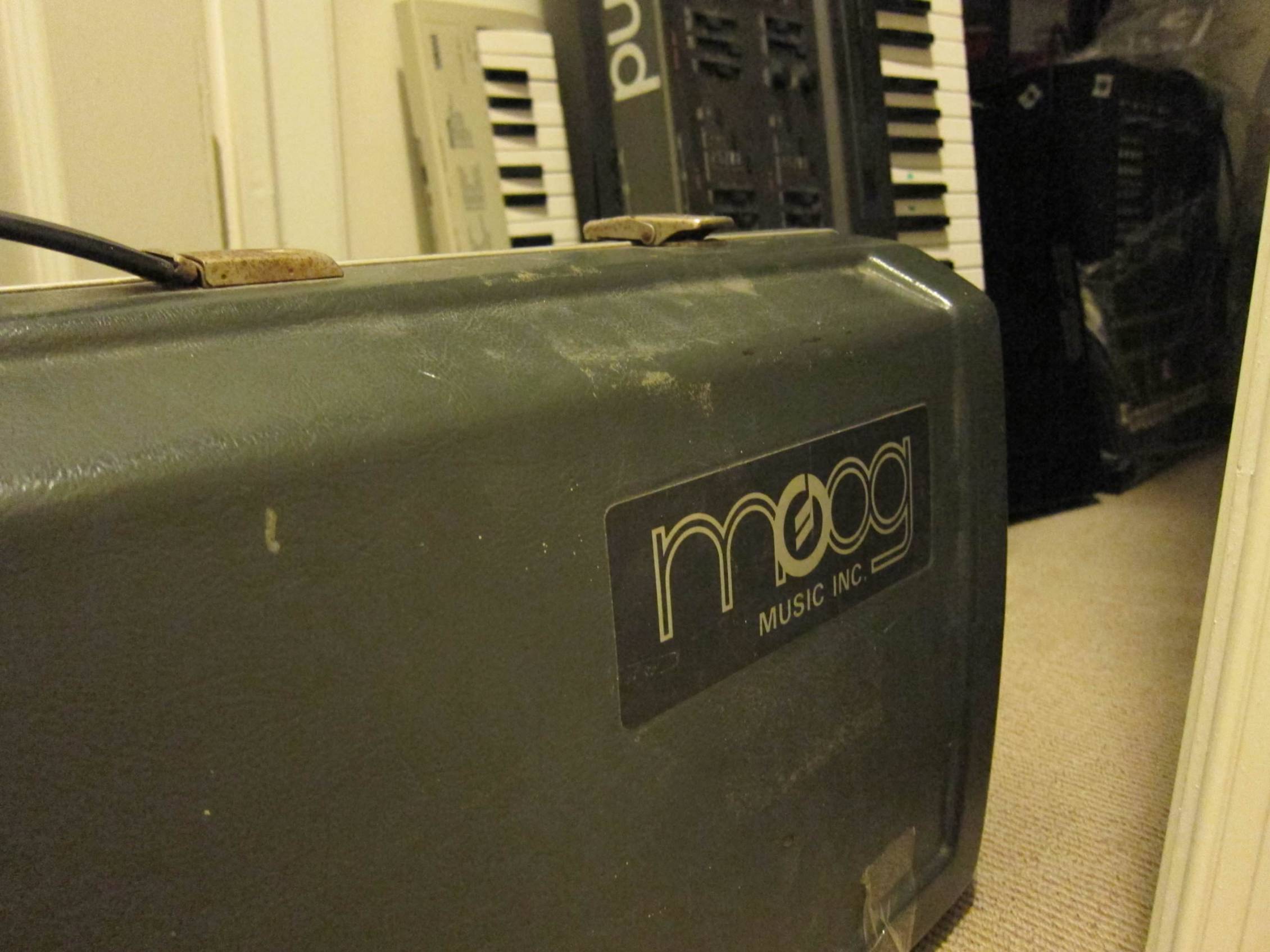
King Britt / Fiction Science.
King Britt paired the DR-110 with a Moog Sonic Six for the Fiction Science EP. The little BOSS is part of the record’s economy: a small, deliberate rhythm source set beside an equally compact analogue voice.
Read King Britt interview ↗More records in the archive
The machine keeps turning up.
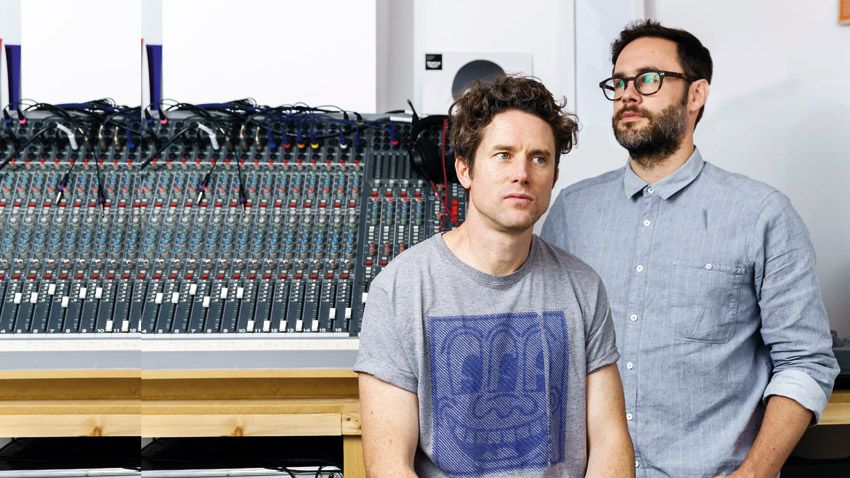
Primitive Trust / Tom Mangan and Will Saul / Primitive Trust studio practice; no named recording
Mangan says Primitive Trust bought a BOSS DR-110 after reading King Britt on it and values its uneditable, single-output character, especially the snare and hats.
Read MusicRadar — “Primitive Trust on honesty in production and why you can’t beat an MPC” ↗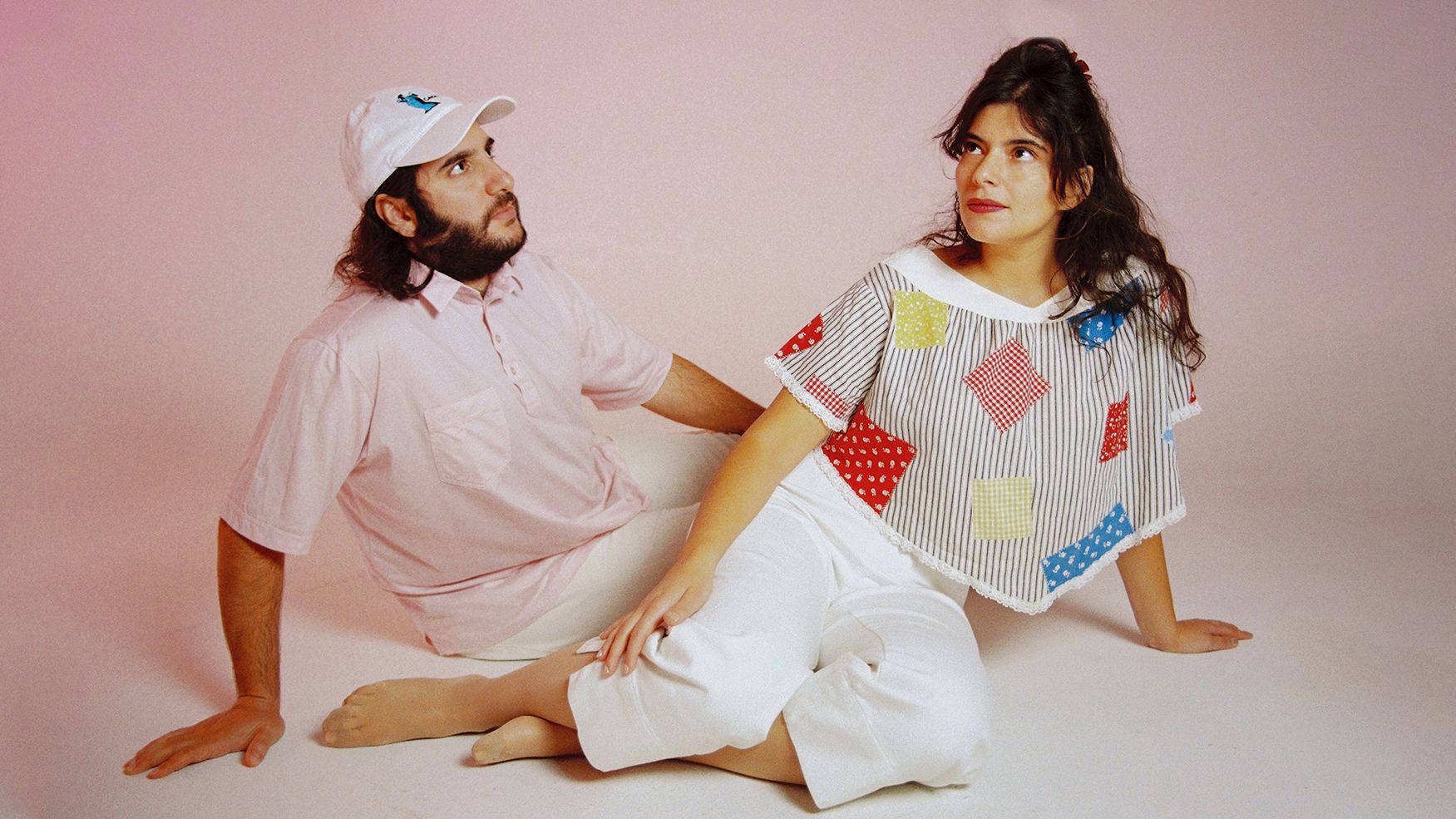
Pearl & The Oysters / Pearl & The Oysters (debut album)
Pearl & The Oysters say a cheap BOSS DR-110, bought by Joachim Polack in an eBay auction lot, became their first electronic drum machine. Neither member played drums and they could not afford regular studio drum sessions, so the box began as a practical solution and made its way onto most tracks of their self-titled debut.
Read Pearl & The Oysters: vintage analogue synth interview ↗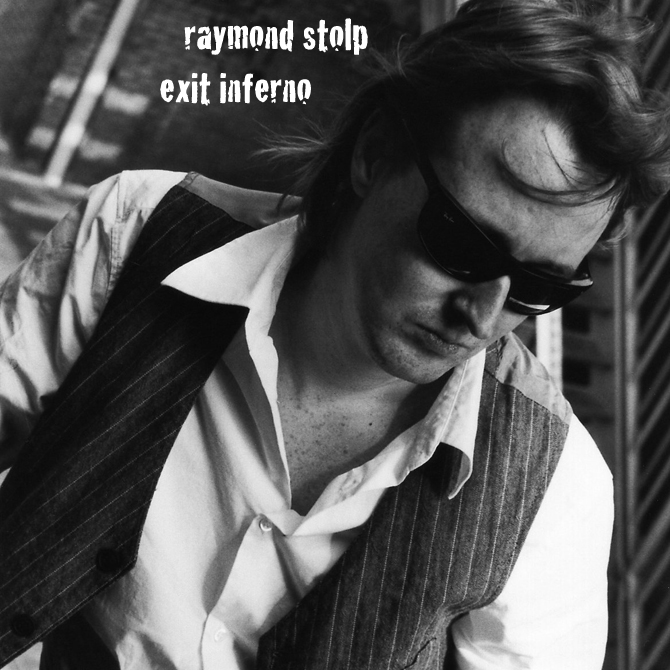
Raymond Stolp / “You Can’t Hurt Me Anymore”
Stolp identifies a BOSS DR-110 as the drum machine used across the songs under discussion and points to its bass drum on “You Can’t Hurt Me Anymore”.
Read Raymond Stolp on the BOSS DR-110 ↗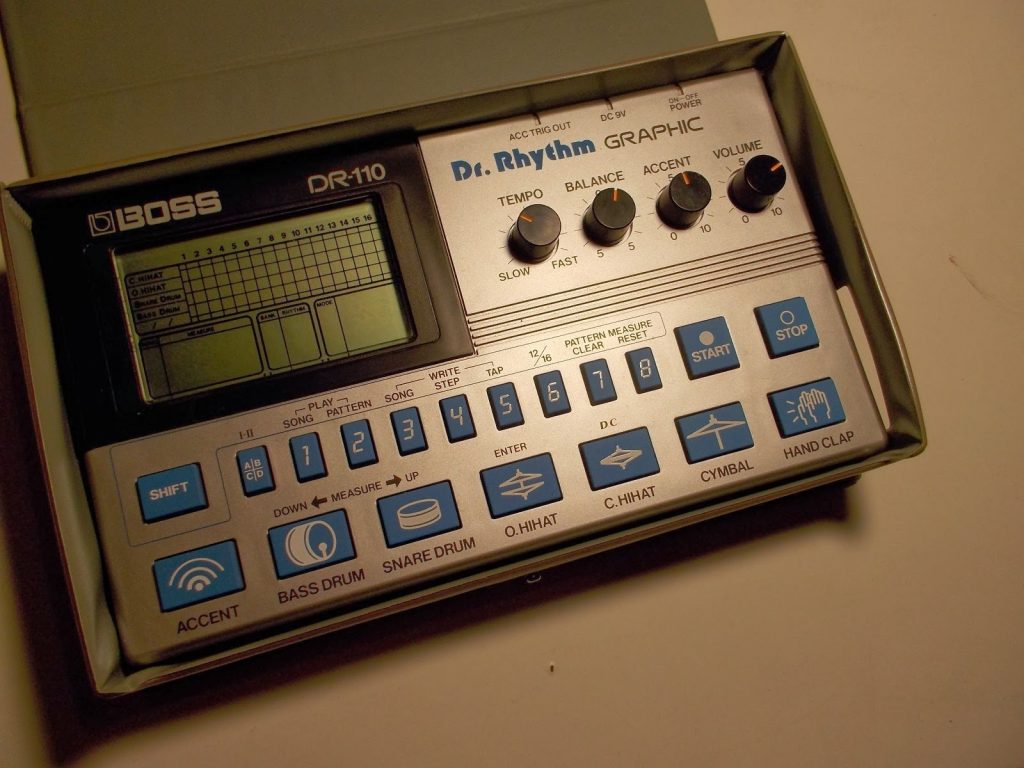
DJ Marlboro / Funk Brasil Volume 1
Marlboro recalls receiving a BOSS DR-110 from Hermano Vianna, programming it live, and developing an early pattern before the 1989 release of Funk Brasil Volume 1.
Read When the drum machine came to Brazil ↗
Andrew Liles / 1980s working setup
Andrew Liles places the BOSS DR-110 in his 1980s working equipment timeline.
Read Andrew Liles — Fifteen Questions interview, equipment timeline (artist-hosted republication) ↗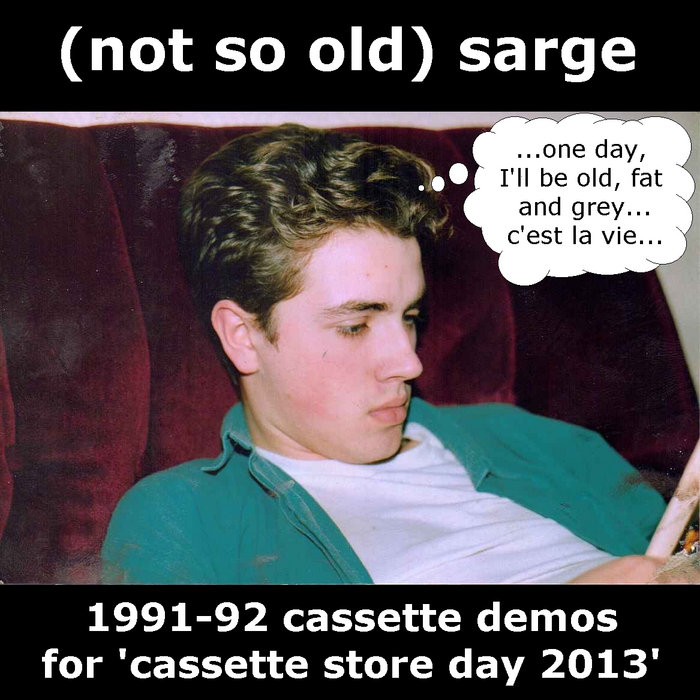
old sarge / (not so old) sarge 1991–92 cassette demos
Brian Thomson says the audible beats on old sarge’s 1991–92 bedroom cassette demos came from his BOSS DR-110.
Read old sarge / (not so old) sarge 1991–92 cassette demos ↗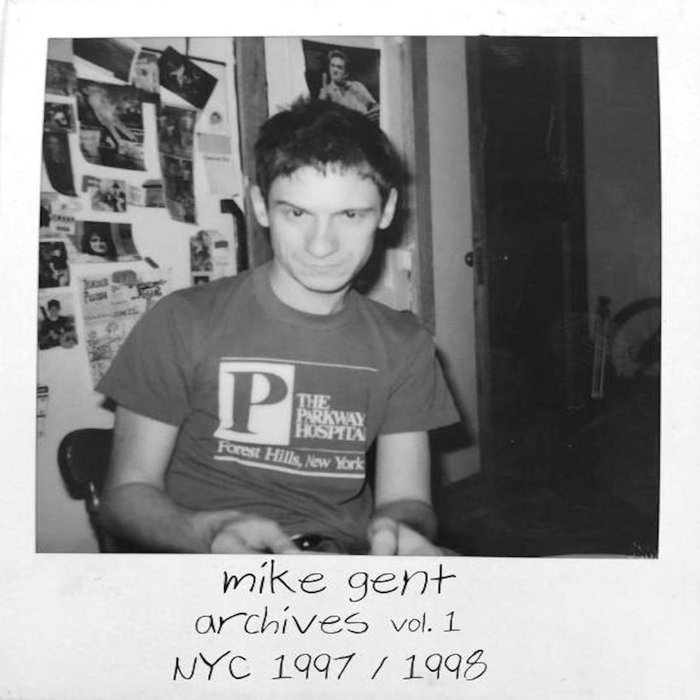
Mike Gent / Archives Vol. 1 — NYC 1997 / 1998
Mike Gent recalls a Queens-apartment recording setup that included a BOSS DR-110 alongside a TR-505 and Farfisa Mini Compact.
Read Mike Gent / Archives Vol. 1 — NYC 1997 / 1998 ↗Direct Hit Productionz / beat-making source library
Direct Hit Productionz lists BOSS DR-110 sounds among the drum-machine sources used for its beat-making work.
Read Direct Hit Productionz drum-machine source library ↗
CLIP ART / CLIP ART EP
CLIP ART’s release page lists a BOSS DR-110 among the equipment used for its debut EP.
Read CLIP ART — CLIP ART EP ↗
Ale Nu / Los Diarios de la Magia del Caos
Ale Nu lists a BOSS DR-110 among the drum machines used for Los Diarios de la Magia del Caos, recorded at home on a Power Mac G5.
Read Ale Nu — Los Diarios de la Magia del Caos ↗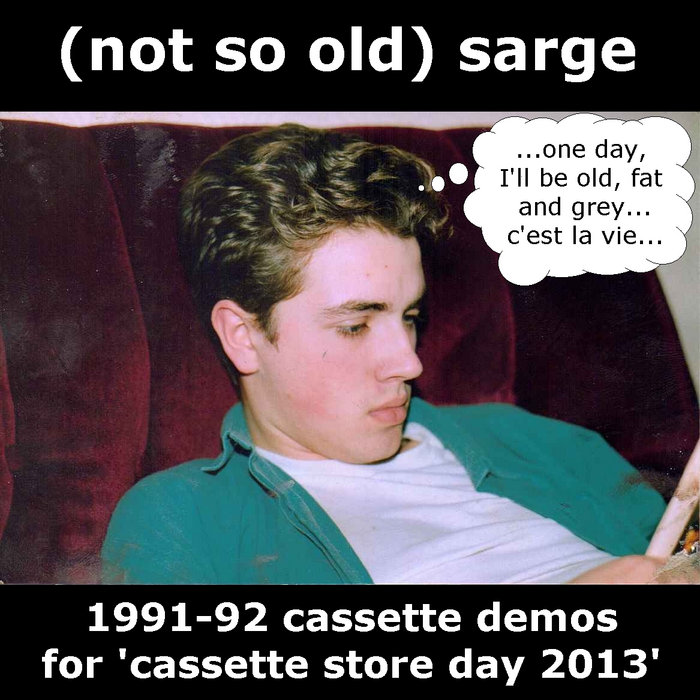
old sarge / (not so old) sarge 1991–92 cassette demos
old sarge says the audible beats on the 1991–92 cassette demos came from a BOSS DR-110 Dr. Rhythm.
Read old sarge / (not so old) sarge 1991–92 cassette demos ↗
Lil Crucified / Live at Pusher Street Radio
Lil Crucified identify the BOSS DR-110 in the title of “The Key of Sensuality”.
Read Lil Crucified / Live at Pusher Street Radio ↗
Leo Beslać / Povraccio di Colteo / Samodopadni prilozi za utopiju Vol. 2
Leo Beslać names a BOSS DR-110 in the equipment credits for Samodopadni prilozi za utopiju Vol. 2.
Read Leo Beslać / Povraccio di Colteo — Samodopadni prilozi za utopiju Vol. 2 ↗
L’Avenir / Jason Sloan / Étoiles
Jason Sloan lists a BOSS DR-110 in the release-wide equipment list for Étoiles.
Read L’Avenir — Étoiles ↗
Becker & Mukai / Time Very Near
Becker & Mukai list a BOSS DR-110 in the release-wide gear inventory for Time Very Near.
Read Becker & Mukai — Time Very Near ↗
The Tara Experiment / Michael Vallone / Sensory Deprivation and Mind Control
Michael Vallone’s credit lists a BOSS DR-110 among the instruments used for the 2009 sessions.
Read The Tara Experiment — Sensory Deprivation and Mind Control ↗
Kling Klang / The Esthetik Of Destruction
Kling Klang list a BOSS DR-110 in the electronic-percussion equipment used for The Esthetik Of Destruction.
Read Kling Klang — The Esthetik Of Destruction ↗The rhythm machine learns to draw
The DR-110’s graphic display put the beat in view. Its period reviews describe preset and writable patterns, step and tap programming, pattern banks and a readable LCD indication, turning a compact rhythm machine into something close to a small score a musician could edit.Sources (2)
A pulse for the wider setup
Battery power, headphones, P-buss and the accent-derived trigger let the DR-110 take part in a larger Roland or electronic-music rig. Its role was more than accompaniment: the small case could send timing and patterns outward to other equipment.Sources (2)
A documented British market presence
A July 1984 Telecomms Music Store advertisement listed the DR-110 at £99. That offer helps locate the instrument in the market it was built for: a compact, accessible rhythm machine with enough programming control to reward a player’s attention.Sources (2)
King Britt’s two-machine restriction
Around 2010, King Britt set up a Moog Sonic Six and a BOSS DR-110 to make the small rhythm tracks that grew into the Fiction Science EP. He describes learning to run the drum machine through the Moog’s processing: a constrained setup whose rawness became part of the material, rather than a limitation to conceal.Source (1)
Pearl & The Oysters’ first-album companion
Pearl & The Oysters describe the DR-110 as a cheap early purchase that made its way onto most tracks of their debut self-titled album. The choice began as a practical one—no drummer, no studio budget—but the little machine became part of the group’s sound and direction.Source (1)
On record
- King Britt — Fiction Science EP. Britt says he set up a Moog Sonic Six and BOSS DR-110 to make the rhythm tracks for the Fiction Science EP. Source ↗
- Pearl & The Oysters — Pearl & The Oysters (debut album). The group says the DR-110 made its way into most tracks on their first self-titled album. Source ↗
- Raymond Stolp — “You Can’t Hurt Me Anymore”. Stolp identifies a BOSS DR-110 as the drum machine used across the songs under discussion and points to its bass drum on “You Can’t Hurt Me Anymore”. Source ↗
- DJ Marlboro — Funk Brasil Volume 1. Marlboro recalls receiving a BOSS DR-110 from Hermano Vianna, programming it live, and developing an early pattern before the 1989 release of Funk Brasil Volume 1. Source ↗
- Direct Hit Productionz — beat-making source library. Direct Hit Productionz lists BOSS DR-110 sounds among the drum-machine sources used for its beat-making work. Source ↗
- old sarge — (not so old) sarge 1991–92 cassette demos. Brian Thomson says the audible beats on old sarge’s 1991–92 bedroom cassette demos came from his BOSS DR-110. Source ↗
- Mike Gent — Archives Vol. 1 — NYC 1997 / 1998. Mike Gent recalls a Queens-apartment recording setup that included a BOSS DR-110 alongside a TR-505 and Farfisa Mini Compact. Source ↗
- CLIP ART — CLIP ART EP. CLIP ART’s release page lists a BOSS DR-110 among the equipment used for its debut EP. Source ↗
- Ale Nu — Los Diarios de la Magia del Caos. Ale Nu lists a BOSS DR-110 among the drum machines used for Los Diarios de la Magia del Caos, recorded at home on a Power Mac G5. Source ↗
- old sarge — (not so old) sarge 1991–92 cassette demos. old sarge says the audible beats on the 1991–92 cassette demos came from a BOSS DR-110 Dr. Rhythm. Source ↗
- Lil Crucified — Live at Pusher Street Radio. Lil Crucified identify the BOSS DR-110 in the title of “The Key of Sensuality”. Source ↗
- Leo Beslać / Povraccio di Colteo — Samodopadni prilozi za utopiju Vol. 2. Leo Beslać names a BOSS DR-110 in the equipment credits for Samodopadni prilozi za utopiju Vol. 2. Source ↗
- L’Avenir / Jason Sloan — Étoiles. Jason Sloan lists a BOSS DR-110 in the release-wide equipment list for Étoiles. Source ↗
- Becker & Mukai — Time Very Near. Becker & Mukai list a BOSS DR-110 in the release-wide gear inventory for Time Very Near. Source ↗
- The Tara Experiment / Michael Vallone — Sensory Deprivation and Mind Control. Michael Vallone’s credit lists a BOSS DR-110 among the instruments used for the 2009 sessions. Source ↗
In the studio and on stage
- Andrew Liles — 1980s working setup. Andrew Liles places the BOSS DR-110 in his 1980s working equipment timeline. Source ↗
Sources
The visual archive
Further visual evidence.
Sources for images shown earlier (17)
- Electronics & Music Maker — BOSS DR-110 Dr. Rhythm Graphic review ↗
- King Britt interview — Moog Sonic Six ↗
- Pearl & The Oysters — MusicRadar interview ↗
- BOSS DR-110 — Brasil Calling feature image ↗
- Raymond Stolp — Exit Inferno ↗
- Kling Klang — The Esthetik Of Destruction ↗
- Andrew Liles — MISCELLANY: LUSSUOSO (ELECTRONICS: 1990 TO 2015) ↗
- old sarge — (not so old) sarge 1991–92 cassette demos ↗
Release date not stated on source page · old sarge / release artwork via Bandcamp · Official Bandcamp release-page artwork (Open Graph image) - Mike Gent — Archives Vol. 1 — NYC 1997 / 1998 ↗
Release date not stated on source page · Mike Gent / release artwork via Bandcamp · Official Bandcamp release-page artwork (Open Graph image) - CLIP ART — CLIP ART EP ↗
Release date not stated on source page · CLIP ART / release artwork via Bandcamp · Official Bandcamp release-page artwork (Open Graph image) - Ale Nu — Los Diarios de la Magia del Caos ↗
2026-02-14 · Ale Nu / release artwork via Bandcamp · Official Bandcamp release-page artwork (Open Graph image) - Lil Crucified — Live at Pusher Street Radio ↗
2025-08-23 · Lil Crucified / release artwork via Bandcamp · Official Bandcamp release-page artwork (Open Graph image) - Leo Beslać / Povraccio di Colteo — Samodopadni prilozi za utopiju Vol. 2 ↗
2021-10-27 · Leo Beslać / Povraccio di Colteo / release artwork via Bandcamp · Official Bandcamp release-page artwork (Open Graph image) - L’Avenir / Jason Sloan — Étoiles ↗
2015-05-10 · L’Avenir / Jason Sloan / release artwork via Bandcamp · Official Bandcamp release-page artwork (Open Graph image) - Becker & Mukai — Time Very Near ↗
2020-04-03 · Becker & Mukai / release artwork via Bandcamp · Official Bandcamp release-page artwork (Open Graph image) - The Tara Experiment / Michael Vallone — Sensory Deprivation and Mind Control ↗
2010-01-12 · The Tara Experiment / Michael Vallone / release artwork via Bandcamp · Official Bandcamp release-page artwork (Open Graph image) - Primitive Trust — MusicRadar, February 2018 ↗
23 February 2018 · MusicRadar / Future Music · Lead photograph for MusicRadar’s Primitive Trust feature.
Additional visual sources (3)
Original publications and related image sources.
- Machines up to £200 ↗
Oct 1985 · International Musician & Recording World · BOSS DR-110 Dr. Rhythm Graphic product photograph with marking visible and matching caption; - Electronic Percussion Checklist ↗
Jul 1985 · Electronics & Music Maker · BOSS Dr. Rhythm Graphic DR-110 product photograph; the maker, family name and model are visible. - Drum Machine Survey ↗
Mar 1987 · Sound On Sound · BOSS DR-110 control-layout illustration from the Drum Machine Survey; the panel design and model label identify the machine.