
BOSS dates the DR-220E from 1986 to 1990. The shared DR-220A/E service notes appeared in October 1986, and Jon Lewin reviewed the pair in November.
The machine in the record
Aeroplane / a video sighting.
A published gear entry reports Aeroplane using a BOSS DR-220E in a video. The video itself remains to be checked, and no track is claimed. It is a lead in plain view: enough to guide the reader to a documented sighting, not enough to turn into studio mythology.
Read Aeroplane’s BOSS DR-220E use ↗More records in the archive
The machine keeps turning up.
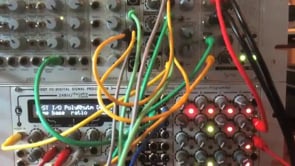
Chris Carter / the TipTop DR-220E patch
Carter identifies the DR-220E as both audio source and trigger in a documented modular performance patch.
Read Chris Carter’s Boss DR-220E patch ↗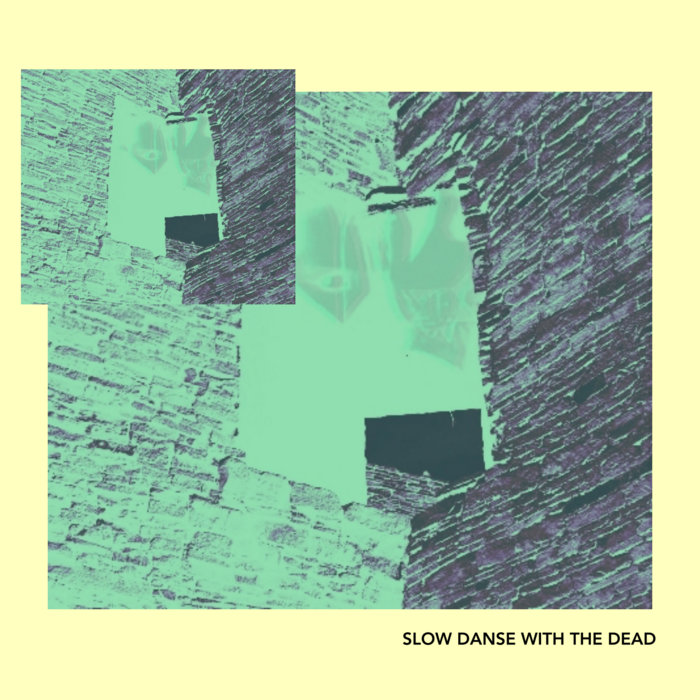
Slow Danse With The Dead / I Dance Alone
Slow Danse With The Dead credit a 1980s BOSS DR-220E as the drums on “I Dance Alone”, putting the small analogue box plainly in the song’s coldwave pulse.
Read Slow Danse With The Dead — I Dance Alone ↗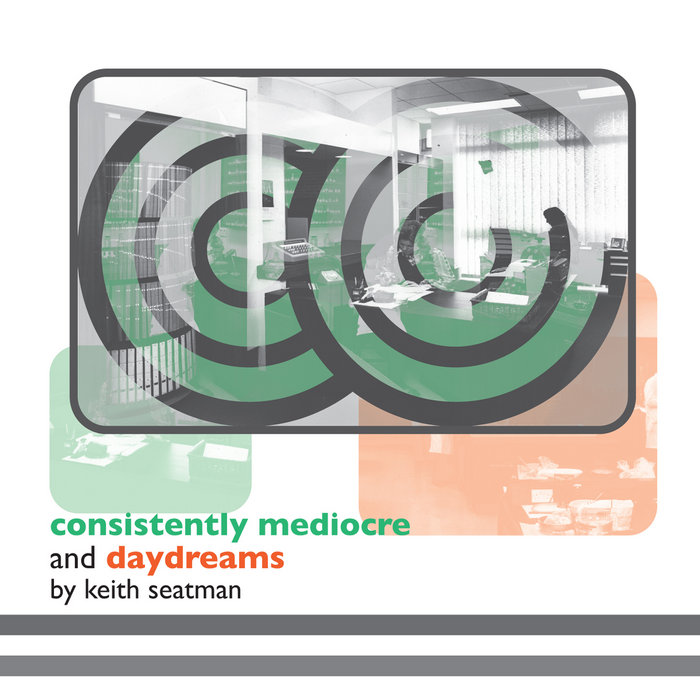
Keith Seatman / Consistently Mediocre and Daydreams
Keith Seatman’s release credits list a BOSS DR-220E among the instruments used on Consistently Mediocre and Daydreams.
Read Keith Seatman — Consistently Mediocre and Daydreams ↗The electronic half of the pair
The silver DR-220E shares its compact body with the DR-220A but speaks in a different voice. Its factory sound list centres on electronic kick, snare and toms, then makes room for cowbell, Slap, China cymbal and Cup. The choice was clear at the counter: acoustic-style kit sounds in the A, sharper synthetic colour in the E.Source (1)
Two boxes, one hybrid kit
Jon Lewin enjoyed the contrast between the machines and described linking their trigger connections to combine acoustic and electronic parts. The pair could work like a small expanded kit, each contributing its own sound set. To connect them with a MIDI-equipped source such as a TR-505, he used a MIDI-to-trigger conversion — a revealing snapshot of how mixed rigs were assembled in 1986.Source (1)
A shared working method
Both DR-220 models use the same pattern-and-song approach, supplied with a common owner’s manual. Battery-backed memory keeps the player’s patterns alive between sessions, making the electronic version a practical writing partner as well as a voice module.Source (1)
A compact electronic option
The DR-220E’s significance is in the separation of sound worlds. BOSS did not make one machine with a cosmetic choice of presets; it offered two companion instruments whose different voices could be played apart or brought together.Sources (2)
Aeroplane, reported on video
A gear index reports that Aeroplane used a DR-220E in a YouTube video. The underlying clip still needs direct inspection, so this belongs in the machine’s story as a reported sighting rather than a finished-record credit. It is enough, for now, to point towards a musician keeping the electronic model in view.Source (1)
In the market
- 1986-11: GBP 165 — UK review RRP. One DR-220A or DR-220E; review package unspecified Source ↗
On record
- Aeroplane — Video-documented use; individual recording not named. An Equipboard artist-usage entry identifies Aeroplane using a BOSS DR-220E in a YouTube video. Source ↗
- Chris Carter — the TipTop DR-220E patch. Carter identifies the DR-220E as both audio source and trigger in a documented modular performance patch. Source ↗
- Slow Danse With The Dead — I Dance Alone. Slow Danse With The Dead credit a 1980s BOSS DR-220E as the drums on “I Dance Alone”, putting the small analogue box plainly in the song’s coldwave pulse. Source ↗
- Keith Seatman — Consistently Mediocre and Daydreams. Keith Seatman’s release credits list a BOSS DR-220E among the instruments used on Consistently Mediocre and Daydreams. Source ↗
Sources
The visual archive
Further visual evidence.
Sources for images shown earlier (4)
- Roland Digital Doctors ↗
- Slow Danse With The Dead — I Dance Alone ↗
Release date not stated on source page · Slow Danse With The Dead / release artwork via Bandcamp · Official Bandcamp release-page artwork (Open Graph image) - Keith Seatman — Consistently Mediocre and Daydreams ↗
Release date not stated on source page · Keith Seatman / release artwork via Bandcamp · Official Bandcamp release-page artwork (Open Graph image) - Chris Carter — TipTop Boss ↗
2010-08-04 · Chris Carter · Public Vimeo thumbnail for Carter’s 90-second “TipTop Boss” performance film, embedded by The Synthesizer Book.
Additional visual sources (2)
Original publications and related image sources.
- DR-220A/E Service Notes, First Edition ↗
1986-10 · BOSS / Roland · First PDF spread, printed p. 1 - DR-220A/E Owner’s Manual ↗
1986 copyright / 1987 imprint · BOSS / Roland · PDF pp. 3, 5, 7, 9; printed pp. 10–11 on PDF p. 9