
BOSS introduced the DR-202 Dr. Groove in 1998 as a compact dance-production machine with drums, bass, filtering and performance controls gathered around a pattern-led workflow. It brought the Dr. Rhythm line into a late-1990s groovebox world.
The machine in the record
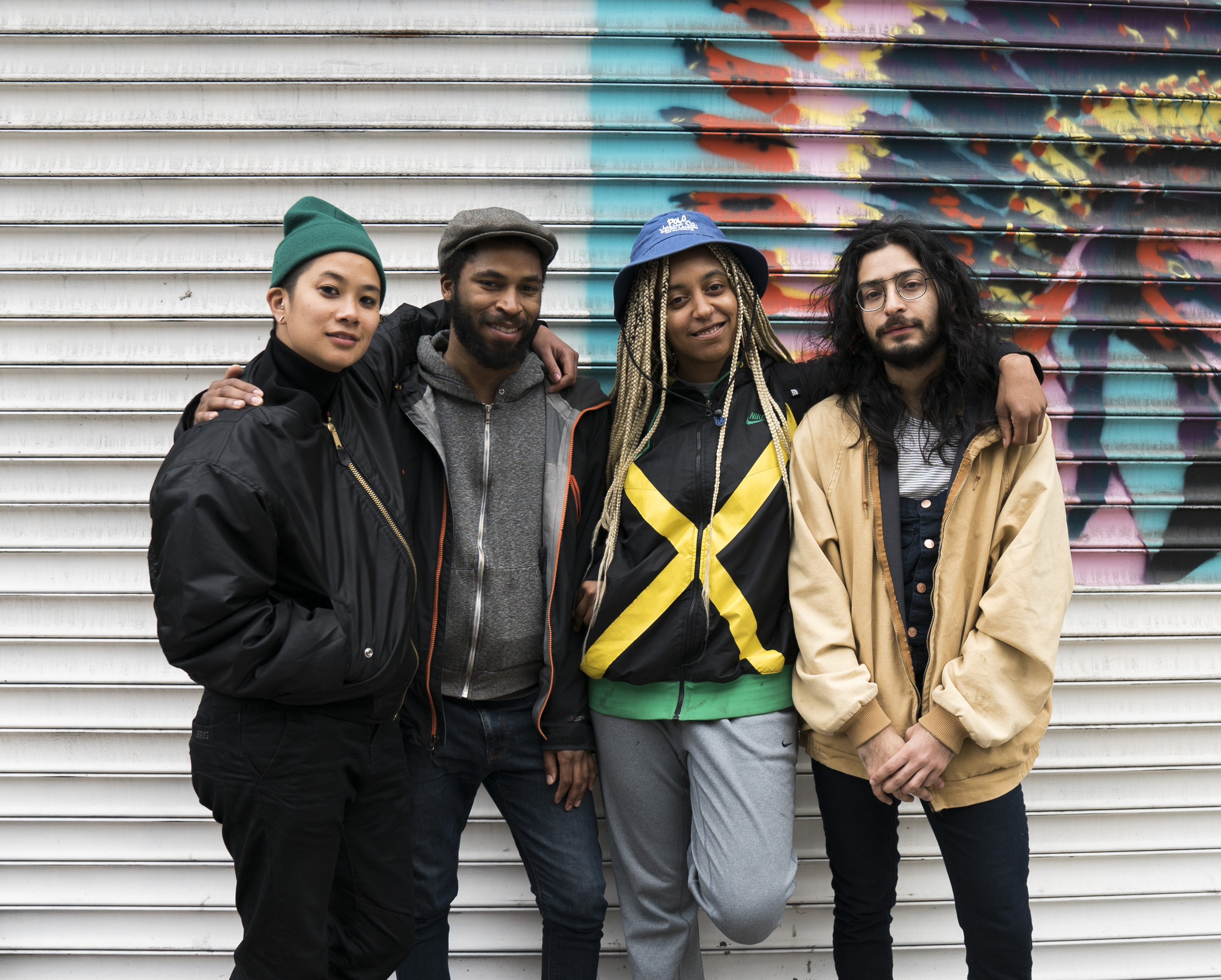
Umfang / Riffs.
Umfang describes using a BOSS DR-202 in the setup discussed alongside Riffs, her first vinyl release. The lecture does not assign it to each track; it gives the groovebox a properly bounded place in the early configuration from which the record emerged.
Read Umfang lecture ↗More records in the archive
The machine keeps turning up.
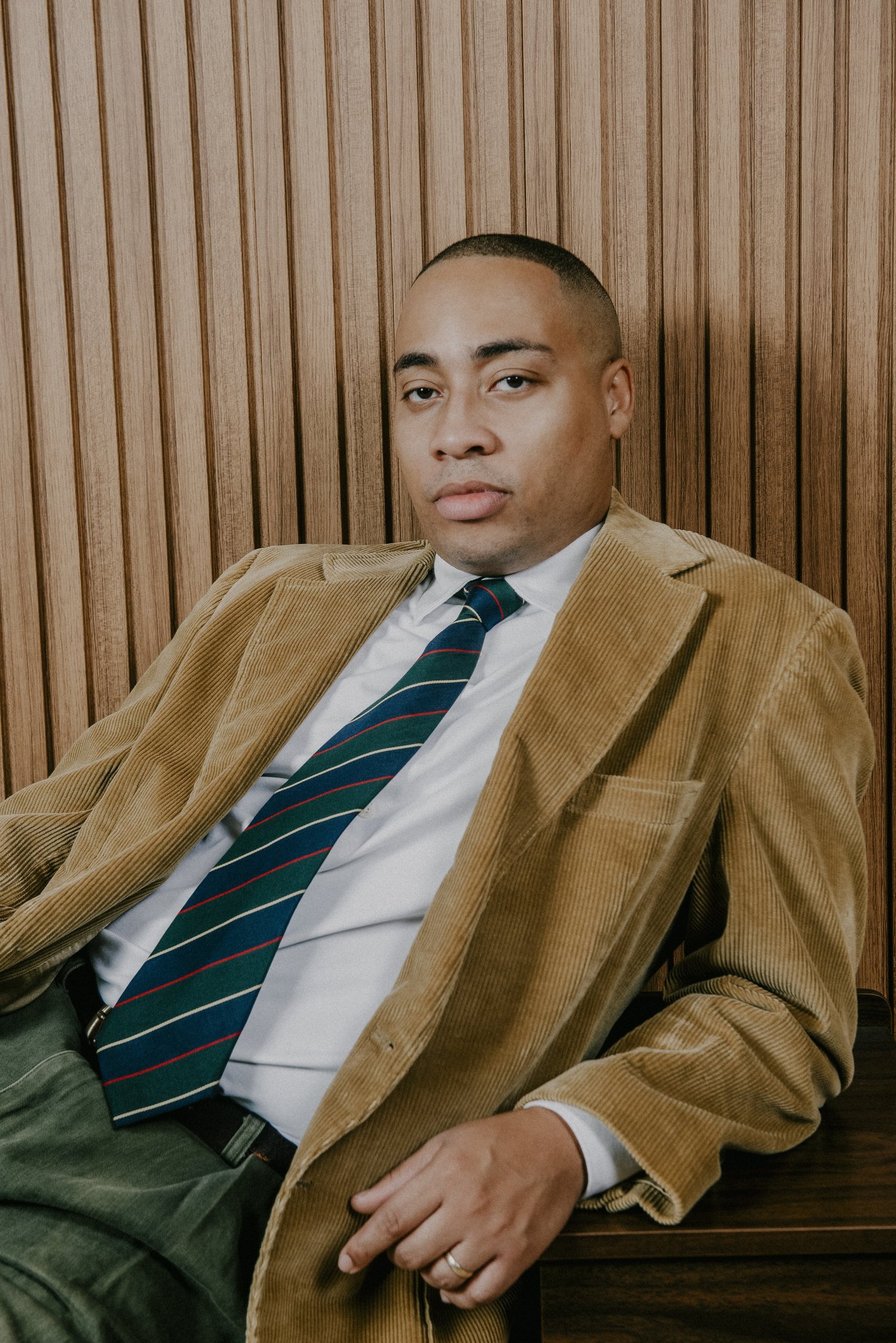
Cadence Weapon / first hardware experiments
Cadence Weapon identifies his cousin’s BOSS DR-202 as the first hardware he explored while beginning to produce.
Read Cadence Weapon and the BOSS DR-202 ↗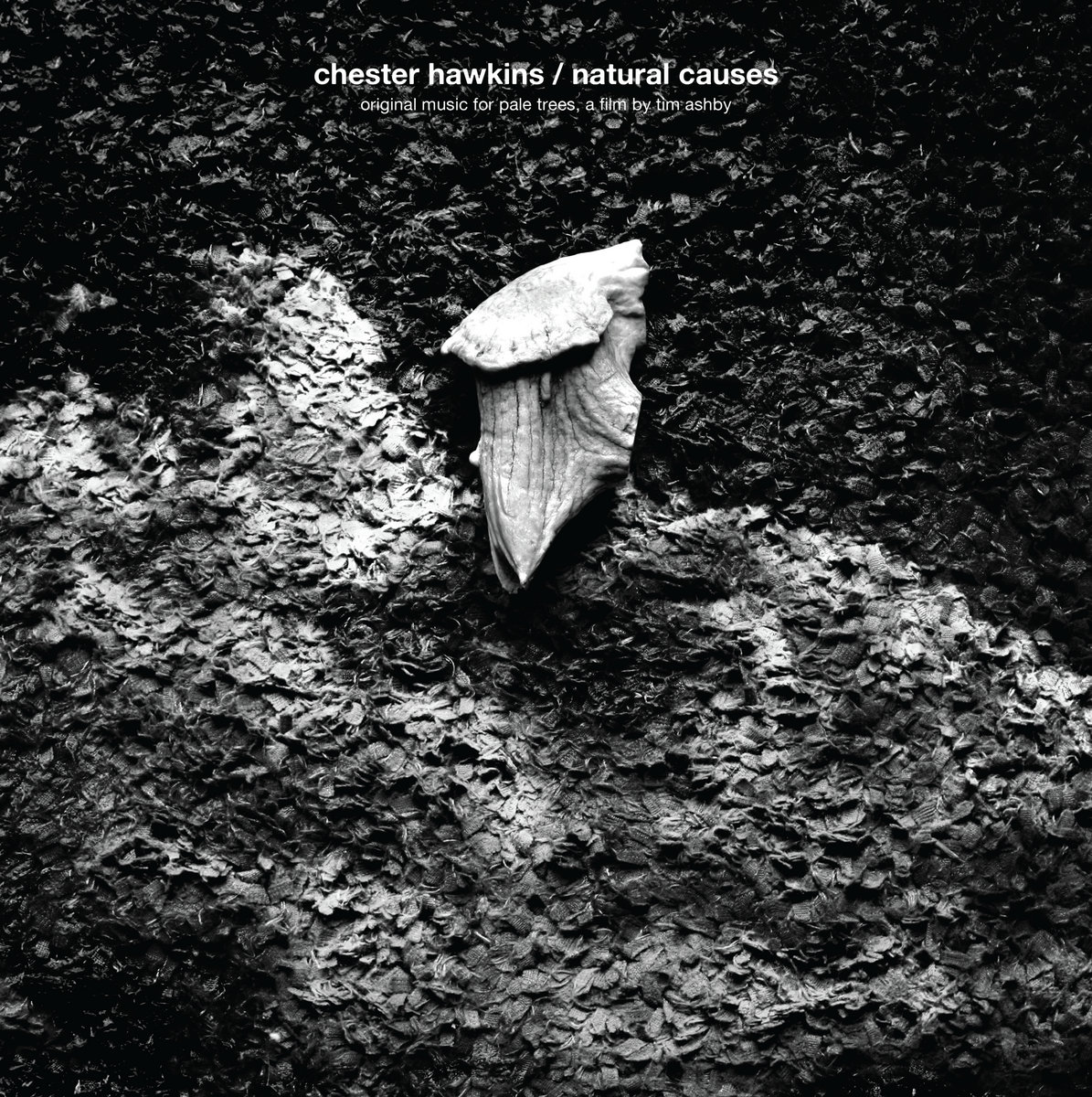
Chester Hawkins / Natural Causes / Pale Trees soundtrack
Hawkins credits the BOSS DR-202 among the instruments used for Natural Causes, his original music for Tim Ashby’s film Pale Trees.
Read Chester Hawkins — Natural Causes ↗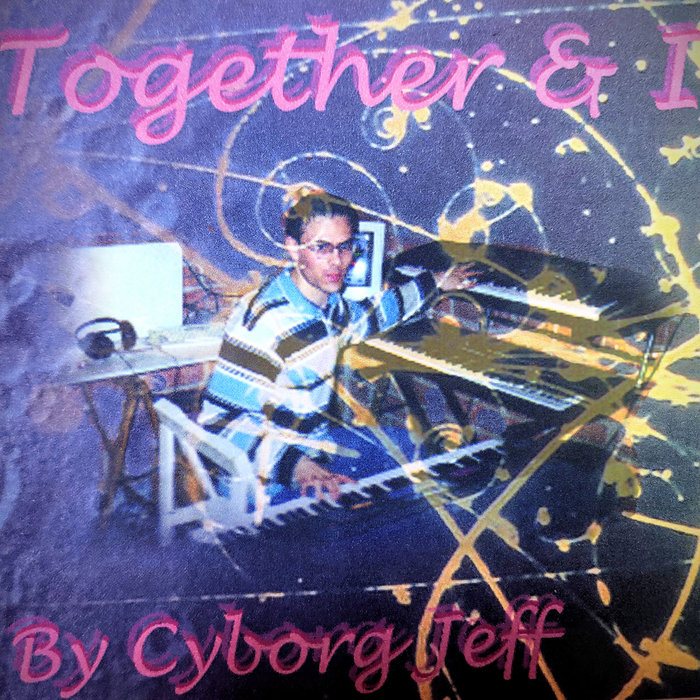
Cyborg Jeff / Pierre Martin / 2 London n back “cabin fever”
Martin identifies DR-202 samples in the remix source list.
Read Cyborg Jeff / Pierre Martin / 2 London n back “cabin fever” ↗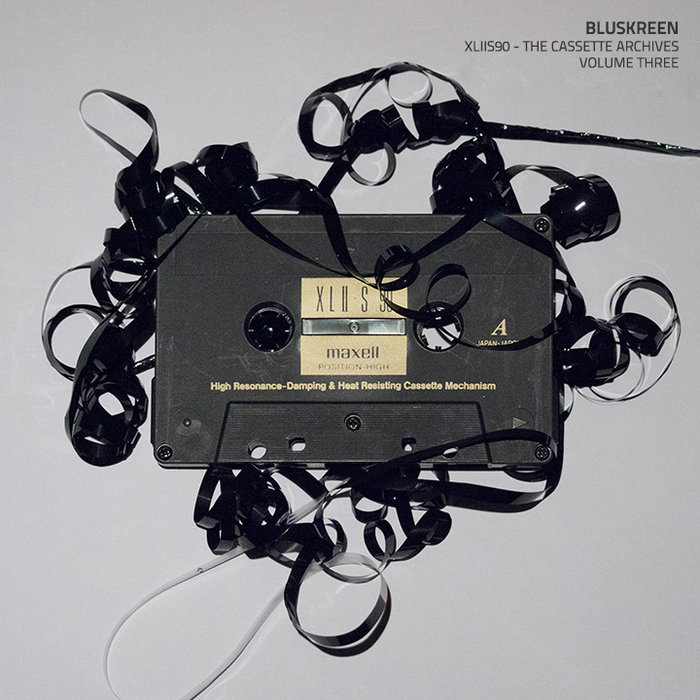
JB Swift / early production setup
JB Swift says that, on moving from DJing into production in 2000, his first two machines were an MPC 2000 and a BOSS DR-202.
Read JB Swift / artist biography ↗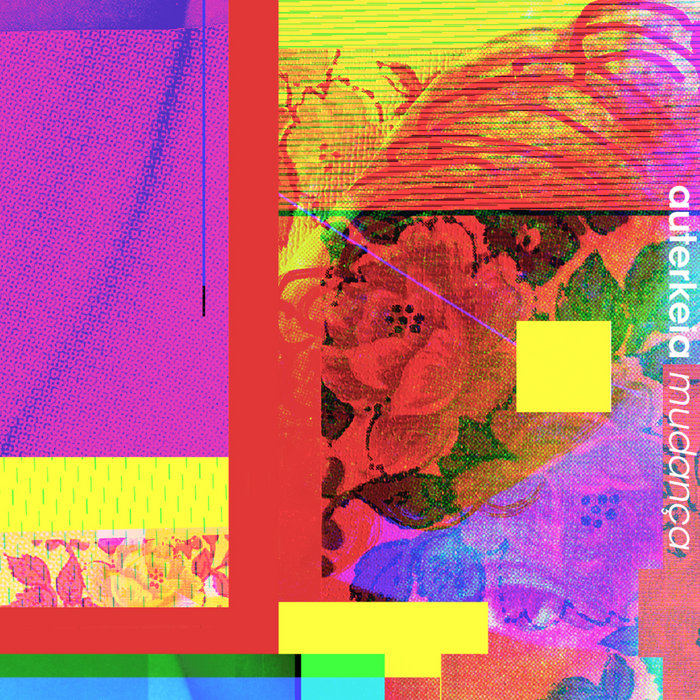
Auterkeia / Mudança
Jeremy Powell describes making Mudança as a self-imposed duet of flute and BOSS DR-202, using the small machine to open a route between Brazilian flute, hip-hop, R&B and gospel harmony.
Read Auterkeia — Mudança ↗BLUSKREEN / The Cassette Archives (Volume Three)
BLUSKREEN recalls the early cassette recordings being made with a BOSS DR-202, SP-202, BassStation and Tascam 424.
Read BLUSKREEN / The Cassette Archives (Volume Three) ↗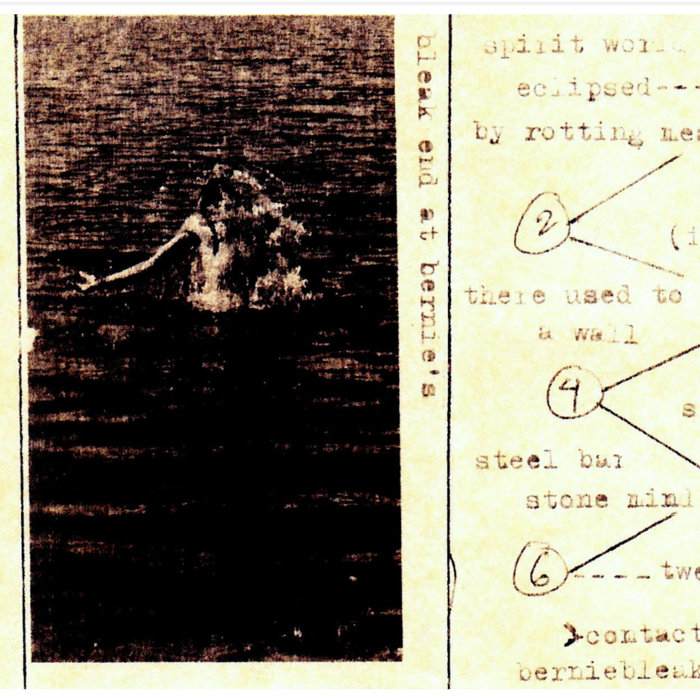
Bleak End / Bernie Bleak / Beach Blanket Blackout
Beach Blanket Blackout credits Bernie Bleak with all vocals and BOSS DR-202 programming.
Read Bleak End / Beach Blanket Blackout ↗Umfang / Riffs-era setup
Umfang describes a BOSS DR-202 at the centre of the compact setup discussed alongside Riffs, where it supplied the drum element against a x0xb0x and MicroKORG.
Read Red Bull Music Academy / Umfang lecture ↗
Pablo Ventura / PLEX / músicaparatiendasderopafemenina (EP)
Pablo Ventura’s EP credits a BOSS DR-202 beside an SP-202 and MC-303, recorded in mono to a TDK 60 cassette.
Read Pablo Ventura / PLEX — músicaparatiendasderopafemenina (EP) ↗Archive source
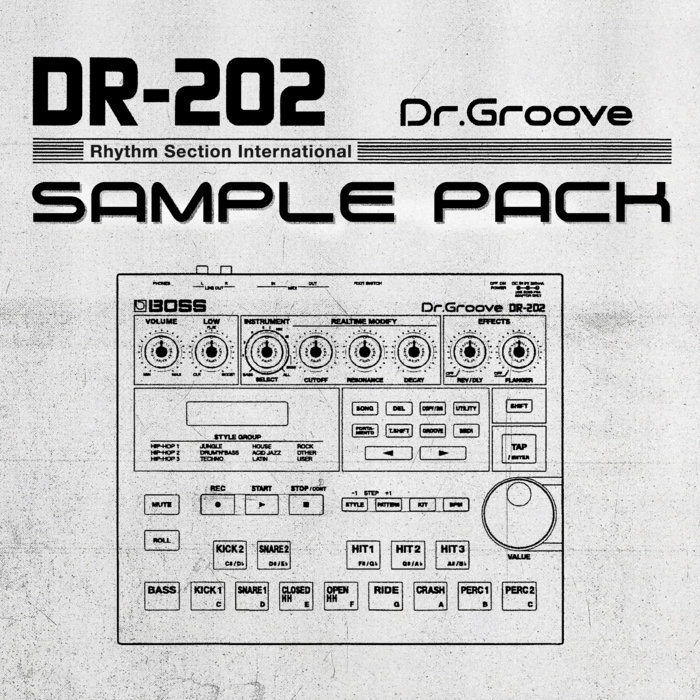
Z Lovecraft / RS INTL Sample Pack IX: Boss DR-202 Drum Machine
Z Lovecraft’s RS INTL sample pack presents DR-202 one-shots and construction kits.
Read Z Lovecraft / RS INTL Sample Pack IX: Boss DR-202 Drum Machine ↗
Lil Crucified / Live at Pusher Street Radio
Lil Crucified identify the BOSS DR-202 in the title of “The Mask”.
Read Lil Crucified / Live at Pusher Street Radio ↗
Demonslayer / A L L W A V E
Demonslayer’s A L L W A V E credits list a Roland Boss DR-202 among the instruments used for the release.
Read Demonslayer — A L L W A V E ↗Drums, bass and a live panel
The DR-202 combined rhythm, bass and external-MIDI tracks with filter, effects, roll, mute and tap-tempo controls. BOSS called it Dr. Groove because the machine was intended to be worked while it played: patterns could be altered, coloured and pushed forward from the front panel.
Its place in the 1998 market
Roland’s July 1998 US list put the DR-202 among its Summer NAMM new products at a $495 suggested list price. Later that year, Sound On Sound assessed it in Britain at £299. Together those records show a compact machine positioned for an affordable, portable corner of dance production.
A small machine with a substantial palette
The July 1998 service document records 256 tones, 13 pads, 400 preset patterns and battery operation. The review explains how those resources behaved in use. This was not a stripped-down preset box; it was a dense collection of rhythmic and bass material shaped for the player who wanted to make changes in real time.
A small drum box in a first-release setup
While discussing Riffs, Umfang’s first vinyl release, she describes a setup built around a BOSS DR-202 and a x0xb0x. It is a useful artist association because it gives the compact “Dr. Groove” a real place in a young producer’s working system, while leaving the exact track-by-track division alone.Source (1)
On record
- Umfang — Riffs. Umfang describes using a BOSS DR-202 in the setup discussed alongside Riffs, her first vinyl release. Source ↗
- Cadence Weapon — first hardware experiments. Cadence Weapon identifies his cousin’s BOSS DR-202 as the first hardware he explored while beginning to produce. Source ↗
- Cyborg Jeff / Pierre Martin — 2 London n back “cabin fever”. Martin identifies DR-202 samples in the remix source list. Source ↗
- Auterkeia — Mudança. Jeremy Powell describes making Mudança as a self-imposed duet of flute and BOSS DR-202, using the small machine to open a route between Brazilian flute, hip-hop, R&B and gospel harmony. Source ↗
- BLUSKREEN — The Cassette Archives (Volume Three). BLUSKREEN recalls the early cassette recordings being made with a BOSS DR-202, SP-202, BassStation and Tascam 424. Source ↗
- Bleak End / Bernie Bleak — Beach Blanket Blackout. Beach Blanket Blackout credits Bernie Bleak with all vocals and BOSS DR-202 programming. Source ↗
- Pablo Ventura / PLEX — músicaparatiendasderopafemenina (EP). Pablo Ventura’s EP credits a BOSS DR-202 beside an SP-202 and MC-303, recorded in mono to a TDK 60 cassette. Source ↗
- Z Lovecraft — RS INTL Sample Pack IX: Boss DR-202 Drum Machine. Z Lovecraft’s RS INTL sample pack presents DR-202 one-shots and construction kits. Source ↗
- Lil Crucified — Live at Pusher Street Radio. Lil Crucified identify the BOSS DR-202 in the title of “The Mask”. Source ↗
In the studio and on stage
- JB Swift — early production setup. JB Swift says that, on moving from DJing into production in 2000, his first two machines were an MPC 2000 and a BOSS DR-202. Source ↗
- Umfang — Riffs-era setup. Umfang describes a BOSS DR-202 at the centre of the compact setup discussed alongside Riffs, where it supplied the drum element against a x0xb0x and MicroKORG. Source ↗
Sources
The visual archive
Further visual evidence.
Sources for images shown earlier (13)
- BOSS DR-202 Dr. Groove service manual ↗
- Umfang / Red Bull Music Academy ↗
- Umfang at Red Bull Music Academy ↗
- Cadence Weapon portrait ↗
- Chester Hawkins — Natural Causes ↗
- Demonslayer — A L L W A V E ↗
- Cyborg Jeff / Pierre Martin — 2 London n back “cabin fever” ↗
Release date not stated on source page · Cyborg Jeff / Pierre Martin / release artwork via Bandcamp · Official Bandcamp release-page artwork (Open Graph image) - Auterkeia — Mudança ↗
Release date not stated on source page · Auterkeia / release artwork via Bandcamp · Official Bandcamp release-page artwork (Open Graph image) - BLUSKREEN — The Cassette Archives (Volume Three) ↗
Release date not stated on source page · BLUSKREEN / release artwork via Bandcamp · Official Bandcamp release-page artwork (Open Graph image) - Bleak End / Bernie Bleak — Beach Blanket Blackout ↗
2017-04-15 · Bleak End / Bernie Bleak / release artwork via Bandcamp · Official Bandcamp release-page artwork (Open Graph image) - Pablo Ventura / PLEX — músicaparatiendasderopafemenina (EP) ↗
2003-09-06 · Pablo Ventura / PLEX / release artwork via Bandcamp · Official Bandcamp release-page artwork (Open Graph image) - Z Lovecraft — RS INTL Sample Pack IX: Boss DR-202 Drum Machine ↗
2020-01-01 · Z Lovecraft / release artwork via Bandcamp · Official Bandcamp release-page artwork (Open Graph image) - Lil Crucified — Live at Pusher Street Radio ↗
2025-08-23 · Lil Crucified / release artwork via Bandcamp · Official Bandcamp release-page artwork (Open Graph image)