
BOSS introduced the DR-5 Dr. Rhythm Section in the early 1990s as a compact arranger that could assemble drums, bass and accompaniment for a songwriter working alone.Sources (8)
The machine in the record

Alex Ehrsam / Djaz_Dtox.
Alex Ehrsam lists the BOSS DR-5 among the equipment used for his debut album Djaz_Dtox. Its broad all-in-one design enters the story as a compact writing partner, not merely a drum box.
Read Interview: Alex Ehrsam ↗More records in the archive
The machine keeps turning up.
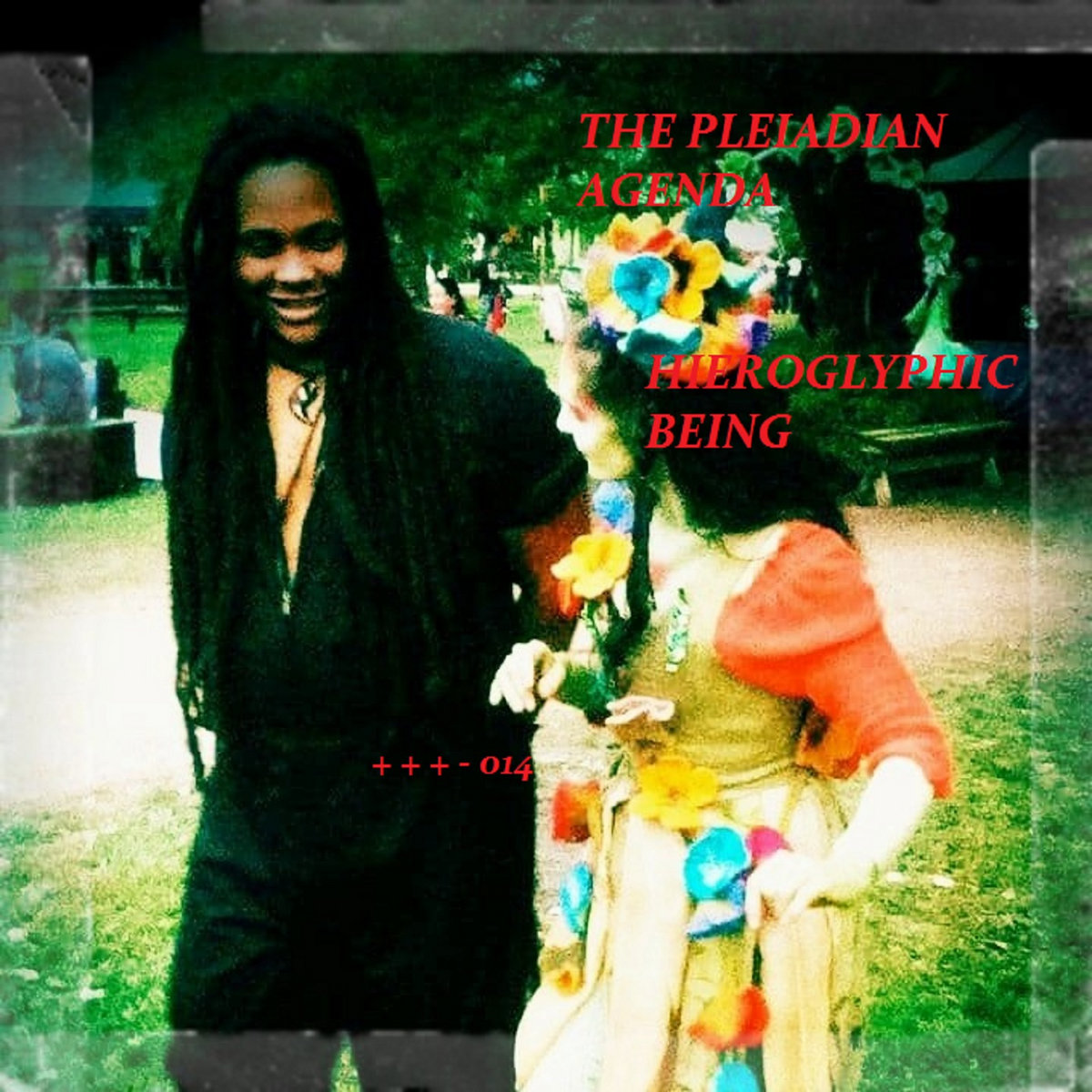
Hieroglyphic Being / Jamal R. Moss / The Pleiadian Agenda
Moss lists a BOSS DR-5 in the stated gear for The Pleiadian Agenda.
Read Hieroglyphic Being — The Pleiadian Agenda ↗
Victor Wooten / Don’t Wanna Cry
Wooten says he came up with the groove for “Don’t Wanna Cry” on a BOSS DR-5 and recorded its stereo outputs for the album.
Read Victor Wooten album interview ↗Victor Wooten / The Loneliest Monk
Wooten says he selected a piano sound on the BOSS DR-5 and played the piano solo for The Loneliest Monk on the machine’s buttons.
Read Victor Wooten album interview ↗
ReFlex the Architext / Early beat-making practice
ReFlex the Architext says a BOSS DR-5 was a formative first beat-making tool, used to learn and recreate the parts of records he loved.
Read ReFlex the Architect on His New Album, the Art of Producing and How He First Fell in Love With Music ↗
Ali Berger / 3 Natural Aspects
Ali Berger says every sequence on 3 Natural Aspects was improvised on a BOSS DR-5 in Allegheny Cemetery, then recorded at home with its MIDI driving other synths.
Read Ali Berger / 3 Natural Aspects ↗
Schaffer the Darklord / Junk Drawer Vol. 2
Schaffer the Darklord credits a BOSS DR-5 and MIDI keyboard for all instruments on “Beef Stroganoff”.
Read Schaffer the Darklord / Junk Drawer Vol. 2 ↗
Oscar Wyers / Non Linear Thought
Oscar Wyers lists a BOSS DR-5 in the equipment used for Non Linear Thought, alongside a Zoom RT-234 and other hardware.
Read Oscar Wyers — Non Linear Thought ↗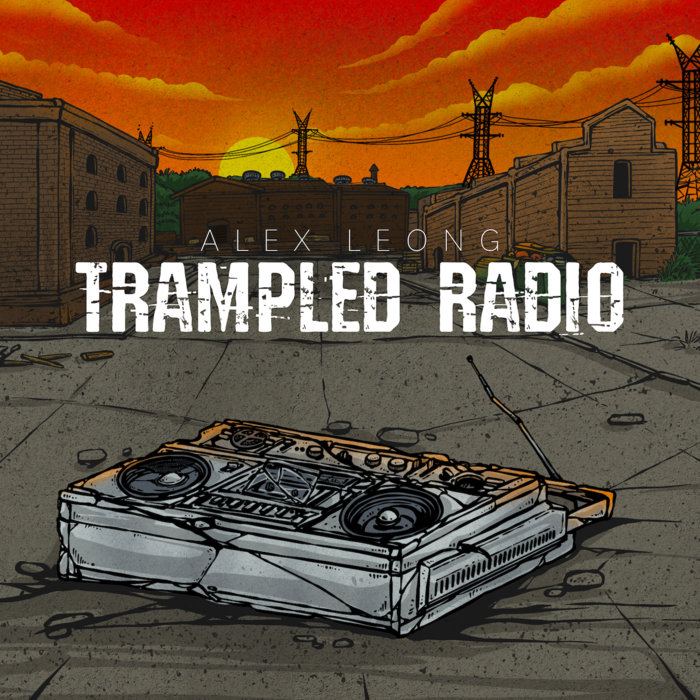
Alex Leong / Trampled Radio
Leong says the 1998–2005 recordings were made on a Tascam Portastudio with a BOSS DR-5; the credits identify programmed tracks.
Read Alex Leong — Trampled Radio ↗A bandstand in a box
The 1993 owner’s manual and David Mellor’s 1994 review show why the DR-5 was more than a drum machine. Its rhythm patterns, bass parts, backing accompaniment and performance controls let a player sketch the shape of a song before a band, a sequencer rack or a studio session entered the picture.
A musician’s learning machine
The DR-5 kept its place because it gave a single player practical momentum. ReFlex the Architect has described learning with one, while guitarist Alex Ehrsam named it in his account of recording Djaz_Dtox. BOSS’s archive preserves the machine as a discontinued member of the Dr. Rhythm family.
A groove carried home from Japan
Victor Wooten was in Japan on a clinic tour when the DR-5 gave him the groove for “Don’t Wanna Cry.” Later, while recording the album, he ran the machine’s stereo outputs into his portable recorder. The account is wonderfully practical: a compact arranger catches an idea on the road and follows it all the way to the record.Source (1)
On record
- Alex Ehrsam — Djaz_Dtox. Ehrsam names the BOSS DR-5 among equipment used to record his debut album. Source ↗
- Victor Wooten — Don’t Wanna Cry. Wooten says he came up with the groove for “Don’t Wanna Cry” on a BOSS DR-5 and recorded its stereo outputs for the album. Source ↗
- ReFlex the Architext — Early beat-making practice. ReFlex the Architext says a BOSS DR-5 was a formative first beat-making tool, used to learn and recreate the parts of records he loved. Source ↗
- Ali Berger — 3 Natural Aspects. Ali Berger says every sequence on 3 Natural Aspects was improvised on a BOSS DR-5 in Allegheny Cemetery, then recorded at home with its MIDI driving other synths. Source ↗
- Schaffer the Darklord — Junk Drawer Vol. 2. Schaffer the Darklord credits a BOSS DR-5 and MIDI keyboard for all instruments on “Beef Stroganoff”. Source ↗
- Oscar Wyers — Non Linear Thought. Oscar Wyers lists a BOSS DR-5 in the equipment used for Non Linear Thought, alongside a Zoom RT-234 and other hardware. Source ↗
- Alex Leong — Trampled Radio. Leong says the 1998–2005 recordings were made on a Tascam Portastudio with a BOSS DR-5; the credits identify programmed tracks. Source ↗
Sources
- DR-5 Dr. Rhythm Section Owner’s Manual
- BOSS DR5 — Rhythm Section
- ReFlex the Architect on His New Album, the Art of Producing and How He First Fell in Love With Music
- DR-5 Dr. Rhythm Section Service Notes
- Interview: Alex Ehrsam
- DJaz_Dtox — Alex Ehrsam
- DR-5 — Dr. Rhythm Section
- Victor Wooten album interview
- Ali Berger / 3 Natural Aspects
- Schaffer the Darklord / Junk Drawer Vol. 2
- Hieroglyphic Being — The Pleiadian Agenda
The visual archive
Further visual evidence.
Sources for images shown earlier (9)
- BOSS DR-5 Dr. Rhythm Section owner’s manual ↗
- Hieroglyphic Being — The Pleiadian Agenda ↗
- Ali Berger — 3 Natural Aspects ↗
Release date not stated on source page · Ali Berger / release artwork via Bandcamp · Official Bandcamp release-page artwork (Open Graph image) - Schaffer the Darklord — Junk Drawer Vol. 2 ↗
Release date not stated on source page · Schaffer the Darklord / release artwork via Bandcamp · Official Bandcamp release-page artwork (Open Graph image) - Oscar Wyers — Non Linear Thought ↗
2024-06-22 · Oscar Wyers / release artwork via Bandcamp · Official Bandcamp release-page artwork (Open Graph image) - Alex Leong — Trampled Radio ↗
2023-06-09 · Alex Leong / release artwork via Bandcamp · Official Bandcamp release-page artwork (Open Graph image) - Alex Ehrsam — Djaz_Dtox ↗
October–November 2008 · Alex Ehrsam / release artwork via Guitar Nine · Embedded original Guitar Nine interview image: /images/columns/interview129b.jpg - ReFlex the Architect — Riffs and Rhymes, December 2017 ↗
29 December 2017 · Riffs and Rhymes · Lead image for the ReFlex the Architect interview. - What Did He Say? — Victor Wooten ↗
Undated interview page · Victor Wooten album artwork, as displayed by Audio-Music.info · Lead image on Victor Wooten’s What Did He Say? interview page.
Additional visual sources (2)
Original publications and related image sources.
- DR-5 Dr. Rhythm Section Owner’s Manual ↗
Copyright 1993 · BOSS Corporation · Cover and printed pp.3–6 (PDF pp.5–8); front-panel line drawing on printed p.6 - DR-5 product archive images ↗
Undated · BOSS · Product page image links labelled DR-5