
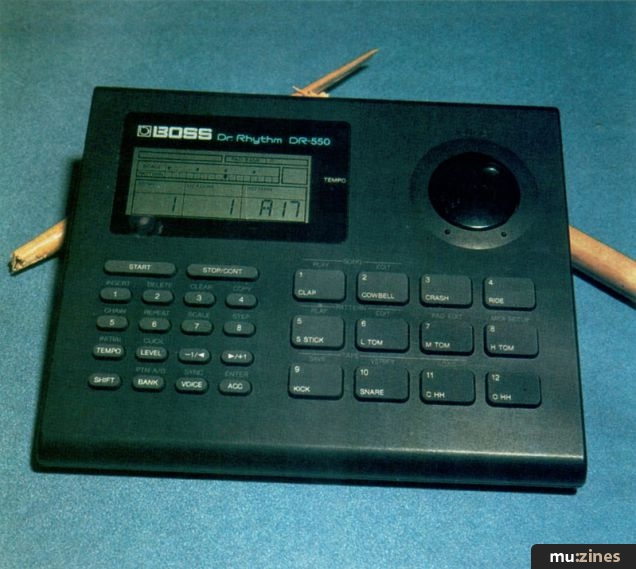
BOSS made the original DR-550 from 1990 to 1992 as a compact sampled-drum machine for a modest MIDI setup. It put forty-eight tones, patterns, songs and sequencer synchronisation into a small body built for programming a usable rhythm part.
The machine in the record
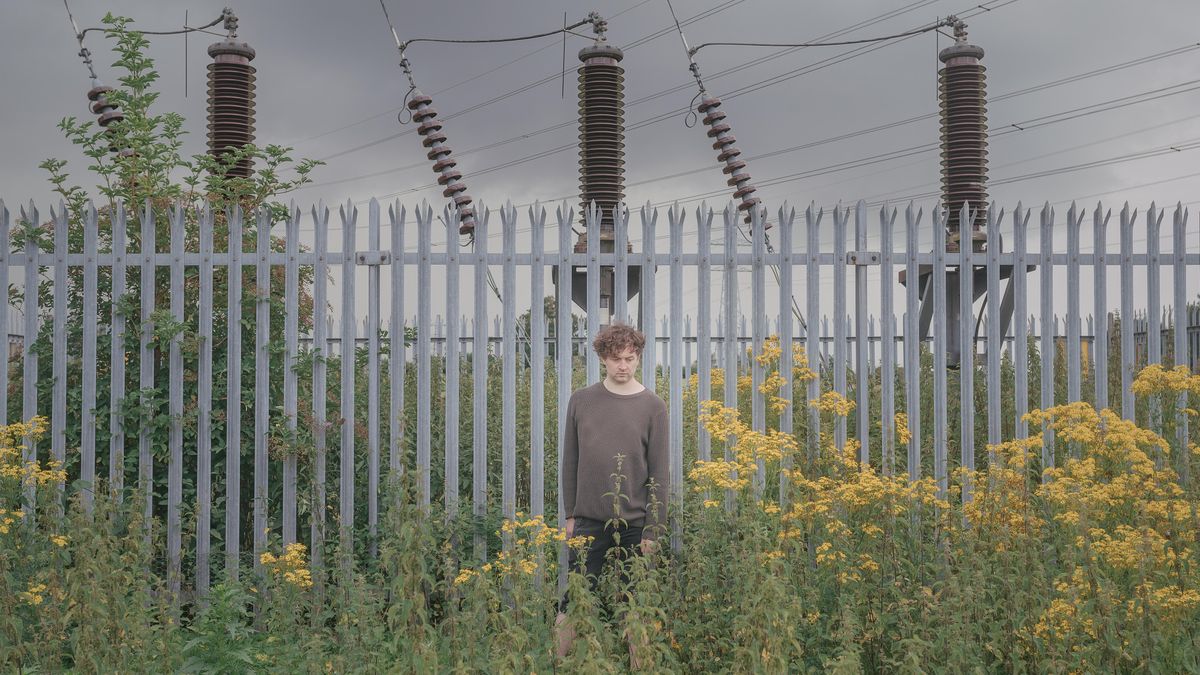
Nathan Fake / the first loop experiments.
Nathan Fake says he saved for a BOSS DR-550 as a teenager, recording its beats to tape and sampling its loops while learning to make tracks. This is an origin story rather than a record credit—the first restricted palette from which a later electronic practice could grow.
Read Nathan Fake on electronic drums and his first machine ↗More records in the archive
The machine keeps turning up.
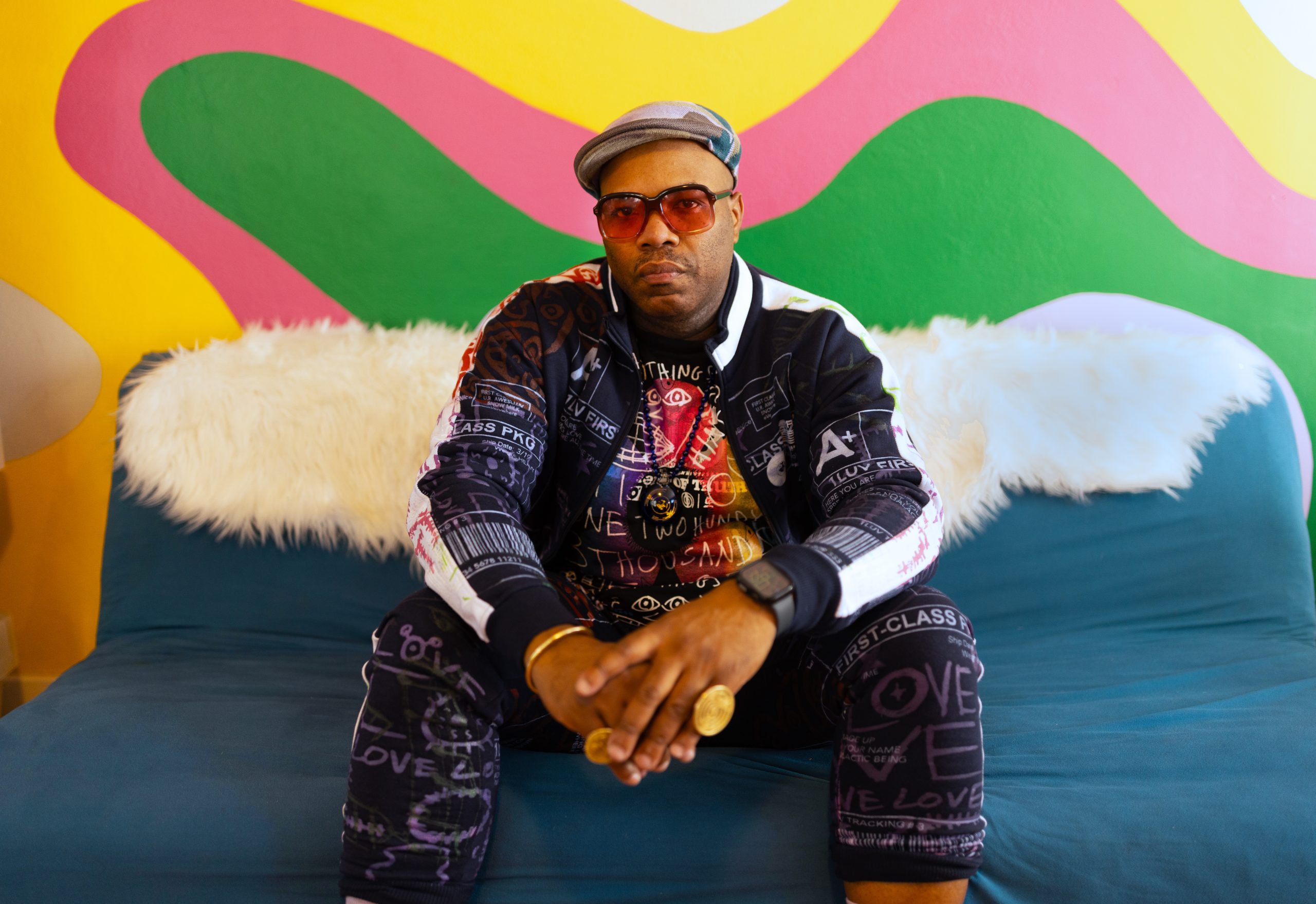
Daru Jones / early practice and lessons
Daru Jones recalls an organ teacher using a BOSS DR-550 to play beats for keeping time, then persuading his mother to get him one.
Read Daru Jones on hybrid drumming ↗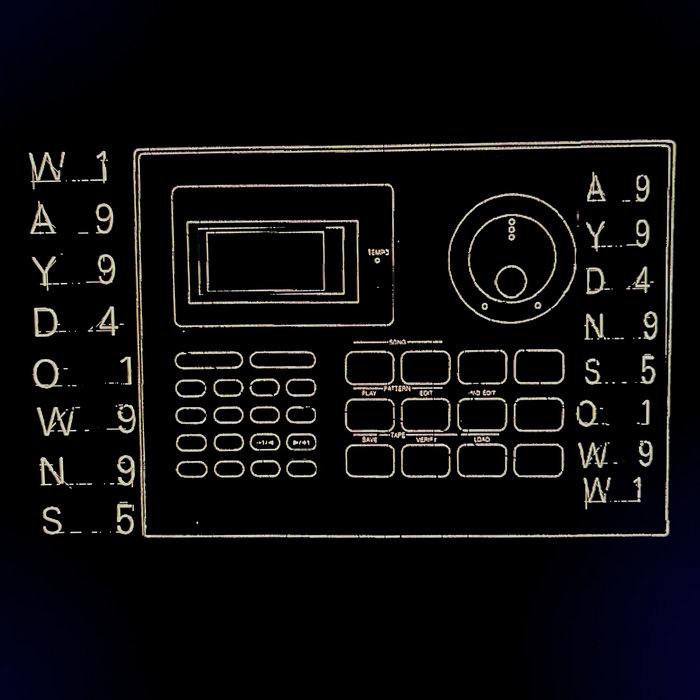
Waydowns / Waydowns 1994–1995
Waydowns remember playing their western shows with guitars and DR-550 machines; a recovered 1995 Capitol Theater recording catches the drum machine coming through the stage PA.
Read Waydowns — Waydowns 1994–1995 ↗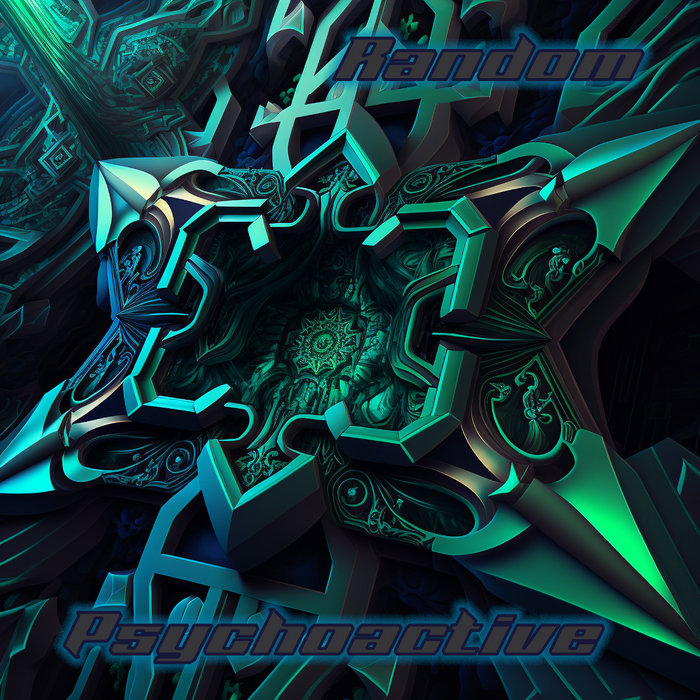
Random / Jimmy Clark / Psychoactive
Unreleased Goa Records describe Jimmy Clark’s 1990s Psychoactive productions as made with a BOSS DR-550 alongside Yamaha and Roland keyboards.
Read Random — Psychoactive ↗
Coakira / Early Works 1990s
Coakira’s reissue lists a BOSS DR-550 among the equipment used for recordings made from 1990 to 1994.
Read Coakira — Early Works 1990s ↗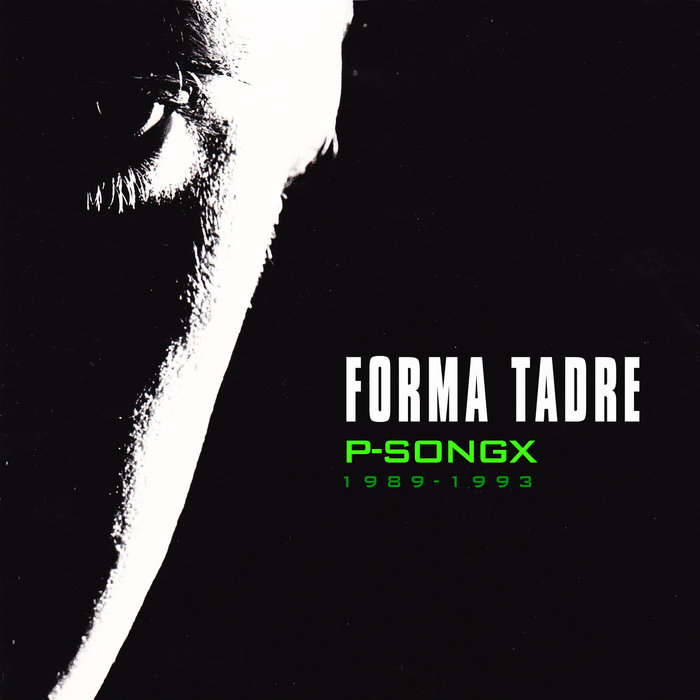
Forma Tadre / P-SONGX
Forma Tadre list the BOSS DR-550 drum machine among the instruments used on these 1989–93 recordings.
Read Forma Tadre / P-SONGX ↗
L’Avenir / Jason Sloan / Étoiles
Jason Sloan lists a BOSS DR-550 in the release-wide equipment list for Étoiles.
Read L’Avenir — Étoiles ↗
DATAStream / Martyn Stonehouse / Flight Time EP
Martyn Stonehouse credits a BOSS DR-550 Dr. Rhythm as the EP’s drum source.
Read DATAStream / Martyn Stonehouse — Flight Time EP ↗
JMK Research / Joe Coghill / Interstellar Ice
The live-recording credit identifies Joe Coghill on BOSS DR-550 alongside the instruments and location.
Read JMK Research — Interstellar Ice ↗On record
- Daru Jones — early practice and lessons. Daru Jones recalls an organ teacher using a BOSS DR-550 to play beats for keeping time, then persuading his mother to get him one. Source ↗
- Nathan Fake — Early tape-recorded beats and first loop experiments. Nathan Fake says he saved for a Boss DR-550 as a teenager, recorded its beats to tape, then sampled loops from it while learning to make tracks. The little Boss is not a retro badge in this story: it is the first restricted palette from which his later electronic practice grew. Source ↗
- Waydowns — Waydowns 1994–1995. Waydowns remember playing their western shows with guitars and DR-550 machines; a recovered 1995 Capitol Theater recording catches the drum machine coming through the stage PA. Source ↗
- Random / Jimmy Clark — Psychoactive. Unreleased Goa Records describe Jimmy Clark’s 1990s Psychoactive productions as made with a BOSS DR-550 alongside Yamaha and Roland keyboards. Source ↗
- Coakira — Early Works 1990s. Coakira’s reissue lists a BOSS DR-550 among the equipment used for recordings made from 1990 to 1994. Source ↗
- Forma Tadre — P-SONGX. Forma Tadre list the BOSS DR-550 drum machine among the instruments used on these 1989–93 recordings. Source ↗
- L’Avenir / Jason Sloan — Étoiles. Jason Sloan lists a BOSS DR-550 in the release-wide equipment list for Étoiles. Source ↗
- DATAStream / Martyn Stonehouse — Flight Time EP. Martyn Stonehouse credits a BOSS DR-550 Dr. Rhythm as the EP’s drum source. Source ↗
- JMK Research / Joe Coghill — Interstellar Ice. The live-recording credit identifies Joe Coghill on BOSS DR-550 alongside the instruments and location. Source ↗
Twelve pads, four banks
Play a part on the twelve pads or enter its notes step by step. Four banks let those pads reach forty-eight sampled tones. The DR-550 keeps the rhythm on a small display, where the player can see one pad’s part on a sixteen-position grid.
Patterns and songs at the centre
Sixty-four user patterns sit alongside sixty-four presets. Patterns can be edited and ordered into eight songs, then saved through the cassette interface. MIDI In lets an external sequencer trigger the sounds or set the clock; there is no MIDI Out to send the DR-550’s sequence onward.
The first DR-550
BOSS’s support archive lists the original DR-550 separately from the later DR-550MKII, while the company’s service table records the original model’s 1990–1992 span. Keeping that distinction in view preserves the first DR-550’s proper place in the line.
BOSS Manual Archive — DR-550 and DR-550MKII ↗ Model age and repair support table ↗ BOSS DR-550 Service Notes ↗
A lesson in a little BOSS box
Daru Jones remembers an organ teacher using a BOSS DR-550 to play beats while pupils kept time. He asked his mother for one and received it. In his account, the machine offered a rhythm that kept going while he played, stopped and tried again—an early step towards working with both programmed and acoustic drums.
Sources
The visual archive
Further visual evidence.
Sources for images shown earlier (10)
- Boss DR-550 period photograph ↗
- Daru Jones — Roland interview portrait ↗
- Nathan Fake — MusicRadar interview image ↗
- Waydowns — Waydowns 1994–1995 ↗
Release date not stated on source page · Waydowns / release artwork via Bandcamp · Official Bandcamp release-page artwork (Open Graph image) - Random / Jimmy Clark — Psychoactive ↗
2023-02-14 · Random / Jimmy Clark / release artwork via Bandcamp · Official Bandcamp release-page artwork (Open Graph image) - Coakira — Early Works 1990s ↗
2026-04-10 · Coakira / release artwork via Bandcamp · Official Bandcamp release-page artwork (Open Graph image) - Forma Tadre — P-SONGX ↗
2020-09-04 · Forma Tadre / release artwork via Bandcamp · Official Bandcamp release-page artwork (Open Graph image) - L’Avenir / Jason Sloan — Étoiles ↗
2015-05-10 · L’Avenir / Jason Sloan / release artwork via Bandcamp · Official Bandcamp release-page artwork (Open Graph image) - DATAStream / Martyn Stonehouse — Flight Time EP ↗
2019-01-14 · DATAStream / Martyn Stonehouse / release artwork via Bandcamp · Official Bandcamp release-page artwork (Open Graph image) - JMK Research / Joe Coghill — Interstellar Ice ↗
2025-02-07 · JMK Research / Joe Coghill / release artwork via Bandcamp · Official Bandcamp release-page artwork (Open Graph image)
Additional visual sources (2)
Original publications and related image sources.
- Carry On Doctor! ↗
May 1990 · Sound On Sound · BOSS DR-550 control-panel detail with the BOSS and DR-550 markings visible in the dedicated contemporary review. - Carry On Doctor! ↗
May 1990 · Sound On Sound · BOSS Dr. Rhythm DR-550 product photograph with the model marking clearly visible.