
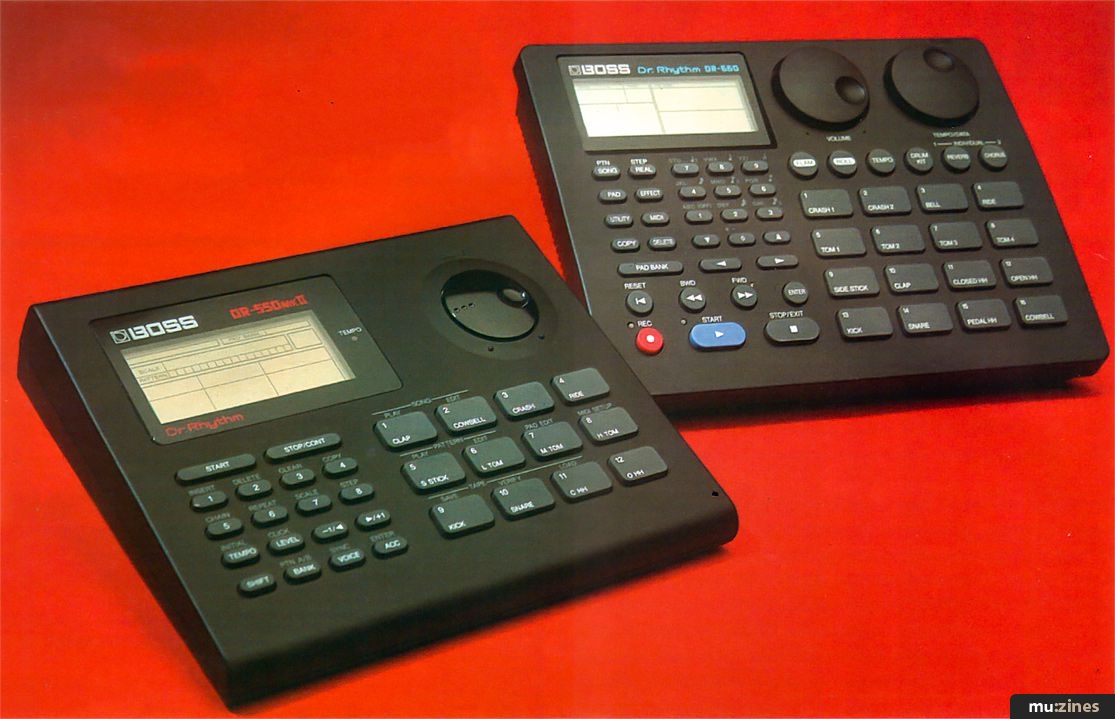
BOSS’s DR-660 arrived in 1992 as a larger Dr. Rhythm, bringing performance pads, pattern programming and a broad sound set to musicians who wanted a compact rhythm section with real arranging power.
The machine in the record
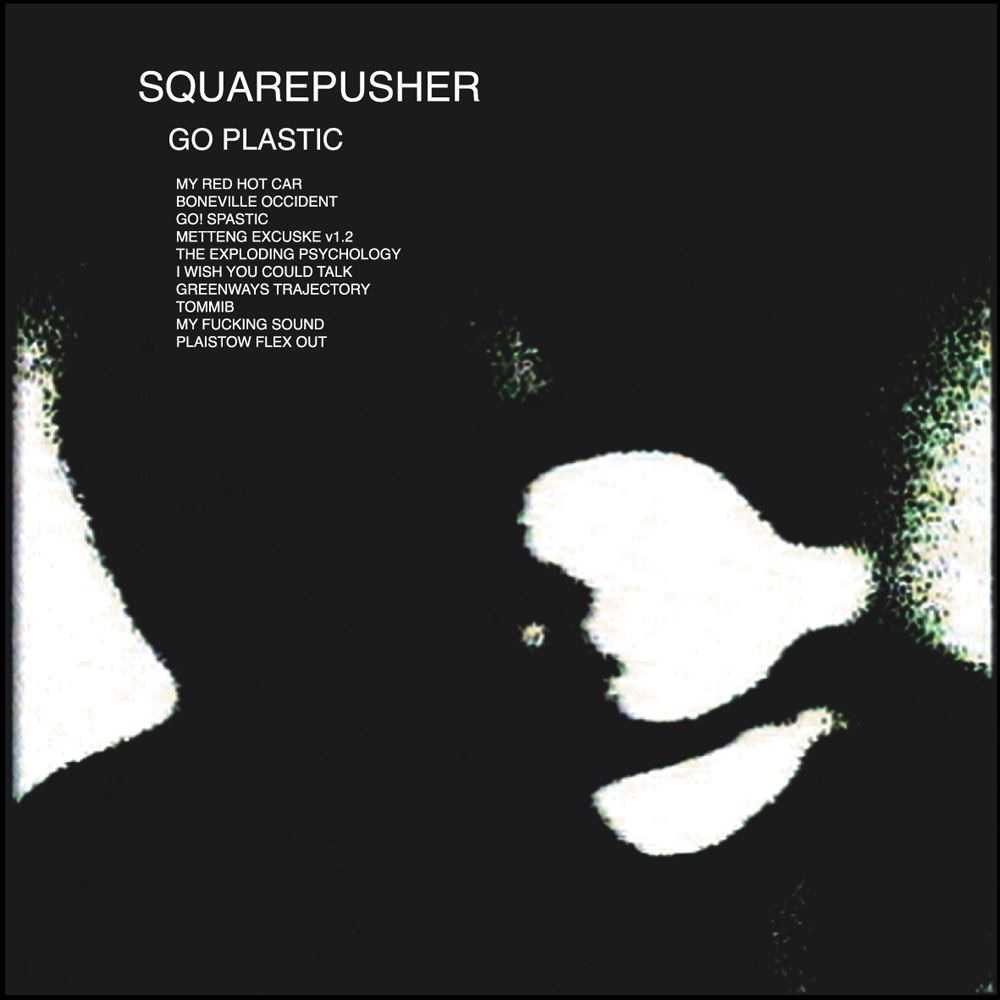
Squarepusher / Go Plastic.
Tom Jenkinson says the sequencing on Go Plastic was done with a BOSS DR-660 and Yamaha QY700. It is an account of method rather than an exclusive drum-sound claim: two modest machines helping organise one of Squarepusher’s most restless records.
Read Building an Iconic Sound: Squarepusher ↗More records in the archive
The machine keeps turning up.
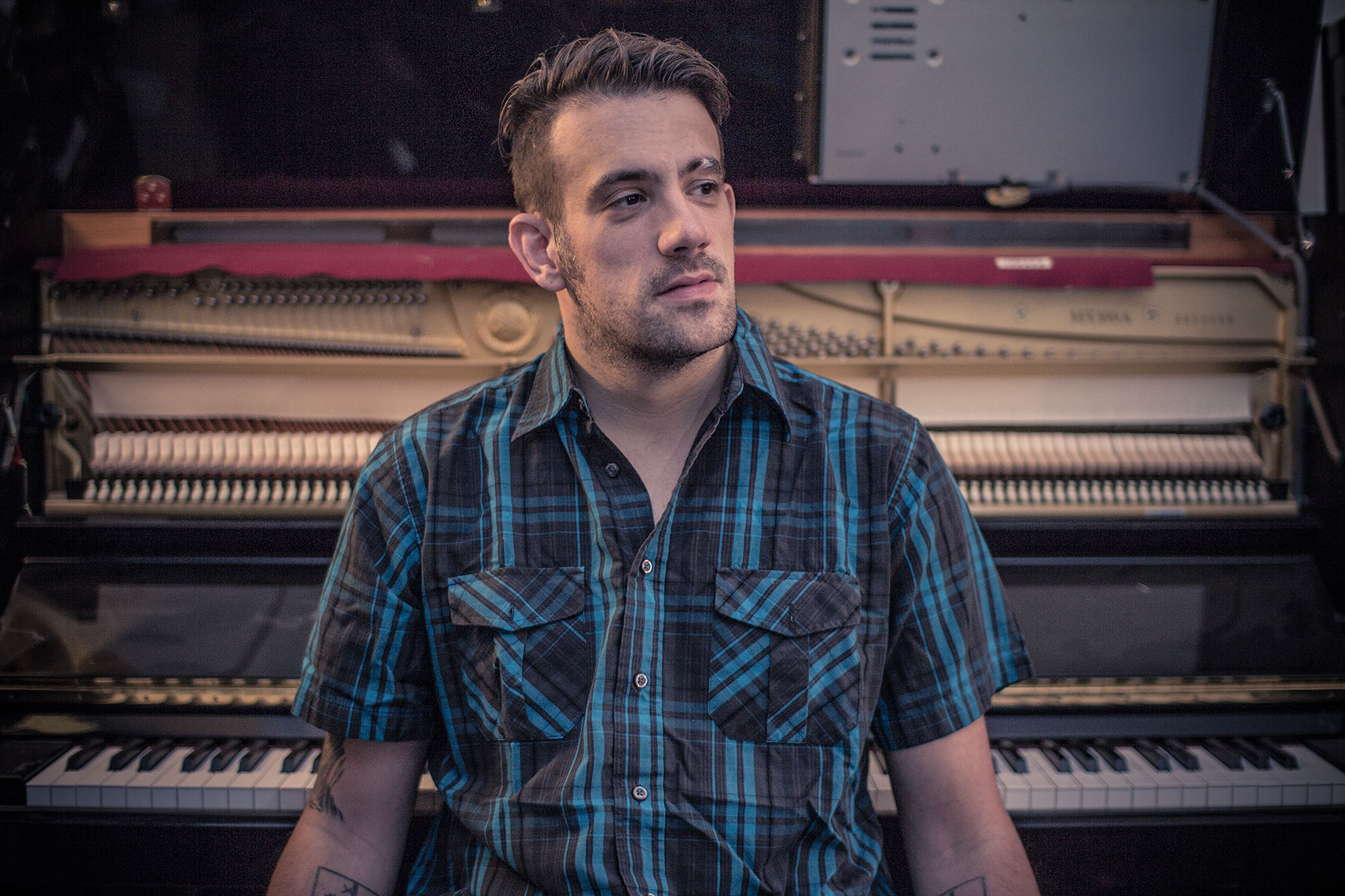
Benn Jordan / The Flashbulb / early tape-based home recordings
Benn Jordan identifies a DR-660 received around 1993 as his first programmable instrument and describes layering tracks around it with a sampler, guitar and karaoke machine.
Read In the studio with Benn Jordan ↗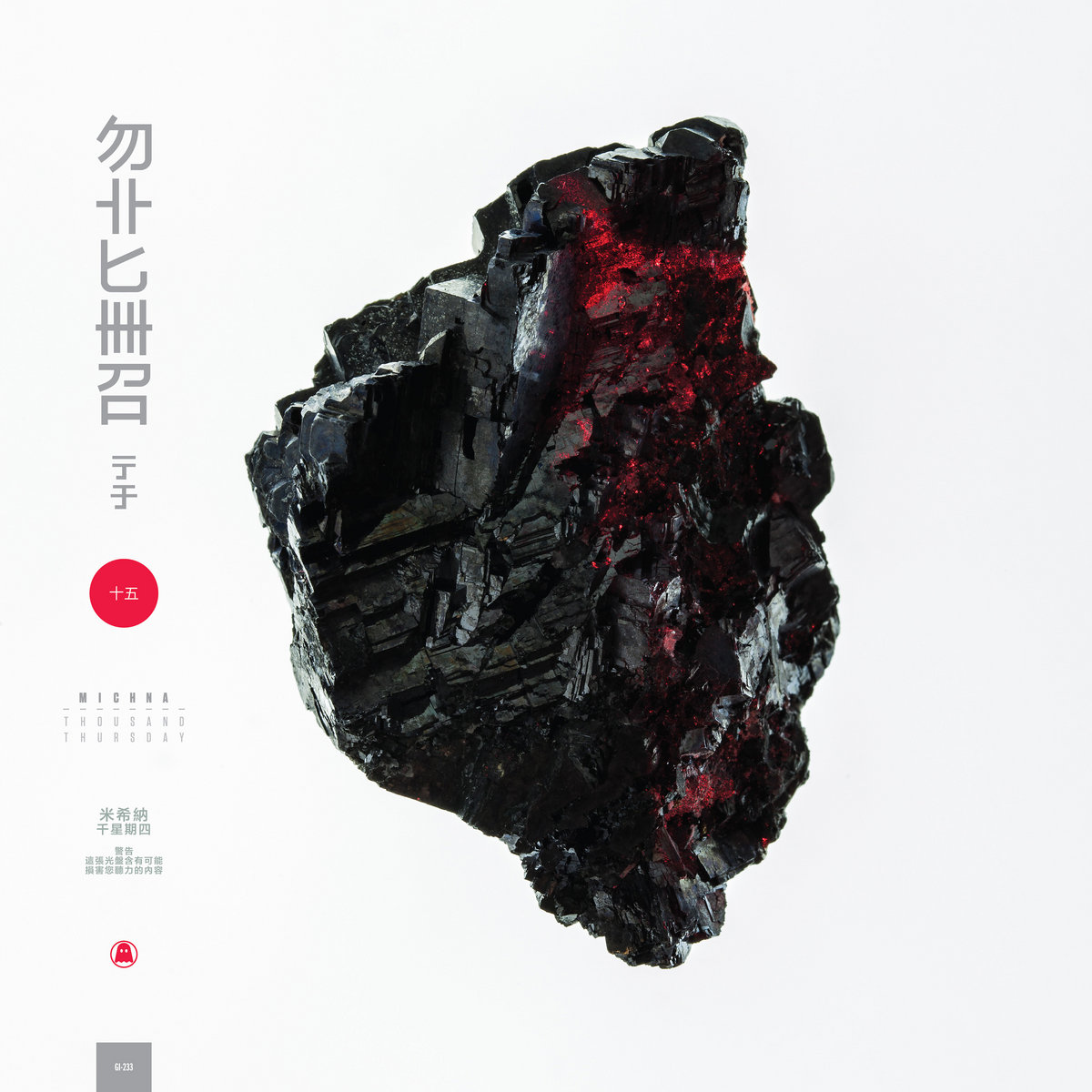
Michna / Adrian Michna / early drum-and-bass experiments
Michna calls the DR-660 his first drum machine and recalls trying to use it after discovering drum and bass.
Read Michna’s Top Gear ↗
Sweet Trip / Roberto Burgos / Halica
Roberto Burgos says the processed HR-16 and DR-660 became Sweet Trip’s “drummers” as the four-track demos grew into the live configuration.
Read Sweet Trip / Halica ↗
acidliner / Until
acidliner says “Until” began as an analogue-machines jam with a borrowed TR-707, BOSS DR-660 and Alpha Juno.
Read acidliner / Until ↗
DJML / FTD005
The label description for DJML’s FTD005 says the release focuses on a Korg DDD-1 and a BOSS DR-660.
Read DJML — FTD005 ↗
Credit 00 / Serial Error / Drum Abuse
Rat Life Records credits Credit 00 with the BOSS DR-660 on Drum Abuse.
Read Credit 00 / Serial Error — Drum Abuse ↗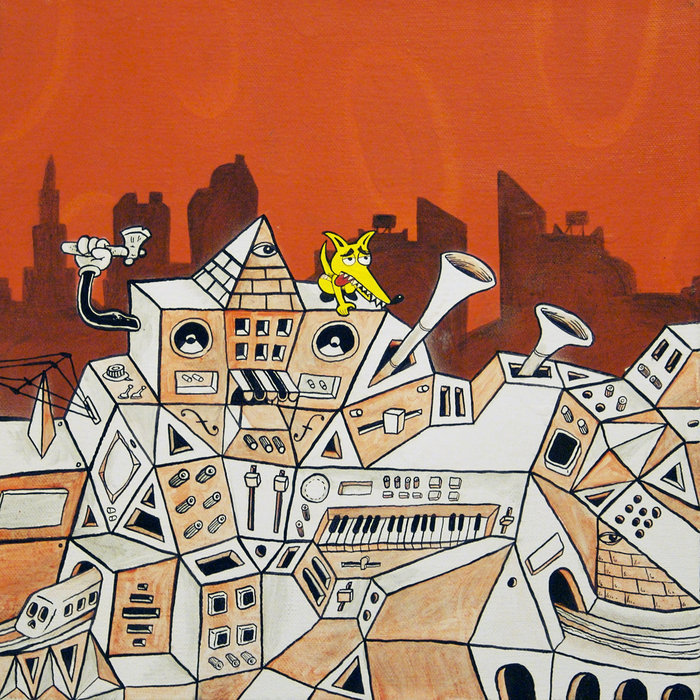
Dawgisht / Dump or Die — vol. 2
Dawgisht’s gear list for Dump or Die — vol. 2 names a BOSS DR-660 drum machine.
Read Dawgisht / Dump or Die — vol. 2 ↗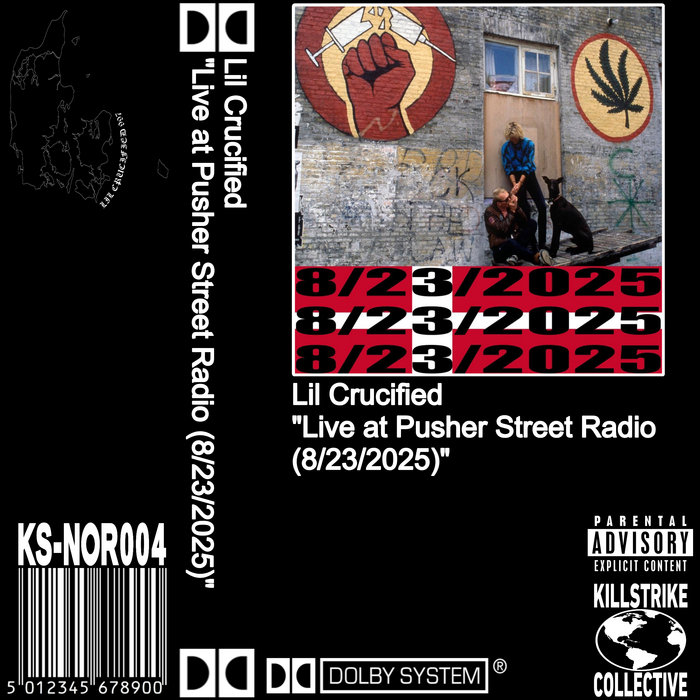
Lil Crucified / Live at Pusher Street Radio
Lil Crucified identify the BOSS DR-660 in the title of “Da Hustle”.
Read Lil Crucified / Live at Pusher Street Radio ↗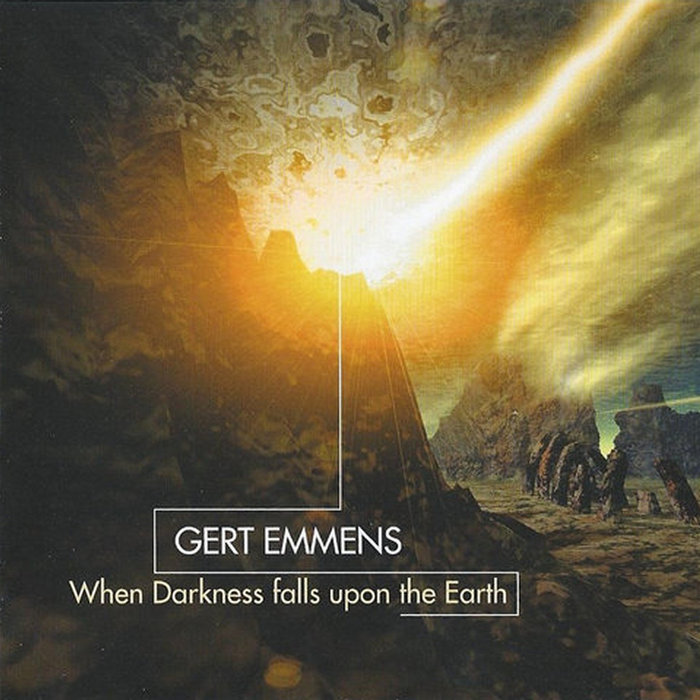
Gert Emmens / When Darkness Falls Upon the Earth
Gert Emmens’ full performance credit names a BOSS DR-660 among the instruments used on the album.
Read Gert Emmens — When Darkness Falls Upon the Earth ↗
Enigmatic Astronaut / 1996 studio setup
The artist’s Bandcamp history says a BOSS DR-660 joined the setup with a Roland MC-303 in 1996.
Read Enigmatic Astronaut — Bandcamp artist history ↗
homeless beats / esaar / 1996 / 96OG
The 2025 archival release identifies the BOSS DR-660 as part of the 1996 Homeless Beats setup used for 1996 / 96OG.
Read homeless beats — 1996 / 96OG ↗
Majeure / A. E. Paterra / Mass Flashback
The Mass Flashback credits name A. E. Paterra playing a BOSS DR-660 alongside drums, Proteus/1, Polysix, Wavestation SR, Minitaur, a Pittsburgh Modular system and Prophet 6.
Read Majeure — Mass Flashback ↗On record
- Benn Jordan / The Flashbulb — early tape-based home recordings. Benn Jordan identifies a DR-660 received around 1993 as his first programmable instrument and describes layering tracks around it with a sampler, guitar and karaoke machine. Source ↗
- Michna / Adrian Michna — early drum-and-bass experiments. Michna calls the DR-660 his first drum machine and recalls trying to use it after discovering drum and bass. Source ↗
- Squarepusher / Tom Jenkinson — Go Plastic. Jenkinson says the sequencing on Go Plastic was done on a BOSS DR-660 with a Yamaha QY700. Source ↗
- Sweet Trip / Roberto Burgos — Halica. Roberto Burgos says the processed HR-16 and DR-660 became Sweet Trip’s “drummers” as the four-track demos grew into the live configuration. Source ↗
- acidliner — Until. acidliner says “Until” began as an analogue-machines jam with a borrowed TR-707, BOSS DR-660 and Alpha Juno. Source ↗
- DJML — FTD005. The label description for DJML’s FTD005 says the release focuses on a Korg DDD-1 and a BOSS DR-660. Source ↗
- Credit 00 / Serial Error — Drum Abuse. Rat Life Records credits Credit 00 with the BOSS DR-660 on Drum Abuse. Source ↗
- Dawgisht — Dump or Die — vol. 2. Dawgisht’s gear list for Dump or Die — vol. 2 names a BOSS DR-660 drum machine. Source ↗
- Lil Crucified — Live at Pusher Street Radio. Lil Crucified identify the BOSS DR-660 in the title of “Da Hustle”. Source ↗
- Gert Emmens — When Darkness Falls Upon the Earth. Gert Emmens’ full performance credit names a BOSS DR-660 among the instruments used on the album. Source ↗
In the studio and on stage
- Enigmatic Astronaut — 1996 studio setup. The artist’s Bandcamp history says a BOSS DR-660 joined the setup with a Roland MC-303 in 1996. Source ↗
Touch that changes the rhythm
Strike one of sixteen pads, then use pressure to change a roll’s level. The DR-660 records playing dynamics as well as notes. Fills, variations and kit changes can alter a running rhythm, letting the player work on its arrangement while hearing the result.
The detail that mattered
The October 1992 review describes 254 sixteen-bit sounds, real- and step-time recording, flams, rolls and two-bank kits. Stereo and individual outputs let selected sounds reach external processing, although the individual routes share resources with the internal effects. The review listed £335 including VAT; BOSS’s later support table records a 1992–1999 model span.
Boss DR550 MkII & DR660 Drum Machines ↗ Model age and repair support table ↗
The first machine in the room
Benn Jordan recalls receiving a DR-660 around Christmas 1993 as his first programmable instrument. It joined a sampler, guitar and borrowed karaoke machine, with tape swaps used to layer the parts. The machine’s pads and patterns became part of a studio assembled from the equipment he could get.
Sources
The visual archive
Further visual evidence.
Sources for images shown earlier (14)
- Music Technology — BOSS DR550 MkII & DR660 review ↗
- Benn Jordan — Headphone Commute studio feature ↗
- homeless beats — 1996 / 96OG ↗
- Michna — Thousand Thursday ↗
- Majeure — Mass Flashback ↗
- Sweet Trip / Roberto Burgos — Halica ↗
Release date not stated on source page · Sweet Trip / Roberto Burgos / release artwork via Bandcamp · Official Bandcamp release-page artwork (Open Graph image) - acidliner — Until ↗
Release date not stated on source page · acidliner / release artwork via Bandcamp · Official Bandcamp release-page artwork (Open Graph image) - DJML — FTD005 ↗
Release date not stated on source page · DJML / release artwork via Bandcamp · Official Bandcamp release-page artwork (Open Graph image) - Credit 00 / Serial Error — Drum Abuse ↗
2018-09-14 · Credit 00 / Serial Error / release artwork via Bandcamp · Official Bandcamp release-page artwork (Open Graph image) - Dawgisht — Dump or Die — vol. 2 ↗
2017-01-01 · Dawgisht / release artwork via Bandcamp · Official Bandcamp release-page artwork (Open Graph image) - Lil Crucified — Live at Pusher Street Radio ↗
2025-08-23 · Lil Crucified / release artwork via Bandcamp · Official Bandcamp release-page artwork (Open Graph image) - Gert Emmens — When Darkness Falls Upon the Earth ↗
2016-01-15 · Gert Emmens / release artwork via Bandcamp · Official Bandcamp release-page artwork (Open Graph image) - Enigmatic Astronaut — 1996 studio setup ↗
Undated · Enigmatic Astronaut / release artwork via Bandcamp · Official Bandcamp release-page artwork (Open Graph image) - Squarepusher — Go Plastic ↗
2001-06-25T07:00:00Z · Squarepusher / release artwork via Apple Music catalog artwork · Release catalogue and retained front artwork
Additional visual sources (2)
Original publications and related image sources.
- Boss DR550 MkII & DR660 Drum Machines ↗
Oct 1992 · Music Technology · BOSS DR-550 MkII and DR-660 product photograph with both model markings visible. The distinct earlier DR-550 assignment is rejected. - Boss DR550 MkII & DR660 Drum Machines ↗
Oct 1992 · Music Technology · BOSS DR-660 product photograph; its model marking is visible.