
Drum machine

BOSS DR-770 Dr. Rhythm

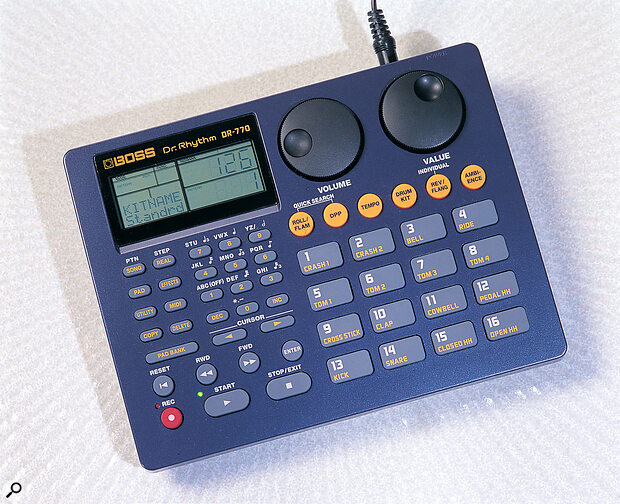
The DR-770 gave the Dr. Rhythm idea a broad sound library, pads and a pattern-driven interface aimed at guitarists, writers and small studios.

Workstations & grooveboxes →
Boss DR770View full scan ↗
Boss DR770July 1999 article · Sound On SoundSource & credit ↗

BOSS introduced the DR-770 at Winter NAMM in 1999; production ran into 2004.

Sources (15)
  1. Open source 1 ↗
  2. Open source 2 ↗
  3. Open source 3 ↗
  4. Open source 4 ↗
  5. Open source 5 ↗
  6. Open source 6 ↗
  7. Open source 7 ↗
  8. Open source 8 ↗
  9. Open source 9 ↗
  10. Open source 10 ↗
  11. Open source 11 ↗
  12. Open source 12 ↗
  13. Open source 13 ↗
  14. Open source 14 ↗
  15. Open source 15 ↗

Source-led exhibition chapter

BOSS DR-770 Dr. Rhythm

Connections in view

The DR770's back panel: compared to its predecessor, the DR660, it gains a dual footswitch socket, but loses one of the older unit's two individual outputs.July 1999 article · Sound On SoundDerek Johnson DR770 review atSource & credit ↗

A band at the fingertips

The BOSS DR-770 arrived in 1999 looking less like a promise of revolution than a machine that expected to be used. Sixteen pads, a screen, a bank of controls and a compact black case offered a practical route from a rhythm in the head to a rhythm in the room. It could hold the beat for a guitarist working alone, but its deeper interest lies in how much the player could decide: which pattern came next, which kit carried it, how a single sound responded, and when a programmed accompaniment became a performance. BOSS introduced it at Winter NAMM; the company’s later service chronology places the model between 1999 and 2004. Those dates describe its market life, not the date of every individual machine.

Winter NAMM report, Sweet Notes Early Spring 1999, pp3–4 ↗ Model age and repair support table ↗ DR-770 Owner’s Manual ↗

A pattern is something you can reach for

BOSS supplied 400 preset patterns and room for 400 user patterns. Those numbers are useful, but the front panel explains the instrument better than the specification sheet. Direct Pattern Play assigns patterns to the sixteen pads. Press another pad while a pattern is sounding and the new selection waits for the current pattern to end before it takes over. A player can prepare an arrangement, then call its parts in the moment. The manual also describes Quick Search, an alternative way of finding patterns by category and feel. The machine therefore sits between two ways of making music: writing an order beforehand and steering a part while it plays.

Direct Pattern Play puts a prepared arrangement within reach: assign an existing pattern to a pad, start it, then queue another and let the change occur at the bar boundary. This is documented manual behaviour, not a DR-770 recording, clock emulation or factory-pattern reconstruction. The period photograph keeps the original controls in view.

DR-770 Dr. Rhythm ↗ DR-770 Owner’s Manual ↗ DR-770 TurboStart, TBS95, Faxback 20091 ↗

The sound inside the box

The DR-770 offered 255 instruments and 64 preset plus 64 user drum kits, with a stated maximum of fourteen simultaneous voices. BOSS’s instrument list is a peculiar map of the period. Acoustic drum names share space with electronic and historical names, including sounds labelled for the 808 and CR-78. These labels tell us how BOSS organised its library; they do not prove that any one sample is identical to an earlier analogue circuit. A kit could gather voices from across that map, and the machine offered controls for shaping individual instruments. The Nuance setting runs from minus seven to plus seven, though the manual is explicit that not every instrument supports it. Where it does not, the display shows dashes.

There is another layer before the signal leaves the box. Ambience presents sixteen named room or tonal settings, alongside built-in reverb, flanger and EQ. Names such as Garage, Club, Lo-Fi and Flat speak in the language of a musician choosing a setting quickly, rather than a studio engineer building a room from first principles. The manual sets a firm boundary: Ambience overrides a kit’s individual effect settings and cannot be used with the kit’s Individual setting. These are documented choices, not evidence that a label alone reveals how a setting sounds.

DR-770 Dr. Rhythm ↗ DR-770 Owner’s Manual ↗ DR-770 Instrument Listing, Faxback 10555 ↗ DR-770 Rhythm Kit Listing, Faxback 10556 ↗

A 1999 working object

The DR-770 belongs to a moment when a dedicated rhythm machine still made immediate sense beside a computer. It was small enough to put within reach, but its rear panel could send separate sounds to another channel through an individual output and connect to other equipment through MIDI. The photograph of its front panel in the July 1999 Sound On Sound review gives the object a period setting; the companion rear view makes the outward connections legible. The review is a contemporary encounter, while BOSS’s manual and service notes give us the operating and technical record. Keep those roles separate: a reviewer’s impression is not a factory specification, and a present-day product summary is not a 1999 advertisement.

The archive also holds BOSS’s original 1999 advertising and June TurboStart guide. Both are dated, credited documents: the advertisement shows how the company presented the machine, while the TurboStart compresses its working method into instructions. The full manual remains available for readers who want to follow every button press.

Boss DR770 ↗ DR-770 Owner’s Manual ↗ DR-770 Service Notes, first edition ↗ DR-770 Dr. Rhythm ↗ DR-770 advertisement: Upon closer inspection ↗ DR-770 TurboStart, TBS95, Faxback 20091 ↗

What musicians made of it

The instrument’s story did not end with its factory demonstrations. Caro C’s account of “V To The Dub” names both the DR-770 and DR-660 in the hardware arrangement she later took into the studio for further production, alongside other instruments and vocals. It establishes that this box was part of her working process. It does not identify which individual hit on the released track came from which drum machine. The original recording date is unresolved in the surviving sources, so the later compilation date should not be passed off as the original date.

Ole Mic Odd remembers using the DR-770 “as an 808” on his first few records and putting it through an overdrive pedal made by Doug Tuttle. BOSS’s instrument list does include 808-named voices. That makes the recollection intelligible, but it does not turn the DR-770 into a TR-808 or tell us which unidentified records contain which voices. His account is best heard as a musician describing a resourceful route to a sound, not as a schematic equivalence.

The recording register shows other paths. Matt Davignon describes making Dry Signal in real time on a DR-770 without external processing or looping devices. Cave Curse describe building their first recordings around the DR-770 with a Moog Sub Phatty and Bass Station. Monica McGregor’s credits for TRUTH list the BOSS among the instruments used, without assigning it to a particular track. Each is a different kind of evidence: one performer’s direct account of a method, a group’s account of its early setup, and a release-wide equipment credit. Their sleeves can identify the music, but none should masquerade as a photograph of the machine.

The DR-770 rewards this kind of close look. It is a machine whose broad library is only half the story. Its pads, pattern transitions, kit choices and effects boundaries reveal the small decisions of arranging and playing. Then the music accounts show why those decisions mattered differently to different people. Together, the object, its documents and those distinct testimonies make “Dr. Rhythm” a particular working instrument rather than a generic box of beats.

Pussy Riot Freedom: artist production notes ↗ Caro C music shop: Es Muss Sein ↗ Es muss sein: digital album track list ↗ Ole Mic Odd interview ↗ DR-770 Instrument Listing, Faxback 10555 ↗ Matt Davignon / Dry Signal ↗ Cave Curse / Future Dust ↗ TRUTH — TRUTH ↗

Manual-backed control study

Direct Pattern Play, without sound.

Choose a pad while the current pattern is running: the next selection queues until the bar boundary. This explains the documented control behaviour; it is not a DR-770 recording, clock emulation or factory-pattern reconstruction.

Current patternBar boundaryQueued pad

Select a pad to queue its assigned pattern at the bar boundary.

The machine in the record
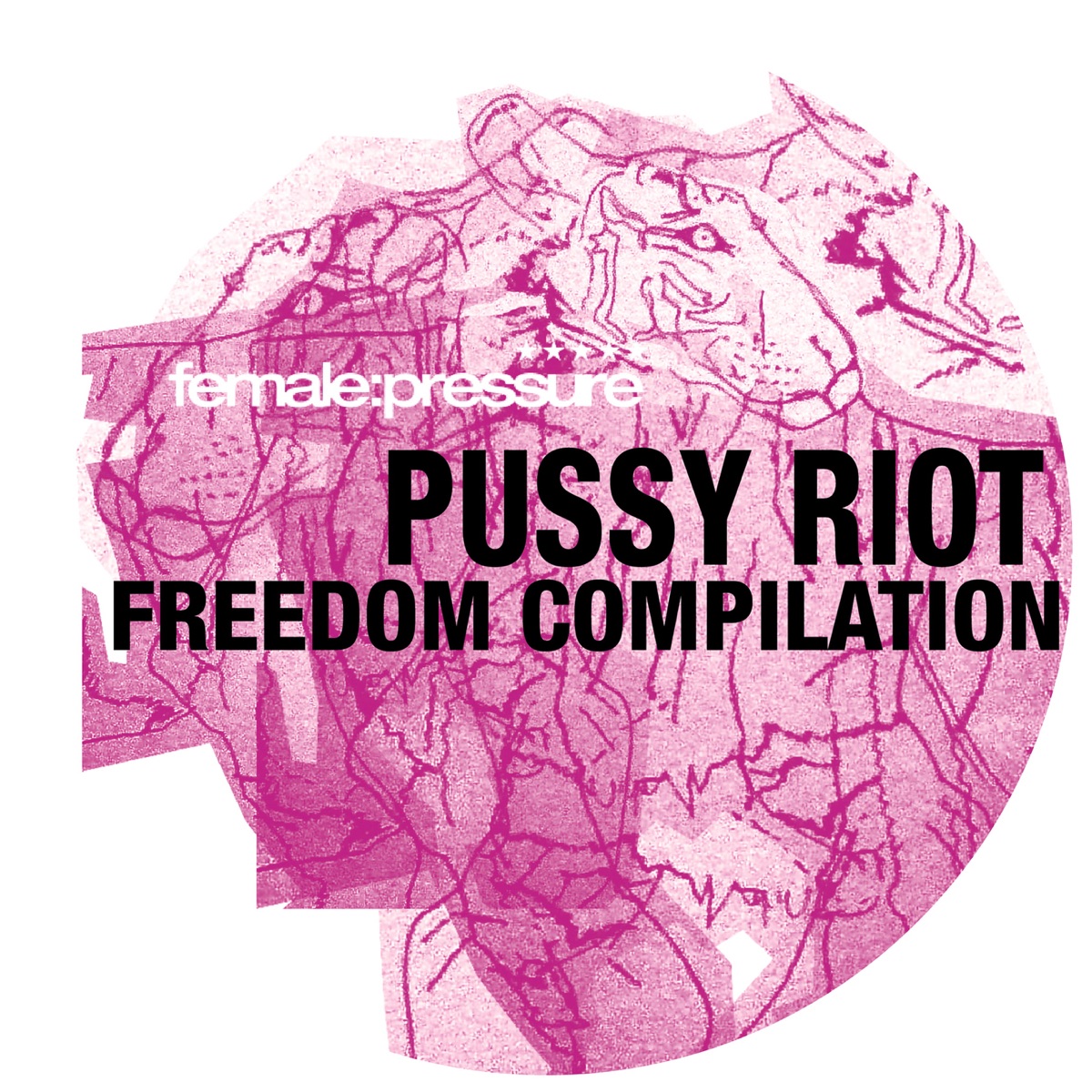
Cover artwork for Caro C — V To the Dub (Original Wake Up Mix).
V To The Dub gives Caro C’s DR-770 and DR-660 arrangement account a record context; the cover identifies the mix, not a per-sound allocation.

Caro C / “V To The Dub”.

Caro C names the DR-770, alongside a DR-660, in the hardware arrangement taken into the studio for the original “V To The Dub” wake-up mix. The BOSS is part of a hands-on setup whose separate parts were later opened up in production.

Read Pussy Riot Freedom: artist production notes ↗

More records in the archive

The machine keeps turning up.
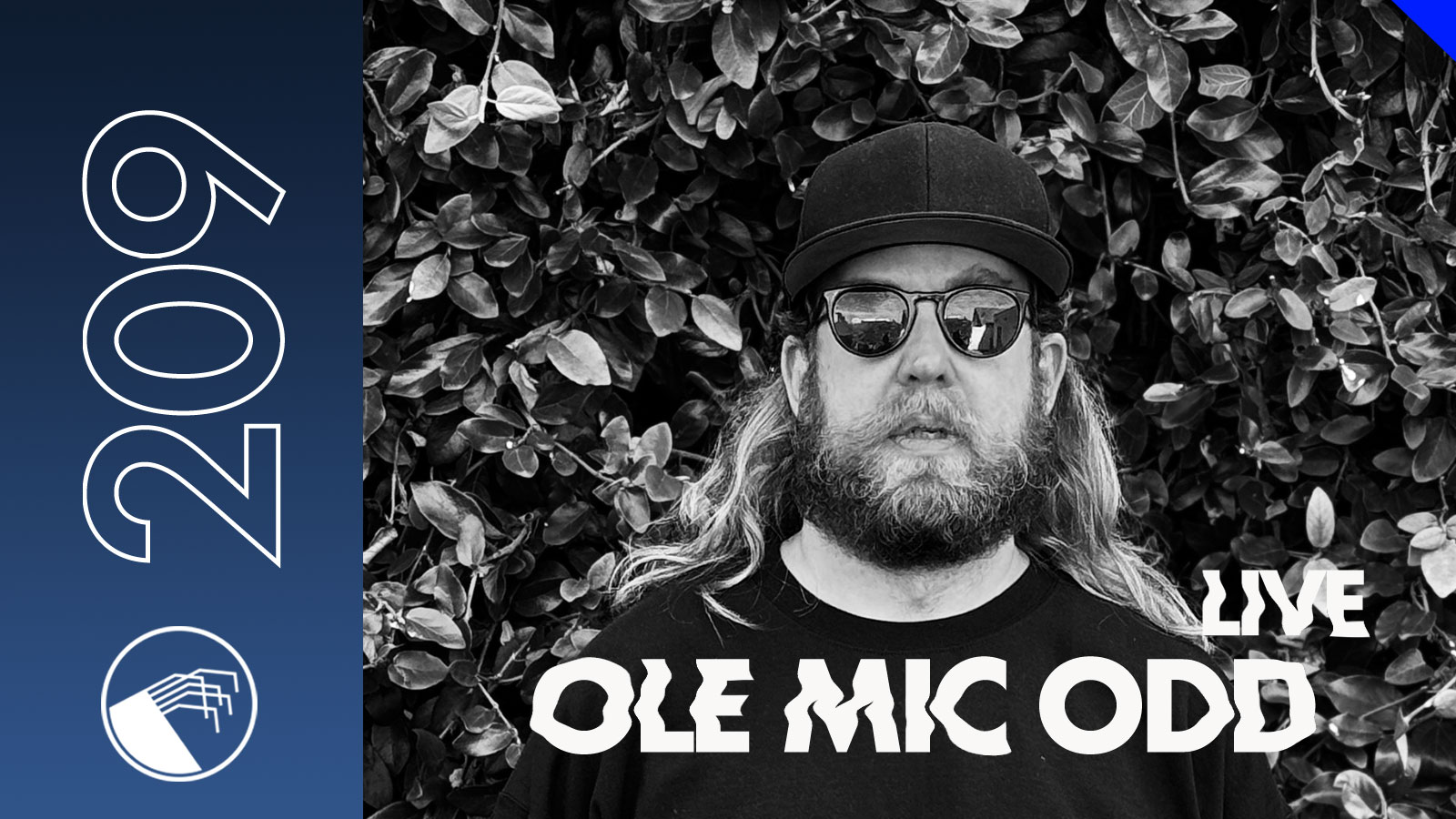
Ole Mic Odd in a black-and-white portrait outdoors, wearing sunglasses and a cap.
Ole Mic Odd in Digital Tsunami’s 2024 interview. There, he recalls using a BOSS DR-770 as an 808 through an overdrive pedal on his first few records; the portrait does not show the machine or name those records.

Ole Mic Odd / First few records (titles not specified)

Ole Mic Odd says he used the BOSS DR-770 as an 808 on his first few records, through an overdrive pedal.

Read Ole Mic Odd interview ↗
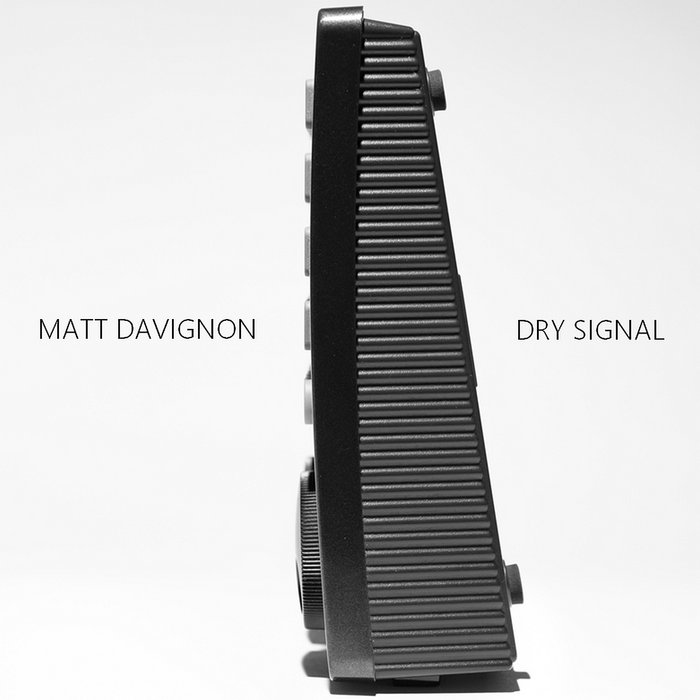
Cover artwork for Matt Davignon — Dry Signal.
Matt Davignon — Dry Signal: retained artwork identifies the release or source-recording context, not a machine, session or sound allocation.

Matt Davignon / Dry Signal

Davignon says every track was made in real time on a DR-770.

Read Matt Davignon / Dry Signal ↗
Cover artwork for Matt Davignon — Dry Signal.
Matt Davignon — Dry Signal: retained artwork identifies the release or source-recording context, not a machine, session or sound allocation.

Matt Davignon / Dry Signal

Matt Davignon says every Dry Signal track was made in real time on a BOSS DR-770 with no external sound processing or looping devices.

Read Matt Davignon / Dry Signal ↗
Cover artwork for Cave Curse — Future Dust.
Cave Curse — Future Dust: retained artwork identifies the release or source-recording context, not a machine, session or sound allocation.

Cave Curse / Future Dust

Cave Curse say their first recordings were built around a BOSS DR-770, Moog Sub Phatty and Bass Station.

Read Cave Curse / Future Dust ↗
Cover artwork for TRUTH / Monica McGregor — TRUTH.
TRUTH / Monica McGregor — TRUTH: retained release artwork gives the documented machine story a record-world context; it does not depict the hardware, a session, or an individual track allocation.

TRUTH / Monica McGregor / TRUTH

McGregor’s release credits list a BOSS DR-770 among the instruments used for TRUTH.

Read TRUTH — TRUTH ↗
01 // BOSS’s DR-770: a late-1990s rhythm machine with a large sound set, performance pads and an easy route into a complete backing track.

A larger Dr. Rhythm

The DR-770 gave the Dr. Rhythm idea a broad sound library, pads and a pattern-driven interface aimed at guitarists, writers and small studios. It could be a practice partner one minute and a compact rhythm section the next.

Sources (3)
  1. Open source 1 ↗
  2. Open source 2 ↗
  3. Open source 3 ↗

02 // BOSS’s DR-770: a late-1990s rhythm machine with a large sound set, performance pads and an easy route into a complete backing track.

Built for variation

The machine’s patterns, kits, fills and song facilities gave users ways to make a backing part evolve without losing the immediacy of a dedicated drum box. Factory material records a practical instrument built for getting to a performance quickly.

Sources (2)
  1. Open source 1 ↗
  2. Open source 2 ↗

03 // BOSS’s DR-770: a late-1990s rhythm machine with a large sound set, performance pads and an easy route into a complete backing track.

A durable working machine

Later artists and collectors have continued to use and sample the DR-770, finding character in its particular set of late-1990s digital voices.

Sources (4)
  1. Open source 1 ↗
  2. Open source 2 ↗
  3. Open source 3 ↗
  4. Open source 4 ↗

04 // BOSS’s DR-770: a late-1990s rhythm machine with a large sound set, performance pads and an easy route into a complete backing track.

An 808 by another route

Ole Mic Odd remembers using the DR-770 as an 808 on his first few records, pushing it through an overdrive pedal made by Doug Tuttle. The titles are not named, but the recollection gives the BOSS box a place in a producer’s early catalogue: not a substitute for a famous machine in the abstract, but a tool shaped into the sound he needed.

Source (1)
  1. Open source 1 ↗

MUSIC HISTORY

In the market

  • Early Spring 1999: USD 495 — US Winter NAMM report quoted price; list/street classification unstated. DR-770; included accessories unstated Source ↗

On record

  • Caro C — V To The Dub (original wake up mix). DR-770 named with DR-660 in hardware arrangement taken into studio for further production. Source ↗
  • Ole Mic Odd — First few records (titles not specified). Ole Mic Odd says he used the BOSS DR-770 as an 808 on his first few records, through an overdrive pedal. Source ↗
  • Matt Davignon — Dry Signal. Davignon says every track was made in real time on a DR-770. Source ↗
  • Matt Davignon — Dry Signal. Matt Davignon says every Dry Signal track was made in real time on a BOSS DR-770 with no external sound processing or looping devices. Source ↗
  • Cave Curse — Future Dust. Cave Curse say their first recordings were built around a BOSS DR-770, Moog Sub Phatty and Bass Station. Source ↗
  • TRUTH / Monica McGregor — TRUTH. McGregor’s release credits list a BOSS DR-770 among the instruments used for TRUTH. Source ↗

Sources

  1. DR-770 Service Notes, first edition
  2. DR-770 Dr. Rhythm
  3. DR-770 advertisement: Upon closer inspection
  4. DR-770 Owner’s Manual
  5. Model age and repair support table
  6. Pussy Riot Freedom: artist production notes
  7. DT 209 Ole Mic Odd Live
  8. Caro C music shop: Es Muss Sein
  9. Es muss sein: digital album track list
  10. Boss DR770
  11. DR-770 TurboStart, TBS95, Faxback 20091
  12. DR-770 Rhythm Kit Listing, Faxback 10556
  13. DR-770 Instrument Listing, Faxback 10555
  14. Winter NAMM report, Sweet Notes Early Spring 1999, pp3–4
  15. Ole Mic Odd interview

The visual archive

Further visual evidence.

Sources for images shown earlier (7)
Additional visual sources (7)

Original publications and related image sources.

Machine Museum image viewer

Period image shown in the dossier.