
At Frankfurt in April 1984, Simmons showed the SDS7 as the electronic kit grown to stage scale: a rack of voices, hexagonal pads and enough memory to make a drummer’s setup feel newly programmable. Within months, the literature was already catching a system in motion—manual amendments, dealer advertising and the first international campaign all trace the instrument’s move from trade-show promise to working professional kit.
The machine in the record
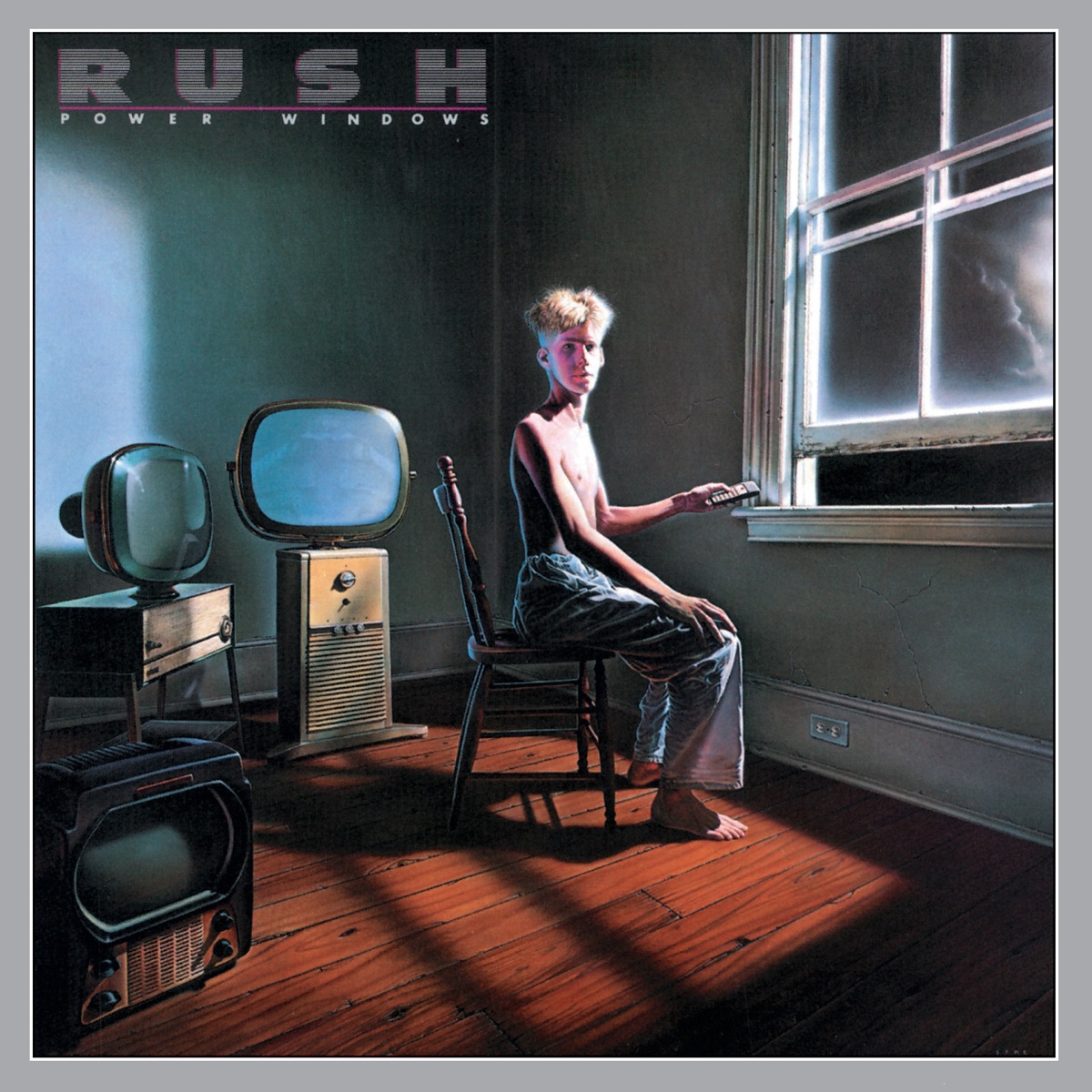
Rush / Power Windows.
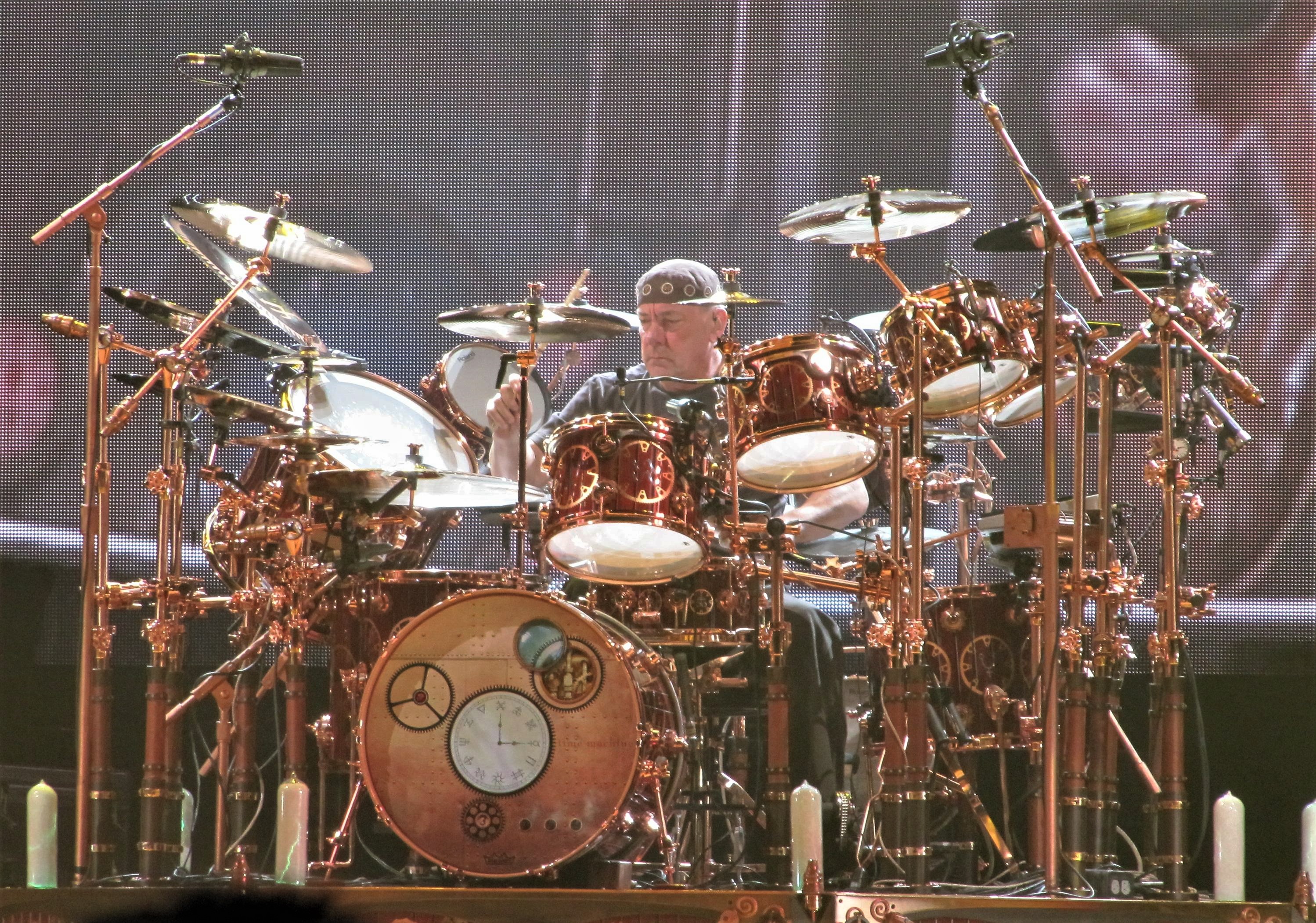
Neil Peart loaded EPROM chips of found sound into the SDS-7 for Power Windows; on “The Big Money”, even clinking 50-pence coins entered the drum world. The rack becomes a kit that can carry noises no ordinary kit could hold.
Read Mean Mean Stride: The Drums of Neil Peart ↗More records in the archive
The machine keeps turning up.
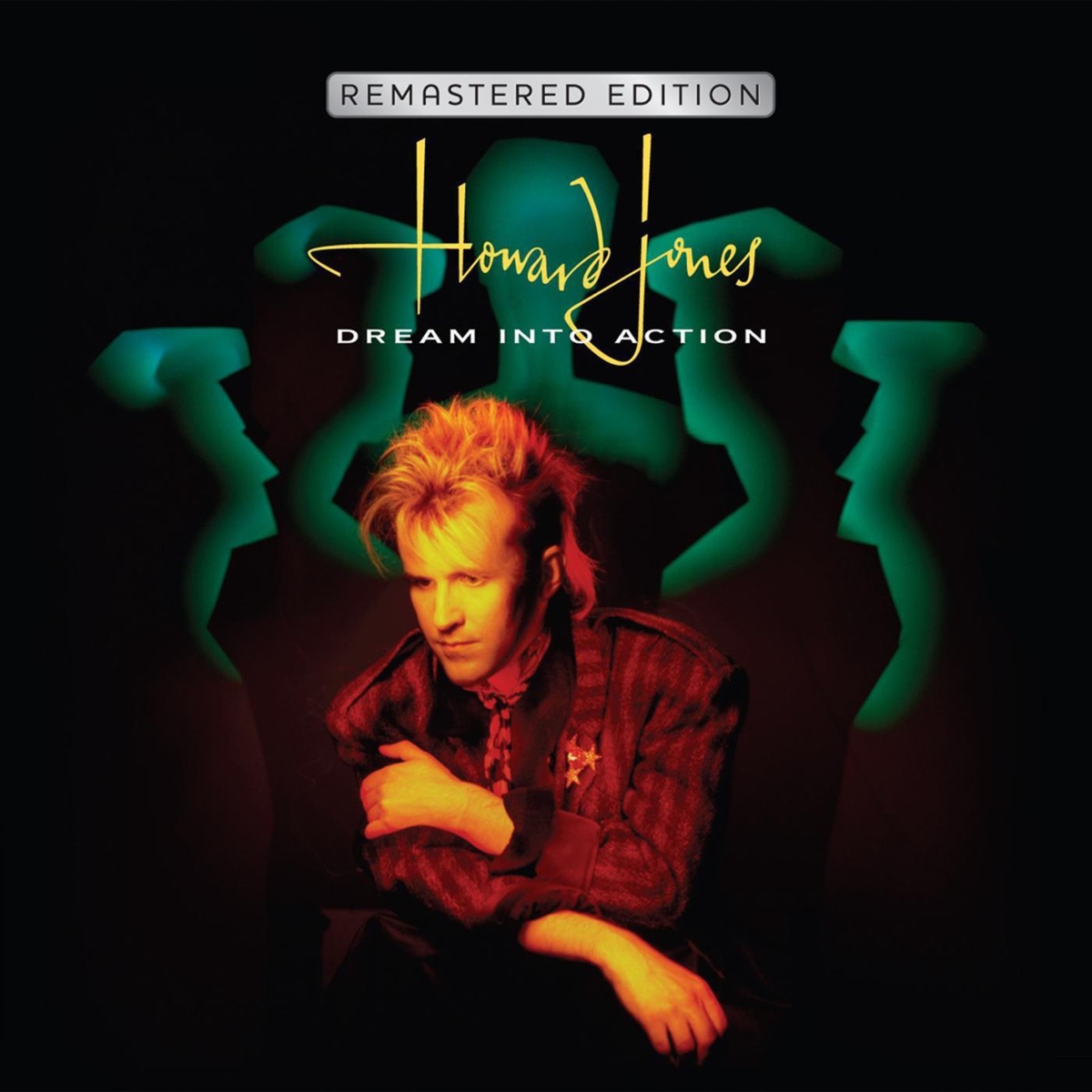
Howard Jones / Dream Into Action
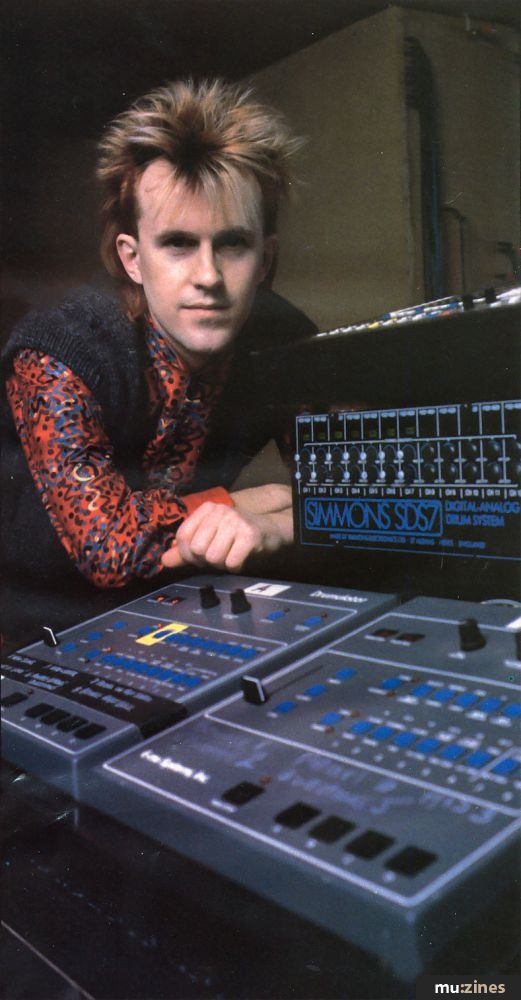
Howard Jones describes using an SDS7 driven by an SDS6 sequencer while building Dream Into Action, alongside two Drumulators.
Read Synthpiana Jones ↗Reported association
Roger Taylor / Queen / The Works Tour and The Cross performances
Roger Taylor used a Simmons SDS7 during the 1984–85 Works Tour, carrying the hex-pad sound from Queen’s stage world into his solo work and later performances with The Cross.
Read Simmons SDS 7 artist-use record ↗Neil Peart / Rush / Rush studio work around 1987
Peart describes Rush’s existing Simmons SDS5 and SDS7 systems when explaining the addition of SDS9 modules in the studio.
Read A Real Job by Neil Peart ↗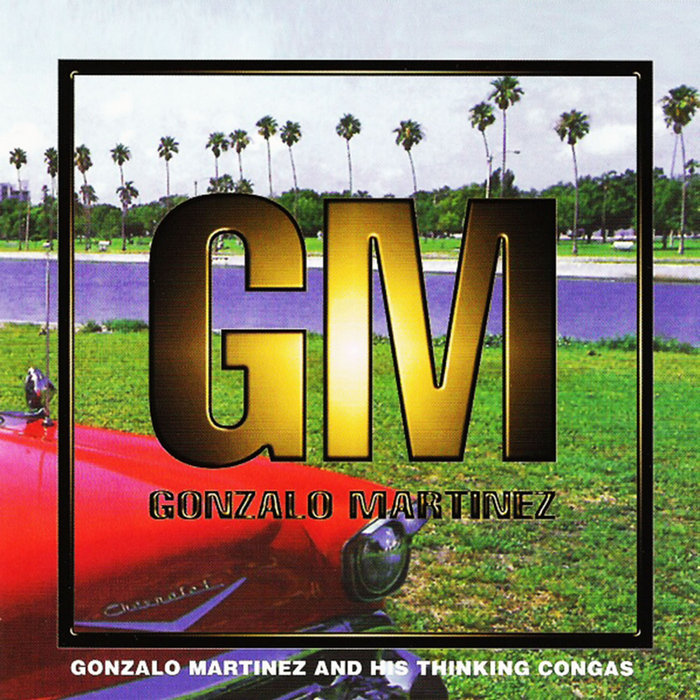
Gonzalo Martinez / gonzalo martinez y sus congas pensantes
Gonzalo Martinez lists a Simmons SDS7 among the equipment used for gonzalo martinez y sus congas pensantes.
Read gonzalo martinez y sus congas pensantes ↗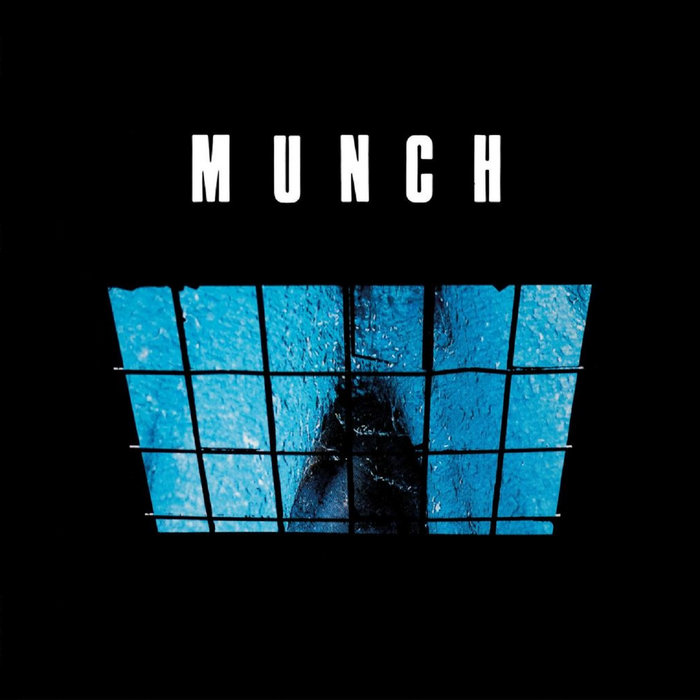
Munch / Tree
The reissue’s original studio-equipment inventory names a Simmons SDS7 used in Munch’s 1986–91 recordings.
Read Munch — Tree ↗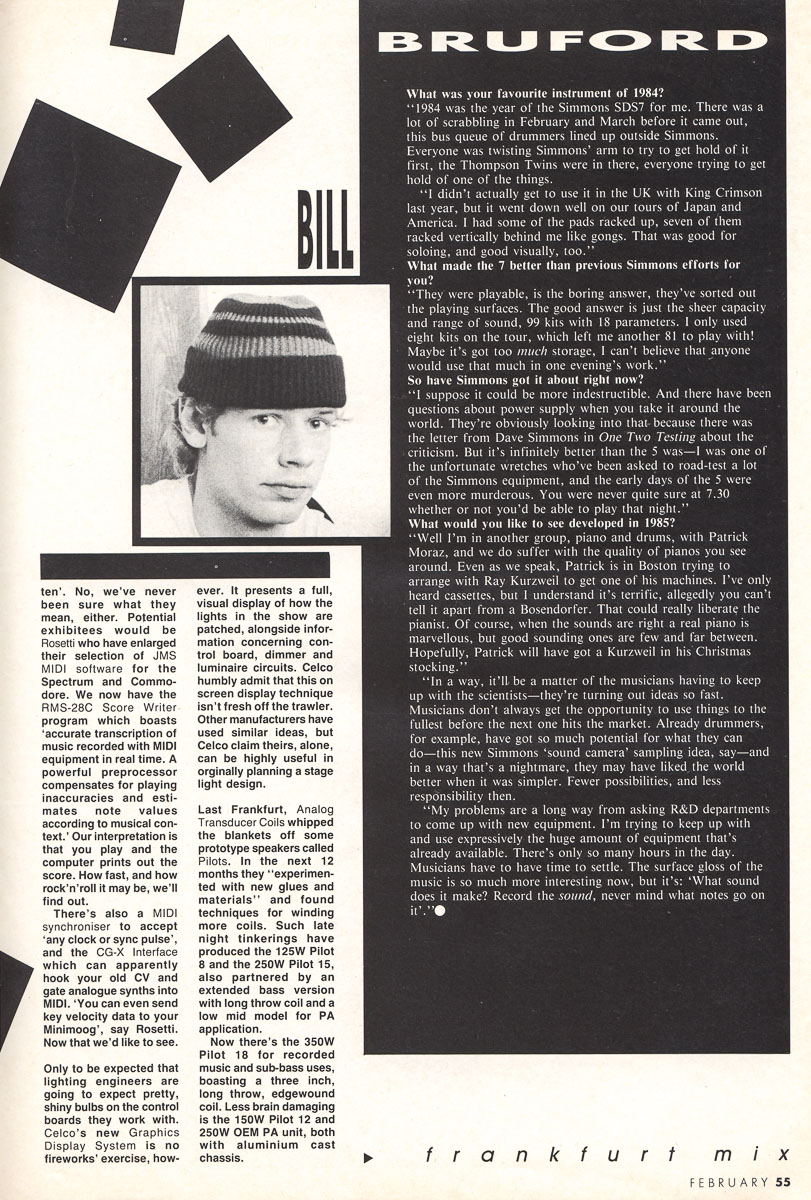
Bill Bruford / King Crimson / 1984–85 King Crimson touring setup
Bruford says he used vertically racked SDS7 pads on King Crimson tours of Japan and America, calling the new machine playable and using eight of its 99 kits.
Read Bill Bruford ↗Neil Peart / Rush / Power Windows; “The Big Money”
Peart says EPROM samples were loaded into an analog-digital hybrid Simmons SDS-7 module for Power Windows, including found sounds used on “The Big Money”.
Read Mean Mean Stride: The Drums of Neil Peart ↗A drum kit rebuilt around the player
The SDS7 did not ask a drummer to surrender to an automatic accompaniment box. It put the instrument back under the sticks: trigger pads at the front, a rack of analogue, digital and noise voices behind them, and the SDS6 available as its sequencing partner. Reviews of the new kit stressed the physical scale of the system as much as its circuitry. This was electronic percussion designed to be performed, not merely switched on.Sources (2)
Memory made the kit personal
A 16-segment selector and recallable kit memories gave the SDS7 a different kind of continuity. Settings could travel to cartridges, so the sound of a particular setup could survive the journey between rehearsal room, studio and stage. That mattered because the instrument was sold as a set of choices: pads, modules and voices could be assembled into an electronic kit with a player’s own habits already built in.Sources (2)
The price of a new drum future
Contemporary reviews placed SDS7 packages at roughly £1,850 to £1,875 before VAT. That price put it in professional territory: a serious capital purchase for a drummer, a touring act or a studio looking for an electronic centrepiece rather than a small effect. The rack, the pads and the memory were the visible argument for the expense.Sources (2)
A platform that kept changing
A May 1984 amendment to the operating instructions records a revision to output-pin wiring and describes twelve channel slots of module defaults. The EPROM Blower then opened a route to more memory. Read together, those documents make the SDS7 feel less like a sealed product than a developing platform: the makers were refining it while players were learning how far an electronic kit could be pushed.
From Frankfurt to the world
By September 1984, a New Zealand advertisement named Live Sound Ltd as distributor and listed dealers from Auckland to Invercargill. Its language—“digital/analog drums” and computer memory for hundreds of programmed sounds—turned the technical proposition into a sales pitch for an export-ready electronic kit. A later Simmons range advertisement kept the SDS7 visible alongside the SDS9, proof that the big rack remained central to the company’s image.Sources (2)
On record
- Neil Peart / Rush — Power Windows; “The Big Money”. Peart says EPROM samples were loaded into an analog-digital hybrid Simmons SDS-7 module for Power Windows, including found sounds used on “The Big Money”. Source ↗
- Howard Jones — Dream Into Action. Howard Jones describes using an SDS7 driven by an SDS6 sequencer while building Dream Into Action, alongside two Drumulators. Source ↗
- Roger Taylor / Queen — The Works Tour and The Cross performances. Roger Taylor used a Simmons SDS7 during the 1984–85 Works Tour, carrying the hex-pad sound from Queen’s stage world into his solo work and later performances with The Cross. Source ↗
- Gonzalo Martinez — gonzalo martinez y sus congas pensantes. Gonzalo Martinez lists a Simmons SDS7 among the equipment used for gonzalo martinez y sus congas pensantes. Source ↗
- Munch — Tree. The reissue’s original studio-equipment inventory names a Simmons SDS7 used in Munch’s 1986–91 recordings. Source ↗
In the studio and on stage
- Neil Peart / Rush — Rush studio work around 1987; individual recording not named. Peart describes Rush’s existing Simmons SDS5 and SDS7 systems when explaining the addition of SDS9 modules in the studio. Source ↗
Sources
- The New Simmons Kits
- Simmons SDS7
- Simmons SDS 7 Drum System Operating Instructions
- Simmons SDS7 distributor advertisement
- Simmons range advertisement
- Simmons Electronic Drums Virtual Museum — manuals index
- Simmons SDS EPB Operating Instructions
- Bill Bruford
- Synthpiana Jones
- Mean Mean Stride: The Drums of Neil Peart
The visual archive
Further visual evidence.
These displayed records are labelled by their documented role, date and source; source-only records are listed separately below.
Sources for images shown earlier (10)
- SDS7 rack and pad system in the April 1984 press ↗
- SDS7 control unit detail ↗
- Howard Jones with an SDS7 system ↗
- The new Simmons kits ↗
- Bill Bruford on the Simmons SDS7 ↗
- Gonzalo Martinez — gonzalo martinez y sus congas pensantes ↗
2021-01-13 · Gonzalo Martinez / release artwork via Bandcamp · Official Bandcamp release-page artwork (Open Graph image) - Munch — Tree ↗
2022-09-02 · Munch / release artwork via Bandcamp · Official Bandcamp release-page artwork (Open Graph image) - Howard Jones — Dream Into Action (2010 Remastered Edition) ↗
1985-03-11T08:00:00Z · Howard Jones / release artwork via Apple Music catalog artwork · Release catalogue and retained front artwork - Rush — Power Windows (Remastered) ↗
1985-10-29T08:00:00Z · Rush / release artwork via Apple Music catalog artwork · Release catalogue and retained front artwork - Neil Peart / Air Canada Centre ↗
17 July 2010 · Clalansingh · Neil Peart playing the Air Canada Centre, Toronto.