
Alesis introduced the SR-16 at the close of 1990 as a compact drum machine with a wide voice library, ready-made patterns and enough control to become a reliable writing partner.Sources (13)
The machine in the record
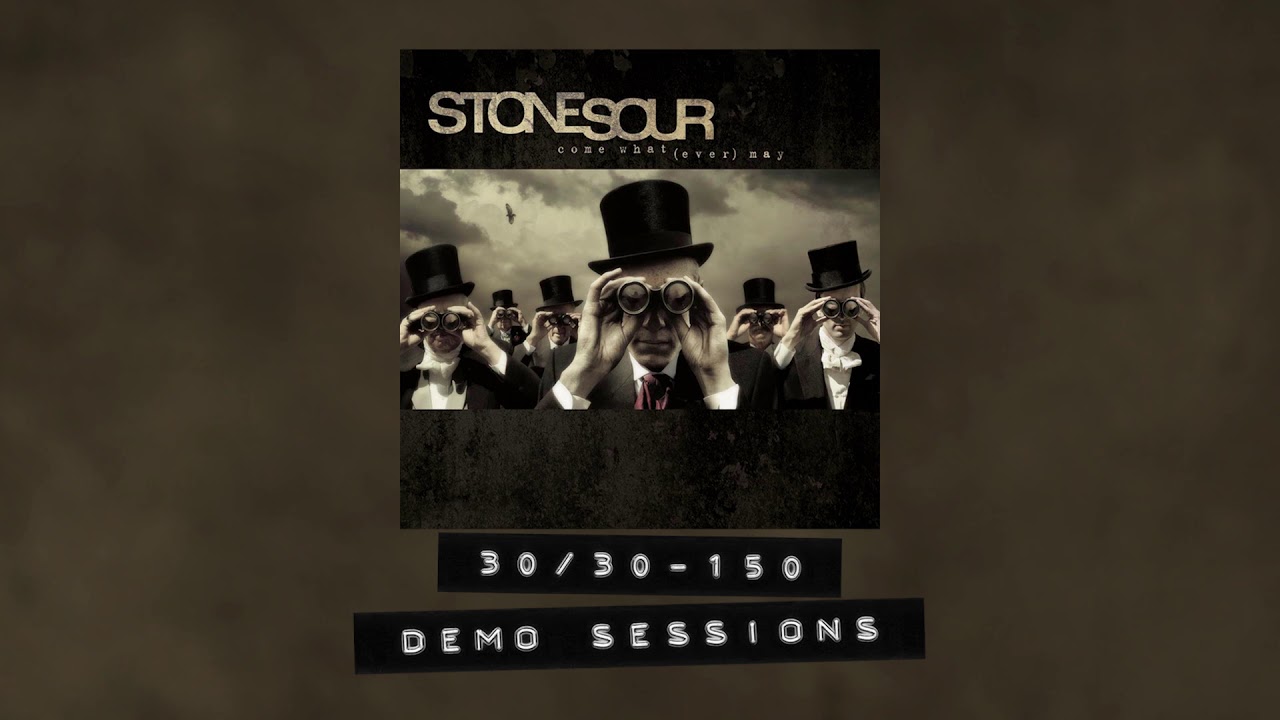
Stone Sour / “30/30-150” demo.
Stone Sour’s own channel identifies an Alesis SR-16 in the demo history of “30/30-150”. It is a properly bounded pre-release story: the compact drum machine belongs to the song’s working draft, without a claim that every finished-record drum sound came from it.
Read Stone Sour — 30/30-150 — Demo Sessions ↗More records in the archive
The machine keeps turning up.
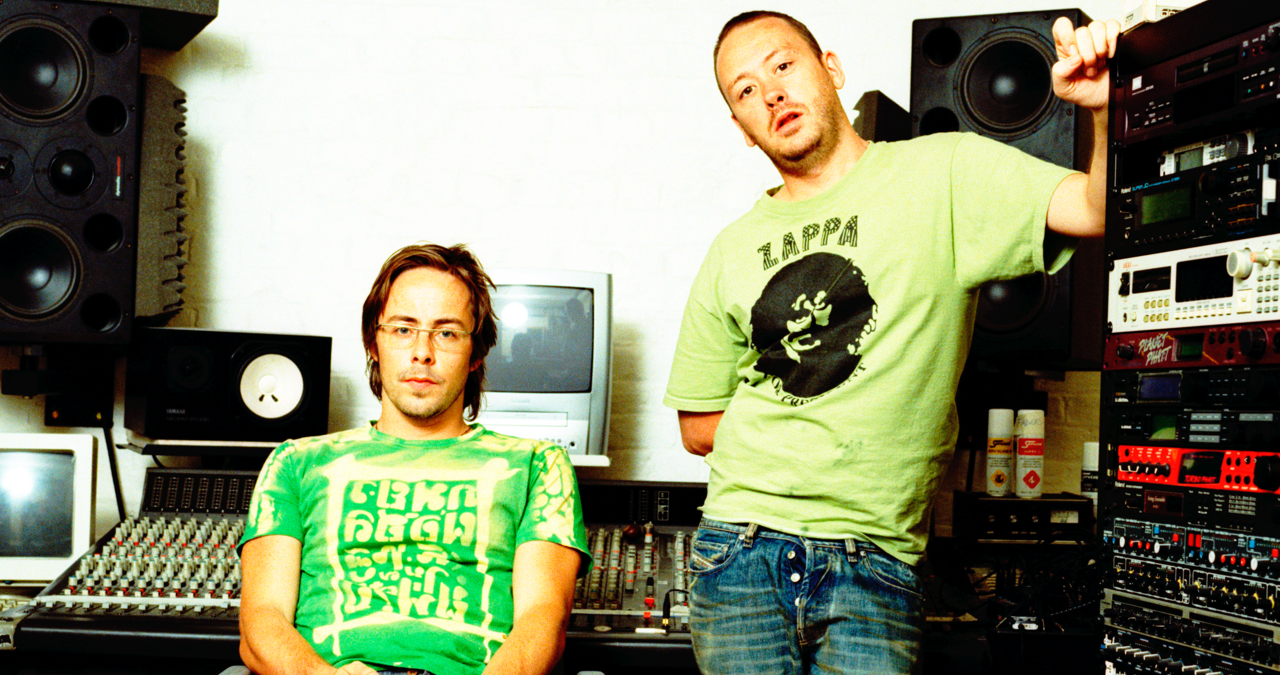
Simon Ratcliffe / Basement Jaxx / “Tic Tac Toe” and early Basement Jaxx tracks
Simon Ratcliffe says an Alesis SR-16 was used on early Basement Jaxx tracks. On the 1992 white-label “Tic Tac Toe”, he used it as a sixteenth-note guide while firing sampled breakbeats live from a short-delay pedal, a modest setup that became the group’s first record.
Read Basement Jaxx on early work, Atari and John Lennon’s widow ↗
Jennifer Touch / Midnight Proposals
Jennifer Touch lists an Alesis SR-16 among the drum machines used in the self-recorded, mixed and engineered Midnight Proposals set-up.
Read Jennifer Touch interview ↗
Erasers / Constant Connection
Participant identifies SR16 use on the album under discussion.
Read Erasers Embrace Constraints ↗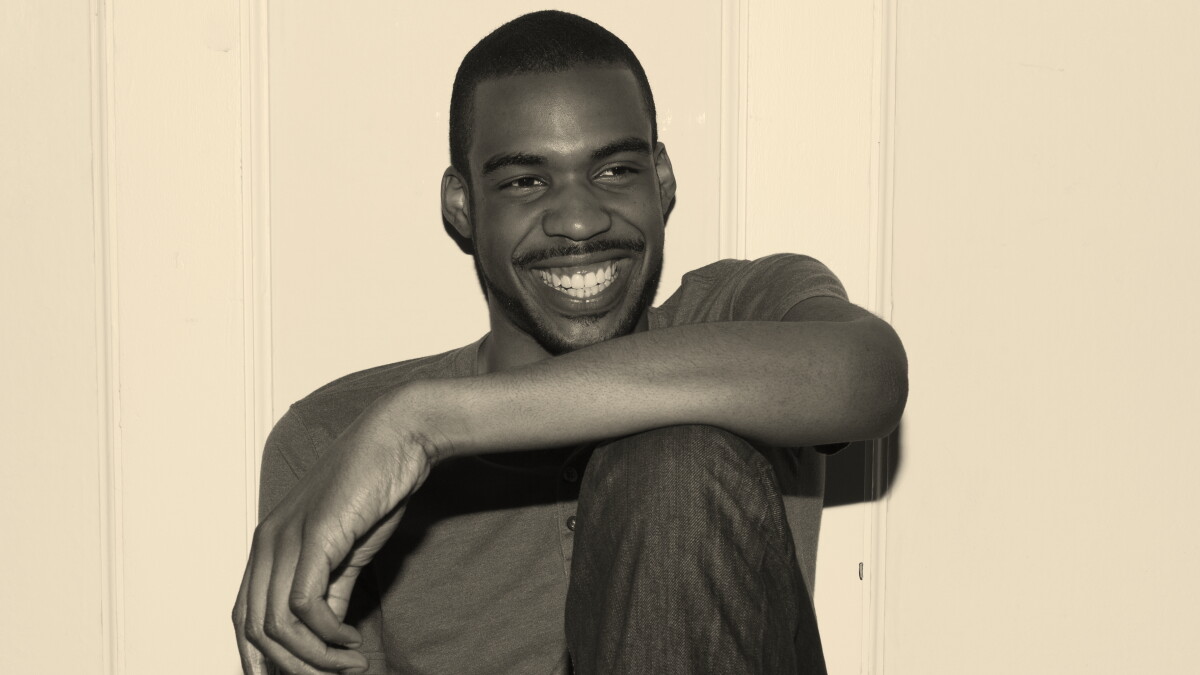
Kyle Hall / KMFH / Dr. Crunch
SR16 supplies some drums and sends MIDI notes to Nord Lead; mix recorded to cassette.
Read Prescription To Bang: Listen To Kyle Hall’s Dr. Crunch ↗Reported association
Squarepusher / Tom Jenkinson / Dimotane CO
Jenkinson is quoted describing an SR-16 percussion bar, SH-101 bass-drum sound and compressor as the basis of the main breakbeat, then sampling and MIDI-sequencing it with the SR-16.
Read Alesis SR-16 artist usage: Squarepusher ↗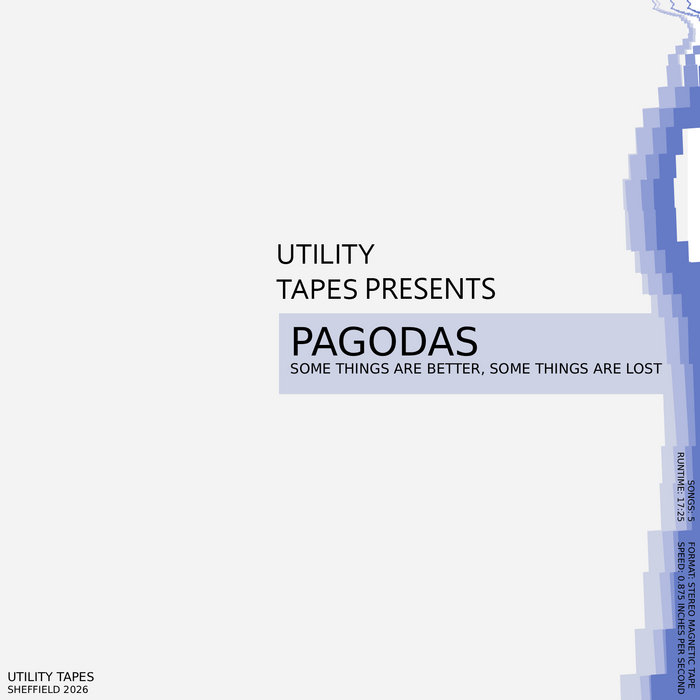
Pagodas / Some Things Are Better, Some Things Are Lost
Pagodas’ release note says the material was recorded with an Alesis SR-16 during a transitional three-piece period, then passed through a Fostex cassette four-track.
Read Pagodas / Some Things Are Better, Some Things Are Lost ↗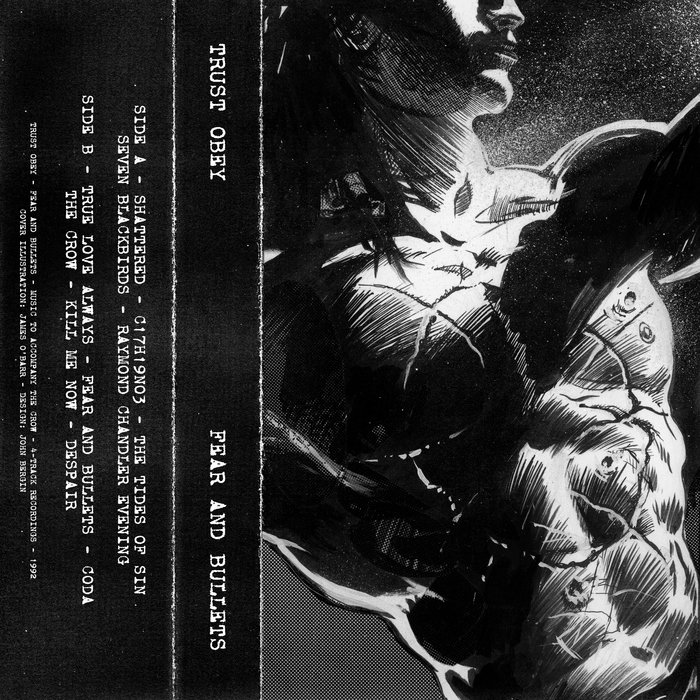
Trust Obey / Fear and Bullets
John Bergin recalls acquiring an Alesis SR-16 after a TR-505 while reworking Trust Obey’s cassette material into the Fear and Bullets studio sessions.
Read Trust Obey / Fear and Bullets ↗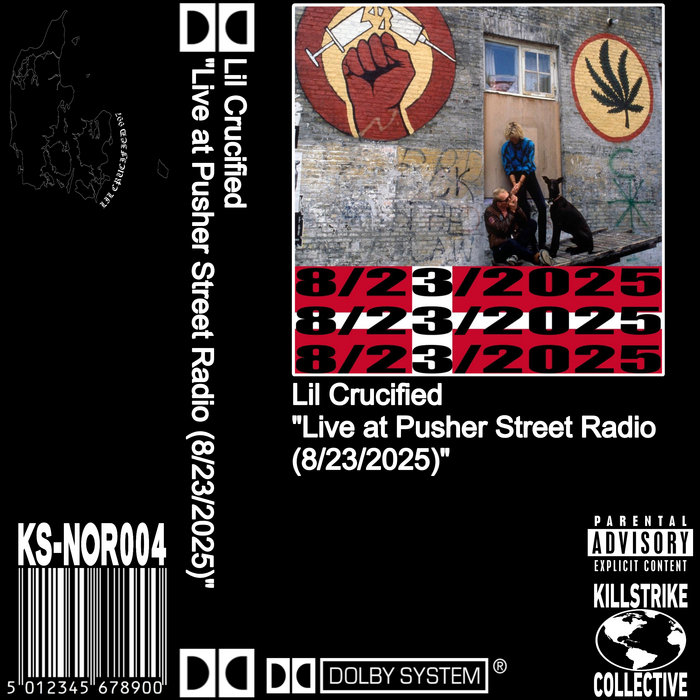
LIL CRUCIFIED / Intermission for THC
LIL CRUCIFIED’s live-tape tracklist identifies “Intermission for THC” as an SR-16 beat, part of a deliberately machine-by-machine record of the performance.
Read LIL CRUCIFIED — Live at Pusher Street Radio ↗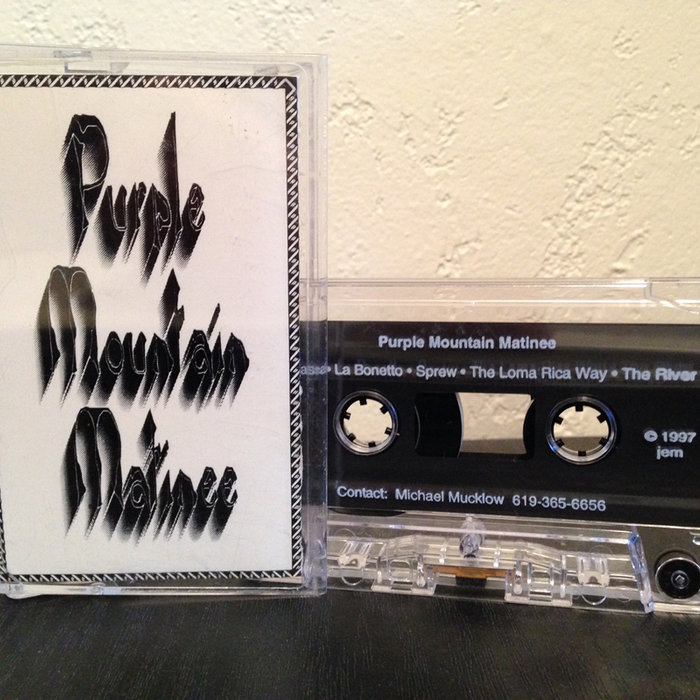
Purple Mountain Matinee / Michael Mucklow / Purple Mountain Matinee I
Purple Mountain Matinee credit Michael Mucklow with Alesis SR-16 drum programming on their 1996 first album, recorded and mixed on a Tascam 488 MkII.
Read Purple Mountain Matinee — Purple Mountain Matinee I ↗
Captain Unplugged / Wonderland
Captain Unplugged’s Wonderland account names an Alesis SR16 in the shared home-studio system used for the early recordings.
Read Captain Unplugged / Wonderland ↗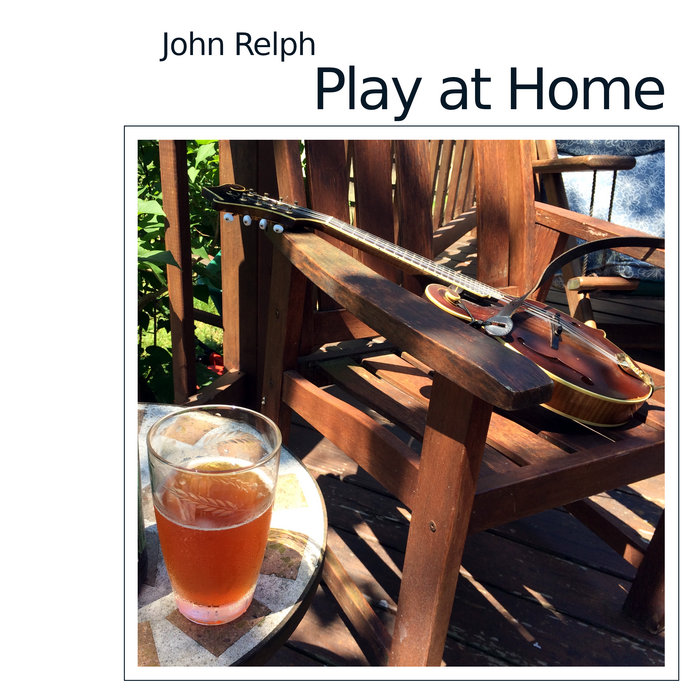
John Relph / Play at Home
John Relph’s Play at Home credits name an Alesis SR-16 drum machine.
Read John Relph / Play at Home ↗
Tidal Peak / Quarter Of The Century
Kyle Lacko is credited with Alesis SR-16 drum-machine programming on Tidal Peak’s Quarter Of The Century.
Read Tidal Peak — Quarter Of The Century ↗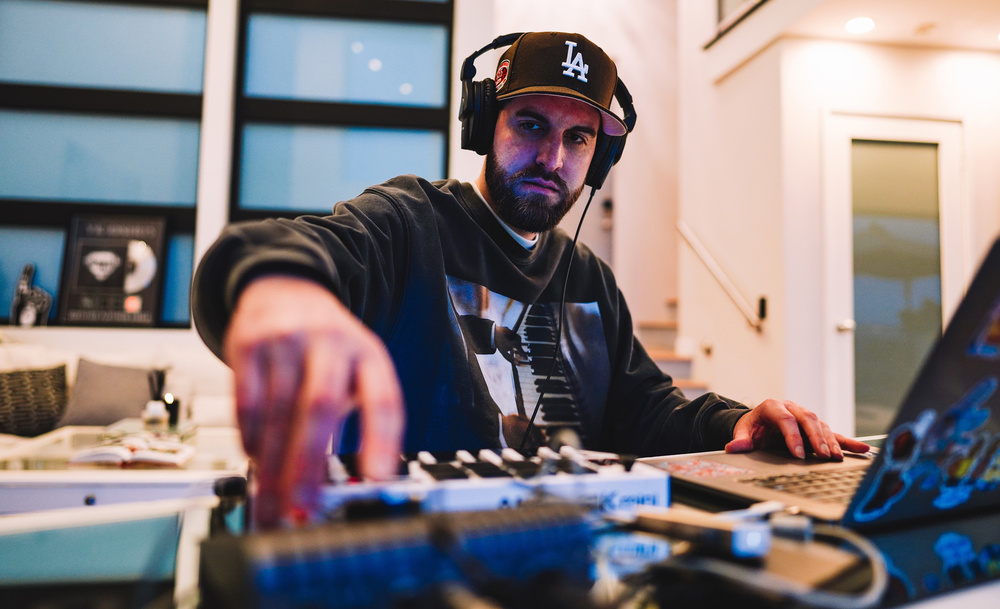
Sean Momberger / Formative beatmaking practice
Sean Momberger says he began making beats with an Alesis SR-16 drum machine.
Read Inside Track: Jack Harlow ‘Lovin On Me’ ↗A dependable rhythm partner
Contemporary reviews in December 1990 and February 1991 presented the SR-16 as an affordable machine designed for the working musician. The appeal was direct: usable sounds, pads, variations and a physical route from an idea to a backing track.
A machine that stayed on the desk
The SR-16’s unusually long working life is part of its story. Alesis still supports it in its company history, and musicians including Kyle Hall, Stone Sour’s Josh Rand and Erasers have named it in their own practice. The manual shows why it travelled so well between rehearsal room, stage and home studio: it is a small rhythm section that answers quickly.
Squarepusher’s reported breakbeat route
A reproduced account of Tom Jenkinson’s work on “Dimotane CO” places an SR-16 percussion pattern at the beginning of its construction, before sampling and MIDI sequencing took it elsewhere. The account is reported rather than a recovered original interview, but it gives a vivid route from a compact preset machine to a Squarepusher rhythm.
In the market
- 1991-02: GBP 299 — UK dealer advertised stock and demonstration unit. SR16; bundle/accessory terms not specified Source ↗
On record
- Stone Sour — 30/30-150 — demo. Participant identifies SR16 programmed drums on this demo. Source ↗
- Erasers — Constant Connection. Participant identifies SR16 use on the album under discussion. Source ↗
- Kyle Hall / KMFH — Dr. Crunch. SR16 supplies some drums and sends MIDI notes to Nord Lead; mix recorded to cassette. Source ↗
- Squarepusher / Tom Jenkinson — Dimotane CO. Jenkinson is quoted describing an SR-16 percussion bar, SH-101 bass-drum sound and compressor as the basis of the main breakbeat, then sampling and MIDI-sequencing it with the SR-16. Source ↗
- Simon Ratcliffe / Basement Jaxx — “Tic Tac Toe” and early Basement Jaxx tracks. Simon Ratcliffe says an Alesis SR-16 was used on early Basement Jaxx tracks. On the 1992 white-label “Tic Tac Toe”, he used it as a sixteenth-note guide while firing sampled breakbeats live from a short-delay pedal, a modest setup that became the group’s first record. Source ↗
- Pagodas — Some Things Are Better, Some Things Are Lost. Pagodas’ release note says the material was recorded with an Alesis SR-16 during a transitional three-piece period, then passed through a Fostex cassette four-track. Source ↗
- Trust Obey — Fear and Bullets. John Bergin recalls acquiring an Alesis SR-16 after a TR-505 while reworking Trust Obey’s cassette material into the Fear and Bullets studio sessions. Source ↗
- LIL CRUCIFIED — Intermission for THC. LIL CRUCIFIED’s live-tape tracklist identifies “Intermission for THC” as an SR-16 beat, part of a deliberately machine-by-machine record of the performance. Source ↗
- Purple Mountain Matinee / Michael Mucklow — Purple Mountain Matinee I. Purple Mountain Matinee credit Michael Mucklow with Alesis SR-16 drum programming on their 1996 first album, recorded and mixed on a Tascam 488 MkII. Source ↗
- Captain Unplugged — Wonderland. Captain Unplugged’s Wonderland account names an Alesis SR16 in the shared home-studio system used for the early recordings. Source ↗
- John Relph — Play at Home. John Relph’s Play at Home credits name an Alesis SR-16 drum machine. Source ↗
- Tidal Peak — Quarter Of The Century. Kyle Lacko is credited with Alesis SR-16 drum-machine programming on Tidal Peak’s Quarter Of The Century. Source ↗
Sources
- Alesis SR16
- Alesis SR16
- Alesis: ADAT & The Future Of Technology
- SR-16 Reference Manual, Rev C filename
- About Alesis: company timeline
- DataDisk Service Manual V1.00, software history p.19
- Stone Sour releases demo version of 30/30-150
- Erasers Embrace Constraints
- Prescription To Bang: Listen To Kyle Hall’s Dr. Crunch
- Stone Sour — 30/30-150 — Demo Sessions
- Constant Connection
- ABC Music retail advertisement: Alesis SR16
- Alesis SR-16 artist usage: Squarepusher
The visual archive
Further visual evidence.
Sources for images shown earlier (14)
- Alesis SR-16 advertisement ↗
- Basement Jaxx — MusicRadar retrospective image ↗
- Stone Sour — “30/30-150 — Demo Sessions” ↗
- Kyle Hall — NPR Music feature ↗
- Sean Momberger at work for Sound On Sound ↗
- Pagodas — Some Things Are Better, Some Things Are Lost ↗
Release date not stated on source page · Pagodas / release artwork via Bandcamp · Official Bandcamp release-page artwork (Open Graph image) - Trust Obey — Fear and Bullets ↗
Release date not stated on source page · Trust Obey / release artwork via Bandcamp · Official Bandcamp release-page artwork (Open Graph image) - LIL CRUCIFIED — Intermission for THC ↗
Release date not stated on source page · LIL CRUCIFIED / release artwork via Bandcamp · Official Bandcamp release-page artwork (Open Graph image) - Purple Mountain Matinee / Michael Mucklow — Purple Mountain Matinee I ↗
1996-09-03 · Purple Mountain Matinee / Michael Mucklow / release artwork via Bandcamp · Official Bandcamp release-page artwork (Open Graph image) - Captain Unplugged — Wonderland ↗
2021-01-01 · Captain Unplugged / release artwork via Bandcamp · Official Bandcamp release-page artwork (Open Graph image) - John Relph — Play at Home ↗
2023-04-23 · John Relph / release artwork via Bandcamp · Official Bandcamp release-page artwork (Open Graph image) - Tidal Peak — Quarter Of The Century ↗
2015-07-23 · Tidal Peak / release artwork via Bandcamp · Official Bandcamp release-page artwork (Open Graph image) - Erasers — Constant Connection ↗
2022-04-22 · Erasers / release artwork via Bandcamp · Official Bandcamp release-page artwork (Open Graph image) - Jennifer Touch — Midnight Proposals ↗
2023-02-17 · Jennifer Touch / FatCat Recordings release artwork via official Bandcamp · Official artist Bandcamp album page and retained front artwork
Additional visual sources (3)
Original publications and related image sources.
- Keith Barr of Alesis: designer interview ↗
May1996 · Paul White / Sound On Sound · Printed52/PDF53 - SR-16 Reference Manual ↗
Undated Rev C · Alesis · Cover/PDF0; sections4.4–4.6 printed31–32/PDF34–35 - SR16 review opening photograph ↗
February1991 · James Cumpsty / Music Technology · Printed58/PDF59; photography credit on right edge