
Shown at Chicago NAMM in 1987, the HR-16 gave Alesis a convincing sampled-drum machine at a price that changed the expectations of home and project studios.
The machine in the record
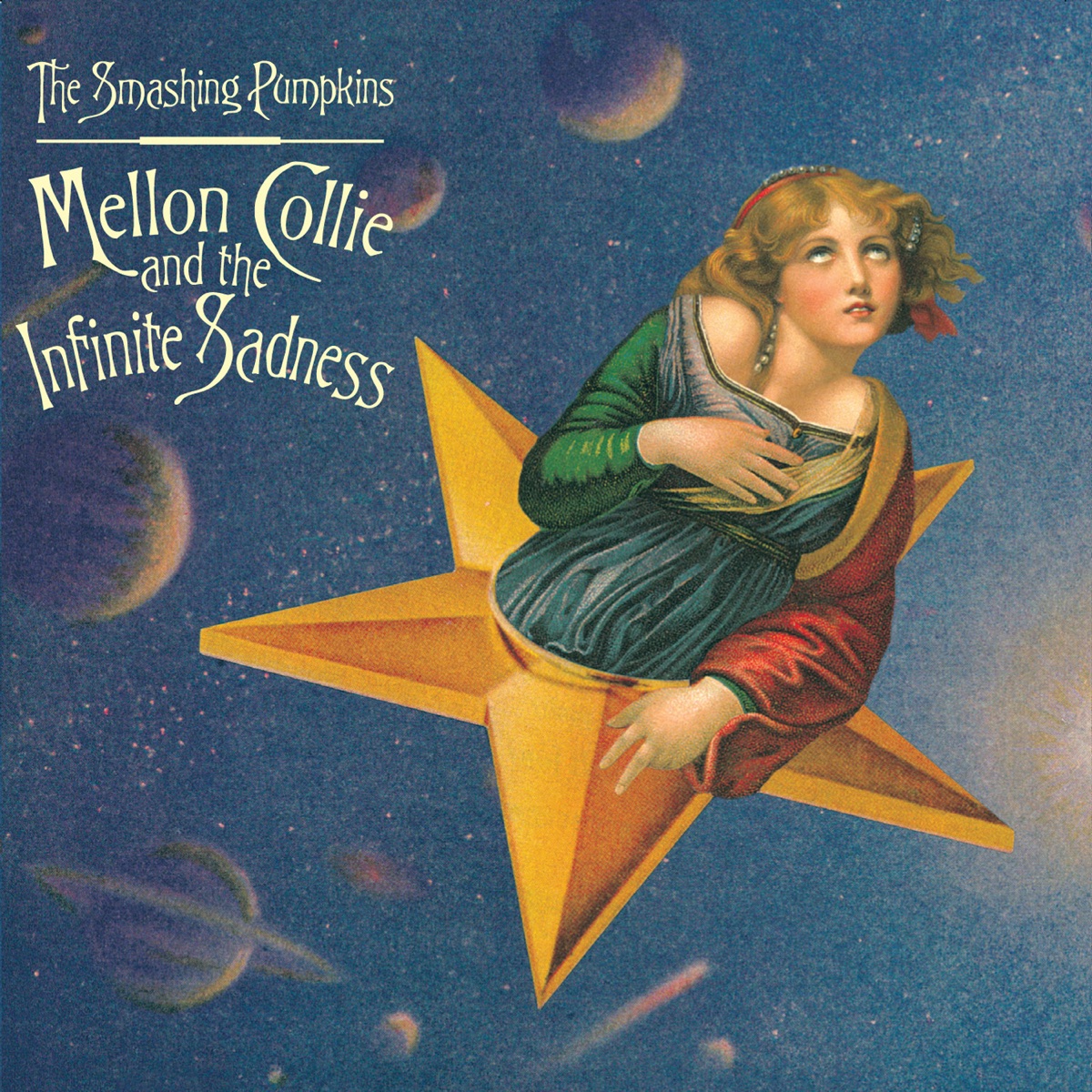
The Smashing Pumpkins / “1979”.
The HR-16 made the beat for “1979”, then returned during the Adore sessions for further rhythm and sequence work. Its modest boxy presence helps explain the track’s peculiar calm: a programmed pulse holding a band in suspension.
Read Smashing Pumpkins' recording history ↗More records in the archive
The machine keeps turning up.
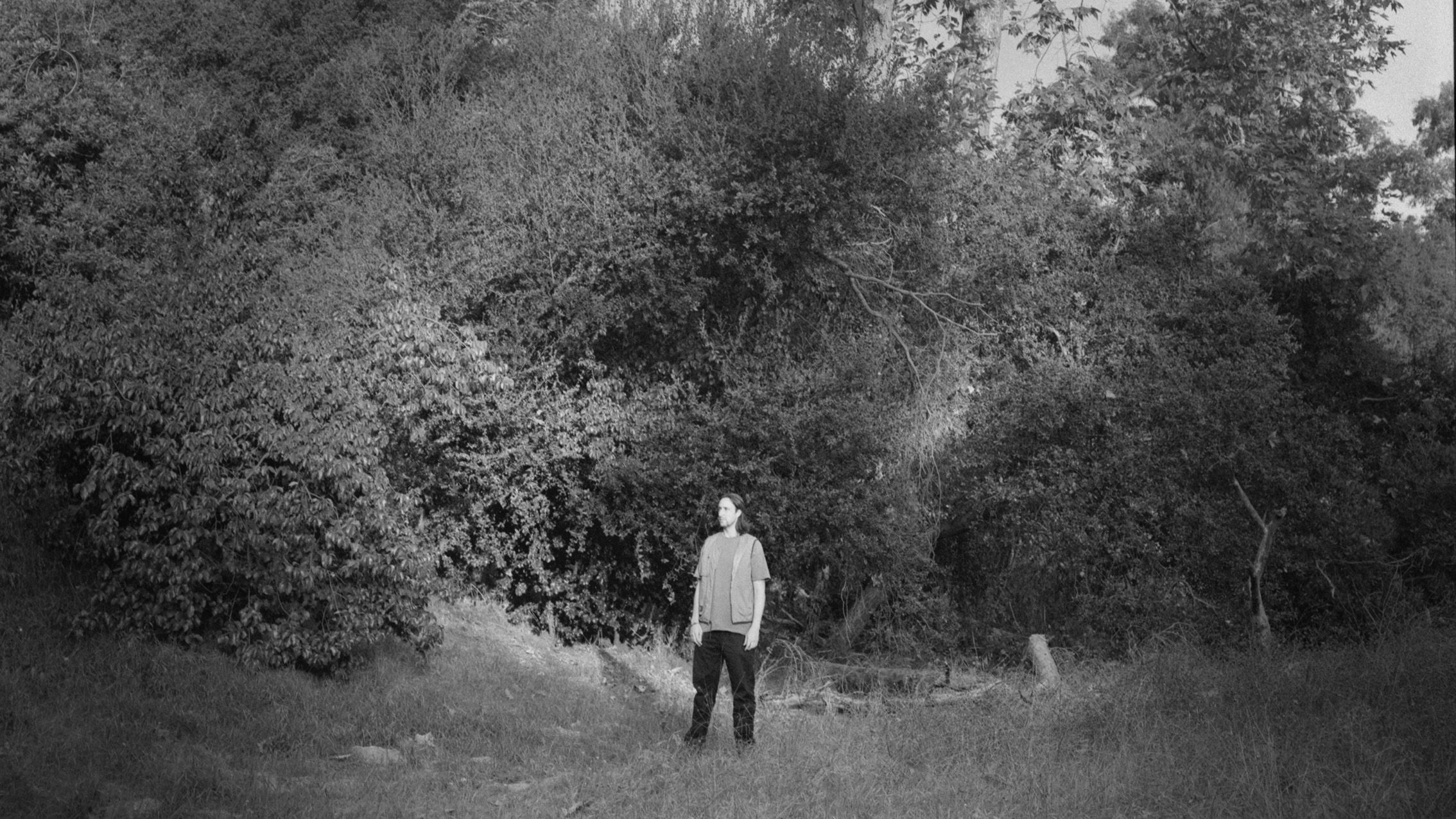
How To Dress Well / Tom Krell / “A Secret within the Voice”
Krell says the drum loop on “A Secret within the Voice” came from an early Alesis HR-16 that he borrowed for a week in 2018.
Read MusicRadar — “How To Dress Well interview” ↗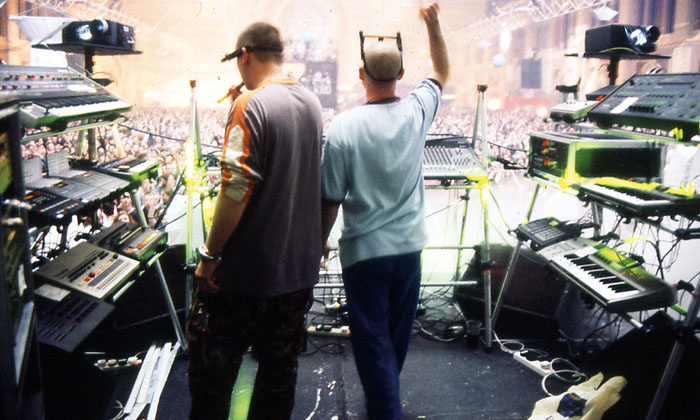
Paul Hartnoll / Orbital / “Chime”
Paul Hartnoll recalls adding Phil Hartnoll’s Alesis HR16 to the 909-led setup for “Chime” while working with an eight-track sequencer and a cassette four-track.
Read Classic Tracks: Orbital’s “Chime” ↗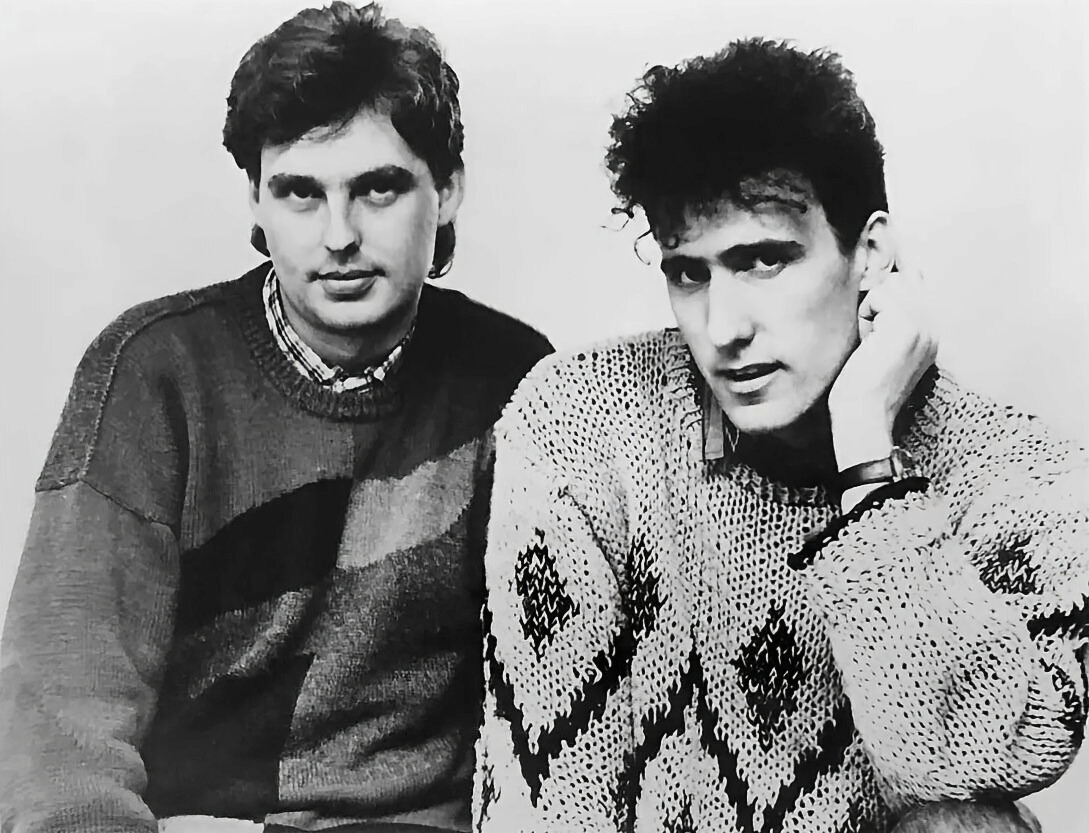
OMD / Sugar Tax
Both drum machines used on album.
Read Power in the Darkness ↗Reported association
Moby / Play
The retrospective reports Alesis HR-16 beats among the rhythm tracks on Play.
Read How Moby carefully crafted Play and rescued his career ↗
Andrew Liles / 1990s working setup
Andrew Liles places the Alesis HR-16 in his 1990s working equipment timeline.
Read Andrew Liles — Fifteen Questions interview, equipment timeline (artist-hosted republication) ↗
Sweet Trip / Roberto Burgos / Halica-era demo and live setup
Burgos says heavily processed Alesis HR-16 and BOSS DR-660 machines became Sweet Trip’s “drummers” when the Halica demos prompted the group to rethink how it would play the material live.
Read Sweet Trip / Halica ↗Reported association
Godflesh / Streetcleaner and preceding mini-album
Participant connects the original, unnamed drum machine to both records.
Read Godflesh interview reprinted from Deathcheese #1 ↗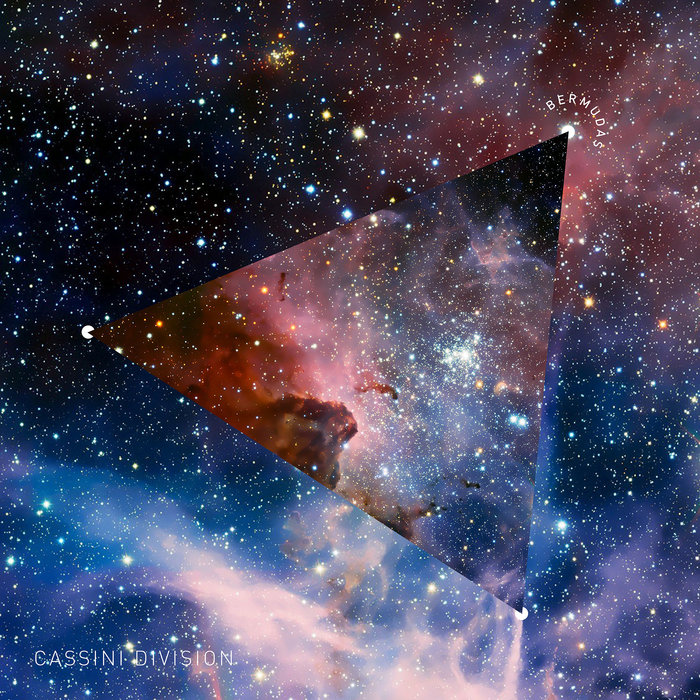
Cassini Division / Bermudas
Cassini Division call the Alesis HR-16 central to the home-studio construction of their Buenos Aires concept album Bermudas.
Read Cassini Division / Bermudas ↗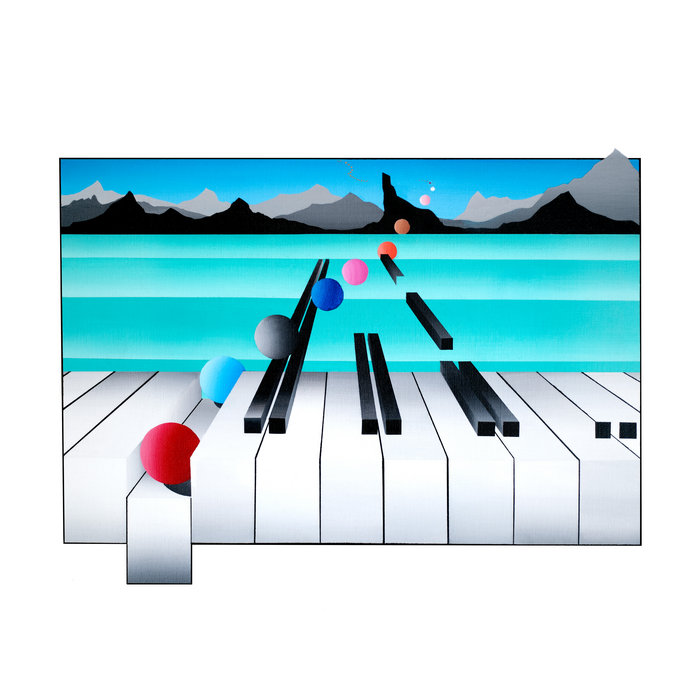
Various artists / Paradise Is a Frequency / The Style of Life
The Style of Life lists Alesis HR-16 among its compilation-wide instruments.
Read The Style of Life — various-artists compilation ↗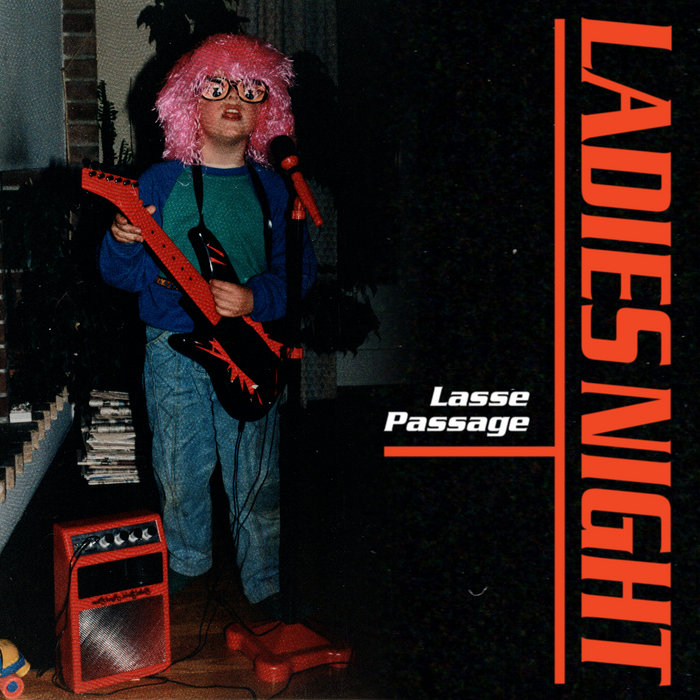
Lasse Passage / Ladies Night EP
Lasse Passage says the Ladies Night songs were written on older equipment including a Casio SK-5, Roland MC-303 and Alesis HR-16.
Read Lasse Passage / Ladies Night EP ↗Direct Hit Productionz / beat-making source library
Direct Hit Productionz lists Alesis HR-16 sounds among the drum-machine sources used for its beat-making work.
Read Direct Hit Productionz drum-machine source library ↗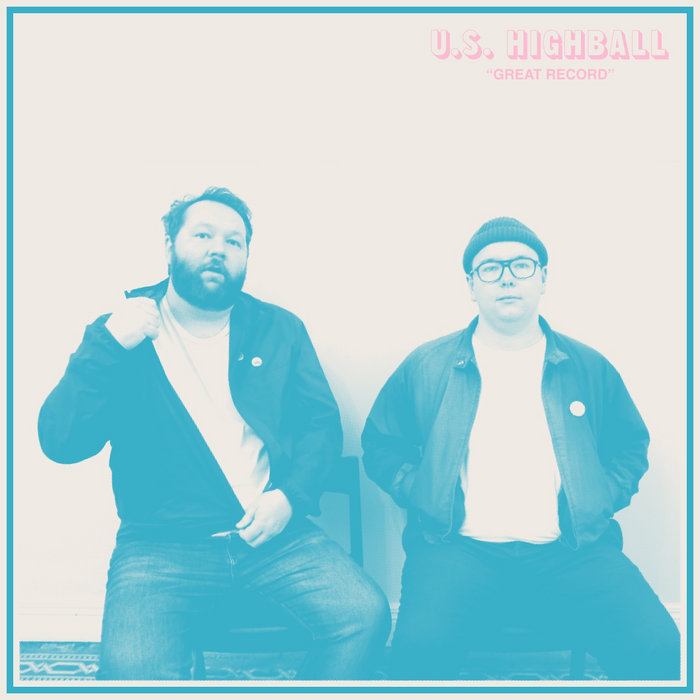
U.S. Highball / Great Record
U.S. Highball say they chose an Alesis HR-16 instead of a live drummer while recording Great Record through a single SM58 microphone.
Read U.S. Highball / Great Record ↗
Math the Band / Stupid and Weird
Math the Band’s album credits list an Alesis HR-16 among the machines used for Stupid and Weird.
Read Math the Band — Stupid and Weird ↗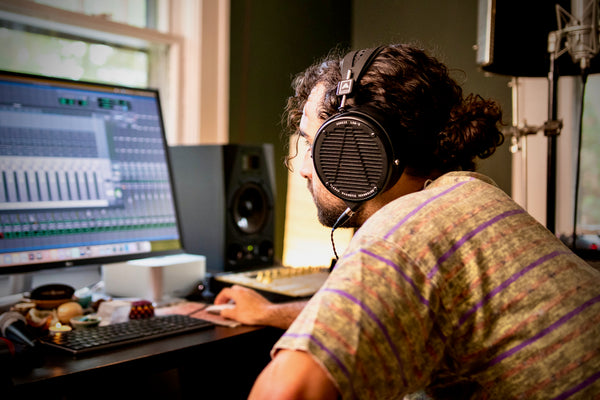
Jacob Klein / “all the stars”
Jacob Klein says a modified Alesis HR-16 loaded with 808 and 909 samples appears on “all the stars”.
Read Audeze / Jacob Klein interview ↗
The Scent / Bald Spot Dawning
The Scent credits an Alesis HR-16 on almost all tracks of Bald Spot Dawning.
Read The Scent — Bald Spot Dawning ↗
Cathode Ghosts / Push-Button Instant Information
Cathode Ghosts list the Alesis HR-16 in the production equipment for Push-Button Instant Information.
Read Cathode Ghosts / Push-Button Instant Information ↗
CLIP ART / CLIP ART EP
CLIP ART list an Alesis HR-16 among the instruments used for their debut EP.
Read CLIP ART — CLIP ART EP ↗Diamond D / Early-1990s production through 1996
Diamond D says he used an Alesis HR-16 as his sequencer through much of his early-1990s work, while not using its sounds.
Read Diamond D Reflects on 50 Years of Hip-Hop ↗Billy Corgan / Smashing Pumpkins / “1979”
The Smashing Pumpkins’ recording history identifies the Alesis HR-16 as the machine that created the beat for “1979”; the same unit returned for additional rhythmic material and sequences during the later Adore sessions.
Read Smashing Pumpkins' recording history ↗Alesis enters the rhythm room
The HR-16 appeared beside the MMT8 sequencer as Alesis moved beyond effects processors. Contemporary writers heard close-miked drums in a machine priced for players who could not stretch to a dedicated sampler. Its four audio jacks, pad assignments and pattern memory made the instrument useful in a real mix.
Programming with a character of its own
Step entry could reach 96 subdivisions per beat, while tuning, levels and output routing were stored with patterns. Reviews disagreed about individual sounds, particularly the kick, toms and metallic percussion; that disagreement is part of the HR-16’s story, a reminder that sampled realism was still a musical choice.Sources (2)
A machine heard beyond its panel
Ross Garfield recalled participating in the sampling sessions for the HR-16 and later HR-16B. Paul Humphreys and Andy McCluskey named the HR-16 in their Sugar Tax working methods, using EQ to brighten particular percussion. The model’s service history also traces the early production firmware and later revisions.
A reported Moby connection
MusicRadar’s retrospective on Moby’s Play reports Alesis HR-16 beats among the album’s rhythm tracks. The account does not name individual songs or distinguish original hardware from a sampled source, but it places the machine within the broad, pieced-together rhythm language of the record.Source (1)
Cheap box, hard records
The HR-16 survives in very different records. Godflesh connect their early rhythm-machine method to Streetcleaner; OMD place it among the drum machines on Sugar Tax; and a retrospective on Moby’s Play reports HR-16 beats among its rhythm tracks. The details differ, but the appeal is consistent: get a beat moving and make the record answer it.
Two machines in OMD’s *Sugar Tax*
Andy McCluskey names the HR-16 alongside Yamaha’s RX5 in the rhythm setup for OMD’s *Sugar Tax*. There is no need to assign every hit to one machine: the record belongs to a period when the rhythm part was built from a working system, not a single talismanic box.Source (1)
In the market
- 1987-09: GBP 449 — British preview price. HR-16 Source ↗
- 1988-01: GBP 449 — British review price. HR-16 Source ↗
On record
- Godflesh — Streetcleaner and preceding mini-album. Participant connects the original, unnamed drum machine to both records. Source ↗
- OMD — Sugar Tax. Both drum machines used on album. Source ↗
- Moby — Play. The retrospective reports Alesis HR-16 beats among the rhythm tracks on Play. Source ↗
- Billy Corgan / Smashing Pumpkins — “1979”. The Smashing Pumpkins’ recording history identifies the Alesis HR-16 as the machine that created the beat for “1979”; the same unit returned for additional rhythmic material and sequences during the later Adore sessions. Source ↗
- Direct Hit Productionz — beat-making source library. Direct Hit Productionz lists Alesis HR-16 sounds among the drum-machine sources used for its beat-making work. Source ↗
- U.S. Highball — Great Record. U.S. Highball say they chose an Alesis HR-16 instead of a live drummer while recording Great Record through a single SM58 microphone. Source ↗
- Cassini Division — Bermudas. Cassini Division call the Alesis HR-16 central to the home-studio construction of their Buenos Aires concept album Bermudas. Source ↗
- Vincent — The Style of Life. The Vincent archive retains the HR-16 in the home-studio instrument list behind The Style of Life, placing a familiar workhorse inside a long-running private recording practice. Source ↗
- Lasse Passage — Ladies Night EP. Lasse Passage says the Ladies Night songs were written on older equipment including a Casio SK-5, Roland MC-303 and Alesis HR-16. Source ↗
- Math the Band — Stupid and Weird. Math the Band’s album credits list an Alesis HR-16 among the machines used for Stupid and Weird. Source ↗
- Jacob Klein — “all the stars”. Jacob Klein says a modified Alesis HR-16 loaded with 808 and 909 samples appears on “all the stars”. Source ↗
- The Scent — Bald Spot Dawning. The Scent credits an Alesis HR-16 on almost all tracks of Bald Spot Dawning. Source ↗
- Cathode Ghosts — Push-Button Instant Information. Cathode Ghosts list the Alesis HR-16 in the production equipment for Push-Button Instant Information. Source ↗
- CLIP ART — CLIP ART EP. CLIP ART list an Alesis HR-16 among the instruments used for their debut EP. Source ↗
In the studio and on stage
- Andrew Liles — 1990s working setup. Andrew Liles places the Alesis HR-16 in his 1990s working equipment timeline. Source ↗
Sources
- Alesis HR16 Drum Machine & MMT8 MIDI Recorder
- Alesis HR-16 Drum Machine
- Alesis HR16 Drum Machine
- Godflesh interview reprinted from Deathcheese #1
- HR-16/HR-16B Service Manual V1.00
- Power in the Darkness
- Andrew Liles — Fifteen Questions interview, equipment timeline (artist-hosted republication)
- A Visit to the Drum Doctor, Shop Talk, starts p120; Modern Drummer vol18 no11
- Modern Drummer archive: November 1994, Volume 18 Number 11
- How Moby carefully crafted Play and rescued his career
- MusicRadar — “How To Dress Well interview”
- Audeze / Jacob Klein interview
The visual archive
Further visual evidence.
Sources for images shown earlier (18)
- HR-16 January 1988 review images ↗
- Orbital live at Alexandra Palace, 1995 ↗
- Jacob Klein / Audeze artist interview ↗
- Andrew Liles — MISCELLANY: LUSSUOSO (ELECTRONICS: 1990 TO 2015) ↗
- Cassini Division — Bermudas ↗
Release date not stated on source page · Cassini Division / release artwork via Bandcamp · Official Bandcamp release-page artwork (Open Graph image) - Sweet Trip / Roberto Burgos — Halica ↗
Release date not stated on source page · Sweet Trip / Roberto Burgos / release artwork via Bandcamp · Official Bandcamp release-page artwork (Open Graph image) - U.S. Highball — Great Record ↗
Release date not stated on source page · U.S. Highball / release artwork via Bandcamp · Official Bandcamp release-page artwork (Open Graph image) - Various artists — The Style of Life ↗
2024-12-06 · Cover painting by Stan Solomon · Official Bandcamp release-page artwork (Open Graph image) - Lasse Passage — Ladies Night EP ↗
Release date not stated on source page · Lasse Passage / release artwork via Bandcamp · Official Bandcamp release-page artwork (Open Graph image) - Math the Band — Stupid and Weird ↗
Release date not stated on source page · Math the Band / release artwork via Bandcamp · Official Bandcamp release-page artwork (Open Graph image) - The Scent — Bald Spot Dawning ↗
2017-02-27 · The Scent / release artwork via Bandcamp · Official Bandcamp release-page artwork (Open Graph image) - Cathode Ghosts — Push-Button Instant Information ↗
2024-10-04 · Cathode Ghosts / release artwork via Bandcamp · Official Bandcamp release-page artwork (Open Graph image) - CLIP ART — CLIP ART EP ↗
2014-04-01 · CLIP ART / release artwork via Bandcamp · Official Bandcamp release-page artwork (Open Graph image) - Godflesh — Streetcleaner and preceding mini-album ↗
1994-06-20 · Godflesh / release artwork via Cover Art Archive · MusicBrainz release record and Cover Art Archive front artwork - Moby — Play: The Complete Recordings ↗
1999-05-17T07:00:00Z · Moby / release artwork via Apple Music catalog artwork · Release catalogue and retained front artwork - The Smashing Pumpkins — 1979 (Remastered 2012) ↗
1995-10-24T07:00:00Z · The Smashing Pumpkins / release artwork via Apple Music catalog artwork · Release catalogue and retained front artwork - Orchestral Manoeuvres in the Dark / A&M Records press photograph ↗
1985 · Distributed by A&M Records · OMD press photograph, pictured: Paul Humphreys (left) and Andy McCluskey. - Tom Krell / How To Dress Well — MusicRadar, May 2024 ↗
14 May 2024 · MusicRadar / Danny Turner · Lead photograph for MusicRadar’s How To Dress Well interview.
Additional visual sources (7)
Original publications and related image sources.
- Godflesh early band interview reprint ↗
Interview 1991-03-28 · Disposable Underground · PDF p. 3 - HR-16/HR-16B Service Manual V1.00 ↗
1995 title / 2006 introductory footers · Alesis · 40 PDF pages; printed 1 = PDF 7; printed 20–22 = PDF 26–28 - Alesis HR16 ↗
Apr/May 1989 · Micro Music · Alesis HR-16 product photograph with Alesis and HR-16 markings clearly visible, restored to its originating April/May 1989 Micro Music article. - Alesis HR16 Drum Machine & MMT8 MIDI Recorder ↗
Sep 1987 · Music Technology · Composite Alesis HR-16 and MMT8 product photograph with the HR-16 model clearly visible; the companion sequencer is not a Museum dossier. - Alesis HR16 Drum Machine ↗
Mar 1988 · Music Technology · Alesis HR-16 product photograph with Alesis and HR-16 markings visible, restored to its originating March 1988 Music Technology review. - Alesis HR-16 Drum Machine; Alesis HR16 Drum Machine & MMT8 MIDI Recorder ↗
Jan 1988 · Sound On Sound · Alesis HR-16 product photograph with the HR-16 and Alesis markings visible in its dedicated Sound On Sound review. - Using the Alesis HR16 as an Expander ↗
Nov 1988 · Sound On Sound · Alesis HR-16 product photograph with the model marking clearly visible, restored to the November 1988 expander feature that originated this image URL.