
Alesis introduced the HR-16B to the British trade in 1989, updating the HR-16 formula for musicians who wanted sampled drums and hands-on pattern programming in an affordable studio machine.
More records in the archive
The machine keeps turning up.
Jeremy dePrisco / Early home recordings and compositions
Jeremy dePrisco recalls the HR-16:B as his first modern MIDI instrument, describing how its patterns and sounds shaped early pieces he wrote at home.
Read Electro Tools of the Trade — Alesis HR-16:B ↗
Waynebo / Meanwhile in 1993…
Waynebo assigns HR-16:B drums and fills to named tracks.
Read Waynebo / Meanwhile in 1993… ↗
Waynebo / Meanwhile in 1993...
Waynebo identifies an Alesis HR-16:B in the 1993 home-studio chain for Meanwhile in 1993..., describes its fills and percussion by song, and says those pads were played live to DAT.
Read The King Midas Project / Meanwhile in 1993... ↗
Various artists / Paradise Is a Frequency / The Style of Life
The Style of Life lists Alesis HR-16B among its compilation-wide instruments.
Read The Style of Life — various-artists compilation ↗
L’Avenir / Jason Sloan / Secrets
Jason Sloan lists an Alesis HR-16B among the drums and synthesizers used to write and record L’Avenir’s Secrets in Baltimore.
Read L’Avenir — Secrets ↗
Virgil Work Jr. / Ease Into It
Virgil Work Jr.’s track equipment list names an Alesis HR-16B.
Read Virgil Work Jr. — Ease Into It ↗
bsidebeats / the baldwin fun machine
bsidebeats’ equipment list for the baldwin fun machine names an Alesis HR-16B drum machine.
Read bsidebeats / the baldwin fun machine ↗
The King Midas Project / Meanwhile in 1993...
Waynebo identifies the HR-16:B as the source of drums on “April Showers” and percussion and fills on “Goody 2 Shoes”.
Read The King Midas Project / Meanwhile in 1993... ↗
L’Avenir / Jason Sloan / L’Avenir | Kiss of the Whip - 2
Jason Sloan’s release inventory for L’Avenir lists a Alesis HR-16B.
Read L’Avenir / Kiss of the Whip — L’Avenir | Kiss of the Whip - 2 ↗Jay Graydon / HR-16B sample-design and studio setup
Sound On Sound photographs two HR-16B machines in Jay Graydon’s studio and identifies Graydon as the source of their samples.
Read Jay Graydon: The Personal Studio ↗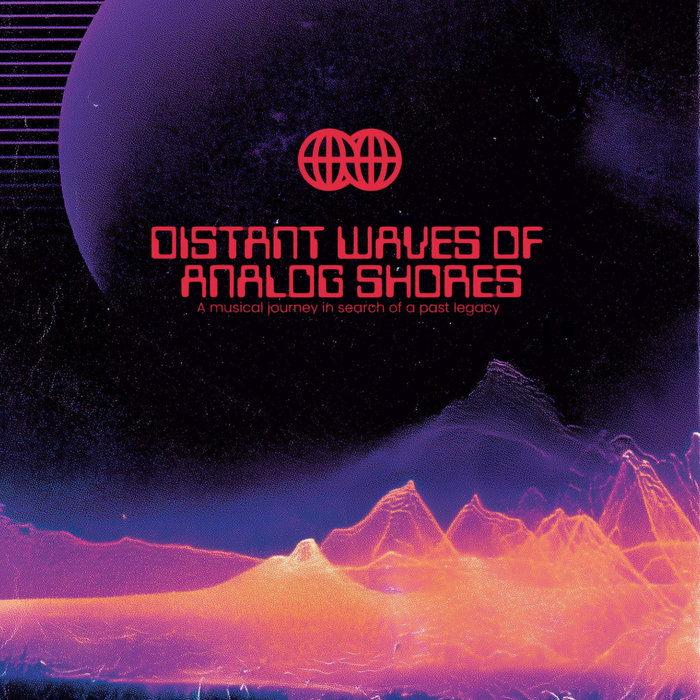
Sonic Mayhem / Sascha Dikiciyan / Distant Waves of Analog Shores
Sascha Dikiciyan lists an Alesis HR-16B among the instruments used for Sonic Mayhem’s Distant Waves of Analog Shores, a four-track EP he says was recorded directly to an eight-track Tascam cassette recorder without software instruments or plug-ins.
Read Sonic Mayhem — Distant Waves of Analog Shores ↗The 1989 update
Music Technology reported the HR-16B at the 1989 trade shows, where Alesis framed it as a refreshed, practical rhythm machine rather than a departure from the HR-16 idea. Its programming approach kept the drum part close to the songwriter: choose a kit, write a pattern, then turn it into a song.
The “Killer B” in use
A 1990 Alesis advertisement gave the HR-16B its “Killer B” nickname, while the later service manual documents the underlying instrument as part of the HR-16 family. Jeremy dePrisco has described using one for composition and home recording, an afterlife that fits the machine’s original appeal: enough control to make a personal rhythm part without making the process ceremonial.
Le Tigre’s self-sufficient beat
Johanna Fateman’s account of Le Tigre’s “Deceptacon” gives the HR-16B a sharper cultural place: the machine is identified as part of the track’s making, and the drum-machine method as a route to self-sufficiency. It is the kind of association that changes a black plastic rhythm box from a product line into a working decision.Source (1)
In the market
- 1990-06: GBP 329 — UK dealer advertised price. HR16B; accessories not specified Source ↗
On record
- Le Tigre / Johanna Fateman — Deceptacon. The source identifies Fateman’s Alesis HR-16B as used in the making of Le Tigre’s Deceptacon. Source ↗
- Jeremy dePrisco — Early home recordings and compositions. Jeremy dePrisco recalls the HR-16:B as his first modern MIDI instrument, describing how its patterns and sounds shaped early pieces he wrote at home. Source ↗
- Waynebo — Meanwhile in 1993…. Waynebo assigns HR-16:B drums and fills to named tracks. Source ↗
- Waynebo — Meanwhile in 1993.... Waynebo identifies an Alesis HR-16:B in the 1993 home-studio chain for Meanwhile in 1993..., describes its fills and percussion by song, and says those pads were played live to DAT. Source ↗
- Vincent — The Style of Life. The Vincent archive lists an HR-16B alongside its earlier sibling, a useful reminder that both Alesis boxes lived in the same evolving home-studio world. Source ↗
- L’Avenir / Jason Sloan — Secrets. Jason Sloan lists an Alesis HR-16B among the drums and synthesizers used to write and record L’Avenir’s Secrets in Baltimore. Source ↗
- Virgil Work Jr. — Ease Into It. Virgil Work Jr.’s track equipment list names an Alesis HR-16B. Source ↗
- bsidebeats — the baldwin fun machine. bsidebeats’ equipment list for the baldwin fun machine names an Alesis HR-16B drum machine. Source ↗
- The King Midas Project — Meanwhile in 1993.... Waynebo identifies the HR-16:B as the source of drums on “April Showers” and percussion and fills on “Goody 2 Shoes”. Source ↗
- L’Avenir / Jason Sloan — L’Avenir | Kiss of the Whip - 2. Jason Sloan’s release inventory for L’Avenir lists a Alesis HR-16B. Source ↗
In the studio and on stage
- Jay Graydon — HR-16B sample-design and studio setup. Sound On Sound photographs two HR-16B machines in Jay Graydon’s studio and identifies Graydon as the source of their samples.
Hear the record
A small machine inside a big chorus.
Johanna Fateman’s account places her HR-16B in the making of “Deceptacon.” Listen to the finished track, then return to the source frame and story above: the credit establishes a machine in the process, not a claim about every part of the arrangement.
Listen to “Deceptacon” on YouTube ↗Sources
- Theme And Variations
- Trade Winds — BMF 1989
- On The Beat, Part 29
- HR-16/HR-16B Service Manual V1.00
- Electro Tools of the Trade — Alesis HR-16:B
- Killer B — Alesis HR-16:B advertisement
- Drum Doctors, Music Connection 7–20 November 1994, p.32
- Andrew Liles — Fifteen Questions interview, equipment timeline (artist-hosted republication)
- A Visit to the Drum Doctor, Shop Talk, starts p120; Modern Drummer vol18 no11
- Modern Drummer archive: November 1994, Volume 18 Number 11
- Rose-Morris Music Stores price-list advertisement, Music Technology June1990, PDF31
- Johanna Fateman on the HR-16B
The visual archive
Further visual evidence.
These displayed records are labelled by their documented role, date and source; source-only records are listed separately below.
Sources for images shown earlier (9)
- Le Tigre’s Deceptacon source frame — Alesis HR-16 family ↗
- Alesis HR-16:B — Jeremy dePrisco ↗
- Waynebo — Meanwhile in 1993… ↗
Release date not stated on source page · Waynebo / release artwork via Bandcamp · Official Bandcamp release-page artwork (Open Graph image) - Various artists — The Style of Life ↗
2024-12-06 · Cover painting by Stan Solomon · Official Bandcamp release-page artwork (Open Graph image) - L’Avenir / Jason Sloan — Secrets ↗
2026-05-22 · L’Avenir / Jason Sloan / release artwork via Bandcamp · Official Bandcamp release-page artwork (Open Graph image) - Virgil Work Jr. — Ease Into It ↗
2024-08-30 · Virgil Work Jr. / release artwork via Bandcamp · Official Bandcamp release-page artwork (Open Graph image) - bsidebeats — the baldwin fun machine ↗
2008-12-01 · bsidebeats / release artwork via Bandcamp · Official Bandcamp release-page artwork (Open Graph image) - L’Avenir / Jason Sloan — L’Avenir | Kiss of the Whip - 2 ↗
2025-04-18 · L’Avenir / Jason Sloan / release artwork via Bandcamp · Official Bandcamp release-page artwork (Open Graph image) - Sonic Mayhem / Sascha Dikiciyan — Distant Waves of Analog Shores ↗
2026-02-02 · Sonic Mayhem / Sascha Dikiciyan / release artwork via Bandcamp · Official Bandcamp release-page artwork (Open Graph image)
Additional visual sources (3)
Original publications and related image sources.
- HR-16/HR-16B Service Manual V1.00 ↗
1995 title / 2006 introductory footers · Alesis · 40 PDF pages; printed 1 = PDF 7; printed 20–22 = PDF 26–28 - Killer B — black HR-16B on a large letter B ↗
1990-09 per archivist · Alesis · Keyboard September 1990 p.102 according to archive page - Ross Garfield / Drum Doctors profile ↗
1994-11-07 · Karen Orsi / Music Connection · Printed/PDF p.32; continuation p.35 not inspected