
Cheetah’s SpecDrum turned a Sinclair Spectrum into a drum machine in 1985. At £29.95, it gave the home programmer a direct route from a small computer desk to a playable electronic rhythm.
The machine in the record
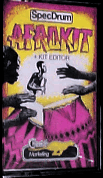
Simon Mooli and Dave Waller / Thames Valley Living.
Simon Mooli says the rhythm for Thames Valley Living - T1-T0 was programmed on a 48K ZX Spectrum running a Cheetah SpecDrum, using two Afro Kit samples. It documents a demo rather than a commercial release, but the image is irresistible: home computing pressed into service as a rhythm studio.
Read Simon Mooli — 4-track demos in MP3 format ↗More records in the archive
The machine keeps turning up.
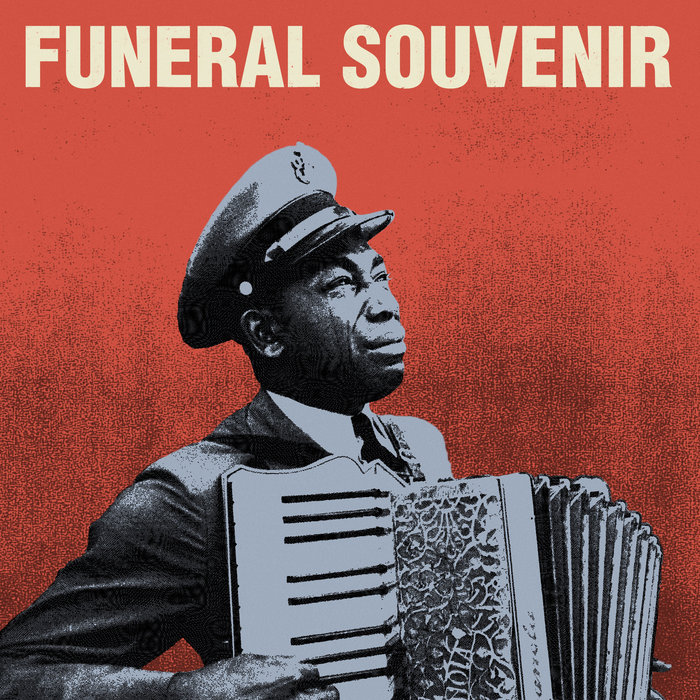
Funeral Souvenir / Miguel A. Ruíz / La Noche del Anhídrido
The reissue credits say Miguel A. Ruíz recorded Funeral Souvenir’s 1987 La Noche del Anhídrido with a Cheetah SpecDrum for Sinclair ZX Spectrum.
Read Funeral Souvenir — La Noche del Anhídrido (1987) ↗A drum machine for the Spectrum desk
The SpecDrum was built for the Sinclair Spectrum world, where programming and music-making could occupy the same evening at home. Its period review and advertisement place a dedicated rhythm peripheral beside the computer, extending the machine’s role beyond games and code. Sinclair User’s October 1985 contents index lists a full-page SpecDrum advert on page 4. That records its public promotion, rather than the date of its first shipment or retail sale.
Cheetah Specdrum ↗ Cheetah SpecDrum advertisement ↗ Try beating our SpecDrum! ↗
An invitation to experiment
The contemporary coverage put the SpecDrum at £29.95. That price is central to its story: it made electronic rhythm approachable for someone who could not justify a full professional drum machine, but could connect a small system to the computer already on their desk.
Software and percussion in one system
The surviving manual sets out the SpecDrum’s practical relationship with the Spectrum. The machine belonged to a period when a rhythm part could grow from typed instructions, home computing and a player’s willingness to experiment with both.
SpecDrum instruction manual ↗ The Food of Love: Best-selling SpecDrum ↗
A Spectrum demo with an Afro Kit
Simon Mooli’s notes for “Thames Valley Living” describe a 48K Spectrum, SpecDrum and two sounds from Cheetah’s Afro Kit. The rhythm was programmed from a loop worked out on a train, then pushed through the limits of an eight-bit home-computer setup. That is a proper SpecDrum story: domestic hardware made to carry a band idea.
In the market
Explore 2 period price records
- October 1985; archive attribution · GBP 29.95
Period review price. SpecDrum system; Spectrum and amplification separate
- Undated · GBP 29.95
Manufacturer advertised price. SpecDrum system; Spectrum and amplification separate
Recording and working accounts
Explore 2 source accounts
- Simon Mooli and Dave Waller — Thames Valley Living - T1-T0
Mooli says the rhythm was programmed on a 48K ZX Spectrum running a Cheetah SpecDrum, using two samples from the Afro Kit add-on.
- Funeral Souvenir / Miguel A. Ruíz — La Noche del Anhídrido
Sources
The visual archive
Further visual evidence.
Sources for images shown earlier (3)
- Try beating our SpecDrum! ↗
- Funeral Souvenir / Miguel A. Ruíz — La Noche del Anhídrido ↗
Release date not stated on source page · Funeral Souvenir / Miguel A. Ruíz / release artwork via Bandcamp · Official Bandcamp release-page artwork (Open Graph image) - Cheetah SpecDrum Afro Kit cassette ↗
Undated artist archive page · Simon Mooli archive / Cheetah product artwork · “Thames Valley Living - T1-T0” notes; AfroKit2 image
Additional visual sources (1)
Original publications and related image sources.
- SpecDrum instruction manual ↗
Original undated · Cheetah · Sections 1–3