
Cheetah’s MD16 arrived in 1991 after a long public gestation, bringing pads, sampled voices and unusually extensive sound editing to a compact British drum machine. It was made for players prepared to spend time with the panel.
The machine in the record
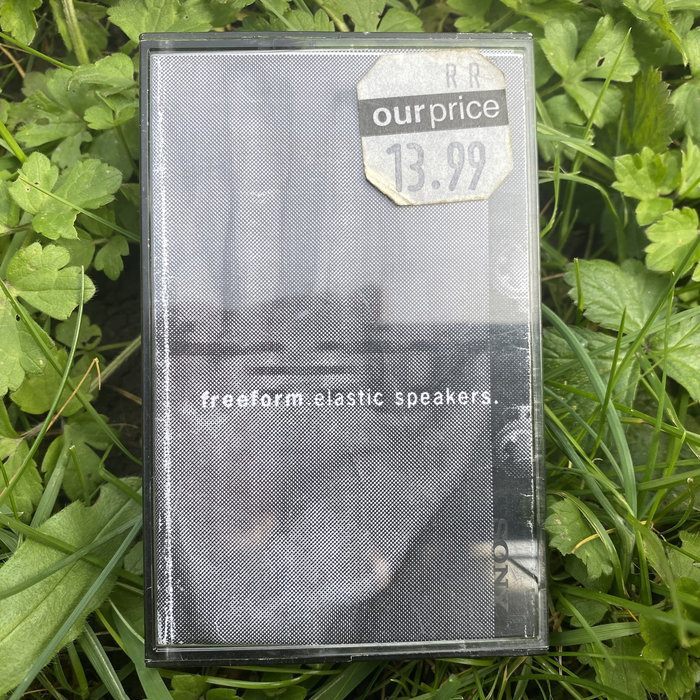
Freeform / The Demo 1994.
Simon Pyke’s notes for The Demo 1994 list a Cheetah MD16 in the 1994 setup, bought for £99. The equipment list does not isolate a pattern or voice, but it catches the rack machine in the plain, practical circumstances of a musician’s early electronic work.
Read Freeform / The Demo 1994 ↗More records in the archive
The machine keeps turning up.
Josh Hanselman / Com Truise, “Dynetics” remix
Josh Hanselman used Cheetah MD16 sounds as a principal component of the drum part for his “Dynetics” remix.
Read Josh Hanselman on his remix of Com Truise’s “Dynetics” ↗
Surgeon / Early electronic-music setup
Surgeon recalls using a Cheetah MD16 to send MIDI clock to a Poly-800 in his early electronic setup.
Read Generations, Part 2: Surgeon ↗
Surgeon / his first Cheetah-driven setup
Surgeon says the MD16 clocked the Poly-800 in his early live-to-DAT production setup.
Read Surgeon on his first Cheetah MD16 setup ↗The long-awaited MD16
Music Technology introduced the MD16 to readers in March 1991, after its earlier British Music Fair appearance. By then it entered a market full of increasingly capable rhythm machines, so Cheetah’s case rested on hands-on control: pads, editable sounds and a layout that put a great deal of programming in front of the player.Source (1)
More than a stock sound set
The MD16 distinguished its underlying samples from the larger library of programmed sounds made from them. That distinction matters: the machine’s identity lay in altering, organising and routing percussion, not merely in a headline number of sounds. Later coverage of the rack versions and sound cartridges traces the same expandable MD16 system without confusing those machines with the original tabletop model.
A compact machine that expected commitment
The first review found real breadth in the MD16, while also describing a busy, closely packed interface. That is part of its historical charm. Cheetah gave a small case a large brief, and the player met the machine through its controls rather than a simplified preset-only workflow.
In the market
- March 1991: GBP 299.95 — UK review price. Tabletop MD16 Source ↗
- November 1992: GBP 69.99 — Optional cartridge review price. Electro Kit Source ↗
- November 1992: GBP 129.99 — Optional cartridge review price. Total Percussion Plus Source ↗
- November 1992: GBP 129.99 — Optional cartridge review price. Kicks, Snares, Toms & Hi-hats Source ↗
On record
- Josh Hanselman — Com Truise, “Dynetics” remix. Josh Hanselman used Cheetah MD16 sounds as a principal component of the drum part for his “Dynetics” remix. Source ↗
- Freeform / Simon Pyke — The Demo 1994. Simon Pyke’s notes for The Demo 1994 list a Cheetah MD16 Drum Machine in the 1994 setup, with its period purchase price of £99. Source ↗
In the studio and on stage
- Surgeon — his first Cheetah-driven setup. Surgeon says the MD16 clocked the Poly-800 in his early live-to-DAT production setup. Source ↗
Sources
The visual archive
Further visual evidence.
These displayed records are labelled by their documented role, date and source; source-only records are listed separately below.
Sources for images shown earlier (3)
- Cheetah MD16 Sound Cartridges ↗
- Surgeon / Sound On Sound Generations feature ↗
- Freeform / Simon Pyke — The Demo 1994 ↗
2024-03-28 · Freeform / Simon Pyke / release artwork via Bandcamp · Official Bandcamp release-page artwork (Open Graph image)
Additional visual sources (1)
Original publications and related image sources.
- Cheetah MD16 Sound Cartridges ↗
Nov 1992 · Music Technology · Three Cheetah MD16 sound cartridges. The labels identify the MD16 system, and the dedicated article describes these cards as expanding the original MD16 while the archive gear tag resolves to that model.