
Sequential Circuits introduced Drumtraks at the turn of 1984 as a sampled rhythm section for the emerging MIDI studio. Its patterns, songs and tuneable percussion made it a practical partner for a keyboard-led composing setup.Sources (9)
More records in the archive
The machine keeps turning up.
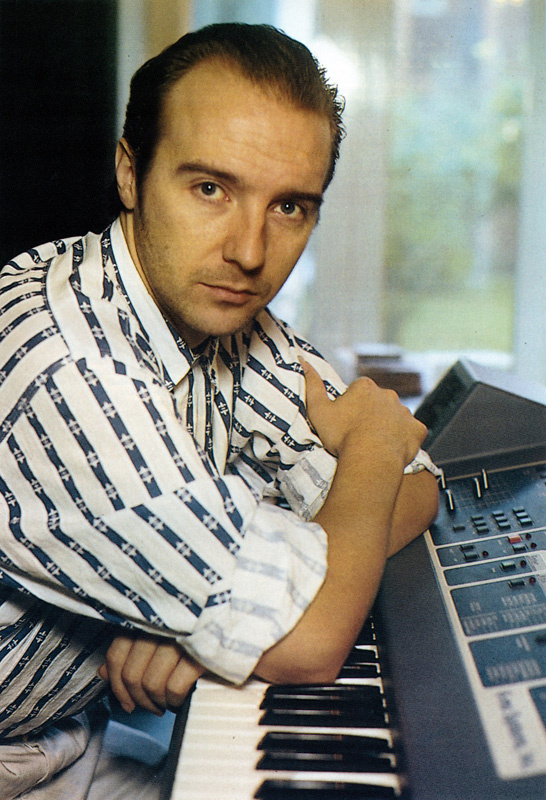
Midge Ure / The Gift
Midge Ure says he programmed guideline drum parts on a Sequential DrumTraks for the drummers recording The Gift, marking out each song’s builds and fills before they expanded on the guide.
Read Midge Ure on The Gift and Sequential DrumTraks guides ↗Alexis Taylor / Hot Chip / “Drum Machines Have Got No Soul” and Taylor’s studio method
Alexis Taylor says he used his Sequential Drumtraks “a hell of a lot,” building patterns before driving them through phaser, chorus and flanger, recording the results and pitching them again through a CDJ. He names an unreleased piece, “Drum Machines Have Got No Soul,” as one result of that method.
Read Alexis Taylor's home studio ↗
David Baca / Beats for Peace
David Baca says Beats for Peace was built on Sequential Drumtraks rhythms, with a Prophet VS and TX81Z sequenced from C-Lab Notator.
Read David Baca / Beats for Peace ↗
Axis:Sova / Blinded By Oblivion
Axis:Sova say their 2020 basement jams with a Sequential Drumtraks and TR-66 became the basis for songs on Blinded By Oblivion.
Read Axis:Sova / Blinded By Oblivion ↗
mmWave / Plastic Crosstalk
mmWave writes that a Sequential Circuits Drumtraks was used on every track of Plastic Crosstalk and specifically hears it enter on “Rablat”.
Read mmWave — Plastic Crosstalk ↗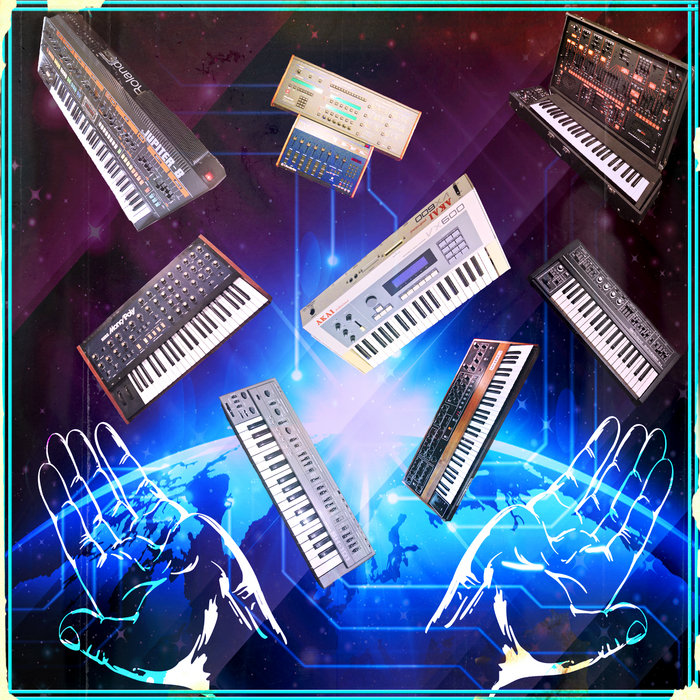
Alex Ball / Coalescent Apparatus
Alex Ball’s release notes identify a Sequential Drumtraks on tracks 1, 2 and 10 of Coalescent Apparatus.
Read Coalescent Apparatus ↗
Midnight Runners / Emerson Omega Sterling Gold / Open Labs
Midnight Runners’ Open Labs credits list Sequential Circuits Drumtraks among the equipment used by Emerson Omega Sterling Gold.
Read Midnight Runners — Open Labs ↗Archive source
Rhythm Electronics / Vintage Drum Machines for Roland MC-707 & MC-101
Rhythm Electronics includes a Sequential Circuits Drumtraks kit and pattern set in Vintage Drum Machines for Roland MC-707 & MC-101, describing the source samples as recorded from mint-state machines.
Read Rhythm Electronics / Vintage Drum Machines for Roland MC-707 & MC-101 ↗
Data / Zoran Jevtic and Zoran Vracevic / Could You Find Your Analog Mind?
The reissue personnel credit lists a Sequential Drumtraks for Zoran Jevtic and Zoran Vracevic.
Read Data — Could You Find Your Analog Mind? ↗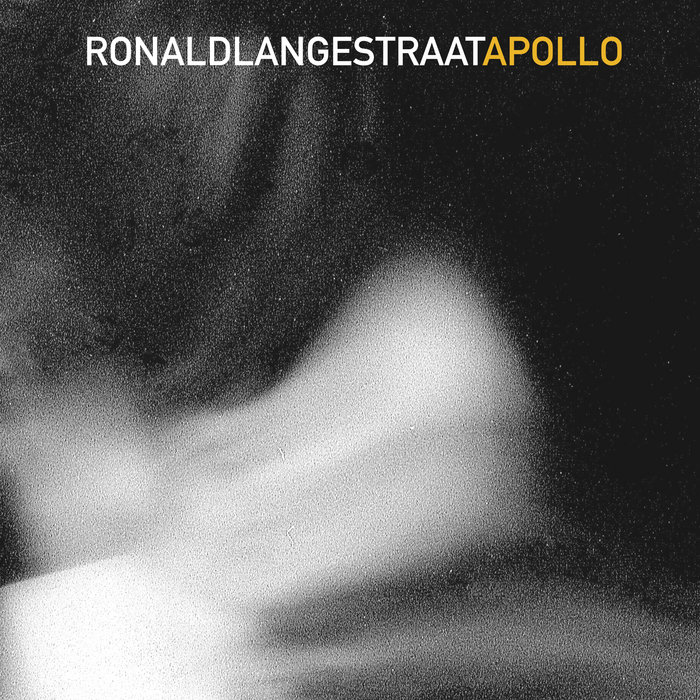
Ronald Langestraat / Apollo
Apollo’s notes place Sequential Drumtraks in Ronald Langestraat’s 1991 live hotel setup.
Read Ronald Langestraat — Apollo ↗
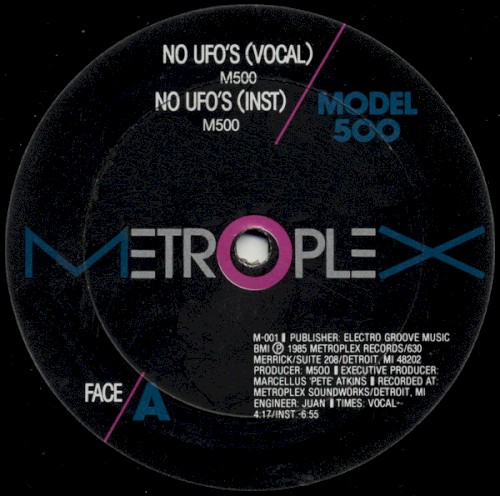
Model 500 / No UFOs
Atkins names the linked TR-909 and Drumtraks on No UFOs.
Read Techno’s Godfather Speaks: An Interview With Juan Atkins ↗A rhythm section for the MIDI studio
Sequential announced Drumtraks in early 1984 as a machine that could work alongside its keyboards, not merely keep time beside them. Its thirteen percussion voices, tune and level controls, cassette storage, patterns and songs gave a musician a complete programmable rhythm part in one wooden-sided unit.
The wider Sequential system
The company’s spring advertising placed Drumtraks with the Six-Trak and Prophet-T8. A keyboard could record dynamic drum performances, and the machine could then carry those ideas into a song. That combination made the pitch of the instrument clear: it was a rhythm machine designed for people already building arrangements with MIDI.
A documented place in Detroit
Juan Atkins has described the Drumtraks as part of the working setup around Model 500’s “No UFO’s”. It is a useful, specific association: one named machine in a documented artist’s process, rather than a vague claim for the entire catalogue of a genre.
Juan Atkins’ early MIDI relationship
Juan Atkins describes the Drumtraks linked to a TR-909 for Model 500’s “No UFOs”. The pair did not behave like a modern, effortless clock: he still had to start and align the Roland by hand. That small operational friction is part of the record’s history—a machine connection performed into place.
A machine Warren Cann bought himself
Warren Cann’s 1984 review ends with the practical vote that matters: he bought the Drumtraks. It is an ownership and testing account, not an Ultravox session credit, but it shows a working drummer encountering a programmable box as a serious instrument rather than a novelty.Source (1)
In the market
- 1984-02: USD 1295 — US announcement retail price. Drumtraks; options not itemized Source ↗
- 1984-03: GBP 950 — UK review price. Drumtraks; options not itemized Source ↗
- 1984-05: GBP 950 — Approximate UK review price. Drumtraks; options not itemized Source ↗
On record
- Model 500 — No UFOs. Atkins names the linked TR-909 and Drumtraks on No UFOs. Source ↗
- David Baca — Beats for Peace. David Baca says Beats for Peace was built on Sequential Drumtraks rhythms, with a Prophet VS and TX81Z sequenced from C-Lab Notator. Source ↗
- Axis:Sova — Blinded By Oblivion. Axis:Sova say their 2020 basement jams with a Sequential Drumtraks and TR-66 became the basis for songs on Blinded By Oblivion. Source ↗
- mmWave — Plastic Crosstalk. mmWave writes that a Sequential Circuits Drumtraks was used on every track of Plastic Crosstalk and specifically hears it enter on “Rablat”. Source ↗
- Alex Ball — Coalescent Apparatus. Alex Ball’s release notes identify a Sequential Drumtraks on tracks 1, 2 and 10 of Coalescent Apparatus. Source ↗
- Midnight Runners / Emerson Omega Sterling Gold — Open Labs. Midnight Runners’ Open Labs credits list Sequential Circuits Drumtraks among the equipment used by Emerson Omega Sterling Gold. Source ↗
- Rhythm Electronics — Vintage Drum Machines for Roland MC-707 & MC-101. Rhythm Electronics includes a Sequential Circuits Drumtraks kit and pattern set in Vintage Drum Machines for Roland MC-707 & MC-101, describing the source samples as recorded from mint-state machines. Source ↗
- Data / Zoran Jevtic and Zoran Vracevic — Could You Find Your Analog Mind?. The reissue personnel credit lists a Sequential Drumtraks for Zoran Jevtic and Zoran Vracevic. Source ↗
- Ronald Langestraat — Apollo. Apollo’s notes place Sequential Drumtraks in Ronald Langestraat’s 1991 live hotel setup. Source ↗
In the studio and on stage
- Warren Cann — Ownership and review testing; no named recording. Reviewer reports purchasing the instrument. Source ↗
- Alexis Taylor / Hot Chip — “Drum Machines Have Got No Soul” and Taylor’s studio method. Alexis Taylor says he used his Sequential Drumtraks “a hell of a lot,” building patterns before driving them through phaser, chorus and flanger, recording the results and pitching them again through a CDJ. He names an unreleased piece, “Drum Machines Have Got No Soul,” as one result of that method. Source ↗
Sources
- Drum Update: Sequential Circuits Drumtraks announcement
- Prophecies Spring 1984: Announcing Drumtraks
- Sequential Circuits Drumtraks
- D is for Drum
- Classic Tracks: Model 500 No UFOs
- Sequential Tom
- Model 400 Drumtraks MIDIGUIDE MG400A
- Model 400 Drumtraks Preliminary Service Data TN400-0, with TN400-1 update instructions
- Techno’s Godfather Speaks: An Interview With Juan Atkins
- Alexis Taylor's home studio
The visual archive
Further visual evidence.
Sources for images shown earlier (12)
- Sequential Drumtraks advertisement ↗
- Midge Ure — Sound On Sound, November 1985 ↗
- Alexis Taylor’s Sequential Circuits Drumtraks ↗
- David Baca — Beats for Peace ↗
Release date not stated on source page · David Baca / release artwork via Bandcamp · Official Bandcamp release-page artwork (Open Graph image) - Axis:Sova — Blinded By Oblivion ↗
Release date not stated on source page · Axis:Sova / release artwork via Bandcamp · Official Bandcamp release-page artwork (Open Graph image) - mmWave — Plastic Crosstalk ↗
Release date not stated on source page · mmWave / release artwork via Bandcamp · Official Bandcamp release-page artwork (Open Graph image) - Alex Ball — Coalescent Apparatus ↗
2019-10-04 · Alex Ball / release artwork via Bandcamp · Official Bandcamp release-page artwork (Open Graph image) - Midnight Runners / Emerson Omega Sterling Gold — Open Labs ↗
2015-06-04 · Midnight Runners / Emerson Omega Sterling Gold / release artwork via Bandcamp · Official Bandcamp release-page artwork (Open Graph image) - Rhythm Electronics — Vintage Drum Machines for Roland MC-707 & MC-101 ↗
2021-02-07 · Rhythm Electronics / release artwork via Bandcamp · Official Bandcamp release-page artwork (Open Graph image) - Data / Zoran Jevtic and Zoran Vracevic — Could You Find Your Analog Mind? ↗
2017-10-31 · Data / Zoran Jevtic and Zoran Vracevic / release artwork via Bandcamp · Official Bandcamp release-page artwork (Open Graph image) - Ronald Langestraat — Apollo ↗
2019-05-20 · Ronald Langestraat / release artwork via Bandcamp · Official Bandcamp release-page artwork (Open Graph image) - Prophecies Spring 1984 / Thompson Twins stage photograph ↗
1984-03 · Sequential Circuits · Insert pp. 99–102; Drumtraks subsection
Additional visual sources (6)
Original publications and related image sources.
- Drumtraks announcement photograph ↗
1984-02 · Polyphony · Printed p. 33 = PDF p. 33 - Model 400 Drumtraks MIDIGUIDE MG400A ↗
1985-01 / reprint 2010 · Sequential Publications Department · Printed pp. 2–3 = PDF pp. 5–6; title PDF p. 2 - Model 400 Drumtraks Preliminary Service Data TN400-0, with TN400-1 update instructions ↗
1983-12 / 1985-01 · Sequential Circuits Publications Department · PDF pp. 1–2 and 19–22 inspected; EPROM drawing PDF p. 21 - Prophecies Spring 1984 ↗
Mar 1984 · Electronics & Music Maker · Sequential Circuits Drumtraks product photograph with Drumtraks marking clearly visible. - Prophecies Spring 1984; Sequential Circuits Drumtraks ↗
Mar 1984 · Electronics & Music Maker · Sequential Circuits Drumtraks product photograph with Drumtraks marking clearly visible. - Prophecies Spring 1984; Sequential Circuits Drumtraks ↗
Mar 1984 · Electronics & Music Maker · Studio system photograph with a Sequential Drumtraks visibly mounted above the upper keyboard.