
Sequential’s TOM arrived in 1985 as a compact sampled-percussion system whose sounds, cartridges and memory could be expanded by its owner. It made a changing drum palette central to the machine’s character.
A compact cartridge-based drum system
Eight built-in samples formed TOM’s core kit; a plug-in cartridge added seven more without replacing them. A player could record changes of tuning, level, stereo position and playback direction into a pattern, so successive strikes of one drum did not have to sound alike. Sequential also provided room for extra pattern memory. The compact 1985 machine offered both a changing palette and ways to reshape the sounds already inside it.
Sequential Tom ↗ Sequential Tom ↗ TOM Operation Manual CM420A and MIDIGUIDE MG420A ↗
The people behind the panel
The manual credits Tony Dean as project manager and engineer, Bill Aspromonte with firmware, Chris Meyer with MIDI firmware, Paul Rutigliano with digital sampling system design, Jeff Oglevee with circuit-board layout and Scott Peterson with product support engineering. Those separate responsibilities connect the instrument’s sound, recording and control systems to the people who built them.
TOM Operation Manual CM420A and MIDIGUIDE MG420A ↗ Industry Stories #5: Dave & Me ↗
Flexibility with boundaries
TOM could play four sounds at once, regardless of how many samples were available. Stack let another strike of a ringing cymbal use a second channel rather than cutting off the first, but that left fewer channels for other drums. Simon Trask’s July 1985 review welcomed the sound and pattern controls while finding the four-channel limit, lack of individual outputs and restricted step-time facilities frustrating. The cartridge expanded the kit, not its simultaneous playback capacity.
Sequential Tom ↗ TOM Operation Manual CM420A and MIDIGUIDE MG420A ↗
Prince Paul brings TOM into the room
In his 2012 Unkut interview, Prince Paul recalls programming ideas at home on a Sequential TOM, then bringing it into the studio to try the idea that became Stetsasonic’s “Music for the Stetfully Insane”. The group liked what he played them and put it on In Full Gear.
The TOM beside “Pen and Paper”
In a later Questlove Supreme conversation, Prince Paul’s TOM also comes into discussion near Stetsasonic’s “Pen and Paper”. The available transcript leaves the machine’s precise role in that track unresolved.
In the market
Explore 1 period price record
- 1985-07 · GBP 799
UK review-period price. Reviewed unit; accessories not itemized
Recording and working accounts
Explore 11 source accounts
- Stetsasonic / Prince Paul — Music for the Stetfully Insane (In Full Gear)
- Stetsasonic / Prince Paul — Pen and Paper
- Vincent — Fast Forward
- Various artists / Paradise Is a Frequency — The Style of Life
- Mills Boogie / Emiel Redant — Antwerp Zoo
- Virgil Work Jr. — Ease Into It
- Rhythm Electronics — Vintage Drum Machines for Roland MC-707 & MC-101
Read this account in the story ↑
Rhythm Electronics / Vintage Drum Machines for Roland MC-707 & MC-101 ↗
- Various artists / Paradise Is a Frequency — The Style of Life
The Style of Life lists Sequential TOM among its compilation-wide instruments.
- Various artists / Paradise Is a Frequency — The Style of Life
The Style of Life lists Sequential TOM among its compilation-wide instruments.
- Hunter Complex / Lars Meijer — Dead Calm and Zero Degrees
- Moby — Official Reverb Shop collection sale
Explore tuning, stacking and fills
Browse records, studios and sample libraries
Musical archive
Records, studios and sampled sounds.
Reported association
Stetsasonic / Prince Paul / Pen and Paper
A TOM reference follows the track question; nearby discussion recalls acquiring the machine.
Read Black Music Month QLS Classic: Prince Paul ↗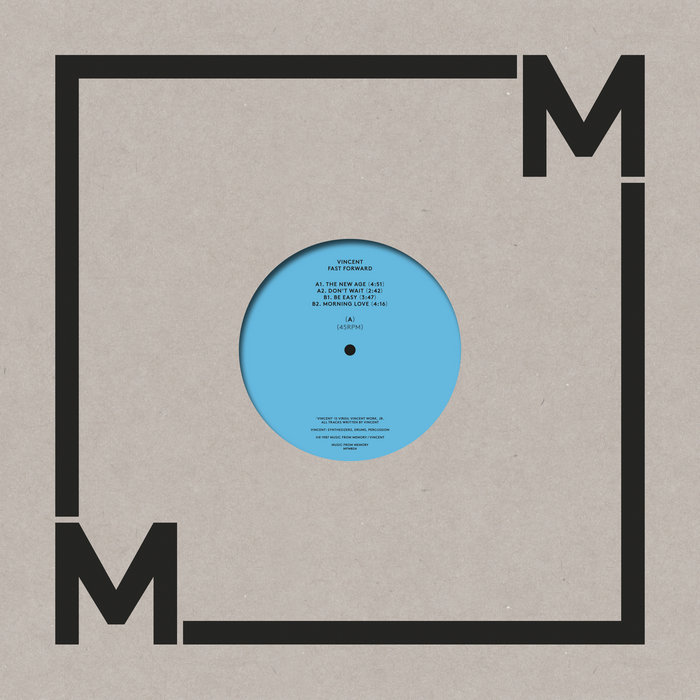
Vincent / Fast Forward
Music From Memory’s release account places a Sequential TOM in Vincent’s late-night, improvisatory setup for Fast Forward.
Read Vincent / Fast Forward ↗
Various artists / Paradise Is a Frequency / The Style of Life
The Style of Life lists Sequential TOM among its compilation-wide instruments.
Read The Style of Life — various-artists compilation ↗
Mills Boogie / Emiel Redant / Antwerp Zoo
Redant’s release-level gear list names a Sequential TOM.
Read Mills Boogie — Antwerp Zoo ↗
Virgil Work Jr. / Ease Into It
Virgil Work Jr.’s track equipment list names a Sequential TOM drum machine.
Read Virgil Work Jr. — Ease Into It ↗Archive source

Rhythm Electronics / Vintage Drum Machines for Roland MC-707 & MC-101
Rhythm Electronics includes a Sequential Circuits TOM kit and pattern set in Vintage Drum Machines for Roland MC-707 & MC-101, describing the source samples as recorded from mint-state machines.
Read Rhythm Electronics / Vintage Drum Machines for Roland MC-707 & MC-101 ↗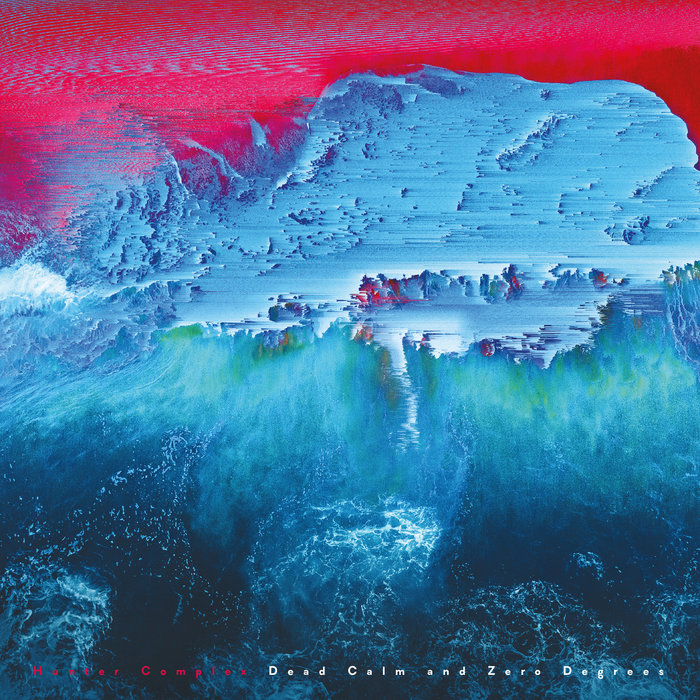
Hunter Complex / Lars Meijer / Dead Calm and Zero Degrees
Hunter Complex credits a Sequential Circuits TOM on track a4.
Read Hunter Complex — Dead Calm and Zero Degrees ↗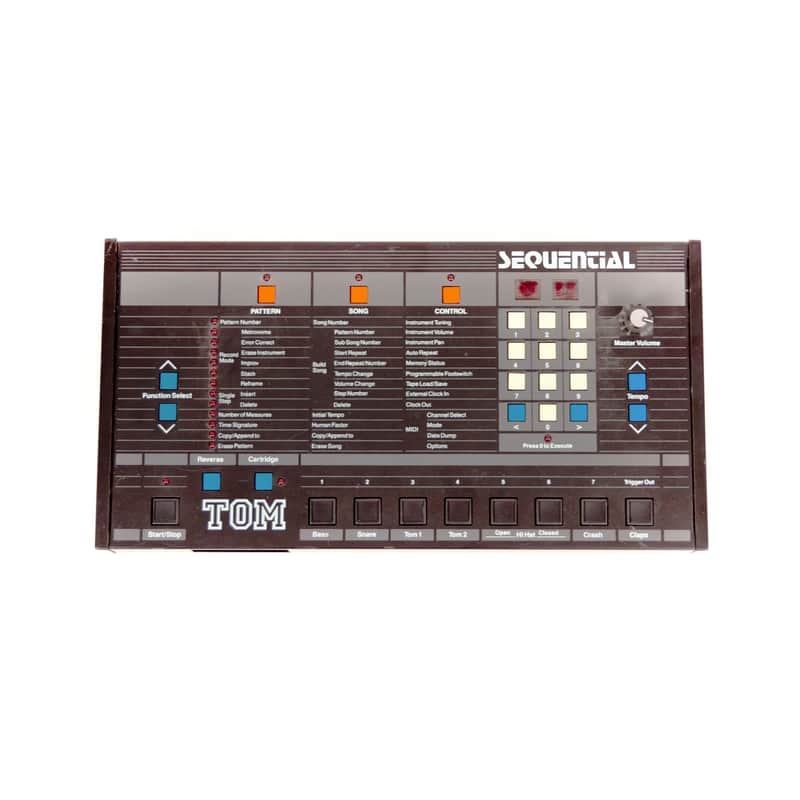
Moby / Official Reverb Shop collection sale
Moby’s official Reverb shop sold Sequential TOM serial 3152 from his private drum-machine collection.
Read Sequential Circuits TOM owned by Moby ↗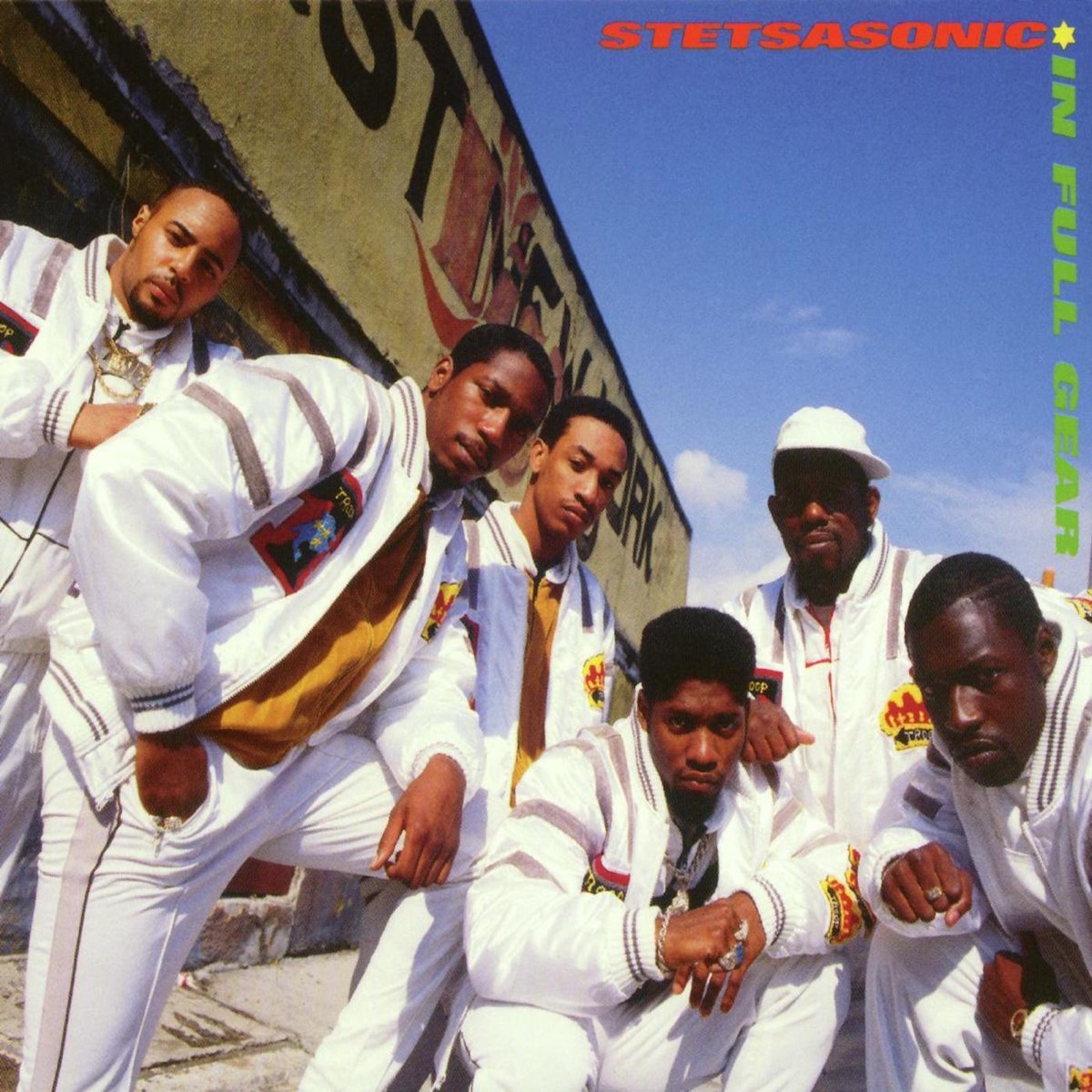
Stetsasonic / Prince Paul / Music for the Stetfully Insane (In Full Gear)
Prince Paul describes developing the idea on TOM and bringing the machine into the studio.
Read Prince Paul — The Unkut Interview ↗Sources
The visual archive
Further visual evidence.
Sources for images shown earlier (9)
- Sequential TOM front panel — July 1985 review photograph ↗
- Sequential Circuits TOM owned by Moby ↗
- Vincent — Fast Forward ↗
Release date not stated on source page · Vincent / release artwork via Bandcamp · Official Bandcamp release-page artwork (Open Graph image) - Various artists — The Style of Life ↗
2024-12-06 · Cover painting by Stan Solomon · Official Bandcamp release-page artwork (Open Graph image) - Mills Boogie / Emiel Redant — Antwerp Zoo ↗
2022-07-02 · Mills Boogie / Emiel Redant / release artwork via Bandcamp · Official Bandcamp release-page artwork (Open Graph image) - Virgil Work Jr. — Ease Into It ↗
2024-08-30 · Virgil Work Jr. / release artwork via Bandcamp · Official Bandcamp release-page artwork (Open Graph image) - Rhythm Electronics — Vintage Drum Machines for Roland MC-707 & MC-101 ↗
2021-02-07 · Rhythm Electronics / release artwork via Bandcamp · Official Bandcamp release-page artwork (Open Graph image) - Hunter Complex / Lars Meijer — Dead Calm and Zero Degrees ↗
2020-03-20 · Hunter Complex / Lars Meijer / release artwork via Bandcamp · Official Bandcamp release-page artwork (Open Graph image) - Stetsasonic — In Full Gear ↗
1988-06-15T12:00:00Z · Stetsasonic / release artwork via Apple Music catalog artwork · Release catalogue and retained front artwork
Additional visual sources (8)
Original publications and related image sources.
- TOM CM420A and MG420A ↗
March 1985 · Sequential · PDF pp. 3, 31, 78 - Sequential 420 TOM Technical Manual TM420A ↗
July 1985 per archive listing · Sequential · Archive listing / indexed transcription - Announcing TOM ↗
Undated · Sequential · Archive listing / indexed transcription - Sequential Tom ↗
Jul 1985 · Electronics & Music Maker · Sequential TOM drum machine front panel with Sequential and TOM markings clearly visible. - Sequential Circuits Tom ↗
Aug 1985 · International Musician & Recording World · Sequential TOM front panel with Sequential and TOM markings clearly visible, restored to its originating August 1985 International Musician review. - Mono Mode ↗
Dec 1986 · Music Technology · Sequential TOM front panel with Sequential and TOM markings clearly visible, restored to the originating Mono Mode feature. - Sequential Tom ↗
Jul 1985 · Electronics & Music Maker · Internal Sequential TOM circuit-board photograph from the dedicated contemporary review; the board carries the Sequential/TOM identity and belongs to the reviewed unit. - Sequential Tom ↗
Jul 1985 · Electronics & Music Maker · Rear-panel photograph of the reviewed Sequential TOM, with Sequential branding and the TOM control/connector layout visible.