
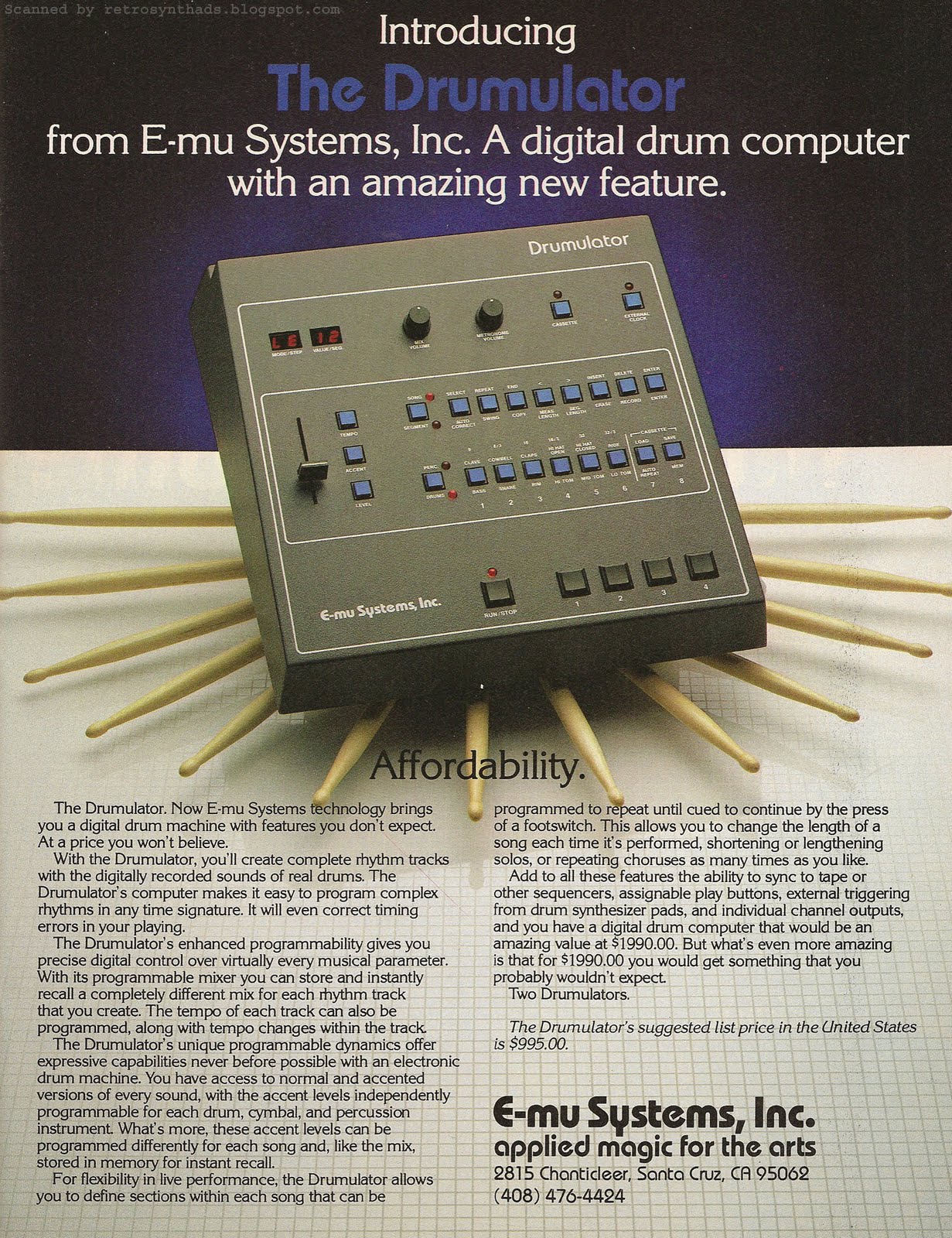
E-mu’s Drumulator combined twelve factory sampled drum sounds with programmable rhythms and songs in 1983. Four assignable play buttons kept the panel compact; recorded sounds were held in ROM rather than sampled by the player.
The machine in the record
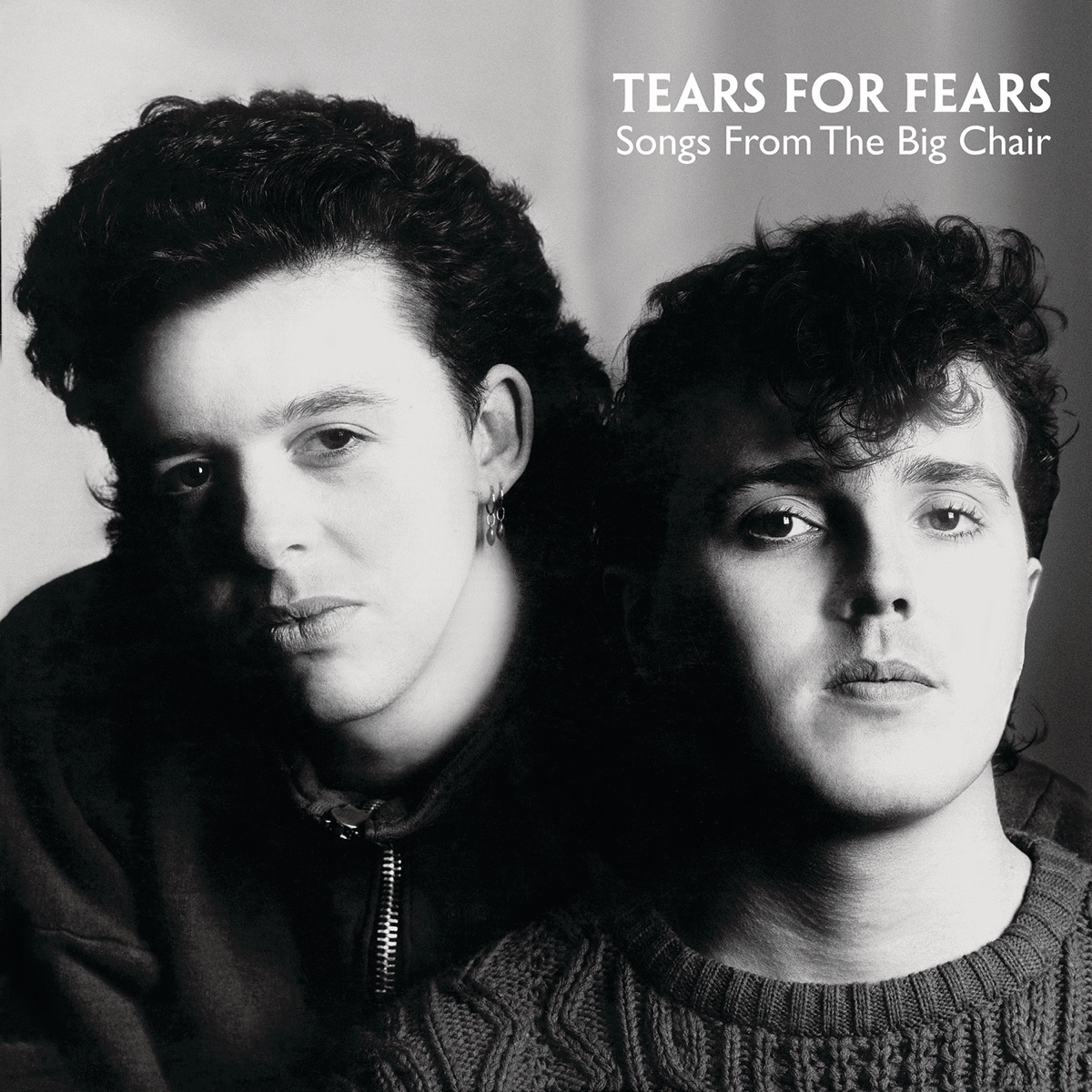
Tears for Fears / “Mothers Talk”.
Roland Orzabal identifies the Drumulator Rock Kit on “Mothers Talk”. The detail makes the blue E-mu feel less like a generic Eighties prop and more like a particular set of sounds chosen for a particular record.
Read Tracks Of Our Tears ↗More records in the archive
The machine keeps turning up.

Tears for Fears / Shout — demo
Orzabal identifies Drumulator Rock Kit on the demo being discussed.
Read Tracks Of Our Tears ↗Reported association

Keith LeBlanc / Malcolm X / No Sell Out
Keith LeBlanc’s catalogue credits the Drumulator and Oberheim DMX on Malcolm X: No Sell Out.
Read Malcolm X – No Sell Out: artist catalogue credits ↗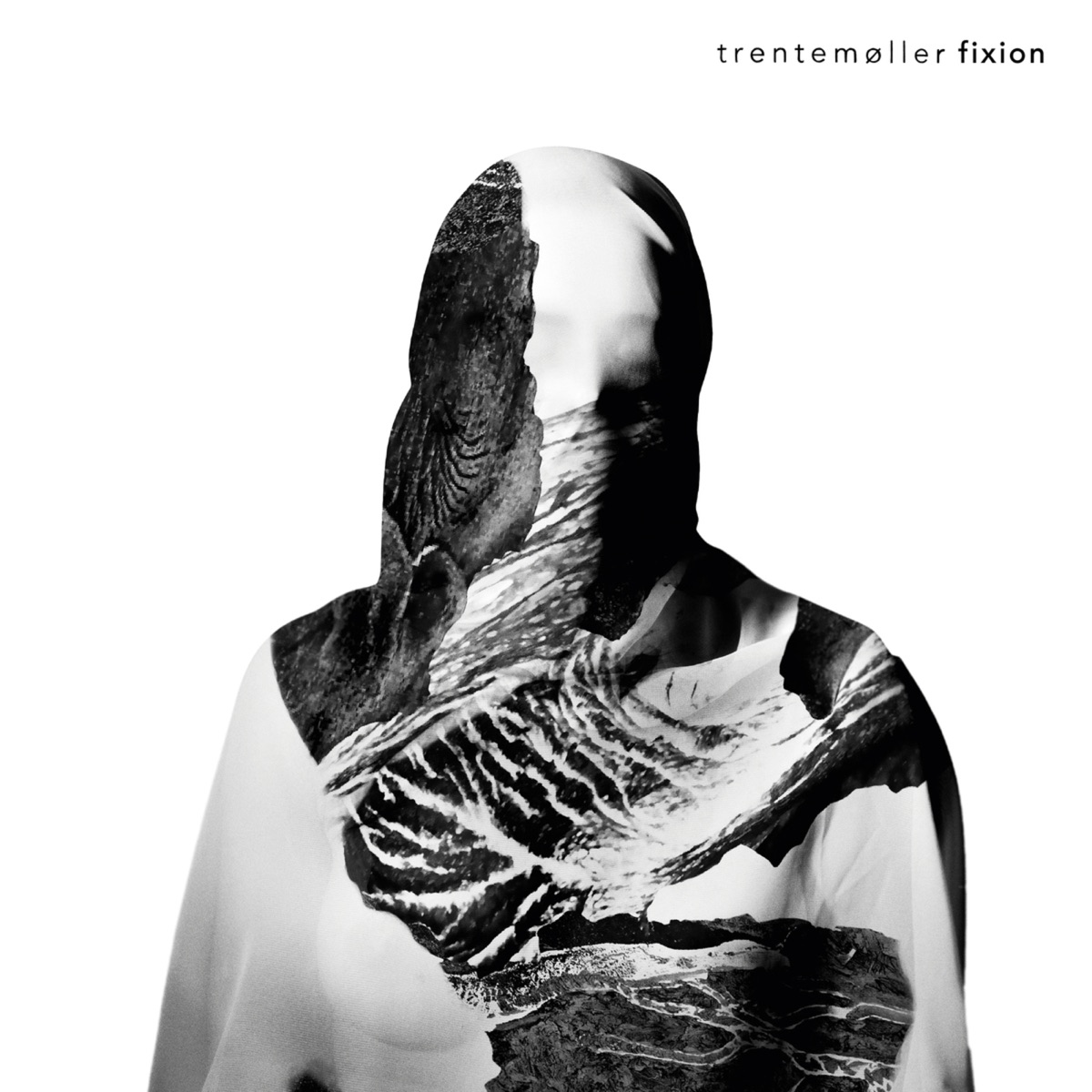
Anders Trentemøller / Fixion
Anders Trentemøller says he used his old E-mu Drumulator “quite a lot” on Fixion, pairing its programmed coldness with live-played toms, rides, hats and snares. The record becomes a useful later-life case for the blue E-mu: a fixed early sample box made flexible by arrangement and processing.
Read Trentemøller on Fixion and his studio/live setups ↗Reported association
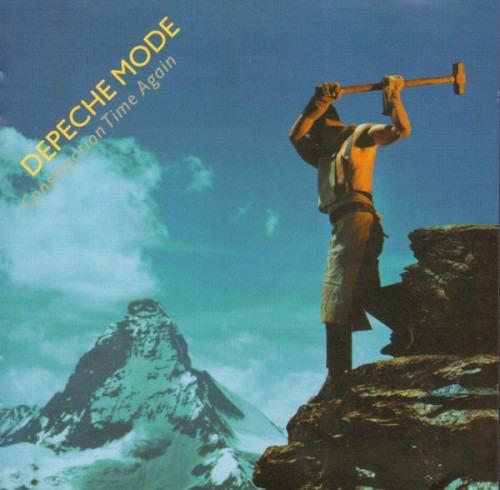
Depeche Mode / Construction Time Again
The overview identifies Construction Time Again as an early Depeche Mode use of the Drumulator.
Read Drumulation Sensation: The Short But Smashing Reign of the Drumulator ↗Cocteau Twins / Robin Guthrie / Early Cocteau Twins work; no single recording specified
The published account places an E-mu Drumulator in Cocteau Twins’ early working method.
Read The Drum Machines of the Cocteau Twins ↗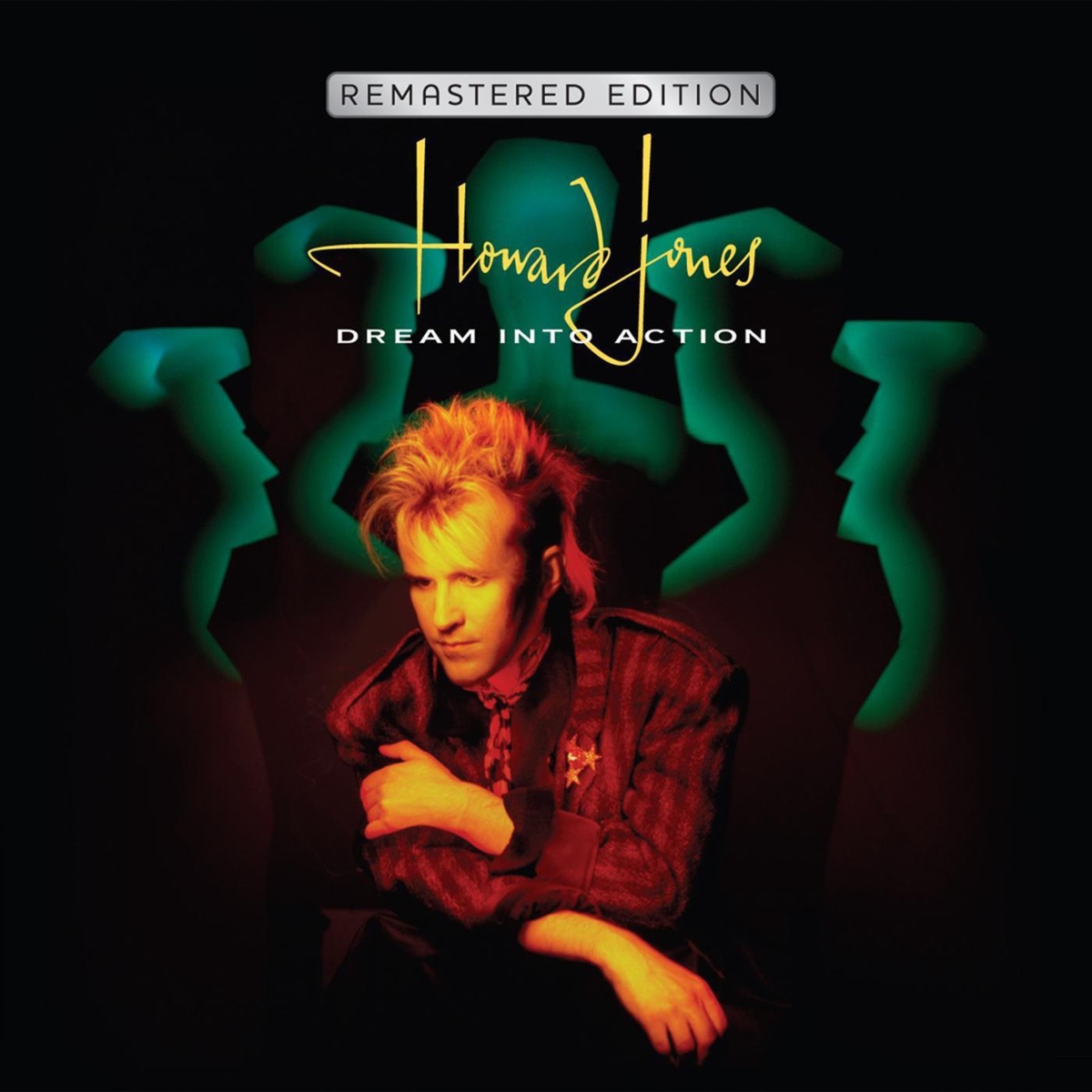
Howard Jones / Dream Into Action
Howard Jones said two Drumulators held the memory for a whole set; for Dream Into Action, he generally completed each track with one drum machine rather than mixing kits.
Read Synthpiana Jones ↗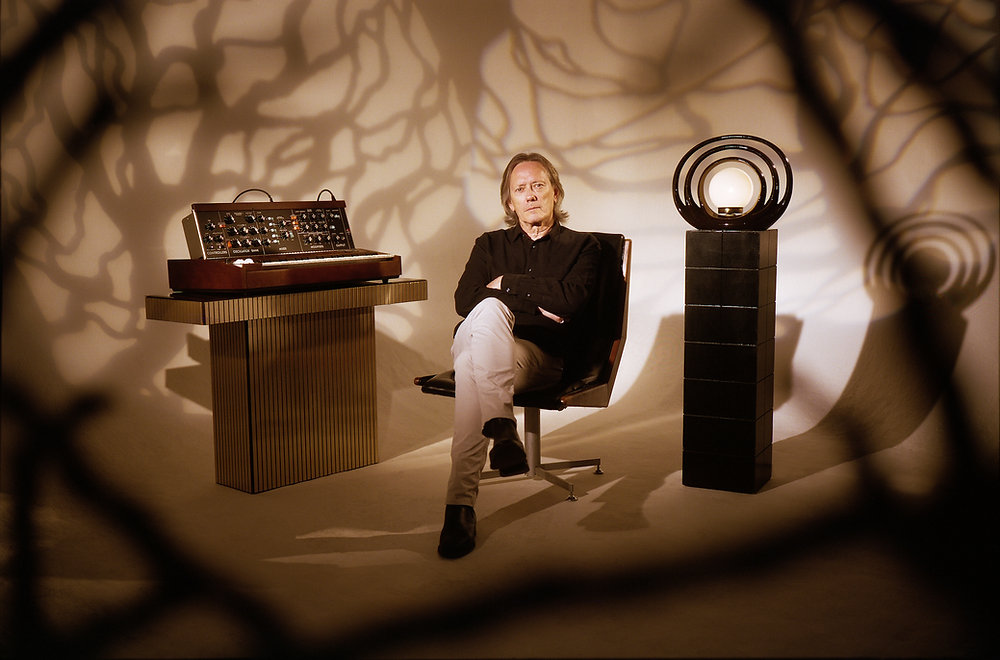
Roger O’Donnell / Early Los Angeles soundtrack work; no named recording
Roger O’Donnell calls the E-mu Drumulator his first drum machine. After moving to Los Angeles in 1985, he used it while trying to break into film soundtrack work—an effort he says lasted six months before he returned.
Read Interview with Roger O’Donnell of The Cure ↗Reported association
Chris Hughes / Tears for Fears / Shout
A published producer account of “Shout” connects Chris Hughes and Tears for Fears with the Drumulator during the record’s development.
Read Producer Chris Hughes on the making of Tears for Fears Shout ↗
M-1 Alternative / Controller
The Drumulator anchored a 1983 three-song studio session.
Read M-1 Alternative / Controller ↗
M-1 Alternative / Controller
M-1 Alternative recall bringing a new E-mu Drumulator to their 1984 Controller session and using its outputs to control a Pro-One bass synth and BOSS digital delay.
Read M-1 Alternative / Controller ↗Direct Hit Productionz / beat-making source library
Direct Hit Productionz lists E-mu Drumulator sounds among the drum-machine sources used for its beat-making work.
Read Direct Hit Productionz drum-machine source library ↗
USR / Mirco Dalos / Glimpses Of Intellect
USR lists an E-mu Drumulator among the instruments used on Glimpses Of Intellect.
Read USR — Glimpses Of Intellect ↗
Gonzalo Martinez / gonzalo martinez y sus congas pensantes
Gonzalo Martinez lists a Drumulator among the equipment used for gonzalo martinez y sus congas pensantes.
Read gonzalo martinez y sus congas pensantes ↗Archive source
Rhythm Electronics / Vintage Drum Machines for Roland MC-707 & MC-101
Rhythm Electronics includes a E-mu Drumulator kit and pattern set in Vintage Drum Machines for Roland MC-707 & MC-101, describing the source samples as recorded from mint-state machines.
Read Rhythm Electronics / Vintage Drum Machines for Roland MC-707 & MC-101 ↗
Rodney Shelden Fehsenfeld / i don’t do music… MUSIC DOES ME.
Rodney Shelden Fehsenfeld’s 1986 track credit names the E-mu Drumulator.
Read Rodney Shelden Fehsenfeld / i don’t do music… MUSIC DOES ME. ↗
Andrew Jones / Sketchpad I: Electronic Studies 2019–2021
Andrew Jones lists an E-mu Drumulator in the component equipment for Sketchpad I.
Read Andrew Jones — Sketchpad I: Electronic Studies 2019–2021 ↗Tears for Fears / Mothers Talk
Orzabal identifies Drumulator Rock Kit on the recording.
Read Tracks Of Our Tears ↗
LoneLady / Julie Campbell / Former Things
Julie Campbell says Former Things layered real samples from a E-mu Drumulator among its drum-machine palette.
Read LoneLady: a songwriter who turns her music and politics into art ↗
Depeche Mode / 1983 live setup
A December 1983 Electronics & Music Maker report says Depeche Mode’s drum sound was then provided by a Drumulator, with extra percussion synthesised.
Read Depeche Mode live report ↗In the market
- 1983-01 (archive attribution; full issue not yet checked): GBP 985 — One Two Testing review price; archive attributes issue to January1983. Drumulator; options unspecified Source ↗
- February1983 issue designation; combined issue periods: USD 995 — Prototype intended list price reported by Craig Anderton. Prototype Drumulator; anticipated production list price Source ↗
On record
- Tears for Fears — Mothers Talk. Orzabal identifies Drumulator Rock Kit on the recording. Source ↗
- Tears for Fears — Shout — demo. Orzabal identifies Drumulator Rock Kit on the demo being discussed. Source ↗
- Depeche Mode — Construction Time Again. The overview identifies Construction Time Again as an early Depeche Mode use of the Drumulator. Source ↗
- Keith LeBlanc / Malcolm X — No Sell Out. Keith LeBlanc’s catalogue credits the Drumulator and Oberheim DMX on Malcolm X: No Sell Out. Source ↗
- Cocteau Twins / Robin Guthrie — Early Cocteau Twins work; no single recording specified. The published account places an E-mu Drumulator in Cocteau Twins’ early working method. Source ↗
- Roger O’Donnell — Early Los Angeles soundtrack work; no named recording. Roger O’Donnell identifies the E-mu Drumulator as his first drum machine and an early LA working tool. Source ↗
- Howard Jones — Dream Into Action. Howard Jones said two Drumulators held the memory for a whole set; for Dream Into Action, he generally completed each track with one drum machine rather than mixing kits. Source ↗
- Anders Trentemøller — Fixion. Anders Trentemøller says he used his old E-mu Drumulator “quite a lot” on Fixion, pairing its programmed coldness with live-played toms, rides, hats and snares. The record becomes a useful later-life case for the blue E-mu: a fixed early sample box made flexible by arrangement and processing. Source ↗
- Chris Hughes / Tears for Fears — Shout. A published producer account of “Shout” connects Chris Hughes and Tears for Fears with the Drumulator during the record’s development. Source ↗
- Direct Hit Productionz — beat-making source library. Direct Hit Productionz lists E-mu Drumulator sounds among the drum-machine sources used for its beat-making work. Source ↗
- M-1 Alternative — Controller. The Drumulator anchored a 1983 three-song studio session. Source ↗
- M-1 Alternative — Controller. M-1 Alternative recall bringing a new E-mu Drumulator to their 1984 Controller session and using its outputs to control a Pro-One bass synth and BOSS digital delay. Source ↗
- USR / Mirco Dalos — Glimpses Of Intellect. USR lists an E-mu Drumulator among the instruments used on Glimpses Of Intellect. Source ↗
- Gonzalo Martinez — gonzalo martinez y sus congas pensantes. Gonzalo Martinez lists a Drumulator among the equipment used for gonzalo martinez y sus congas pensantes. Source ↗
- Rhythm Electronics — Vintage Drum Machines for Roland MC-707 & MC-101. Rhythm Electronics includes a E-mu Drumulator kit and pattern set in Vintage Drum Machines for Roland MC-707 & MC-101, describing the source samples as recorded from mint-state machines. Source ↗
- Rodney Shelden Fehsenfeld — i don’t do music… MUSIC DOES ME.. Rodney Shelden Fehsenfeld’s 1986 track credit names the E-mu Drumulator. Source ↗
- Andrew Jones — Sketchpad I: Electronic Studies 2019–2021. Andrew Jones lists an E-mu Drumulator in the component equipment for Sketchpad I. Source ↗
Four buttons, twelve sounds
Select a drum sound, choose one of the four Drum Play buttons and press Enter. Those buttons can then enter a part, before being reassigned for the next sounds. The twelve factory voices include bass drum, snare, two hi-hats, three toms and percussion. Accent supplies a second level for a sound rather than another drum.
E-mu Drumulator ↗ Drumulator Owners Manual — Emulator Archive enhanced edition ↗
From a segment to a song
Write a short rhythm as a segment, then order segments into a song. The June 1983 review describes thirty-six segments and eight songs, with programmable tempo, length and swing. Repeats save memory; cassette storage preserves the programming when space is cleared for another set.
Beyond the mixed output
Individual audio outputs let the drums reach a mixer and external effects separately. Clock and trigger connections bring another sequencer or instrument into the arrangement, extending what a programmed rhythm can control.
E-mu Drumulator ↗ Drumulator Owners Manual — Emulator Archive enhanced edition ↗
Changing the installed sounds
The original sounds reside in ROM chips. Digidrums advertised replacement Drumulator sounds by May 1984; service and software documents also record later changes to the machine. A replacement set changes the available voices, not the instrument into an audio-input sampler. The Rock Kit named by an artist is not, by that name alone, proof of one particular chip supplier.
Drumulator Service Manual ↗ New Drumulator Sounds! advertisement, Musician no.67, p.86 ↗ E-mu Drumulator ↗
Two machines for a live set
Howard Jones’s March 1985 interview describes two Drumulators providing enough memory for a whole set. He also described starting a song with one pattern, adding a few as it developed and making the detailed arrangement in the studio. That method gives the segment-and-song controls a practical setting: the arrangement grows around the song.
The Rock Kit on ‘Mothers Talk’
Roland Orzabal names the Drumulator’s Rock Kit on ‘Mothers Talk’ and on the demo of ‘Shout’ in his October 1984 interview. He liked those replacement sounds but also reported chip failures. His account is specific about the kit and the demo; it is not a complete allocation of every sound on the released ‘Shout’.
Two credited machines on ‘No Sell Out’
Keith LeBlanc’s artist catalogue credits him with both the E-mu Drumulator and Oberheim DMX on Malcolm X: No Sell Out. The record brings programmed drums together with Malcolm X’s recorded speech, but its retrospective equipment credit does not assign individual drum parts to either machine. Reverb’s Drumulator history also names Depeche Mode’s Construction Time Again; that remains a reported album association, alongside the separately sourced live account in the archive.
Malcolm X – No Sell Out: artist catalogue credits ↗ Drumulation Sensation: The Short But Smashing Reign of the Drumulator ↗
A guide rhythm for Cocteau Twins
Reverb’s Cocteau Twins account reproduces Robin Guthrie’s explanation of starting with a basic guide drum on the Drumulator and finding its editing straightforward. He mentions new Rock chips and varispeeding drums after recording them to tape. The instrument supplies a guide rhythm that can be edited before recording and processed afterwards.
Roger O’Donnell’s first drum machine
Roger O’Donnell identifies the Drumulator as his first drum machine. He used it after moving to Los Angeles in 1985 to try movie soundtrack work, then returned six months later. His recollection documents an early working tool and an attempted change of direction, not a named film score or a Cure recording.
Sources
- E-mu Drumulator
- Oberheim vs Drumulator
- Synthpiana Jones
- Tracks Of Our Tears
- Drumulator
- On Location: Northern California, p.39
- Digital Drums: An Overview, pp.22–26
- Drumulator Owners Manual — Emulator Archive enhanced edition
- Drumulator Service Manual
- New Drumulator Sounds! advertisement, Musician no.67, p.86
- Back in the Day: Silicon Valley & Music
- Producer Chris Hughes on the making of Tears for Fears Shout
- Dave Rossum On The Art Of Synthesizer Design
- Interview With Peter Gotcher
- Drumulation Sensation: The Short But Smashing Reign of the Drumulator
- Malcolm X – No Sell Out: artist catalogue credits
- The Drum Machines of the Cocteau Twins
- Interview with Roger O’Donnell of The Cure
The visual archive
Further visual evidence.
Sources for images shown earlier (15)
- E-mu Drumulator introductory advertisement ↗
- Roger O’Donnell — Synth History interview ↗
- LoneLady / Julie Campbell — MusicRadar interview ↗
- Keith LeBlanc / Malcolm X — No Sell Out ↗
Release date not stated on source page · Keith LeBlanc / Malcolm X / release artwork via Bandcamp · Official Bandcamp release-page artwork (Open Graph image) - M-1 Alternative — Controller ↗
Release date not stated on source page · M-1 Alternative / release artwork via Bandcamp · Official Bandcamp release-page artwork (Open Graph image) - USR / Mirco Dalos — Glimpses Of Intellect ↗
Release date not stated on source page · USR / Mirco Dalos / release artwork via Bandcamp · Official Bandcamp release-page artwork (Open Graph image) - Gonzalo Martinez — gonzalo martinez y sus congas pensantes ↗
2021-01-13 · Gonzalo Martinez / release artwork via Bandcamp · Official Bandcamp release-page artwork (Open Graph image) - Rhythm Electronics — Vintage Drum Machines for Roland MC-707 & MC-101 ↗
2021-02-07 · Rhythm Electronics / release artwork via Bandcamp · Official Bandcamp release-page artwork (Open Graph image) - Rodney Shelden Fehsenfeld — i don’t do music… MUSIC DOES ME. ↗
2026-06-15 · Rodney Shelden Fehsenfeld / release artwork via Bandcamp · Official Bandcamp release-page artwork (Open Graph image) - Andrew Jones — Sketchpad I: Electronic Studies 2019–2021 ↗
2021-06-04 · Andrew Jones / release artwork via Bandcamp · Official Bandcamp release-page artwork (Open Graph image) - Depeche Mode — Construction Time Again ↗
2007 · Depeche Mode / release artwork via Cover Art Archive · MusicBrainz release record and Cover Art Archive front artwork - Tears for Fears — Mothers Talk ↗
1984-08-06T12:00:00Z · Tears for Fears / release artwork via Apple Music catalog artwork · Release catalogue and retained front artwork - Trentemøller — Fixion ↗
2016-09-16T07:00:00Z · Trentemøller / release artwork via Apple Music catalog artwork · Release catalogue and retained front artwork - Tears for Fears — Songs from the Big Chair ↗
1985-02-25 · Tears for Fears / Mercury release artwork via Apple Music catalogue · Release catalogue and retained front artwork - Depeche Mode / 2022 announcement ↗
4 October 2022 · Depeche Mode · Dave Gahan and Martin Gore announce the Memento Mori album.
Additional visual sources (8)
Original publications and related image sources.
- On Location: Northern California — Drumulator prototype ↗
February1983 cover designation · Craig Anderton / Polyphony · Printed p.39; dating/byline p.3 - Digital Drums: An Overview ↗
August1983 · Craig Anderton / Polyphony · Printed pp22–26; PDF indices21–25. - Drumulator Owners Manual ↗
Undated document · E-mu Systems / The Emulator Archive · PDF index9 panel diagram, section1D; overview index4; recording index16,22 - Drumulator Service Manual ↗
Composite scan:1983 title copyright · E-mu Systems · Theory printed11/PDF index8; ECO052 index64, ECO053 index65, modification diagram index66, ECO054 index67. ECO058 index72; Software Release Notice8 index73. Pad Programmer printed74–76/PDF79–81. - Digidrums: New Drumulator Sounds! ↗
May 1984 · Digidrums / Musician · Printed p.86; archived World Radio History PDF index81. Cover index0. Device.report alternate scan places same page at index75. - Inside Views: E-mu Systems ↗
Apr 1987 · Sound On Sound · E-mu Drumulator product photograph with its model name visible and an image-specific Drumulator caption; - Drumulator; Oberheim vs Drumulator ↗
Jan 1983 · One Two Testing · E-mu Drumulator product photograph with Drumulator model marking clearly visible. - Oberheim vs Drumulator ↗
Jan 1984 · Electronic Soundmaker & Computer Music · E-mu Drumulator product photograph with Drumulator marking clearly visible.