
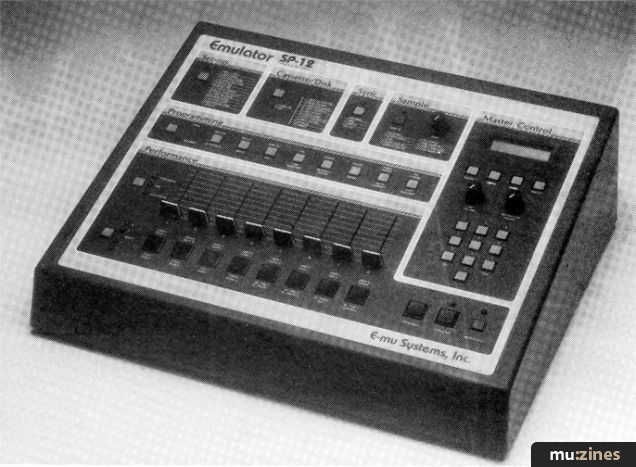
E-mu’s SP-12 made sampled percussion a focused studio instrument in 1985, combining pads, sequencer and sampled sounds before the SP-1200 carried the idea further.
The machine in the record

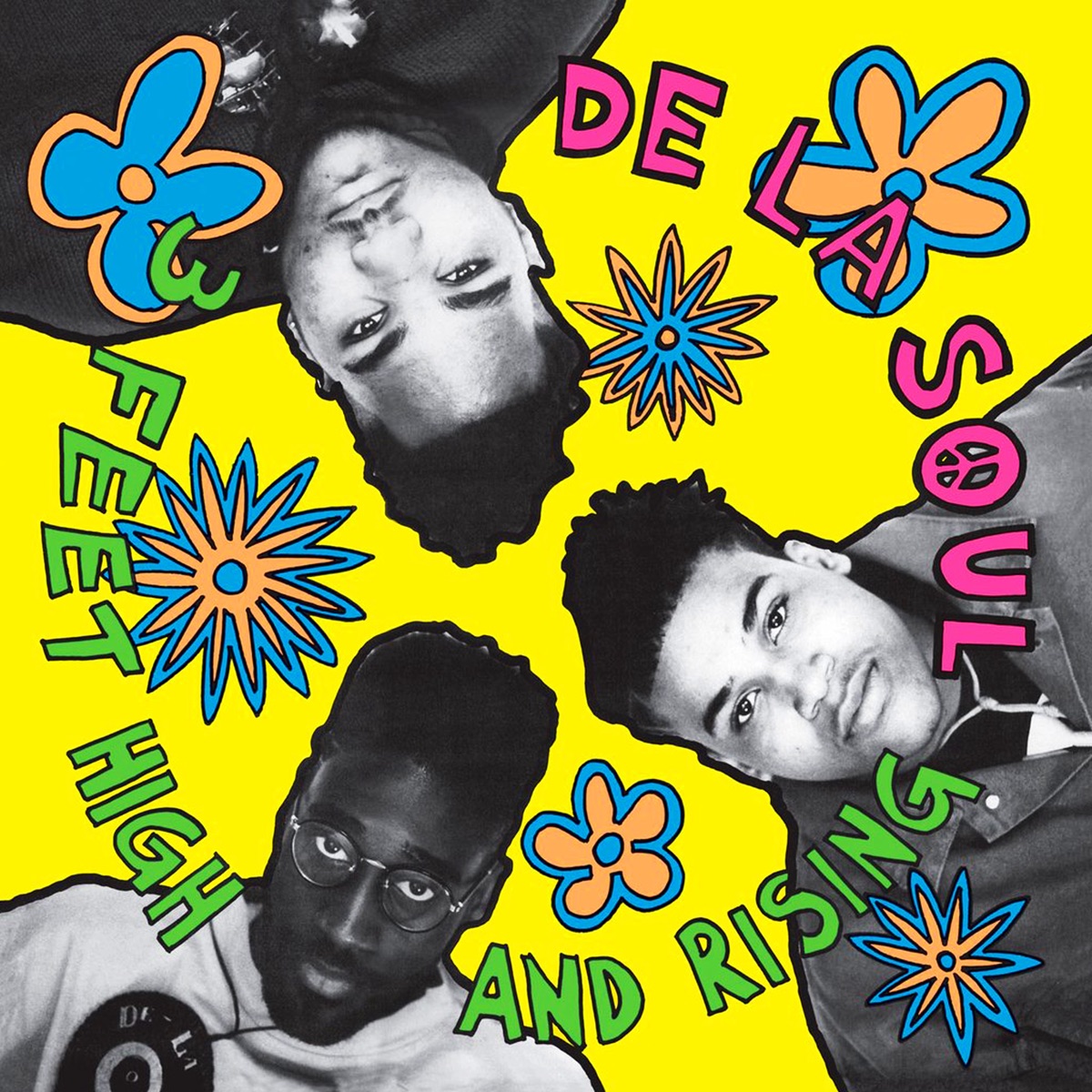
De La Soul / 3 Feet High and Rising.
Prince Paul places the earlier SP-12 in the equipment world behind 3 Feet High and Rising. The testimony stays album-wide rather than assigning individual samples or tracks, but it restores the earlier sampler to a record often discussed through the legend of its successor.
Read Make Those Records You Make: Prince Paul Speaks on De La Soul is Dead ↗More records in the archive
The machine keeps turning up.
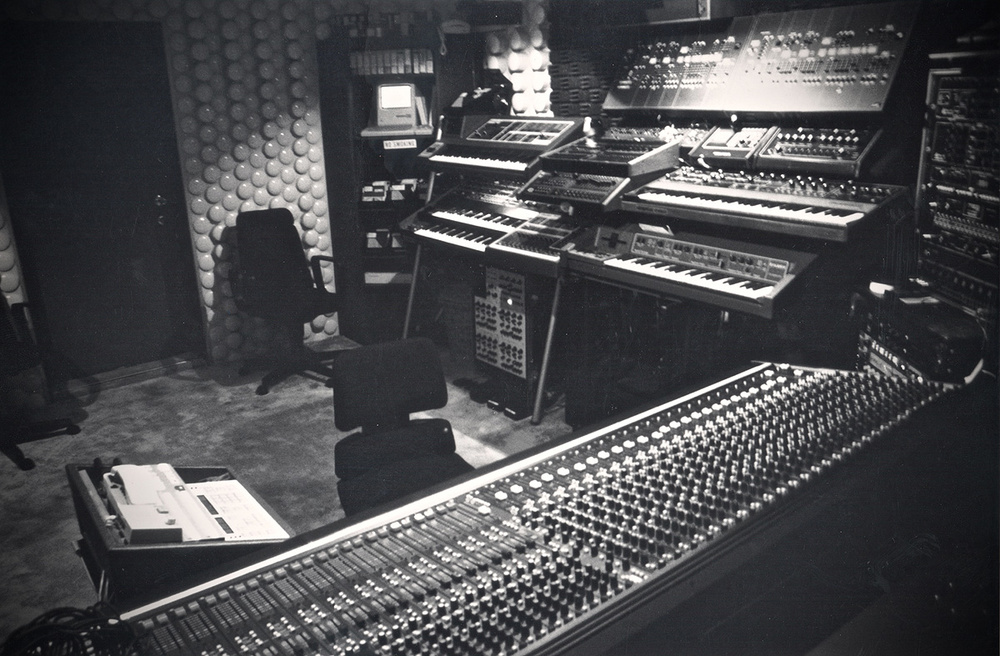
John Carpenter / Alan Howarth / Big Trouble in Little China score-era Electric Melody Studios
Alan Howarth recalls acquiring an E-mu SP-12 for Electric Melody Studios as he and John Carpenter entered the Big Trouble in Little China scoring period.
Read John Carpenter — Electric Melody Studios and Big Trouble in Little China ↗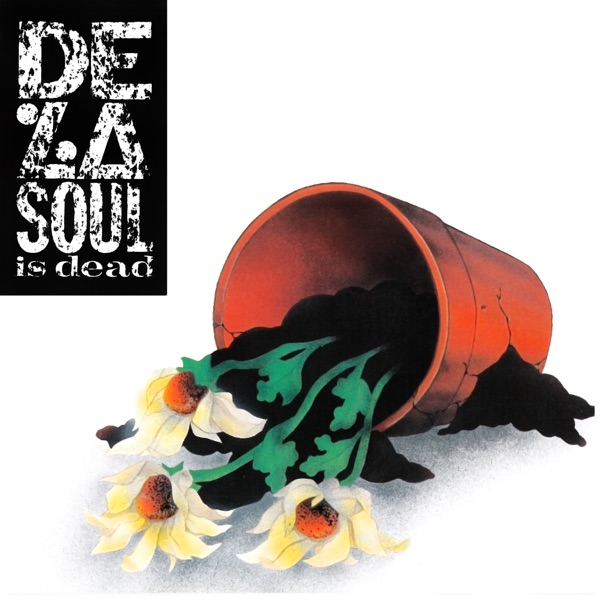
De La Soul / De La Soul is Dead
Prince Paul confirms same Calliope equipment and explicitly distinguishes SP12 from SP1200.
Read Make Those Records You Make: Prince Paul Speaks on De La Soul is Dead ↗
Stetsasonic / Bust That Groove
Prince Paul names this song in answer about sequencing on E-mu following SP12 discussion.
Read Prince Paul: Happier Than Ever, Tape Op 158 ↗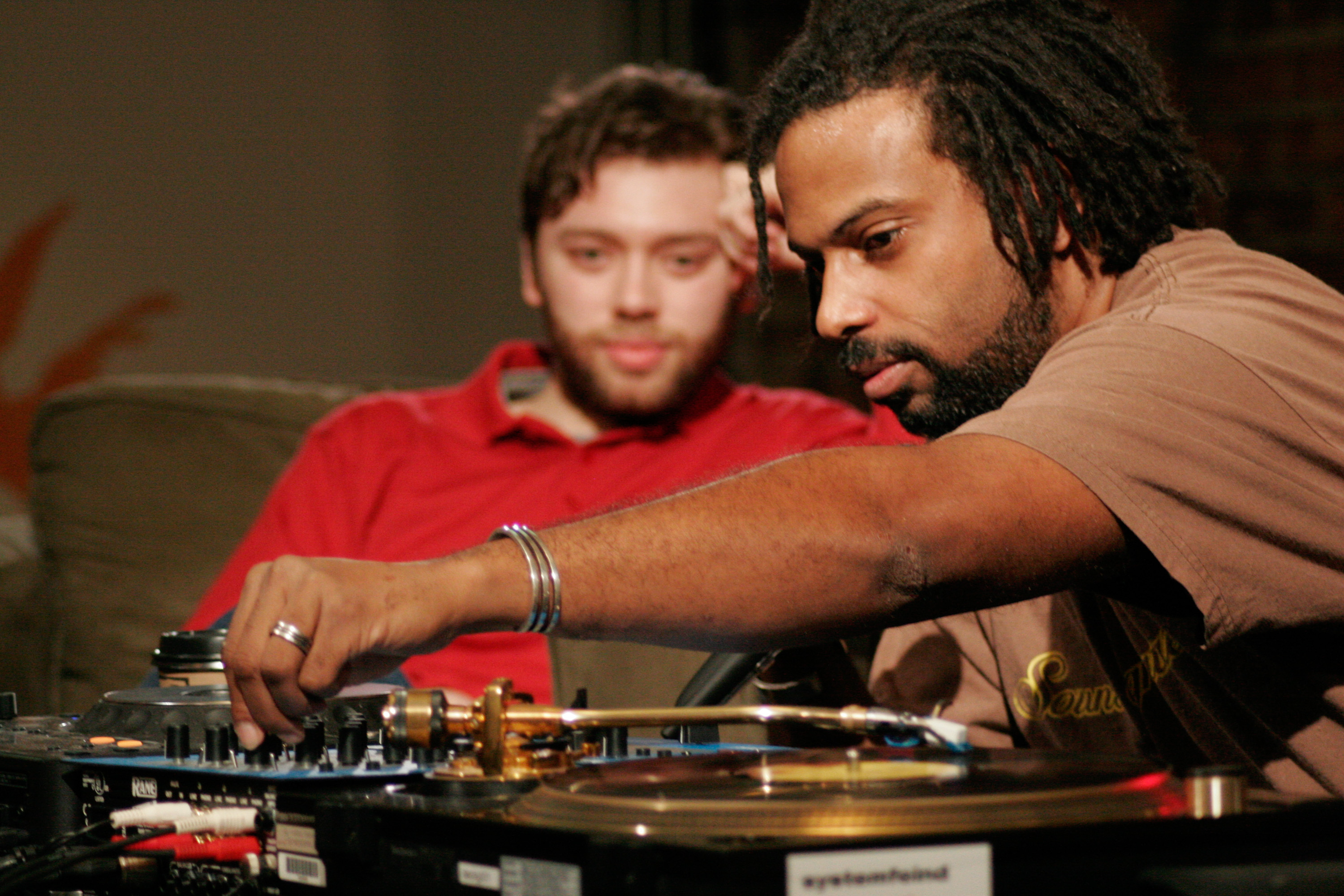
Theo Parrish / Early Detroit tracks
Theo Parrish recalls buying an old SP-12 from Claude Young and making track after track with it alongside a Juno-106.
Read Theo Parrish — Seattle 2005 lecture ↗
Jonathan Schenke / P.E. / P.E. early sessions; no named track
Jonathan Schenke describes P.E. beginning with old E-mu SP-12s, live instruments and a microphone in the room.
Read Jonathan Schenke Interview ↗
Chaz Dolo / Still Dreaming
Chaz Dolo identifies an SP-12 Turbo as the drum machine used alongside vintage synthesisers for Still Dreaming.
Read Chaz Dolo / Still Dreaming ↗Archive source
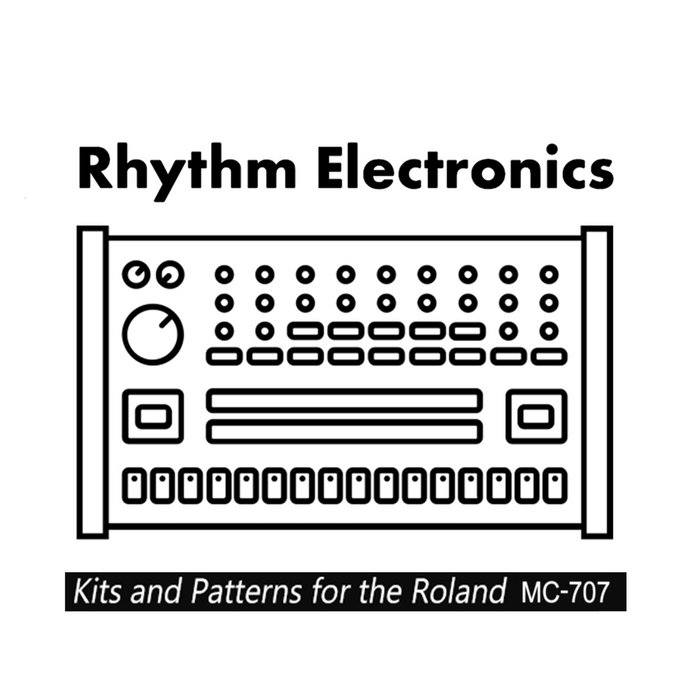
Rhythm Electronics / Vintage Drum Machines for Roland MC-707 & MC-101
Rhythm Electronics includes a E-mu SP-12 kit and pattern set in Vintage Drum Machines for Roland MC-707 & MC-101, describing the source samples as recorded from mint-state machines.
Read Rhythm Electronics / Vintage Drum Machines for Roland MC-707 & MC-101 ↗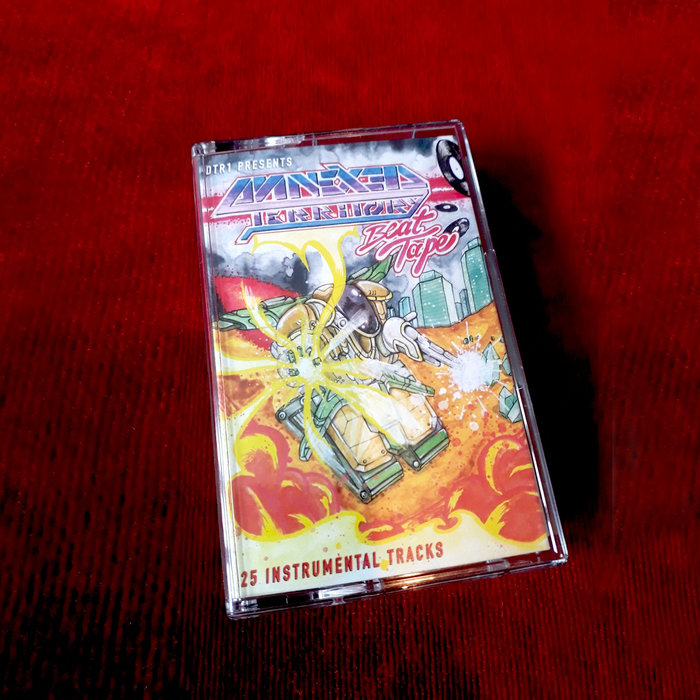
DTR / ANNEXED TERRITORY DTR1
DTR’s release says all tracks were produced with an E-MU SP-12 Turbo and Akai S950.
Read DTR — ANNEXED TERRITORY DTR1 ↗
International Dateline / Jupiter II
International Dateline says “Jupiter II” began with an old E-mu SP-12, sampled demos and loops.
Read International Dateline — Jupiter II ↗In the market
- 1985-10: GBP 2695 — UK review RRP. SP-12 reviewed configuration Source ↗
- 1986-05: GBP 2500 — UK updated Turbo list price. Turbo version after reported export restructuring Source ↗
- 1985-09: USD 2745 — US introduction-period list price reported in September. SP-12; Turbo inclusion not stated; report of 21–24 June 1985 NAMM Source ↗
- 1985-08: GBP 2675 — UK preview price. Prototype preview; no Turbo included established Source ↗
- 1985-09: GBP 2995 — UK review price. Standard SP12; Turbo discussed as additional cost Source ↗
On record
- De La Soul — 3 Feet High and Rising. Producer confirms earlier SP12 in album setup through discussion of same equipment used on follow-up. Source ↗
- De La Soul — De La Soul is Dead. Prince Paul confirms same Calliope equipment and explicitly distinguishes SP12 from SP1200. Source ↗
- Stetsasonic — Bust That Groove. Prince Paul names this song in answer about sequencing on E-mu following SP12 discussion. Source ↗
- Jonathan Schenke / P.E. — P.E. early sessions; no named track. Jonathan Schenke describes P.E. beginning with old E-mu SP-12s, live instruments and a microphone in the room. Source ↗
- Theo Parrish — Early Detroit tracks. Theo Parrish recalls buying an old SP-12 from Claude Young and making track after track with it alongside a Juno-106. Source ↗
- Chaz Dolo — Still Dreaming. Chaz Dolo identifies an SP-12 Turbo as the drum machine used alongside vintage synthesisers for Still Dreaming. Source ↗
- Rhythm Electronics — Vintage Drum Machines for Roland MC-707 & MC-101. Rhythm Electronics includes a E-mu SP-12 kit and pattern set in Vintage Drum Machines for Roland MC-707 & MC-101, describing the source samples as recorded from mint-state machines. Source ↗
- DTR — ANNEXED TERRITORY DTR1. DTR’s release says all tracks were produced with an E-MU SP-12 Turbo and Akai S950. Source ↗
- International Dateline — Jupiter II. International Dateline says “Jupiter II” began with an old E-mu SP-12, sampled demos and loops. Source ↗
Record, trim and arrange
Record a short sound through the sample input, trim its beginning and end, then put it under a pad and write a rhythm. The SP-12 brings user recording into the drum machine’s pattern-and-song workflow. Eight pads and eight sliders give the player a physical way to enter and reshape parts, alongside the factory drum sounds.
E-mu SP12, pp.90–95 ↗ Me and My E-mu ↗ Emulator SP-12, pp.104–105 ↗ SP-12 Sampling Percussion System Service Manual ↗ SP-12 Sampling Percussion System Owners Manual, Version 2.3 ↗
A small shared memory
The standard SP-12 reviewed in 1985 shared 1.2 seconds among its user sounds; Turbo expansion raised the total to five seconds. Trimming returned unused space to the memory pool. Those capacities belong to different configurations, not to each pad. Summer NAMM coverage and the 1986 advertisement document the machine’s arrival and promotion, while later updates changed what an owner could store and do.
E-mu SP12, pp.90–95 ↗ Me and My E-mu ↗ Emulator SP12 Updates, p.32 ↗ Way Down Yonder… ↗ M.I. Update: New! Improved! The Best of Summer NAMM, p.124 ↗ March to a different drummer — SP-12 advertisement, p.75 ↗
Prince Paul’s earlier sampler
Prince Paul confirms an SP-12 in the Calliope setup for 3 Feet High and Rising and De La Soul Is Dead, alongside an Akai S-900 and Casio SK-5. Asked whether he means the later SP-1200, he explicitly says the earlier model. His account identifies an equipment setup, not the machine responsible for every sample or track.
Make Those Records You Make: Prince Paul Speaks on De La Soul is Dead ↗
Stetsasonic in the sequencing discussion
In his Tape Op interview, Prince Paul names Stetsasonic’s ‘Bust That Groove’ while discussing sequencing with E-mu equipment after the SP-12 discussion. The song belongs to that production account; the surrounding conversation does not justify assigning every sampled sound exclusively to the SP-12.
P.E.’s early sessions
Jonathan Schenke describes P.E. beginning with old SP-12s, a microphone in the room, live piano and treated bass. The account places sampling beside live playing in the group’s early work. It identifies a working method rather than a particular released track.
Sources
- Me and My E-mu
- E-mu SP12, pp.90–95
- Emulator SP-12, pp.104–105
- Emulator SP12 Updates, p.32
- Interview Dave Rossum E-Mu, Part four — English Version
- Make Those Records You Make: Prince Paul Speaks on De La Soul is Dead
- Prince Paul: Happier Than Ever, Tape Op 158
- SP-12 Sampling Percussion System Service Manual
- M.I. Update: New! Improved! The Best of Summer NAMM, p.124
- Way Down Yonder…
- SP-12 Sampling Percussion System Owners Manual, Version 2.3
- March to a different drummer — SP-12 advertisement, p.75
- Charting the Exploding Electronic Drum Universe, pp.72–74,98; SP-12 on p.74
- Inside Views: E-mu Systems
- NAMM Report, pp.63–69
- E-mu SP1200, pp.22–28
- Theo Parrish — Seattle 2005 lecture
- Jonathan Schenke Interview
The visual archive
Further visual evidence.
Sources for images shown earlier (12)
- Way Down Yonder... ↗
- Jonathan Schenke — Tape Op interview portrait ↗
- Alan Howarth — Electric Melody Studios, 1985 ↗
- Theo Parrish — Red Bull Music Academy Seattle ↗
- Prince Paul — Tape Op interview portrait ↗
- Chaz Dolo — Still Dreaming ↗
Release date not stated on source page · Chaz Dolo / release artwork via Bandcamp · Official Bandcamp release-page artwork (Open Graph image) - Rhythm Electronics — Vintage Drum Machines for Roland MC-707 & MC-101 ↗
2021-02-07 · Rhythm Electronics / release artwork via Bandcamp · Official Bandcamp release-page artwork (Open Graph image) - DTR — ANNEXED TERRITORY DTR1 ↗
2024-06-01 · DTR / release artwork via Bandcamp · Official Bandcamp release-page artwork (Open Graph image) - International Dateline — Jupiter II ↗
2025-04-25 · International Dateline / release artwork via Bandcamp · Official Bandcamp release-page artwork (Open Graph image) - De La Soul — Eye Know (feat. Otis Redding) ↗
1989-03-03T08:00:00Z · De La Soul / release artwork via Apple Music catalog artwork · Release catalogue and retained front artwork - De La Soul — De La Soul Is Dead ↗
1991-05-14 · De La Soul / release artwork via Apple Music catalogue · Release catalogue and retained front artwork - De La Soul / 2010 ↗
4 September 2010 · Gozamos · De La Soul performance photograph.
Additional visual sources (13)
Original publications and related image sources.
- SP-12 service manual — Manual Manor scan ↗
1985 copyright · E-mu Systems · 122 PDF pages. Visually inspected PDF pages9,12,86: printed1-2,1-5 and section8 specifications. - SP-12 launch-period product photograph and NAMM report ↗
September 1985 · Craig Anderton · Printed p.124; PDF p.118, visually inspected. - March to a different drummer — full-page colour advertisement ↗
March 1986 · E-mu Systems · PDF p.75, unnumbered ad between printed pp.74 and 76; visually inspected. - SP-12 owner manual version 2.3, Emulator Archive edition ↗
1985 copyright · Craig Anderton · 99 PDF pages; cover and p.54 visually inspected; other selected pages text inspected. - Inside Views: E-mu Systems ↗
Apr 1987 · Sound On Sound · Marco Alpert beside an E-mu keyboard system with two clearly visible and marked SP-12 sampling percussion units. - E-mu SP12 ↗
Aug 1985 · One Two Testing · Contemporary SP-12 performance diagrams explaining multilevel and multipitch pad assignments in the dedicated review. - E-mu SP12; Emulator SP12 Updates; Emulator SP-12; E-mu SP1200; Me and My E-mu ↗
Aug 1985 · One Two Testing · E-mu Emulator SP-12 product photograph with SP-12 marking visible; it is not the later SP-1200. - Me and My E-mu ↗
Sep 1985 · Electronics & Music Maker · E-mu SP-12 individual-output rear-panel detail from the dedicated contemporary feature and matching full-unit image set. - Me and My E-mu ↗
Sep 1985 · Electronics & Music Maker · E-mu SP-12 metronome, sync and MIDI rear-panel detail from the dedicated feature and matching full-unit image set. - E-mu SP12; Emulator SP12 Updates; Emulator SP-12; E-mu SP1200; Me and My E-mu ↗
Aug 1985 · One Two Testing · E-mu Emulator SP-12 product photograph with SP-12 marking clearly visible; it is not the later SP-1200. - E-mu SP12; Emulator SP12 Updates; Emulator SP-12; E-mu SP1200; Me and My E-mu ↗
Aug 1985 · One Two Testing · E-mu Emulator SP-12 product photograph with SP-12 marking visible; it is not an SP-1200. - Emulator SP-12 ↗
Oct 1985 · International Musician & Recording World · E-mu Emulator SP-12 product photograph with SP-12 marking clearly visible, restored to the originating October 1985 review rather than its later reused article contexts. - Checklist ↗
Oct 1985 · Electronics & Music Maker · Tiny E-mu Systems Emulator SP-12 photograph from the October 1985 electronic-percussion Checklist, identified against its larger source image and visible SP-12 panel layout.