
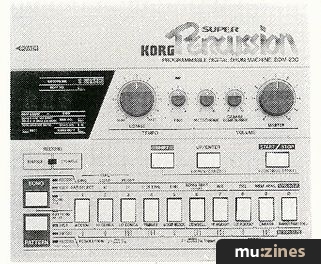
The DDM-220 reached the British press alongside the DDM-110 in 1984. It used the same compact programming system for a nine-voice Latin-percussion set.
The machine in the record
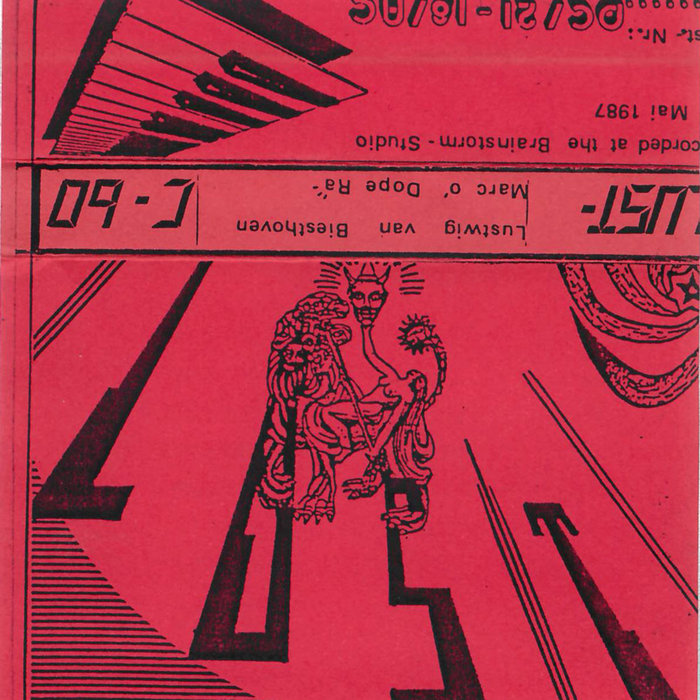
Lustwig and Marc’o Dope-Ra / Lust.
The official Lust release page lists a Korg DDM-220 among the instruments used in the May 1987 Brainstorm-Studio Bonn recording. It is a studio-wide equipment credit, but it gives the small digital Korg a firm place in a specific time and room.
Read Lustwig van Biesthoven & Marc’o Dope-Ra — Lust ↗More records in the archive
The machine keeps turning up.
Marco Egeberg / Skragn / Stund
Egeberg names the Korg DDM-220 among the drum machines used across Stund.
Read Marco Egeberg on Stund ↗Reported association
New Order / Bizarre Love Triangle
Equipboard identifies the Korg DDM-220 as the machine providing the timbales and woodblocks heard on Bizarre Love Triangle.
Read Korg DDM-220 artist-usage page ↗Reported association
Timothy J. Fairplay / FACT In The Studio appearance
The DDM-220 artist-usage page identifies Timothy J. Fairplay using the machine in a FACT In The Studio video.
Read Korg DDM-220 artist-usage page ↗Reported association
Timothy J. Fairplay / Studio setup
A community equipment record identifies a Korg DDM-220 in Timothy J. Fairplay’s FACT studio video.
Read Korg DDM-220 — Timothy J. Fairplay studio-video record ↗
Various artists / Paradise Is a Frequency / The Style of Life
The Style of Life lists Korg DDM-220 among its compilation-wide instruments.
Read The Style of Life — various-artists compilation ↗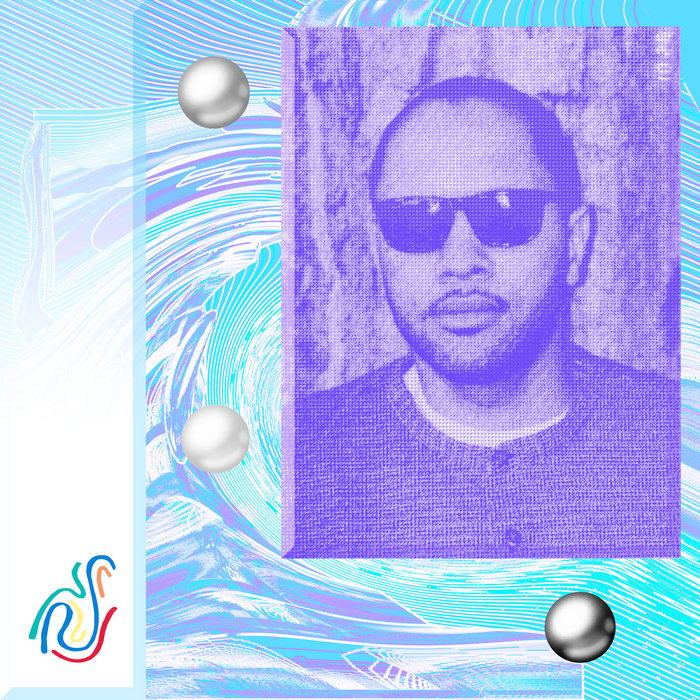
Virgil Work Jr. / Ease Into It
Virgil Work Jr.’s track equipment list names a Korg Super Percussion DDM-220.
Read Virgil Work Jr. — Ease Into It ↗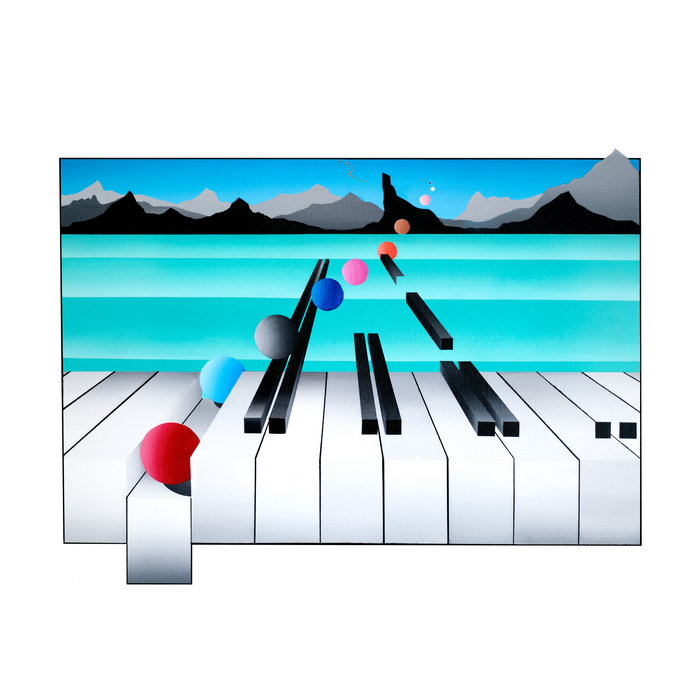
Paradise Is a Frequency / The Style of Life
Paradise Is a Frequency list the Korg Super Percussion DDM-220 in the record’s instrumentation.
Read Paradise Is a Frequency / The Style of Life ↗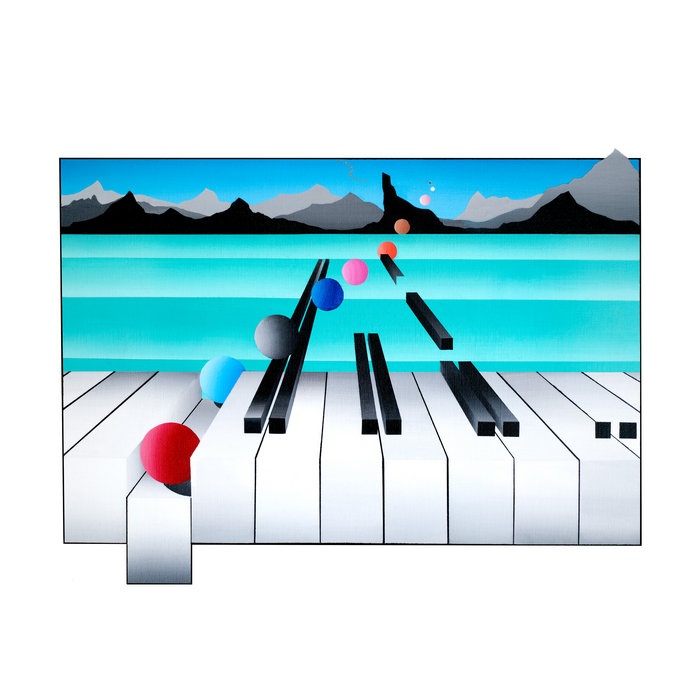
Paradise Is a Frequency / The Style of Life
Paradise Is a Frequency list a Korg Super Percussion DDM-220 in the instrumentation for The Style of Life.
Read Paradise Is a Frequency — The Style of Life ↗Super Percussion
The light-coloured DDM-220 is the DDM-110’s more percussive sibling: high and low congas, timbale, woodblock, cowbell, agogôs, cabasa and tambourine in a small programmable box. Reviewers liked the consistency of the set and the way it could add a Latin voice to an existing drum-machine rig.Sources (2)
A partner rather than a replacement
Buying both DDMs meant paying twice for the same control surface, a point Trish McGrath raised in 1984. Yet the pairing made musical sense. One box could carry the kit while the other supplied congas, timbale and hand percussion, creating a two-machine rhythm section that was still light enough for a rehearsal or home studio.Sources (2)
Different-sized rooms for a pattern
Like the DDM-110, the DDM-220 offers 32 patterns, with larger 32-step slots in the first half and 16-step slots in the second. Six songs share the machine’s bar memory. The uneven pattern sizes make the player choose how to spend space, a practical constraint that becomes part of the arrangement.Source (1)
Tambourine becomes a signal
The DDM-220’s trigger output follows its tambourine events. It can start a compatible external part while the percussion machine continues its own pattern, making a single printed instrument button pull double duty as sound and control.Source (1)
A percussion box with an afterlife
The DDM-220 stayed distinctive because it was never simply a smaller drum kit. Its dedicated percussion voices and patterned, hands-on workflow give it a place beside the better-known DDM-110: a specialist companion built for the spaces between kick and snare.Sources (2)
In the market
- 1986-01: GBP 225 — UK contemporary buyer-guide quotation. Standard model; included accessories not specified in listing Source ↗
- 1986-05: GBP 195 — UK contemporary buyer-guide quotation. Standard model; included accessories not specified in listing Source ↗
On record
- Marco Egeberg / Skragn — Stund. Egeberg names the Korg DDM-220 among the drum machines used across Stund. Source ↗
- New Order — Bizarre Love Triangle. Equipboard identifies the Korg DDM-220 as the machine providing the timbales and woodblocks heard on Bizarre Love Triangle. Source ↗
- Lustwig van Biesthoven & Marc’o Dope-Ra — Lust. The official Lust release page lists a Korg DDM-220 among the instruments used during the May 1987 Brainstorm-Studio Bonn recording. Source ↗
- Vincent — The Style of Life. The Vincent archive lists Korg’s Super Percussion DDM-220 among the instruments at A Work Of Art Labs, the suburban St. Louis home studio where his cassette work began. Source ↗
- Virgil Work Jr. — Ease Into It. Virgil Work Jr.’s track equipment list names a Korg Super Percussion DDM-220. Source ↗
- Paradise Is a Frequency — The Style of Life. Paradise Is a Frequency list the Korg Super Percussion DDM-220 in the record’s instrumentation. Source ↗
- Paradise Is a Frequency — The Style of Life. Paradise Is a Frequency list a Korg Super Percussion DDM-220 in the instrumentation for The Style of Life. Source ↗
In the studio and on stage
- Timothy J. Fairplay — Studio setup. A community equipment record identifies a Korg DDM-220 in Timothy J. Fairplay’s FACT studio video. Source ↗
- Timothy J. Fairplay — FACT In The Studio appearance; individual recording not named. The DDM-220 artist-usage page identifies Timothy J. Fairplay using the machine in a FACT In The Studio video. Source ↗
Sources
The visual archive
Further visual evidence.
Sources for images shown earlier (5)
- Korg DDM-220 period photograph ↗
- Various artists — The Style of Life ↗
2024-12-06 · Cover painting by Stan Solomon · Official Bandcamp release-page artwork (Open Graph image) - Virgil Work Jr. — Ease Into It ↗
2024-08-30 · Virgil Work Jr. / release artwork via Bandcamp · Official Bandcamp release-page artwork (Open Graph image) - Skragn — Stund ↗
2019-04-24 · Complex Distractions / Skragn · Skragn Takes Flight: A Conversation With Musician Marco Egeberg; Stund front-cover image. - Lustwig van Biesthoven & Marc’o Dope-Ra — Lust ↗
1987-05-05 · Lustwig van Biesthoven & Marc’o Dope-Ra / Studio in Time / release artwork via Bandcamp · Official Bandcamp release-page artwork (Open Graph image)
Additional visual sources (3)
Original publications and related image sources.
- DDM-220 Owner’s Manual ↗
Undated inspected edition · Korg · Cover; printed pp.2–3,51–54 and back cover - Digital drums without a digital price ↗
May 1985 · Korg / Unicord · Musician no.79, PDF p.3; cover PDF p.1 verifies month/year - Korg DDM drum machines ↗
October 1984 · One Two Testing · Printed page 41; page-scan view