
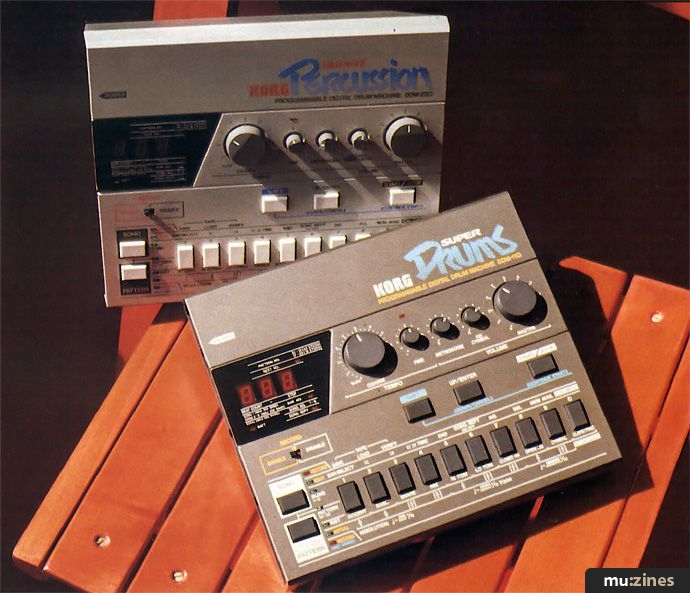
The DDM-110 arrived in the British press in 1984 as an affordable digital drum machine. Period listings placed it between £229 and £299, with later buyer guides showing it settling lower in the market.
The machine in the record
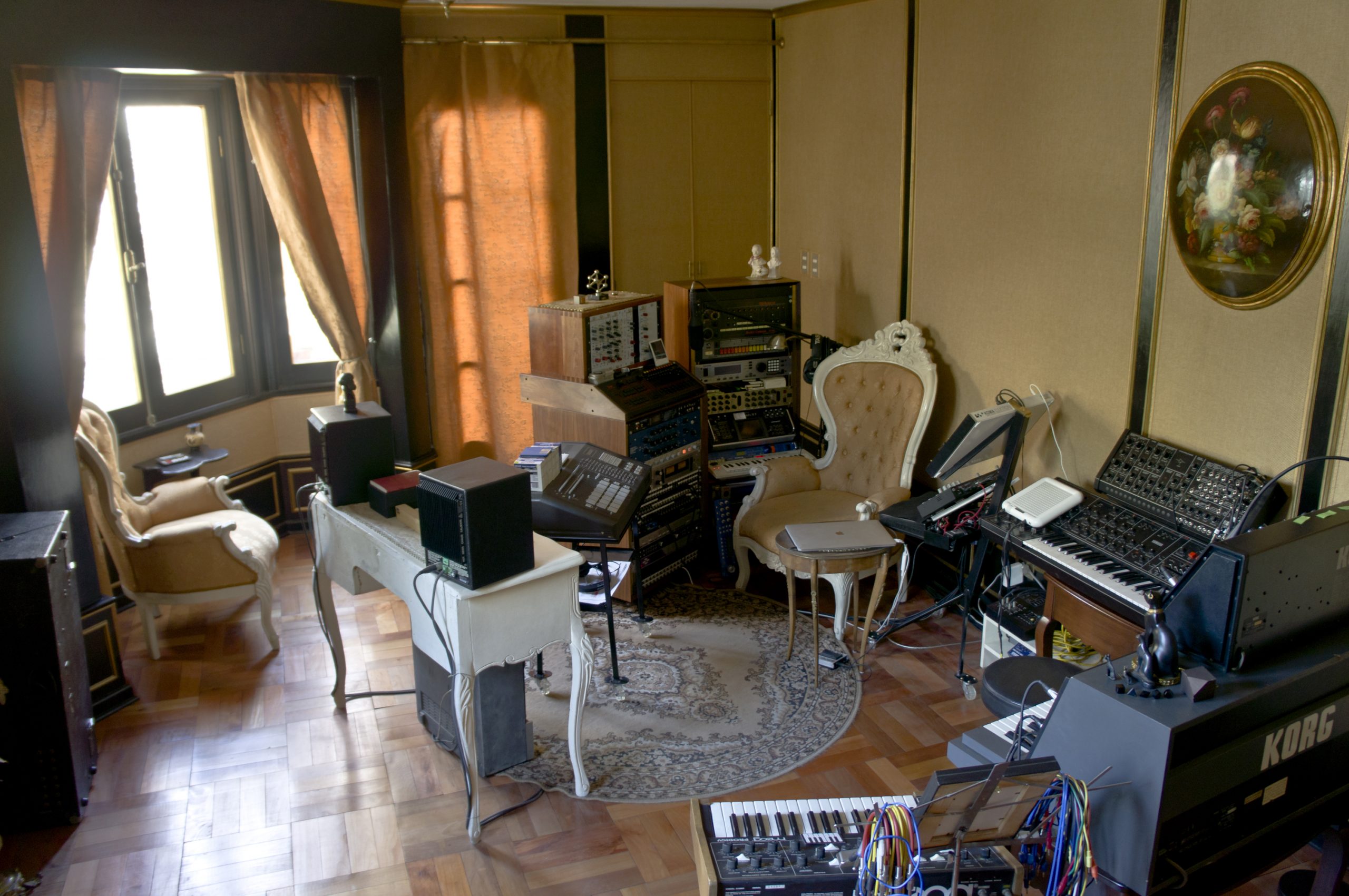
Atom™ / the first gear.
Atom calls the DDM-110 his first piece of gear and says he programmed it for many months while learning to compose. There is no named release attached to the account, but there is a valuable truth about small machines: before they become collectible, they teach someone how a track begins.
Read In the studio with Atom™ ↗More records in the archive
The machine keeps turning up.
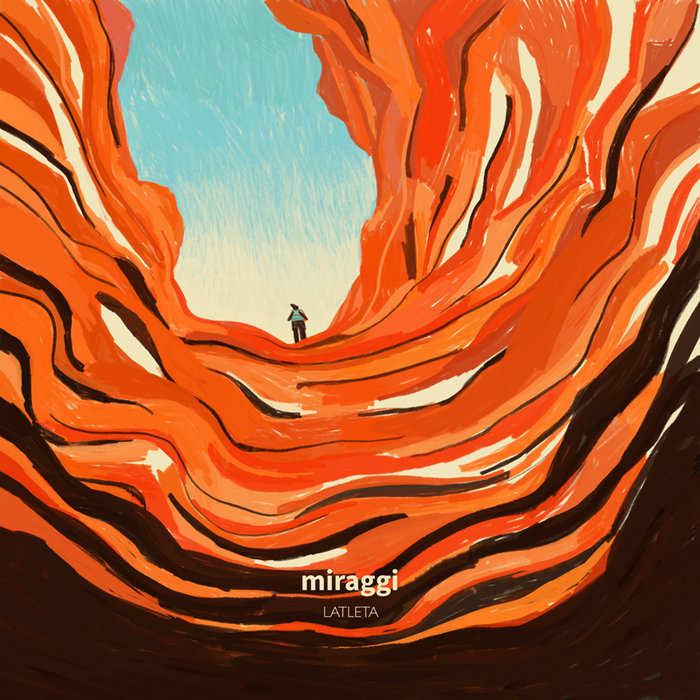
LATLETA / Stefano Roman / “Balla la testa”
LATLETA credits Stefano Roman with a 1985 Korg Super Drums drum machine on “Balla la testa” from Miraggi.
Read LATLETA / Miraggi ↗SampleRadar / Future Music / 503 free obscure drum-machine samples
MusicRadar’s SampleRadar archive preserves the Korg DDM-110 as labelled hits and loops, giving the small digital Korg a practical second life in modern sequencer sessions.
Read SampleRadar: 503 free obscure drum machine samples ↗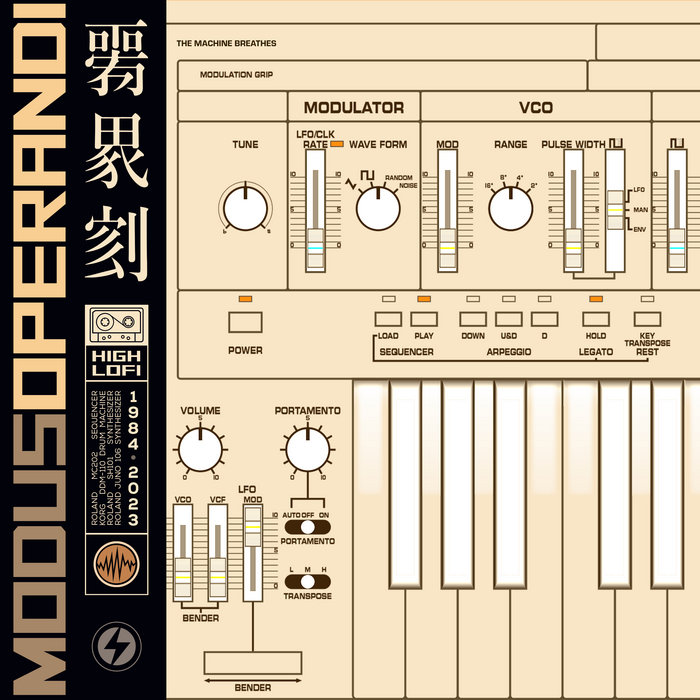
Modus Operandi / The Machine Breathes
The recovered 1984 cassette’s drum-machine part is assigned to the DDM-110.
Read Modus Operandi / The Machine Breathes ↗
Orion Agassi / Super Drums (707 Mix)
Orion Agassi calls the DDM-110 his first drum machine and frames “Super Drums” as a homage to it, giving the forgotten Korg an explicit personal afterlife.
Read Orion Agassi — Super Drums (707 Mix) ↗
Spare Snare / Westfield Lane
The original-release credits list a Korg DDM-110 among the instruments used on Westfield Lane.
Read Spare Snare Bandcamp release page ↗
Totalement Sublime / Totalement Sublime
The release names a Korg DDM-110 in its instrumentation.
Read Totalement Sublime — Totalement Sublime ↗
Barbie Chêtif / Music For Season III
The equipment credit for Music For Season III names a Korg DDM-110.
Read Barbie Chêtif — Music For Season III ↗Super Drums in a small black box
The DDM-110 put a sampled drum kit into a compact, battery-capable machine with a direct row of buttons and a rhythm programmer behind it. Its kick and snare made an immediate impression on some reviewers, while its short toms and claps revealed the tougher edges of early budget sampling. That tension is its sound: crisp, useful, and unmistakably of its time.Sources (2)
Thirty-two patterns, six songs
Korg gave the DDM-110 32 patterns and six songs. The first 16 pattern locations can hold 32 steps; the second 16 hold 16. Real-time and step entry make the difference practical: a player can sketch a part quickly, then return to its individual positions to sharpen the groove.Sources (2)
A trigger hiding in the handclap
The handclap part also provides the DDM-110’s programmable trigger output. Plugging into TRIG OUT removes the clap from the stereo mix and sends its rhythmic events to compatible external equipment. It is a small design gesture that turns the machine from a self-contained kit into a source of motion elsewhere in the setup.Sources (2)
A clock of its own
The DDM-110 and DDM-220 use Korg’s 48-pulses-per-quarter-note sync system. In an era of incompatible clock languages, that made the right cable and the right partner part of the instrument’s everyday life. Korg’s KMS-30 was the bridge offered to players who wanted MIDI and tape synchronization around the pair.Sources (2)
The user community kept it alive
Paul Sellars returned to the DDM-110 in 2001 for its distinctive percussion and immediate programming. He sampled its nine sounds into an Akai, shared WAV files online and wrote a guide for owners who had lost their manuals. It is a small, vivid afterlife: a budget machine becoming a shared source of character.Source (1)
Atom’s first drum computer
Atom remembers the DDM-110 as his first piece of gear, a small machine he programmed all day for months while learning to compose. The claim does not attach it to a celebrated release. It gives something more revealing: the memory of a musician learning what repetition, limitation and arrangement could do.Source (1)
In the market
- 1984-12: GBP 229 — UK contemporary review price. DDM110; article describes supplied mains adaptor Source ↗
- 1986-01: GBP 225 — UK contemporary buyer-guide quotation. Standard model; included accessories not specified in listing Source ↗
- 1986-05: GBP 195 — UK contemporary buyer-guide quotation. Standard model; included accessories not specified in listing Source ↗
On record
- Atom™ — Early composing period; no individual record named. Atom calls the Korg DDM-110 his first piece of gear and says he programmed it for many months while learning to compose. Source ↗
- SampleRadar / Future Music — 503 free obscure drum-machine samples. MusicRadar’s SampleRadar archive preserves the Korg DDM-110 as labelled hits and loops, giving the small digital Korg a practical second life in modern sequencer sessions. Source ↗
- Spare Snare — Westfield Lane. The original-release credits list a Korg DDM-110 among the instruments used on Westfield Lane. Source ↗
- Modus Operandi — The Machine Breathes. The recovered 1984 cassette’s drum-machine part is assigned to the DDM-110. Source ↗
- Orion Agassi — Super Drums (707 Mix). Orion Agassi calls the DDM-110 his first drum machine and frames “Super Drums” as a homage to it, giving the forgotten Korg an explicit personal afterlife. Source ↗
- LATLETA / Stefano Roman — “Balla la testa”. LATLETA credits Stefano Roman with a 1985 Korg Super Drums drum machine on “Balla la testa” from Miraggi. Source ↗
- Totalement Sublime — Totalement Sublime. The release names a Korg DDM-110 in its instrumentation. Source ↗
- Barbie Chêtif — Music For Season III. The equipment credit for Music For Season III names a Korg DDM-110. Source ↗
Sources
- Korg DDM220
- Korg DDM drum machines
- In Triplet Time
- Korg DDM110
- DDM-110 Owner’s Manual, pp.2,52,54 and back cover
- SQD-1 Owner’s Manual, synchronized operation, p.92
- Korg DDM110: retrospective review
- Digital drums without a digital price: Super Drums and Super Percussion advertisement
- Electronic Percussion checklist
- Checklist
- In the studio with Atom™
The visual archive
Further visual evidence.
Sources for images shown earlier (8)
- Korg DDM drum machines ↗
- Modus Operandi — The Machine Breathes ↗
Release date not stated on source page · Modus Operandi / release artwork via Bandcamp · Official Bandcamp release-page artwork (Open Graph image) - Spare Snare — Westfield Lane ↗
1996 · Spare Snare / release artwork via Bandcamp · Official Bandcamp release-page artwork (Open Graph image) - Orion Agassi — Super Drums (707 Mix) ↗
Release date not stated on source page · Orion Agassi / release artwork via Bandcamp · Official Bandcamp release-page artwork (Open Graph image) - LATLETA / Stefano Roman — “Balla la testa” ↗
2020-12-01 · LATLETA / Stefano Roman / release artwork via Bandcamp · Official Bandcamp release-page artwork (Open Graph image) - Totalement Sublime — Totalement Sublime ↗
2020-09-18 · Totalement Sublime / release artwork via Bandcamp · Official Bandcamp release-page artwork (Open Graph image) - Barbie Chêtif — Music For Season III ↗
2020-01-03 · Barbie Chêtif / release artwork via Bandcamp · Official Bandcamp release-page artwork (Open Graph image) - Atom™ — Headphone Commute studio feature ↗
2020-04-27 · Headphone Commute · Atom™ studio-feature lead photograph.
Additional visual sources (4)
Original publications and related image sources.
- DDM-110 Owner’s Manual ↗
Original edition undated · Korg · Manufacturer support download - DDM-110 technical-document listing ↗
Undated document · Korg documents · Download listing - DDM-110 factory owner manual ↗
1984 copyright · Keio Electronic Laboratory / Korg · 55-page PDF; printed pp.2,50–52,54 and back cover visually inspected - Digital drums without a digital price ↗
May 1985 · Korg / Unicord · Musician no.79, PDF p.3; cover PDF p.1 verifies month/year