
Korg’s DDD-5 arrived in 1987 with two sides to its personality: a touch-sensitive programmable drum machine and an accompaniment box with starts, fills and endings close at hand. It brought detailed digital percussion control to a more affordable format.
The machine in the record
Coppice Halifax / Ero / Part.
Brian Grainger used two DDD-5s in the live sessions behind Ero / Part. The paired little Korgs show how modest digital percussion can become a performance system when doubled and pushed.
Read Ero / Part ↗More records in the archive
The machine keeps turning up.
K.U.R.O. / Takeichiro Kurosaki / Revolution
Artist names all three machines in the album setup.
Read Artist: K.U.R.O. ↗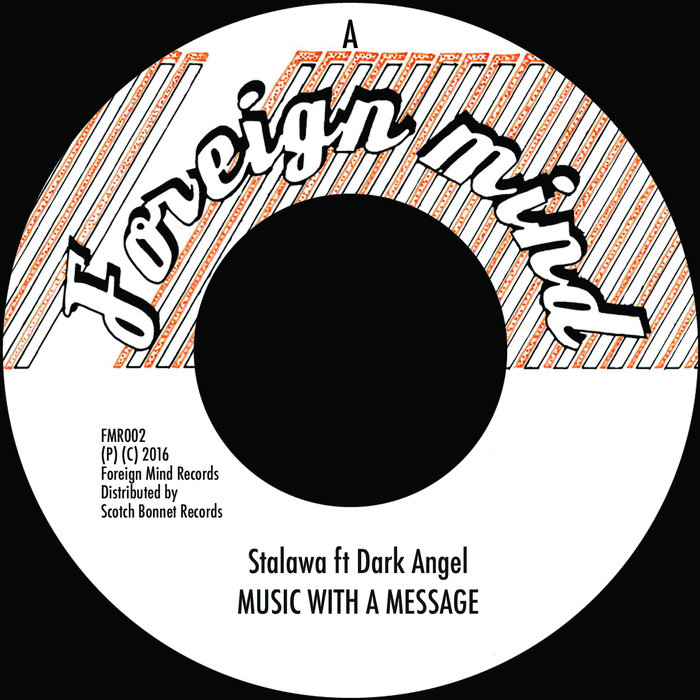
Stalawa / “Music With A Message ft Dark Angel”
Stalawa’s release credits name the Korg DDD-5 as the drum machine on “Music With A Message ft Dark Angel”.
Read Stalawa / Music With A Message ↗
Hezekiah Jones / Raphael Cutrufello / If You Harden On The Inside
The track credit names Cutrufello on Korg DDD-5.
Read Hezekiah Jones — If You Harden On The Inside ↗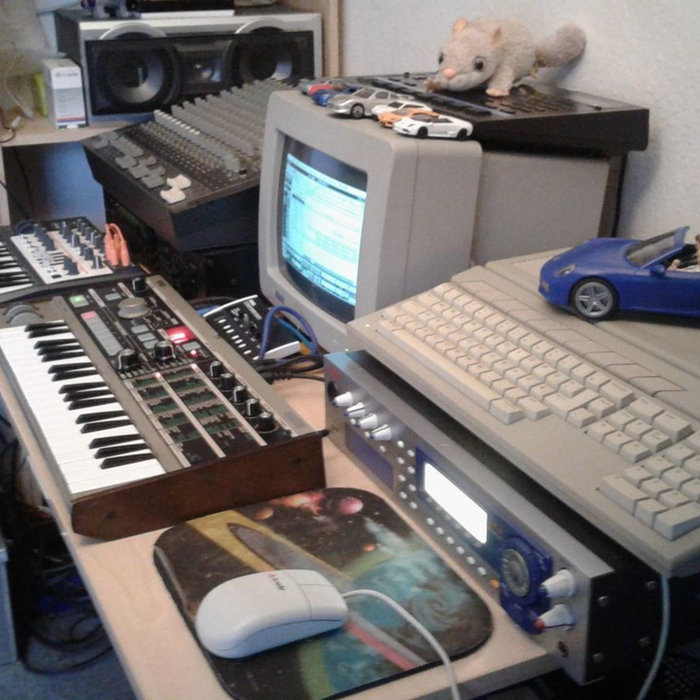
Ansgar Stock / Porsche Drive 911
The track credit calls the Korg DDD-5 processed industrial percussion.
Read Ansgar Stock — Porsche Drive 911 ↗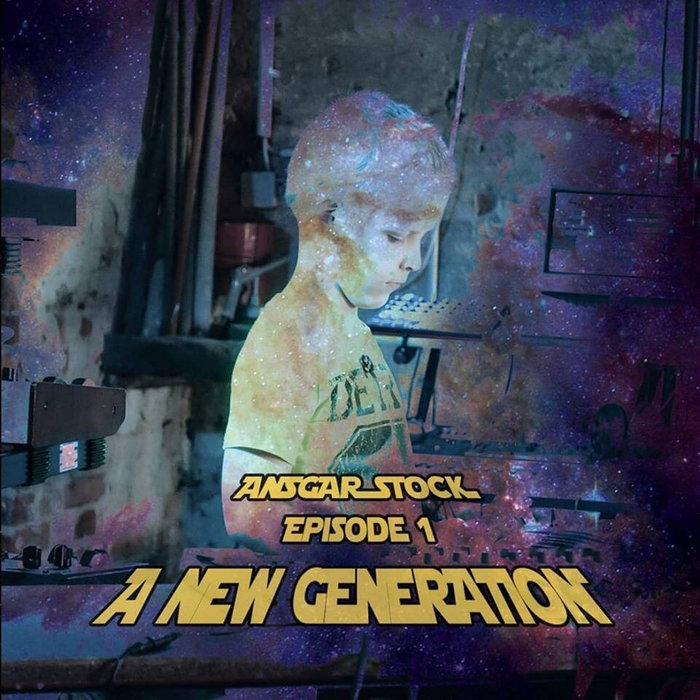
Ansgar Stock / Episode I - A New Generation
Stock’s release-wide inventory names a Korg DDD-5.
Read Ansgar Stock — Episode I - A New Generation ↗Coppice Halifax / Brian Grainger / Ero / Part
Coppice Halifax credited two DDD-5s in the live sessions behind Ero / Part.
Read Ero / Part ↗Two routes into a rhythm
The DDD-5 made room for both the player writing a part and the musician needing an immediate accompaniment. Interchangeable panel guides separated its preset functions from user programming, while footswitch access to introductions, fills and endings kept the machine connected to the practical needs of a solo performer.
A kit that could be shaped
The factory manual describes twenty-nine internal sounds that could be tuned, panned, levelled and shortened for each hit. It also keeps sound, pattern and RAM-card duties distinct, which is the key to understanding the DDD-5: its expansion was organised around an owner building a usable working kit, not a single undifferentiated bank of extras.
Affordable digital control
Contemporary 1987 reviews concentrated on the DDD-5’s hands-on programming and its combination of familiar drum-machine functions with more detailed sound control. That balance is why the machine remains a revealing small Korg: it turns a technical specification into a panel a player could actually use.
Two DDD-5s in one live session
Brian Grainger credits two Korg DDD-5s in the October 2016 live sessions for Coppice Halifax’s *Ero / Part*. He does not separate their roles, cards or modifications, but the credit makes the machine part of a real performance document rather than an anonymous digital relic.
K.U.R.O.’s three-machine record
Takeichiro Kurosaki identifies the Korg DDD-5 beside an Akai XR10 and Yamaha RY30 in the setup for K.U.R.O.’s Revolution. The account stays album-level, but that is enough to make the point: the small Korg was one colour in a deliberately mixed rhythm-machine palette.
Sources
The visual archive
Further visual evidence.
Sources for images shown earlier (6)
- Korg DDD5; Korg DDD1; KORG DDD-1 Drum Machine ↗
- Stalawa — “Music With A Message ft Dark Angel” ↗
Release date not stated on source page · Stalawa / release artwork via Bandcamp · Official Bandcamp release-page artwork (Open Graph image) - Hezekiah Jones / Raphael Cutrufello — If You Harden On The Inside ↗
2017-02-28 · Hezekiah Jones / Raphael Cutrufello / release artwork via Bandcamp · Official Bandcamp release-page artwork (Open Graph image) - Ansgar Stock — Porsche Drive 911 ↗
2017-06-02 · Ansgar Stock / release artwork via Bandcamp · Official Bandcamp release-page artwork (Open Graph image) - Ansgar Stock — Episode I - A New Generation ↗
2019-09-27 · Ansgar Stock / release artwork via Bandcamp · Official Bandcamp release-page artwork (Open Graph image) - Coppice Halifax / Brian Grainger — Ero / Part ↗
2016-12-31 · Coppice Halifax / Brian Grainger / release artwork via Cover Art Archive · Release catalogue and retained front artwork
Additional visual sources (4)
Original publications and related image sources.
- DDD-5 factory manual ↗
Edition undated · Korg · Printed/PDF pp.3, 61–63 - DDD-5 period review photograph ↗
June 1987 · Music Technology · Printed pp.37,39 / PDF pp.41,43 - DDD-5 external patchbay ↗
Undated · Circuitbenders / Pill Shovel Productions · Two linked product images - DFC-P01 Rock & Heavy Metal ↗
Edition · Korg · Indexed PDF cover