
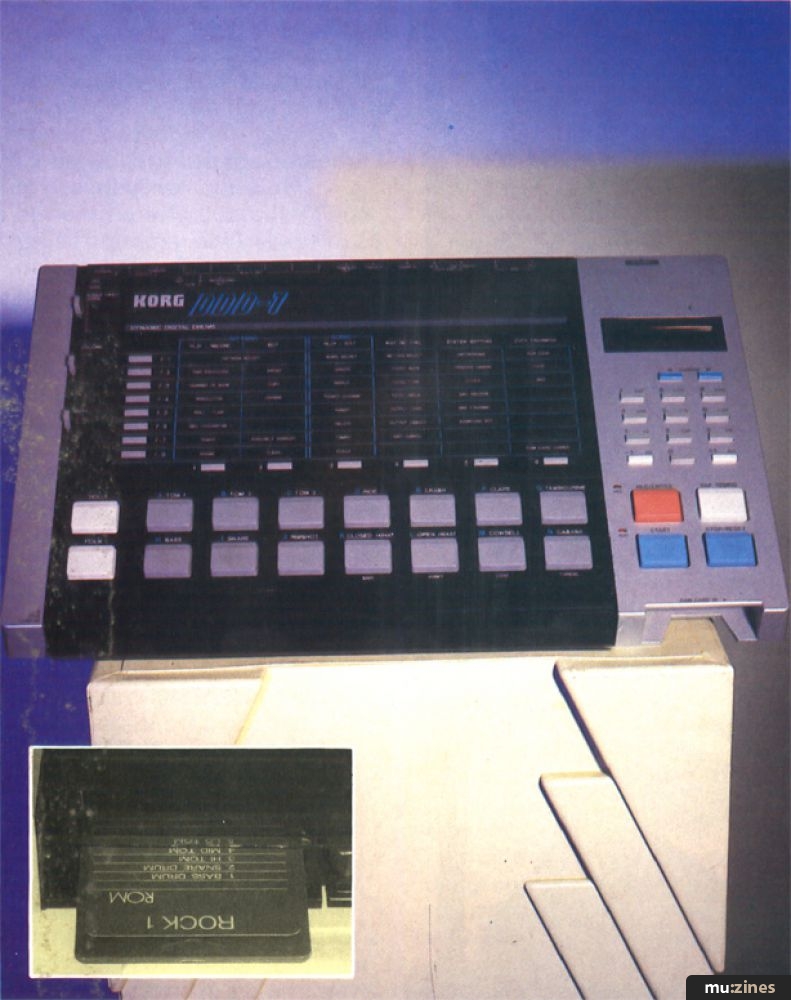
British reviews document the DDD-1 by autumn 1986: eighteen internal sounds, fourteen dynamic instrument keys, four ROM-card slots and an optional DSB-1 sampling board. Review dates establish coverage, not first shipment or the sampling option’s availability.
The machine in the record
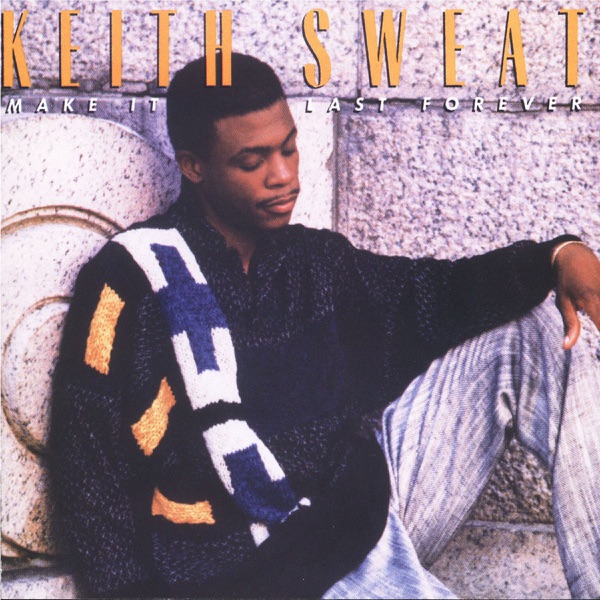
Teddy Riley and Keith Sweat / “I Want Her”.
Teddy Riley identifies the DDD-1 as the source of the drum-machine sounds and hits on “I Want Her”. That places Korg’s digital box inside the construction of an early New Jack Swing landmark, where the rhythm has to feel both exact and bodily.
Read Teddy Riley lecture ↗More records in the archive
The machine keeps turning up.
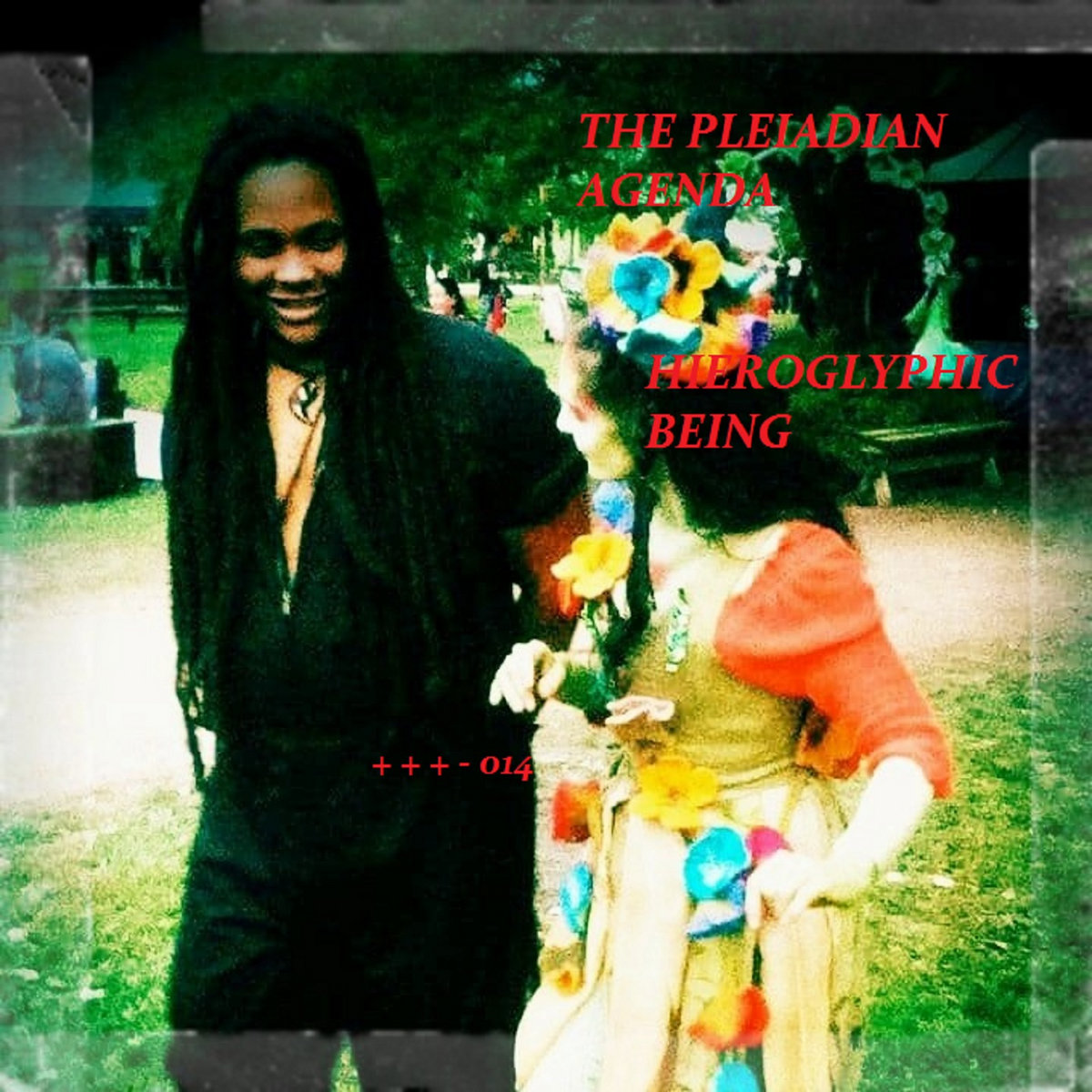
Hieroglyphic Being / Jamal R. Moss / The Pleiadian Agenda
Moss lists a Korg DDD-1 in the stated gear for The Pleiadian Agenda.
Read Hieroglyphic Being — The Pleiadian Agenda ↗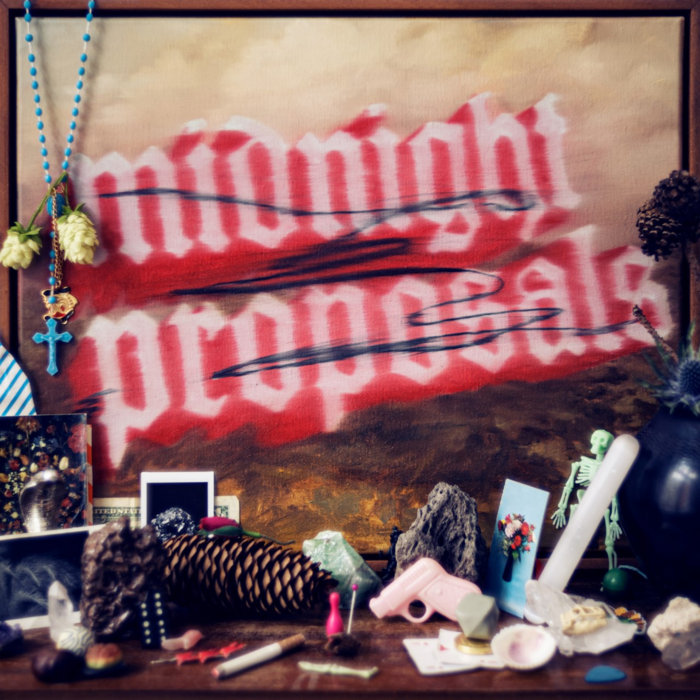
Jennifer Touch / Midnight Proposals
Jennifer Touch lists a Korg DDD-1 among the drum machines used in the self-recorded, mixed and engineered Midnight Proposals set-up.
Read Jennifer Touch interview ↗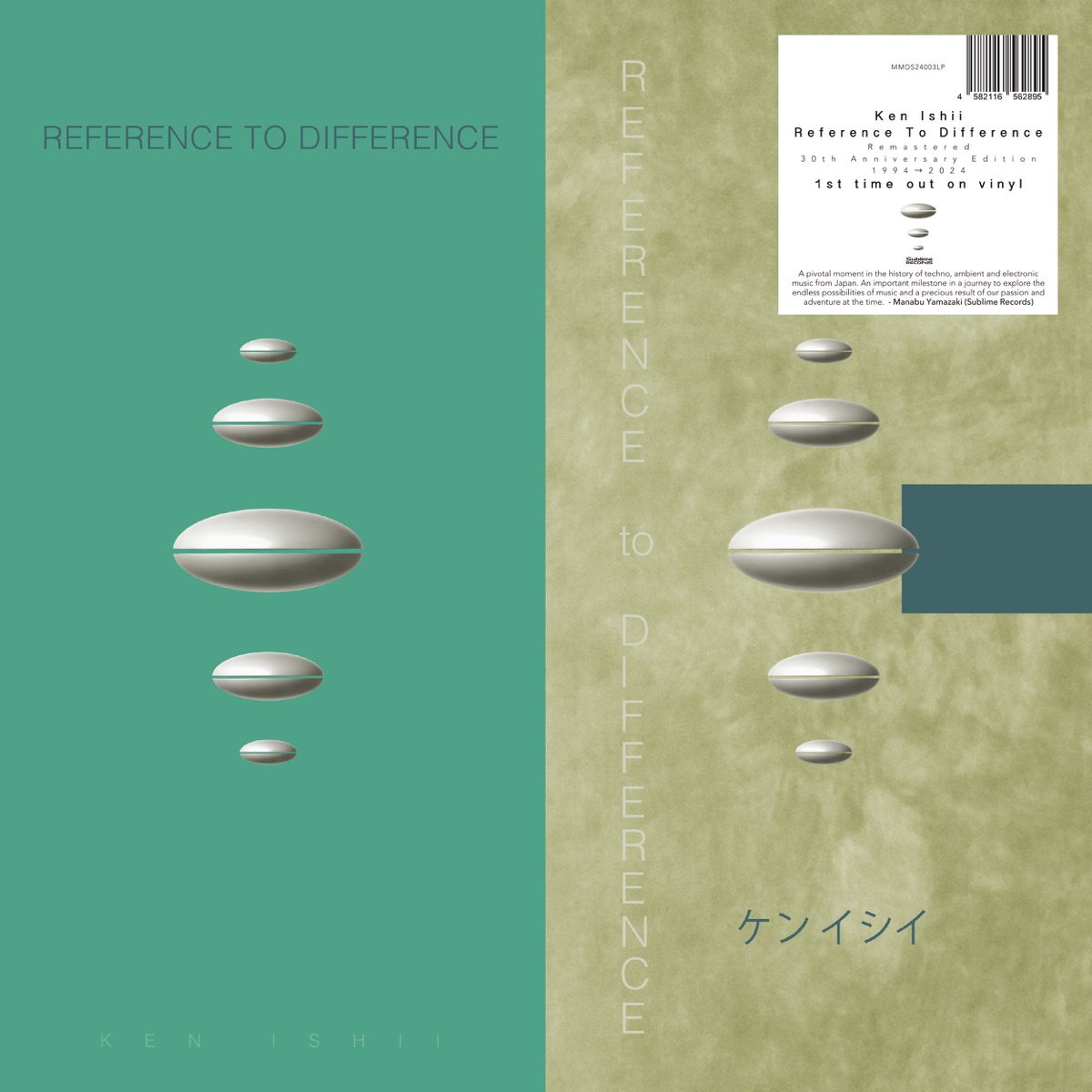
Ken Ishii / Fading Sky
Ishii identifies a layered Korg DDD-1 and Roland JD-800 kick on “Fading Sky.”
Read Ken Ishii on Reference to Difference ↗Ken Ishii / Finite Time
Ishii says the drum-kit sounds on “Finite Time” were sampled from a Korg DDD-1 and layered with material from a Roland S-330.
Read Ken Ishii on Reference to Difference ↗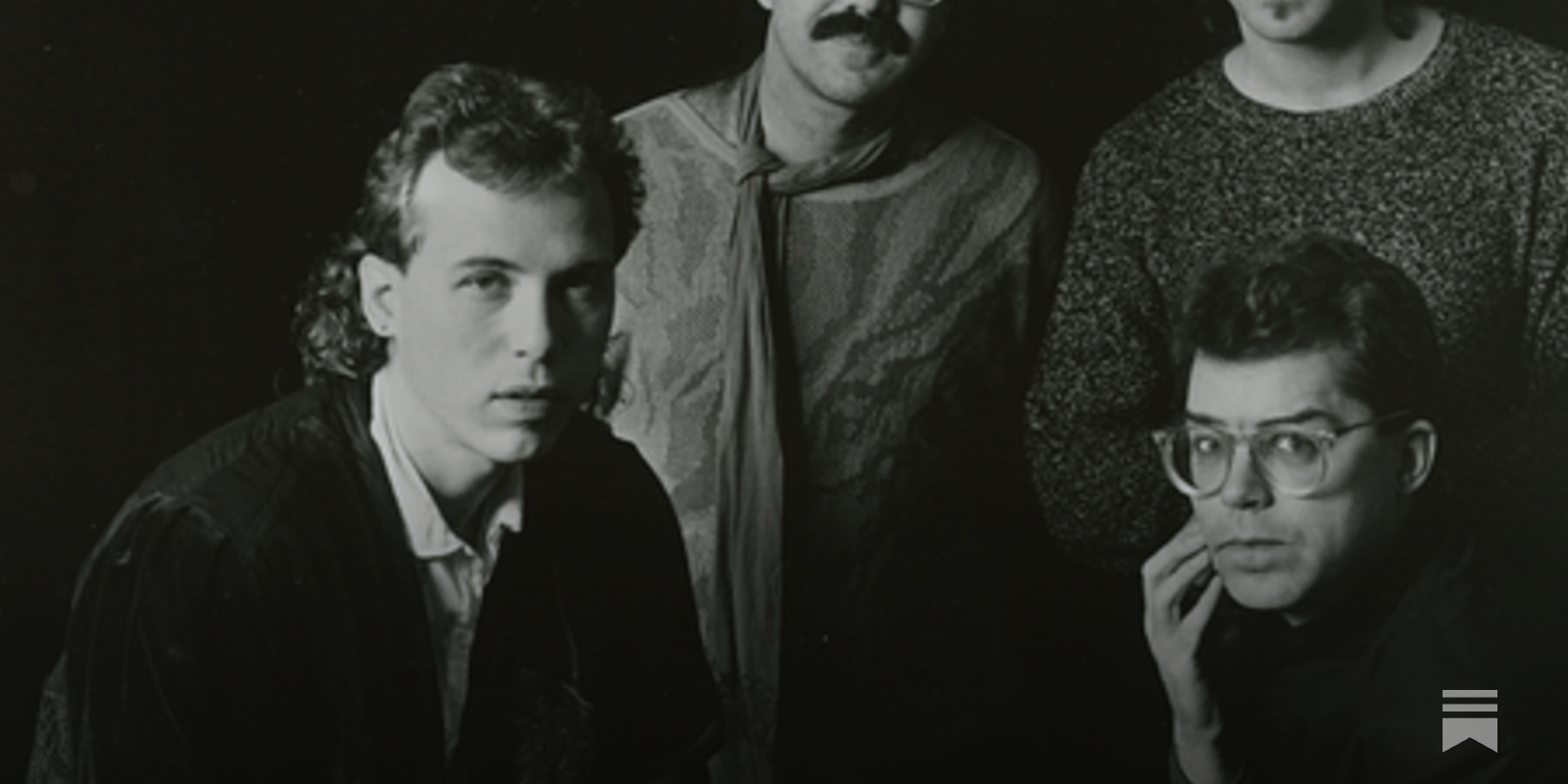
Peter Erskine / Transition
Erskine says Transition used sampled tuned cowbells from a Korg DDD-1, and that he worked with Korg on the machine’s development.
Read Peter Erskine on Transition and the Korg DDD-1 ↗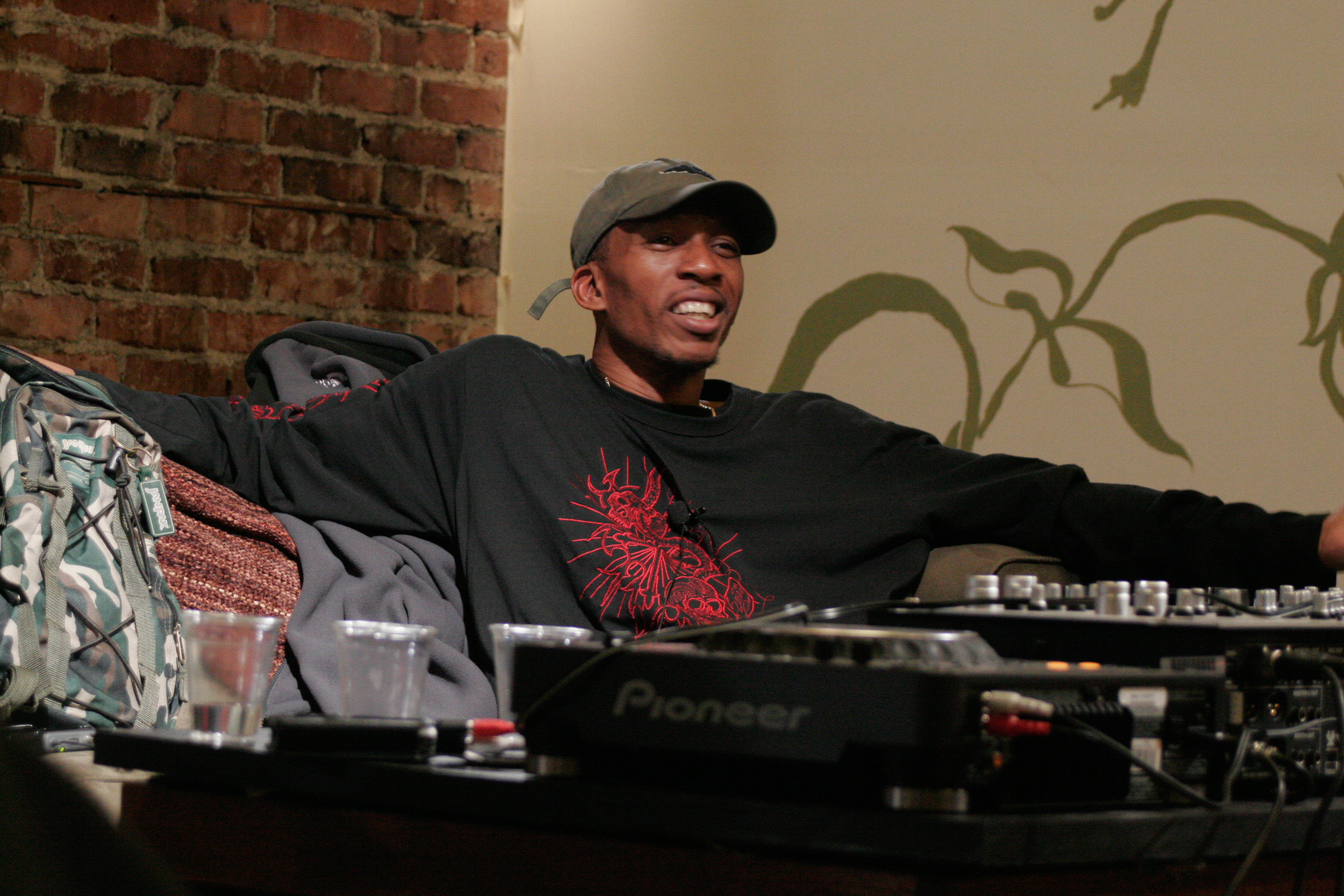
Hank Shocklee / Public Enemy / Production practice; no individual recording identified
Hank Shocklee describes the Korg DDD-1 as one machine within a larger Public Enemy-era rhythm system: alongside an SP-1200, S-900, MPC-60 and Ensoniq Mirage, each chosen for a different character. He recalls running the same DDD-1 program repeatedly with replacement sounds, layering fresh kick and snare passes to push beyond its short sound allowance.
Read Hank Shocklee: Seattle lecture ↗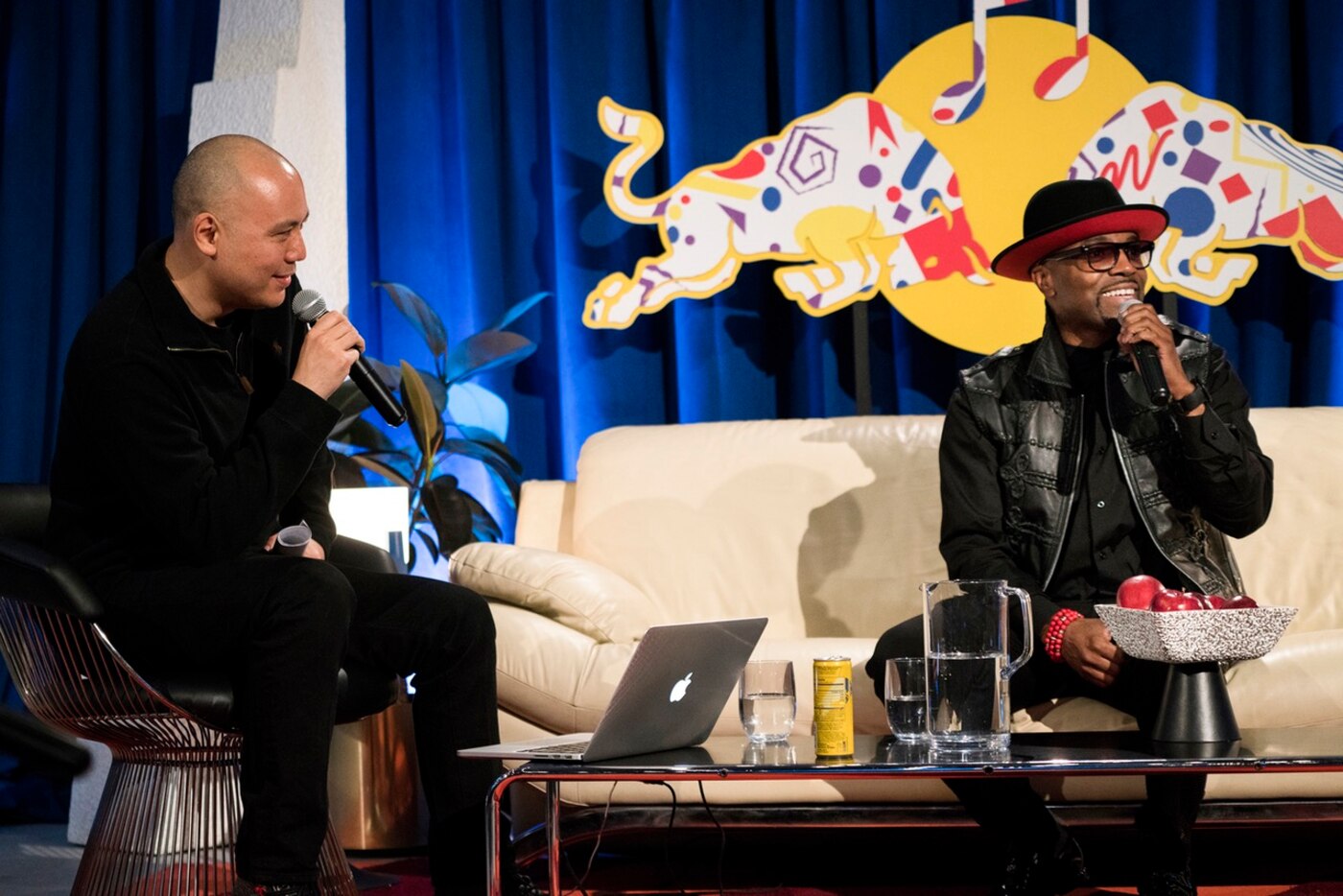
Teddy Riley / Early production era; no named record
Teddy Riley identifies the Korg DDD-1 as his drum machine in an early production era and praises its timing feel.
Read Teddy Riley ↗
O.V.N.I. / Pulse Wave
The release account for O.V.N.I.’s Pulse Wave lists a Korg DDD-1 within Pascal Eloy’s 1990s Goa studio system.
Read O.V.N.I. / Pulse Wave ↗
Forma Tadre / Brightful Times [Extended Edition 1987–1992]
Forma Tadre’s credits list a Korg DDD-1 in the instrument set for their 1987–92 recordings.
Read Forma Tadre / Brightful Times [Extended Edition 1987–1992] ↗
Ari Finkel / Dry Heat Concrete
Ari Finkel describes Dry Heat Concrete as a pared-back record made with an Akai S01, Korg DDD-1 and Casio CZ-1.
Read Ari Finkel / Dry Heat Concrete ↗
DJML / FTD005
The label description for DJML’s FTD005 says the release focuses on a Korg DDD-1 and a BOSS DR-660.
Read DJML — FTD005 ↗
CLIP ART / CLIP ART EP
CLIP ART’s release page lists a Korg DDD-1 among the equipment used for its debut EP.
Read CLIP ART — CLIP ART EP ↗
Cedres & The Telescopes / The Signalman EP
Cedres lists a Korg DDD-1 in the instrumentation for The Signalman EP, alongside field recordings, samples and acoustic instruments.
Read Cedres & The Telescopes — The Signalman EP ↗
Captain Unplugged / Wonderland
Captain Unplugged’s Wonderland account names a Korg DDD-1 in the shared home-studio system used for the early recordings.
Read Captain Unplugged / Wonderland ↗
Forma Tadre / Brightful Times [Extended Edition 1987–1992]
Forma Tadre’s notes list the Korg DDD-1 among the instruments used in these 1987–92 recordings.
Read Forma Tadre / Brightful Times [Extended Edition 1987–1992] ↗
CLIP ART / CLIP ART EP
CLIP ART list a Korg DDD-1 among the instruments used for their debut EP.
Read CLIP ART — CLIP ART EP ↗Teddy Riley / Keith Sweat / I Want Her
Riley identifies the Korg DDD-1 as the source of the drum-machine sounds and hits on Keith Sweat’s “I Want Her.”
Read Teddy Riley lecture ↗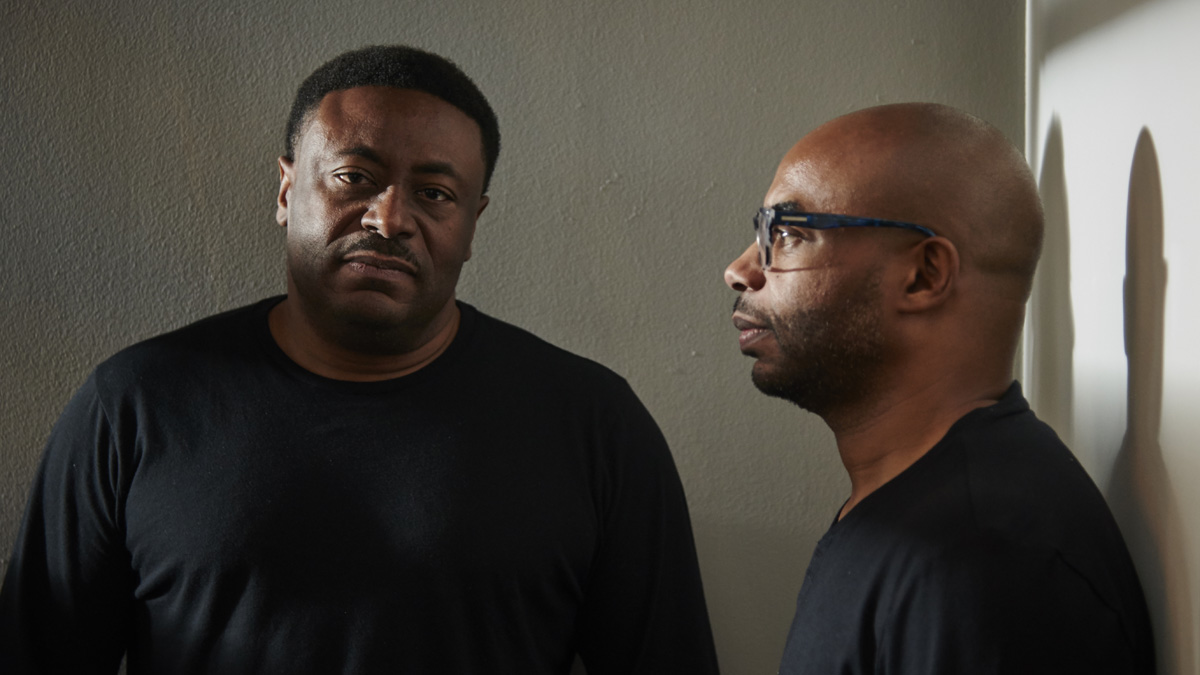
Octave One / Early production practice
Early two-machine sound combination.
Read Octave One on how hardware made them who they are today ↗
Roche / O.K. HOLE
Roche states that every track on O.K. HOLE was made with an MPC 2000, SP-303 and Korg DDD-1.
Read Roche — O.K. HOLE ↗In the market
- 1986-11: GBP 799 — UK contemporary review price. Base machine; sampling expansion optional Source ↗
On record
- Teddy Riley / Keith Sweat — I Want Her. Riley identifies the Korg DDD-1 as the source of the drum-machine sounds and hits on Keith Sweat’s “I Want Her.” Source ↗
- Ken Ishii — Fading Sky. Ishii identifies a layered Korg DDD-1 and Roland JD-800 kick on “Fading Sky.” Source ↗
- Ken Ishii — Finite Time. Ishii says the drum-kit sounds on “Finite Time” were sampled from a Korg DDD-1 and layered with material from a Roland S-330. Source ↗
- Teddy Riley — Early production era; no named record. Teddy Riley identifies the Korg DDD-1 as his drum machine in an early production era and praises its timing feel. Source ↗
- Peter Erskine — Transition. Erskine says Transition used sampled tuned cowbells from a Korg DDD-1, and that he worked with Korg on the machine’s development. Source ↗
- O.V.N.I. — Pulse Wave. The release account for O.V.N.I.’s Pulse Wave lists a Korg DDD-1 within Pascal Eloy’s 1990s Goa studio system. Source ↗
- Forma Tadre — Brightful Times [Extended Edition 1987–1992]. Forma Tadre’s credits list a Korg DDD-1 in the instrument set for their 1987–92 recordings. Source ↗
- Ari Finkel — Dry Heat Concrete. Ari Finkel describes Dry Heat Concrete as a pared-back record made with an Akai S01, Korg DDD-1 and Casio CZ-1. Source ↗
- DJML — FTD005. The label description for DJML’s FTD005 says the release focuses on a Korg DDD-1 and a BOSS DR-660. Source ↗
- CLIP ART — CLIP ART EP. CLIP ART’s release page lists a Korg DDD-1 among the equipment used for its debut EP. Source ↗
- Cedres & The Telescopes — The Signalman EP. Cedres lists a Korg DDD-1 in the instrumentation for The Signalman EP, alongside field recordings, samples and acoustic instruments. Source ↗
- Captain Unplugged — Wonderland. Captain Unplugged’s Wonderland account names a Korg DDD-1 in the shared home-studio system used for the early recordings. Source ↗
- Forma Tadre — Brightful Times [Extended Edition 1987–1992]. Forma Tadre’s notes list the Korg DDD-1 among the instruments used in these 1987–92 recordings. Source ↗
- CLIP ART — CLIP ART EP. CLIP ART list a Korg DDD-1 among the instruments used for their debut EP. Source ↗
In the studio and on stage
Edit a fixed kit, then extend it
Fourteen dynamic instrument keys let a player record accents by varying the strength of a strike. The factory specification lists eighteen internal sounds; voices can be assigned to the keys and adjusted in tuning, decay, level and routing. Four ROM-card slots extend the sound choices. Pattern data is saved separately, using cassette or RAM card, and six assignable outputs sit alongside the stereo mix.
Korg DDD1 ↗ KORG DDD-1 Drum Machine, p. 31 ↗ DDD-1 Owner’s Manual ↗
The optional sampler
User sampling requires the optional DSB-1 board; it is not a standard feature of every DDD-1. The factory manual offers one sound using the whole sample memory or two sounds sharing it, with automatic input triggering or a manual keypress to begin recording. Contemporary reviewers described the option before testing it, so their coverage is not proof of shipment.
Layering passes and pairing machines
Hank Shocklee recalls repeating a DDD-1 program with replacement sounds, recording successive passes when its short sampling allowance limited each pass. He names no individual Public Enemy track. Octave One describe a different combination: DDD-1 percussion-card sounds and finger snaps alongside a Kawai R50. Their account concerns early working practice, with no card number or track allocation. The period reviews discuss the machine’s flexible controls while differing in their judgments of its drums.
Hank Shocklee: Seattle lecture ↗ Octave One on how hardware made them who they are today ↗ Korg DDD1 ↗ Korg DDD1 Drum Machine ↗
Teddy Riley: played through to tape
In his 2017 lecture, Riley names the DDD-1 and Yamaha DX-100 when introducing Keith Sweat’s “I Want Her”. He describes playing hits from pads before having a separate sampler, and later says he played the record through to tape rather than programming it. His discussion of quantisation concerns the feel he performed, not a measurement of unstable DDD-1 timing. The account does not allocate every sound to a particular factory voice.
Ken Ishii: a layer and a sample source
Ishii’s account of Reference to Difference distinguishes the DDD-1’s role by track. On “Fading Sky” its kick is layered with a Roland JD-800 sound. “Finite Time” uses DDD-1 kit sounds sampled and combined with Roland S-330 material; “Interjection” takes its hi-hats and cymbals from the Korg, with kick and snare from the S-330. Those are specific retrospective sound attributions, not evidence that the DDD-1 sequenced the whole album.
Sources
The visual archive
Further visual evidence.
Sources for images shown earlier (18)
- Korg DDD5; Korg DDD1; Korg DDD1 Drum Machine; KORG DDD-1 Drum Machine ↗
- Korg DDD5; Korg DDD1; KORG DDD-1 Drum Machine ↗
- O.V.N.I. — Pulse Wave ↗
Release date not stated on source page · O.V.N.I. / release artwork via Bandcamp · Official Bandcamp release-page artwork (Open Graph image) - Forma Tadre — Brightful Times [Extended Edition 1987–1992] ↗
Release date not stated on source page · Forma Tadre / release artwork via Bandcamp · Official Bandcamp release-page artwork (Open Graph image) - Ari Finkel — Dry Heat Concrete ↗
Release date not stated on source page · Ari Finkel / release artwork via Bandcamp · Official Bandcamp release-page artwork (Open Graph image) - DJML — FTD005 ↗
Release date not stated on source page · DJML / release artwork via Bandcamp · Official Bandcamp release-page artwork (Open Graph image) - CLIP ART — CLIP ART EP ↗
Release date not stated on source page · CLIP ART / release artwork via Bandcamp · Official Bandcamp release-page artwork (Open Graph image) - Cedres & The Telescopes — The Signalman EP ↗
2025-04-28 · Cedres & The Telescopes / release artwork via Bandcamp · Official Bandcamp release-page artwork (Open Graph image) - Captain Unplugged — Wonderland ↗
2021-01-01 · Captain Unplugged / release artwork via Bandcamp · Official Bandcamp release-page artwork (Open Graph image) - Teddy Riley / Keith Sweat — I Want Her ↗
1987-11-24T08:00:00Z · Teddy Riley / Keith Sweat / release artwork via Apple Music catalog artwork · Release catalogue and retained front artwork - Ken Ishii — Fading Sky (2024 Remaster) ↗
1995-11-21T12:00:00Z · Ken Ishii / release artwork via Apple Music catalog artwork · Release catalogue and retained front artwork - Jennifer Touch — Midnight Proposals ↗
2023-02-17 · Jennifer Touch / FatCat Recordings release artwork via official Bandcamp · Official artist Bandcamp album page and retained front artwork - Hank Shocklee — Red Bull Music Academy Seattle lecture ↗
2005 · Red Bull Music Academy · Hank Shocklee lecture portrait and transcript passage on DDD-1 layering - Teddy Riley — Red Bull Music Academy lecture portrait ↗
2017 · Red Bull Music Academy · Lecture page editorial portrait of Teddy Riley - Peter Erskine — Transition interview image ↗
2023 · Ted Panken / Iverson Substack · Peter Erskine on Transition and the Korg DDD-1; source-page image - Octave One / MusicRadar hardware feature ↗
2025 · MusicRadar / photographer as credited on source · Publisher feature-page visual - Hieroglyphic Being — The Pleiadian Agenda ↗
2020-07-24 · Jamal R. Moss / Hieroglyphic Being · Official Bandcamp release-page artwork (Open Graph image). - Roche — O.K. HOLE ↗
2021-10-01 · Roche · Official Bandcamp release-page artwork (Open Graph image).
Additional visual sources (6)
Original publications and related image sources.
- Making Music DDD-1 review illustration ↗
September 1986 · Making Music · p. 31 - Korg DDD-1 factory manual ↗
Undated edition · Korg · Printed pp. 95, 149; PDF pages 96, 150 of 153 - Korg DDD5; Korg DDD1; KORG DDD-1 Drum Machine ↗
Aug 1987 · Making Music · Colour product photograph with KORG DDD-1 marking legible and ROM cards arranged below. - Korg DDD5; Korg DDD1; KORG DDD-1 Drum Machine ↗
Aug 1987 · Making Music · Product photograph with KORG DDD-1 marking legible and ROM cards inset. - Korg DDD1 ↗
Nov 1986 · Music Technology · Korg DDD-1 upper/front panel detail with Korg and Dynamic Digital Drums markings clearly visible. - Korg DDD1 ↗
Nov 1986 · Music Technology · Korg DDD-1 numeric, transport and RAM-card control detail from the dedicated November 1986 review.