
Yamaha’s RY20 was reviewed in Britain in October 1994 at £399 including VAT and in the United States in early 1995 at $495.
The machine in the record
LWSAMY / home-recording years.
LWSAMY recalls acquiring a Yamaha RY20 in 1997 and using it for home recordings with a Yamaha MT4X and later MD8. There is no commercial-release claim, only an unusually concrete memoir of a rhythm machine carrying a person’s cassette and MiniDisc practice forward.
Read LWSAMY equipment memoir: Yamaha RY20 ↗More records in the archive
The machine keeps turning up.
S. Dimitrov / early electronic-music composition
Dimitrov recalls using the Yamaha RY20 while learning how its sequencing limits shaped live work.
Read S. Dimitrov and the Yamaha RY20 ↗
Coppice Halifax / Brian Grainger / “RY20 Dub”
Brian Grainger identifies the Yamaha RY20 as the rhythm machine for this live-made piece, beside a Korg ES-1, Stylophone and BOSS DR-880.
Read Coppice Halifax / Anniversary Dubs ↗
lazyfish / Vortex / Please – 126
The label recalls lazyfish buying an RY-20 soon after starting to compose in 1997 and remaining devoted to the machine: a formative working relationship rather than a generic gear-list citation.
Read lazyfish — Vortex / Please – 126 ↗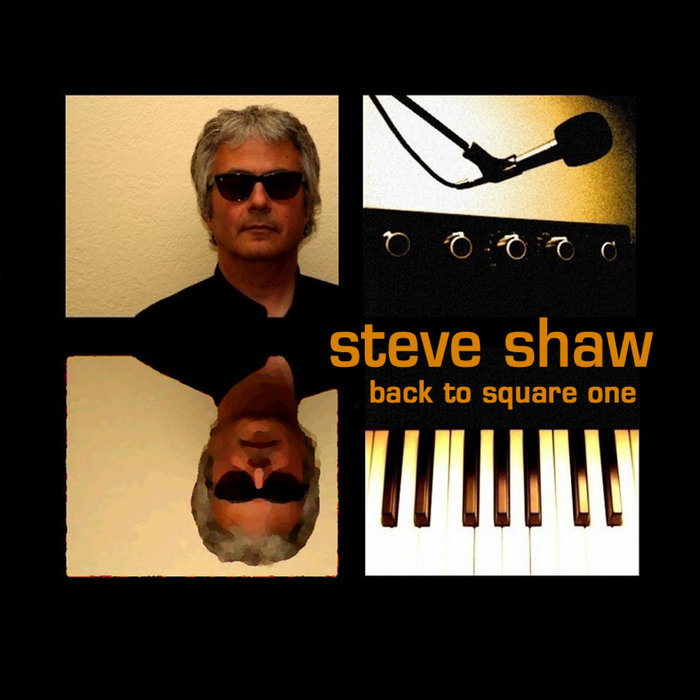
Steve Shaw / Back To Square One
Steve Shaw describes recording Back To Square One as live, single-take home-studio performances backed by a Yamaha RY20.
Read Steve Shaw / Back To Square One ↗A drum machine that could carry the bass line
The RY20 is a rhythm programmer with a surprisingly broad musical job: 300 rhythm and bass voices, velocity-responsive pads and bass playing across five octaves. Real-time and step programming sit alongside six sections per pattern, giving a player both a beat and a way to turn it into an arrangement.Sources (2)
The combination pattern as a small arrangement desk
Combination patterns let the RY20 borrow tracks from preset or user patterns, then set their meter and length in a new destination. Shorter material repeats, longer material is trimmed, and swing or groove can be applied without rewriting the original parts. It is a concise but musical form of collage: a player can make a new rhythm out of familiar elements while keeping the source patterns intact.Source (1)
Effects inside the kit
The manual lists six reverbs and four delay/reverb combinations, including two delays that follow tempo. Effects belong to the drum kit, so the RY20 makes its ambience part of the pattern’s identity rather than an afterthought in an external rack. The machine’s 28-note overall polyphony is also active rather than abstract: layered sounds consume voices, and pad polyphony decides whether a new hit overlaps or cuts off the last one.Source (1)
What the reviews found
Nicholas Rowland praised the sounds and general usability in October 1994, while finding the pads stiff and the unlit display and button sequences less inviting. Jim Pierson-Perry later enjoyed the drum sounds and flexible combinations, but wanted more outputs, a backlight and easier editing. Both reviews describe a capable stand-alone machine that rewarded arranging and programming, even when its physical interface asked for patience.Sources (2)
A rhythm machine worth returning to
Jim Atwood’s later account of finding two RY20s in Nagano and bringing one back into use shows the appeal that outlasted the product cycle: swinging patterns, pads and a sound set that could still sit beside a polyphonic keyboard. The RY20’s strength is not a single famous preset; it is the way bass, drums, sections and effects can be assembled into a compact personal arrangement.Sources (2)
In the market
- 1994-10: GBP 399 — UK contemporary review price. RY20 Source ↗
- 1995-03: USD 495 — US contemporary review price; product summary visually verified on p. 130. RY20 Rhythm Programmer; package not enumerated in price box Source ↗
On record
- LWSAMY — Personal cassette and MD home recordings. LWSAMY recalls acquiring a Yamaha RY20 in 1997 and using it as the programmed rhythm source for home recordings made with a Yamaha MT4X and later MD8. Source ↗
- S. Dimitrov — early electronic-music composition. Dimitrov recalls using the Yamaha RY20 while learning how its sequencing limits shaped live work. Source ↗
- Coppice Halifax / Brian Grainger — “RY20 Dub”. Brian Grainger identifies the Yamaha RY20 as the rhythm machine for this live-made piece, beside a Korg ES-1, Stylophone and BOSS DR-880. Source ↗
- lazyfish — Vortex / Please – 126. The label recalls lazyfish buying an RY-20 soon after starting to compose in 1997 and remaining devoted to the machine: a formative working relationship rather than a generic gear-list citation. Source ↗
- Steve Shaw — Back To Square One. Steve Shaw describes recording Back To Square One as live, single-take home-studio performances backed by a Yamaha RY20. Source ↗
Sources
The visual archive
Further visual evidence.
These displayed records are labelled by their documented role, date and source; source-only records are listed separately below.
Sources for images shown earlier (4)
- Yamaha RY20 in LWSAMY’s equipment memoir ↗
- Coppice Halifax / Brian Grainger — “RY20 Dub” ↗
Release date not stated on source page · Coppice Halifax / Brian Grainger / release artwork via Bandcamp · Official Bandcamp release-page artwork (Open Graph image) - lazyfish — Vortex / Please – 126 ↗
Release date not stated on source page · lazyfish / release artwork via Bandcamp · Official Bandcamp release-page artwork (Open Graph image) - Steve Shaw — Back To Square One ↗
Release date not stated on source page · Steve Shaw / release artwork via Bandcamp · Official Bandcamp release-page artwork (Open Graph image)
Additional visual sources (2)
Original publications and related image sources.
- RY20 factory owner manual ↗
Undated edition · Yamaha · 140 PDF pages; printed p. 103, PDF index 110 visually inspected; contents extracted - Yamaha RY20 front-panel photograph, Electronic Musician March 1995 ↗
1995-03 · Electronic Musician · Printed p. 128 (PDF index 127); price and effects text p. 130 (index 129)