
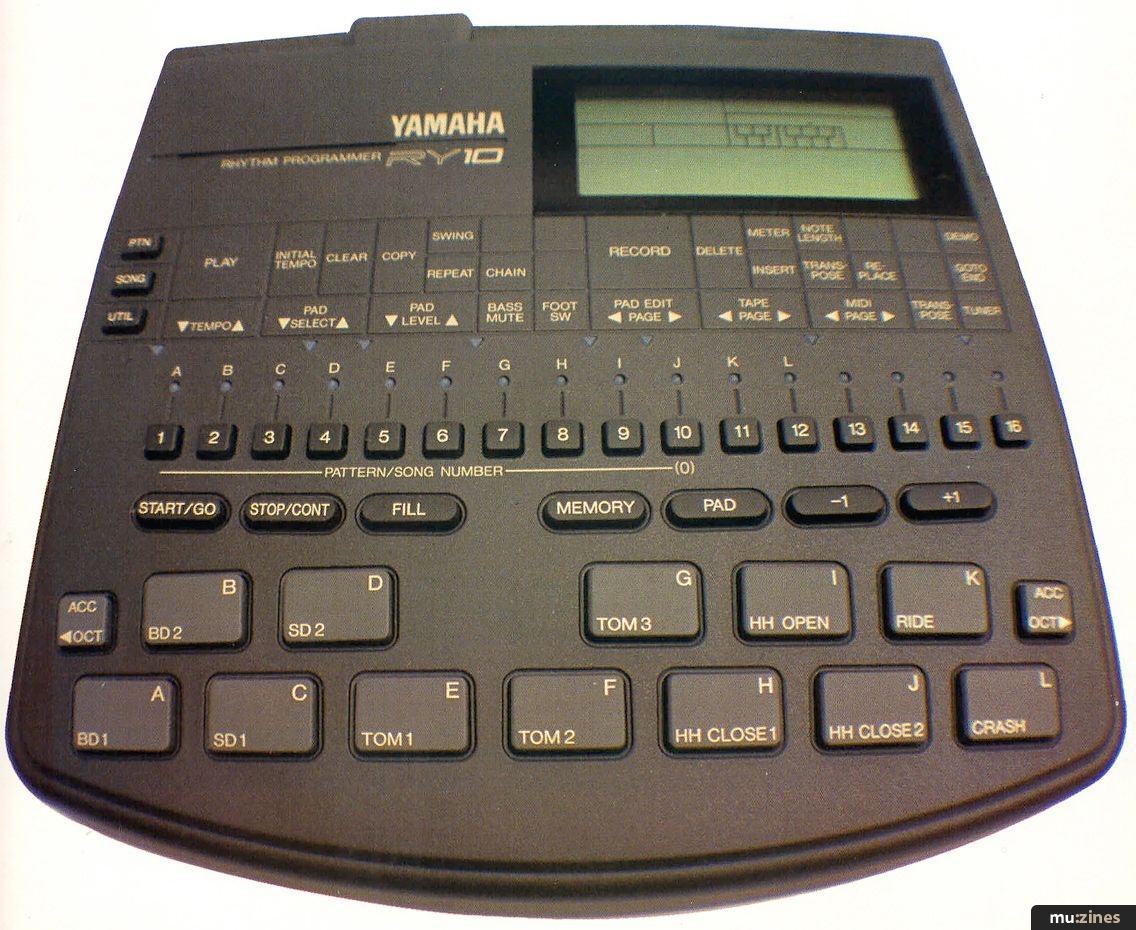
Yamaha’s battery-powered RY10 made drums, bass, a tuner and footswitch control portable enough for a rehearsal room or a songwriting session away from a mains-powered studio. It was a small composition machine for players who already had a guitar or keyboard in hand.
The machine in the record
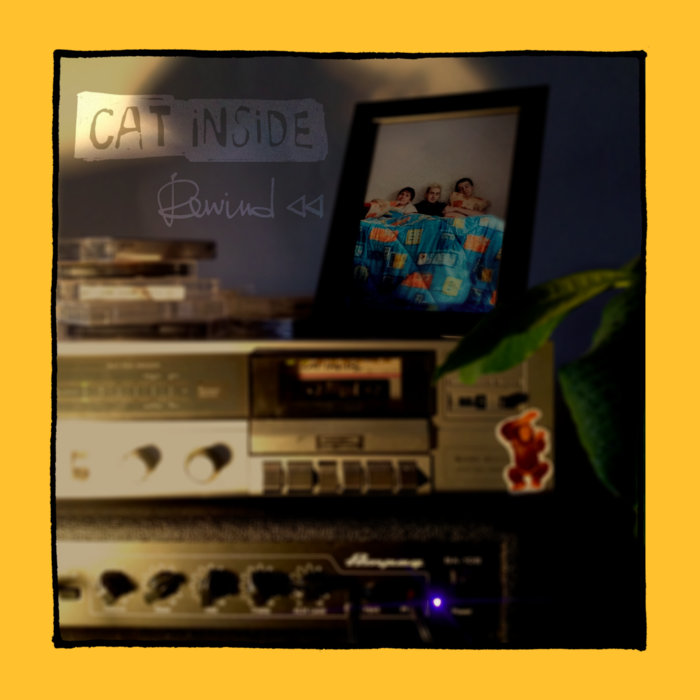
Cat Inside / “Whispering (Rewind)”.
On “Whispering (Rewind)”, the RY10 replaces an acoustic kit with a programmed pulse. The choice gives the track a different kind of intimacy: a song held together by a small Yamaha box.
Read Rewind with Cat Inside — An Interview ↗More records in the archive
The machine keeps turning up.
Reported association
Terminal Grip / Rogga Johansson / Early band activity; no named recording
Participant tentatively identifies Yamahate as RY10.
Read Interview mit Rogga Johansson ↗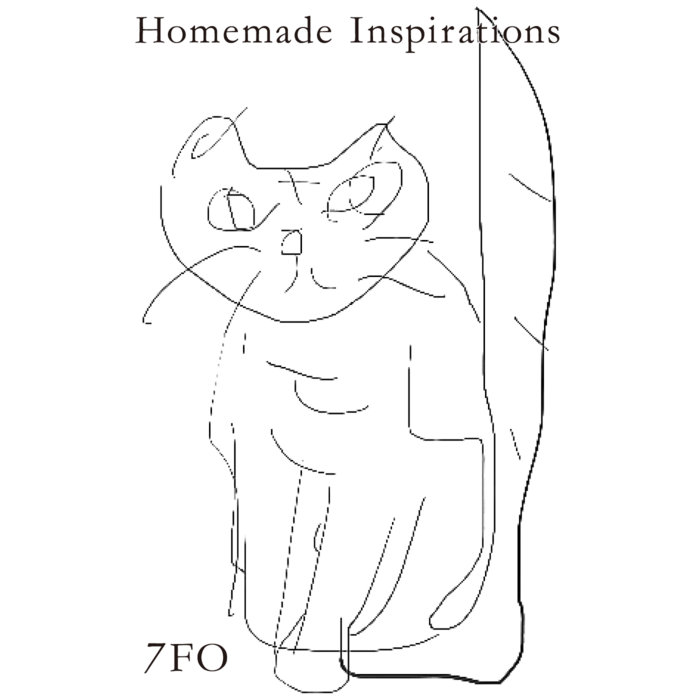
7FO / Homemade Inspirations
7FO identifies the RY-10 among the tools behind these intimate cassette-MTR recordings, alongside guitar, loopers, contact microphones and a toy theremin.
Read 7FO — Homemade Inspirations ↗
Dj Drillda / Microdrilling Piezosurgery
Dj Drillda lists a Yamaha RY-10 among the hand-played drum machines and samplers used for Microdrilling Piezosurgery.
Read Dj Drillda — Microdrilling Piezosurgery ↗Cat Inside / Whispering (Rewind)
Cat Inside used the RY10 in place of acoustic drums on “Whispering (Rewind)”.
Read Rewind with Cat Inside — An Interview ↗A companion for getting the idea down
The RY10’s guitar input, built-in tuner, batteries and optional footswitch gave it a practical place beside an instrument rather than a console. Sound On Sound described a fast drum-and-bass sketchpad, while Yamaha’s manual sets out the portable, player-first design in detail.
Drums and bass in one sequence
Yamaha’s AWM generator supplied drums, effects and bass voices across preset and writable main and fill patterns. Songs brought those patterns together, while MIDI velocity let an external controller animate the sounds. The RY10 therefore approached a rhythm part as a compact arrangement: rhythm, bass line and form kept close together.
RY10 Operating Manual ↗ Yamaha RY10 Drum Machine, pp. 72–75 ↗
A deliberate economy of method
The RY10 did not promise the open-ended depth of a large workstation. Its compact pattern process favoured speed and a direct route from an idea to a playable backing. That economy was its point: it let a musician put momentum behind a song before the moment passed.
Replacing the acoustic drums
Langusta of Cat Inside identifies the RY10 as the machine that replaced acoustic drums on “Whispering (Rewind)”. It is a wonderfully clear piece of session testimony: a small all-in-one rhythm unit made a practical musical decision for one finished track.
A small Yamaha in a metal band’s first room
Rogga Johansson recalls an early Terminal Grip setup that included a Yamaha drum machine he tentatively identifies as the RY10. The model attribution remains a lead, but the memory is useful: before the band’s heavier recording life, a compact rhythm box helped make its first music possible.
Sources
The visual archive
Further visual evidence.
These displayed records are labelled by their documented role, date and source; source-only records are listed separately below.
Sources for images shown earlier (3)
- RY10 review photograph ↗
- 7FO — Homemade Inspirations ↗
Release date not stated on source page · 7FO / release artwork via Bandcamp · Official Bandcamp release-page artwork (Open Graph image) - Dj Drillda — Microdrilling Piezosurgery ↗
2026-07-21 · Dj Drillda / release artwork via Bandcamp · Official Bandcamp release-page artwork (Open Graph image)
Additional visual sources (4)
Original publications and related image sources.
- Yamaha RY10 Operating Manual ↗
Undated edition · Yamaha Corporation · PDF page 4 introduction; PDF page 72 = printed pp. 132–133 - RY10 Service Manual listing ↗
Undated document · Yamaha · Yamaha RY10 Service Manual inventory entry - Cat Inside — Rewind ↗
2019 · Langusta, credited on artist release page · Album cover - Yamaha RY10 ↗
Jul 1992 · Sound On Sound · Yamaha RY10 product photograph with Yamaha and RY10 markings clearly visible.