
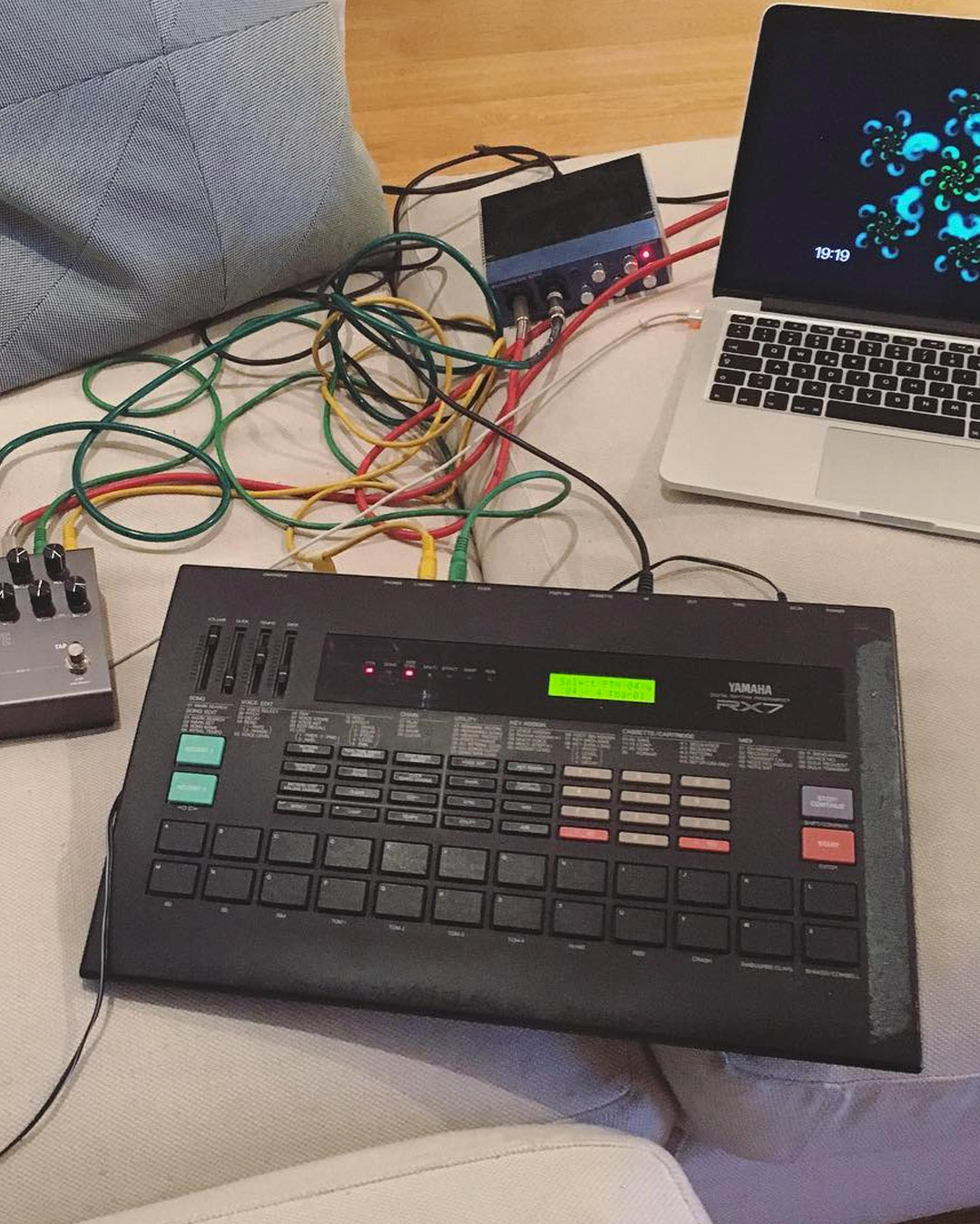
Yamaha presented the RX7 to European music journalists in Hamamatsu in November 1987; it is a 1987 PCM rhythm programmer with 100 voices, 100 patterns and 20 songs.
The machine in the record
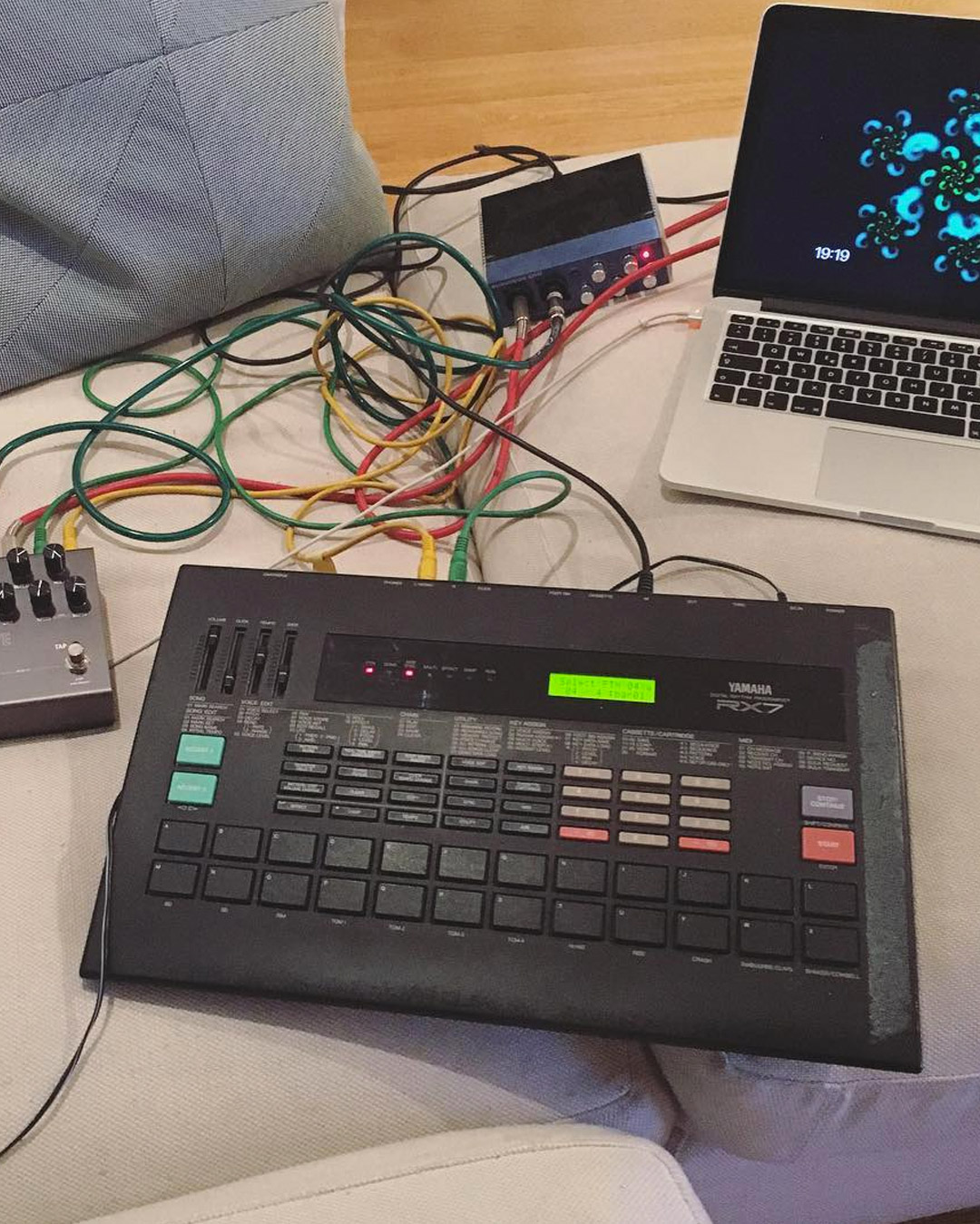
Ian Pooley / the first drum machine.
Ian Pooley identifies the RX7 as his first drum machine, received in 1987, and says he still uses it. No named release is attached to the story; its interest lies in the long relationship between a young producer, one Yamaha box and a practice that continued.
Read Zeitgeschichten: Ian Pooley ↗More records in the archive
The machine keeps turning up.
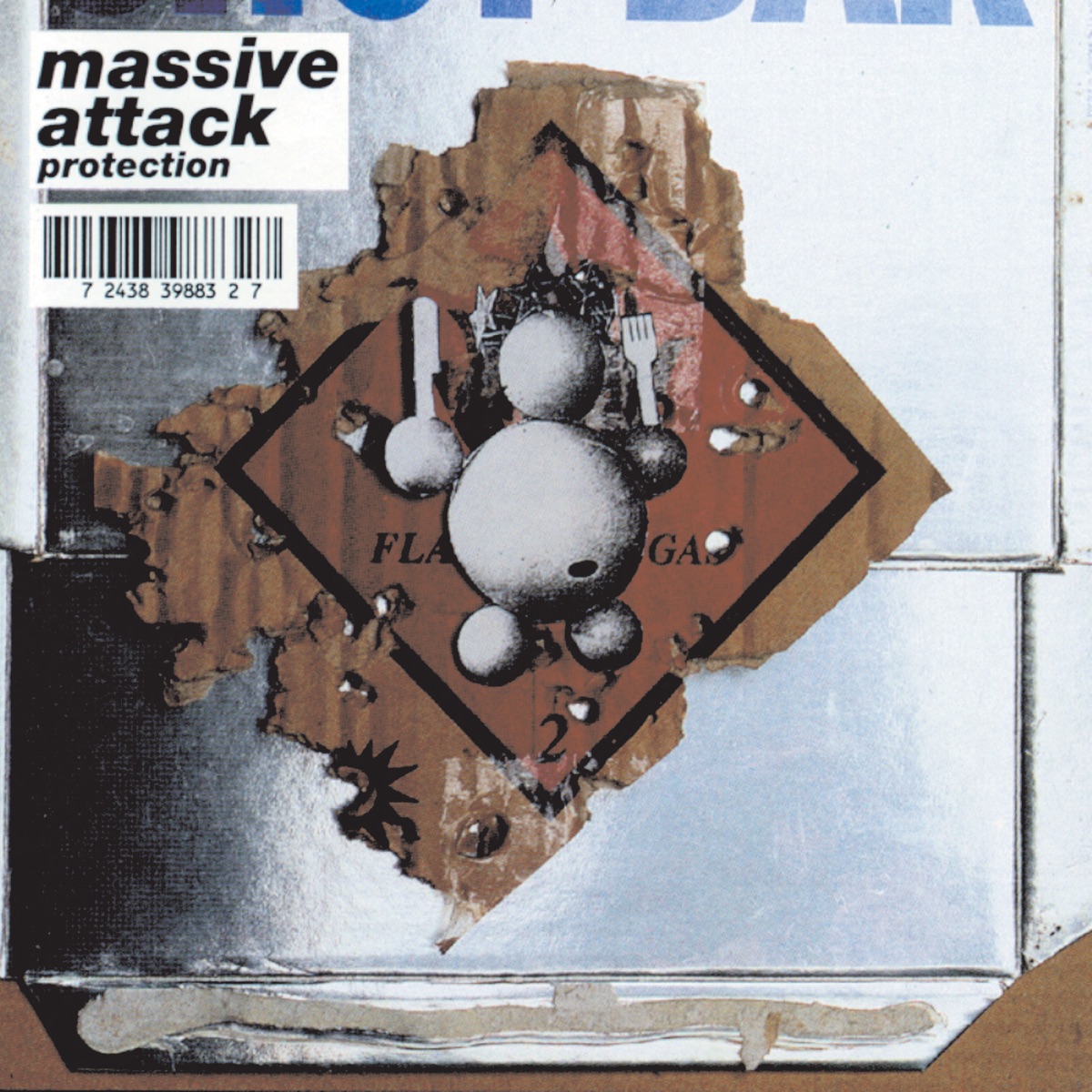
Mushroom / Massive Attack / Protection
Massive Attack’s Protection kept the Yamaha RX7 and Akai S1000 at the core of its sound. Mushroom describes building the title track from a sampled hi-hat loop, programmed James Brown snares and wah-wah inside his home-studio arrangement.
Read Electronic albums and how they were made ↗
Cinthie / Current studio practice; no named RX7 recording established
Cinthie names the RX7 among her drum machines in a hardware-led writing and recording setup.
Read Cinthie: Bassline and kick drum are the most important things in dance music ↗Ian Pooley / Early studio work
Ian Pooley identifies the Yamaha RX7 among the early machines in his studio history.
Read Interview: Ian Pooley on Vintage Synths, Samplers, and His Beloved MPC ↗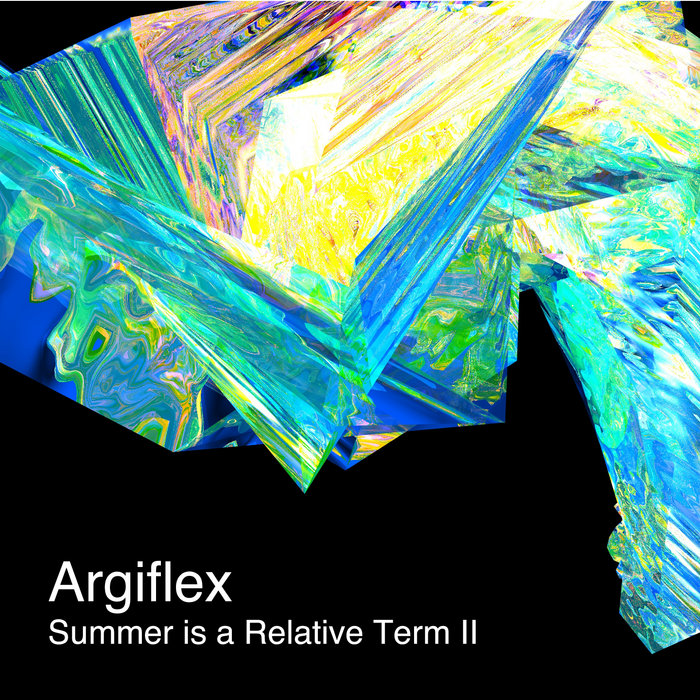
Argiflex / Summer Is a Relative Term II
Argiflex says the RX-7’s drums were sampled into a Korg Electribe ES-1 mkII for Summer Is a Relative Term II.
Read Argiflex / Summer Is a Relative Term II ↗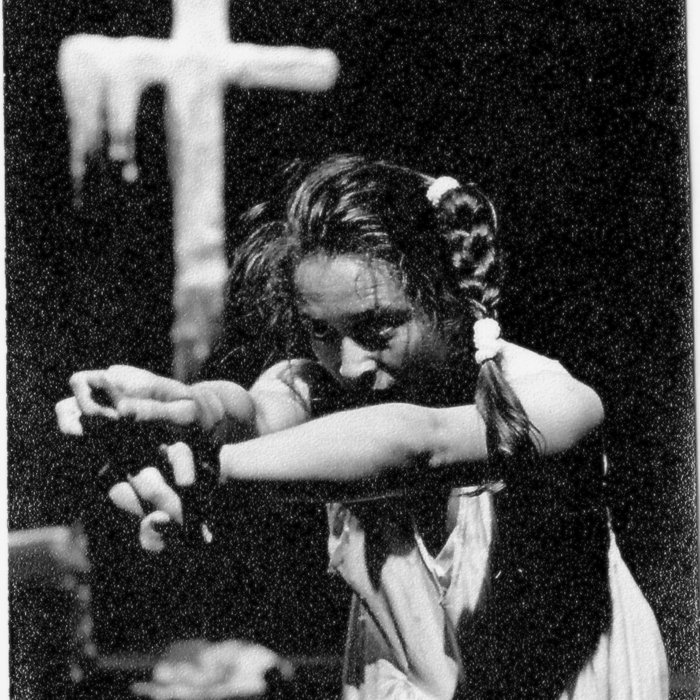
Cos Chapman / Measure For Measure
Cos Chapman says a Yamaha RX7 was used extensively for the theatre-production score Measure For Measure, mixed to a Tascam Porta II cassette four-track.
Read Cos Chapman / Measure For Measure ↗
CobraMeadows / You’ll Regret Asking For This
CobraMeadows list the Yamaha RX-7 drum machine among the equipment used across this collection.
Read CobraMeadows / You’ll Regret Asking For This ↗In the market
- 1989-03: GBP 579 — UK dealer advertised price. Future Music dealer listing; RX7 condition not expressly stated Source ↗
- 1989-03: GBP 399 — UK dealer advertised price. Carlsbro explicitly ex-demonstration sale Source ↗
On record
- Mushroom / Massive Attack — Protection. Massive Attack’s Protection kept the Yamaha RX7 and Akai S1000 at the core of its sound. Mushroom describes building the title track from a sampled hi-hat loop, programmed James Brown snares and wah-wah inside his home-studio arrangement. Source ↗
- Argiflex — Summer Is a Relative Term II. Argiflex says the RX-7’s drums were sampled into a Korg Electribe ES-1 mkII for Summer Is a Relative Term II. Source ↗
- Cos Chapman — Measure For Measure. Cos Chapman says a Yamaha RX7 was used extensively for the theatre-production score Measure For Measure, mixed to a Tascam Porta II cassette four-track. Source ↗
- CobraMeadows — You’ll Regret Asking For This. CobraMeadows list the Yamaha RX-7 drum machine among the equipment used across this collection. Source ↗
In the studio and on stage
- Ian Pooley — Early studio practice; no named RX7 recording established. Ian Pooley says he bought the Yamaha RX7 in 1987 because it was the only drum machine that interested him, and that it still works. Source ↗
- Cinthie — Current studio practice; no named RX7 recording established. Cinthie names the RX7 among her drum machines in a hardware-led writing and recording setup. Source ↗
- Ian Pooley — Early studio work. Ian Pooley identifies the Yamaha RX7 among the early machines in his studio history. Source ↗
A Yamaha rhythm machine with editable PCM voices
Assign a sound to a playing key, write a pattern, then change the pitch, level, decay or pan of an individual hit. The RX7 makes its fixed 12-bit PCM library editable at both voice and event level. Yamaha’s historical collection lists 100 voices, 100 patterns, 20 songs and three song chains: a rhythm programmer for building an arrangement, not only playing a kit.
RX7 — Innovation Road display collection ↗ RX7 owner manual ↗ Yamaha RX7 ↗
Hamamatsu, November 1987
Tony Bacon encountered the RX7 at Yamaha’s Hamamatsu presentation for visiting European journalists in November 1987. He described a less expensive relation of the RX5, but his December report said the UK arrival date and price were still unsettled. The service manual’s November printing belongs to the same period; neither that document nor the press demonstration establishes a retail delivery date in every territory.
Yamaha News ↗ RX7 Service Manual, document 006779 ↗ RX7 — Innovation Road display collection ↗
A programmable voice set
The manual lets a player adjust pitch, level, pan and decay, use an LFO to move pitch or amplitude, and assign a sound across twelve keys for pitched or graduated changes. A per-voice polyphony setting determines whether successive hits overlap or cut off the preceding sound. The Effect job repeats a voice two, three or four times with adjustable pitch, level and pan differences; at zero delay the copies sound together. Edited voice settings must be stored before selecting another voice.
The studio trade-offs
Howard Massey admired the sound selection and programming facilities in his 1988 review, while finding the stereo-only audio outputs a real limitation for studio mixing. He also reported that the voice-editing screen could not be entered while a pattern or song played. A player could write changing levels and pan positions into individual events, but separate outboard processing remained constrained by the shared stereo mix.
A machine that stayed in the room
Reverb’s 2018 studio profile reports that Ian Pooley still used his first drum machine, an RX7 received at Christmas in 1987. In GROOVE the following year, he describes it as a combined Christmas and birthday gift supported by his parents. He recalls trying to approach the Detroit drums he admired by pitching, shortening and layering the Yamaha’s sounds. Those are his remembered working methods, not a named-record credit or a measured verdict on the factory kit.
Interview: Ian Pooley on Vintage Synths, Samplers, and His Beloved MPC ↗ Zeitgeschichten: Ian Pooley ↗
Cinthie’s hardware studio
Cinthie names an RX7 among the drum machines in her 2021 studio interview. She describes jamming with hardware, recording it and sometimes correcting notes in an editor, while identifying the TR-909 as her preferred starting point for a quick drum groove. That wider method should not be reassigned specifically to the Yamaha: the interview establishes ownership within the setup, not an RX7 contribution to a particular release.
Cinthie: Bassline and kick drum are the most important things in dance music ↗
The Protection studio account
Future Music’s retrospective of Protection names the RX7 and Akai S1000 as part of Massive Attack’s core setup. Mushroom’s accompanying account describes the title track taking shape in his home studio from a sampled hi-hat loop, programmed James Brown snares, wah-wah and keyboards before Tracey Thorn added her song. The publication places the Yamaha in the album’s equipment history; the quoted musician does not identify which of those individual sounds came from it.
An RX7 kit inside an Electribe
Argiflex’s release account for Summer Is a Relative Term II, dated 4 May 2012, describes a small hardware setup: a Korg Electribe EA-1 supplied the synth lines, while RX7 drums were sampled into and sequenced with an Electribe ES-1 mkII. The Yamaha supplied the drum material; the account places the subsequent sequencing in the Korg, not in the RX7’s pattern memory.
Sources
- RX7 — Innovation Road display collection
- Yamaha RX7
- RX7 owner manual
- Interview: Ian Pooley on Vintage Synths, Samplers, and His Beloved MPC
- Yamaha News
- Yamaha RX7 modifications
- RX7 Service Manual, document 006779
- RX7 dealer advertisements: Future Music and Carlsbro
- Interview: Ian Pooley on Vintage Synths, Samplers, and His Beloved MPC
- Cinthie: Bassline and kick drum are the most important things in dance music
- Zeitgeschichten: Ian Pooley
- Electronic albums and how they were made
- Argiflex / Summer Is a Relative Term II
The visual archive
Further visual evidence.
These displayed records are labelled by their documented role, date and source; source-only records are listed separately below.
Sources for images shown earlier (7)
- Pooley’s Yamaha RX7 ↗
- Yamaha RX7 — visually reviewed image ↗
- Cinthie — MusicRadar studio interview ↗
- Argiflex — Summer Is a Relative Term II ↗
Release date not stated on source page · Argiflex / release artwork via Bandcamp · Official Bandcamp release-page artwork (Open Graph image) - Cos Chapman — Measure For Measure ↗
Release date not stated on source page · Cos Chapman / release artwork via Bandcamp · Official Bandcamp release-page artwork (Open Graph image) - CobraMeadows — You’ll Regret Asking For This ↗
2018-08-23 · CobraMeadows / release artwork via Bandcamp · Official Bandcamp release-page artwork (Open Graph image) - Massive Attack — Protection ↗
1994-09-26T07:00:00Z · Massive Attack / release artwork via Apple Music catalog artwork · Release catalogue and retained front artwork
Additional visual sources (6)
Original publications and related image sources.
- Yamaha RX7 owner manual ↗
Undated document · Yamaha / SMEM archive · Contents and printed pp. 25, 28–29, 31, 38, 47–50 visually inspected. - Circuit-bent Yamaha RX7 and patchbay ↗
Undated · Circuitbenders / Pill Shovel Productions · Three image links in RX7 modifications page - RX7 Service Manual 006779 ↗
November 1987 printing, visually verified · Yamaha / ManualsLib · Original cover inspected; 43-page hosted scan body pending - RX7 service manual block diagram ↗
November 1987 manual printing · Yamaha · Printed p. 6; hosted scan page 5 - Future Music price panel and Carlsbro ex-demo sale ↗
March 1989 · Future Music and Carlsbro · PDF indices 13 and 40, unnumbered advertisement pages - Yamaha News ↗
Dec 1987 · Making Music · Two views of the Yamaha RX7 digital rhythm programmer with Yamaha and RX7 markings visible in the December 1987 Yamaha News report.