
Yamaha’s history dates the RX5 to 1986; contemporary coverage follows its 1987 NAMM unveiling.
The machine in the record
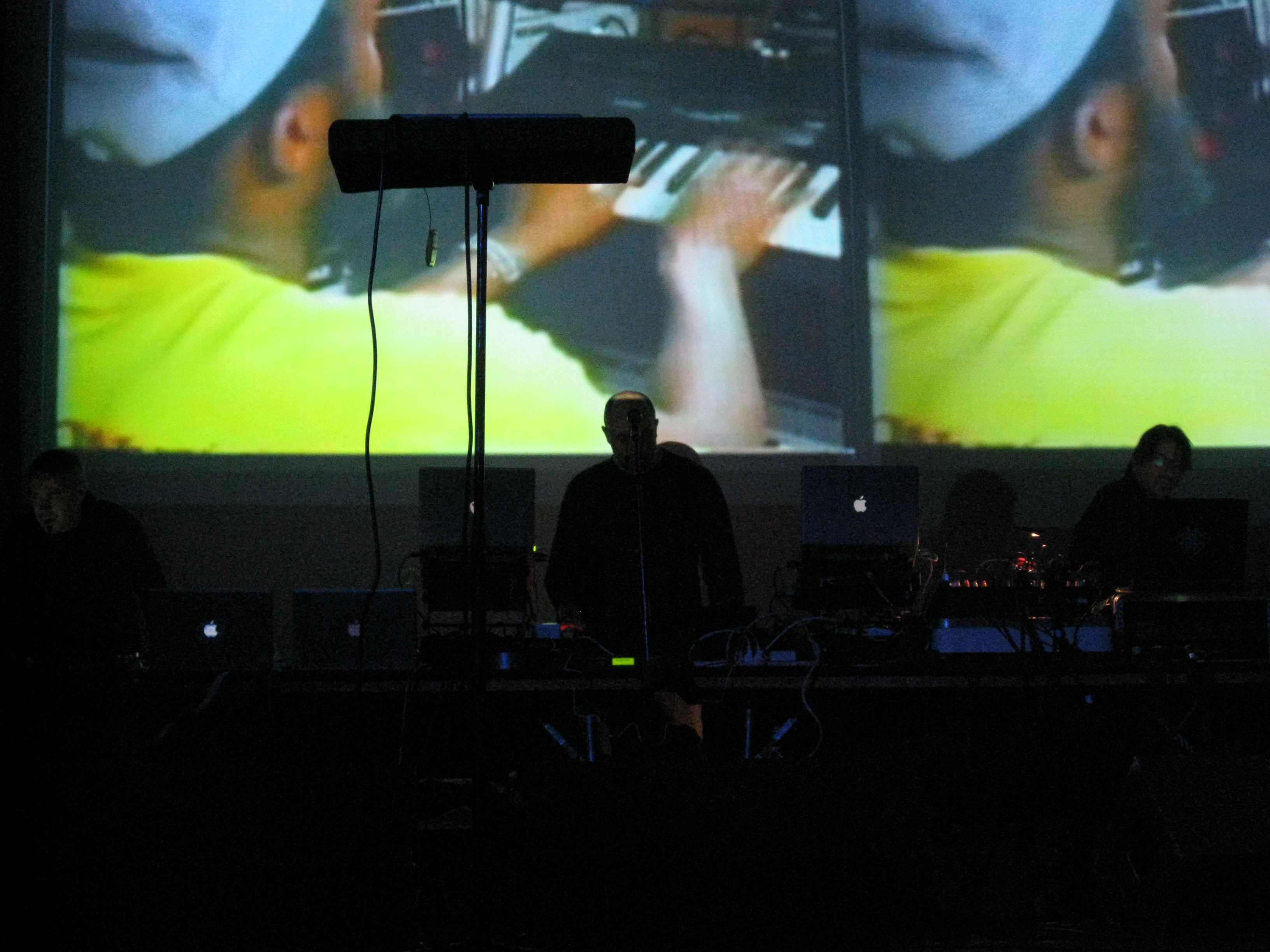
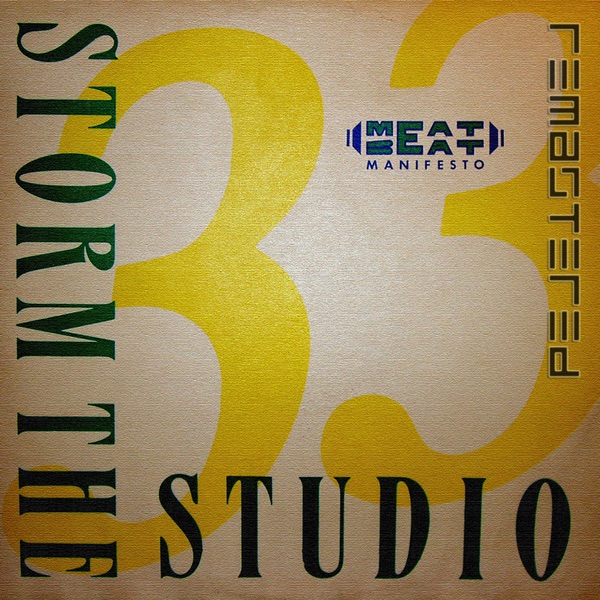
Meat Beat Manifesto / Storm The Studio.
Jack Dangers says the RX5 sequenced the other equipment and stayed locked to tape during the Storm The Studio sessions. Its role is structural rather than glamorous: it kept a crowded, hard-edged studio system talking to itself.
Read Classic album: Meat Beat Manifesto on Storm The Studio ↗More records in the archive
The machine keeps turning up.
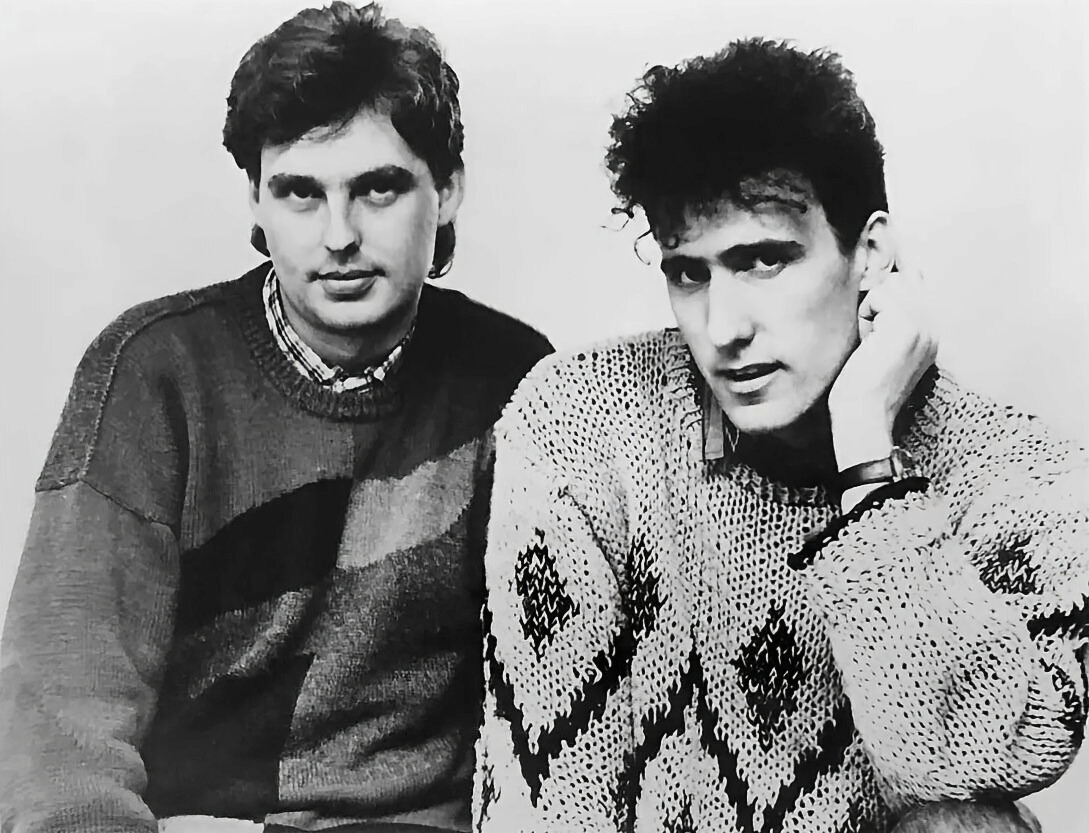
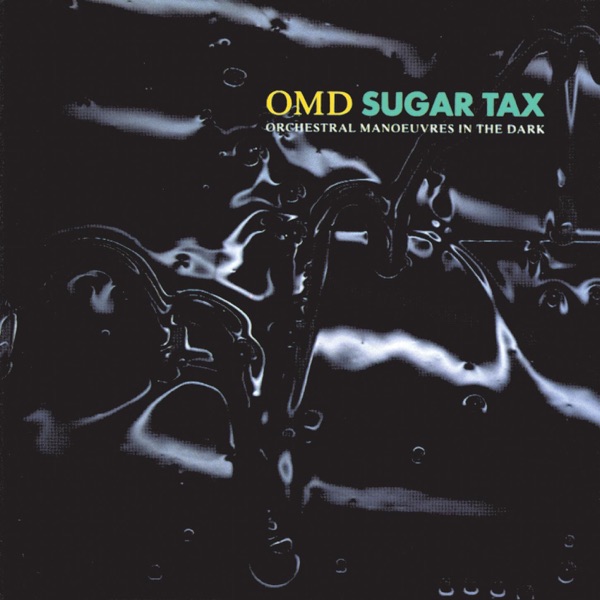
OMD / Sugar Tax
Both drum machines used on album.
Read Power in the Darkness ↗
Terminal Gods / Wave / Form — album production
Maisey identifies RX5 for this album.
Read Terminal Gods on recording Wave / Form ↗Reported association
Prince / “Sign o’ the Times”
An artist-use entry attributes the snare on Prince’s “Sign o’ the Times” to a Yamaha RX5 combined with LM-1 voices.
Read Prince and the Yamaha RX5 on “Sign o’ the Times” ↗Atom™ / Early workflow
RX5 drums and sequencing.
Read In the studio with Atom™ ↗Reported association
Terminal Gods / Robert Maisey / Wave / Form
Maisey identifies the Yamaha RX5 as the drum machine used for Wave / Form.
Read Terminal Gods on recording Wave / Form ↗
Kevin Low and Fiona Carlin / The Gayfield Enterprise demos
The archive identifies the RX-5 as part of the pair’s 1986 bedroom-demo setup.
Read Kevin Low and Fiona Carlin / The Gayfield Enterprise demos ↗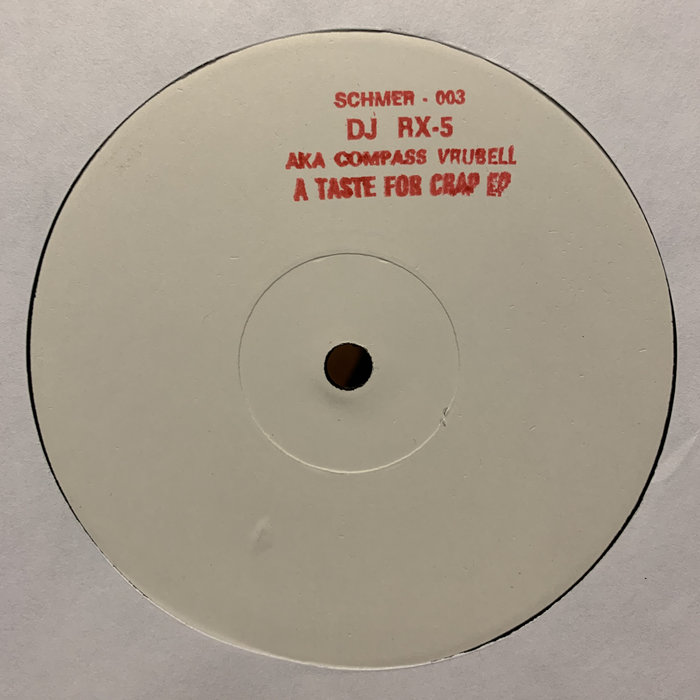
DJ RX-5 / A Taste For Crap EP
Alexey Chernorot’s reissue account says DJ RX-5 produced the 1997 A Taste For Crap EP live with only a Yamaha RX-5.
Read DJ RX-5 / A Taste For Crap EP ↗
Kevin Low & Fiona Carlin / The Gayfield Enterprise: Demo Tapes from 1986
The Gayfield Enterprise reissue history says Kevin Low and Fiona Carlin sold other gear to buy a Yamaha RX-5, QX7 sequencer and DX-100 for their Edinburgh bedroom demos.
Read Kevin Low & Fiona Carlin / The Gayfield Enterprise ↗
Dave and Matt Pegg / Life’s a Long Song
The 1995 Woodworms Studio credits for Dave and Matt Pegg’s “Life’s a Long Song” list a Yamaha RX-5—“sans instructions”—among the session equipment.
Read Dave and Matt Pegg / Life’s a Long Song ↗
Slashed Tires / Kenneth M. Piekarski / Don’t Party
Kenneth M. Piekarski lists a Yamaha RX5 among the featured drum machines on Slashed Tires’ Don’t Party.
Read Slashed Tires — Don’t Party ↗Archive source
SysEx Emporium / 2,081 Ultimate Vintage Drum Samples
SysEx Emporium lists Yamaha RX-5 samples in 2,081 Ultimate Vintage Drum Samples.
Read SysEx Emporium / 2,081 Ultimate Vintage Drum Samples ↗Meat Beat Manifesto / Jack Dangers / Storm The Studio
Dangers says the Yamaha RX5 sequenced the other equipment and was locked to tape during the album sessions.
Read Classic album: Meat Beat Manifesto on Storm The Studio ↗A flagship rhythm programmer
The RX5 gave Yamaha’s digital drum work a larger, more ambitious form: pads, PCM voices, pattern programming and expansion through cartridge-based sound material.
Product history: 1986 RX5 ↗ RX5 Digital Rhythm Programmer: Owner’s Manual ↗ Portraits of an Artist: Yamaha synthesizer catalogue — original file currently unavailable
A machine for the arrangement
Its manual and period reviews show a rhythm programmer built for structured songs as well as individual patterns. The RX5 rewarded players who wanted to shape a complete electronic drum part, not merely choose a preset.
RX5 Digital Rhythm Programmer: Owner’s Manual ↗ Yamaha RX5 ↗ Yamaha RX5 ↗
A sound that keeps returning
Later sample projects and artist accounts have kept the RX5’s voices alive, while the original machine remains a vivid piece of Yamaha’s 1980s studio story.
In the studio with Atom™ ↗ Terminal Gods on recording Wave / Form ↗ My DIY Yamaha RX5 programmable waveform cartridge: RX5USB ↗
Jack Dangers’ tape-locked sequencer
On Meat Beat Manifesto’s Storm The Studio, Jack Dangers used the RX5 as the machine that held the wider setup to tape. It was not merely supplying a kit: the RX5 sequenced the other equipment, imposing a disciplined frame on a record built from gates, sampling, distortion and collage.
Terminal Gods’ Wave / Form
Terminal Gods’ Robert Maisey has identified the RX5 as the drum machine used for Wave / Form. It is a later example of the Yamaha travelling from the programmable-studio era into a deliberately severe electronic-rock setting.
A sequencing centre, not only a kit
Jack Dangers remembers the RX5 locked to tape and sequencing the wider system during Storm The Studio. Robert Maisey names it as Terminal Gods’ drum machine on Wave / Form, while Paul Goodier’s OMD account places Yamaha drum machines within Sugar Tax. That is the RX5’s useful story: one machine holding together a larger production, whether its own sounds were foregrounded or not.
Classic album: Meat Beat Manifesto on Storm The Studio ↗ Terminal Gods on recording Wave / Form ↗ Power in the Darkness ↗
OMD’s *Sugar Tax* rhythm room
Andy McCluskey identifies the RX5 and Alesis HR-16 among the drum machines used on OMD’s *Sugar Tax*. The account does not divide every pattern or sound between them, but it places the RX5 in a finished, early-1990s pop production where programming and arrangement were part of the same task.
Sources
- Yamaha RX5
- Yamaha RX5
- Portraits of an Artist: Yamaha synthesizer catalogue — original file currently unavailable
- Product history: 1986 RX5
- RX5 Digital Rhythm Programmer: Owner’s Manual
- Questions & Answers; RX5 Edit Guide notice
- In the studio with Atom™
- Terminal Gods on recording Wave / Form
- Wave / Form: release and credits
- Power in the Darkness
- OMD discography
- My DIY Yamaha RX5 programmable waveform cartridge: RX5USB
- RX5USB project
- Making my own software for the RX5USB
- Classic album: Meat Beat Manifesto on Storm The Studio
The visual archive
Further visual evidence.
Sources for images shown earlier (13)
- West Coast Story ↗
- Kevin Low and Fiona Carlin — The Gayfield Enterprise demos ↗
Release date not stated on source page · Kevin Low and Fiona Carlin / release artwork via Bandcamp · Official Bandcamp release-page artwork (Open Graph image) - DJ RX-5 — A Taste For Crap EP ↗
Release date not stated on source page · DJ RX-5 / release artwork via Bandcamp · Official Bandcamp release-page artwork (Open Graph image) - Dave and Matt Pegg — Life’s a Long Song ↗
Release date not stated on source page · Dave and Matt Pegg / release artwork via Bandcamp · Official Bandcamp release-page artwork (Open Graph image) - Slashed Tires / Kenneth M. Piekarski — Don’t Party ↗
2020-01-17 · Slashed Tires / Kenneth M. Piekarski / release artwork via Bandcamp · Official Bandcamp release-page artwork (Open Graph image) - SysEx Emporium — 2,081 Ultimate Vintage Drum Samples ↗
2023-02-20 · SysEx Emporium / release artwork via Bandcamp · Official Bandcamp release-page artwork (Open Graph image) - OMD — Sugar Tax ↗
1991 · OMD / release artwork via Cover Art Archive · MusicBrainz release record and Cover Art Archive front artwork - Terminal Gods — Wave / Form — album production ↗
2016-05-06 · Terminal Gods / release artwork via Cover Art Archive · Release catalogue and retained front artwork - Meat Beat Manifesto — Storm the Studio (Remastered) ↗
1989-08-01T00:00:00Z · Meat Beat Manifesto / release artwork via Apple Music catalog artwork · Release catalogue and retained front artwork - Terminal Gods — Wave / Form ↗
2016-05-06T07:00:00Z · Terminal Gods / release artwork via Apple Music catalog artwork · Release catalogue and retained front artwork - Orchestral Manoeuvres in the Dark / A&M Records press photograph ↗
1985 · Distributed by A&M Records · OMD press photograph, pictured: Paul Humphreys (left) and Andy McCluskey. - Meat Beat Manifesto / live ↗
22 November 2008 · Doug Orleans · Meat Beat Manifesto live photograph. - Prince — Sign O’ the Times ↗
1987-03-30 · Prince / release artwork via Apple Music catalogue · Official catalogue release artwork and date
Additional visual sources (13)
Original publications and related image sources.
- RX5 technical-document listing ↗
Undated document · Yamaha documents · Download listing - Yamaha RX5 review illustrations ↗
April 1987 · Sound On Sound · Printed pp.17–20 - RX5 and RX17 among flight cases — original file currently unavailable
1987-07 · Yamaha · Printed pp. 16–17 / PDF p. 9; colophon PDF p. 19 - RX5 connections and edit-buffer diagrams ↗
Print code 87 05 R1 · Yamaha · Printed pp. 4, 71 / PDF pp. 9, 76 - RX5 and cartridges: AfterTouch ↗
1988-10 · Yamaha · Printed/PDF p. 4 - RX5USB breadboard prototype ↗
2012-12-16 · GliGli · Opening post, breadboard prototype image - Yamaha RX5 ↗
Apr 1987 · Music Technology · Yamaha RX5 front-panel product photograph with Yamaha and RX5 markings visible. - Yamaha RX5 ↗
Apr 1987 · Music Technology · Contemporary action photograph of hands playing a Yamaha RX5, restored from a reused Sound On Sound context to its originating April 1987 Music Technology review. - Yamaha RX5 ↗
Apr 1987 · Sound On Sound · Yamaha RX5 product photograph with the Yamaha and RX5 markings visible in its dedicated Sound On Sound review. - Yamaha RX5 ↗
Apr 1987 · Sound On Sound · Yamaha RX5 control and pad detail from the dedicated review; it is exact RX5 evidence, not a generic family assignment. - Yamaha RX5 ↗
Apr 1987 · Sound On Sound · Yamaha RX5 control-layout technical drawing from the dedicated review. - Yamaha RX5 ↗
Apr 1987 · Sound On Sound · Yamaha RX5 rear-panel technical drawing from the dedicated review. - The Shape of Things To Come ↗
Mar 1987 · Sound On Sound · Yamaha RX5 Rhythm Programmer with model marking visible and image-specific caption;