
Yamaha’s RX11 reached the British music press in 1984. An October review listed it at £799 including VAT and introduced a PCM rhythm machine with a large voice palette and serious connection options.Sources (8)
The machine in the record
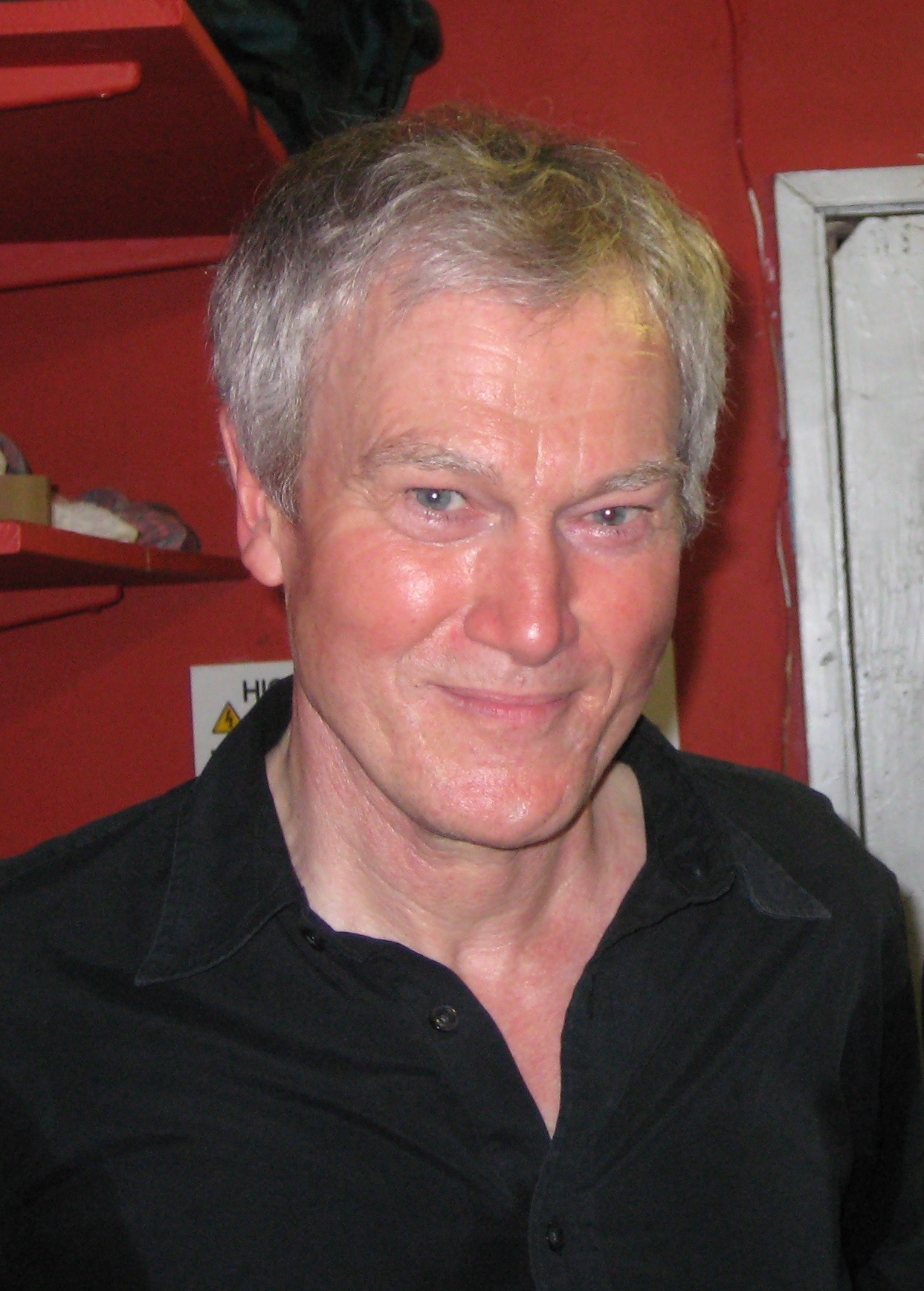
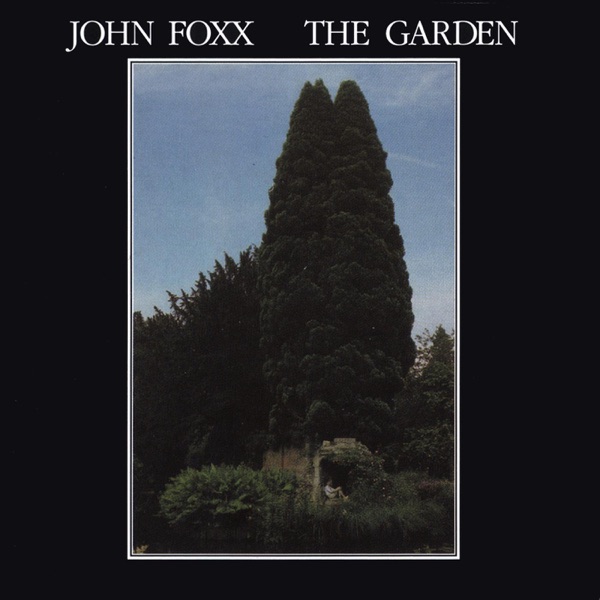
John Foxx / “Enter the Angel”.
John Foxx used the RX11 as guide rhythm and trigger source for “Enter the Angel”, then let AMS samples and modified Simmons modules complicate the result. The Yamaha holds the centre while the rest of the studio starts to fracture its edges.
Read John Foxx: Recording In Mysterious Ways ↗More records in the archive
The machine keeps turning up.
Credit 00 / Game Over — album production
Artist names RX11 among album instruments.
Read Game Over: Credit 00 talks up his debut album on Uncanny Valley ↗
Discovery Zone / JJ Weihl / Nu Moon
Weihl says Nu Moon consists mostly of a Yamaha RX-11 and DX7, with digital VST voices.
Read Meditating on a moment: John Loveless in conversation with Discovery Zone ↗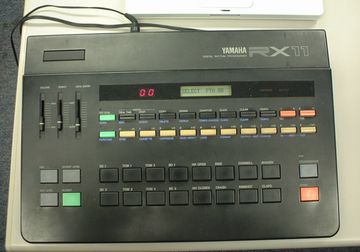
KAN / Demo and released programmed-song workflow
KAN says most of his demo recordings used the RX-11 as their base and that many released programmed songs originated with its drum data.
Read KAN Friday Column #222: Yamaha RX-11 ↗Tony Springer / Wild T and the Spirit / Early demo workflow
Springer says his home demos began with Yamaha RX11 drums, a Tascam 246, bass and rhythm guitar before further overdubs.
Read Wild T: The Interview ↗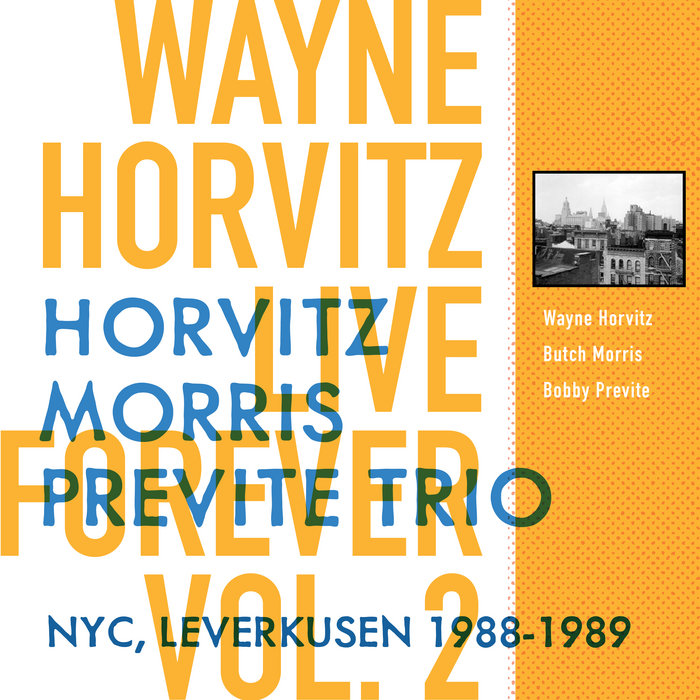
Wayne Horvitz / Live Forever, Vol. 2
The official credits for Wayne Horvitz’s Live Forever, Vol. 2 list him on piano, DX7 and Yamaha RX-11 across 1988–89 trio performances.
Read Wayne Horvitz / Live Forever, Vol. 2 ↗
Occidental Journey / Complete Works
Occidental Journey’s archive preserves two 1986–87 four-track cassette albums made with a Yamaha RX-11.
Read Occidental Journey / Complete Works ↗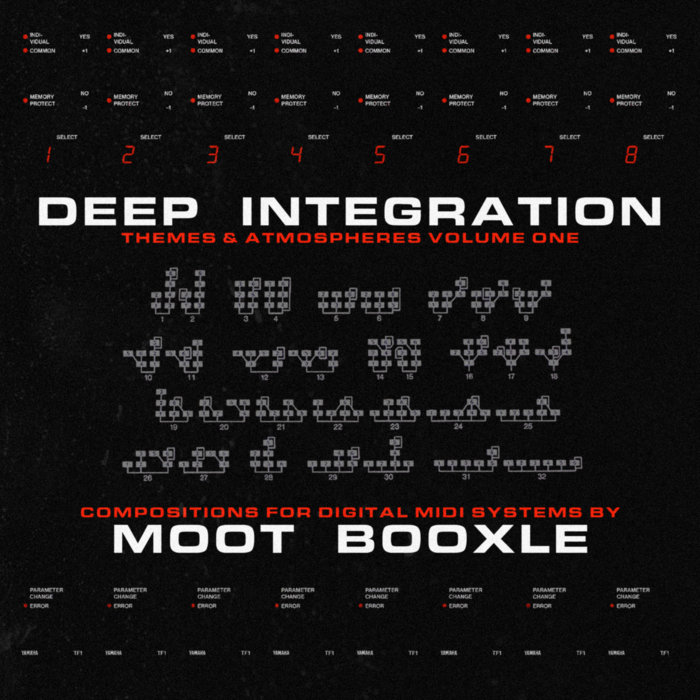
Moot Booxlé / Deep Integration
Moot Booxlé’s track notes credit a Yamaha RX11 for drums on “Integrating Signs”, “Frozen Shadow” and “The Sevens”.
Read Moot Booxlé — Deep Integration ↗
Josef Kenny / Parallax
Josef Kenny credits a Yamaha RX11 and Roland TR-505 on Parallax, recorded mainly to a Yamaha MT8X cassette multitracker.
Read Josef Kenny — Parallax ↗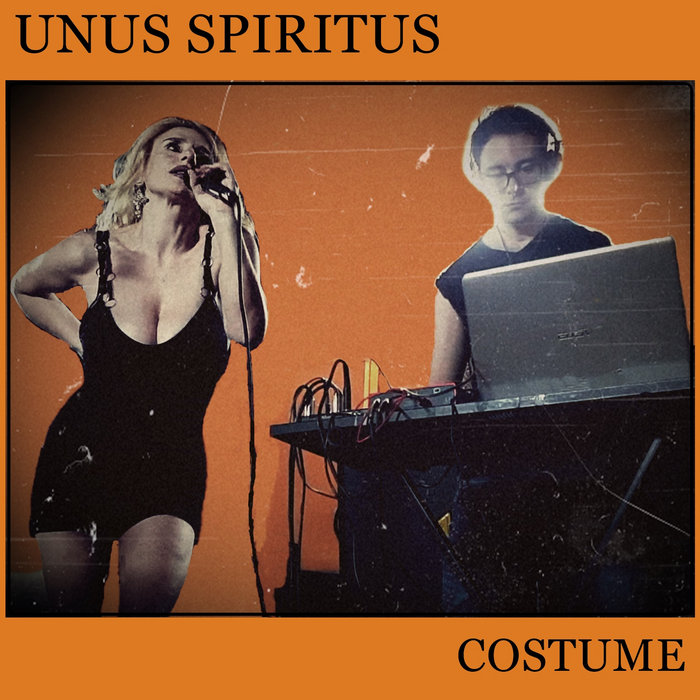
MauSS / Costume / Unus spiritus
MauSS is credited with Yamaha RX-11 drum machine on Costume’s Unus spiritus.
Read Costume — Unus spiritus ↗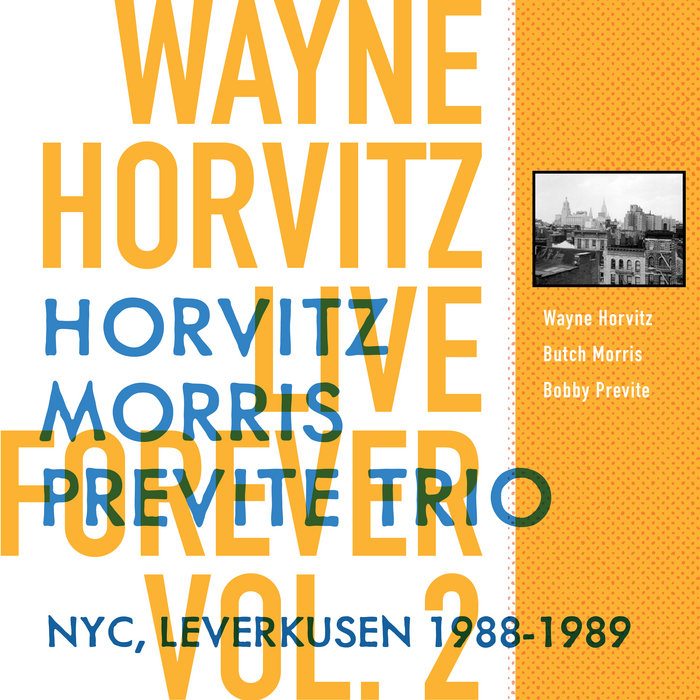
Wayne Horvitz / Live Forever, Vol. 2
Wayne Horvitz is credited with Yamaha RX-11 drum machine on these live 1988–89 recordings.
Read Bobby Previte / Wayne Horvitz — Live Forever, Vol. 2 ↗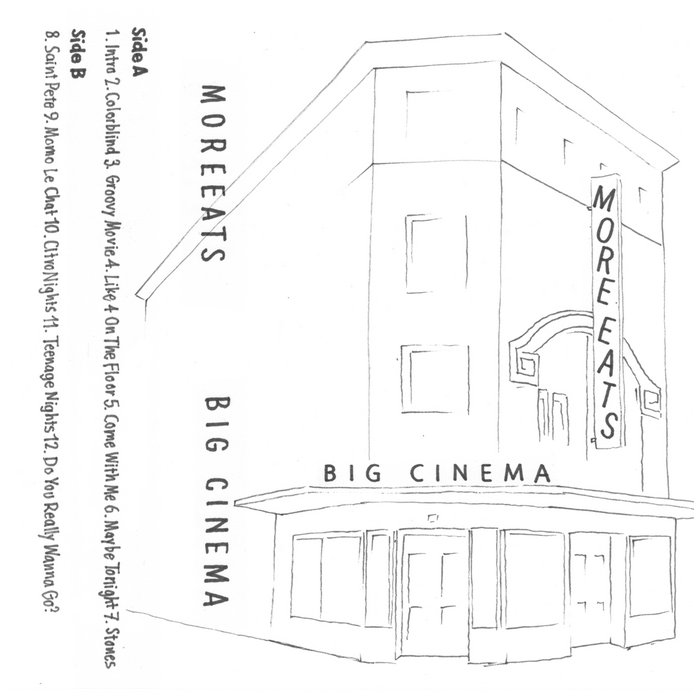
MoreEats / Big Cinema
Moritz of MoreEats lists a Yamaha RX11 among the gear used for Big Cinema.
Read MoreEats — Big Cinema ↗
Bernie Worrell / Army Arrangement
Bill Laswell’s release credit names Bernie Worrell on Hammond B3 and Yamaha RX-11.
Read Bill Laswell — Army Arrangement ↗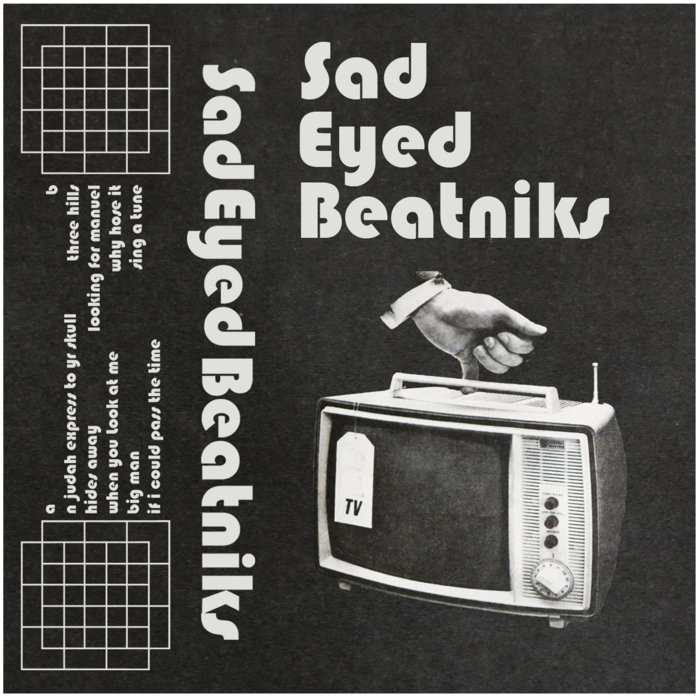
K Linn / Sad Eyed Beatniks / Sad Eyed Beatniks
The artist credit identifies RX-11 drums on Sad Eyed Beatniks.
Read Sad Eyed Beatniks — Sad Eyed Beatniks ↗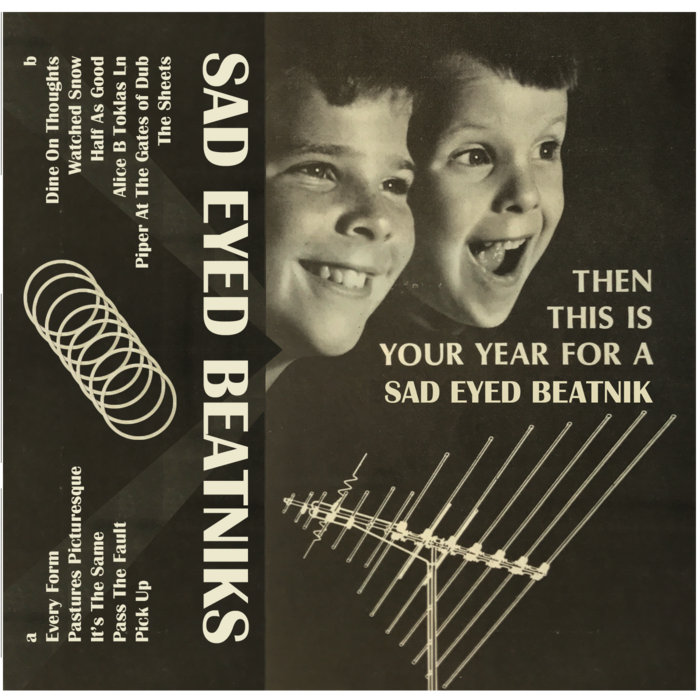
K Linn / Sad Eyed Beatniks / Then This Is Your Year
The album equipment list credits RX-11 drums.
Read Sad Eyed Beatniks — Then This Is Your Year ↗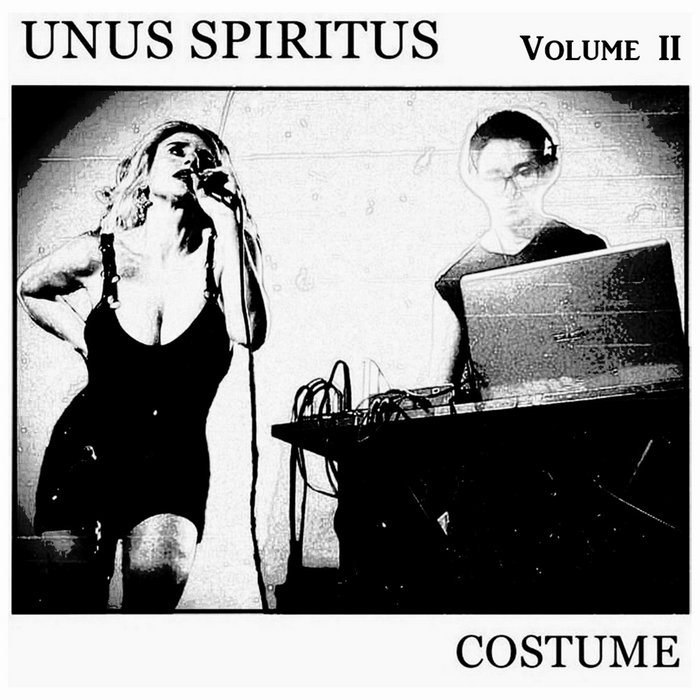
MauSS / Costume / Unus Spiritus Vol. 2
The release account identifies RX-11 as one of MauSS’s drum machines.
Read Costume / MauSS — Unus Spiritus Vol. 2 ↗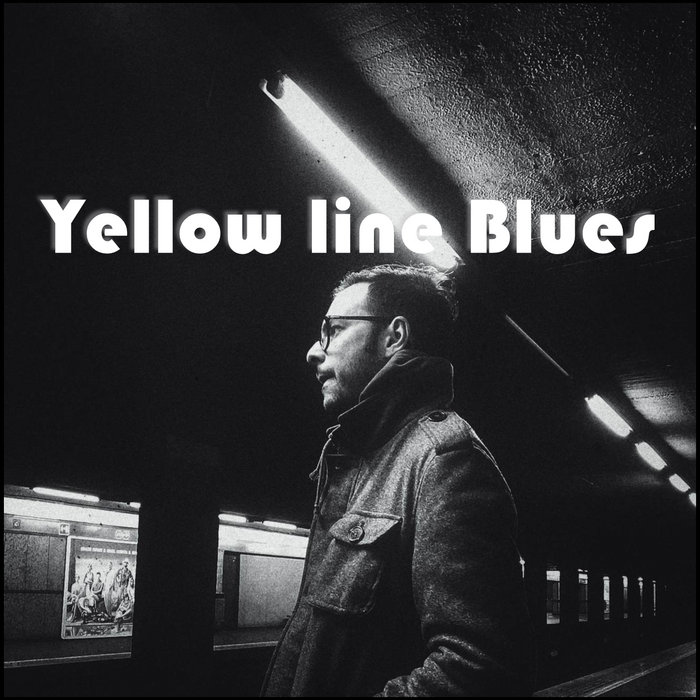
MauSS / Costume / Yellow Line Blues
The album’s drum-machine setup names a Yamaha RX-11.
Read Costume / MauSS — Yellow Line Blues ↗John Foxx / Enter the Angel — session described
Guide rhythm and layered drums.
Read John Foxx: Recording In Mysterious Ways ↗A digital rhythm machine for the DX decade
Yamaha introduced the RX11 alongside the digital confidence of its DX synthesizers. PCM percussion, MIDI and a compact programming surface gave it the role of a proper rhythm programmer rather than a preset accompaniment box. The review press heard the promise first at demonstrations, then at the instrument itself.
Twenty-nine voices, a shaped kit
The RX11’s manual lists 29 voices, including alternate snares and bass drums accessed through paired pads. It is a kit that encourages selection and arrangement: choose the voice for the moment, then build a part around its weight and colour. Some voices share their available space, giving the patterns a character that comes from the machine’s own internal choreography.Source (1)
A rack of outputs behind a small panel
The back panel is one of the RX11’s quiet strengths. Yamaha provided ten dedicated outputs, plus two sockets that can become stereo mix or remaining tom outputs. A player who needed to treat a kick, snare or tom separately could do so without losing the compactness of the machine itself.
What the reviewers heard
Kendall Wrightson liked the warm bass and snare, bright percussion and value, while finding the open hi-hat less persuasive. He also felt the memory could fill quickly in complex song work. That mix of excitement and practical pressure is a useful picture of the RX11 in 1984: a sound-rich machine asking its owner to plan carefully.Source (1)
John Foxx’s guide rhythm
On “Enter the Angel,” John Foxx used the RX11 as guide rhythm and trigger source alongside AMS samples and modified Simmons modules. Paul Wickens later reworked the drums. The session makes a good portrait of the machine’s place in a studio: it could provide an organised rhythmic framework around which a larger sound world was built.
A later studio companion
Credit 00 included the RX11 among the drum machines and synthesizers used for Game Over. The Yamaha had become one of several hands-on sources recorded into a computer-based process, proof that its particular percussion vocabulary still mattered decades after its arrival.
Discovery Zone and KAN
JJ Weihl says “Nu Moon” is built mostly from an RX-11 and DX7. KAN, meanwhile, has written that the RX-11 anchored most of his demos and that its data carried into many released programmed songs. One machine, two very different working lives: a sparse pop foundation and a durable writing companion.
On record
- John Foxx — Enter the Angel — session described. Guide rhythm and layered drums. Source ↗
- Credit 00 — Game Over — album production. Artist names RX11 among album instruments. Source ↗
- Discovery Zone / JJ Weihl — Nu Moon. Weihl says Nu Moon consists mostly of a Yamaha RX-11 and DX7, with digital VST voices. Source ↗
- Documented machine history. KAN says most of his demo recordings used the RX-11 as their base and that many released programmed songs originated with its drum data. Source ↗
- Tony Springer / Wild T and the Spirit — Early demo workflow. Springer says his home demos began with Yamaha RX11 drums, a Tascam 246, bass and rhythm guitar before further overdubs. Source ↗
- Wayne Horvitz — Live Forever, Vol. 2. The official credits for Wayne Horvitz’s Live Forever, Vol. 2 list him on piano, DX7 and Yamaha RX-11 across 1988–89 trio performances. Source ↗
- Occidental Journey — Complete Works. Occidental Journey’s archive preserves two 1986–87 four-track cassette albums made with a Yamaha RX-11. Source ↗
- Moot Booxlé — Deep Integration. Moot Booxlé’s track notes credit a Yamaha RX11 for drums on “Integrating Signs”, “Frozen Shadow” and “The Sevens”. Source ↗
- Josef Kenny — Parallax. Josef Kenny credits a Yamaha RX11 and Roland TR-505 on Parallax, recorded mainly to a Yamaha MT8X cassette multitracker. Source ↗
- MauSS / Costume — Unus spiritus. MauSS is credited with Yamaha RX-11 drum machine on Costume’s Unus spiritus. Source ↗
- Wayne Horvitz — Live Forever, Vol. 2. Wayne Horvitz is credited with Yamaha RX-11 drum machine on these live 1988–89 recordings. Source ↗
- MoreEats — Big Cinema. Moritz of MoreEats lists a Yamaha RX11 among the gear used for Big Cinema. Source ↗
- Bernie Worrell — Army Arrangement. Bill Laswell’s release credit names Bernie Worrell on Hammond B3 and Yamaha RX-11. Source ↗
- K Linn / Sad Eyed Beatniks — Sad Eyed Beatniks. The artist credit identifies RX-11 drums on Sad Eyed Beatniks. Source ↗
- K Linn / Sad Eyed Beatniks — Then This Is Your Year. The album equipment list credits RX-11 drums. Source ↗
- MauSS / Costume — Unus Spiritus Vol. 2. The release account identifies RX-11 as one of MauSS’s drum machines. Source ↗
- MauSS / Costume — Yellow Line Blues. The album’s drum-machine setup names a Yamaha RX-11. Source ↗
Sources
- Yamaha RX Digital Rhythm Machines
- Yamaha RX11 & RX15
- RX11 Owner’s Manual
- RX11 / RX15 Digital Rhythm Programmers brochure
- John Foxx: Recording In Mysterious Ways
- Game Over: Credit 00 talks up his debut album on Uncanny Valley
- Meditating on a moment: John Loveless in conversation with Discovery Zone
- KAN Friday Column #222: Yamaha RX-11
The visual archive
Further visual evidence.
These displayed records are labelled by their documented role, date and source; source-only records are listed separately below.
Sources for images shown earlier (16)
- MauSS / Costume — Yellow Line Blues ↗
- Wayne Horvitz — Live Forever, Vol. 2 ↗
Release date not stated on source page · Wayne Horvitz / release artwork via Bandcamp · Official Bandcamp release-page artwork (Open Graph image) - Occidental Journey — Complete Works ↗
Release date not stated on source page · Occidental Journey / release artwork via Bandcamp · Official Bandcamp release-page artwork (Open Graph image) - Moot Booxlé — Deep Integration ↗
Release date not stated on source page · Moot Booxlé / release artwork via Bandcamp · Official Bandcamp release-page artwork (Open Graph image) - Josef Kenny — Parallax ↗
2014-12-08 · Josef Kenny / release artwork via Bandcamp · Official Bandcamp release-page artwork (Open Graph image) - MauSS / Costume — Unus spiritus ↗
2020-04-10 · MauSS / Costume / release artwork via Bandcamp · Official Bandcamp release-page artwork (Open Graph image) - MoreEats — Big Cinema ↗
2014-01-13 · MoreEats / release artwork via Bandcamp · Official Bandcamp release-page artwork (Open Graph image) - Bernie Worrell — Army Arrangement ↗
2020-06-12 · Bernie Worrell / release artwork via Bandcamp · Official Bandcamp release-page artwork (Open Graph image) - K Linn / Sad Eyed Beatniks — Sad Eyed Beatniks ↗
2016-03-04 · K Linn / Sad Eyed Beatniks / release artwork via Bandcamp · Official Bandcamp release-page artwork (Open Graph image) - K Linn / Sad Eyed Beatniks — Then This Is Your Year ↗
2017-12-15 · K Linn / Sad Eyed Beatniks / release artwork via Bandcamp · Official Bandcamp release-page artwork (Open Graph image) - MauSS / Costume — Unus Spiritus Vol. 2 ↗
2020-10-02 · MauSS / Costume / release artwork via Bandcamp · Official Bandcamp release-page artwork (Open Graph image) - John Foxx — Enter the Angel — session described ↗
1993-04-19 · John Foxx / release artwork via Cover Art Archive · MusicBrainz release record and Cover Art Archive front artwork - Credit 00 — Game Over — album production ↗
2017-03-13 · Credit 00 / release artwork via Cover Art Archive · Release catalogue and retained front artwork - John Foxx / Cargo London ↗
16 October 2008 · Grueslayer · John Foxx backstage at Cargo, London. - JJ Weihl / Discovery Zone — The Ransom Note, May 2021 ↗
13 May 2021 · The Ransom Note · Lead photograph for The Ransom Note’s Discovery Zone interview. - Yamaha RX-11 — KAN official column ↗
2009-08-14 · KAN official website (photographer uncredited on source page) · First photograph in KAN Friday Column #222: Yamaha RX-11.
Additional visual sources (8)
Original publications and related image sources.
- RX11 product and rear-panel photographs ↗
Print code 84 1030 · Yamaha · PDF pp. 3, 6 - RX11 owner manual ↗
Print code 88 11 · Yamaha · Printed/PDF pp. 4, 7–9, 32, 36 - Enter the Angel, Version 2 ↗
Published 1985-12 · Richard Whaley / The Garden Studios · Gilby interview illustration - Yamaha RX Digital Rhythm Machines; Yamaha RX11 & RX15; Yamaha RX15 drum machine ↗
Mar 1984 · Electronics & Music Maker · Yamaha RX15 and RX11 Digital Rhythm Programmer product photograph with both model markings clearly visible - Yamaha RX Digital Rhythm Machines; Yamaha RX11 & RX15; Yamaha RX15 drum machine ↗
Mar 1984 · Electronics & Music Maker · Yamaha RX11 Digital Rhythm Programmer with RX11 marking visible; - Yamaha RX Digital Rhythm Machines ↗
Mar 1984 · Electronics & Music Maker · Rear-panel photograph with Yamaha RX11 model plate clearly visible - Machines £500 to £1500 ↗
Oct 1985 · International Musician & Recording World · Yamaha RX11 product photograph from the £500-£1500 buyers guide; the YAMAHA RX11 model marking is visible. - Drum Machine Survey ↗
Mar 1987 · Sound On Sound · Yamaha RX11 product photograph from the Drum Machine Survey; the RX11 marking is visible.