Drum machine

Yamaha RX15

Fifteen drum sounds, patterns and songs in a compact black box. The RX15 let a player write a part, arrange its repeats and carry the programmed work to cassette.

The digital drum boom →
Yamaha RX15 (upper left) and RX11 (lower right). Electronics & Music Maker, via mu:zines.March 1984 · Electronics & Music Maker / mu:zinesSource & credit ↗

Yamaha’s RX15 reached the British market in 1984 as the smaller partner to the RX11: a compact PCM rhythm programmer with enough memory and MIDI control to make sampled drums practical for more musicians.

Sources (6)
  1. Yamaha RX11 & RX15 ↗
  2. RX11 / RX15 Digital Rhythm Programmers brochure ↗
  3. Open source 3 ↗
  4. Yamaha RX15 drum machine ↗
  5. Yamaha RX-15 ↗
  6. Baseck artist interview ↗

Source-led exhibition chapter

Yamaha RX15 — The smaller machine with the whole song in it

An affordable door into PCM drums

Yamaha announced the RX15 beside the RX11, and a March 1984 preview pictured the two in matching black cases. The writer expected the smaller machine in the summer; that was a forecast, not a delivery record. By October it was in British reviews at £449 including VAT. The difference in price mattered in a category where digital drums had recently been expensive studio objects. The RX15 offered a set of sampled percussion, a display, MIDI and a way to keep whole song arrangements inside a machine that a working musician could carry.

Yamaha RX Digital Rhythm Machines ↗Yamaha RX11 & RX15 ↗Yamaha RX15 drum machine ↗

The front panel is the entrance to its story. Above the playing keys, a small screen shows the current instruction or value. Yamaha reused the DX family's data slider and button language. An owner selected a pattern, chose its meter and length, then entered beats in real time or one step at a time. Accent, swing and timing correction could change the result after the first pass. The December long-term reviewer, Julian Colbeck, describes a learning curve shaped partly by the manual, then a machine he came to trust after weeks in the studio. That is more useful than a simple verdict of easy or difficult: the RX15 rewarded repeated use.

Yamaha RX11 & RX15 ↗Yamaha RX-15 ↗

Silent arrangement study

Pattern, accent, song, cassette.

Choose a pattern, set meter and length, enter or correct a hit, then place repeats into a song and preserve the work by cassette. The RX15 leaves by its stereo pair; this is a documented workflow study, not a factory-pattern reconstruction or audio emulator.

Fifteen playable choices

The RX15 was commonly listed with fifteen sounds. That number includes variations within a smaller number of named groups and front-panel keys: a second snare pitch, a pedal hi-hat and three toms sit alongside bass drum, rimshot, open and closed hi-hat, ride, crash, clap, cowbell and shaker. Colbeck counted thirteen named sounds with some variations; Wrightson's list totals fifteen playable choices. The two descriptions should appear together as a difference in counting, not as an unexplained dispute about which machine was photographed. None of these sources establishes user sampling or freely replaceable sound chips.

Yamaha RX11 & RX15 ↗Yamaha RX-15 ↗Yamaha RX15 drum machine ↗

The player could take those fixed sounds further than a preset rhythm box allowed. Up to 100 programmable patterns could be placed into ten songs, with repeats conserving memory. The contemporary reviews give a 1,500-event capacity and describe a cassette dump for storage beyond it. Tempo changes could be inserted into a song, and sounds could be assigned MIDI notes. Colbeck tried external keyboard triggering and heard how dynamics changed a live performance, even as the machine's own memory and programming method set limits on what could be retained. The interface was a composition tool, not merely a list of beats to select.

Yamaha RX11 & RX15 ↗Yamaha RX-15 ↗

The economy on the back

The RX15's rear panel makes the family difference plain. Its audio left by a stereo pair rather than individual instrument sockets. Pan and level could place each sound in that pair, so a producer could still make decisions about space; separating one drum for different equalisation was awkward. The RX11 offered more individual output paths and a RAM-cartridge slot. The RX15's cassette save and shared mix made sense for a compact, lower-priced machine, but they also shaped how it fitted into a larger studio. One Electronics & Music Maker sentence mistakenly assigns stereo-only operation to both models. The March preview, other contemporary reviews and the RX11 manual reading distinguish them.

Yamaha RX Digital Rhythm Machines ↗Yamaha RX11 & RX15 ↗Yamaha RX15 drum machine ↗Yamaha RX-15 ↗

In other hands

Jeff Mills recalls that a slightly modified RX15 helped him discover MIDI while he learned to program. This is direct testimony about an early working method, not a claim about a particular record. The machine's value in that account is exploratory: small enough to learn through, connected enough to open a path to other equipment.

Jeff Mills on learning with the Yamaha RX15 ↗

The archive also holds a very different kind of memory. Baseck recalls early experiments with a Yamaha RX11 or RX15 alongside a short sampler and borrowed reverb, but cannot now say which Yamaha it was. That belongs in a shared RX-family listening room or a clearly labelled recollection, not as proof of RX15 ownership. Other artist and release records can sit below the main history with their own grades and limits; record sleeves identify releases, not the hardware that made them.

Baseck artist interview ↗

The RX15 should meet visitors as an instrument for making a whole arrangement within constraints. Its screen, keys and cassette path explain that better than a row of specifications. A small interactive study could let a visitor follow the documented write sequence: choose a pattern, set its length, place a hit, give it an accent, repeat it into a song. Such a study must say it illustrates the workflow; it must not pretend to reproduce a factory pattern or the RX15's audio until an exact, governed source is available.

Yamaha RX11 & RX15 ↗Yamaha RX-15 ↗

The machine in the record

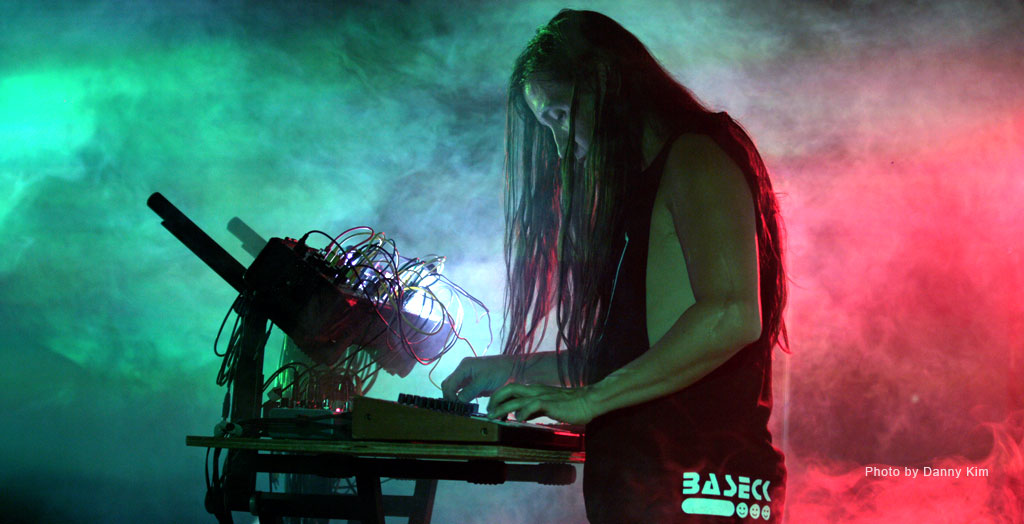
Baseck performing with electronic equipment in Sequential’s artist profile.
Baseck in Sequential’s artist profile. He recalls an early Yamaha RX11-or-RX15 setup; this photograph identifies the artist context, not the exact model or a recording session.

Baseck / the RX11-or-RX15 memory.

Baseck remembers making early beats with a Yamaha RX11 or RX15, but cannot settle which model. No title is attached to the recollection. It belongs here as a family-level memory from the beginning of a producer’s practice, rather than a false RX15 credit.

Read Baseck artist interview ↗

More records in the archive

The machine keeps turning up.

Jeff Mills in Red Bull Music Academy coverage.
Jeff Mills in the publisher’s direct-artist account. The portrait identifies the artist, not the machine or a specific recording session.

Jeff Mills / learning MIDI in Detroit

Mills says a slightly modified RX15 led him into MIDI while he was learning to program.

Read Jeff Mills on learning with the Yamaha RX15 ↗

Cover artwork for Paul Harper-Turner — Works (or Autofiction?).
Paul Harper-Turner — Works (or Autofiction?): retained artwork identifies the release or source-recording context, not a machine, session or sound allocation.

Paul Harper-Turner / Works (or Autofiction?)

Harper-Turner credits the RX-15 on the 2026 cassette-made collection.

Read Paul Harper-Turner / Works (or Autofiction?) ↗
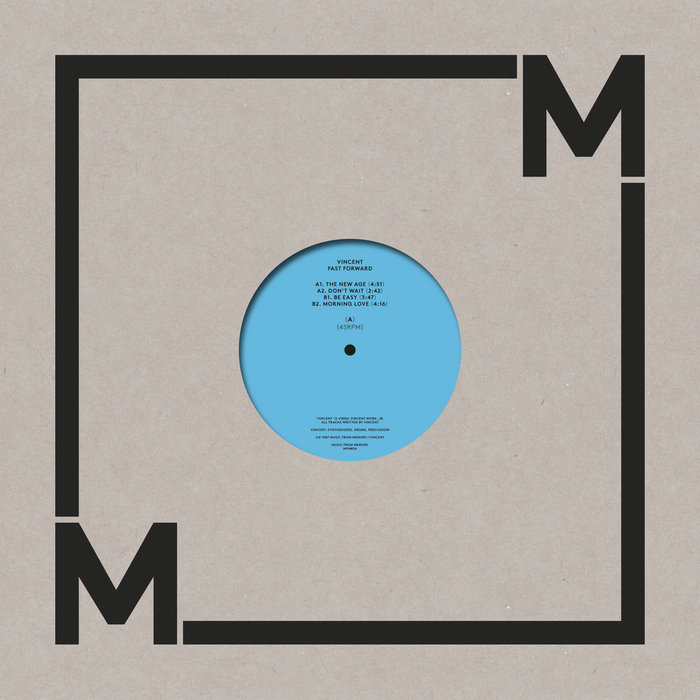
Cover artwork for Vincent — Fast Forward.
Vincent — Fast Forward: retained artwork identifies the release or source-recording context, not a machine, session or sound allocation.

Vincent / Fast Forward

Music From Memory identifies a Yamaha RX-15 within Vincent’s improvisatory system for Fast Forward.

Read Vincent / Fast Forward ↗
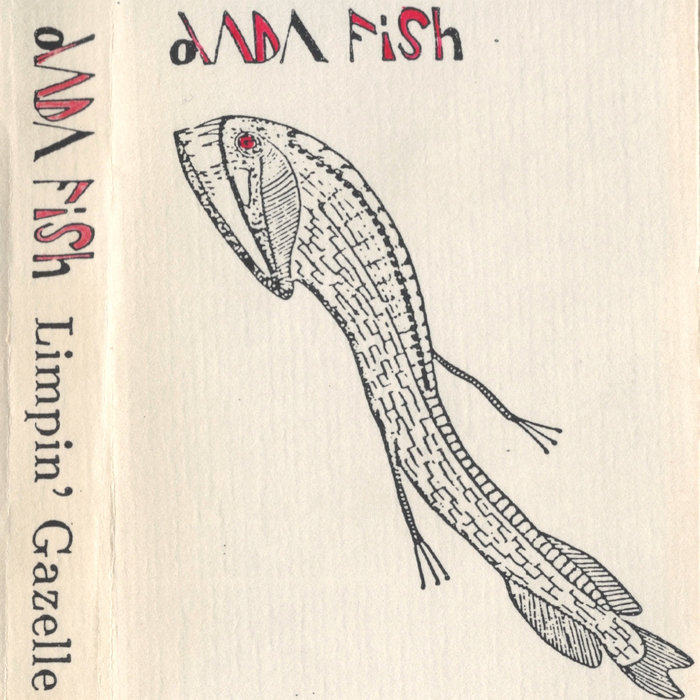
Cover artwork for Mason Jones — Limpin Gazelle (Dada Fish).
Mason Jones — Limpin Gazelle (Dada Fish): retained artwork identifies the release or source-recording context, not a machine, session or sound allocation.

Mason Jones / Limpin Gazelle (Dada Fish)

Mason Jones’s 1987 cassette credit puts the RX-15 beside recorder, guitar, bass, voice and effects in a rough home-tape exchange from the cassette underground.

Read Mason Jones — Limpin Gazelle (Dada Fish) ↗

Cover artwork for Paul Harper-Turner — Works.
Paul Harper-Turner — Works: retained artwork identifies the release or source-recording context, not a machine, session or sound allocation.

Paul Harper-Turner / Works

The release credits Paul Harper-Turner with Yamaha RX-15 drum machine.

Read Paul Harper-Turner — Works ↗
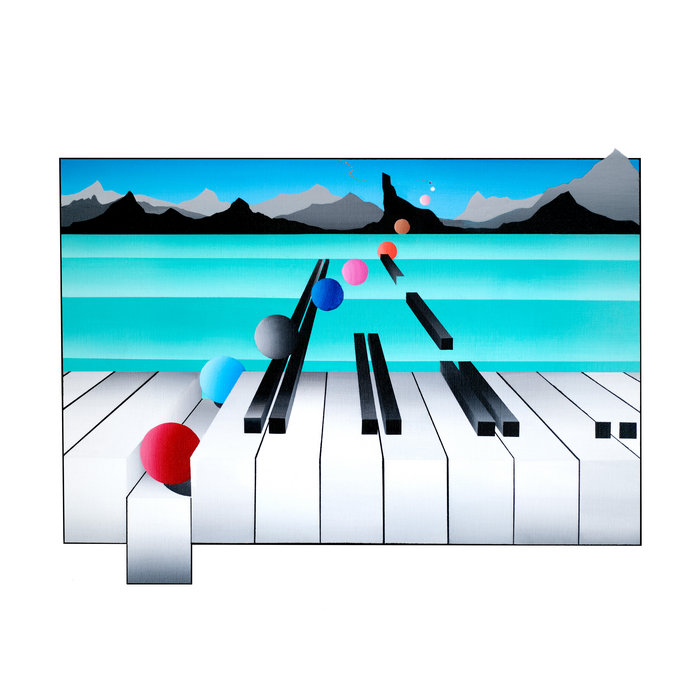
Cover artwork for Paradise Is a Frequency — The Style of Life.
Paradise Is a Frequency — The Style of Life: retained artwork identifies the release or source-recording context, not a machine, session or sound allocation.

Paradise Is a Frequency / The Style of Life

Paradise Is a Frequency list the Yamaha RX-15 in the record’s instrumentation.

Read Paradise Is a Frequency / The Style of Life ↗
Cover artwork for Turgut Tükel — Ex-Mor.
Turgut Tükel — Ex-Mor: retained release artwork gives the documented machine story a record-world context; it does not depict the hardware, a session, or an individual track allocation.

Turgut Tükel / Ex-Mor

The album credits say Turgut Tükel programmed a Yamaha RX-15 Drum Machine on “Ex-Mor.”

Read Serdar Ateşer & Grup Başkanvekilleri — Shipahoy Ext 2020 ↗
01 // Yamaha's compact PCM rhythm programmer

The smaller RX

October and December 1984 reviews presented the RX15 as an accessible digital drum machine priced at £449 including VAT. It offered fifteen stored sounds, real-time and step writing, cassette dumps and swing in a smaller, less costly format than the RX11. Its purpose was simple and useful: put a programmable set of sampled drums within reach of a working player.

Sources (3)
  1. Yamaha RX11 & RX15 ↗
  2. Yamaha RX15 drum machine ↗
  3. Yamaha RX-15 ↗

02 // Yamaha's compact PCM rhythm programmer

A focused working machine

The contemporary long-term review described 100 programmable patterns, ten songs and 1,500 events, with MIDI note assignment, MIDI clock and external synchronisation. The RX15 did not try to be a vast studio system; its stereo-mix-only output and compact memory made it a dependable machine for writing and carrying a programmed part into a wider electronic setup. Yamaha’s brochure gives the family its original product frame.

Sources (3)
  1. Yamaha RX-15 ↗
  2. RX11 / RX15 Digital Rhythm Programmers brochure ↗
  3. Open source 3 ↗

03 // Yamaha's compact PCM rhythm programmer

A remembered Yamaha, with the model left open

Baseck recalls making early beats with a Yamaha RX11 or RX15 beside an eight-second sampler and a borrowed reverb. He is candid that he cannot now separate the two Yamaha models. That makes it a useful reported association rather than a model credit: a glimpse of the compact sampled-drum world that opened his first experiments.

Source (1)
  1. Baseck artist interview ↗

MUSIC HISTORY

On record

  • Baseck — Early experiments (titles not specified). Baseck recalls making early beats with a Yamaha RX11 or RX15, but says he cannot remember which model it was. Source ↗
  • Jeff Mills — learning MIDI in Detroit. Mills says a slightly modified RX15 led him into MIDI while he was learning to program. Source ↗
  • Paul Harper-Turner — Works (or Autofiction?). Harper-Turner credits the RX-15 on the 2026 cassette-made collection. Source ↗
  • Vincent — Fast Forward. Music From Memory identifies a Yamaha RX-15 within Vincent’s improvisatory system for Fast Forward. Source ↗
  • Mason Jones — Limpin Gazelle (Dada Fish). Mason Jones’s 1987 cassette credit puts the RX-15 beside recorder, guitar, bass, voice and effects in a rough home-tape exchange from the cassette underground. Source ↗
  • Paul Harper-Turner — Works. The release credits Paul Harper-Turner with Yamaha RX-15 drum machine. Source ↗
  • Paradise Is a Frequency — The Style of Life. Paradise Is a Frequency list the Yamaha RX-15 in the record’s instrumentation. Source ↗
  • Turgut Tükel — Ex-Mor. The album credits say Turgut Tükel programmed a Yamaha RX-15 Drum Machine on “Ex-Mor.” Source ↗

Sources

  1. Yamaha RX11 & RX15
  2. RX11 / RX15 Digital Rhythm Programmers brochure
  3. Yamaha Manuals — RX15 Owner’s Manual
  4. Yamaha RX15 drum machine
  5. Yamaha RX-15
  6. Baseck artist interview
  7. Jeff Mills on learning with the Yamaha RX15

The visual archive

Further visual evidence.

These displayed records are labelled by their documented role, date and source; source-only records are listed separately below.

Sources for images shown earlier (7)
Additional visual sources (4)

Original publications and related image sources.

Machine Museum image viewer

Period image shown in the dossier.