
Digital rhythm programmer

Yamaha RX17

A compact digital kit with a song to build. Yamaha’s RX17 brings drum sounds, pads and pattern memory together, letting a player turn individual hits into a backing part for rehearsal, demos or a home recording.

The digital drum boom →
Yamaha’s RX17 model graphic from the owner’s manual. It identifies the rhythm programmer without standing in for a machine photograph.1987 · Yamaha CorporationSource & credit ↗

The RX17 appeared in Yamaha’s 1987 introduction material and contemporary show coverage.

Sources (7)
  1. Portraits of an Artist: Yamaha synthesizer catalogue — original file currently unavailable
  2. Yamaha RX17 ↗
  3. RX17, AfterTouch vol. 3 no. 5, pp. 4–6 ↗
  4. The Shape of Things To Come ↗
  5. Using the RX17 as Both Sequencer and Drum Unit, AfterTouch pp. 18–19 ↗
  6. RX17 Service Manual, document 006746 ↗
  7. RX17 Owner Manual ↗

Source-led exhibition chapter

Yamaha RX17

Document object

RX17 owner’s manual

The manual cover is shown as a source document, not a photograph of the drum machine.

More than the beat

The name on Yamaha’s manual is unusually exact: Digital Rhythm Programmer. In 1987, the RX17 offered drum sounds, but it also offered an order for them, a set of changes within that order and a way to send notes to other instruments. A small black box could be a drummer, a song sketchbook or part of a MIDI arrangement. Its printed manual, Yamaha’s AfterTouch magazine and the company’s contemporary catalogues let us see those roles as its designers presented them, while later musicians show how far the object could travel beyond a product description.

RX17 Owner Manual ↗ RX17, AfterTouch vol. 3 no. 5, pp. 4–6 ↗ Portraits: Yamaha combo catalogue, RX spread pp. 16–17 — original file currently unavailable

Twenty-six voices, two ways to play

The RX17 held twenty-six instrument sounds behind a compact set of instrument keys. A player could switch the set available at the front panel; an external MIDI keyboard could address all twenty-six. That distinction changes what the front of the machine means. It is a small surface, but its internal kit is broader than the number of fingers it gives you at one time. Yamaha’s May 1987 AfterTouch feature explained that MIDI key velocity could be recorded as differing note levels. The owner’s manual describes playing the unit from a keyboard and writing a pattern in real time that way. Velocity was not just a performance extra. It could become part of the programmed drum part.

The sounds did not all occupy an unlimited pool. Yamaha documented an eleven-sound simultaneous limit, and certain paired voices could not sound together. Those limits belong in a detailed account because a programmer had to work within them.

RX17, AfterTouch vol. 3 no. 5, pp. 4–6 ↗ RX17 Owner Manual ↗

One bar becomes a piece

The RX17’s basic unit is the one-bar pattern. Its hundred numbered pattern locations include fifty factory programs in slots 50–99. A player could write in real time, striking instrument keys while a click sounded, or enter notes step by step. Pattern length could be set from one to thirty-two sixteenth notes, so the one-bar unit was not confined to four beats of four. Once a pattern existed, it could be copied, cleared, edited and placed in a song. The original manual even provided a paper pattern chart: a reminder that careful programming could involve pencil, printed grid and LCD as much as pressing Play.

The song mode is where this stops being a box of loops. Patterns could become numbered parts. Repeats could return a part or a group up to ninety-nine times. The editor also allowed gradual tempo and volume changes: an accelerando, a ritardando, a crescendo or a diminuendo could be part of the stored arrangement. The screen presented each as a specific instruction in a sequence.

RX17 Owner Manual ↗ RX17, AfterTouch vol. 3 no. 5, pp. 4–6 ↗

A drum machine at the centre of a system

The manual devotes real space to MIDI because the RX17 could receive a clock or send one, accept notes from a keyboard, and transmit notes from its own instrument events to other devices. Its instrument names could be assigned MIDI note numbers; separate transmit channels could send different programmed parts to different connected instruments. Yamaha pictured this as a way to make the RX17 the rhythmic centre of a larger setup, and its 1987 Digital Music Systems brochure placed the box in several proposed studios alongside keyboards, sequencers and tape recorders. These are manufacturer examples of possible connections, not evidence that any named artist owned the exact brochure system.

Denny Genovese’s September 1988 AfterTouch article gives the possibility a person and a budget. He wanted both percussion and simple sequencing for a TX81Z tone generator, but could not afford a separate sequencer and drum machine. He went to a shop, asked to read the manuals and tried the MIDI connections himself. His report describes using the RX17 as both a rhythm unit and a sender of melodic notes. It is a first-person account, published in Yamaha’s user magazine; it does not establish a named commercial recording. It does show the appeal of a machine that could do two jobs in a modest electronic setup.

RX17 Owner Manual ↗ rx17-digital-music-systems-1987 Using the RX17 as Both Sequencer and Drum Unit, AfterTouch pp. 18–19 ↗

Where the machine was encountered

For other musicians, the RX17 mattered before they owned one. Roni Size remembers going into a music shop on Gloucester Road in Bristol and programming beats on its RX17 because he and his friends could not afford the equipment. That is an account of access, curiosity and practice, not an RX17 credit for New Forms or any other named release. Henrik Lindstrand remembers receiving an RX17 at twelve as his first piece of music gear. Together those recollections make a point often hidden by record-gear lists: an instrument can affect a musician’s work long before its sound can be located on a master tape.

The later recording register offers narrower, named connections. Neil Paddock identifies RX17 samples in “I’m Calling Out Your Name”; that is a sampled-sound claim, not a claim that an original RX17 performed the released pattern. Moot Booxlé’s track notes credit the RX17 drums on “Frozen Shadow,” specifically, not across the whole Deep Integration album. Environmental Sound Collapse’s Scorched Earth Tactics equipment list names a circuit-bent RX17, but does not allocate each heard voice to it. The accounts describe different uses: sampled voices, drums on one track, and a modified instrument in a broader setup. The release sleeves identify the music; they are not photographs of the Yamaha.

The RX17’s particular achievement was making a small surface useful in a larger musical chain. Its one-bar patterns could become songs; its drum events could carry note data out to another instrument; its straightforward controls could be learned in a shop, a bedroom or a rehearsal room.

Native Instruments / Roni Size on New Forms ↗ Henrik Lindstrand and the Yamaha RX17 ↗ Neil Paddock / I’m Calling Out Your Name ↗ Moot Booxlé — Deep Integration ↗ environmental sound collapse — scorched earth tactics ↗

Silent manual study

Pattern to song, then MIDI.

This explains documented controls only. It plays no RX17 or substitute audio, and names no factory pattern.

Pattern

Select a working pattern.

Repeat / tempo / volume

Adjust documented playback controls.

Song

Order patterns into a sequence.

MIDI

Use the machine’s documented MIDI role.

The machine in the record
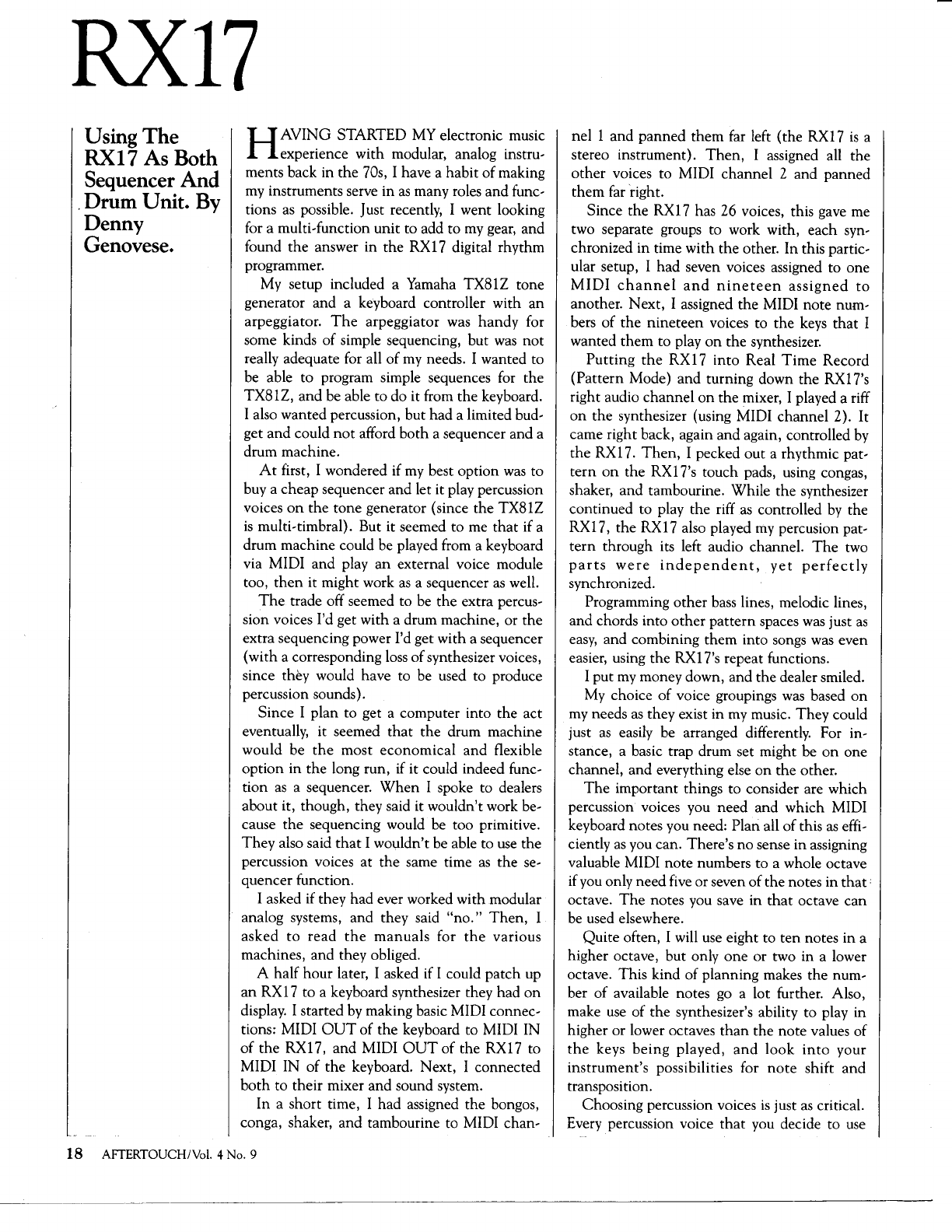
Denny Genovese’s 1988 AfterTouch article, “Using The RX17 As Both Sequencer And Drum Unit.”
The opening page of Denny Genovese’s September 1988 AfterTouch account. It is his first-person description of buying the RX17 and using it for sequencing and percussion; it does not identify a particular commercial recording.

Denny Genovese / learning the RX17.

Denny Genovese writes in the first person about buying an RX17 and using it for sequencing and percussion. It is a period user account rather than a famous-record claim, and it gives the Yamaha a more human life: a machine learned at home, then put to work.

Read Using the RX17 as Both Sequencer and Drum Unit, AfterTouch pp. 18–19 ↗

More records in the archive

The machine keeps turning up.
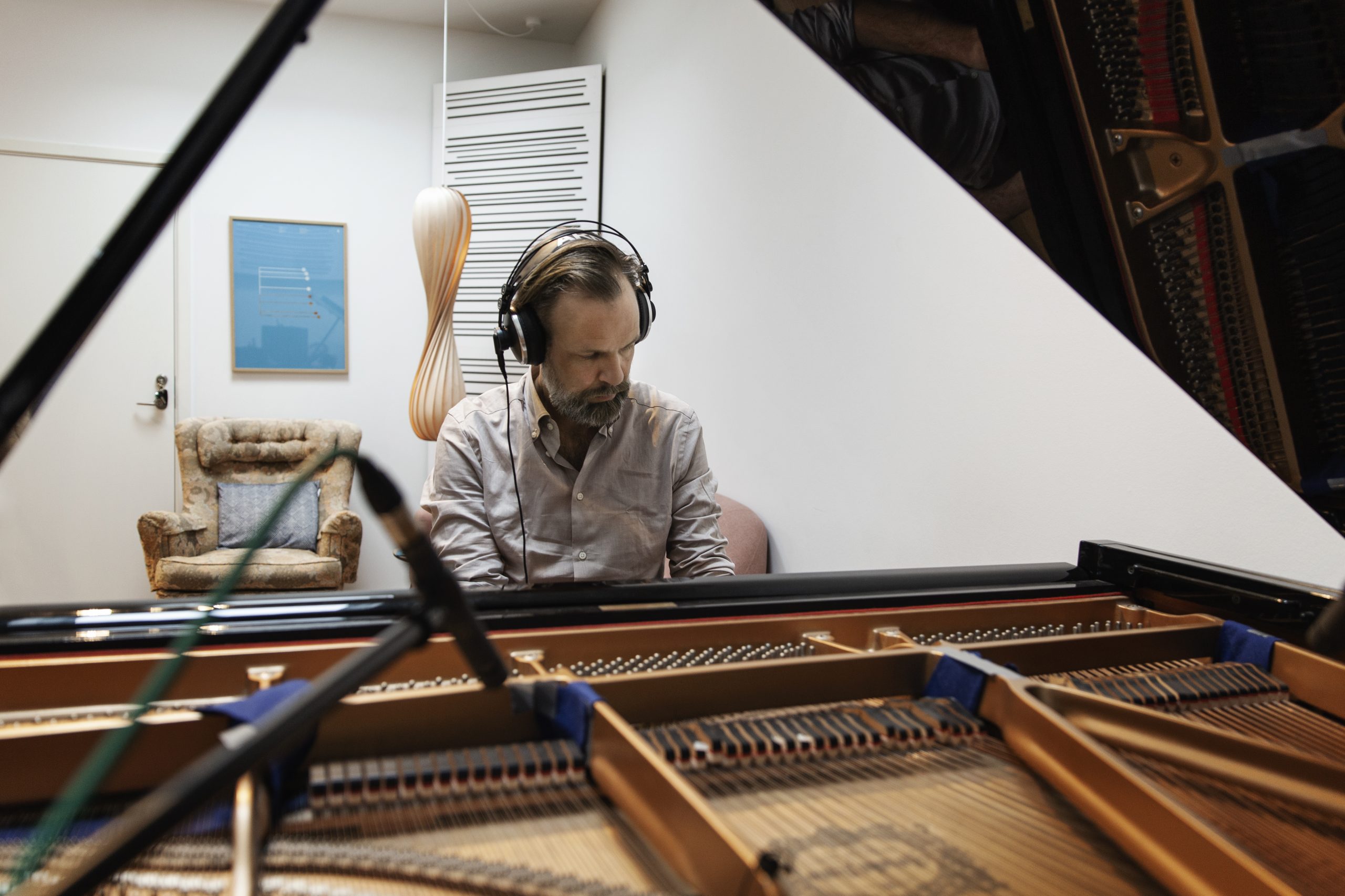
Henrik Lindstrand studio feature image.
Henrik Lindstrand in Headphone Commute’s studio feature. His account identifies the Yamaha RX17 as his first gear; the photograph does not show the machine or a particular recording.

Henrik Lindstrand / first piece of music gear

Lindstrand recalls receiving a Yamaha RX17 at twelve as his first piece of music gear.

Read Henrik Lindstrand and the Yamaha RX17 ↗

Cover artwork for Neil Paddock — I’m Calling Out Your Name.
Neil Paddock — I’m Calling Out Your Name: retained artwork identifies the release or source-recording context, not a machine, session or sound allocation.

Neil Paddock / I’m Calling Out Your Name

Neil Paddock’s arrangement note identifies Yamaha RX-17 drum-machine samples in “I’m Calling Out Your Name”.

Read Neil Paddock / I’m Calling Out Your Name ↗
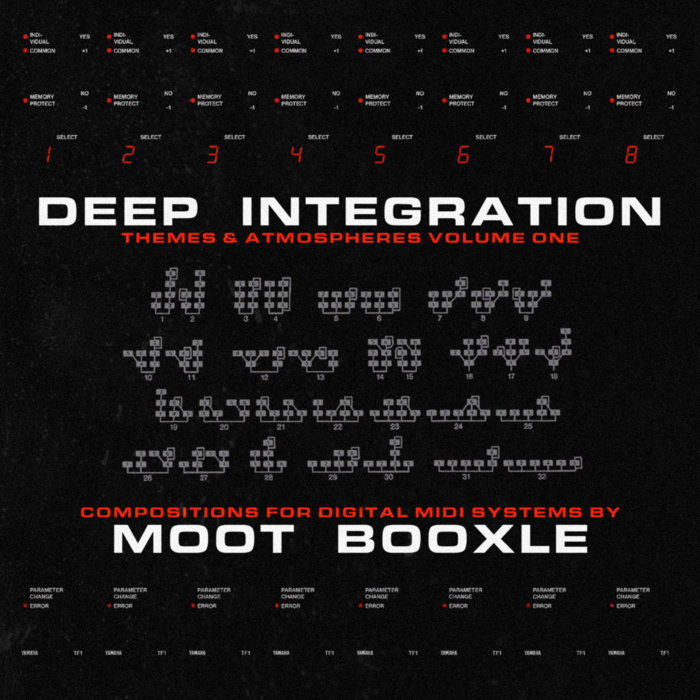
Cover artwork for Moot Booxlé — Deep Integration.
Moot Booxlé — Deep Integration: retained release artwork gives the documented machine credit a record-world context; it does not depict the hardware, a session, or an individual track allocation.

Moot Booxlé / Deep Integration

Moot Booxlé’s track notes credit a Yamaha RX17 for drums on “Frozen Shadow”.

Read Moot Booxlé — Deep Integration ↗
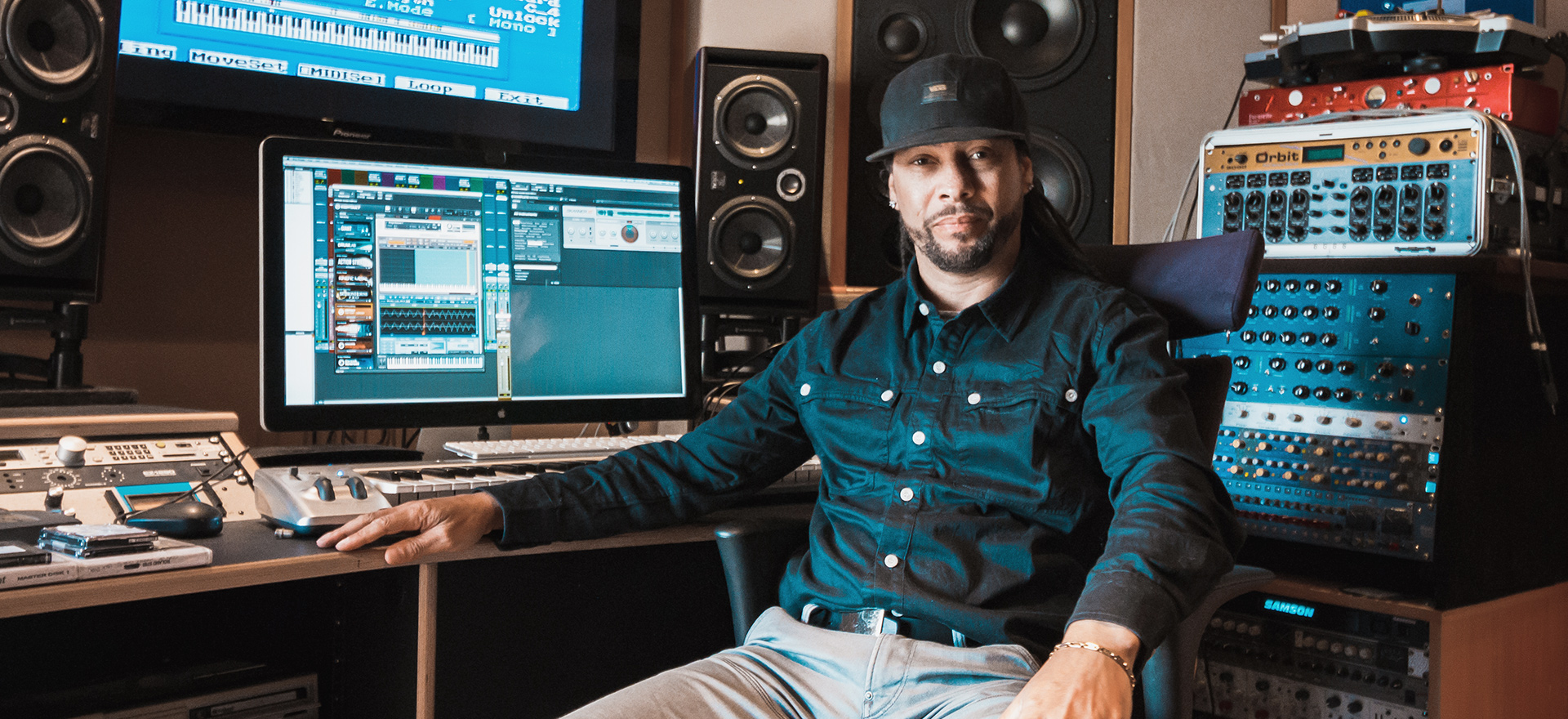
Roni Size in Native Instruments’ New Forms interview feature.
Roni Size in Native Instruments’ New Forms interview feature. He recalls programming beats on a Yamaha RX17 in a Bristol music shop; the feature image is not a photograph of that machine or the shop.

Roni Size / Early Bristol beat-programming practice

Roni Size remembers programming beats on a Yamaha RX17 in a Bristol music shop during his early music-making years.

Read Native Instruments / Roni Size on New Forms ↗
Cover artwork for environmental sound collapse — scorched earth tactics.
environmental sound collapse — scorched earth tactics: retained release artwork gives the documented machine story a record-world context; it does not depict the hardware, a session, or an individual track allocation.

environmental sound collapse / scorched earth tactics

The release setup names a circuit-bent Yamaha RX17.

Read environmental sound collapse — scorched earth tactics ↗
01 // Yamaha’s RX17: a late-1980s programmable rhythm machine built around crisp PCM sounds and straightforward song construction.

A compact digital kit

The RX17 put Yamaha’s drum programming into a compact, practical package. Its sounds, pads and pattern memory gave players a reliable electronic kit for demos, rehearsal and home production.

Sources (2)
  1. Portraits of an Artist: Yamaha synthesizer catalogue — original file currently unavailable
  2. RX17 Owner Manual ↗

02 // Yamaha’s RX17: a late-1980s programmable rhythm machine built around crisp PCM sounds and straightforward song construction.

A panel for building songs

The owner manual and service material document the machine’s pattern, song and MIDI-facing design. The RX17 belongs to the years when a drum machine was expected to be both a sound source and a small arrangement partner.

Sources (2)
  1. RX17 Owner Manual ↗
  2. RX17 Service Manual, document 006746 ↗

03 // Yamaha’s RX17: a late-1980s programmable rhythm machine built around crisp PCM sounds and straightforward song construction.

A 1987 studio companion

Show reports, Yamaha literature and later retrospective accounts place the RX17 in the expanding digital-rhythm market of 1987, alongside a growing family of RX machines.

Sources (4)
  1. The Shape of Things To Come ↗
  2. RX17, AfterTouch vol. 3 no. 5, pp. 4–6 ↗
  3. Yamaha RX17 ↗
  4. Using the RX17 as Both Sequencer and Drum Unit, AfterTouch pp. 18–19 ↗

MUSIC HISTORY

In the market

  • 1987-07: JPY 49800 — Japanese manufacturer catalogue price. RX17 catalogue listing Source — original file currently unavailable
  • 1987-05: USD 375 — American manufacturer publication list price. RX17 list price; original printed p. 6 visually verified, first-sale price still unproven Source ↗
  • 1987-03: GBP 329 — UK period show-report quoted price. RX17; text inspected, original price page image verification pending Source ↗

On record

  • Denny Genovese. First-person RX17 purchase and sequencing/percussion use. Source ↗
  • Henrik Lindstrand — first piece of music gear. Lindstrand recalls receiving a Yamaha RX17 at twelve as his first piece of music gear. Source ↗
  • Neil Paddock — I’m Calling Out Your Name. Neil Paddock’s arrangement note identifies Yamaha RX-17 drum-machine samples in “I’m Calling Out Your Name”. Source ↗
  • Moot Booxlé — Deep Integration. Moot Booxlé’s track notes credit a Yamaha RX17 for drums on “Frozen Shadow”. Source ↗
  • Roni Size — Early Bristol beat-programming practice. Roni Size remembers programming beats on a Yamaha RX17 in a Bristol music shop during his early music-making years. Source ↗
  • environmental sound collapse — scorched earth tactics. The release setup names a circuit-bent Yamaha RX17. Source ↗

Sources

  1. Portraits: Yamaha combo catalogue, RX spread pp. 16–17 — original file currently unavailable
  2. Yamaha RX17
  3. RX17, AfterTouch vol. 3 no. 5, pp. 4–6
  4. The Shape of Things To Come
  5. Using the RX17 as Both Sequencer and Drum Unit, AfterTouch pp. 18–19
  6. RX17 Service Manual, document 006746
  7. RX17 Owner Manual

The visual archive

Further visual evidence.

Sources for images shown earlier (6)
Additional visual sources (4)

Original publications and related image sources.

  • RX family travel-themed spread — original file currently unavailable
    July 1987 · Nippon Gakki / Yamaha · Printed pp. 16–17, PDF index 8; colophon PDF index 18
  • RX17 sequencing and percussion user account ↗
    September 1988 · Denny Genovese / Yamaha Music Corporation USA · Printed pp. 18–19, PDF indices 17–18
  • RX17 service manual 006746 ↗
    March 1987 print code · Yamaha / Nippon Gakki · PDF indices 0,1,2,4,9,12,14,15,19 inspected; waveform ROM IC115 on circuit continuation index 15
  • Gardy Weber RX17 introduction ↗
    May 1987 · Gardy Weber / Yamaha · Printed pp. 4–6; product photograph p. 5

Machine Museum image viewer

Period image shown in the dossier.