
Yamaha used RX as the name of a drum-machine family through the 1980s. Period coverage places RX11 and RX15 in 1984, RX21 in 1985, and an RX range in Yamaha’s July 1987 Japanese catalogue.
The machine in the record
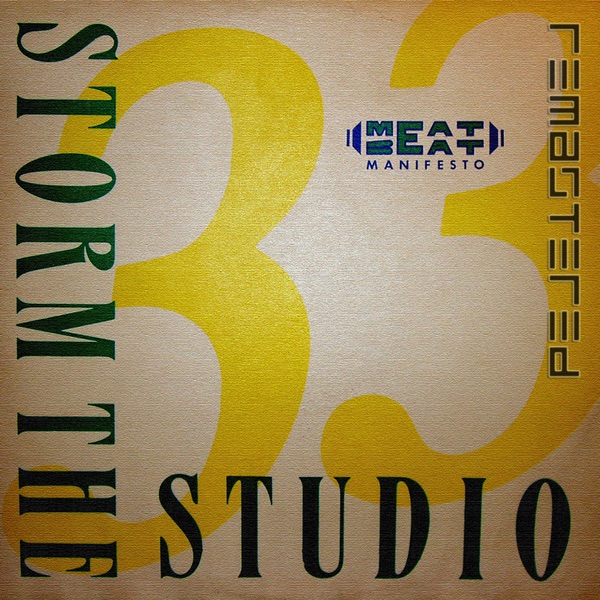
Jack Dangers / Storm the Studio.
Jack Dangers identifies a Yamaha RX-5 in the equipment around Meat Beat Manifesto’s Storm the Studio. The account places the tabletop RX5 inside a larger working system; it does not identify the source of the Museum’s unnumbered RX bank.
Read Classic album: Meat Beat Manifesto on Storm The Studio ↗More records in the archive
The machine keeps turning up.
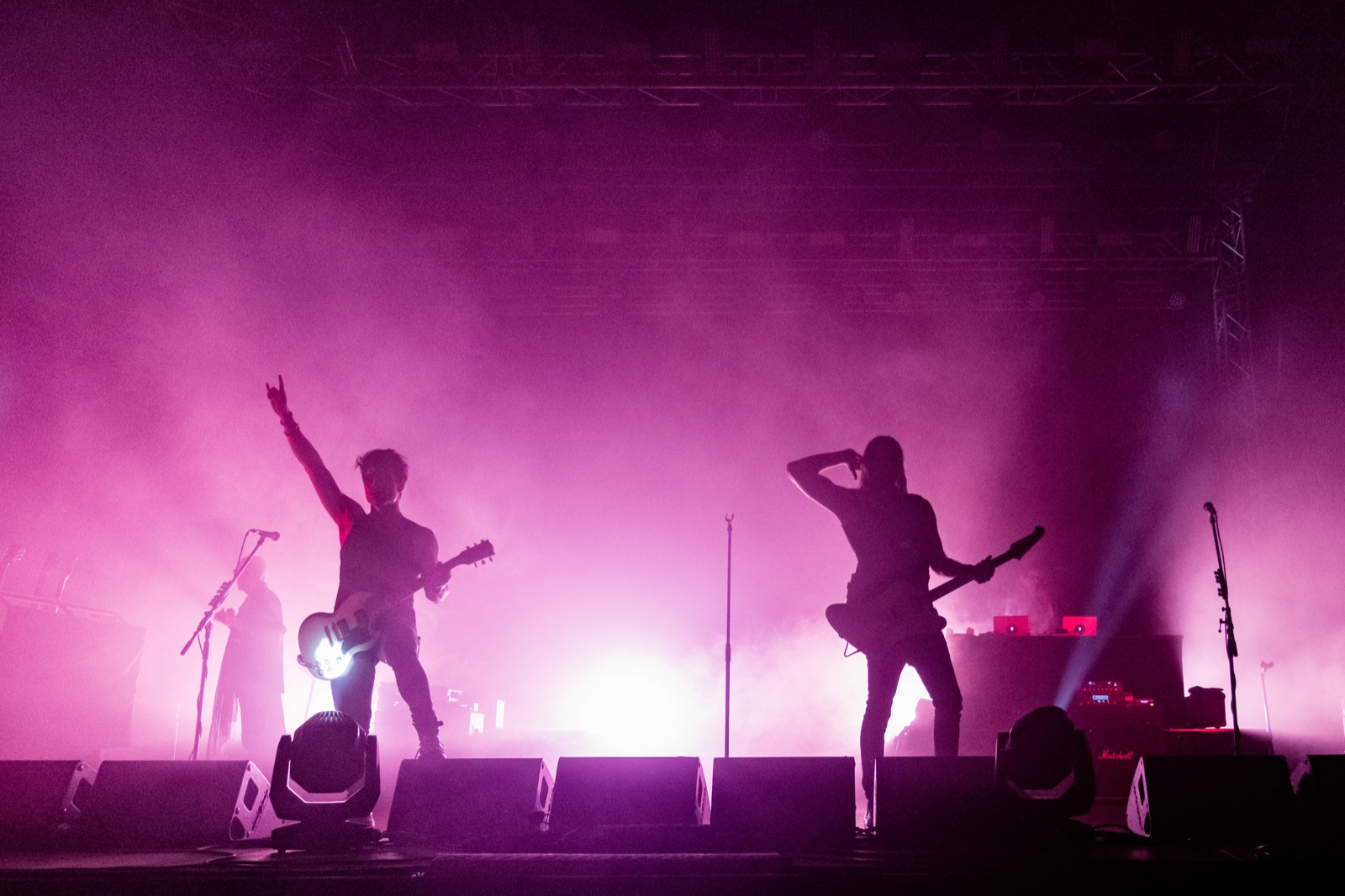
Andrew Eldritch / The Sisters of Mercy / Floodland
Within Yamaha’s RX family, the RX5 became part of Andrew Eldritch’s Doktor Avalanche palette for Floodland. Eldritch says he chose it for a tighter snare, then resampled its kick, snare and hats into the album’s electronic skeleton.
Read The Sisters of Mercy – Floodland gear and equipment ↗The first RX pair
The RX11 and RX15 brought Yamaha’s RX name into the digital drum-machine market in 1984. A March preview pictured the two instruments together; an October review gave players a closer look at the pair. Their badges matter. An RX15 photograph is not an RX11 specification sheet, and the RX letters alone do not identify a particular set of sounds or controls. The numbered model is the useful starting point for following what a musician could actually do.
A range takes shape
The October 1985 RX21 review shows another entry into Yamaha’s rhythm range, while the July 1987 Japanese catalogue places several RX models together. On the RX5, pitch and envelope editing, reverse playback and waveform cartridges gave the player ways to reshape the sampled material before building a part. Its detailed sound-editing surface belongs to that model. Follow the RX5 story for those controls, or the smaller instruments for their own panels and rhythms.
Yamaha RX21 ↗ Yamaha RX5 ↗ Portraits of an Artist: Yamaha synthesizer catalogue — original file currently unavailable
An RX5 in the recording room
Jack Dangers names an RX5 in the studio around Meat Beat Manifesto’s Storm the Studio, where it helped sequence a larger setup. A technical account attributed to Andrew Eldritch describes RX5 drum sounds being resampled for Floodland. These are specific RX5 stories within the wider range. They give the family a musical life without turning an instrument credit into a claim about every RX model.
Classic album: Meat Beat Manifesto on Storm The Studio ↗ The Sisters of Mercy – Floodland gear and equipment ↗
The unnumbered RX bank
The sample bank retained here arrived under the name Yamaha RX, without a model number. Its label is worth keeping, but it cannot choose between the RX11, RX15, RX21, RX5 or later machines for us. Keep it under the archive’s unnumbered RX label, and follow the identified instruments for their controls, sounds and working accounts. The bank’s missing number remains a question about its origin, not another Yamaha model.
On record
- Andrew Eldritch / The Sisters of Mercy — Floodland. Within Yamaha’s RX family, the RX5 became part of Andrew Eldritch’s Doktor Avalanche palette for Floodland. Eldritch says he chose it for a tighter snare, then resampled its kick, snare and hats into the album’s electronic skeleton. Source ↗
In the studio and on stage
- Jack Dangers / Meat Beat Manifesto — Storm the Studio. Jack Dangers names a Yamaha RX5 in the equipment around Meat Beat Manifesto’s Storm the Studio, using it to sequence a studio that also held Roland drum machines, samplers and tape-synchronised effects. It is another specific RX5 story within the wider Yamaha family. Source ↗
Sources
- Yamaha RX Digital Rhythm Machines
- Yamaha RX11 & RX15
- Yamaha RX5
- Yamaha RX21
- Portraits of an Artist: Yamaha synthesizer catalogue — original file currently unavailable
- Classic album: Meat Beat Manifesto on Storm The Studio
- The Sisters of Mercy – Floodland gear and equipment
The visual archive
Further visual evidence.
Sources for images shown earlier (2)
- Electronics & Music Maker — Yamaha RX Digital Rhythm Machines ↗
- The Sisters of Mercy / Wacken Open Air ↗
31 July 2019 · Sven Mandel · The Sisters of Mercy performing at Wacken Open Air, Germany.