
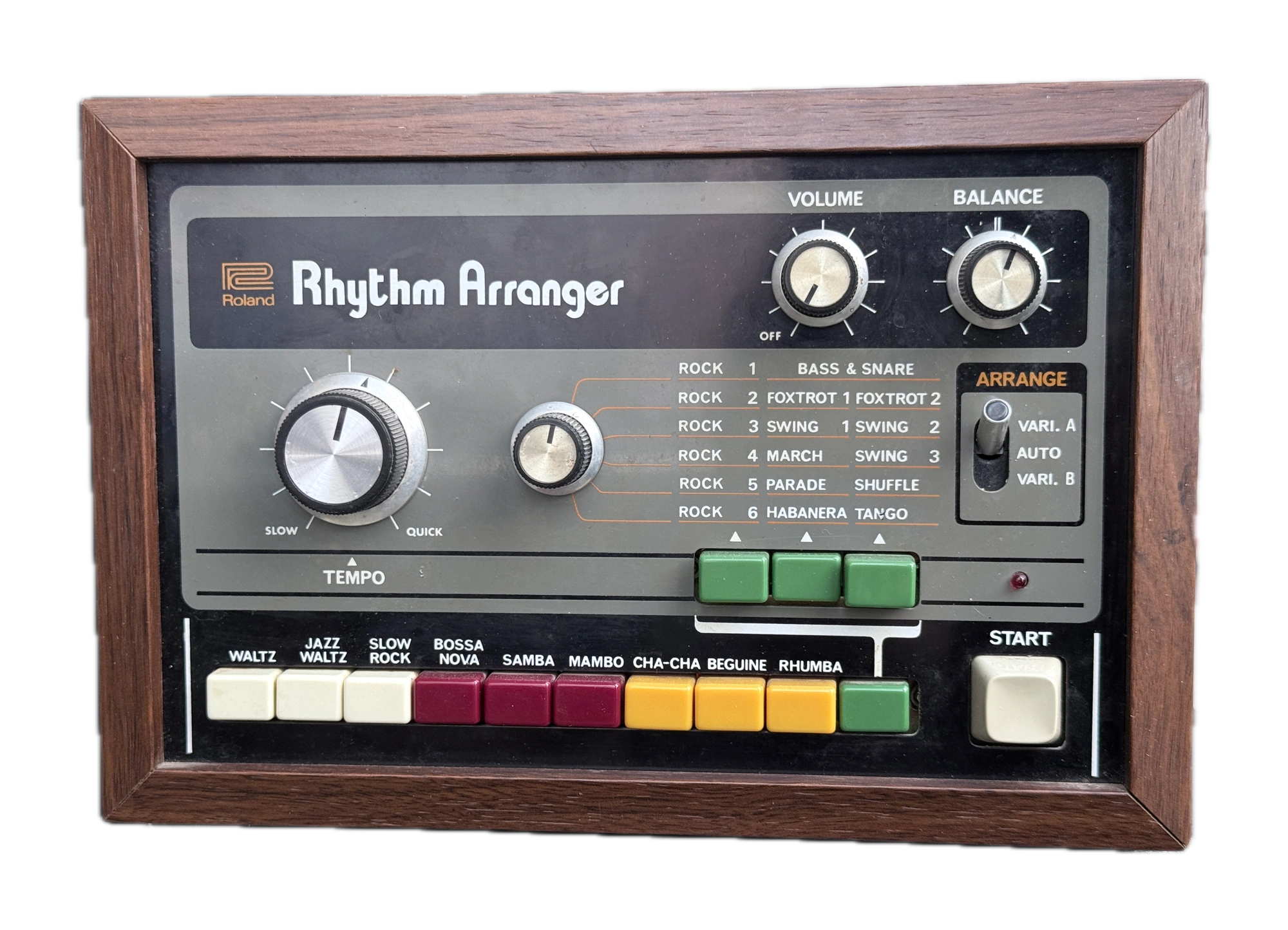
Roland’s service record dates the TR-66 to 1975–82. By August 1976 it was listed in Britain at £156.44; Roland’s October 1977 catalogue listed it at ¥48,000.
The machine in the record
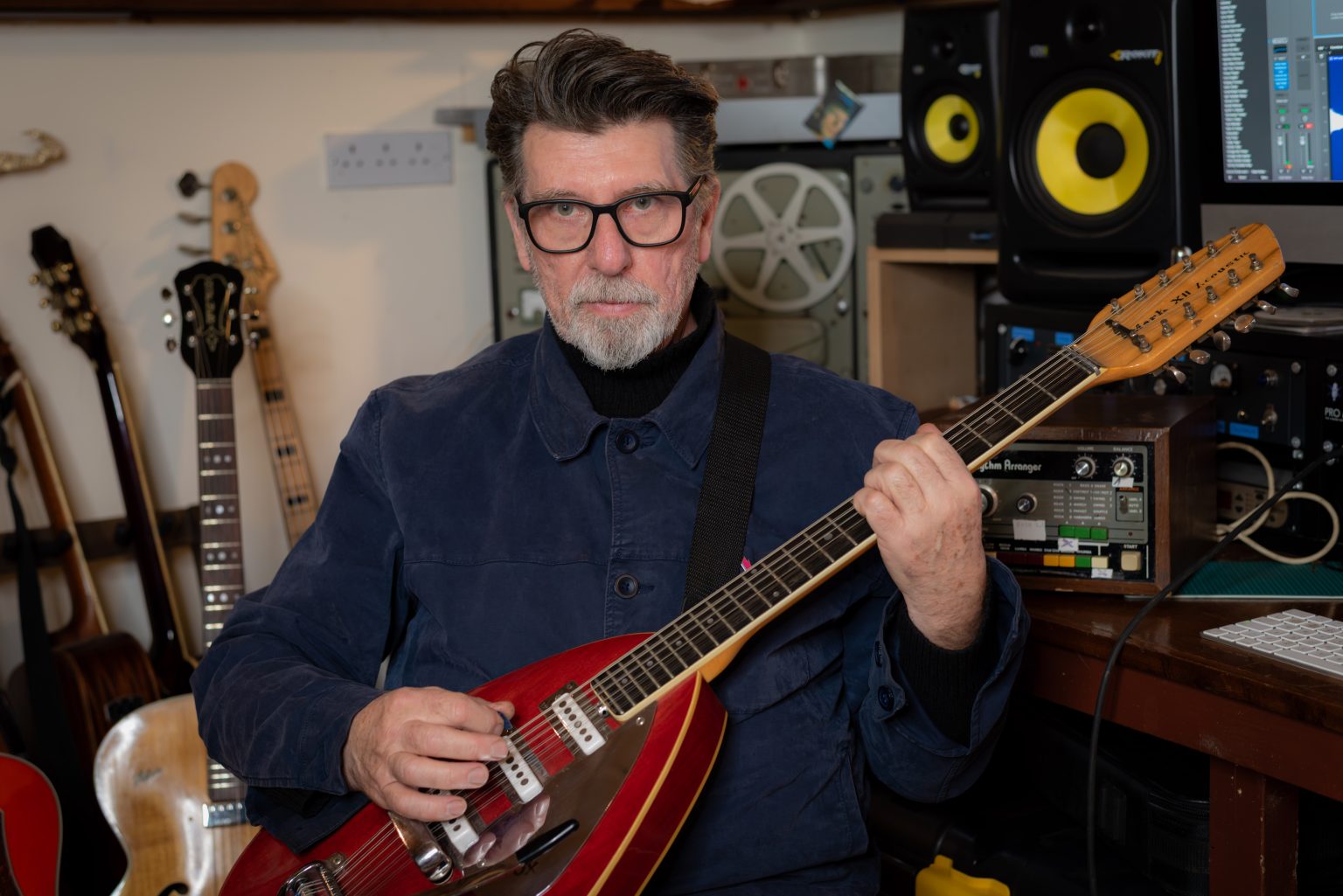
Echo & the Bunnymen / experimenting with the TR-66.
Will Sergeant recalls two TR-66 machines around Echo & the Bunnymen, sampling and experimenting with one and starting it with a footswitch. The story concerns a working period, not a named song, and it shows a preset rhythm machine being made to behave less predictably.
Read Reverberations: Echo & the Bunnymen Guitarist Will Sergeant ↗More records in the archive
The machine keeps turning up.
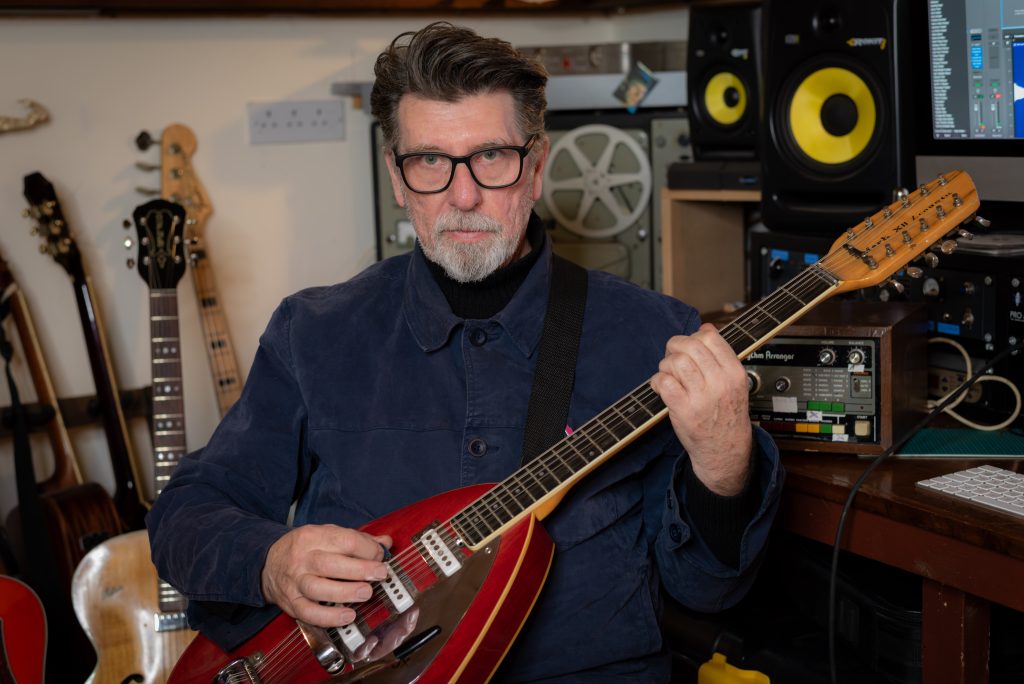
Will Sergeant / Echo & the Bunnymen / the TR-66 experiments
Sergeant says Echo & the Bunnymen sampled and experimented with the TR-66 over the years.
Read Will Sergeant and the Roland TR-66 ↗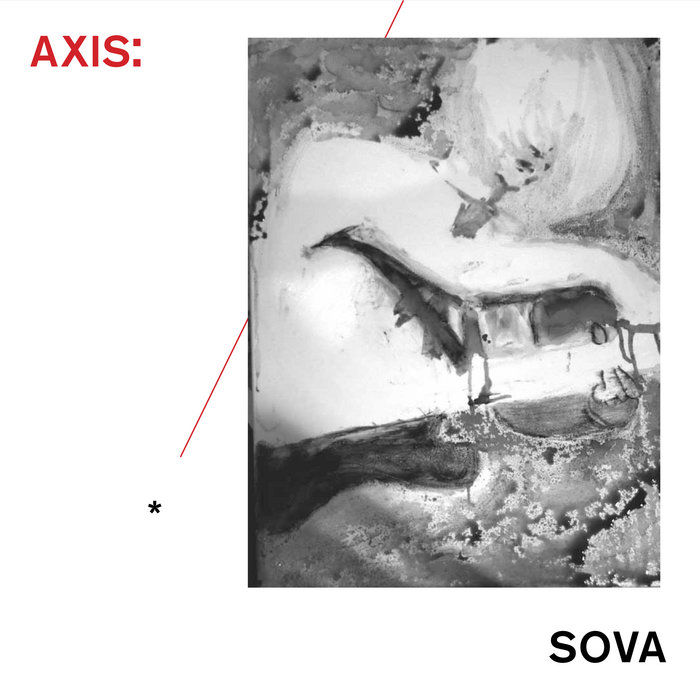
Axis: Sova / Brett Sova / “(I Feel Like) Laying Low”
Axis: Sova’s release note identifies the TR-66 as accompaniment for Brett Sova’s cassette-recorded A-side, later issued as the project’s debut 7-inch.
Read Axis: Sova / I Feel Like Laying Low ↗
R. Mutt and the Fountains / Honey, Grandpa Drank The Kool-Aid Man
The credits for “Cashew Milk (Businessman)” name Hickory McCay on a Roland TR-66 alongside guitar, ARP Quartet and vocals.
Read R. Mutt and the Fountains / Honey, Grandpa Drank The Kool-Aid Man ↗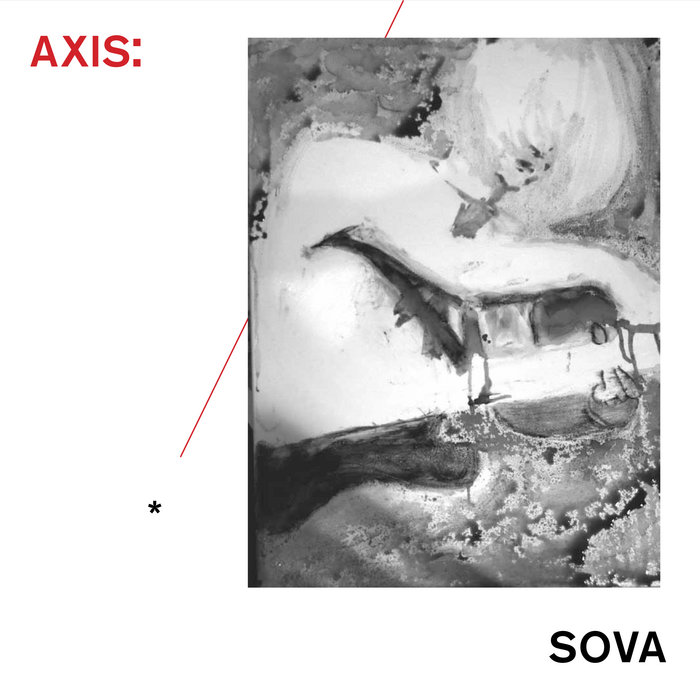
Axis: Sova / (I Feel Like) Laying Low b/w Dopamine Boomerang
Axis: Sova describe Brett Sova’s 2011 A-side as accompanied by a Roland TR-66 Rhythm Arranger.
Read Axis: Sova / (I Feel Like) Laying Low b/w Dopamine Boomerang ↗A rhythm partner for the organ age
The TR-66 was designed as a self-contained rhythm arranger, at home beside an electric piano as readily as a guitar or amplifier. Roland’s 1977 HP Series catalogue placed it with its electronic pianos, and its own controls make the proposition plain: pick a programme, set its balance and tempo, then let an arrangement carry the room.Sources (2)
Twenty-seven programmes, two ways through each one
There are 27 factory programmes, each with A and B arrangements. VARI A keeps one arrangement moving, VARI B holds the other, and AUTO lets B arrive every fourth bar. Compatible rhythm buttons can be combined, so the panel rewards a player who treats preset names as materials to layer rather than a menu to accept.Sources (2)
Ten voices in a wooden cabinet
The service notes list ten analogue percussion voices: bass drum, high conga, two bongos, cowbell, rim shot, claves, snare, hi-hat or maracas, and cymbal. A balance control shifts the mix from bass and snare toward cymbal and hi-hat, turning a compact box of fixed programmes into something a player can actually shape.Sources (2)
Before memory chips, a paper score
The TR-66 stores no personal patterns. Its Japanese owner’s manual instead provides worked and blank registration sheets, where a player could write down button combinations, tempo, balance and arrangement choices for a song. It is a lovely piece of practical design: the song lives on paper beside the machine, ready to be called up for the next performance.Source (1)
The small switch that opened the set
A DP-1 footswitch could start and stop the TR-66, freeing both hands for another instrument. Its high- and low-impedance outputs let it sit in different kinds of setup. These modest provisions explain the machine’s role: it was meant to be played with, not merely turned on in the corner.Source (1)
A price trail in Japan and Britain
The TR-66 appears in surviving price lists on both sides of the world. Beat Instrumental listed it at £156.44 in August 1976 and £195.22 in May 1977, while Roland’s October 1977 P.A. catalogue gives the Japanese price as ¥48,000. The figures place a very physical machine in its commercial world: a portable arranger with a wooden cabinet, metal switches and a musician’s set list waiting to be written down.
Will Sergeant’s two TR-66s
Will Sergeant has recalled keeping two TR-66 units and sampling them during his wider experiments with Echo & the Bunnymen. It is a sharply particular image of an early rhythm arranger surviving beyond its original domestic brief and being repurposed by a guitarist with an ear for texture.Source (1)
On record
- Echo & the Bunnymen / Will Sergeant — Heaven Up Here period and later experiments; no named TR-66 track established. Sergeant recalls two TR-66 machines around the group, sampling and experimenting with one, and using a footswitch to start and stop it. Source ↗
- Will Sergeant / Echo & the Bunnymen — the TR-66 experiments. Sergeant says Echo & the Bunnymen sampled and experimented with the TR-66 over the years. Source ↗
- Axis: Sova / Brett Sova — “(I Feel Like) Laying Low”. Axis: Sova’s release note identifies the TR-66 as accompaniment for Brett Sova’s cassette-recorded A-side, later issued as the project’s debut 7-inch. Source ↗
- R. Mutt and the Fountains — Honey, Grandpa Drank The Kool-Aid Man. The credits for “Cashew Milk (Businessman)” name Hickory McCay on a Roland TR-66 alongside guitar, ARP Quartet and vocals. Source ↗
- Axis: Sova — (I Feel Like) Laying Low b/w Dopamine Boomerang. Axis: Sova describe Brett Sova’s 2011 A-side as accompanied by a Roland TR-66 Rhythm Arranger. Source ↗
Sources
- Roland TR-66 Owner's Manual, English edition E-2
- Roland TR-66 Service Notes, second edition
- Roland P.A. Systems Catalogue
- Roland Japan discontinued-product service record
- Beat Instrumental UK price guide
- Beat Instrumental UK price guide
- Roland Drum Machine Chronicle: 1964–2016
- Reverberations: Echo & the Bunnymen Guitarist Will Sergeant
The visual archive
Further visual evidence.
These displayed records are labelled by their documented role, date and source; source-only records are listed separately below.
Sources for images shown earlier (4)
- Will Sergeant — BOSS Articles portrait ↗
- Will Sergeant for BOSS ↗
- Axis: Sova / Brett Sova — “(I Feel Like) Laying Low” ↗
Release date not stated on source page · Axis: Sova / Brett Sova / release artwork via Bandcamp · Official Bandcamp release-page artwork (Open Graph image) - R. Mutt and the Fountains — Honey, Grandpa Drank The Kool-Aid Man ↗
Release date not stated on source page · R. Mutt and the Fountains / release artwork via Bandcamp · Official Bandcamp release-page artwork (Open Graph image)