
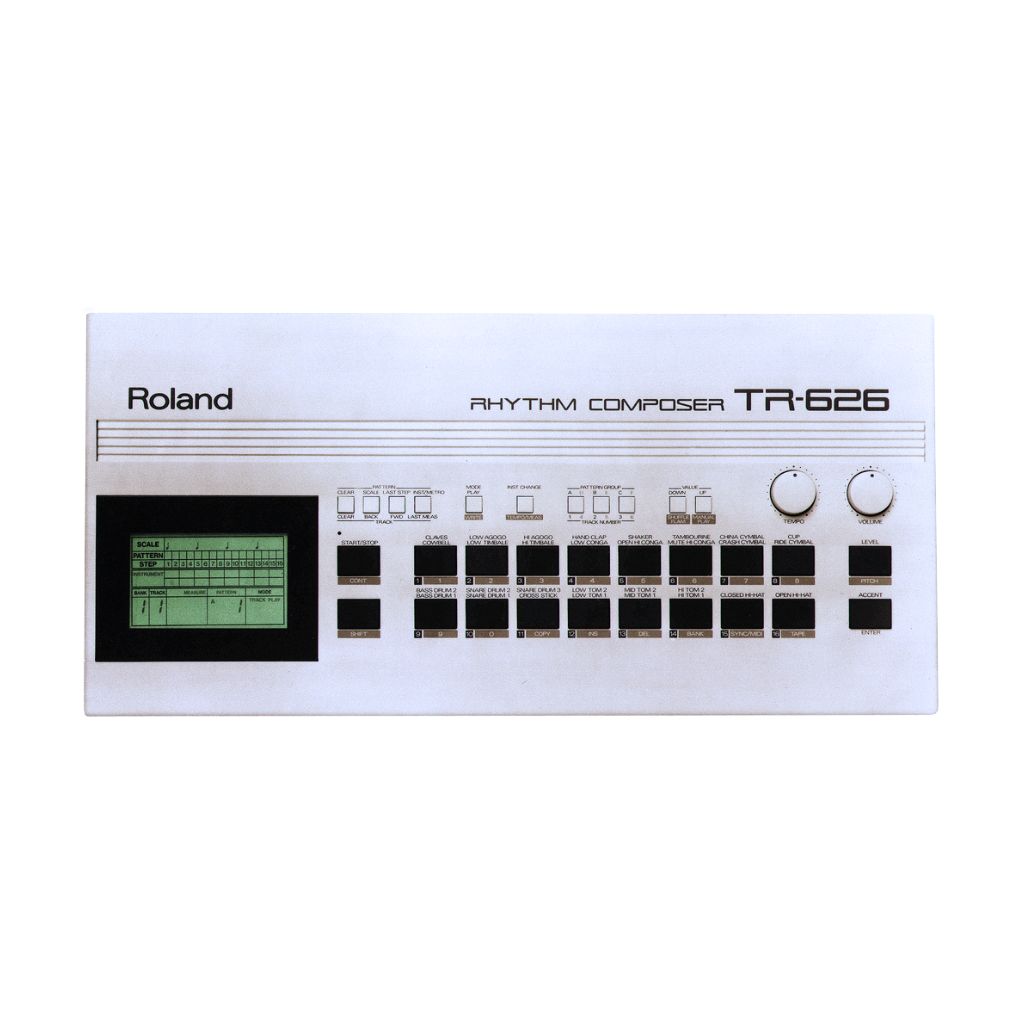
Nicholas Rowland reviewed the TR-626 in Music Technology in November 1987 at £350 including VAT; a second UK review appeared the following month.
The machine in the record
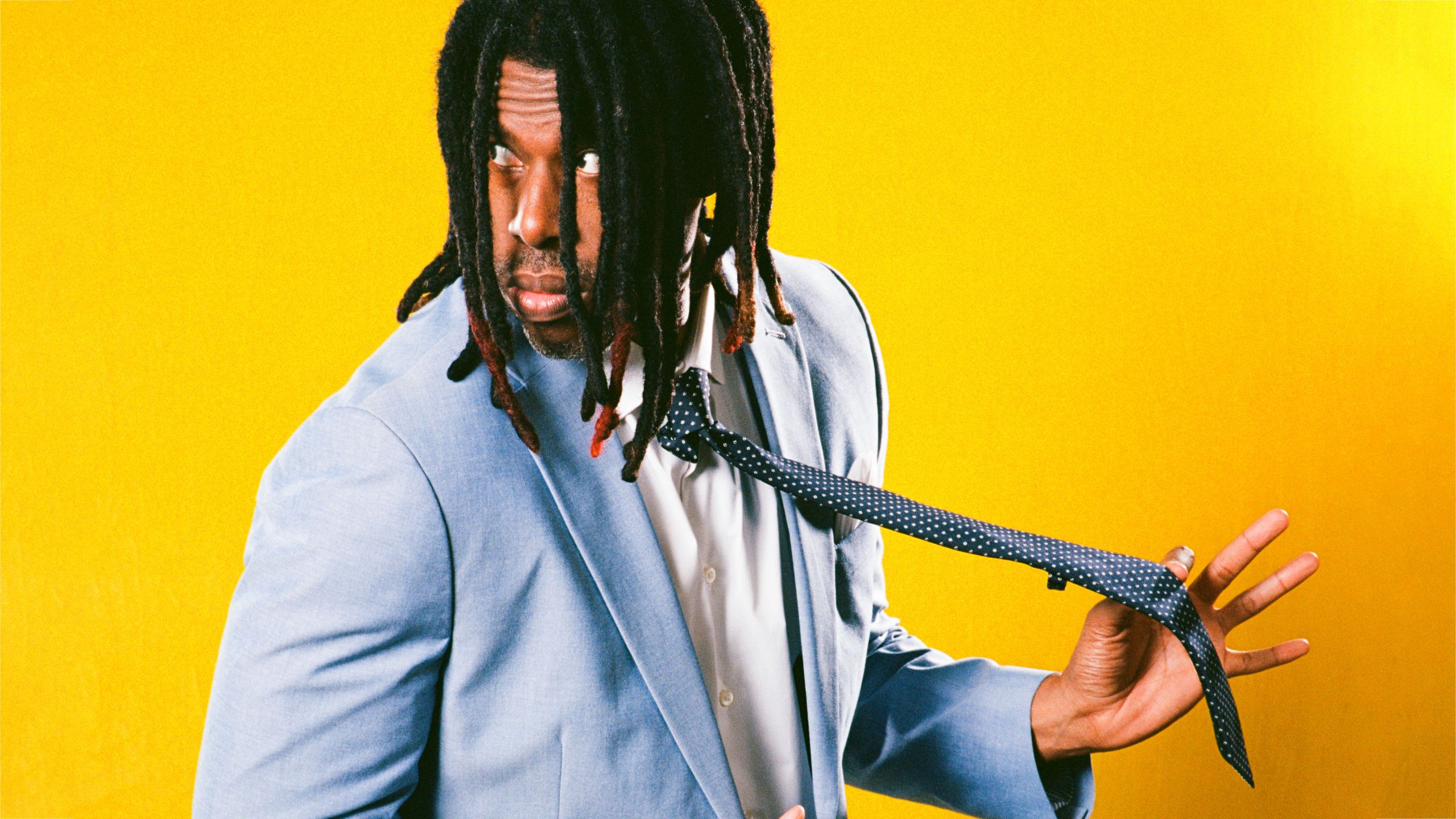
Flying Lotus / first patterns.
Flying Lotus remembers making patterns on his grandmother Marilyn McLeod’s TR-626 as a child. Before the records and the larger studio practice, there is this very simple beginning: a young player enjoying the act of programming a beat.
Read Flying Lotus on early musical adventures ↗More records in the archive
The machine keeps turning up.
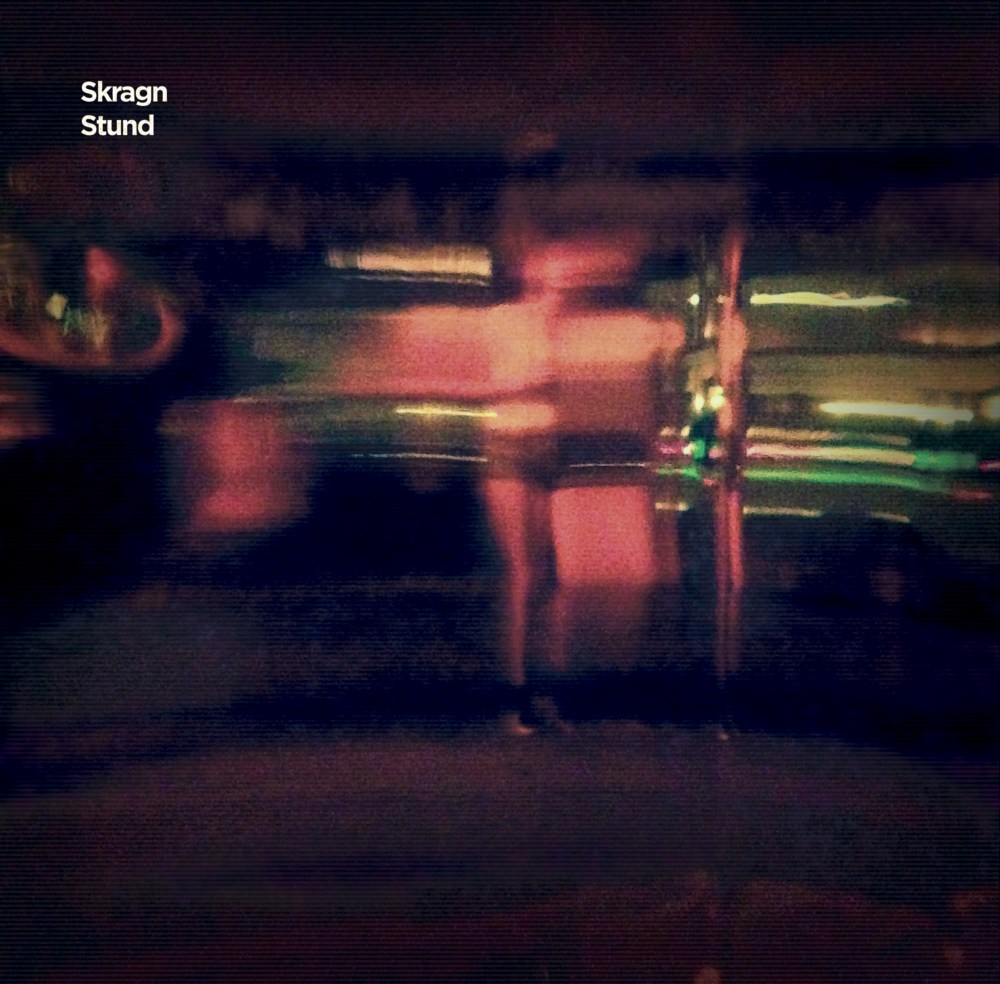
Marco Egeberg / Skragn / Stund
Egeberg names the Roland TR-626 among the drum machines used across Stund.
Read Marco Egeberg on Stund ↗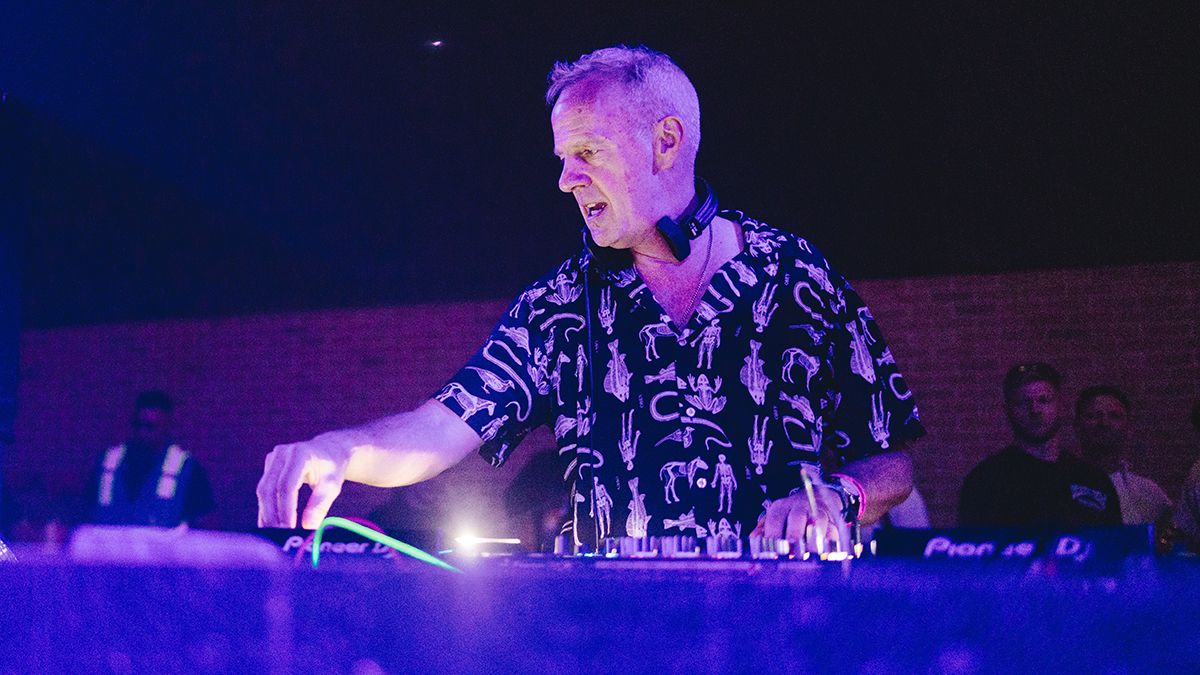
Norman Cook / Fatboy Slim / Late-1980s early productions
Norman Cook’s late-1980s production setup paired a Roland TR-626 with an MC-500 sequencer, S-10 sampler and JX-3P. It is a useful before-the-hits picture of a future big-beat figure choosing a small digital Roland over more elaborate sequencing options.
Read Fatboy Slim's career in gear ↗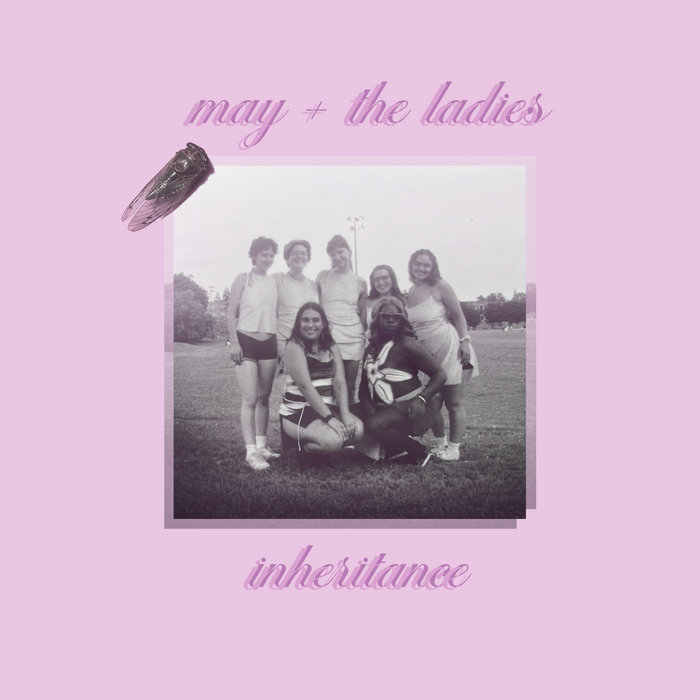
May Klug / May + The Ladies / Inheritance
Credits name TR-626 and May Klug’s drum-machine programming.
Read May Klug / May + The Ladies / Inheritance ↗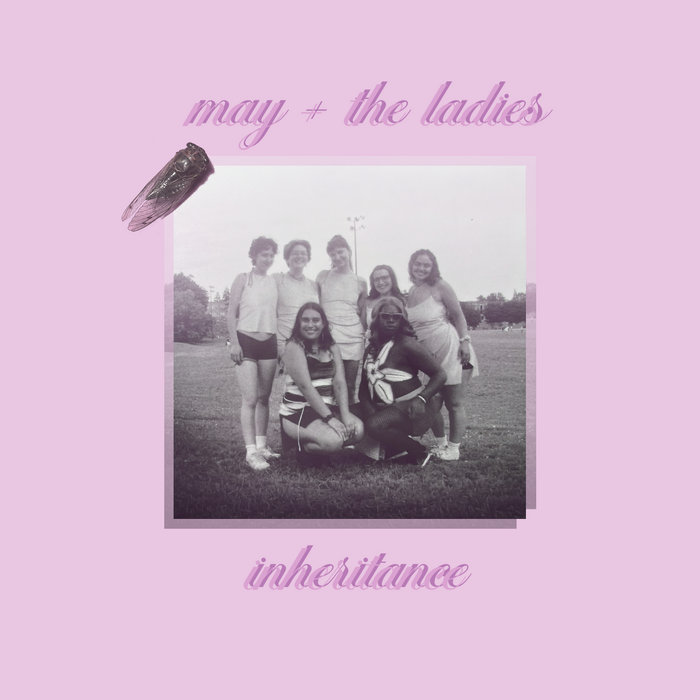
May + The Ladies / Inheritance
May Klug’s Inheritance credits list the Roland TR-626 in a named studio setup and distinguish her drum-machine programming from a guest’s drum-pad performance.
Read May + The Ladies / Inheritance ↗
CLIP ART / CLIP ART EP
CLIP ART’s release page lists a Roland TR-626 among the equipment used for its debut EP.
Read CLIP ART — CLIP ART EP ↗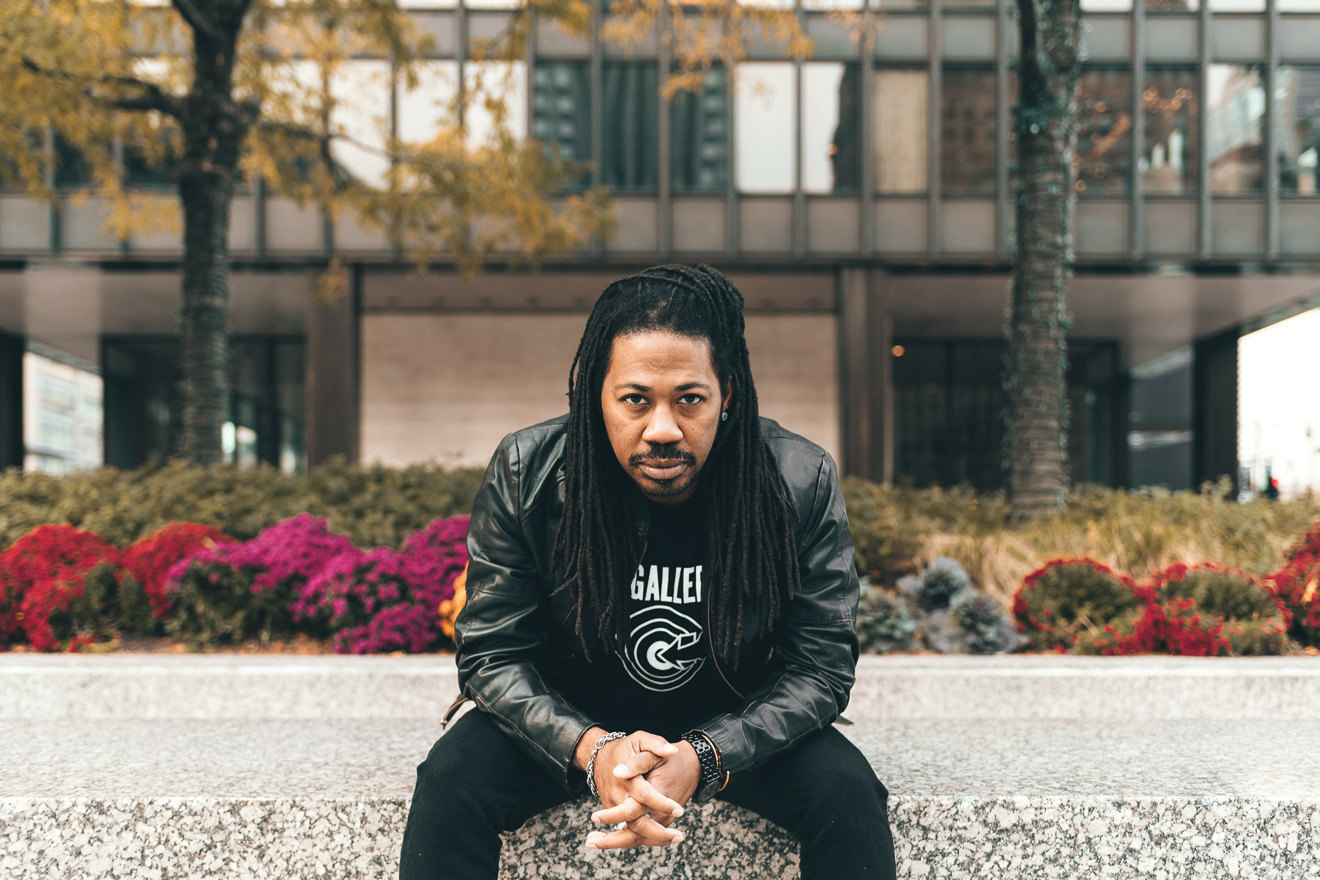
Ron Trent / Mid-1980s Chicago home jams
Ron Trent recalls linking his Roland TR-626 with a TR-909 in mid-1980s Chicago jams, tapes that preceded the records released from that period.
Read Resident Advisor / Ron Trent: The Art Of Production (reproduced by MyHouseRadio) ↗
Midnight Runners / Emerson Omega Sterling Gold / Open Labs
Midnight Runners’ Open Labs credits list a Roland TR-626 among the equipment used by Emerson Omega Sterling Gold.
Read Midnight Runners — Open Labs ↗Archive source
SysEx Emporium / 2,081 Ultimate Vintage Drum Samples
SysEx Emporium lists Roland TR-626 samples in 2,081 Ultimate Vintage Drum Samples.
Read SysEx Emporium / 2,081 Ultimate Vintage Drum Samples ↗
May + The Ladies / Inheritance
May Klug lists a Roland TR-626 among the gear used for Inheritance.
Read May + The Ladies — Inheritance ↗
Barbie Chêtif / Music For Season III
The equipment credit for Music For Season III names a Roland TR-626.
Read Barbie Chêtif — Music For Season III ↗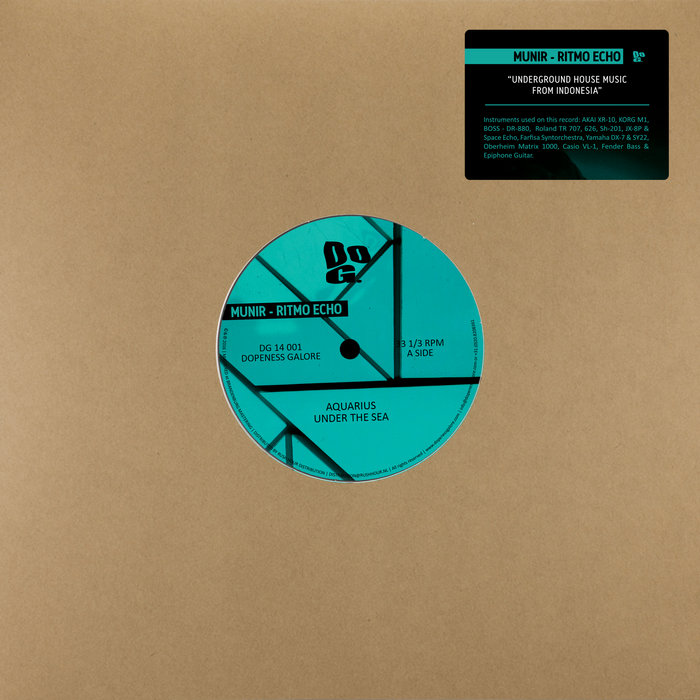
Munir / Ritmo Echo
Munir’s album inventory names a Roland TR-626.
Read Munir — Ritmo Echo ↗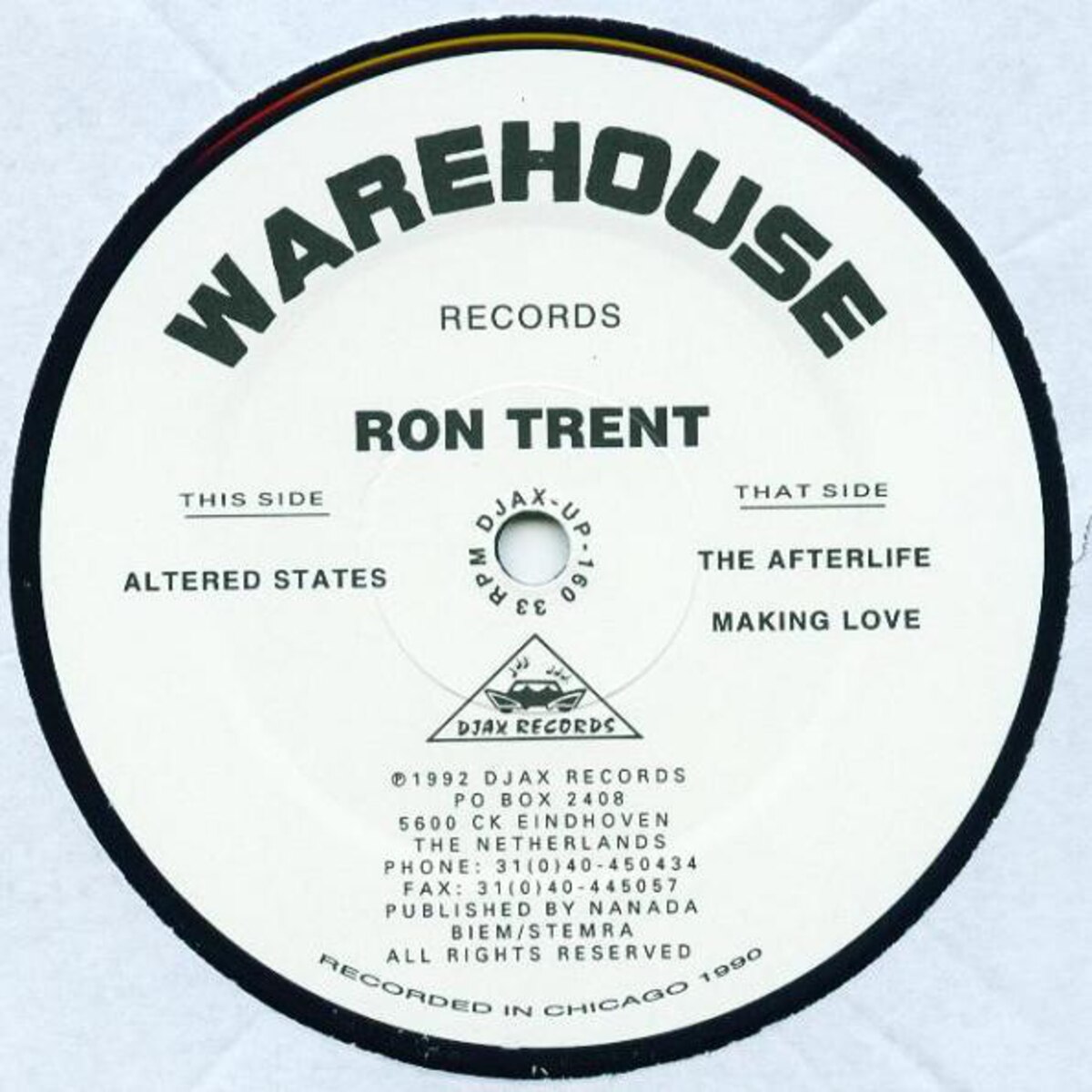
Ron Trent / Altered States
Ron Trent says the Roland 626 was his first beat machine and that he made Altered States with a 626, a 909 and a little keyboard.
Read Red Bull Music Academy / Ron Trent lecture ↗A longer 505 with a larger ambition
The TR-626 looked like a TR-505 stretched to make room for the sockets. In November 1987 Nicholas Rowland counted 30 tunable PCM percussion sounds, eight individual audio outputs, MIDI, tape sync, trigger output and an optional memory card, all for £350. It was a budget machine with professional recording in view: much of Roland’s existing sampled-drum experience gathered into one practical box.Source (1)
The sound set as a working kit
Its voices combined a conventional kit with Latin and hand percussion, from multiple kicks and snares to agogôs, timbales and congas. Each sample could be shifted seven semitones, giving a player room to move a bass drum or snare away from its stock character. Rowland praised the sounds as clear and sharp, with enough recorded ambience to sit well without additional processing. The machine’s limits were audible too: certain voices shared buttons or cut each other off, so it could not always play every combination a programmer might imagine.Source (1)
A rhythm box for the mixer
The individual outputs were the real studio invitation. Bass, snare, toms, hi-hat and cymbals could be taken to a mixer separately, while the stereo and headphone feeds carried the rest. Forty-eight user patterns, programmable accent, flam and shuffle gave the 626 a way to make those samples feel less rigid. Rowland called it a serious studio tool at a multitrack-in-the-bathroom price; Paul Colbert’s December review offered the useful counterweight, treating it as a worthwhile refinement rather than a revolutionary leap.Sources (2)
A first pattern-maker
Flying Lotus remembers having access to his grandmother Marilyn McLeod’s TR-626 as a child, using it to make drum patterns before he had the means to say more than rhythm alone. It is a small but telling history: a modest late-1980s Roland passed through a songwriter’s home and became an early invitation to make music.Source (1)
On record
- Flying Lotus — early childhood pattern-making. Flying Lotus says he had access to his grandmother Marilyn McLeod’s Roland TR-626 as a child, made drum patterns on it and enjoyed the process before moving toward broader musical tools. Source ↗
- Marco Egeberg / Skragn — Stund. Egeberg names the Roland TR-626 among the drum machines used across Stund. Source ↗
- Norman Cook / Fatboy Slim — Late-1980s early productions. Norman Cook’s late-1980s production setup paired a Roland TR-626 with an MC-500 sequencer, S-10 sampler and JX-3P. It is a useful before-the-hits picture of a future big-beat figure choosing a small digital Roland over more elaborate sequencing options. Source ↗
- May Klug / May + The Ladies — Inheritance. Credits name TR-626 and May Klug’s drum-machine programming. Source ↗
- May + The Ladies — Inheritance. May Klug’s Inheritance credits list the Roland TR-626 in a named studio setup and distinguish her drum-machine programming from a guest’s drum-pad performance. Source ↗
- CLIP ART — CLIP ART EP. CLIP ART’s release page lists a Roland TR-626 among the equipment used for its debut EP. Source ↗
- Ron Trent — Mid-1980s Chicago home jams. Ron Trent recalls linking his Roland TR-626 with a TR-909 in mid-1980s Chicago jams, tapes that preceded the records released from that period. Source ↗
- Midnight Runners / Emerson Omega Sterling Gold — Open Labs. Midnight Runners’ Open Labs credits list a Roland TR-626 among the equipment used by Emerson Omega Sterling Gold. Source ↗
- SysEx Emporium — 2,081 Ultimate Vintage Drum Samples. SysEx Emporium lists Roland TR-626 samples in 2,081 Ultimate Vintage Drum Samples. Source ↗
- May + The Ladies — Inheritance. May Klug lists a Roland TR-626 among the gear used for Inheritance. Source ↗
- Barbie Chêtif — Music For Season III. The equipment credit for Music For Season III names a Roland TR-626. Source ↗
- Munir — Ritmo Echo. Munir’s album inventory names a Roland TR-626. Source ↗
Sources
The visual archive
Further visual evidence.
Sources for images shown earlier (12)
- Roland TR-626 front-panel product photograph ↗
- Flying Lotus ↗
- Skragn — Stund ↗
- Ron Trent — Altered States ↗
- Norman Cook / Fatboy Slim — MusicRadar career-in-gear image ↗
- May Klug / May + The Ladies — Inheritance ↗
Release date not stated on source page · May Klug / May + The Ladies / release artwork via Bandcamp · Official Bandcamp release-page artwork (Open Graph image) - CLIP ART — CLIP ART EP ↗
Release date not stated on source page · CLIP ART / release artwork via Bandcamp · Official Bandcamp release-page artwork (Open Graph image) - Midnight Runners / Emerson Omega Sterling Gold — Open Labs ↗
2015-06-04 · Midnight Runners / Emerson Omega Sterling Gold / release artwork via Bandcamp · Official Bandcamp release-page artwork (Open Graph image) - SysEx Emporium — 2,081 Ultimate Vintage Drum Samples ↗
2023-02-20 · SysEx Emporium / release artwork via Bandcamp · Official Bandcamp release-page artwork (Open Graph image) - Barbie Chêtif — Music For Season III ↗
2020-01-03 · Barbie Chêtif / release artwork via Bandcamp · Official Bandcamp release-page artwork (Open Graph image) - Munir — Ritmo Echo ↗
2016-06-08 · Munir / release artwork via Bandcamp · Official Bandcamp release-page artwork (Open Graph image) - Ron Trent — Mixmag, 2017 ↗
2017 · Johnny Fan / Mixmag · Lead portrait for Mixmag’s Ron Trent profile.