
Jon Lewin reviewed the TR-707 in the February 1985 issue of One Two Testing, listing it at £499 in the UK.
A sampled Roland with display and routing
Write a drum part, see its hits across the LCD grid, then balance the kit with the level sliders. The TR-707 offered fifteen sampled voices, with ten shared level controls and individual outputs. Jon Lewin’s February 1985 review listed it at £499 in Britain; he welcomed the facilities but criticised the light case and flimsy sliders.
A rhythm written on the display
Tap Write records played hits; Step Write lets the player select a voice and correct its positions. The grid shows the pattern while the numbered keys add or remove hits. Sixty-four user patterns feed four track groups sharing 998 bars. A memory cartridge adds storage; Lewin had not tested one.
Useful compromises
The samples could not be tuned, and some voices could not sound together: rimshot and cowbell, open and closed hi-hat, handclap and tambourine. Separate outputs took the kit to mixer channels. Lewin found track writing slow because each bar required an Enter press, even when a pattern repeated.
The machine in the record
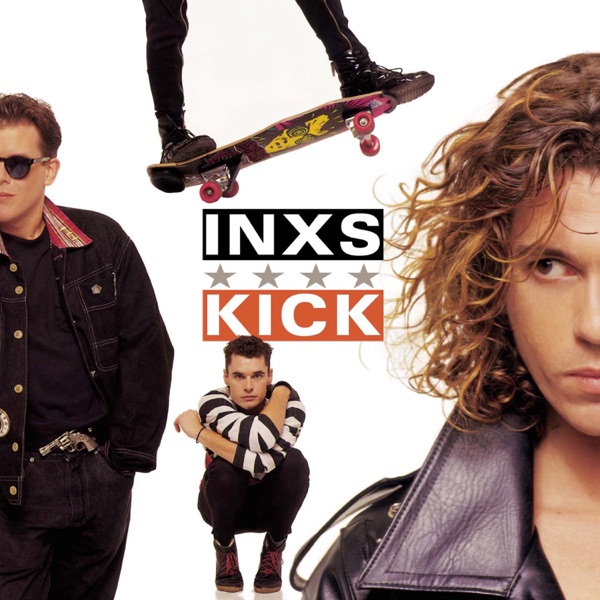
INXS / “Need You Tonight”.
Andrew Farriss identifies the TR-707 as the machine on which he programmed the groove for “Need You Tonight”. He says the record closely follows that programming: the drum machine’s pattern remains a central part of the finished song.
Read Need You Tonight by INXS ↗Andrew Farriss’ programmed groove
Andrew Farriss identifies the TR-707 as the machine on which he programmed the groove for “Need You Tonight”. In Roland’s 2021 account, he says the record closely follows what he entered: a programmed drum part carried into the song’s finished rhythm.
Beverly Glenn-Copeland’s Keyboard Fantasies
American Songwriter’s 2021 interview identifies a Yamaha DX7 and TR-707 among the equipment used to record Keyboard Fantasies in 1986. Glenn-Copeland describes the music as arriving through an intuitive creative process. The two instruments belong to the album’s working palette.
Beverly Glenn-Copeland finds his place with Keyboard Fantasies ↗
The kit beside Acid Tracks
DJ Pierre recalls the TR-707 and TR-727 as professional drum machines that aspiring musicians could afford. Roland’s Phuture history identifies the pair in the rhythm of “Acid Tracks”, alongside the better-known TB-303 story. It does not divide the drum part hit by hit between the two boxes.
Recording and working accounts
Explore 21 source accounts
- INXS / Andrew Farriss — Need You Tonight
- Beverly Glenn-Copeland — Keyboard Fantasies
Read this account in the story ↑
Beverly Glenn-Copeland finds his place with Keyboard Fantasies ↗
- Phuture / DJ Pierre — Acid Tracks
- Martin Gore / Depeche Mode — Private collection; no named recording
Read this account in the story ↑
Roland TR707 Drum Machine Owned by Martin Gore of Depeche Mode ↗
- Bobby Previte — Live Forever, Vol. 2
Bobby Previte’s official Live Forever, Vol. 2 credits list him on a Roland 707 drum machine alongside acoustic percussion in 1988–89 performances.
- Oskarova Fobija — Synth-Pop Yugoslavia 1983–86
- Sally Seltmann / Darren Seltmann — Early Moon
- Alex Ball — Coalescent Apparatus
- Coakira — Early Works 1990s
- SysEx Emporium — 2,081 Ultimate Vintage Drum Samples
- Bobby Previte — Live Forever, Vol. 2
- CLIP ART — CLIP ART EP
- Becker & Mukai — Time Very Near
- Munir — Ritmo Echo
- Hunter Complex / Lars Meijer — Dead Calm and Zero Degrees
- Ariel Rechtshaid — Studio practice
- Justin DeLay / Replicant — Home-studio and live setup
- Jyoti Mishra / White Town — Early White Town work, no individual track allocation
- Tame Impala / Kevin Parker — Glimmer
- Henry Saiz — Studio practice; no named recording
- Marshall Jefferson — Early production setup; no named recording
Read this account in the story ↑
MusicRadar — “Marshall Jefferson on making music then and now, and why he’d rather work alone” ↗
Browse more working lives and sample archives
Working lives & sample archives
Records, performances and later libraries.
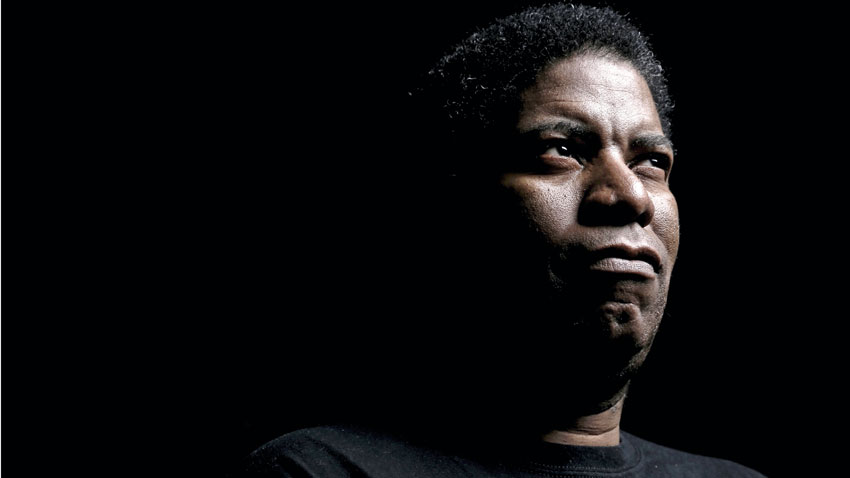
Marshall Jefferson / Early production setup; no named recording
Jefferson says a Roland TR-707 was part of his first production setup, alongside a JX-8P, EX-800, TR-808, QX1 and TB-303, and that he made music on that equipment until 1987.
Read MusicRadar — “Marshall Jefferson on making music then and now, and why he’d rather work alone” ↗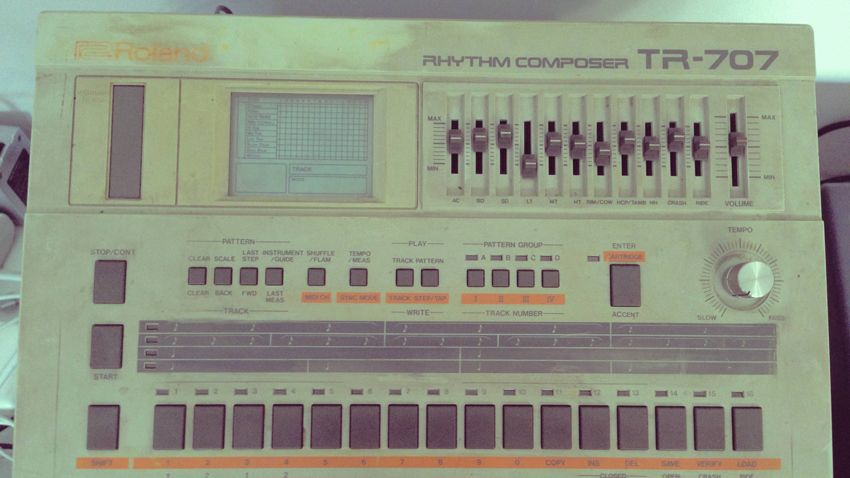
Henry Saiz / Studio practice; no named recording
Saiz calls the Roland TR-707 one of his favourite drum machines and says making beats with hardware drum machines gives him a different, more interesting experience than writing a MIDI sequence.
Read MusicRadar — “Me in my studio: Henry Saiz” ↗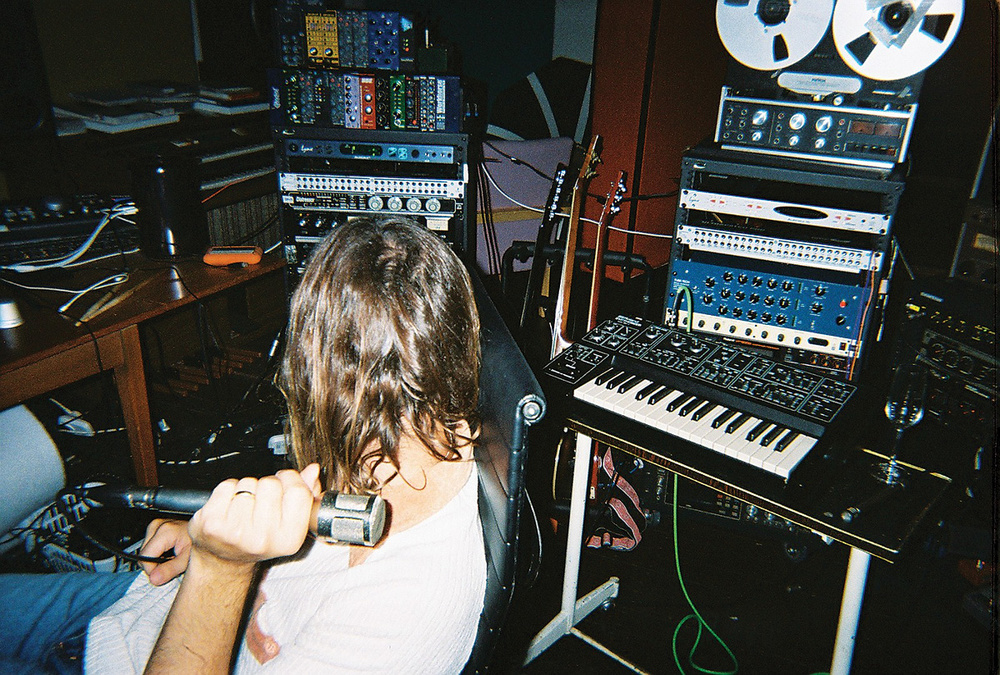
Tame Impala / Kevin Parker / Glimmer
Kevin Parker identifies a Roland TR-707 on Tame Impala’s “Glimmer”, describing a jam in which he drove its pattern through a tape machine and heavy reverb.
Read Tame Impala: The Psychedelic World Of Kevin Parker ↗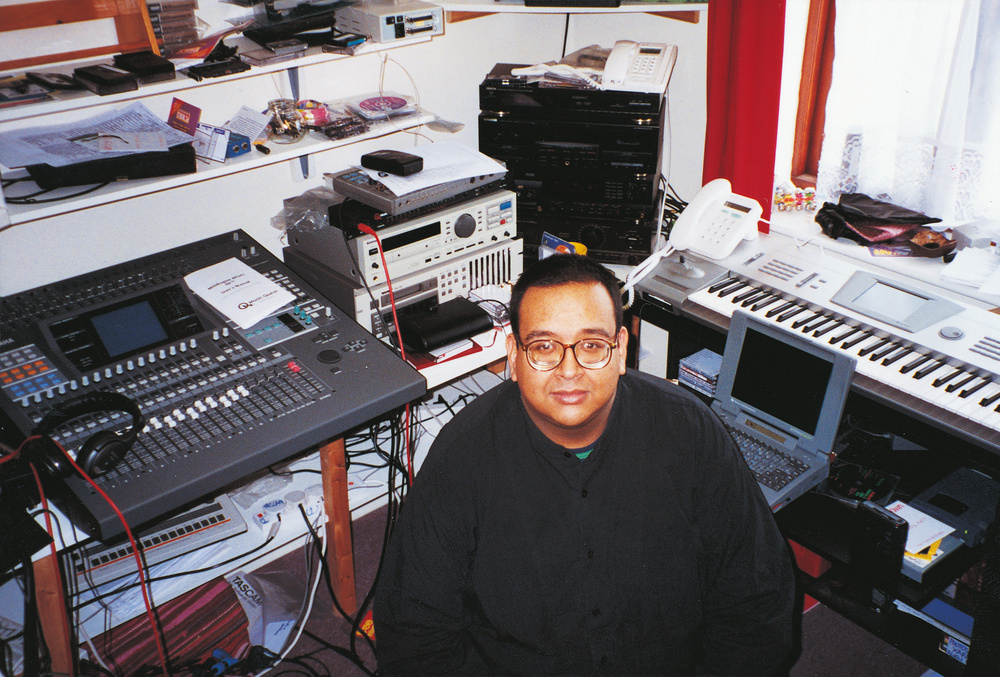
Jyoti Mishra / White Town / Early White Town work, no individual track allocation
Jyoti Mishra recalls trying to make White Town’s early work alone with a Roland TR-707 before deciding not to constrain the project to what a live band could reproduce.
Read Classic Tracks: White Town’s “Your Woman” ↗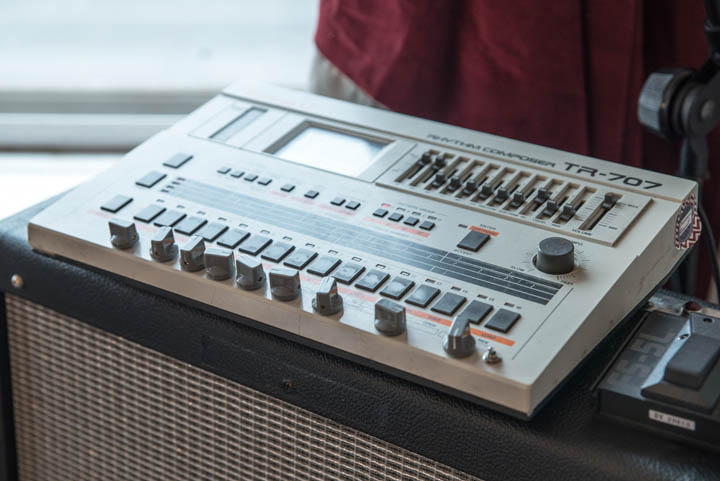
Justin DeLay / Replicant / Home-studio and live setup
DeLay calls the TR-707 his first and favourite drum machine, used in the hybrid setup with which Replicant produces music and performs live; he had individual sample tuning added beneath its step buttons.
Read Justin DeLay’s modified Roland TR-707 ↗
Beverly Glenn-Copeland / Keyboard Fantasies
The American Songwriter interview identifies a Yamaha DX7 and TR-707 among the equipment used to record Keyboard Fantasies in 1986.
Read Beverly Glenn-Copeland finds his place with Keyboard Fantasies ↗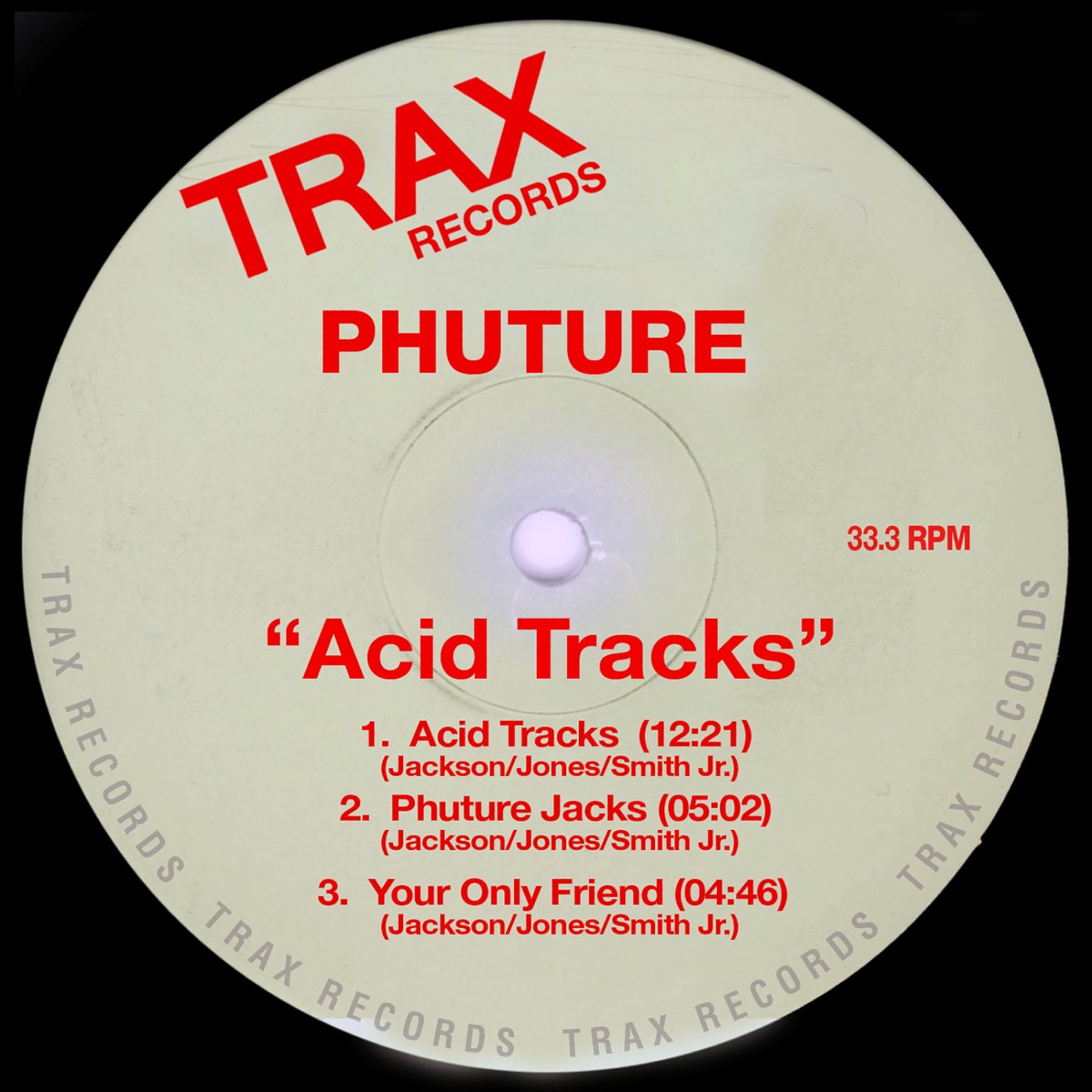
Phuture / DJ Pierre / Acid Tracks
The history identifies the paired TR-707/TR-727 system around Acid Tracks.
Read Lifetime Achievement: DJ Pierre and Phuture ↗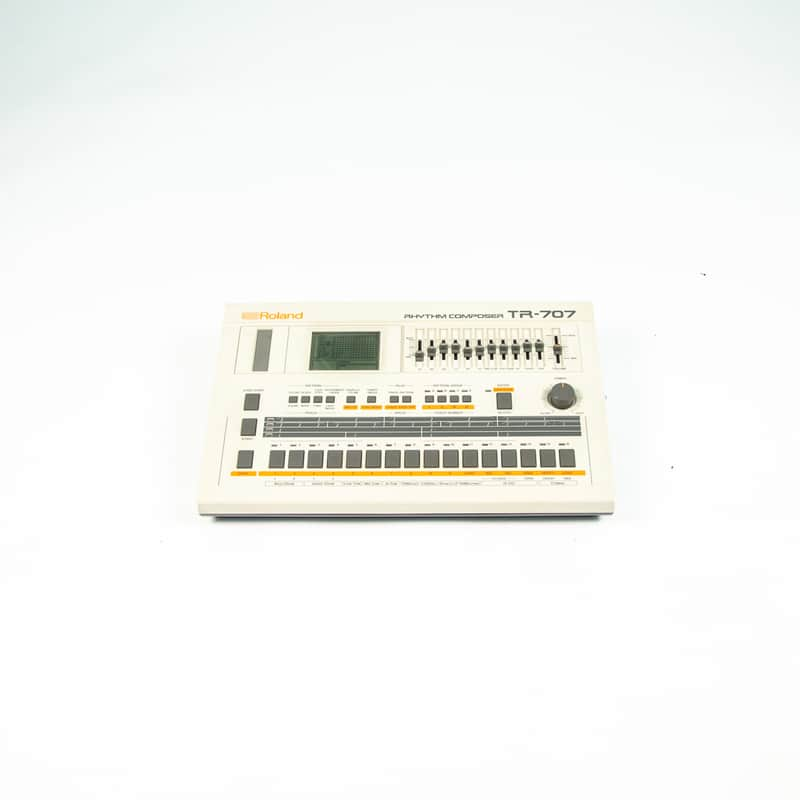
Martin Gore / Depeche Mode / Private collection; no named recording
Martin Gore’s official Reverb shop offered a Roland TR-707 from his private collection with an authenticity certificate.
Read Roland TR707 Drum Machine Owned by Martin Gore of Depeche Mode ↗
Oskarova Fobija / Synth-Pop Yugoslavia 1983–86
The archival reissue places a TR-707 in Dejan Novčić’s 1985–86 Belgrade recording setup, preserved from original reels and four-track cassettes.
Read Oskarova Fobija — Synth-Pop Yugoslavia 1983–86 ↗
Sally Seltmann / Darren Seltmann / Early Moon
The Early Moon credits name Darren Seltmann on Roland TR-707 for “Don’t Look Back”, beside Sally Seltmann’s R-8 work.
Read Sally Seltmann / Early Moon ↗
Alex Ball / Coalescent Apparatus
Alex Ball’s release notes identify a Roland TR-707 on track 8 of Coalescent Apparatus.
Read Coalescent Apparatus ↗
Coakira / Early Works 1990s
Coakira’s reissue lists a Roland TR-707 among the equipment used for recordings made from 1990 to 1994.
Read Coakira — Early Works 1990s ↗Archive source
SysEx Emporium / 2,081 Ultimate Vintage Drum Samples
SysEx Emporium lists Roland TR-707 samples in 2,081 Ultimate Vintage Drum Samples.
Read SysEx Emporium / 2,081 Ultimate Vintage Drum Samples ↗
Bobby Previte / Live Forever, Vol. 2
Bobby Previte is credited with Roland 707 drum machine on these live 1988–89 recordings.
Read Bobby Previte / Wayne Horvitz — Live Forever, Vol. 2 ↗
CLIP ART / CLIP ART EP
CLIP ART list a Roland TR-707 among the instruments used for their debut EP.
Read CLIP ART — CLIP ART EP ↗
Becker & Mukai / Time Very Near
Becker & Mukai list a Roland TR-707 in the release-wide gear inventory for Time Very Near.
Read Becker & Mukai — Time Very Near ↗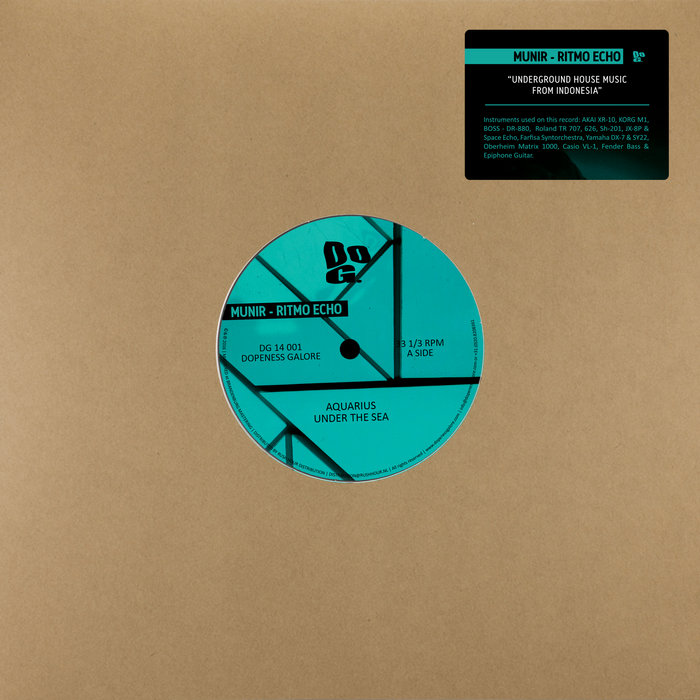
Munir / Ritmo Echo
Munir’s album inventory names a Roland TR-707.
Read Munir — Ritmo Echo ↗
Hunter Complex / Lars Meijer / Dead Calm and Zero Degrees
Hunter Complex credits a Roland TR-707 on track b3.
Read Hunter Complex — Dead Calm and Zero Degrees ↗
Ariel Rechtshaid / Studio practice
Rechtshaid names a Roland TR-707 among the hardware drum machines he sequences for projects.
Read Ariel Rechtshaid: Producer and musician ↗INXS / Andrew Farriss / Need You Tonight
Andrew Farriss identifies the TR-707 as the machine on which he programmed the “Need You Tonight” groove, and says the finished record closely follows his programming.
Read Need You Tonight by INXS ↗Sources
The visual archive
Further visual evidence.
These displayed records are labelled by their documented role, date and source; source-only records are listed separately below.
Sources for images shown earlier (18)
- Martin Gore’s Roland TR-707 ↗
- Justin DeLay’s modified Roland TR-707 ↗
- Kevin Parker / Tame Impala ↗
- Jyoti Mishra / White Town studio — Sound On Sound ↗
- Oskarova Fobija — Synth-Pop Yugoslavia 1983–86 ↗
Release date not stated on source page · Oskarova Fobija / release artwork via Bandcamp · Official Bandcamp release-page artwork (Open Graph image) - Sally Seltmann / Darren Seltmann — Early Moon ↗
Release date not stated on source page · Sally Seltmann / Darren Seltmann / release artwork via Bandcamp · Official Bandcamp release-page artwork (Open Graph image) - Alex Ball — Coalescent Apparatus ↗
2019-10-04 · Alex Ball / release artwork via Bandcamp · Official Bandcamp release-page artwork (Open Graph image) - Coakira — Early Works 1990s ↗
2026-04-10 · Coakira / release artwork via Bandcamp · Official Bandcamp release-page artwork (Open Graph image) - SysEx Emporium — 2,081 Ultimate Vintage Drum Samples ↗
2023-02-20 · SysEx Emporium / release artwork via Bandcamp · Official Bandcamp release-page artwork (Open Graph image) - CLIP ART — CLIP ART EP ↗
2014-04-01 · CLIP ART / release artwork via Bandcamp · Official Bandcamp release-page artwork (Open Graph image) - Becker & Mukai — Time Very Near ↗
2020-04-03 · Becker & Mukai / release artwork via Bandcamp · Official Bandcamp release-page artwork (Open Graph image) - Munir — Ritmo Echo ↗
2016-06-08 · Munir / release artwork via Bandcamp · Official Bandcamp release-page artwork (Open Graph image) - Hunter Complex / Lars Meijer — Dead Calm and Zero Degrees ↗
2020-03-20 · Hunter Complex / Lars Meijer / release artwork via Bandcamp · Official Bandcamp release-page artwork (Open Graph image) - INXS / Andrew Farriss — Need You Tonight ↗
1987-10-12T07:00:00Z · INXS / Andrew Farriss / release artwork via Apple Music catalog artwork · Release catalogue and retained front artwork - Beverly Glenn-Copeland — Keyboard Fantasies ↗
1986-01-01T08:00:00Z · Beverly Glenn-Copeland / release artwork via Apple Music catalog artwork · Release catalogue and retained front artwork - Phuture — Acid Tracks ↗
1987-01-01T12:00:00Z · Phuture / release artwork via Apple Music catalog artwork · Release catalogue and retained front artwork - Henry Saiz’s Roland TR-707 ↗
7 June 2013 · MusicRadar / Chris Barker / Henry Saiz · “Roland TR-707” panel in “Me in my studio: Henry Saiz”. - Marshall Jefferson — MusicRadar, September 2016 ↗
7 September 2016 · Marie Staggat / MusicRadar / Future Music · Lead portrait for MusicRadar’s Marshall Jefferson interview; embedded copyright metadata credits Marie Staggat.
Additional visual sources (10)
Original publications and related image sources.
- TR-707 - The Record Maker ↗
Mar 1985 · International Musician & Recording World · Small but recognisable Roland TR-707 product thumbnail from the dedicated March 1985 advertisement feature; source filename and corrected article provenance resolve the model - Roland TR707 ↗
Feb 1985 · One Two Testing · Roland TR-707 display, track and level-control detail from its dedicated contemporary review. - Roland TR707 ↗
Feb 1985 · One Two Testing · Full Roland TR-707 product photograph with maker and model markings visible. - Roland TR707 ↗
Dec 1984 · Electronics & Music Maker · Full Roland TR-707 product photograph restored to the December 1984 Electronics & Music Maker review that originated the URL. - A Runway Success ↗
Jan 1985 · Electronic Soundmaker & Computer Music · Roland TR-707 product photograph from the dedicated A Runway Success review; the model marking and characteristic graphic display layout are visible. - Roland TR707 ↗
Sep 1985 · Home & Studio Recording · Colour Roland TR-707 product photograph from Paul White’s dedicated review; brand and model are visible. - Roland TR-707 ↗
Jan 1985 · International Musician & Recording World · Roland TR-707 product photograph from Bob Henrit’s dedicated January 1985 review; model marking and panel layout are visible. - TR-707 - The Record Maker ↗
Mar 1985 · International Musician & Recording World · Roland TR-707 product photograph from the period advertisement feature TR-707 - The Record Maker; the model marking is visible. - Roland TR707 ↗
Jan 1985 · In Tune · Roland TR-707 product photograph from Julian Colbeck’s dedicated In Tune review; the model marking and panel layout are visible. - Bobby Previte — Live Forever, Vol. 2 ↗
Release date not stated on source page · Bobby Previte / release artwork via Bandcamp · Official Bandcamp release-page artwork (Open Graph image)