Sampling groove workstation

Roland SP-606

Sixteen pads put sampled sound under the fingers. The SP-606 brings pattern sequencing and effects into the same compact surface, inviting a player to reshape a sound as readily as trigger it.

New performance instruments →
Roland SP-606: product photograph from the 2004 factory brochure.2004 · Roland CorporationSource & credit ↗

Roland’s factory brochure is dated May 2004 and US arrival was announced in July.

Sources (11)
  1. Announcing the U.S. Arrival of Roland’s SP-606 ↗
  2. SP-606 Sampling Workstation ↗
  3. SP-606 Owner’s Manual ↗
  4. Roland SP-606 Review: More Than A Sampling Workstation ↗
  5. Boss SP-606 Review ↗
  6. SP-606 system program update1.11, Windows ↗
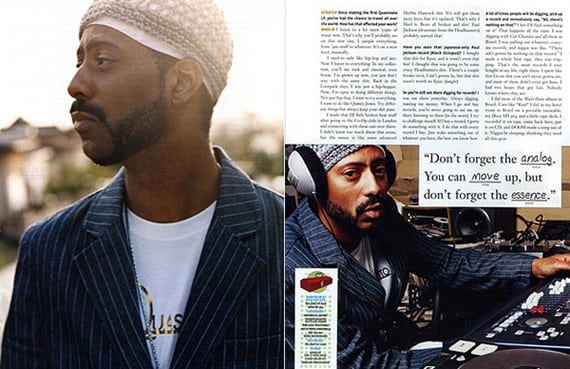
  7. Mad Skills: Madlib in Scratch Magazine ↗
  8. Before and After Sunset ↗
  9. Serrated Spectra ↗
  10. SP-606 factory brochure, RAM-3809 B-4 ↗
  11. SP-606: manual correction accompanying version update, 40676623-01 ↗

Source-led exhibition chapter

Roland SP-606 — take the beat with you

In Roland's 2004 brochure, the SP-606 fills one half of a spread while the other lists effects, connections, accessories and computer requirements. It was a box under the hands and a proposed way to move work between a computer and a stage. Cakewalk's P606 software sat at the other end of a USB connection; Roland and Cakewalk's July 2004 announcement described recording, editing, effects, phrase sequencing, file transfer and software control as their joint product proposition.

Silent material path

Source → Pad → Effect → Pattern

This is a documented product pathway, not a live sequencer, working P606 connection, hardware emulator, or audio demonstration.

Source

Bring recorded material into the sampler.

Pad

Give the selected material a place under a finger.

Effect

Use the documented effects engines as a further decision.

Pattern

Order pad gestures in the four-track MIDI sequencer.

Computer companion

P606 belongs here as 2004 USB context, not as a present-day compatibility claim.

Put a sound under a finger

Sampling brought audio in, gave it a place on sixteen pads, and made it available to be struck again. The internal four-track MIDI sequencer could order those gestures into a pattern; two effects engines added another decision. Roland and Cakewalk also advertised the SP-606 as a standalone sampler. That 2004 relationship with P606 is historical context, not a claim that old software works now.

The effects became the attraction

In a 2005 interview Madlib named the SP-606 and SP-303 as small machines he used often, singling out the 606's effects and the ease of switching a box on and working. This is direct testimony about practice, not proof that a named Madlib recording was made on a 606. In the same interview he specifically described making the beat for “Raid” on an SP-303.

What a credit can tell us

Waxtooth's note says Hologram Dagger used several samplers, including the SP-606, while making Serrated Spectra; it does not allocate a sound or track. Belba's 2025 note names the SP-606 for both parts of Before and After Sunset. That direct credit does not establish an exclusive production chain. The covers identify releases, not machines or sessions.

Read the object, read the promise

The brochure's specification column and product photograph frame a 2004 proposition: hardware, software companion, and a front panel that could still stand alone. Read the manual and period launch notice with the brochure; keep the document as a source rather than pretending to operate the machine from this page.

The machine in the record

Madlib in the Stones Throw republication of Scratch magazine’s 2005 feature.
Madlib in the Stones Throw republication of Scratch magazine’s 2005 feature. The interview is the source for his SP-606 use; the photograph supplies artist and studio context, but does not identify an SP-606 in frame.

Madlib / a working SP-606.

Madlib names the SP-606 as a machine he used regularly, particularly valuing its effects. There is no need to force a track credit onto the account: this is a glimpse of a producer’s working kit, where an unglamorous sampler earns its place by being useful and immediate.

Read Mad Skills: Madlib in Scratch Magazine ↗

More records in the archive

The machine keeps turning up.

01 // Roland’s SP-606: a sampler, effects box and pattern machine that gave the SP family a compact 2004 performance centre.

A sampler with a performance face

The SP-606 combined pads, sampling, effects and pattern sequencing in a small workstation built for beat makers and live performers. It sits between the older phrase-sampler idea and a compact groovebox.

Sources (3)
  1. SP-606 factory brochure, RAM-3809 B-4 ↗
  2. SP-606 Sampling Workstation ↗
  3. SP-606 Owner’s Manual ↗

02 // Roland’s SP-606: a sampler, effects box and pattern machine that gave the SP family a compact 2004 performance centre.

A box for rearranging sound

Its manual documents sampling, pad performance, sequencing and effects, with external control and computer-facing possibilities. The SP-606 encourages a player to take a sound apart, put it on pads and move it through a pattern.

Sources (2)
  1. SP-606 Owner’s Manual ↗
  2. SP-606: manual correction accompanying version update, 40676623-01 ↗

03 // Roland’s SP-606: a sampler, effects box and pattern machine that gave the SP family a compact 2004 performance centre.

A 2004 studio companion

Contemporary reviews gave the SP-606 a place in the growing hardware beat-making market, while later artists such as Madlib and others kept the model in the conversation.

Sources (4)
  1. Roland SP-606 Review: More Than A Sampling Workstation ↗
  2. Boss SP-606 Review ↗
  3. Mad Skills: Madlib in Scratch Magazine ↗
  4. Serrated Spectra ↗

04 // Roland’s SP-606: a sampler, effects box and pattern machine that gave the SP family a compact 2004 performance centre.

A sampler with a social life

Madlib names the SP-606 as a regularly used machine and singles out its effects. Belba identifies it in both “Before Sunset” and “After Sunset”, while Hologram Dagger’s label lists it in the equipment behind Serrated Spectra. This is the SP-606 as working companion: a sampler whose identity lies as much in re-shaping sound as in storing it.

Sources (3)
  1. Mad Skills: Madlib in Scratch Magazine ↗
  2. Before and After Sunset ↗
  3. Serrated Spectra ↗

MUSIC HISTORY

On record

  • Madlib. Artist names SP-606 as regularly used, praising its effects. Source ↗
  • Hologram Dagger — Serrated Spectra. Label lists SP-606 in project production equipment. Source ↗
  • Belba — Before and After Sunset: Before Sunset / After Sunset. Artist explicitly identifies SP-606 use in both compositions. Source ↗

Sources

  1. Announcing the U.S. Arrival of Roland’s SP-606
  2. SP-606 Sampling Workstation
  3. SP-606 Owner’s Manual
  4. Roland SP-606 Review: More Than A Sampling Workstation
  5. Boss SP-606 Review
  6. SP-606 system program update1.11, Windows
  7. Mad Skills: Madlib in Scratch Magazine
  8. Before and After Sunset
  9. Serrated Spectra
  10. SP-606 factory brochure, RAM-3809 B-4
  11. SP-606: manual correction accompanying version update, 40676623-01

The visual archive

Further visual evidence.

Additional visual sources (4)

Original publications and related image sources.

Machine Museum image viewer

Period image shown in the dossier.