
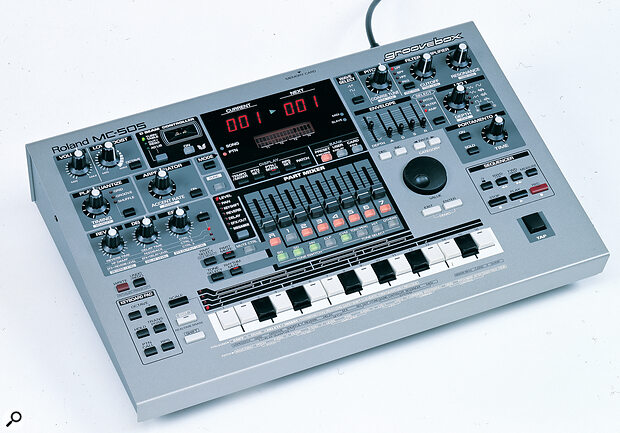
Reviewed by Derek Johnson in Sound On Sound, April 1998.
The machine in the record

Peaches / The Teaches of Peaches.
The Teaches of Peaches was written and produced with an MC-505 in a one-machine bedroom setup. That constraint is part of the album’s force: one workstation used hard enough to make a whole private world.
Read Peaches on the Roland MC-505 Groovebox ↗More records in the archive
The machine keeps turning up.
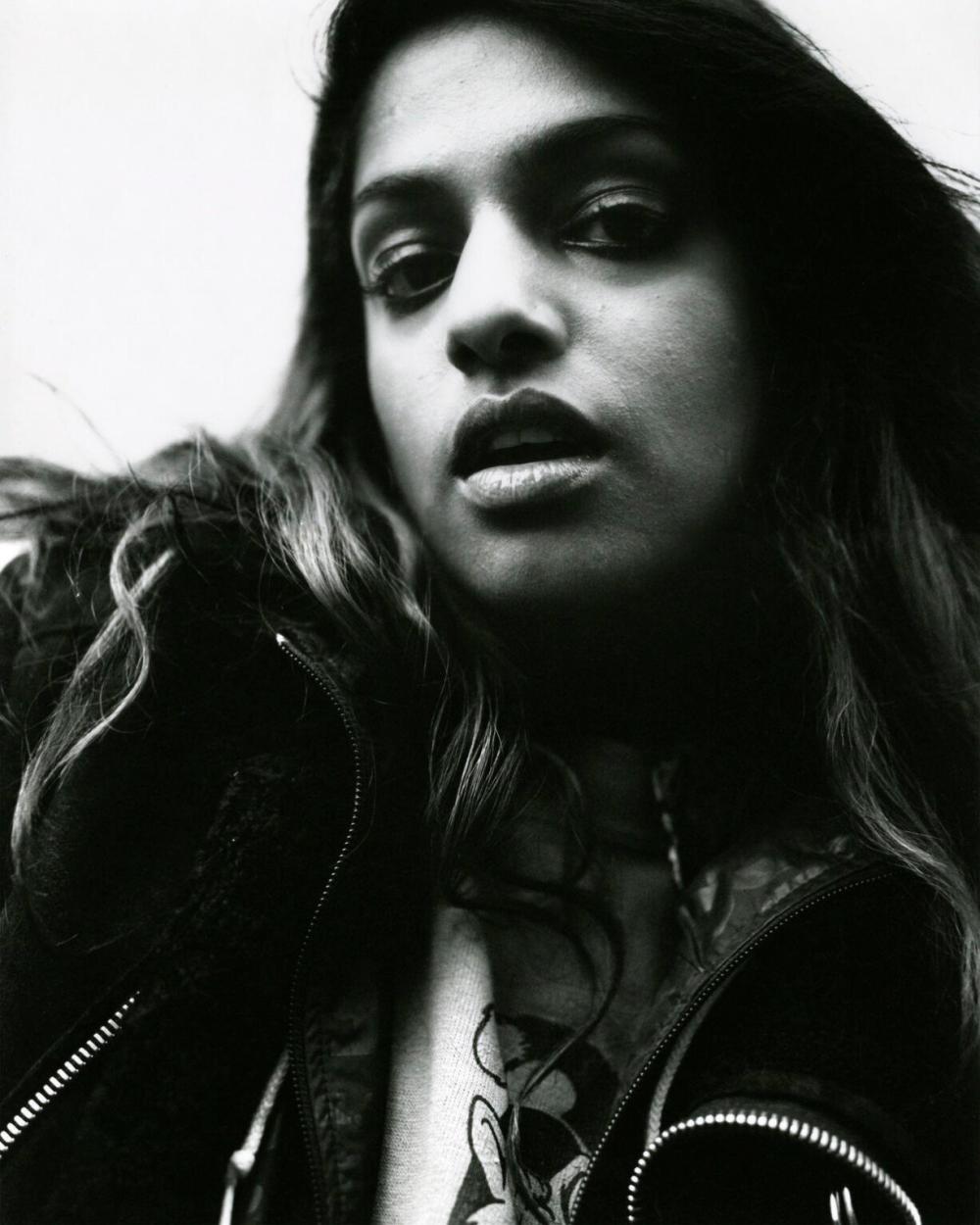
M.I.A. / Maya Arulpragasam / Early beat-making before Galang
A 2005 profile says Peaches introduced M.I.A. to the Roland MC-505 while M.I.A. documented the Elastica tour; M.I.A. recalls starting by pushing its buttons to see what happened.
Read M.I.A., No Loss For Words ↗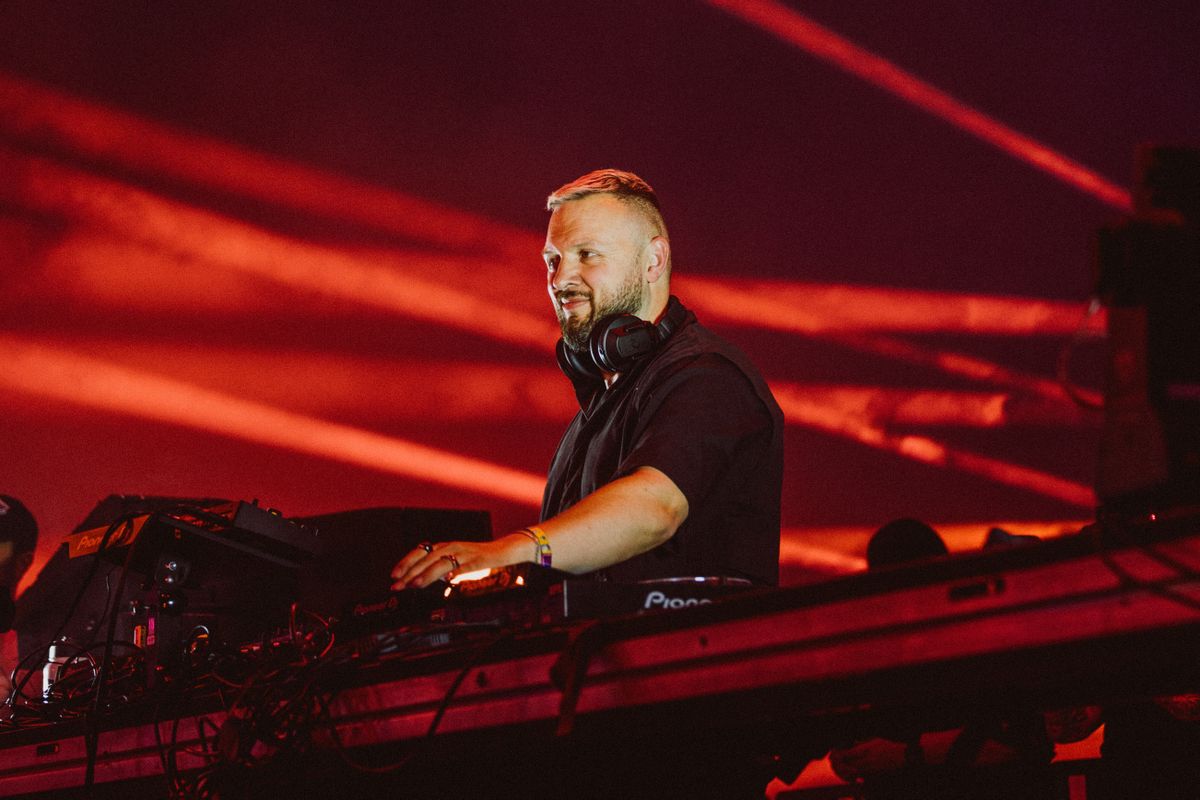
Chris Lake / Early home-recording period
Chris Lake recalls upgrading from a Roland MC-303 to an MC-505 during his early recording period.
Read Chris Lake on early Roland MC-505 use ↗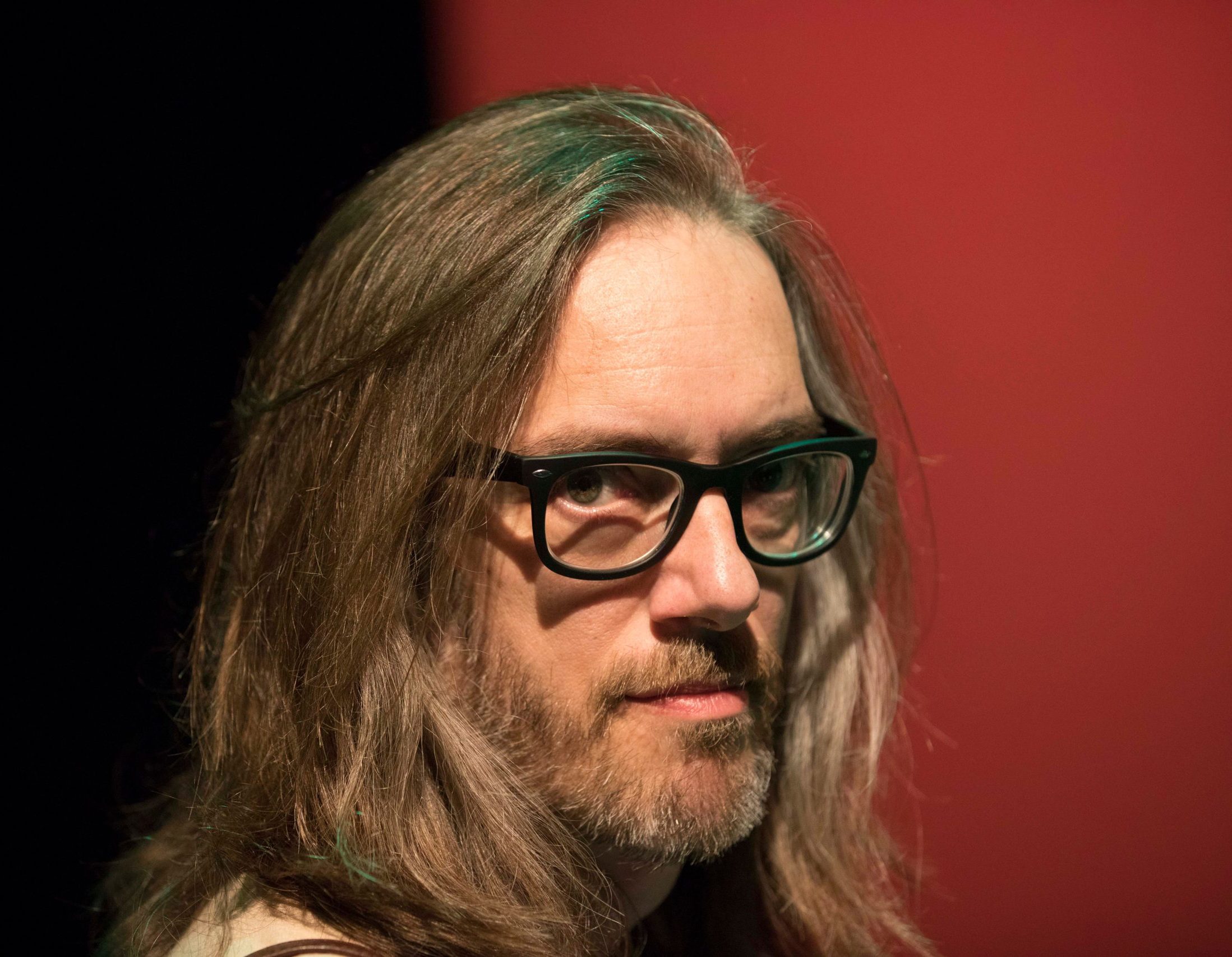
Ryeland Allison / Experimental music with Roland colleagues
Ryeland Allison recalls making experimental music with a Roland MC-505, SP-808 and DJ-70.
Read Ryeland Allison on Roland MC-505 experiments ↗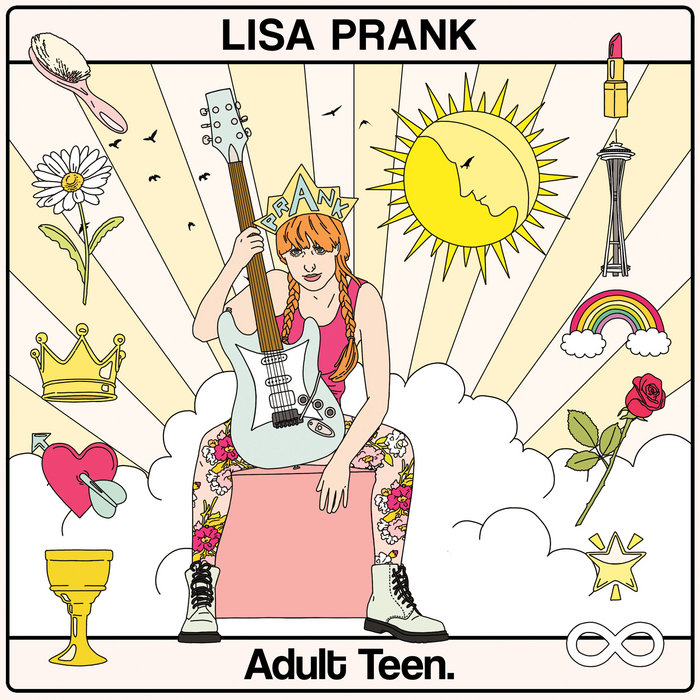
Lisa Prank / Robin Edwards / Adult Teen
Edwards credits the MC-505 for guitar and drum-machine performance.
Read Lisa Prank / Robin Edwards / Adult Teen ↗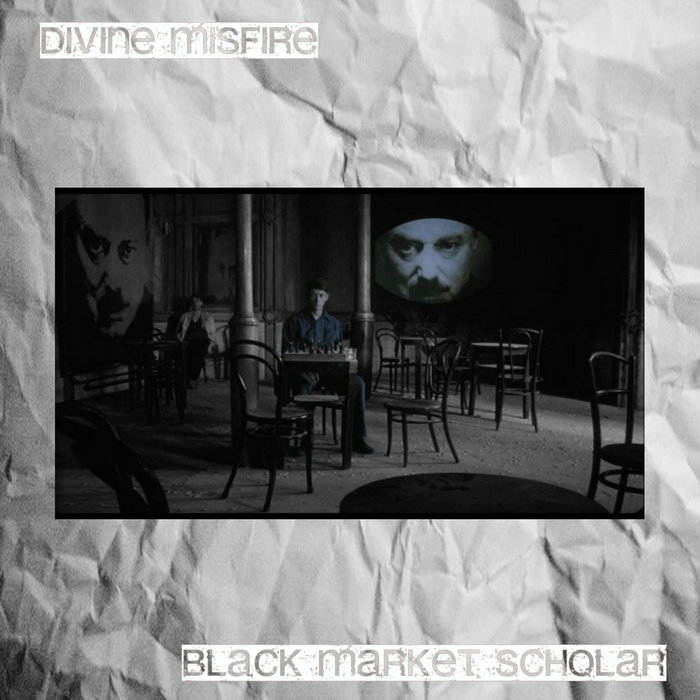
Divine Misfire / Black Market Scholar
Divine Misfire says the Black Market Scholar material was made with Roland MC-303 and MC-505 machines, records and VHS tapes.
Read Divine Misfire / Black Market Scholar ↗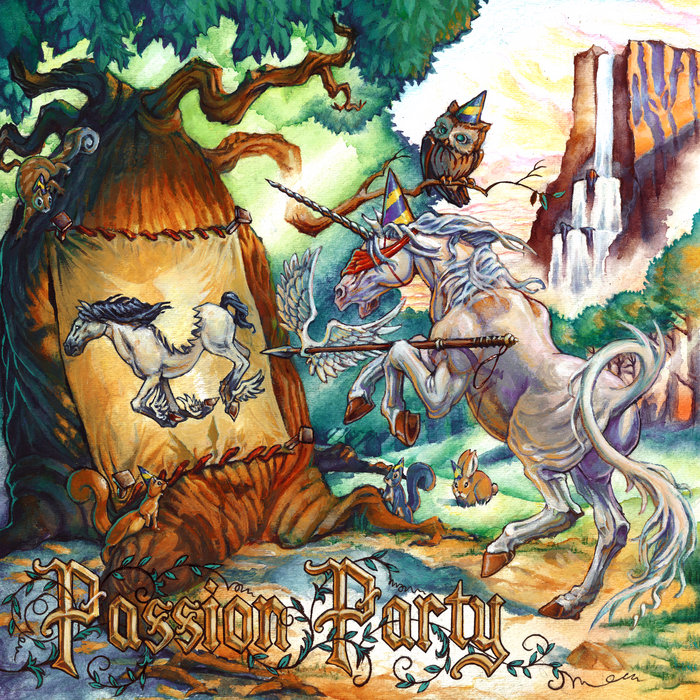
Passion Party / Adam Drew / The Unihorn EP
The Unihorn EP release notes state that all beats were made on Adam Drew’s Roland MC-505.
Read Passion Party / The Unihorn EP ↗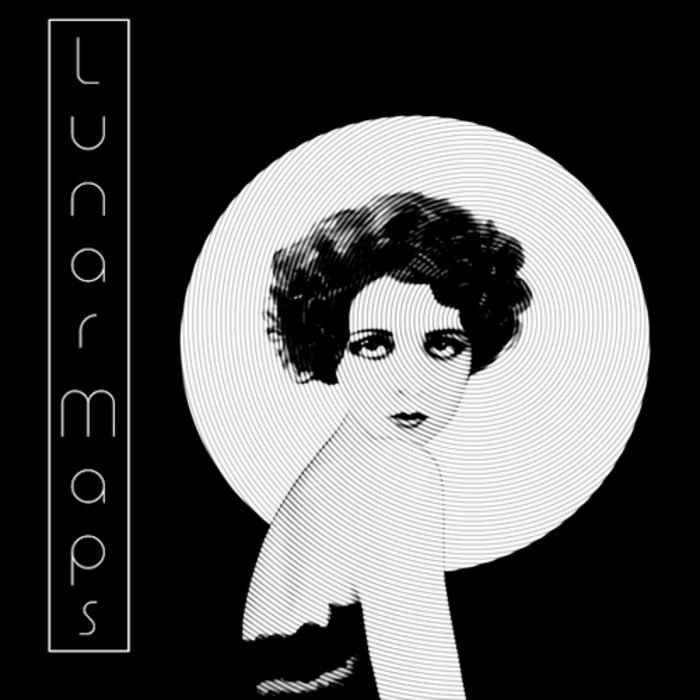
Lunar Maps / Lunar Maps
Lunar Maps list the Roland MC-505 among the drum machines used for this 2010 recording.
Read Lunar Maps / Lunar Maps ↗
Dank Reynoldz / Dr. Gonzo the Ill Teknician / The Logistics and Protocol of Copyright Control
The release’s complete production inventory names a Roland MC-505.
Read Dank Reynoldz / Dr. Gonzo the Ill Teknician — The Logistics and Protocol of Copyright Control ↗On record
- Peaches — The Teaches of Peaches. A Peaches feature states that The Teaches of Peaches was written and produced with a Roland MC-505 in a one-machine bedroom setup. Source ↗
- Ryeland Allison — Experimental music with Roland colleagues. Ryeland Allison recalls making experimental music with a Roland MC-505, SP-808 and DJ-70. Source ↗
- Chris Lake — Early home-recording period. Chris Lake recalls upgrading from a Roland MC-303 to an MC-505 during his early recording period. Source ↗
- Lisa Prank / Robin Edwards — Adult Teen. Edwards credits the MC-505 for guitar and drum-machine performance. Source ↗
- Divine Misfire — Black Market Scholar. Divine Misfire says the Black Market Scholar material was made with Roland MC-303 and MC-505 machines, records and VHS tapes. Source ↗
- Passion Party / Adam Drew — The Unihorn EP. The Unihorn EP release notes state that all beats were made on Adam Drew’s Roland MC-505. Source ↗
- Lunar Maps — Lunar Maps. Lunar Maps list the Roland MC-505 among the drum machines used for this 2010 recording. Source ↗
- Dank Reynoldz / Dr. Gonzo the Ill Teknician — The Logistics and Protocol of Copyright Control. The release’s complete production inventory names a Roland MC-505. Source ↗
A successor with more direct control
The MC-505 made the MC-303’s self-contained idea more directly adjustable: part sliders, front-panel envelopes and additional outputs put more of the arrangement within reach. Its manual describes eight parts and 64-voice polyphony, with 512 preset patches and 256 user memories. The 714 stored patterns include 248 regular presets and 466 RPS patterns; they are not 714 complete arrangements. Roland also lists 26 rhythm sets. The larger numbers matter, but the clearer change is what the player can control.
Roland MC-505 Owner’s Manual ↗ Roland MC-505 archived product description ↗
A machine meant to be touched
The D-Beam made a hand moving above the panel into a musical control. Its manual lists 28 control types, with three selected through the panel’s Type Select button; strong direct sunlight can reduce its effective range. The gesture sits alongside the sliders and envelope controls, giving the player another way to change a part while arranging the others.
A studio with limits to arrange around
Eight parts do not each receive an independent allowance of 64 notes. The manual gives a shared 64-voice maximum, and a patch using several tones consumes several voices for each note. Dense arrangements can therefore lose sounding notes even before every part seems busy. Choosing patches and leaving room between parts is part of building a pattern, alongside selecting its sounds and rhythm.
Mixing patterns, not merely choosing them
Roland’s archived product description makes the successor’s practical differences clear: assignable part-mixer sliders, front-panel envelope controls, multiple outputs and MEGAMix, which combines rhythms and parts drawn from different patterns. The D-Beam adds hand movement above an infrared sensor as another control. Those are different ways of intervening in an arrangement, not simply a larger preset library. The manufacturer also lists three independent effects processors and SmartMedia pattern and patch storage. These are advertised facilities; their usefulness in a particular set still depends on the player’s material and preparation.
MEGAMix needs a way back to memory
MEGAMix exchanges individual parts during playback, with changes taking effect when the pattern repeats. The manual recommends matching bar lengths and time signatures and warns that exchanged parts may need rebalancing. A combination can become a user pattern, but saving requires leaving MEGAMix and stopping playback. It is a route from improvisation to a reusable arrangement, not unlimited simultaneous recording and mixing.
Peaches: fewer sounds, deliberate changes
Emma Warren’s interview with Peaches supplies the missing bridge between the workstation and a compositional decision. Peaches describes arranging distinct instrumental roles rather than building dense layers. Recalling Lovertits, she explains how filtering and an octave shift changed the role of a single sound; on Set It Off, a misplaced pattern boundary produced a pause she kept. These are her accounts of particular working decisions, not a claim that every part of every record came from one preset. The album sleeve identifies The Teaches of Peaches; it does not document a session.
A programmer takes it out to play
In Rod Brakes’s July 2026 interview, Ryeland Allison recalls contributing wave data, patches and patterns to both the MC-303 and MC-505. He also describes late-1990s experimental performances with Vince De Franco, using the MC-505 alongside an SP-808 and DJ-70. This is a mixed live rig, not a one-machine album. His subsequent mention of the Melvins track Divorced specifically credits JP-8000 sound design; it is not evidence for assigning the MC-505 to that recording.
The drum machine beside the guitar
On Lisa Prank’s 2016 album Adult Teen, Robin Edwards plays guitar and the MC-505 drum machine. Eric Randull, who engineered and mixed the record, also contributes bass, percussion, drums and lead guitar; other friends supply further instrumental and vocal parts. The groovebox belongs to that collaborative arrangement rather than replacing the band around it. Faye Orlove’s illustrated sleeve identifies the release, not a studio session. The credits establish the instrument’s role without requiring a listener to guess which sounds it made.
A beat credit is not a whole-studio credit
The Unihorn EP’s notes say Adam Drew made all its beats on his MC-505. They separately credit Tim Stiles with arrangement and samples and name a trumpet player, mix engineer and mastering engineer. That division matters: a release-wide beat credit does not make every sound an MC-505 sound. Lunar Maps’ 2011 album instead lists the 505 among six drum machines used for sessions recorded in 2010, while Dank Reynoldz’s 2004 release names it in a broader production inventory. These establish use, without isolating a voice or assigning the machine to each track.
Passion Party / The Unihorn EP ↗ Lunar Maps / Lunar Maps ↗ Dank Reynoldz / Dr. Gonzo the Ill Teknician — The Logistics and Protocol of Copyright Control ↗
Early rigs and retrospective accounts
Chris Lake recalls moving quickly from an MC-303 to an MC-505 in Danny Turner’s December 2025 interview. No named MC-505 recording follows from that recollection, and the accompanying 2025 performance photograph cannot show his earlier home setup. Divine Misfire’s artist biography, displayed beside One Step Over The Brink from Black Market Scholar, names both grooveboxes with records, VHS tapes, a Yamaha drum machine and a Roland JS-30. Its general account covers the posted music rather than giving a track-by-track division of labour.
Chris Lake on early Roland MC-505 use ↗ Divine Misfire / Black Market Scholar ↗
Sources
- Roland MC505
- Roland MC-505 Owner’s Manual
- Roland MC-505 archived product description
- Peaches on the Roland MC-505 Groovebox
- Ryeland Allison on Roland MC-505 experiments
- Chris Lake on early Roland MC-505 use
- Lisa Prank / Robin Edwards / Adult Teen
- Divine Misfire / Black Market Scholar
- Passion Party / The Unihorn EP
- Lunar Maps / Lunar Maps
- Dank Reynoldz / Dr. Gonzo the Ill Teknician — The Logistics and Protocol of Copyright Control
The visual archive
Further visual evidence.
These displayed records are labelled by their documented role, date and source; source-only records are listed separately below.
Sources for images shown earlier (9)
- Roland MC-505 in Sound On Sound review context ↗
- Peaches — The Teaches of Peaches ↗
- Chris Lake at Coachella ↗
- Ryeland Allison — Roland Careers in Music feature ↗
- M.I.A. — Neil Gavin, March 2005 ↗
- Lisa Prank / Robin Edwards — Adult Teen ↗
Release date not stated on source page · Lisa Prank / Robin Edwards / release artwork via Bandcamp · Official Bandcamp release-page artwork (Open Graph image) - Divine Misfire — Black Market Scholar ↗
Release date not stated on source page · Divine Misfire / release artwork via Bandcamp · Official Bandcamp release-page artwork (Open Graph image) - Passion Party / Adam Drew — The Unihorn EP ↗
2012-02-12 · Passion Party / Adam Drew / release artwork via Bandcamp · Official Bandcamp release-page artwork (Open Graph image) - Dank Reynoldz / Dr. Gonzo the Ill Teknician — The Logistics and Protocol of Copyright Control ↗
2004-01-27 · Dank Reynoldz / Dr. Gonzo the Ill Teknician / release artwork via Bandcamp · Official Bandcamp release-page artwork (Open Graph image)