
Sound On Sound’s May 1996 Frankfurt report describes Roland showing the MC-303; Turnkey advertised a £549 new-boxed offer with limited initial supplies. The August review lists £565 including VAT. These establish presentation and advertised UK prices, not completed first deliveries.
The machine in the record
Chicago Skyway / the first machine.
Sean Hernandez remembers buying an MC-303 early, embracing it before its limitations became clear. There is no named record attached to this account, which is precisely why it is useful: it shows a future Chicago producer learning what a small Groovebox could and could not do.
Read Chicago Skyway: The 5 Magazine Interview ↗More records in the archive
The machine keeps turning up.
Nick Miamis / Mendark / Side Liner / Early production activity; no named recording established
Artist connects a 1997 MC-303 purchase with early trance productions and local performances.
Read Side Liner (Nick Miamis) Interview ↗Reported association
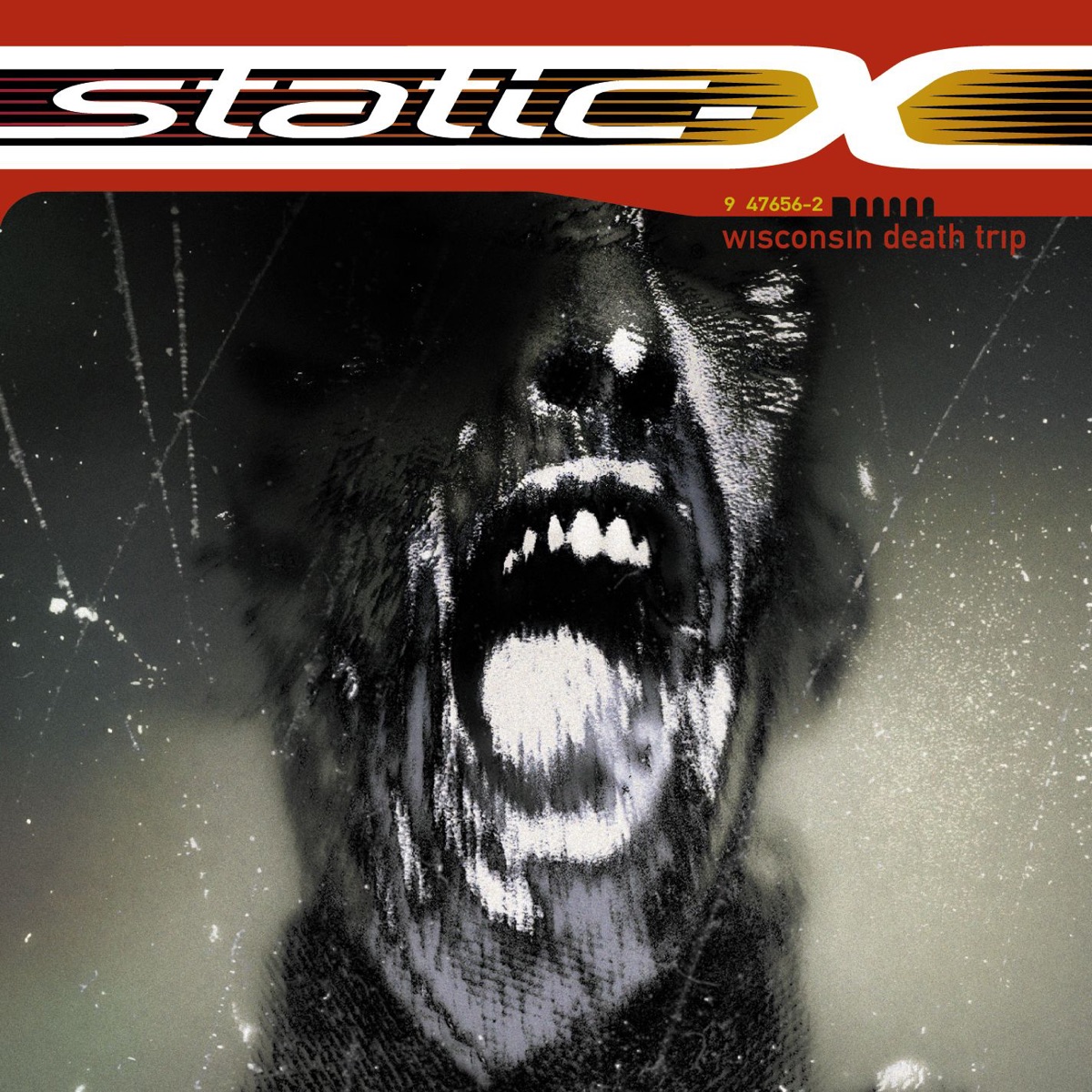
Static-X / Koichi Fukuda / Push It
A producer interview about Static-X’s “Push It” reports a Roland MC-303 in the production setup.
Read Static-X’s “Push It”: Inside the Song with Ulrich Wild ↗Reported association
Static-X / Koichi Fukuda / Push It / Wisconsin Death Trip — attribution under investigation
Contributor attributes MC-303 use to Fukuda and cites producer Ulrich Wild’s interview.
Read Ulrich Wild equipment attribution: Roland MC-303 ↗
Prismatic Shapes / Deadbeat
Prismatic Shapes identify the Roland MC-303 as part of the hardware palette used to make Deadbeat.
Read Prismatic Shapes / Deadbeat ↗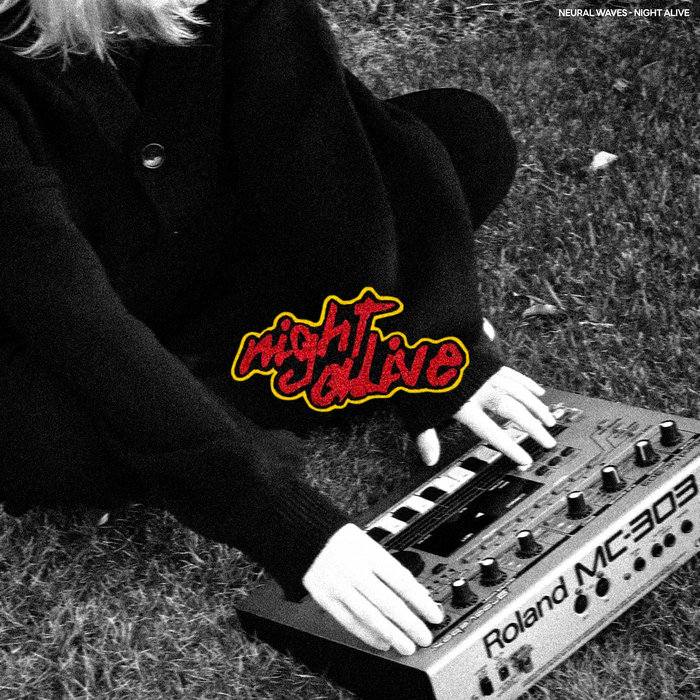
Neural Waves / NIGHT ALIVE /// with MC-303 Groovebox
Neural Waves says NIGHT ALIVE was produced mainly with a Roland MC-303 Groovebox.
Read Neural Waves / NIGHT ALIVE /// with MC-303 Groovebox ↗Chicago Skyway (Sean Hernandez) / Early production activity; no named recording established
Artist recalls an early MC-303 purchase, initial enthusiasm and later dissatisfaction.
Read Chicago Skyway: The 5 Magazine Interview ↗In the market
- 1996-08: GBP 565 — UK contemporary review price. MC-303 Groovebox; review price Source ↗
- 1996-05: GBP 549 — UK dealer advertised offer; initial supplies described as limited. New boxed MC-303 Source ↗
- 1996-05: GBP 699 — UK dealer advertised offer; initial supplies described as limited. MC-303 with PC200 controller keyboard Source ↗
On record
- Chicago Skyway (Sean Hernandez) — Early production activity; no named recording established. Artist recalls an early MC-303 purchase, initial enthusiasm and later dissatisfaction. Source ↗
- Nick Miamis / Mendark / Side Liner — Early production activity; no named recording established. Artist connects a 1997 MC-303 purchase with early trance productions and local performances. Source ↗
- Static-X / Koichi Fukuda — Push It / Wisconsin Death Trip — attribution under investigation. Contributor attributes MC-303 use to Fukuda and cites producer Ulrich Wild’s interview. Source ↗
- Static-X / Koichi Fukuda — Push It. A producer interview about Static-X’s “Push It” reports a Roland MC-303 in the production setup. Source ↗
- Prismatic Shapes — Deadbeat. Prismatic Shapes identify the Roland MC-303 as part of the hardware palette used to make Deadbeat. Source ↗
- Neural Waves — NIGHT ALIVE /// with MC-303 Groovebox. Neural Waves says NIGHT ALIVE was produced mainly with a Roland MC-303 Groovebox. Source ↗
A groovebox for building a full track
Start a pattern, take out a part, then turn the filter while the rest keeps playing: the MC-303 put arrangement and sound changes on the same silver panel. Roland’s Groovebox combined sampled tones, twelve drum kits and a sequencer with sixteen keyboard pads. Those pads could enter notes or call up material for a performance; an external keyboard was an option, not the starting requirement.
MC-303 Groovebox — archived product page ↗ Roland MC303 Groovebox, pp. 84–90 ↗
Ready for the dance floor
Roland’s Frankfurt display drew attention in Sound On Sound’s May 1996 report. Turnkey’s advertisement placed the MC-303 beside rising second-hand demand for the TB-303, MC-202 and TR-909, offering it new-boxed at £549 or with a PC200 keyboard at £699. The warning about limited initial supplies was a dealer’s invitation to order, not proof of delivery. Johnson and Poyser’s August review listed £565 including VAT.
News from Frankfurt and Turnkey advertisement, Sound On Sound, May 1996 ↗ Roland MC303 Groovebox, pp. 84–90 ↗
Patterns in the hand
One rhythm part and seven melodic parts supplied the eight-track sequencer. The August review describes copying a preset—or just its drum part—to a user location before changing notes. Fifty user patterns shared roughly 14,000 notes of memory, and ten songs could chain patterns. The 300 variations were references with different mute settings, not 300 separately written compositions. Real-time recording, step entry and note-level editing offered routes beyond the supplied material.
An inviting machine with real limits
The reviewers liked its sounds, arpeggiator and immediate part muting, but the same panel put several jobs on each control. A sound edit belonged to its pattern rather than a separate user-patch bank; the fifty user-pattern locations were another ceiling. Stereo outputs did not provide separate drum outputs. These were specific limits within an enthusiastic contemporary review, not a verdict borrowed from later nostalgia.
The people inside the patterns
Johnson and Poyser drew attention to the manual’s musical credits: Masayuki Kurihara, Ryeland Allison, Naoki Matsuura, Shigeyoshi Kawagoe, Kazuhiro Terada and Kazumi Sagawa. They linked Kurihara to the Goa-trance material and Terada to aesthetics and sounds. The factory patterns therefore had named musical contributors. Those credits identify programming work; they do not identify the hardware engineering team.
The Groovebox as an apprenticeship
Sean Hernandez cautiously recalls an MC-303 as what he thinks was his first purchase. Initial excitement gave way to dissatisfaction, followed by a gradual search for other gear and closer study of the records he loved. Nick Miamis dates his own purchase to 1997, linking it to trance production as Mendark and small local events. These are two particular learning histories, not proof that later Chicago Skyway, Naga or Side Liner releases used the machine.
Chicago Skyway: The 5 Magazine Interview ↗ Side Liner (Nick Miamis) Interview ↗
A reported Groovebox trail into nu metal
Equipboard contributors point to Koichi Fukuda and an MC-303 in Ulrich Wild’s filmed discussion of Static-X’s “Push It,” giving a locator of 25:20. The interview’s written introduction names the song and album but not this machine. Until the relevant video passage is inspected, the attribution remains a lead—not a settled production credit or proof that the Groovebox supplied the drums.
Ulrich Wild equipment attribution: Roland MC-303 ↗ Static-X’s “Push It”: Inside the Song with Ulrich Wild ↗
Phrases beside the pattern
RPS assigned a part from another pattern to a keyboard pad, so a fill or melodic phrase could enter while the main pattern continued. The manual allows up to eight phrases at once and explains that the pad stores a reference, not a fresh copy of the notes. An appended feature sheet adds immediate, sixteenth-note, quarter-note or next-bar trigger timing. That sheet is undated here; its availability on a particular early unit still needs verification.
A studio connection with conditions
The August reviewers describe driving another MIDI instrument from selected sequencer parts or using the MC-303 as a sixteen-part sound module. They also found no MIDI Thru socket and no outgoing record of the sound-knob moves. The manual’s appended sheet documents a later function absent from their test-unit account: retransmission from MIDI In to Out, excluding System Exclusive and withholding forwarding while the arpeggiator is on.
Later records, different jobs
Prismatic Shapes’ Deadbeat page names an MC-303 beside Yamaha SK10 and SY22 instruments; its credits date the album to 3 April 2020. Neural Waves’ NIGHT ALIVE, released 31 January 2025, says the album was made mainly with the MC-303. Its artwork even shows the machine in hand. Both are artist release accounts, but neither supplies a track-by-track map of the sounds or turns a cover photograph into recording-session evidence.
Prismatic Shapes / Deadbeat ↗ Neural Waves / NIGHT ALIVE /// with MC-303 Groovebox ↗
Arpeggiation and feel
The August review describes thirty-four arpeggiator styles with controls for accent, octave range, note order and swing. Unlike an RPS performance, the arpeggiator’s output could be recorded into a pattern. Grid, Shuffle and Groove quantisation supplied another layer of change; the review counts seventy-one groove templates and describes adjusting their strength. A player could change timing and emphasis without rewriting every note.
Sources
- Roland MC303 Groovebox, pp. 84–90
- MC-303 Groovebox — archived product page
- MC-303 Groovebox — Let there be groove
- News from Frankfurt and Turnkey advertisement, Sound On Sound, May 1996
- MC-303 Owner’s Manual
- Chicago Skyway: The 5 Magazine Interview
- Side Liner (Nick Miamis) Interview
- Static-X’s “Push It”: Inside the Song with Ulrich Wild
- Ulrich Wild equipment attribution: Roland MC-303
- Prismatic Shapes / Deadbeat
- Neural Waves / NIGHT ALIVE /// with MC-303 Groovebox
The visual archive
Further visual evidence.
Sources for images shown earlier (4)
- Roland MC-303 Groovebox brochure ↗
- Prismatic Shapes — Deadbeat ↗
Release date not stated on source page · Prismatic Shapes / release artwork via Bandcamp · Official Bandcamp release-page artwork (Open Graph image) - Neural Waves — NIGHT ALIVE /// with MC-303 Groovebox ↗
2025-01-31 · Neural Waves / release artwork via Bandcamp · Official Bandcamp release-page artwork (Open Graph image) - Static-X — Push It ↗
1999-03-19T08:00:00Z · Static-X / release artwork via Apple Music catalog artwork · Release catalogue and retained front artwork
Additional visual sources (4)
Original publications and related image sources.
- MC-303 Groovebox — Let there be groove ↗
Undated original brochure · Roland Corporation · Two-page brochure; product photograph on p. 1 - Roland MC303 Groovebox, pp. 84–90 ↗
August 1996 · Derek Johnson and Debbie Poyser / Sound On Sound · Printed pp. 84–90 / PDF pp. 82–88 - MC-303 Owner’s Manual ↗
1996 copyright reported by search index · Roland Corporation · Specifications p. 121; undated feature addendum PDF p. 129 of 130 - MC-303 Frankfurt report and Turnkey launch offer ↗
1996-05 · Sound On Sound · PDF p. 22 = printed p. 20, show photograph/report; PDF p. 31, lower-right advertisement