
Korg listed the Mini Pops Junior in its late-1970s range as a particularly compact automatic-rhythm machine.
The machine in the record
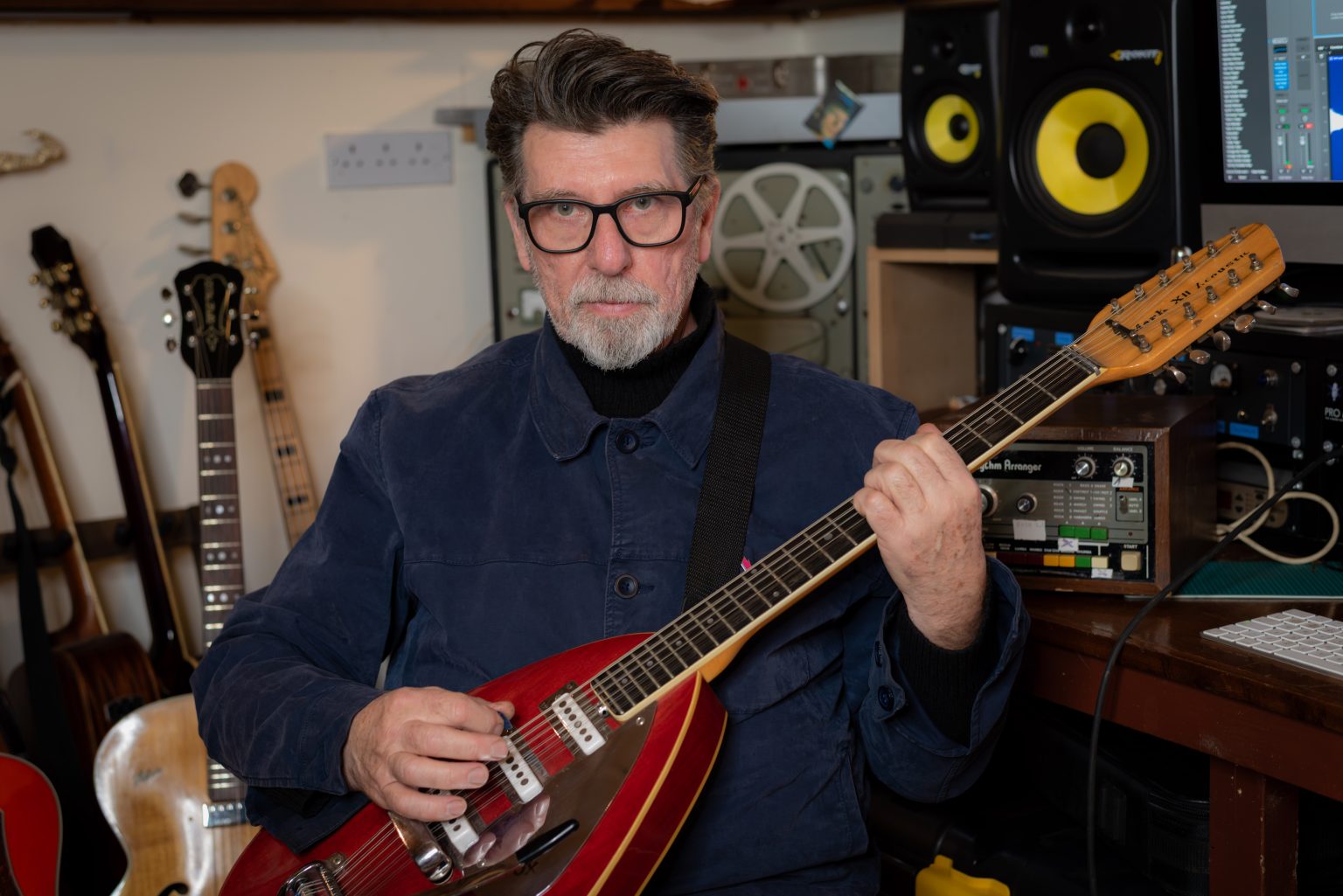
Echo & the Bunnymen / the 1979 live set.
Will Sergeant remembers buying a Mini Pops Junior and using it in Echo & the Bunnymen’s early 1979 performances before replacing it with a Roland TR-66. It is a live-use story, not a released-track credit, but it reveals the small Korg at the beginning of a band’s development.
Read Echo & the Bunnymen’s First “Echo” Was This Drum Machine ↗More records in the archive
The machine keeps turning up.
Will Sergeant / Echo & the Bunnymen / the group’s earliest rehearsals
Will Sergeant calls the Korg Mini Pops Junior Echo & the Bunnymen’s first drum machine.
Read Will Sergeant and the Korg Mini Pops Junior ↗
Lunar Maps / Lunar Maps
Lunar Maps list the Keio Mini Pops Junior among the drum machines used for this 2010 recording.
Read Lunar Maps / Lunar Maps ↗The smallest Mini Pops
The Mini Pops Junior keeps the family’s essential pleasure intact: choose a rhythm, set tempo and volume, and let a small box move the room. Ten combinable patterns and a flashing beat lamp make it feel made for an evening’s music rather than a display case.Source (1)
Liverpool, 1979
Will Sergeant remembers buying one for £80 and using it in Echo & the Bunnymen’s earliest shows, including a 1979 night at Eric’s in Liverpool. Before the band moved to a Roland TR-66, this small Korg supplied the pulse.
The first echo
That memory gives the Junior a place far from its presumed domestic setting. A compact automatic accompanist found a new room, a young band and an audience ready to hear a programmed beat as something stark and alive.
Will Sergeant’s first Echo
Will Sergeant recalls buying a Korg Mini Pops Junior for £80 and using it in Echo & the Bunnymen’s earliest 1979 performances, before the group moved on to a Roland TR-66. The story is a live-band origin rather than a named recording credit: an inexpensive preset box helped give the young group its first autonomous pulse.
On record
- Echo & the Bunnymen / Will Sergeant — Early Echo & the Bunnymen performances (1979). Sergeant recalls buying a Mini Pops Junior and using it in the group’s early 1979 performances before it was replaced by a Roland TR-66. Source ↗
- Will Sergeant / Echo & the Bunnymen — the group’s earliest rehearsals. Will Sergeant calls the Korg Mini Pops Junior Echo & the Bunnymen’s first drum machine. Source ↗
Sources
The visual archive