
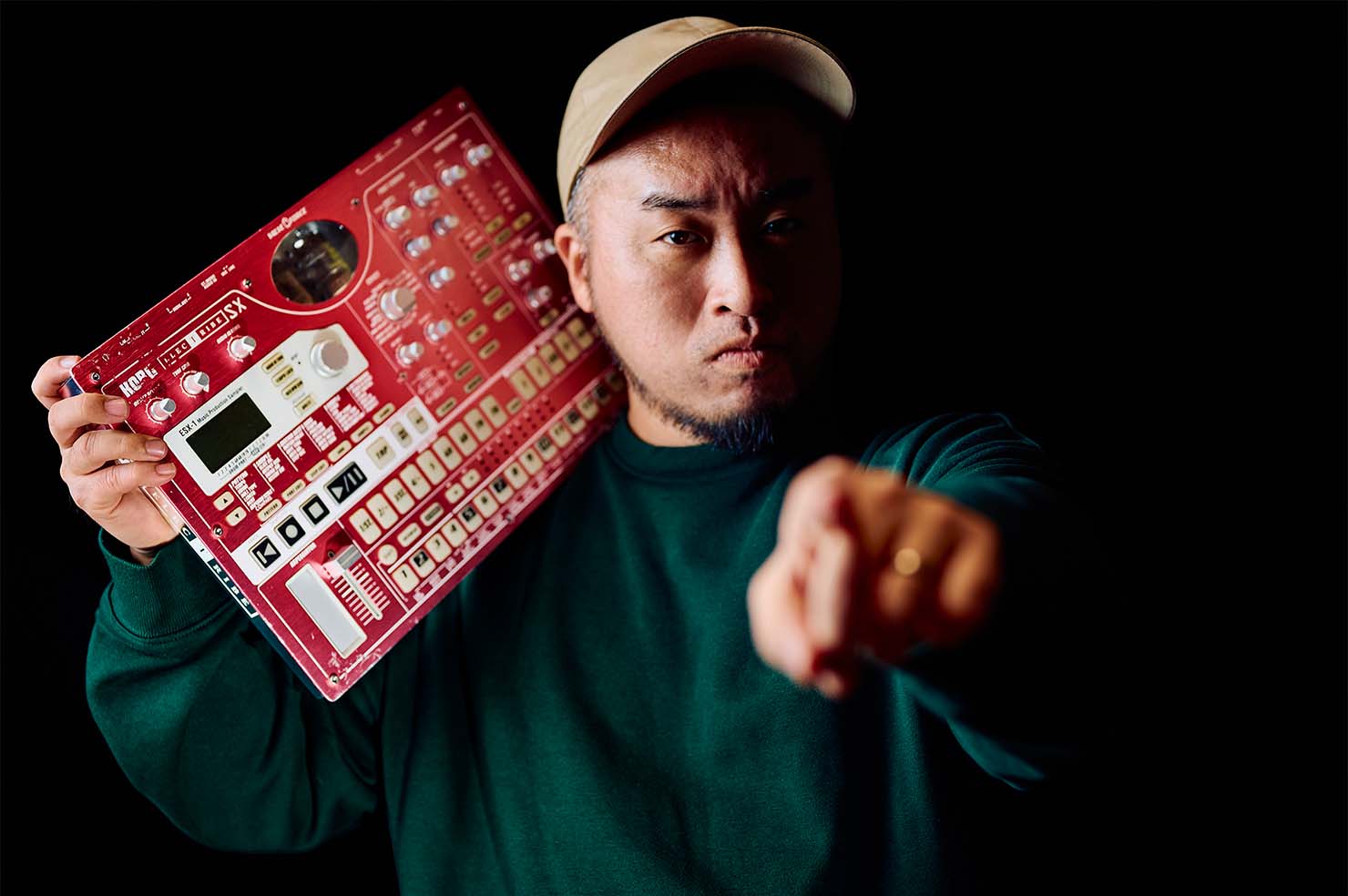
Korg showed the Electribe SX at Summer NAMM in July 2003 and announced October availability at a US$850 list price. The ESX-1 turns sampled material into a red-lit performance instrument, with sequencing and sound shaping on the front panel.
The machine in the record
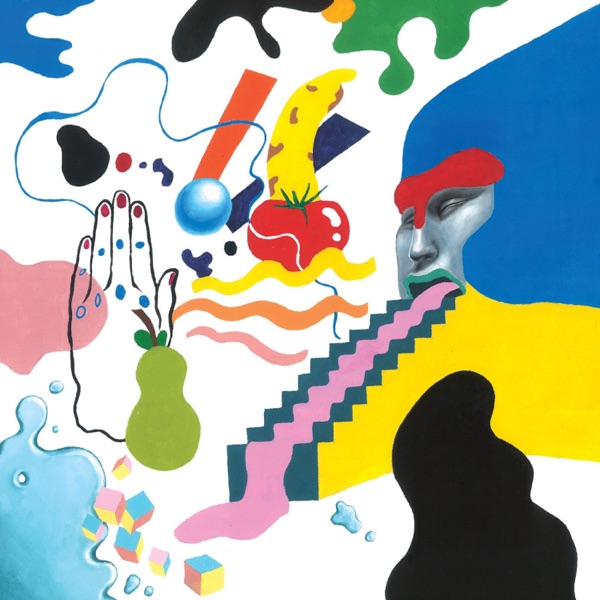
Foodman / Ez Minzoku.
Foodman recalls using ESX-1 presets on roughly four tracks from Ez Minzoku. That is a wonderfully practical account of the Electribe: a familiar set of sounds becoming raw material inside music that bends rhythm into a strange, playful new geometry.
Read Foodman on his relationship with ELECTRIBE ESX-1 ↗More records in the archive
The machine keeps turning up.

Slava
ESX recording/performance workflow and recurring effects configuration.
Read Workflow: Slava on the Korg Electribe ESX-1 ↗Ada
SX adopted after stolen MX; live sample modulation and improvisation.
Read ADA ↗Reported association
Foodman / Ez Minzoku
A release interview associates Foodman’s Ez Minzoku with the Korg Electribe ESX-1.
Read Foodman: Ez Minzoku release interview ↗Foodman / Ez Minzoku (approximately four unidentified tracks)
Foodman recalls ESX-1 presets on roughly four tracks from Ez Minzoku.
Read Foodman on his relationship with ELECTRIBE ESX-1 ↗A sampler with its sleeves rolled up
Korg’s ESX-1 put sampling at the centre of the Electribe table. It is a compact red box made for taking a sound—a drum hit, spoken fragment, bass note or burst of noise—and putting it straight into a rhythm that can be changed while it is playing.Sources (2)
The pattern is the instrument
The owner’s manual lays out sample parts, effects and sequenced motion on one machine. That matters because the ESX-1 does not divide rhythm from texture: a vocal chop can become percussion, a low sample can become a bass line, and a small sound can be made to carry a whole pattern.Sources (2)
A physical way to compose
The panel keeps the important choices close: select a part, enter steps, shape the sound and move to the next idea. It gives the performer a working relationship with samples that is quite different from arranging them on a computer screen. Korg later issued an SD version, but the original’s appeal is already clear in that direct, hands-on layout.
Still a personal machine
Artists have kept finding their own uses for the ESX-1. Foodman has spoken about his relationship with it, while other accounts place it inside individual production methods. Its limitations are part of its character: the machine asks for decisions, and leaves those decisions audible.
Preset rhythm, personal method
Foodman recalls using ESX-1 presets on several tracks from Ez Minzoku, a useful reminder that a factory sound can remain part of a personal record. Slava describes the machine as a recurring recording and performance tool, while Ada speaks of live sample modulation and improvisation after adopting the SX. Together, their accounts show a machine that could hold a repeatable method without settling into a single style.
Ada learns by doing
Ada describes adopting the ESX-1 after a stolen MX and using live sample modulation and improvisation as part of the process. The manufacturer-hosted interview does not attach the machine to one finished track, yet it is a genuine artist account of the instrument’s value as a performance tool.Source (1)
In the market
- 21 July 2003: USD 850 — Announced suggested list price; October availability anticipated. Original SmartMedia model Source ↗
- March 2004: GBP 599 — UK review-period price. Original SmartMedia model Source ↗
- 24 March 2010: USD 750 — SD revision announced MSRP; June availability anticipated. SD revision Source ↗
On record
- Foodman — Ez Minzoku (approximately four unidentified tracks). Foodman recalls ESX-1 presets on roughly four tracks from Ez Minzoku. Source ↗
- Slava. ESX recording/performance workflow and recurring effects configuration. Source ↗
- Ada. SX adopted after stolen MX; live sample modulation and improvisation. Source ↗
- Foodman — Ez Minzoku. A release interview associates Foodman’s Ez Minzoku with the Korg Electribe ESX-1. Source ↗
Sources
- SNAMM03: Sampling Electribe From Korg
- Korg ESX1
- ESX-1 Owner’s Manual, E2
- About ELECTRIBE SX-SD, EFG2
- ELECTRIBE SX SD: Funktionen
- Korg Intros Electribe MX SD and Electribe SX SD
- Workflow: Slava on the Korg Electribe ESX-1
- Foodman on his relationship with ELECTRIBE ESX-1
- Ez Minzoku
- ADA
- Foodman: Ez Minzoku release interview
The visual archive
Further visual evidence.
Sources for images shown earlier (3)
- Foodman holding his original ESX-1 ↗
- Slava for Red Bull Music Academy Daily ↗
- Foodman — Ez Minzoku (approximately four unidentified tracks) ↗
2016-05-13T07:00:00Z · Foodman / release artwork via Apple Music catalog artwork · Release catalogue and retained front artwork
Additional visual sources (3)
Original publications and related image sources.
- About ELECTRIBE SX-SD, EFG2 ↗
Undated · Korg · Printed p.2: SD slot and rear power panel - ESX-1 Owner’s Manual, E2 ↗
Copyright 2003 · Korg · Introduction p.7, specifications p.99, pattern credits p.100 - Korg ESX1 ↗
March 2004 · Mike Cameron / Sound On Sound · March 2004 review, credited photography