
THE INSTRUMENT / AN INTRODUCTION
A rhythm with
room to change.
The keys hold the pattern. The knobs leave the sound open. Turn the instrument around and the rest of the studio enters the picture.
The TR-909 puts several kinds of work on one surface. A musician can write the strikes, hear them repeat, move their weight with accent and change the percussion while the loop keeps going. The upper panel is a kit; the lower edge is a timeline. Both remain within reach.
Its history follows those decisions out into very different rooms: Hiroshi Sato’s connected Japanese studio, Juan Atkins’s early MIDI system, Dave Ogilvie’s crossovers and chambers, Larry Heard’s compact cassette setup and Jeff Mills’s moving hands. The same model could take a different job in each.
Start with the whole machine. Then follow a sound, a written step or a cable. Each opens another part of the history.
A successor with
a different voice.
Roland’s successor to the TR-808 entered a market in which recorded drums were becoming a powerful alternative to synthesized percussion. The 909 combines the two approaches. The distinction is visible across the faceplate: adjustable drum circuits sit beside the hi-hat and cymbal controls.
The archive’s reconciled release history places Japanese introduction in December 1983 at ¥189,000. British previews and reviews followed in March and April 1984. Keeping those encounters in order lets the product appear as it did to its first readers, before later musical history supplied a verdict.
The design came from a distributed programme. Kikumoto’s account attributes analogue-drum development to Yoshiro Oe; Hoshiai describes his digital circuitry and programming. These roles connect within the instrument, but each deserves its own name.
Hoshiai’s hi-hat recordings came from his own mismatched Paiste and Zildjian pair. He tried microphone positions in the office after hours, then edited the attacks on his CP/M-80 computer. Recorded metal entered the 909 through a drummer’s choice and an engineer’s work.
A new machine
making its case.
The March preview, April system review and August advertisement are three different invitations to understand the instrument. Read them as contemporary documents: what the controls offered, how the machine connected, and what a customer was being asked to buy.
The April review pairs the TR-909 with the MSQ-700. That is an important visual cue. The Rhythm Composer was already being presented as part of a connected studio, rather than an isolated source of famous drum sounds.
Analogue body.
Recorded metal.
Seven analogue channels supply the bass drum, snare, three toms, rimshot and handclap. Four metallic sounds—closed hat, open hat, crash and ride—begin with six-bit recorded waveforms. Together they form the eleven instrument sounds of the 909.
A recorded waveform is the start of a signal path. Playback, conversion, envelopes, filtering, level and output circuits still determine what reaches the loudspeaker. The sampled voices remain part of a playable electronic instrument.
The analogue drums have their own controls and behaviours. A bass drum can change its opening attack and ringing tail. The snare combines tuned body with noise. Toms have individual tuning and decay. Each invites a different kind of movement under the player’s hand.
Triggered circuits
Bass drum · snare · three toms · rimshot · handclap
Data, then circuitry
Closed hat · open hat · crash · ride
Accent → level → outputs
A written event becomes a strike. The studio receives it.
Choose a voice.
Give it a place.
Turn the selector, hear the sound and switch its steps on or off. The whole beat stays in view.
Sixteen steps.
Your decisions.
Bass drum
Choose a voice to hear it.
Loading the listening desk…
See all written voice lanes
Explore all eleven recorded sounds
Recorded reference bank: Alex Ball / Roland TR909 Basic, from the existing Studio library. The three teaching grooves are the archive’s existing examples; the fourth choice is an empty bar. They are not factory presets or transcriptions of the records below.
The keys write.
The knobs perform.
Sixteen illuminated positions make one selected instrument’s events visible. Change instrument and the same keys show another part of the rhythm. Step entry and tap entry give two physical routes into pattern memory: select a position, or play an event into time.
Scale and Last Step establish what that row means. The number of keys is fixed, but the musical division and point of return can change. A shorter cycle has its own relationship to the parts moving around it.
Instrument Accent and Total Accent add different layers of emphasis. Shuffle and Flam change placement and the relationship between strikes. Those functions belong to the original operating method; the recorded-reference desk above is a simpler entry into writing with the keys.
Memory opens from short patterns into arrangements. There are 96 pattern locations across two banks. Each bank has four tracks sharing 896 measures. The M-64C cartridge extends the track-memory workflow. Those capacities describe ways to build form as well as places to store a beat.
While the sequence repeats, the kit remains under the player’s hand. Decay, tuning and levels can change after the written events have found their place. The stored bar and the performed surface make the instrument together.
A cable changes
the arrangement.
The rear panel gives the 909 a larger working area than its own cabinet. Its individual outputs let a drum enter another channel, processor or room. Inserting a plug removes that voice from the stereo mix; routing changes the internal balance as well as the external one.
The complete rear photograph shows ten individual-output sockets. The two hi-hat sounds share a route. A kit of eleven sounds and a set of ten individual outputs describe different parts of the architecture.
MIDI adds communication with another generation of equipment. DIN Sync, tape functions and the rimshot Trigger Out remain alongside it. Clock, transport, memory data and drum audio each do a different job, even when the equipment connects through familiar-looking sockets.
Early MIDI systems also asked something of their operators. Atkins’s account of “No UFOs” describes manual start and alignment while a DrumTraks supplied MIDI. The connection joined the machines; the producer still had to conduct their agreement.
Follow the decisions
into the music.
These accounts follow a complete rhythm machine, selected voices, connected systems and processed recordings. The different jobs are the story. A machine credit becomes much more interesting when a musician or engineer explains what happened around it.
Tokyo / 1984
Hiroshi Sato
Sweet Inspiration
Sato’s account places a physical 909 beside a DrumTraks, with an MC-4 providing the reference. The two rhythm machines did not occupy exactly the same point in time. Their small, stable difference became part of the arrangement.
Rather than treating every offset as an error, he used the system’s relationship musically. This early Japanese studio account is a useful place to begin: the 909’s recording life includes people listening to more than one machine at once.
Detroit / 1985
Juan Atkins / Model 500
No UFOs
A DrumTraks sent MIDI to Atkins’s 909. He still had to bring the Roland into the correct place by hand. The account keeps the early connection tangible: pattern selection, listening and start timing belong to the making of the record.
The attraction was a relationship between instruments. The 909 kept its sounds and pattern memory while joining a wider setup. That combination gave a producer another way to assemble an electronic ensemble.
Vancouver / 1984
Skinny Puppy / Dave Ogilvie
Remission
Ogilvie describes dividing the 909 kick through a PA crossover into low body, midrange punch and high attack. The snare went into Mushroom Studios’ acoustic chambers. Different parts of the same electronic kit acquired different spaces and edges.
The result belongs to a routing method as well as a machine. The individual outputs made those decisions possible; the console, processing and room supplied another stage of performance.
Chicago / 1986
Larry Heard
Can You Feel It
Heard’s account describes a Juno-60, a TR-909 and two cassette decks in a one-pass recording. The setup is compact enough for the relationship between rhythm and harmony to remain direct.
A repeating part can make room for a musician’s decisions. The machine holds a place while the song develops around it. This is another scale of studio work from the separated signals and chambers of Remission.
Detroit / 1988
Kevin Saunderson / Inner City
Good Life
Saunderson assigns the beat to a 909 and the separate percussion to a TR-707. Paris Grey’s vocal has its own place within that allocation. The rhythm comes from several decisions, rather than one box doing every job.
That distinction also makes a useful listening exercise. Follow the main beat, then the percussion around it, then the singer. The machines belong to an arrangement with a human centre.
Detroit / 1994
Robert Hood
Minimal Nation
Hood’s track-by-track account gives the 909 a central place in Minimal Nation. Repetition and omission become deliberate compositional choices: what stays, what enters, and how much space an arrangement can hold.
A small vocabulary can support a deep way of working. The interest lies in the decisions made with that vocabulary, including the moments when another sound is withheld.
London / 1997
Björk / Mark Bell
Hunter
Björk supplied a Bolero reference and the direction for the rhythm. Bell’s identified 909 part was programmed in one take. Their account keeps both forms of authorship in view: an arrangement idea and the performed answer to it.
The story is specific to this beat. It gives the listener a way to hear the machine responding to a musical brief within a larger orchestral and vocal setting.
Romford / 1995
Underworld / Rick Smith
Born Slippy .NUXX
Smith describes an instrument bought in 1984 and kept in use. It was the first rhythm machine connected when Underworld returned to live performance in 1992. Ownership carried a working relationship into the group’s next music.
For Born Slippy .NUXX, the identified 909 is driven through a console and heavily processed. The familiar force belongs to the machine inside that signal chain. A clean one-shot alone cannot explain the production.
Home studio / 1989
Orbital / Paul Hartnoll
Chime
Hartnoll identifies the TR-909 and a borrowed HR16 in the home setup for Chime. The account connects the recording to short 909 loops and the way the small studio was assembled.
The photograph comes later: Alexandra Palace, 1995. It shows the continuation of a working live setup, while the interview supplies the earlier recording story. Keeping those dates separate lets each source do its own job.
THE INSTRUMENT / UNDER MOVING HANDS
A stored bar.
An unfolding performance.
Mills gives the audience a direct view of an instrument being played. The memory supplies repeated positions; pattern changes, mutes and voice controls keep the work moving in real time.
Watch the hands rather than waiting for a new sound to arrive. An adjustment can change the place a familiar sound occupies. The surface that wrote the pattern also becomes the surface of performance.
Let the music
keep going.
The Hybrid That Joined the Network
A narrative route through sound, connections and studio methods.
Open in Apple Music ↗Complete Research Edition
The wider shelf of recordings and working relationships.
Open in Apple Music ↗Around the World
Different cities, studios and ways of using the machine.
Open in Apple Music ↗The object carries
another history.
The cabinet, keys and cartridge corner belong to a surviving instrument. Close photographs preserve wear and the parts a player reaches for. Open an image to study a control, then follow the operation manual when you want the complete working method.
A serial plate identifies an object; it does not independently establish every production or repair date. The visible marks and the factory documents are different kinds of evidence, each useful in its own place.
One number.
Several inheritances.
A recorded hit preserves a particular sound and the chain through which it was captured. A circuit model preserves another set of relationships. A hardware descendant puts those ideas into a different physical and musical system.
The original 909 keeps its own combination of adjustable sound, pattern memory and connections. Samples can carry its percussion into other machines. Software and later hardware can make versions of that behaviour available through new controls.
These histories meet in music, but the distinctions remain useful. A sampled kick, a complete original machine and a modelled voice do not describe the same working method. The musician chooses which relationships remain open.
The archive’s existing Machine Archive chapter keeps the deeper operational, service and descendant paths available. This exhibition adds an entrance through the object and its people; it does not discard that depth.
Keep the documents
within reach.
The deeper research record, recording evidence and visual archive remain available below.
Open the deeper dossier, recording register and visual evidence +
The TR-909 appeared in 1983, putting seven analogue drum channels, four sample-based metallic sounds and MIDI in one black, sixteen-step instrument.
The machine in the record
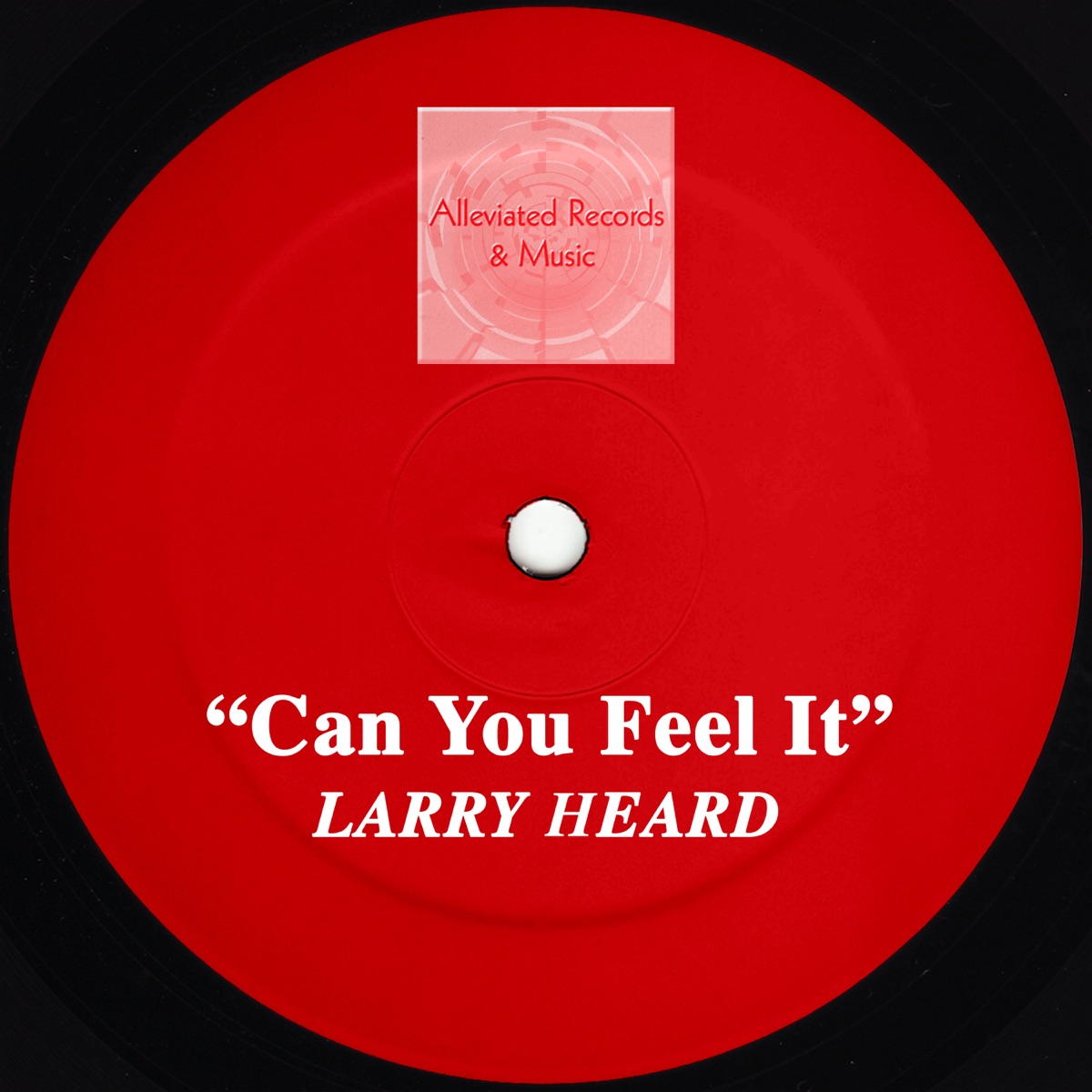
Larry Heard / “Can You Feel It”.
Larry Heard identifies a TR-909 in the one-pass setup for “Can You Feel It”. His account does not separate every audible percussion layer or document the original edition, but it places the machine inside a house record whose sense of space has never stopped travelling.
Read Larry Heard on “Can You Feel It” ↗More records in the archive
The machine keeps turning up.
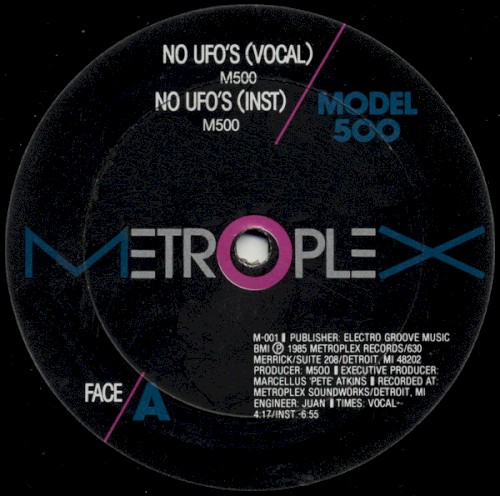
Model 500 / No UFOs
Atkins names the linked TR-909 and Drumtraks on No UFOs.
Read Techno’s Godfather Speaks: An Interview With Juan Atkins ↗Paul Hartnoll / Orbital / “Chime”
Paul Hartnoll says he built “Chime” around a Roland TR-909 groove, eventually running its patterns as one-bar loops to find the record’s pulse.
Read Classic Tracks: Orbital’s “Chime” ↗Tim Simenon / Bomb the Bass / Digiland studio, no individual track allocation
Sound On Sound’s 1995 Digiland studio profile lists a Roland TR-909 among Tim Simenon’s drum machines.
Read Tim Simenon / Bomb the Bass — Digiland studio inventory ↗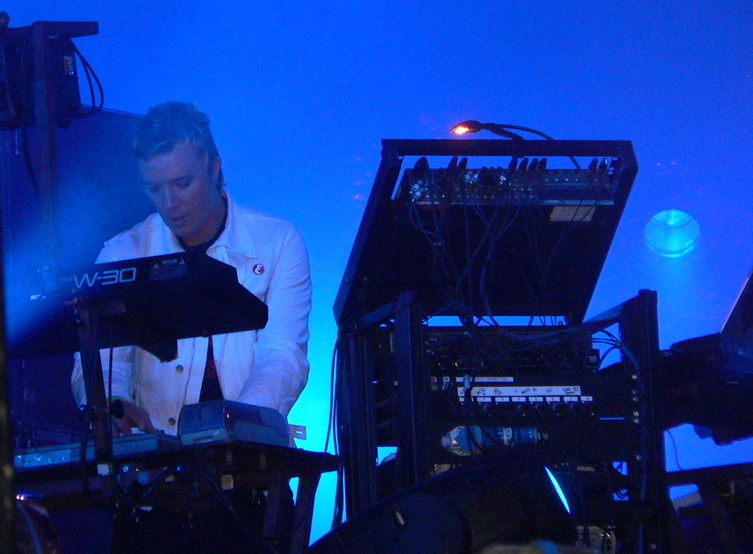
Liam Howlett / The Prodigy / Firestarter-era studio, no individual track allocation
Sound On Sound’s Firestarter-era studio feature lists a Roland TR-909 among Liam Howlett’s drum machines.
Read Liam Howlett / The Prodigy — Firestarter-era studio gear ↗Larry Heard / Can You Feel It
Heard identifies a TR-909 as part of the one-pass setup for “Can You Feel It.”
Read Larry Heard on “Can You Feel It” ↗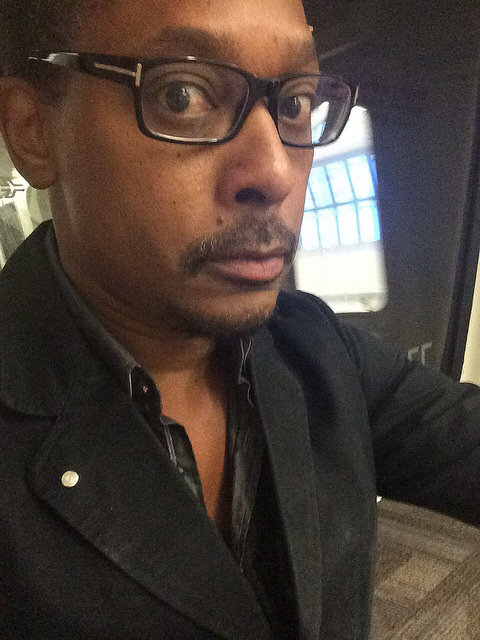
Derrick May / Strings of Life
The feature places the TR-909’s kick-drum practice inside Derrick May’s account of “Strings of Life.”
Read Sound Behind the Song: “Strings of Life” by Derrick May ↗
Robert Hood / Minimal Nation
Hood’s account identifies the TR-909 within the deliberately reduced method behind Minimal Nation.
Read The Making of Minimal Nation ↗
Skinny Puppy / Remission / “Smothered Hope”
Ogilvie describes reshaping the TR-909 for Skinny Puppy’s Remission, including “Smothered Hope.”
Read Dave Ogilvie / Skinny Puppy and the TR-909 ↗
Kevin Saunderson / Inner City / Good Life
Kevin Saunderson’s account of Inner City’s “Good Life” places the TR-909 in the working method behind the record.
Read How we made ‘Good Life’ ↗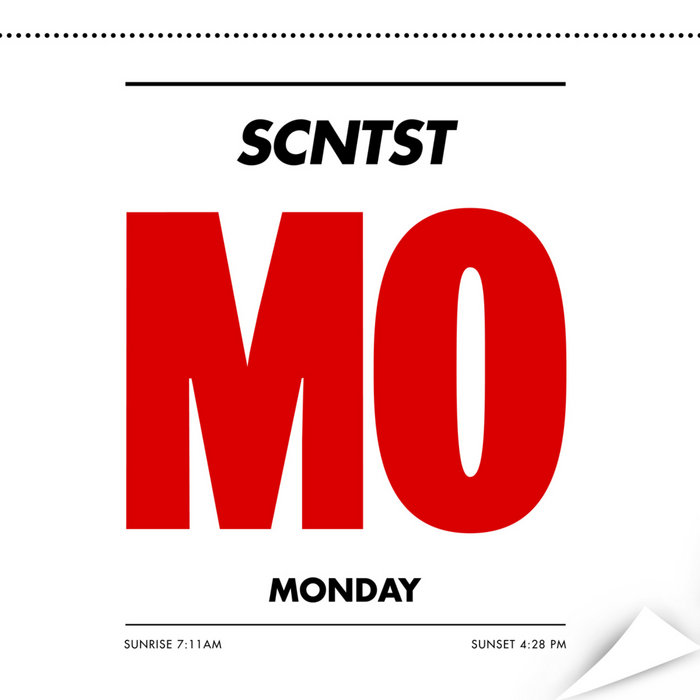
SCNTST / Monday
Boysnoize Records names the TR-909 as the main drum machine on SCNTST’s “909 Time”, the EP’s closing track.
Read SCNTST / Monday ↗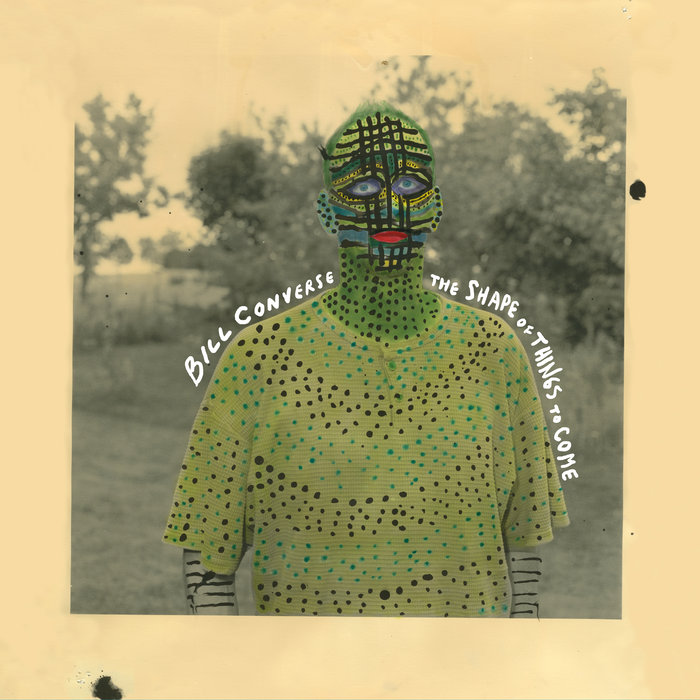
Bill Converse / The Shape Of Things To Come
Bill Converse’s equipment list for The Shape Of Things To Come names a Roland TR-909.
Read Bill Converse / The Shape Of Things To Come ↗
Polaroid / Senza Respiro
Polaroid credit Massimo Vagnarelli with drum-machine work on the Roland TR-909 across the later recordings.
Read Polaroid / Senza Respiro ↗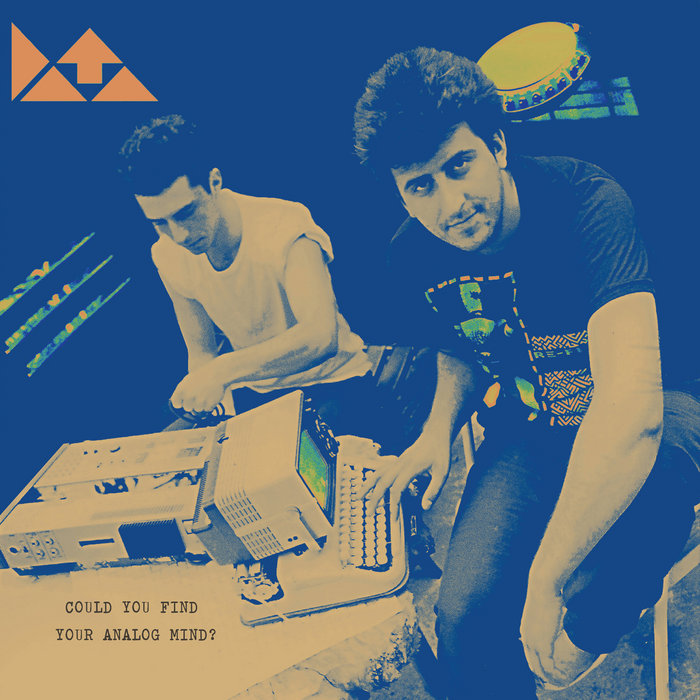
Data / Zoran Jevtic and Zoran Vracevic / Could You Find Your Analog Mind?
The reissue personnel credit lists a Roland TR-909 for Zoran Jevtic and Zoran Vracevic.
Read Data — Could You Find Your Analog Mind? ↗Model 500 / No UFOs
Atkins names the linked TR-909 and Drumtraks on No UFOs.
Read Techno’s Godfather Speaks: An Interview With Juan Atkins ↗Jeff Mills / real-time TR-909 performance practice
Roland calls Mills a leading TR-909 performer and describes his live real-time manipulation of the machine.
Read The TR-909 Story: Jeff Mills, The Wizard ↗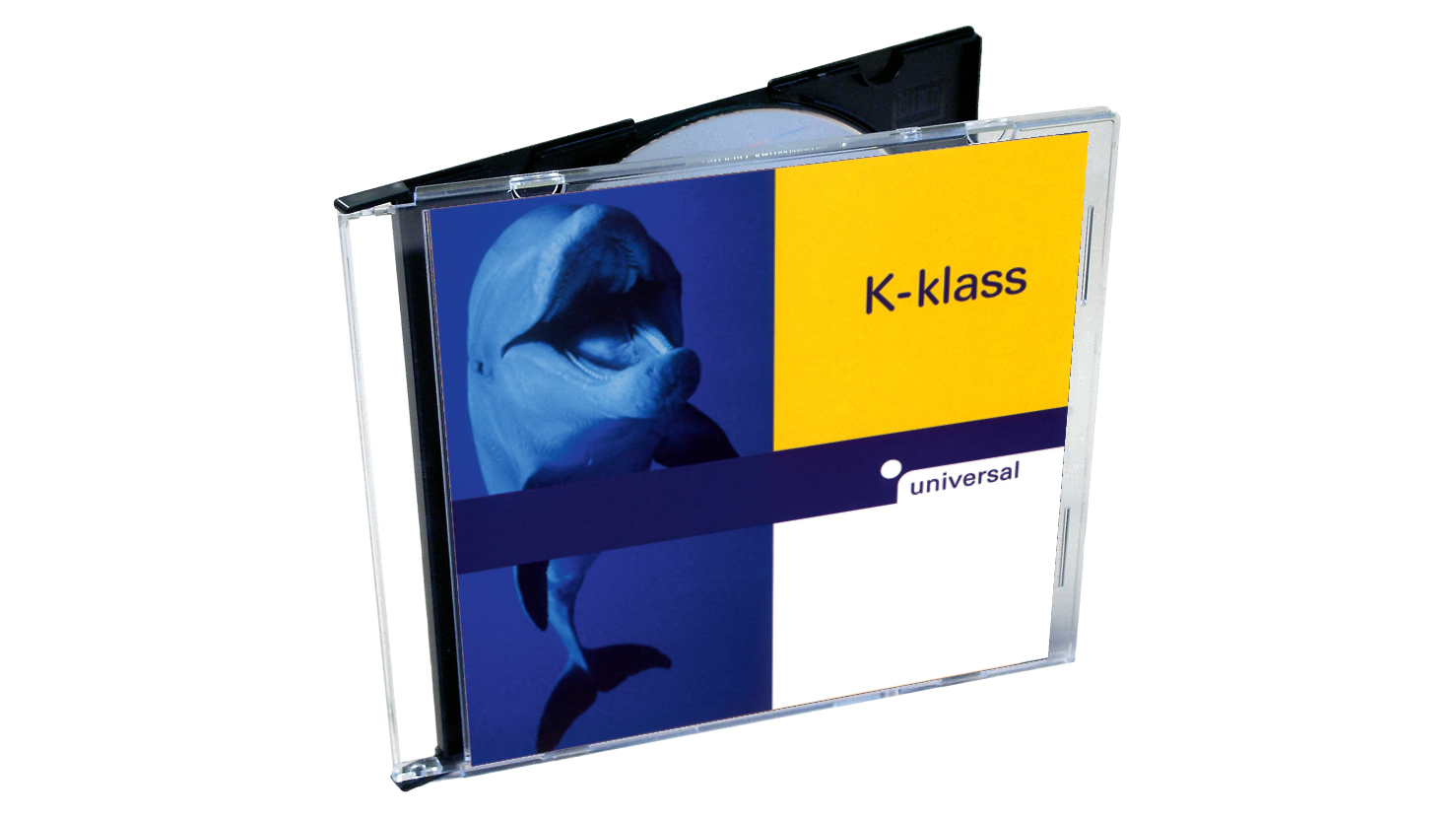
K-Klass / Wildlife EP
K-Klass recall discovering a TR-909 in a bedroom studio, then making four tracks that became the Wildlife EP.
Read K-Klass on Universal ↗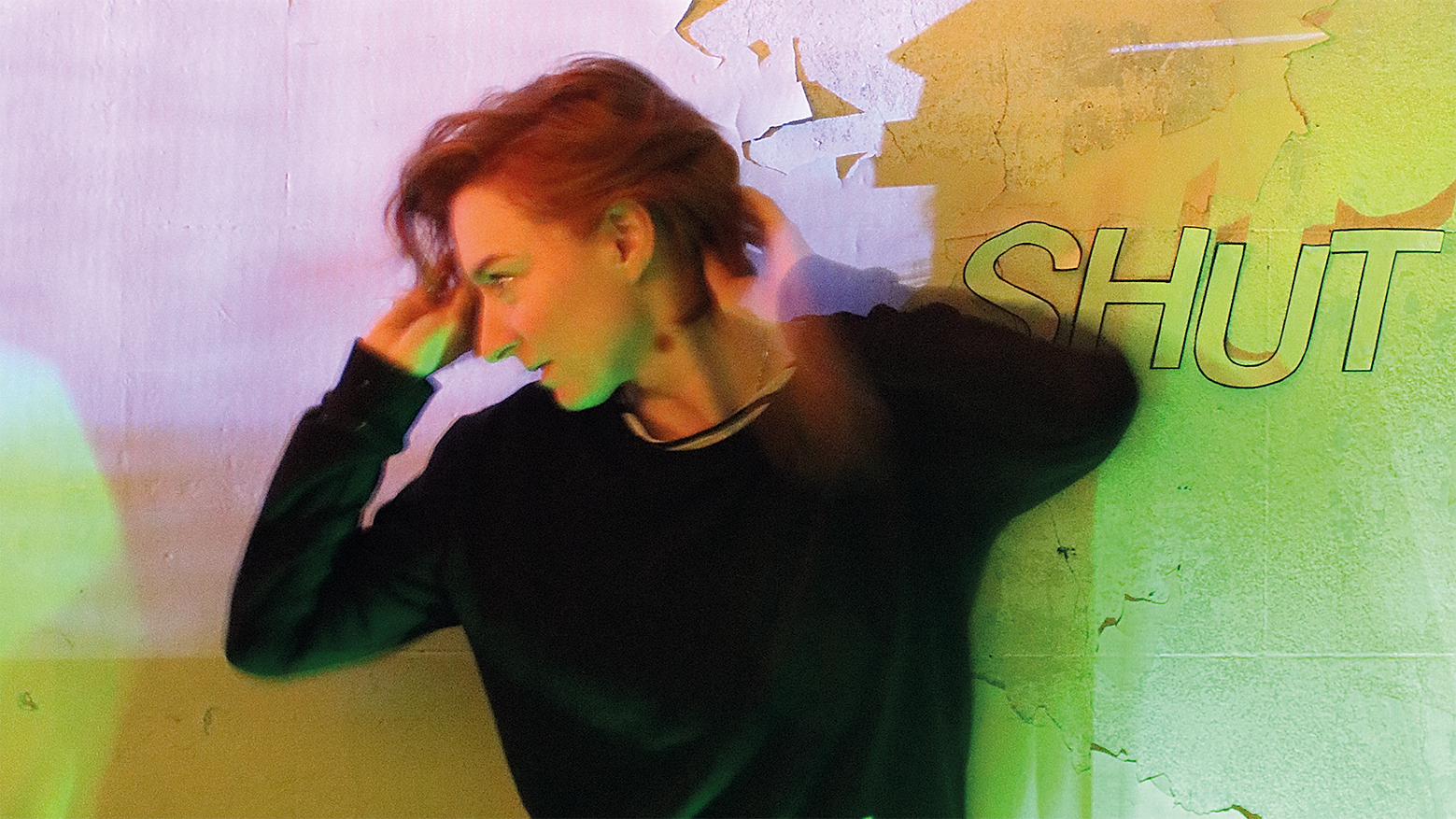
LoneLady / Julie Campbell / Former Things
Julie Campbell says Former Things layered real samples from a Roland TR-909 among its drum-machine palette.
Read LoneLady: a songwriter who turns her music and politics into art ↗The hinge between two eras
The TR-909 looks like a direct descendant of Roland’s earlier step-programmed rhythm boxes, yet its sound engine points into a new decade. Seven drum channels use analogue circuits; the cymbal and hat family use stored digital sounds. The mix gave the instrument a body that could be tuned and pushed by hand, with a harder metallic edge sitting above it.Sources (2)
Sixteen steps, a wider conversation
The long row of keys invites the player to build a pattern where it can be seen. MIDI lets the TR-909 take part in a wider setup, while the panel keeps the beat close to the performer: kick, snare, toms and accents can be altered in the act of making a loop. That combination made it a rhythm composer with the feel of a playable instrument.Source (1)
A machine finding its place
In his February 1985 review of the TR-707, Jon Lewin remembered the 909 as enjoyable to operate while sampled-drum competitors set the market’s expectations. The observation catches the 909 at its original moment: a hybrid instrument whose particular mix of hands-on control and sound design would become more meaningful as musicians found their own uses for it.Source (1)
The Detroit connection
Juan Atkins identifies a linked TR-909 and Sequential DrumTraks as the creative catalyst for Model 500’s 1985 “No UFOs.” The pairing matters. The 909 was part of a conversation between machines, connected over MIDI in the Ypsilanti studio where Atkins and Rik Davis worked.Source (1)
A one-pass house record
Larry Heard recalls making “Can You Feel It” in one pass with a Juno-60, a TR-909 and two cassette decks. The setup is almost disarmingly small. Its discipline is audible: the rhythm holds its place while the harmony carries the record’s warmth.Source (1)
A fixed horizon for Detroit
“Strings of Life” moves at a different scale. Derrick May’s arrangement lets piano and strings race across a dependable rhythmic foundation; the TR-909 kick is part of the record’s physical horizon. The drama comes from what changes around that pulse, not from a crowded drum part.Source (1)
Making a drum machine occupy a room
For Skinny Puppy’s Remission, producer Dave Ogilvie found the TR-909 too clean in its original state. He divided the kick into low body, mid punch and high attack through a PA crossover, then sent the snare into Mushroom Studios’ acoustic chambers. The result is a studio method as much as a machine credit: electronic drums given weight, edges and a room of their own.Source (1)
Robert Hood’s economy
Robert Hood’s Minimal Nation makes a contrary case for the TR-909: reduce the arrangement until each decision can be felt. His account of the album gives the machine a central place in a method built from repetition, pressure and omission. Here, the 909 is not decoration around a track; it is the line that lets everything else disappear.Source (1)
Detroit, Chicago, industrial and minimal
The 909’s history is often told as one genre story. The records point elsewhere. Juan Atkins names it alongside Drumtraks on Model 500’s “No UFOs”; Larry Heard places it in the one-pass setup for “Can You Feel It”; and cEvin Key and Dave Ogilvie reshaped it for Skinny Puppy’s Remission. Robert Hood then carried its economy into Minimal Nation. The machine travelled because its timing and sounds could be disciplined in very different ways.
Model 500 and the first Detroit signal
Juan Atkins’ Model 500 record “No UFOs” is part of the 909’s Detroit story. The connection gives the machine a real place in the formation of techno: not an abstract legend, but a rhythm box in the hands of an artist who was defining a new language for the dance floor.Source (1)
Mark Bell’s one-take 909
Mark Bell’s account of Björk’s “Hunter” gives the 909 a different kind of role from Detroit or house music: he programmed the identified beat in one take after Björk gave him a Bolero reference. The pattern is not a generic “909 sound”. It is a focused answer to an arrangement brief.Source (1)
On record
- Model 500 — No UFOs. Atkins names the linked TR-909 and Drumtraks on No UFOs. Source ↗
- Larry Heard — Can You Feel It. Heard identifies a TR-909 as part of the one-pass setup for “Can You Feel It.” Source ↗
- Derrick May — Strings of Life. The feature places the TR-909’s kick-drum practice inside Derrick May’s account of “Strings of Life.” Source ↗
- Skinny Puppy — Remission / “Smothered Hope”. Ogilvie describes reshaping the TR-909 for Skinny Puppy’s Remission, including “Smothered Hope.” Source ↗
- Robert Hood — Minimal Nation. Hood’s account identifies the TR-909 within the deliberately reduced method behind Minimal Nation. Source ↗
- Kevin Saunderson / Inner City — Good Life. Kevin Saunderson’s account of Inner City’s “Good Life” places the TR-909 in the working method behind the record. Source ↗
- SCNTST — Monday. Boysnoize Records names the TR-909 as the main drum machine on SCNTST’s “909 Time”, the EP’s closing track. Source ↗
- Bill Converse — The Shape Of Things To Come. Bill Converse’s equipment list for The Shape Of Things To Come names a Roland TR-909. Source ↗
- Polaroid — Senza Respiro. Polaroid credit Massimo Vagnarelli with drum-machine work on the Roland TR-909 across the later recordings. Source ↗
- Data / Zoran Jevtic and Zoran Vracevic — Could You Find Your Analog Mind?. The reissue personnel credit lists a Roland TR-909 for Zoran Jevtic and Zoran Vracevic. Source ↗
In the studio and on stage
- Jeff Mills — real-time TR-909 performance practice. Roland calls Mills a leading TR-909 performer and describes his live real-time manipulation of the machine. Source ↗
Sources
- Tadao Kikumoto: An Exclusive Conversation
- TR-909 Service Notes
- Roland TR707
- Classic Tracks: Model 500 No UFOs
- How we made ‘Good Life’
- Sonic Symbolism: Homogenic
- Larry Heard on “Can You Feel It”
- Sound Behind the Song: “Strings of Life” by Derrick May
- Dave Ogilvie / Skinny Puppy and the TR-909
- The Making of Minimal Nation
- Techno’s Godfather Speaks: An Interview With Juan Atkins
The visual archive
Further visual evidence.
These displayed records are labelled by their documented role, date and source; source-only records are listed separately below.
Sources for images shown earlier (19)
- Jeff Mills — “The Wizard” ↗
- Skinny Puppy, pictured for Reverb’s cEvin Key feature ↗
- Orbital live at Alexandra Palace, 1995 ↗
- K-Klass — MusicRadar Universal feature ↗
- LoneLady / Julie Campbell — MusicRadar interview ↗
- SCNTST — Monday ↗
Release date not stated on source page · SCNTST / release artwork via Bandcamp · Official Bandcamp release-page artwork (Open Graph image) - Bill Converse — The Shape Of Things To Come ↗
2017-07-03 · Bill Converse / release artwork via Bandcamp · Official Bandcamp release-page artwork (Open Graph image) - Polaroid — Senza Respiro ↗
2018-08-20 · Polaroid / release artwork via Bandcamp · Official Bandcamp release-page artwork (Open Graph image) - Data / Zoran Jevtic and Zoran Vracevic — Could You Find Your Analog Mind? ↗
2017-10-31 · Data / Zoran Jevtic and Zoran Vracevic / release artwork via Bandcamp · Official Bandcamp release-page artwork (Open Graph image) - Model 500 — No UFOs ↗
1985 · Model 500 / release artwork via Cover Art Archive · MusicBrainz release record and Cover Art Archive front artwork - Larry Heard — Can You Feel It - Single ↗
2001-05-29T00:00:00Z · Larry Heard / release artwork via Apple Music catalog artwork · Release catalogue and retained front artwork - Derrick May — Strings of Life ↗
1996-04-21T12:00:00Z · Derrick May / release artwork via Apple Music catalog artwork · Release catalogue and retained front artwork - Robert Hood — Minimal Nation ↗
1994-01-01T08:00:00Z · Robert Hood / release artwork via Apple Music catalog artwork · Release catalogue and retained front artwork - Skinny Puppy — Remission ↗
1984-12-01T08:00:00Z · Skinny Puppy / release artwork via Apple Music catalog artwork · Release catalogue and retained front artwork - Inner City — Good Life ↗
1989-01-01T08:00:00Z · Inner City / release artwork via Apple Music catalog artwork · Release catalogue and retained front artwork - Liam Howlett / The Prodigy at SonneMondSterne Festival ↗
August 2005 · Herr Stern · Howlett performing with The Prodigy at SonneMondSterne Festival, Germany. - Derrick May / Detroit ↗
13 August 2015 · Natalie Chickee · Derrick May, Detroit artist portrait. - Robert Hood / Kennedys Dublin ↗
24 April 2009 · Ventolin · Robert Hood playing live at Kennedys, Dublin. - Juan Atkins / Detroit ↗
18 January 2010 · Angie Linder · Juan Atkins artist portrait.