
THE INSTRUMENT / AN INTRODUCTION
The beat was only
the beginning.
A bass drum that could linger. A handclap that sounded like electricity learning to applaud. Sixteen keys that made time visible. The TR-808 gave musicians something they could write, repeat and reach into while it played.
Before it became a shorthand for bass, before its number appeared in song titles and software menus, the 808 was a practical proposition: a small ensemble of electronic percussion, controlled by a machine that remembered where the strikes belonged. Its voices were made by circuits. Its memory held instructions.
The difference matters. Change a knob and the rhythm keeps its place, but the sound changes beneath it. Send a trigger out of the back and another instrument can join the pattern. Record a strike into a sampler and it begins a second life. The history is inside those movements, as well as the records they made.
Before the legend,
there was a brief.
A rhythm box could keep time. Musicians wanted to do more with it. Don Lewis’s modified Ace Tone instruments and his long exchange with Ikutaro Kakehashi belong to the 808’s prehistory: practical demands made by a performer, absorbed by a company learning what electronic rhythm could become.
Inside Roland’s Mid-O development group, Tadao Kikumoto and his colleagues joined programmable timing to a set of deliberately shaped percussion circuits. A processor organised the events; analogue circuitry made the sound. Circuit design, software, board layout and production were different jobs within the same instrument.
Recorded drum sounds were another route, but the memory needed for a useful kit was expensive. Synthesis offered a different kind of instrument: decay, tone, tuning and noise could remain under the player’s hand. These controls were part of the musical proposition.
Don Lewis’s performance requirements begin a long exchange with Kakehashi.
A prototype reaches Hideki Matsutake’s YMO system for the December Budokan concert.
Early production machines enter studios. YMO’s BGM and the Plastics’ Welcome Back make the recording story concrete.
Read further: prototypes, first lots and “first records” +
Release was a sequence: prototype use, Japanese availability, export demonstrations, dealer stock and record release did not happen at the same instant. A musician could hear a machine before a customer could buy one locally. A finished record could appear months after its session.
Matsutake describes borrowing a prototype for YMO’s 29 December 1980 Budokan performance, returning it, then obtaining an instrument from the first production lot. His account places the TR-808 on the BGM project, released on 21 March 1981. That establishes the project; it does not assign every drum on the album to the 808.
Masahide Sakuma’s account connects another early instrument to the Plastics’ Welcome Back at Compass Point. The remembered serial history is less secure than the recording association. There is no need to award a single “first” trophy to understand how quickly the instrument travelled between engineering, performance and recording.
Reading: Complete Guide chapters 1–4; Matsutake’s participant account; Roland’s retrospective account of the Budokan broadcast.
A PRODUCT OF ITS OWN TIME
“Computer
Controlled.”
Those words sit just below the orange Rhythm Composer lettering on the cabinet. They identify something specific: repeatable instructions, editable patterns and remembered arrangements. The computer did not make the sound digital.
The contemporary documents show an instrument being explained and sold. Roland put it among a family of rhythm products. The trade press discussed programmability, price and how its percussion worked in a mix. Later fame can obscure that first encounter: a customer faced an unfamiliar surface and had to learn what it did.
The surviving shop overlay carries that encounter forward. It places instructions directly over the controls, turning the instrument itself into a diagram.
A kit made
from behaviours.
Each sound has its own way of beginning, moving and falling away. Look across the panel: even the controls refuse to be uniform.
The bass drum
A brief excitation sets a resonant circuit moving. Tone changes its attack character; Decay changes how long its body persists. There is no front-panel pitch knob. The long tail was an intentional musical choice, later made into a language of its own.
Noise with a shape
The snare combines tuned bodies and noise. The clap gives noise a tightly organised succession of attacks and a tail. The selected-transistor story concerns this noise source; it cannot explain the bass drum or every other voice.
A metallic ensemble
The hats and cymbal draw on a bank of oscillators. Filtering and envelopes turn that shared material into different gestures. A closed hat interrupts an open one: the two sounds have a relationship, not simply separate places in a kit.
Same machine.
Different movement.
Try four rhythms, hear the individual voices, then take a part out. The pattern is what happens when. The sound is what answers.
Choose an instrument. The lights show its rhythm. Press a key to make your own variation.
Show the complete rhythm grid +
Click a voice name to mute or restore that part.
Bass drum
A resonant body with a controllable tail. The original panel offers Level, Tone and Decay.
Recorded TR-808 voices: Alex Ball. Rhythm charts: the Studio’s controlled Roland CR-8000 library, played here with 808 sounds. Sample playback; the Accent lane is shown, without claiming a hardware Accent model.
Time you
can touch.
The coloured keys make a bar available to the eye and hand. Select a voice, place its strikes and hear the loop answer. Repetition becomes a way to compose: you can listen to a decision before you make the next one.
The surface is more flexible than the familiar sixteen-step picture suggests. Pre-Scale changes what a step means; the last-step setting changes the pattern’s length. A first part can be followed by a second. A and B are variations, not names for those two parts.
And the knobs remain live. The rhythm memory does not store their positions. A written pattern and a performed sound can move independently, which is why a hand turning Decay belongs in the history as much as a finger pressing a step key.
READ THE SMALL PRINT
A pattern is
instructions.
It tells a voice when to fire. It does not contain a recording of the drum, or a snapshot of the sound controls.
Memory, parts and variations
The instrument provides 24 basic-rhythm memories and eight intro/fill memories. The twelve basic-rhythm positions work with A/B variation selection. A pattern can use a first and second part; that structure is separate from its A/B variants.
Accent is another event
Accent has its own written lane and a shared panel control. It changes how the sounding circuits respond. That response differs between voices; it is not a modern bank of independent velocity values.
Turn it around.
The story opens out.
A rhythm can become a mix, a clock or a signal that makes something else happen.
The kit becomes a mix.
Separate outputs let the engineer treat a bass drum, snare or clap on its own console channel. Inserting a plug also changes the machine’s internal mix: that voice leaves the Master output. The High and Low Master sockets offer two levels of the same mono mix, not a stereo pair.
The console, the tape machine, the sampler and the hands at the controls belong to the finished sound. An “808 record” can mean several different kinds of work.
Listen through
the history.
Hear what changes when the same instrument moves between musicians, studios and places. These are the archive’s existing listening routes.
The Machine That Became a Language
Open this playlist in Apple Music ↗Read the session stories below while you listen. Original voices, sampled sounds and external control are different roles within these recordings.
Follow what they
did with it.
NEW YORK / 1982 / PLANET ROCK
A studio full
of decisions.
Planet Rock was a collaboration among Afrika Bambaataa and the Soulsonic Force, Arthur Baker, John Robie and the people who brought instruments and practical knowledge into the session. The record’s electronic rhythm was assembled in a working studio, not produced by a preset with a famous name.
Baker’s accounts describe finding an 808 owner and programmer through an advertisement. The machine’s pattern, Robie’s keyboard work, the Fairlight and the production choices belonged to a combined arrangement. What listeners inherited was that record, with all those decisions inside it.
A KNOB PERFORMED / 1983
Jam & Lewis:
the tail becomes a part.
On the S.O.S. Band’s Just Be Good to Me, Jimmy Jam and Terry Lewis describe performing the bass-drum Decay while recording. The machine keeps time; a hand changes the length of the sound as the tape rolls. Programming is only one part of the performance.
Hear their account ↗A WRITING FOUNDATION / 1982
Marvin Gaye:
the song finds its ground.
Engineer Mike Butcher’s account places a pre-programmed 808 foundation at Studio Katy in Ostend during the making of Sexual Healing. A repeatable rhythm helped make a space in which a song could be developed. The final record still required musicians, arrangement and tape construction.
Read the studio account ↗A SEQUENCER FOR OTHER SOUNDS / 1986
Marley Marl:
the rhythm leaves the box.
On The Bridge, Marley Marl describes using the 808 to trigger separate samplers. The pattern can remain on the machine while the audible drums come from elsewhere. Here the 808’s timing becomes as important as its own percussion.
Read Marley Marl’s account ↗JAPAN / THE STORY CONTINUES
More than an
American hit parade.
YMO and the Plastics belong near the beginning, but the Japanese story continues through studio systems, pop arrangements, television themes, dub and later sampling. The instrument could accompany a new recording practice without supplying an entire record’s kit.
Ryuichi Sakamoto’s work, Logic System and the musicians around them show the 808 inside wider electronic ensembles. The roles matter: a recurring pulse, a selected percussion voice, a control relationship with other instruments. Following those roles gives a richer history than simply collecting famous names.
Elsewhere, Charanjit Singh’s Ten Ragas to a Disco Beat, European studio experiments, New Zealand’s retained drum samples and Rio’s circulation of recorded rhythms reveal different kinds of access and invention. A sound could travel farther than the chassis that first made it.
An instrument,
up close.
The keys, the case, the battery door and the working surface. Open a photograph to look closer.
What survives
when a sound travels?
The cabinet is one history. A recording of its bass drum is another. The word “808” now carries both, and more besides.
A one-shot sample preserves a particular strike, including the recording chain that captured it. It can be pitched, shortened, stretched or layered. That is a new musical instrument made from a recording; it no longer carries every interaction of the original circuits, knobs and trigger system.
Later machines and software preserve different parts of the relationship: a voice architecture, a sequencing method, a familiar surface. Modern “808 bass” may describe a sampled or synthesized pitched sound with glide. The original TR-808 has no front-panel bass-drum pitch control and does not perform that glide by itself.
These distinctions make the story larger. A complete drum machine, a single clap, a studio clock, a sample in a new country, a physical descendant: each is a way people put the instrument’s ideas to work.
Cabinet, circuits, controls, wear and repair.
A strike or a pattern carried into another system.
New voices, interfaces and meanings built around it.
Keep the evidence
within reach.
This exhibition adapts the complete TR-808 guide and its research addendum. The chapter follows the original operation manual, engineering documentation, period print and named participant accounts. Collection photographs and historical photographs are identified separately.
The deeper research record, artist evidence and complete visual archive remain available below.
Open the deeper artist, record and visual evidence +
Visual source register (34)
- Roland TR-808, front view ↗
- Ariel Rechtshaid — studio and drum-machine method ↗
- Skinny Puppy, pictured for Reverb’s cEvin Key feature ↗
- Sisters of Mercy / Wayne Hussey — “Sister Wayne” ↗
- Sisters of Mercy / Wayne Hussey — “Sister Wayne”, continued ↗
- Depeche Mode — Electronics & Music Maker, May 1982 ↗
- Depeche Mode — Electronics & Music Maker, May 1982, continued ↗
- Tobias Freund / Odd Machine — Phase In — NSP 06 ↗
- Chain Of Command — Some Aspects ↗
- Bill Converse — The Shape Of Things To Come ↗
- Jesse Osborne-Lanthier — Athenaeum of Unedited, Superannuated, Incomplete, Unreleased, Intimate Works, 2011–2013 ↗
- Chain Of Command — Some Aspects ↗
- Becker & Mukai — Time Very Near ↗
- Telan Devik — Retro Illuminated / Attack of the Synthians ↗
- Data / Zoran Jevtic and Zoran Vracevic — Could You Find Your Analog Mind? ↗
- State of Grace / David Inglesfield — That’s When We’ll Be Free ↗
- Hunter Complex / Lars Meijer — Dead Calm and Zero Degrees ↗
- Afrika Bambaataa & the Soul Sonic Force — Planet Rock ↗
- The Sisters of Mercy — First and Last and Always ↗
- Depeche Mode — A Broken Frame ↗
- Marvin Gaye — Sexual Healing ↗
- Charanjit Singh — Malkauns ↗
- T La Rock — It's Yours ↗
- Beastie Boys — Paul Revere ↗
- Pierre Marchand — Sound On Sound, March 2000 ↗
- LoneLady / Julie Campbell — MusicRadar interview ↗
- Arthur Baker — Red Bull Music Academy ↗
- Liam Howlett / The Prodigy at SonneMondSterne Festival ↗
- Marley Marl / Utrecht ↗
- Rick Rubin / September 2006 ↗
- Afrika Bambaataa / 1998 ↗
- Jimmy Jam and Terry Lewis / Red Bull Music Academy ↗
- Paul Hardcastle in Electronic Soundmaker & Computer Music, August 1985 ↗
- Ariel Rechtshaid in his Burbank studio ↗
Roland’s 2016 drum-machine chronology places the TR-808 in 1980. Its long bass-drum decay, analogue voice circuits and sixteen-step writing surface made it one of the era’s most recognisable rhythm instruments.
The machine in the record
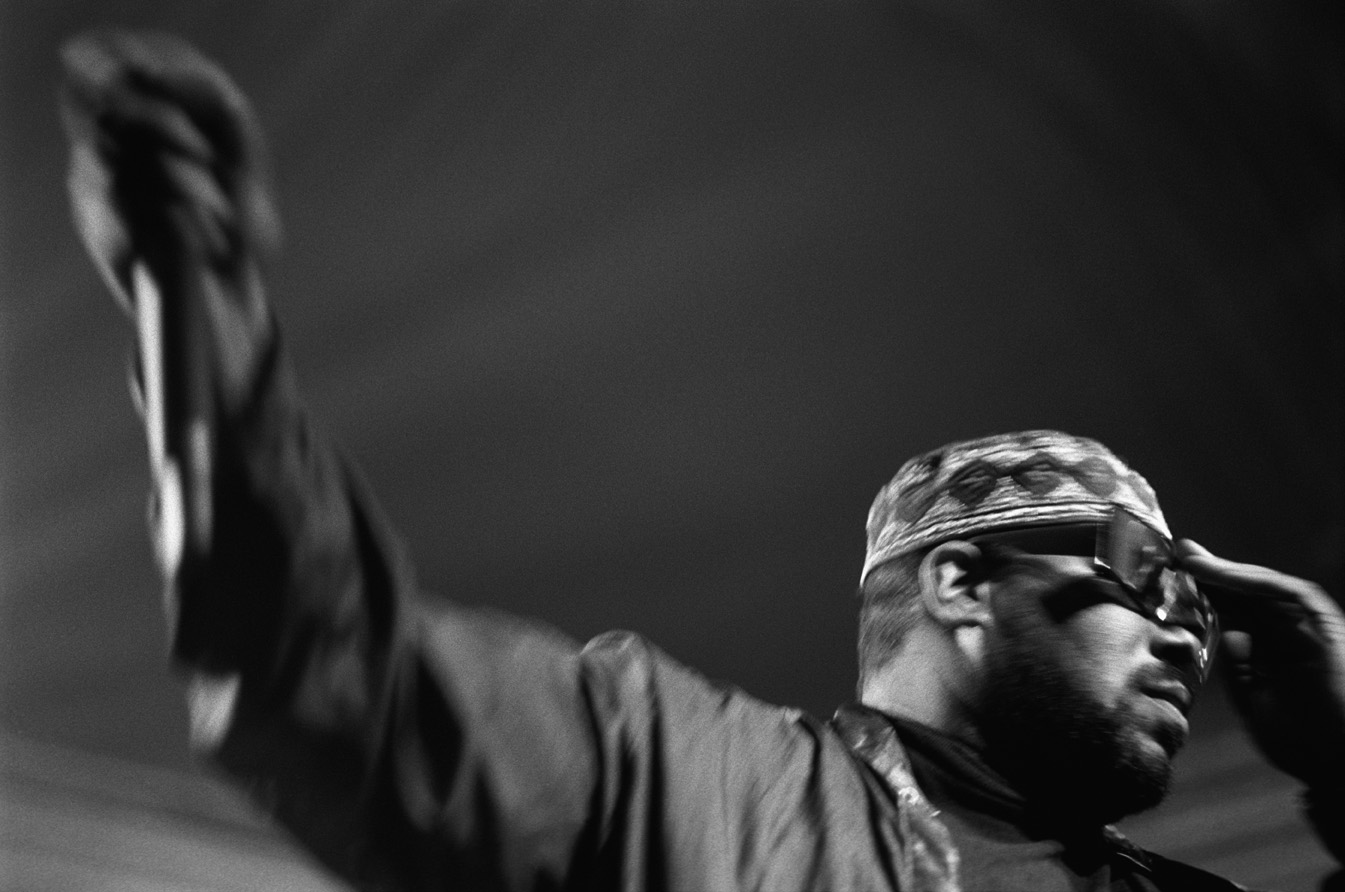
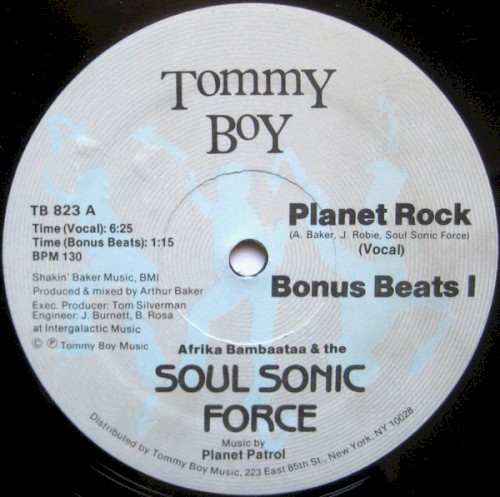
Afrika Bambaataa & the Soul Sonic Force / “Planet Rock”.
Arthur Baker identifies the TR-808 in the setup for “Planet Rock”. It shares that room with Fairlight percussion and effects, but the Roland belongs to the record’s essential machinery: a new rhythm language being assembled from a few sharply chosen machines.
Read Interview: Arthur Baker on Planet Rock, Disco Remixes, and Unreleased Sessions ↗More records in the archive
The machine keeps turning up.
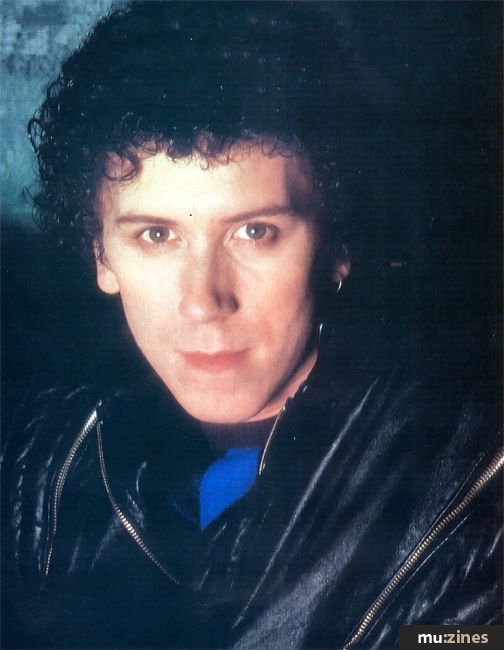
Paul Hardcastle / 19
Hardcastle says he chose a Roland TR-808 for the drum track of “19” because it supplied the electro sound he wanted; he replaced its snare with a LinnDrum 2 snare triggered from the 808 and gated the handclaps.
Read Electronic Soundmaker & Computer Music — “19 Ways to Number 1” ↗
Trevor Horn / ABC / The Lexicon of Love
Trevor Horn says his TR-808-and-Simmons setup drove the working method for most of ABC’s The Lexicon of Love, with the machine supplying triggers as the drummer played over the programmed foundation.
Read Trevor Horn: Recording ABC, ZTT, Yes, & The Pet Shop Boys ↗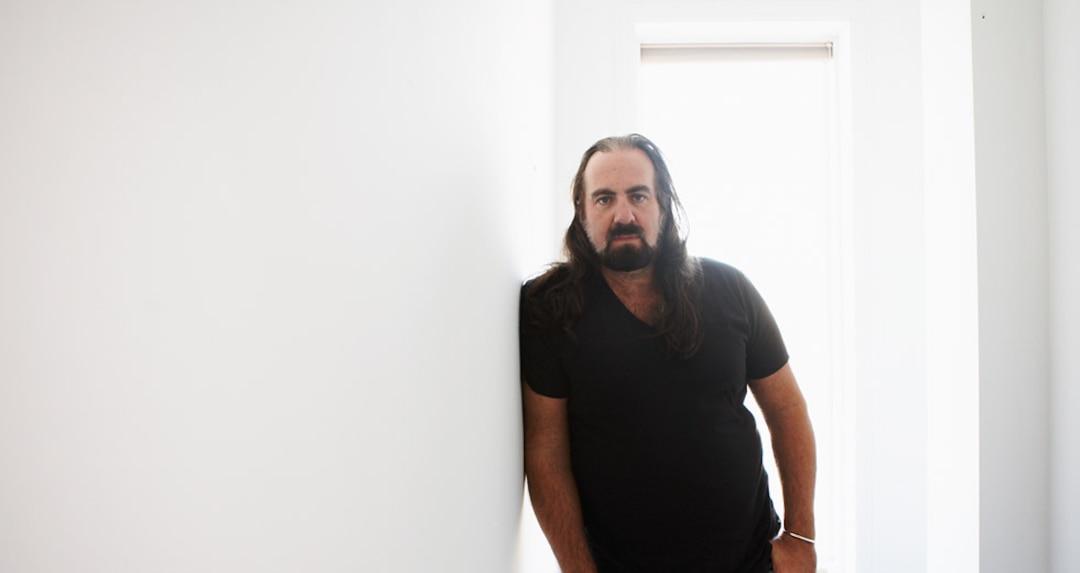
Arthur Baker / Freeez / “IOU”
Sound On Sound identifies “IOU” as driven by a Roland TR-808 beat, while Arthur Baker recalls using his own TR-808 in the period.
Read Arthur Baker and Freeez on “IOU” ↗Tim Simenon / Bomb the Bass / Digiland studio, no individual track allocation
Sound On Sound’s 1995 Digiland studio profile lists a Roland TR-808 among Tim Simenon’s drum machines.
Read Tim Simenon / Bomb the Bass — Digiland studio inventory ↗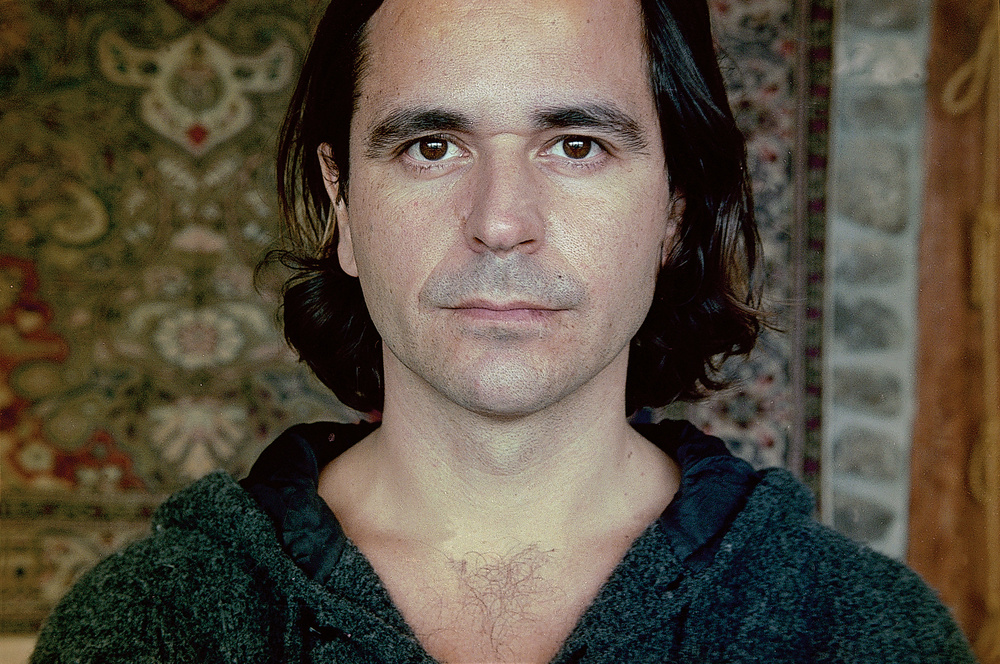
Sarah McLachlan / Pierre Marchand / Fumbling Towards Ecstasy — “Fumbling Towards Ecstasy” and “Mary”
Pierre Marchand says he used Roland TR-808 sounds on “Fumbling Towards Ecstasy” and “Mary”.
Read Pierre Marchand on Sarah McLachlan’s TR-808 tracks ↗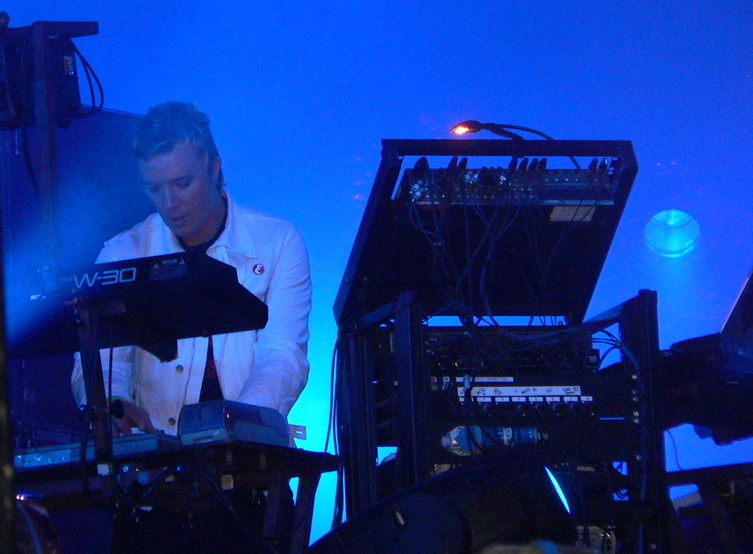
Liam Howlett / The Prodigy / Firestarter-era studio, no individual track allocation
Sound On Sound’s Firestarter-era studio feature lists a Roland TR-808 among Liam Howlett’s drum machines.
Read Liam Howlett / The Prodigy — Firestarter-era studio gear ↗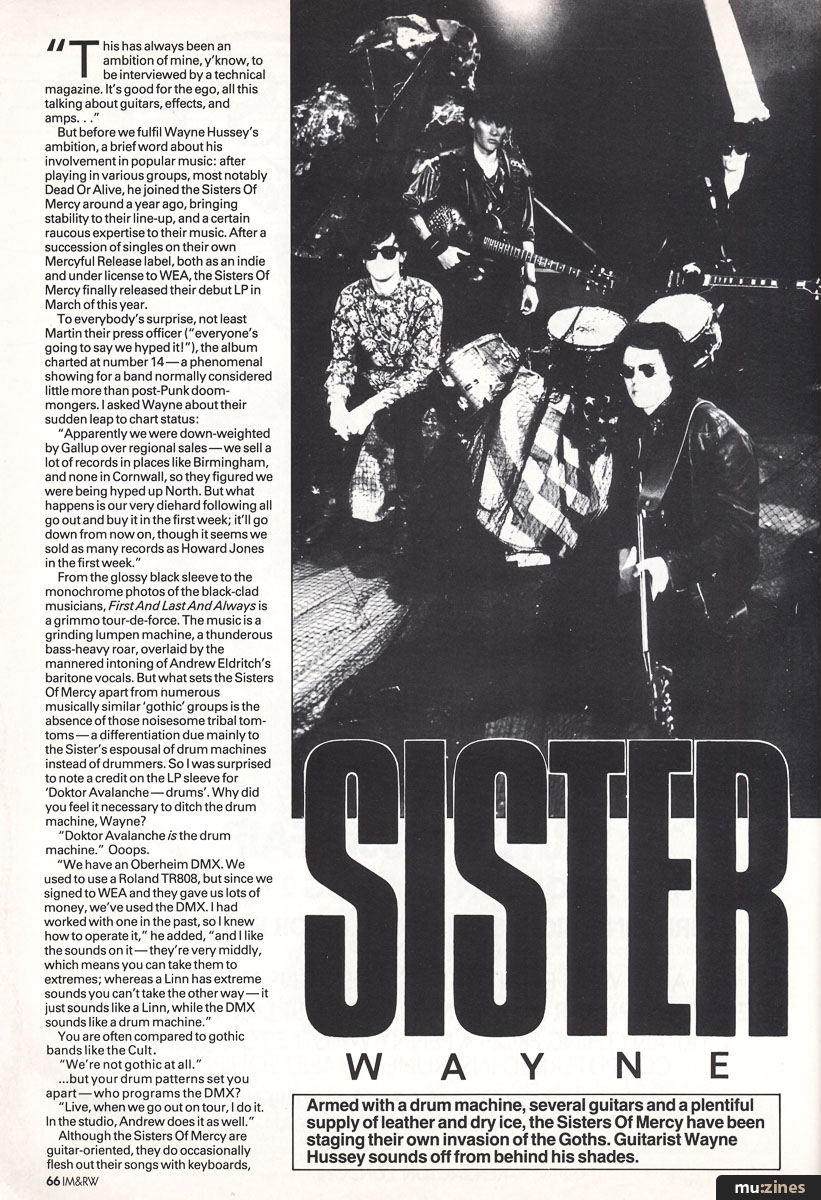

The Sisters of Mercy / First and Last and Always
Hussey says the band had used a TR-808 before the DMX, in an interview concerning the 1985 album’s working method.
Read Sister Wayne ↗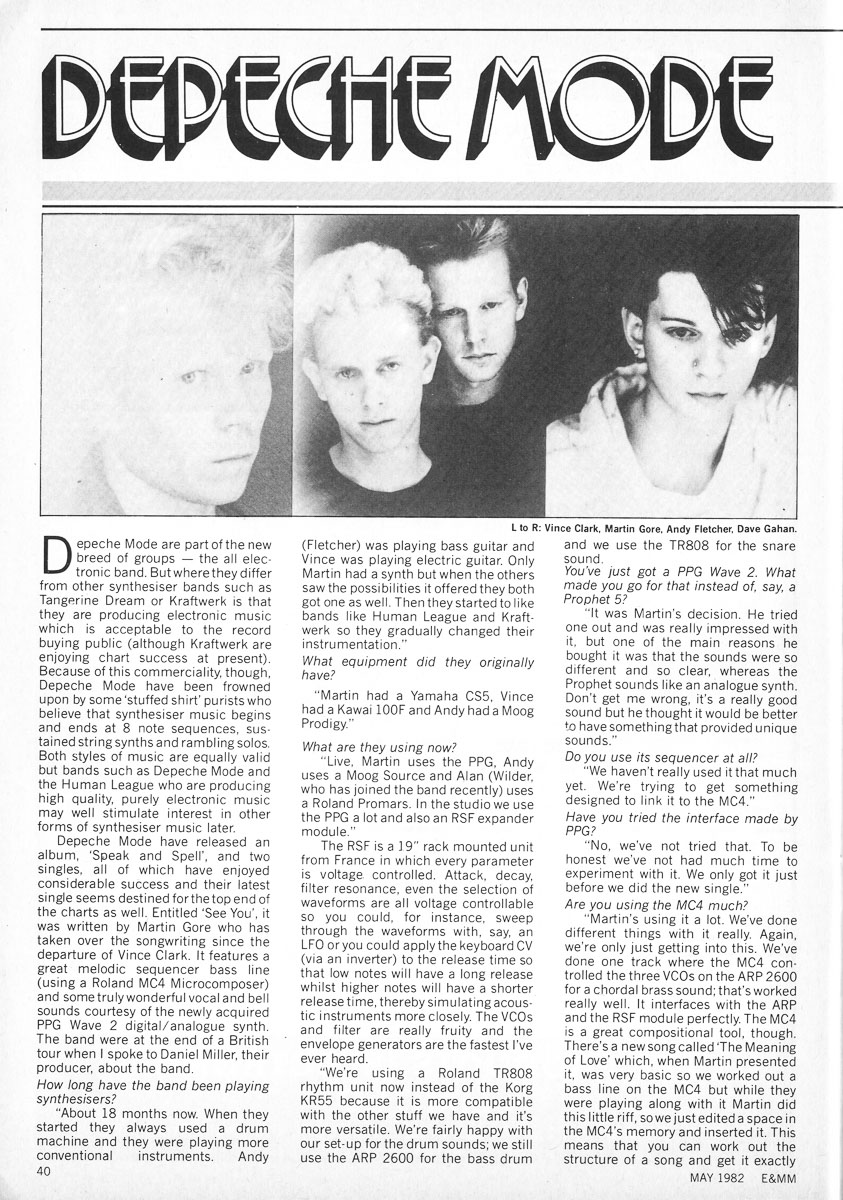
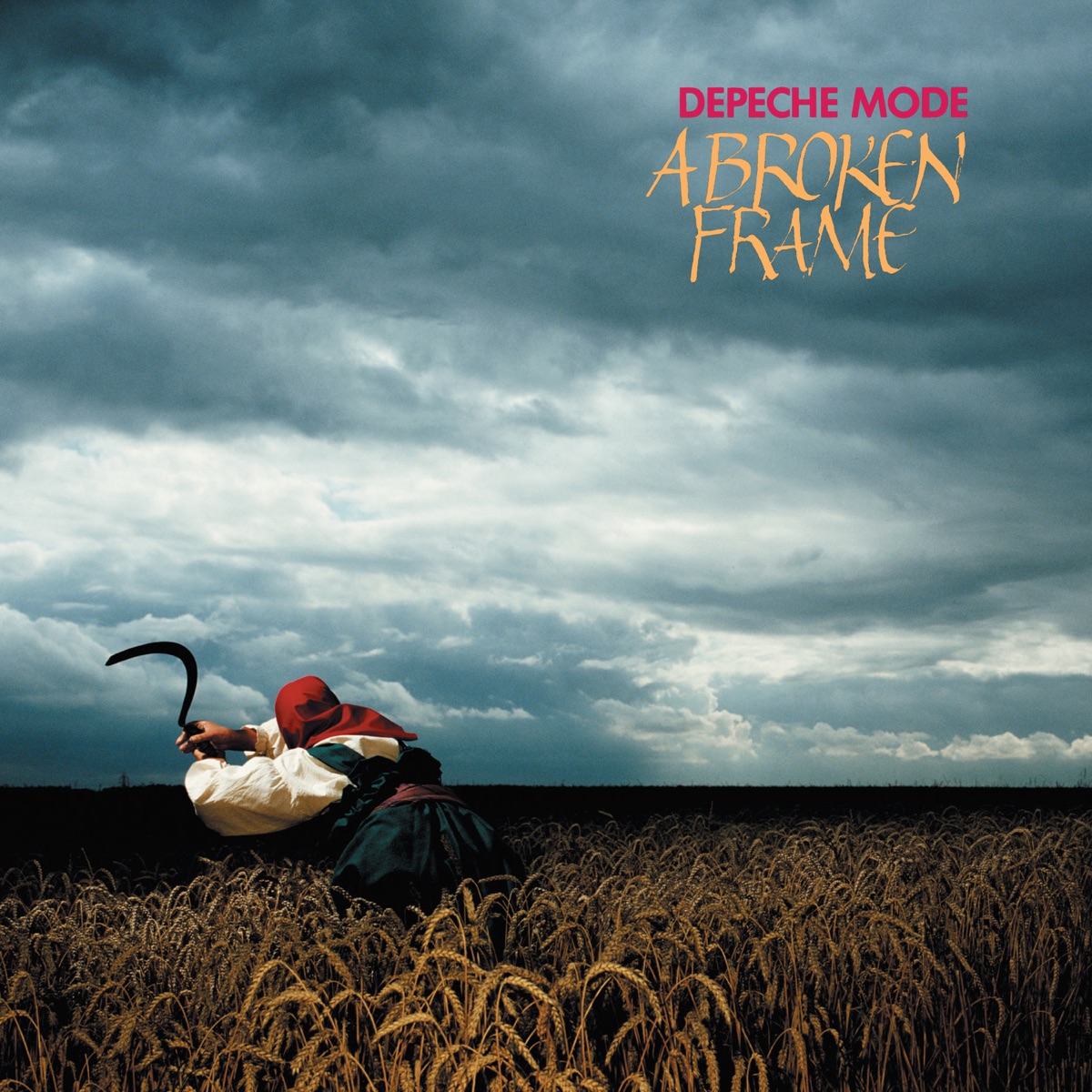
Depeche Mode / A Broken Frame
Miller recalls a TR-808 used for selected parts, not as the whole kit.
Read Daniel Miller: Home Studio ↗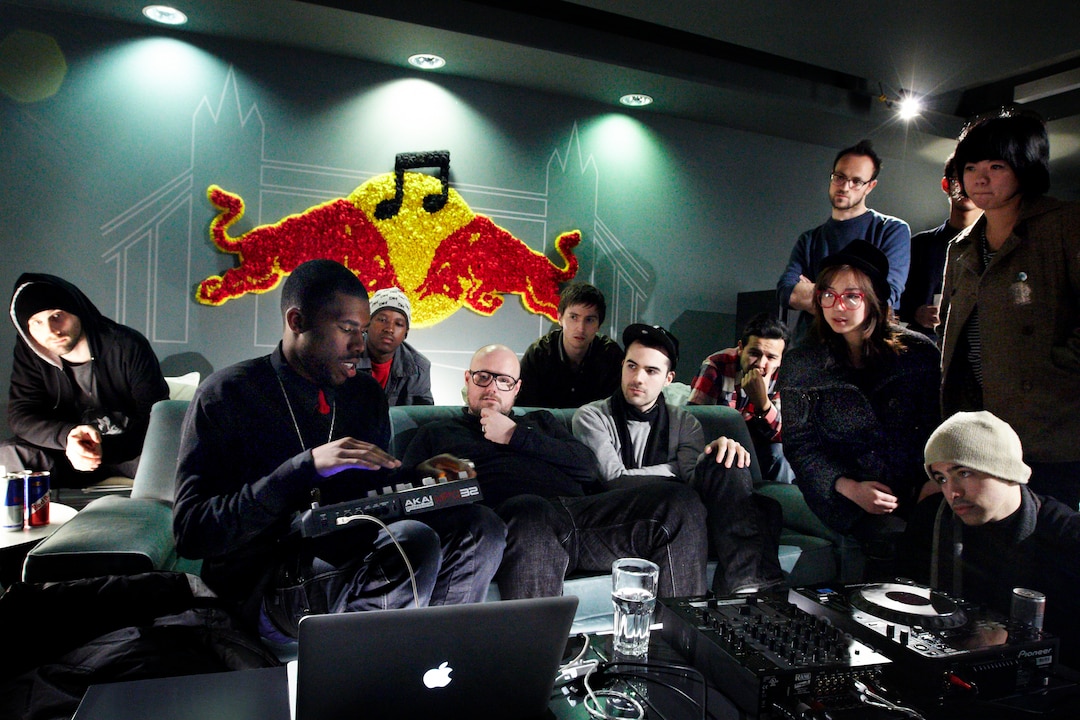
The S.O.S. Band / Jimmy Jam and Terry Lewis / Just Be Good to Me
Jimmy Jam and Terry Lewis identify the Roland TR-808 as the drum machine used for “Just Be Good to Me.”
Read Jam & Lewis ↗Reported association
Plastics / Diamond Head
Roland’s listening guide reports that Masahide Sakuma received one of the first completed TR-808s and used it with Plastics on Welcome Back, including “Diamond Head”.
Read Listening Guide: The Future Is Still 808, Episode 1 — The Origins ↗Reported association
Yellow Magic Orchestra / Music Plans
Roland’s listening guide identifies BGM as an early album that fully embraced the TR-808 and includes “Music Plans” in that account.
Read Listening Guide: The Future Is Still 808, Episode 1 — The Origins ↗Reported association
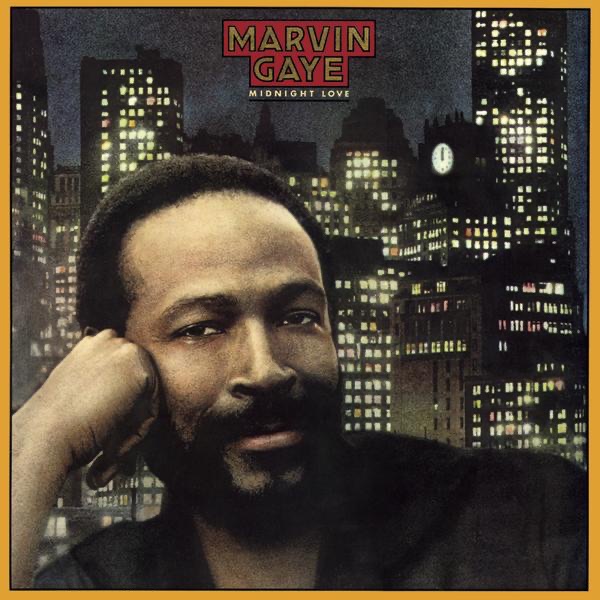
Marvin Gaye / Sexual Healing
Roland’s listening guide places the TR-808 with Marvin Gaye’s “Sexual Healing” during his Belgian period.
Read Listening Guide: The Future Is Still 808, Episode 1 — The Origins ↗

T La Rock / Rick Rubin / It’s Yours
Rick Rubin recalls borrowing a TR-808 and working with it while making “It’s Yours.”
Read The Rick Rubin Interview ↗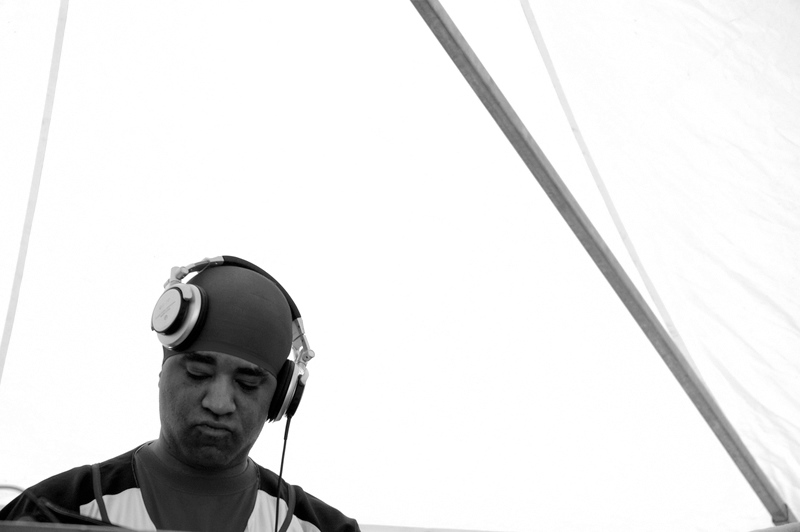
Marley Marl / MC Shan / The Bridge
Marley Marl identifies the TR-808 as trigger infrastructure for several external samplers on “The Bridge.”
Read Marley Marl on The Bridge Wars, LL Cool J and Discovering Sampling ↗
Beastie Boys / Adam Yauch / Paul Revere
Mike Diamond says Adam Yauch recorded a TR-808 beat to tape, reversed the tape and returned it to the multitrack for “Paul Revere.”
Read Mike Diamond on the Beastie Boys’ last recordings with Adam Yauch ↗Reported association

Charanjit Singh / Raga Bhairav
Roland’s listening guide includes Charanjit Singh’s early electronic raga work in its account of the TR-808’s first international routes, naming “Raga Bhairav”.
Read Listening Guide: The Future Is Still 808, Episode 1 — The Origins ↗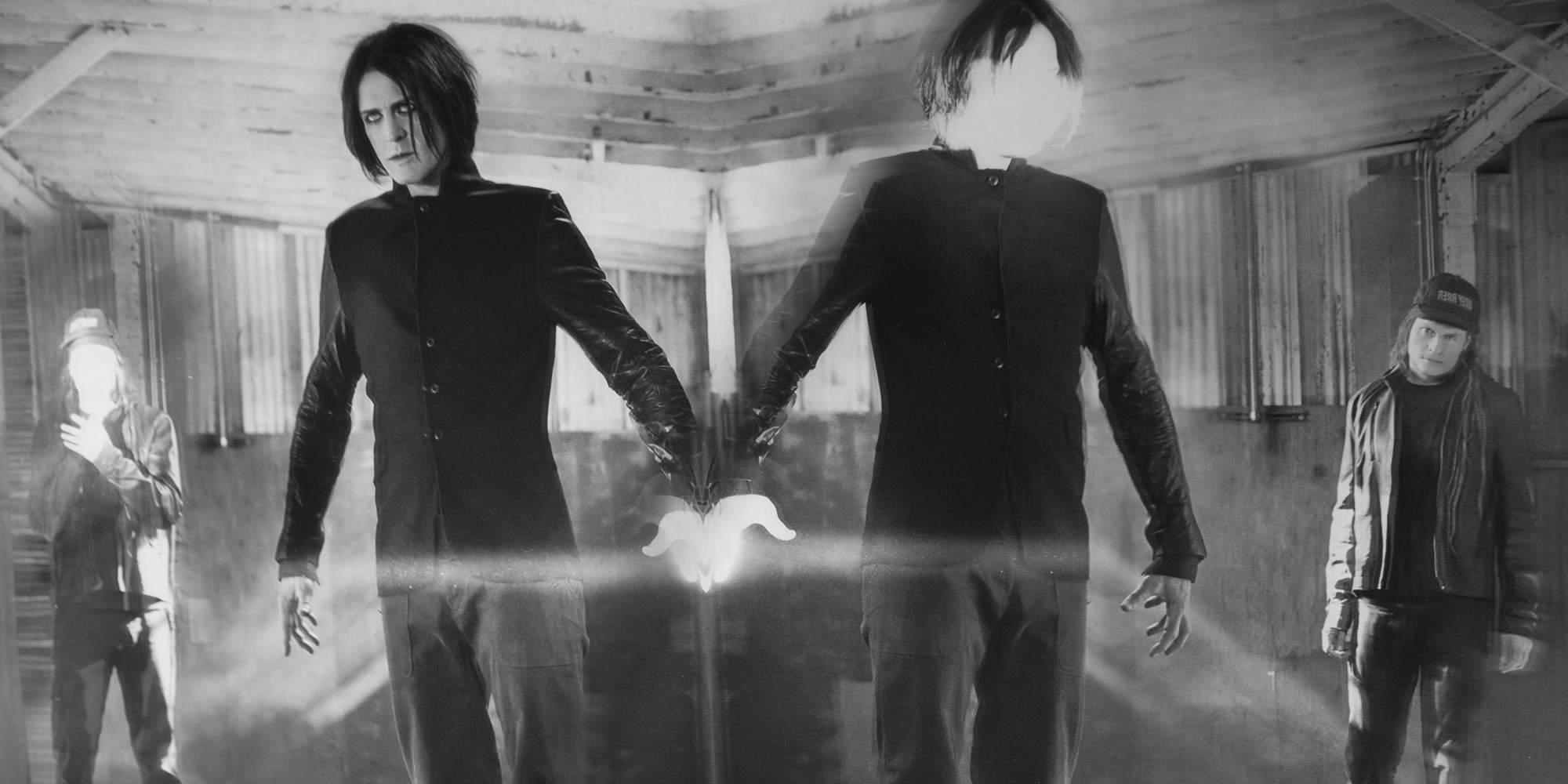
Skinny Puppy / cEvin Key / Early Skinny Puppy production method; no named recording
A published history places the Roland TR-808 among Skinny Puppy’s early production machines.
Read The Mean Synths and Fast Drums of Industrial Pioneers ↗
Tobias Freund / Odd Machine / Phase In — NSP 06
Phase In’s credits identify Tobias Freund’s TR-808 contribution.
Read Phase In — NSP 06 ↗
Chain Of Command / Some Aspects
The label’s account says Chain Of Command recorded the 1982 material later collected as Some Aspects using a Roland TR-808, an Electro-Harmonix DRM32 and a BOSS DR-55.
Read Chain Of Command — Some Aspects ↗
Bill Converse / The Shape Of Things To Come
Bill Converse’s equipment list for The Shape Of Things To Come names a Roland TR-808.
Read Bill Converse / The Shape Of Things To Come ↗
Jesse Osborne-Lanthier / Athenaeum of Unedited, Superannuated, Incomplete, Unreleased, Intimate Works, 2011–2013
Jesse Osborne-Lanthier lists the Roland TR-808 among the gear used for this collection.
Read Jesse Osborne-Lanthier / Athenaeum of Unedited, Superannuated, Incomplete, Unreleased, Intimate Works, 2011–2013 ↗
Chain Of Command / Some Aspects
A reissue account places Chain Of Command’s Roland TR-808 in their 1982 Liverpool recordings.
Read Chain Of Command — Some Aspects ↗
Becker & Mukai / Time Very Near
Becker & Mukai list a Roland TR-808 in the release-wide gear inventory for Time Very Near.
Read Becker & Mukai — Time Very Near ↗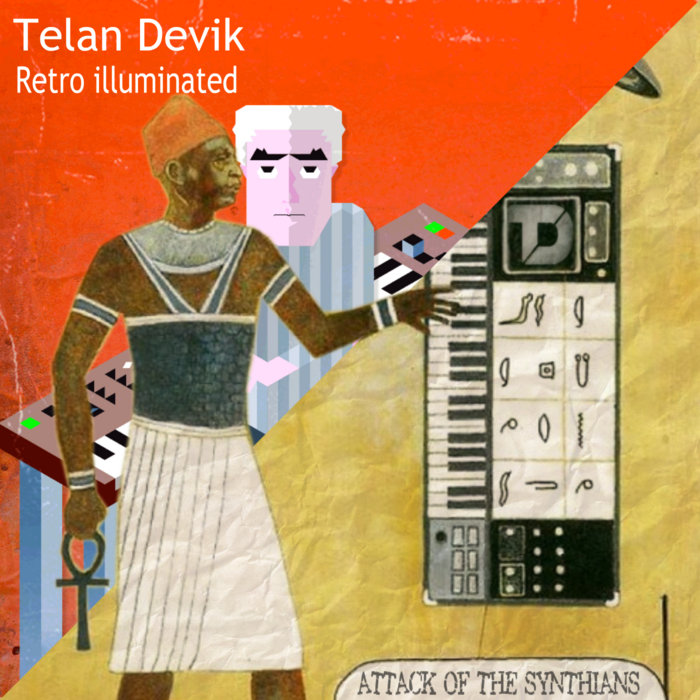
Telan Devik / Retro Illuminated / Attack of the Synthians
The release’s drum-sample inventory includes a Roland TR-808.
Read Telan Devik — Retro Illuminated / Attack of the Synthians ↗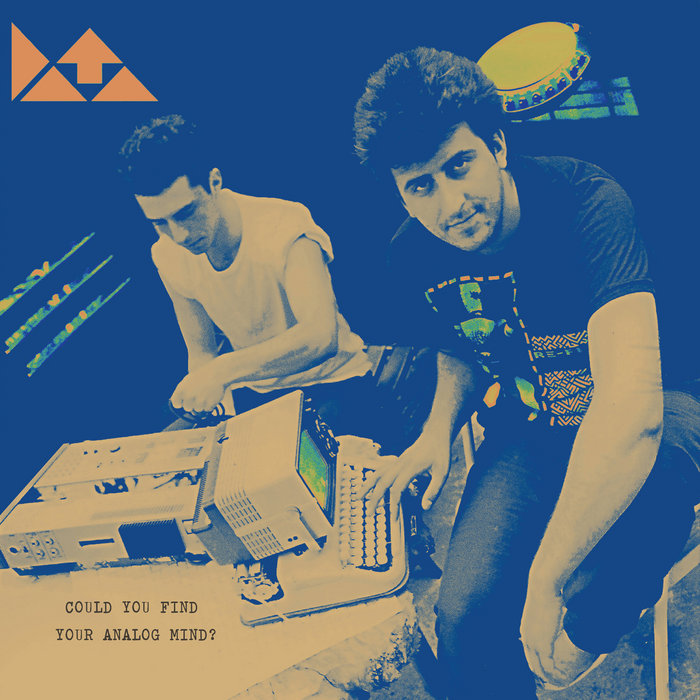
Data / Zoran Jevtic and Zoran Vracevic / Could You Find Your Analog Mind?
The reissue personnel credit lists a Roland TR-808 for Zoran Jevtic and Zoran Vracevic.
Read Data — Could You Find Your Analog Mind? ↗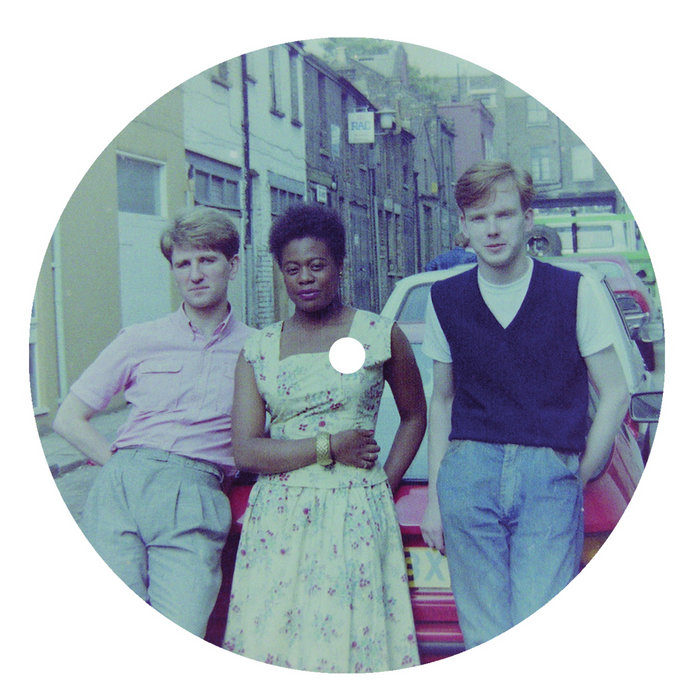
State of Grace / David Inglesfield / That’s When We’ll Be Free
David Inglesfield says the group used a TR-808 for the demos and retained it for the final version of “That’s When We’ll Be Free.”
Read State of Grace — Touching the Times ↗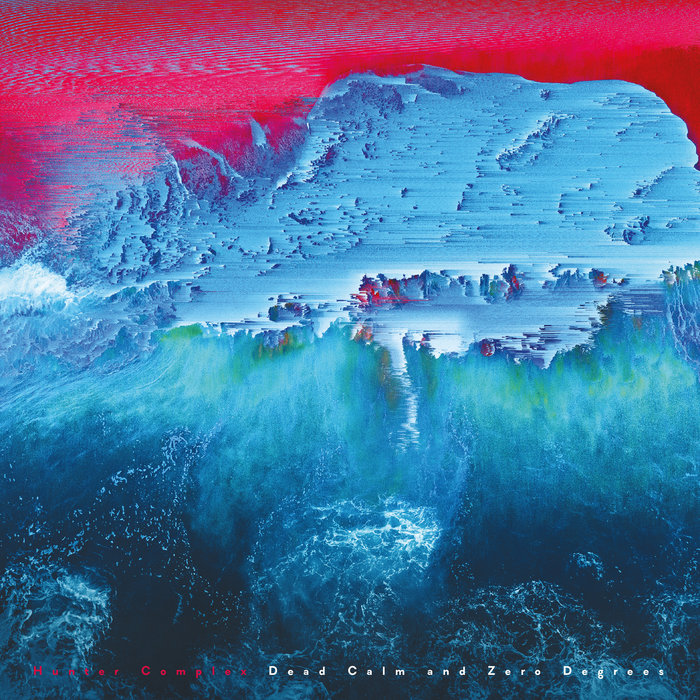
Hunter Complex / Lars Meijer / Dead Calm and Zero Degrees
Hunter Complex credits a Roland TR-808 on track b4.
Read Hunter Complex — Dead Calm and Zero Degrees ↗Afrika Bambaataa & the Soul Sonic Force / Planet Rock
Baker identifies the 808 within the recording setup.
Read Interview: Arthur Baker on Planet Rock, Disco Remixes, and Unreleased Sessions ↗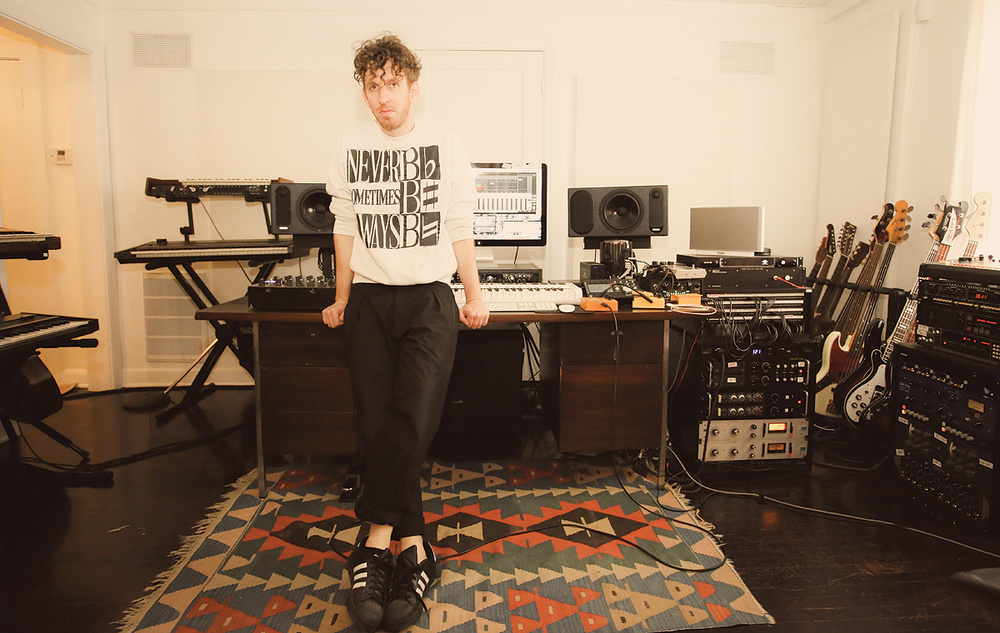
Ariel Rechtshaid / Studio practice
Rechtshaid names his Roland TR-808 among the hardware drum machines he sequences for projects.
Read Ariel Rechtshaid: Producer and musician ↗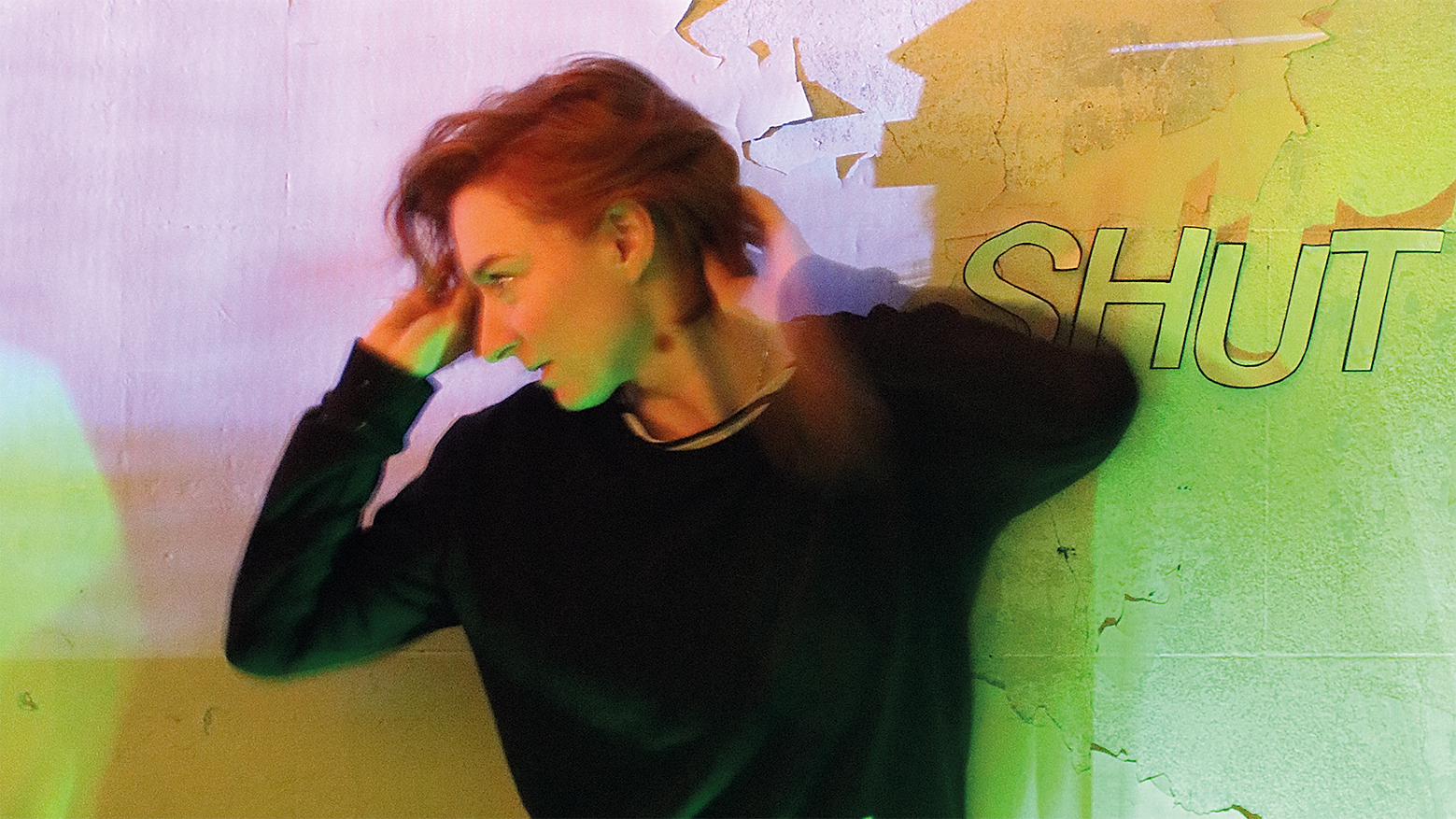
LoneLady / Julie Campbell / Former Things
Julie Campbell says Former Things layered real samples from a Roland TR-808 among its drum-machine palette.
Read LoneLady: a songwriter who turns her music and politics into art ↗A realistic drum machine made by synthesis
Tadao Kikumoto recalls a brief that came from Ikutaro Kakehashi and Don Lewis: an affordable drum machine with the presence of a real kit. Rather than use costly sampled sound, he built voices with synthesis and began from the CR-78. The TR-808’s personality came from that decision — an engineered drum kit with its own physical logic.Source (1)
Before the 808 had a legend
Roland’s 2026 listening guide traces the machine through a set of early records that were still feeling out what it could be: Plastics’ “Diamond Head”, Yellow Magic Orchestra’s “Music Plans”, Marvin Gaye’s “Sexual Healing”, and Charanjit Singh’s “Raga Bhairav”. These are reported historical associations, not a claim that every part of each record can be reduced to the 808. Together they show the instrument travelling from Japanese new wave into soul and a radically different electronic vocabulary before its later dance-floor mythology settled.Source (1)
A bass drum that asked to be used
Kikumoto remembers the long bass-drum decay as a deliberate part of the design. Musicians later found their own ways to lean on it, turning a drum voice into a low, sustained event around which a whole arrangement could move. The machine’s sounds became instruments because players treated them that way.Source (1)
A row of steps, a complete rhythm
The TR-808 makes its music in plain view. Sixteen buttons lay out a pattern across the front panel, letting a player build a beat one placement at a time, then change its feel while it runs. This directness is as important as the sound: the machine offers a rhythm that can be read, touched and rearranged in the moment.Source (1)
Planet Rock in the studio
Arthur Baker names the TR-808 in the Planet Rock session and describes building its relationship with the bass: align the two, then remove drum parts to alter the groove without losing the pulse. The Fairlight supplied the orchestral hit, claps and explosion, while other synthesizers supplied further parts. The record is a portrait of the 808 doing its work inside a larger, inventive system.Source (1)
A machine with its own afterlife
The TR-808 travelled far from the brief that created it. Its analogue voices, visible programming surface and deep kick became a shared language for producers who wanted rhythm to feel constructed by hand. The important story is not a single genre or a single record, but the way an unusual instrument kept offering new uses to the people who touched it.Sources (2)
Doktor Avalanche, before the DMX
In a 1985 technical interview, Wayne Hussey described Doktor Avalanche as the Sisters of Mercy’s drum machine and said the band had used a TR-808 before moving to an Oberheim DMX. The change was not cosmetic: he valued the DMX for sounds he could push further.Source (1)
Depeche Mode’s selective 808
Daniel Miller recalls that Depeche Mode had a TR-808 by A Broken Frame in 1982. They used it for particular elements rather than a complete conventional kit, because the group were already making their own drums on synthesisers.Source (1)
The first international routes
The 808’s later legend can make its early journey feel inevitable. It was not. Arthur Baker places it in the setup for Afrika Bambaataa’s “Planet Rock”; Roland’s own historical listening guide traces early uses through Plastics, Yellow Magic Orchestra, Marvin Gaye and Charanjit Singh. Those records show how quickly a new rhythm instrument became useful in radically different musical worlds.Sources (2)
Arthur Baker’s “Planet Rock” 808
Arthur Baker identifies the TR-808 inside the setup for Afrika Bambaataa & the Soul Sonic Force’s “Planet Rock”. The Fairlight supplied other percussion and effects, so the record is not reduced to one box. But Baker’s account gives the 808 a decisive place in the meeting of electro, hip-hop and machine rhythm.Source (1)
Jimmy Jam and Terry Lewis change the drum language
Jimmy Jam and Terry Lewis recall receiving a Roland TR-808 in Atlanta for the S.O.S. Band sessions, then programming “Just Be Good to Me” around it. The decision was a way to step away from the Minneapolis sound they had learned beside Prince. The 808 became the starting point for a different kind of record: spare, synthetic and unafraid of its machinery.Source (1)
Rick Rubin’s borrowed box
Rick Rubin remembers borrowing a TR-808 from a member of the Speedies and learning it in his NYU dorm room while making T La Rock’s “It’s Yours”. It is a small-scale origin story for a record that sounds monumental: one borrowed machine becoming the practical centre of an early hip-hop production.Source (1)
Marley Marl makes the 808 a control room
For MC Shan’s “The Bridge”, Marley Marl describes using the TR-808 to trigger several external samplers. The point is not that every sound on the record belongs to the 808. Its role was more inventive: a rhythm composer used to organise a larger sampled system.Source (1)
A beat played backwards
Mike Diamond recalls Adam Yauch recording a TR-808 beat to tape for “Paul Revere”, then reversing the tape and returning it to the multitrack. The famous backward drum pattern is therefore a meeting of two tools: the 808 supplies the pulse; tape makes it run in reverse.Source (1)
Four records, four uses
The same 808 crosses sharply different rooms: Jam and Lewis program an electronic soul hit; Rick Rubin learns a borrowed machine in a dorm room; Marley Marl makes it trigger a sampler network; Adam Yauch’s beat is turned around on tape. The machine’s history becomes useful when those methods stay distinct.
On record
- Afrika Bambaataa & the Soul Sonic Force — Planet Rock. Baker identifies the 808 within the recording setup. Source ↗
- The Sisters of Mercy — First and Last and Always. Hussey says the band had used a TR-808 before the DMX, in an interview concerning the 1985 album’s working method. Source ↗
- Depeche Mode — A Broken Frame. Miller recalls a TR-808 used for selected parts, not as the whole kit. Source ↗
- Plastics — Diamond Head. Roland’s listening guide reports that Masahide Sakuma received one of the first completed TR-808s and used it with Plastics on Welcome Back, including “Diamond Head”. Source ↗
- Yellow Magic Orchestra — Music Plans. Roland’s listening guide identifies BGM as an early album that fully embraced the TR-808 and includes “Music Plans” in that account. Source ↗
- Marvin Gaye — Sexual Healing. Roland’s listening guide places the TR-808 with Marvin Gaye’s “Sexual Healing” during his Belgian period. Source ↗
- Charanjit Singh — Raga Bhairav. Roland’s listening guide includes Charanjit Singh’s early electronic raga work in its account of the TR-808’s first international routes, naming “Raga Bhairav”. Source ↗
- The S.O.S. Band / Jimmy Jam and Terry Lewis — Just Be Good to Me. Jimmy Jam and Terry Lewis identify the Roland TR-808 as the drum machine used for “Just Be Good to Me.” Source ↗
- T La Rock / Rick Rubin — It’s Yours. Rick Rubin recalls borrowing a TR-808 and working with it while making “It’s Yours.” Source ↗
- Marley Marl / MC Shan — The Bridge. Marley Marl identifies the TR-808 as trigger infrastructure for several external samplers on “The Bridge.” Source ↗
- Beastie Boys / Adam Yauch — Paul Revere. Mike Diamond says Adam Yauch recorded a TR-808 beat to tape, reversed the tape and returned it to the multitrack for “Paul Revere.” Source ↗
- Skinny Puppy / cEvin Key — Early Skinny Puppy production method; no named recording. A published history places the Roland TR-808 among Skinny Puppy’s early production machines. Source ↗
- Tobias Freund / Odd Machine — Phase In — NSP 06. Phase In’s credits identify Tobias Freund’s TR-808 contribution. Source ↗
- Chain Of Command — Some Aspects. The label’s account says Chain Of Command recorded the 1982 material later collected as Some Aspects using a Roland TR-808, an Electro-Harmonix DRM32 and a BOSS DR-55. Source ↗
- Bill Converse — The Shape Of Things To Come. Bill Converse’s equipment list for The Shape Of Things To Come names a Roland TR-808. Source ↗
- Jesse Osborne-Lanthier — Athenaeum of Unedited, Superannuated, Incomplete, Unreleased, Intimate Works, 2011–2013. Jesse Osborne-Lanthier lists the Roland TR-808 among the gear used for this collection. Source ↗
- Chain Of Command — Some Aspects. A reissue account places Chain Of Command’s Roland TR-808 in their 1982 Liverpool recordings. Source ↗
- Becker & Mukai — Time Very Near. Becker & Mukai list a Roland TR-808 in the release-wide gear inventory for Time Very Near. Source ↗
- Telan Devik — Retro Illuminated / Attack of the Synthians. The release’s drum-sample inventory includes a Roland TR-808. Source ↗
- Data / Zoran Jevtic and Zoran Vracevic — Could You Find Your Analog Mind?. The reissue personnel credit lists a Roland TR-808 for Zoran Jevtic and Zoran Vracevic. Source ↗
- State of Grace / David Inglesfield — That’s When We’ll Be Free. David Inglesfield says the group used a TR-808 for the demos and retained it for the final version of “That’s When We’ll Be Free.” Source ↗
- Hunter Complex / Lars Meijer — Dead Calm and Zero Degrees. Hunter Complex credits a Roland TR-808 on track b4. Source ↗
In the studio and on stage
- Ariel Rechtshaid — Studio practice. Rechtshaid names his Roland TR-808 among the hardware drum machines he sequences for projects.
Sources
- Roland Drum Machine Chronicle: 1964–2016
- Tadao Kikumoto: An Exclusive Conversation
- Interview: Arthur Baker on Planet Rock, Disco Remixes, and Unreleased Sessions
- Sister Wayne
- Daniel Miller: Home Studio
- Listening Guide: The Future Is Still 808, Episode 1 — The Origins
- Jam & Lewis
- The Rick Rubin Interview
- Marley Marl on The Bridge Wars, LL Cool J and Discovering Sampling
- Mike Diamond on the Beastie Boys’ last recordings with Adam Yauch
The visual archive
Further visual evidence.
These displayed records are labelled by their documented role, date and source; source-only records are listed separately below.
Sources for images shown earlier (29)
- Roland TR-808, front view ↗
- Skinny Puppy, pictured for Reverb’s cEvin Key feature ↗
- Sisters of Mercy / Wayne Hussey — “Sister Wayne” ↗
- Depeche Mode — Electronics & Music Maker, May 1982 ↗
- Pierre Marchand — Sound On Sound, March 2000 ↗
- LoneLady / Julie Campbell — MusicRadar interview ↗
- Arthur Baker — Red Bull Music Academy ↗
- Jimmy Jam and Terry Lewis / Red Bull Music Academy ↗
- Tobias Freund / Odd Machine — Phase In — NSP 06 ↗
2009-08-01 · Tobias Freund / Odd Machine / release artwork via Bandcamp · Official Bandcamp release-page artwork (Open Graph image) - Chain Of Command — Some Aspects ↗
2024-11-29 · Chain Of Command / release artwork via Bandcamp · Official Bandcamp release-page artwork (Open Graph image) - Bill Converse — The Shape Of Things To Come ↗
2017-07-03 · Bill Converse / release artwork via Bandcamp · Official Bandcamp release-page artwork (Open Graph image) - Jesse Osborne-Lanthier — Athenaeum of Unedited, Superannuated, Incomplete, Unreleased, Intimate Works, 2011–2013 ↗
2014-04-15 · Jesse Osborne-Lanthier / release artwork via Bandcamp · Official Bandcamp release-page artwork (Open Graph image) - Becker & Mukai — Time Very Near ↗
2020-04-03 · Becker & Mukai / release artwork via Bandcamp · Official Bandcamp release-page artwork (Open Graph image) - Telan Devik — Retro Illuminated / Attack of the Synthians ↗
2016-07-29 · Telan Devik / release artwork via Bandcamp · Official Bandcamp release-page artwork (Open Graph image) - Data / Zoran Jevtic and Zoran Vracevic — Could You Find Your Analog Mind? ↗
2017-10-31 · Data / Zoran Jevtic and Zoran Vracevic / release artwork via Bandcamp · Official Bandcamp release-page artwork (Open Graph image) - State of Grace / David Inglesfield — That’s When We’ll Be Free ↗
1982-12-01 · State of Grace / David Inglesfield / release artwork via Bandcamp · Official Bandcamp release-page artwork (Open Graph image) - Hunter Complex / Lars Meijer — Dead Calm and Zero Degrees ↗
2020-03-20 · Hunter Complex / Lars Meijer / release artwork via Bandcamp · Official Bandcamp release-page artwork (Open Graph image) - Afrika Bambaataa & the Soul Sonic Force — Planet Rock ↗
1982-06-03 · Afrika Bambaataa & the Soul Sonic Force / release artwork via Cover Art Archive · MusicBrainz release record and Cover Art Archive front artwork - The Sisters of Mercy — First and Last and Always ↗
1985-01-01T12:00:00Z · The Sisters of Mercy / release artwork via Apple Music catalog artwork · Release catalogue and retained front artwork - Depeche Mode — A Broken Frame ↗
1982-09-27T00:00:00Z · Depeche Mode / release artwork via Apple Music catalog artwork · Release catalogue and retained front artwork - Marvin Gaye — Sexual Healing ↗
1982-10-01T07:00:00Z · Marvin Gaye / release artwork via Apple Music catalog artwork · Release catalogue and retained front artwork - Charanjit Singh — Malkauns ↗
1982-12-31T12:00:00Z · Charanjit Singh / release artwork via Apple Music catalog artwork · Release catalogue and retained front artwork - T La Rock — It's Yours ↗
1984-12-29T08:00:00Z · T La Rock / release artwork via Apple Music catalog artwork · Release catalogue and retained front artwork - Beastie Boys — Paul Revere ↗
1986-08-13T07:00:00Z · Beastie Boys / release artwork via Apple Music catalog artwork · Release catalogue and retained front artwork - Liam Howlett / The Prodigy at SonneMondSterne Festival ↗
August 2005 · Herr Stern · Howlett performing with The Prodigy at SonneMondSterne Festival, Germany. - Marley Marl / Utrecht ↗
22 July 2006 · Ronald van Holst · Marley Marl performing in Utrecht. - Rick Rubin / September 2006 ↗
14 September 2006 · jasontheexploder · Rick Rubin artist portrait. - Afrika Bambaataa / 1998 ↗
5 December 1998 · Mika-photography · Afrika Bambaataa artist portrait. - Paul Hardcastle in Electronic Soundmaker & Computer Music, August 1985 ↗
August 1985 · Electronic Soundmaker & Computer Music · “19 Ways to Number 1”,