
Korg’s KPR-77 appeared in early 1983 as an analogue drum machine that made programming visible, playable and easier to carry from one pattern into the next.
The machine in the record
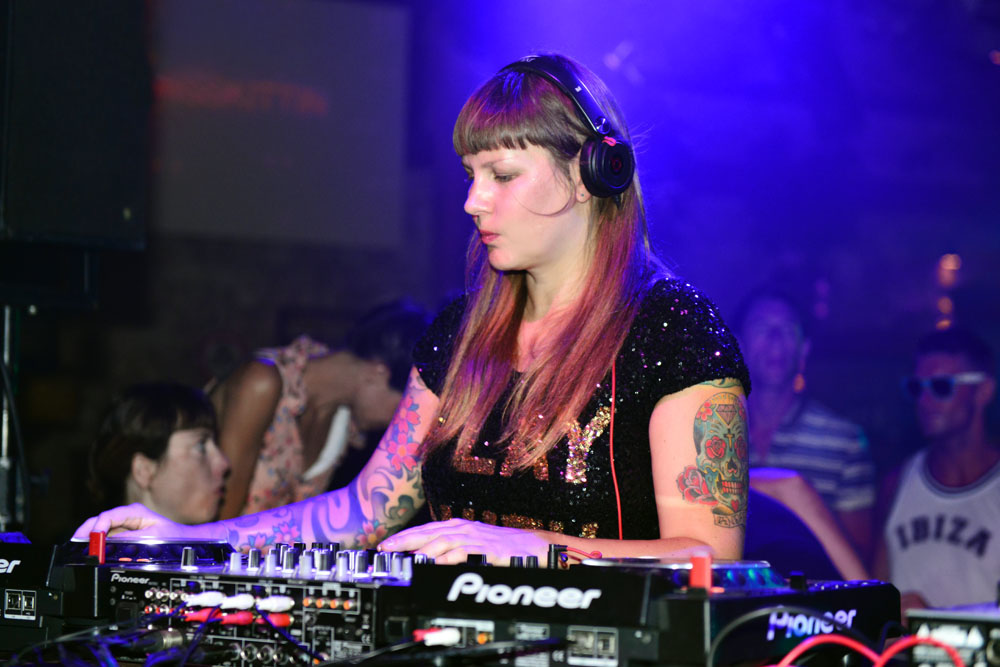
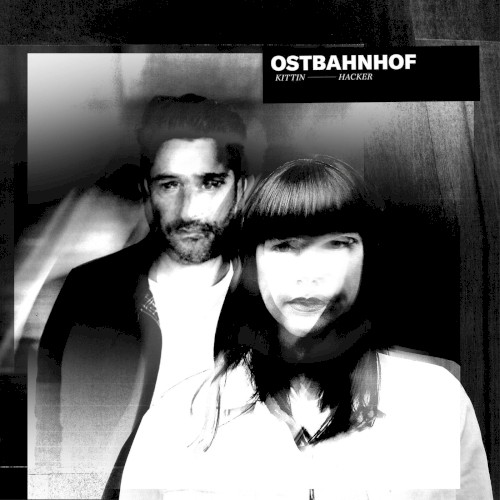
Kittin & The Hacker / “Ostbahnhof”.
Amato identifies the KPR-77 as the drum machine in the minimal setup for “Ostbahnhof”. Its value in that context is its restraint: a small programmed pulse leaving plenty of room for the track’s other gestures.
Read Kittin & The Hacker interview ↗More records in the archive
The machine keeps turning up.
LFO (Mark Bell and Gez Varley) / Early working setup; no named KPR-77 recording
KPR-77 appears in the duo’s initial setup and 1991 inventory.
Read Deep Vibrations ↗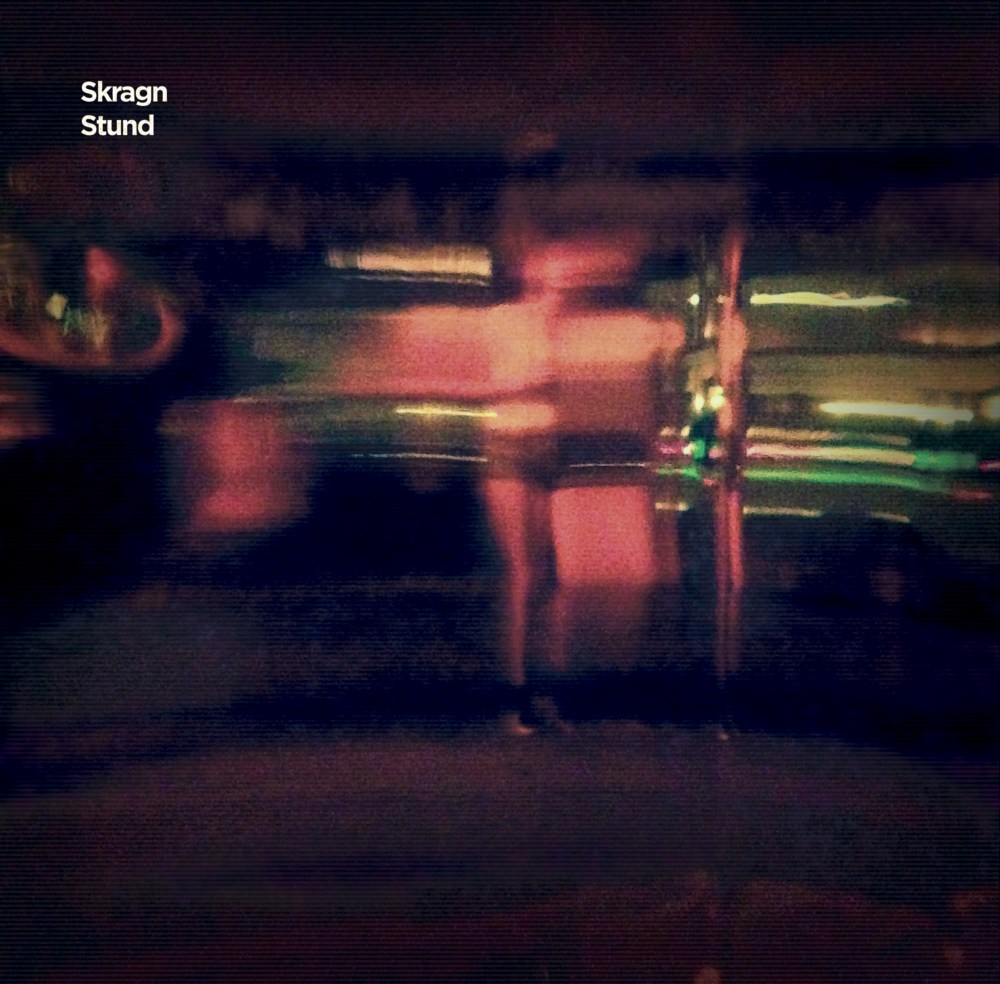
Marco Egeberg / Skragn / Stund
Egeberg names the Korg KPR-77 among the drum machines used across the songs on Stund.
Read Marco Egeberg on Stund ↗Reported association
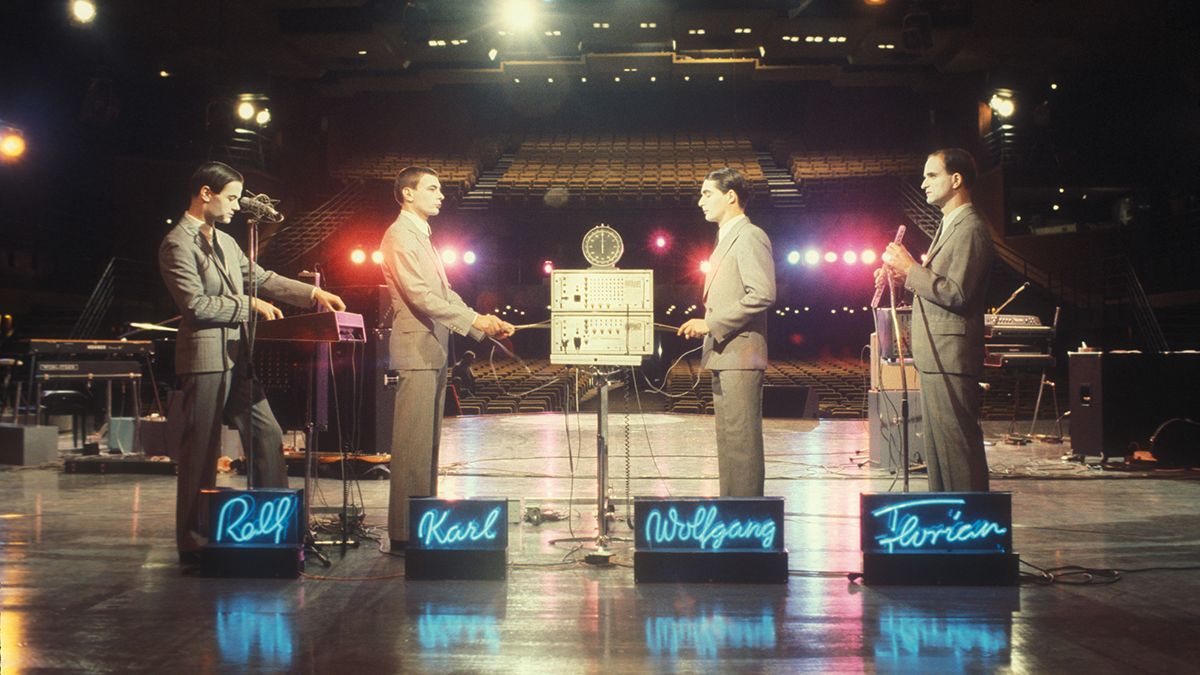
Florian Schneider / Kraftwerk / Florian Schneider studio inventory
A Korg KPR-77 was among the drum machines auctioned from Florian Schneider’s studio. The account does not attach it to a particular Kraftwerk recording, but it gives the compact Korg a real place in the working environment of one of electronic music’s defining groups.
Read Kraftwerk auction: Florian Schneider's studio equipment ↗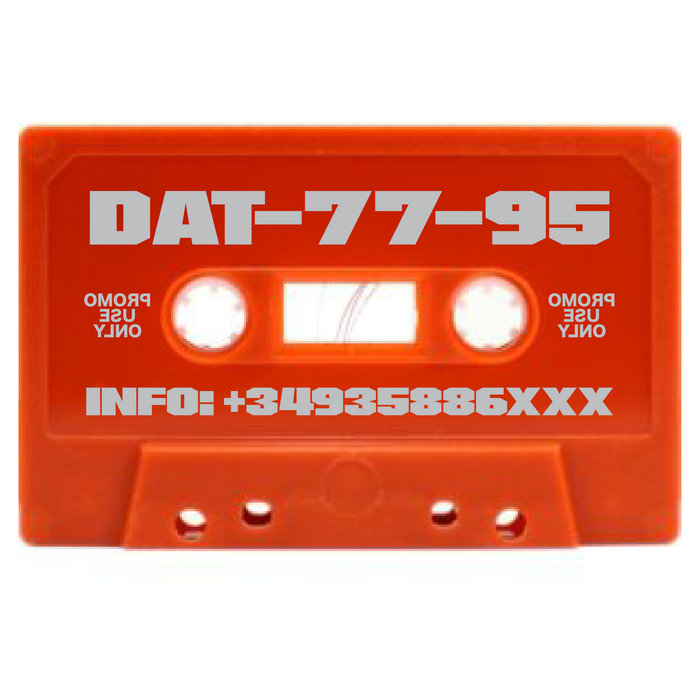
Roc Jiménez de Cisneros / DAT-77-95
The KPR-77 was his only instrument for these 1995 DAT sketches.
Read Roc Jiménez de Cisneros / DAT-77-95 ↗
Excepter / The Sejero Box
The recording credits for Excepter’s The Sejero Box give John Fell Ryan’s Korg KPR-77 a direct role in the 2012 Sejero Island session.
Read Excepter / The Sejero Box ↗
Coppice Halifax / Cmx XV
Coppice Halifax say a Cmx XV jam began on a 1983 Korg KPR-77 before being finished with other machines and equipment.
Read Coppice Halifax / Cmx XV ↗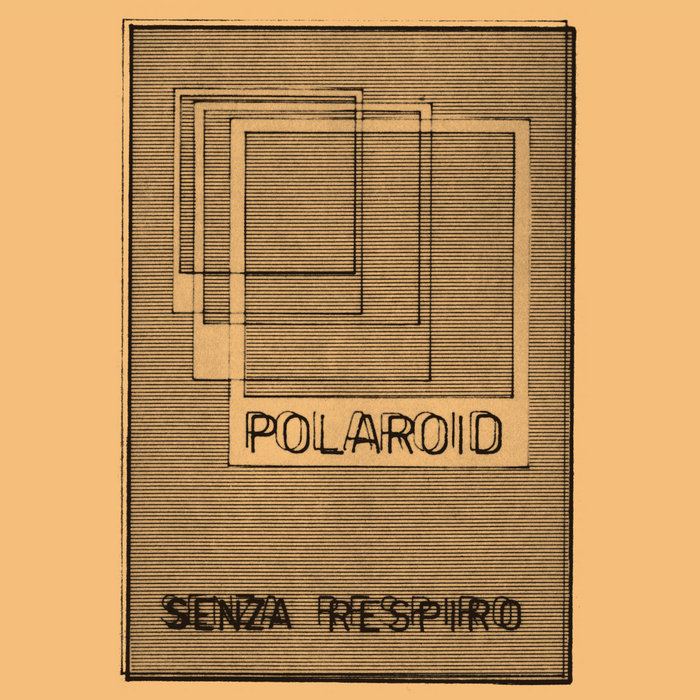
Polaroid / Senza Respiro
Senza Respiro credits Massimo Vagnarelli on Korg KPR-77 across Polaroid’s 1981–84 material, recorded in Turin in late 1983 and early 1984.
Read Polaroid / Senza Respiro ↗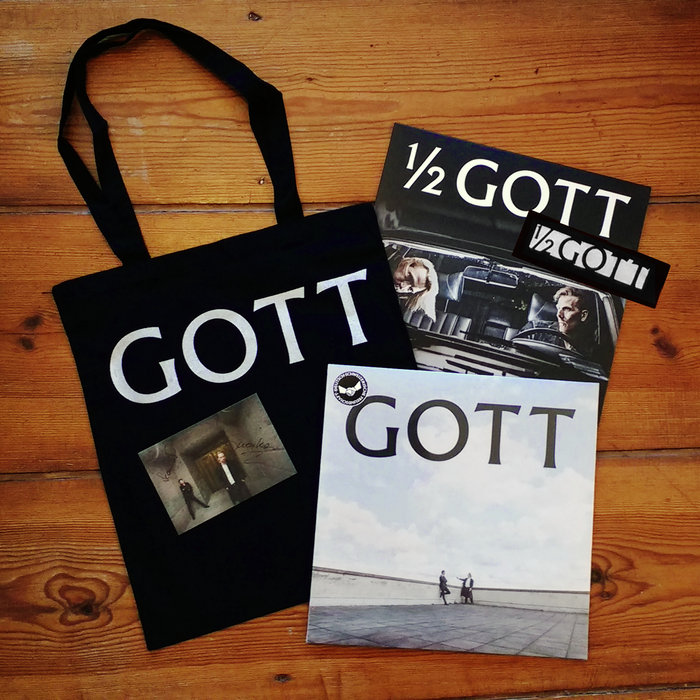
Sneaker & Scannoir / DoppelGOTT
Sneaker and Scannoir’s release credits list a Korg KPR-77 among the instruments used for the DoppelGOTT material.
Read Sneaker & Scannoir — DoppelGOTT ↗
M-1 Alternative / The Softened Pattern
The M-1 Alternative archive says the Korg KPR-77 made its only recorded appearance at the 1983 session.
Read M-1 Alternative — The Softened Pattern ↗
Polaroid / Senza Respiro
Polaroid credit Massimo Vagnarelli with Korg KPR-77 Programmable Rythmer on the reissue’s 1981–84 material.
Read Polaroid / Senza Respiro ↗
Becker & Mukai / Time Very Near
Becker & Mukai list a Korg KPR-77 in the release-wide gear inventory for Time Very Near.
Read Becker & Mukai — Time Very Near ↗Kittin & The Hacker / Ostbahnhof
Amato identifies KPR-77 as the drum machine in the track’s minimal setup.
Read Kittin & The Hacker interview ↗Reported association
Susumu Hirasawa / P-Model / Scuba
A secondary Scuba discography summary reports that Susumu Hirasawa handled the album’s bass and drum parts with a Korg Polysix and Korg KPR-77.
Read P-Model — Scuba album entry ↗Programming in view
The January and February 1983 reviews focused on the KPR-77’s LCD, its 48 patterns arranged in groups, pattern chaining and cassette storage. Pairing instrument keys made it quick to enter parts by hand, while the display kept the machine’s current state in sight—an important practical advantage when a rhythm part was being built rather than merely selected.
An analogue machine with ambition
Contemporary writers admired the handclap, tom flam and unusually capable sequencer, even as they wanted a clearer tempo display and more convincing cymbals and hi-hats. That mixed verdict makes the KPR-77 vivid: a serious attempt to give analogue percussion a composer’s workflow just as sampled-drum detail was changing expectations. Kittin later named one in her own music-making, and LFO’s studio story keeps the model in the electronic-music record.
Kittin & The Hacker’s minimal setup
Michel Amato identifies the KPR-77 as the drum machine in the minimal setup for Kittin & The Hacker’s “Ostbahnhof”. The account does not itemise wires or individual voices. It does something more useful: it places an overlooked Korg box at the centre of a named piece of electronic pop.Source (1)
In the market
- 1983-01: GBP 499 — UK review-period price. Reviewed unit Source ↗
On record
- Kittin & The Hacker — Ostbahnhof. Amato identifies KPR-77 as the drum machine in the track’s minimal setup. Source ↗
- Marco Egeberg / Skragn — Stund. Egeberg names the Korg KPR-77 among the drum machines used across the songs on Stund. Source ↗
- Roc Jiménez de Cisneros — DAT-77-95. The KPR-77 was his only instrument for these 1995 DAT sketches. Source ↗
- Excepter — The Sejero Box. The recording credits for Excepter’s The Sejero Box give John Fell Ryan’s Korg KPR-77 a direct role in the 2012 Sejero Island session. Source ↗
- Coppice Halifax — Cmx XV. Coppice Halifax say a Cmx XV jam began on a 1983 Korg KPR-77 before being finished with other machines and equipment. Source ↗
- Polaroid — Senza Respiro. Senza Respiro credits Massimo Vagnarelli on Korg KPR-77 across Polaroid’s 1981–84 material, recorded in Turin in late 1983 and early 1984. Source ↗
- Sneaker & Scannoir — DoppelGOTT. Sneaker and Scannoir’s release credits list a Korg KPR-77 among the instruments used for the DoppelGOTT material. Source ↗
- M-1 Alternative — The Softened Pattern. The M-1 Alternative archive says the Korg KPR-77 made its only recorded appearance at the 1983 session. Source ↗
- Polaroid — Senza Respiro. Polaroid credit Massimo Vagnarelli with Korg KPR-77 Programmable Rythmer on the reissue’s 1981–84 material. Source ↗
- Becker & Mukai — Time Very Near. Becker & Mukai list a Korg KPR-77 in the release-wide gear inventory for Time Very Near. Source ↗
In the studio and on stage
- LFO (Mark Bell and Gez Varley) — Early working setup; no named KPR-77 recording. KPR-77 appears in the duo’s initial setup and 1991 inventory. Source ↗
- Florian Schneider / Kraftwerk — Florian Schneider studio inventory. A Korg KPR-77 was among the drum machines auctioned from Florian Schneider’s studio. The account does not attach it to a particular Kraftwerk recording, but it gives the compact Korg a real place in the working environment of one of electronic music’s defining groups. Source ↗
Sources
The visual archive
Further visual evidence.
Sources for images shown earlier (12)
- Korg KPR-77 — visually reviewed image ↗
- Roc Jiménez de Cisneros — DAT-77-95 ↗
Release date not stated on source page · Roc Jiménez de Cisneros / release artwork via Bandcamp · Official Bandcamp release-page artwork (Open Graph image) - Excepter — The Sejero Box ↗
Release date not stated on source page · Excepter / release artwork via Bandcamp · Official Bandcamp release-page artwork (Open Graph image) - Coppice Halifax — Cmx XV ↗
Release date not stated on source page · Coppice Halifax / release artwork via Bandcamp · Official Bandcamp release-page artwork (Open Graph image) - Polaroid — Senza Respiro ↗
Release date not stated on source page · Polaroid / release artwork via Bandcamp · Official Bandcamp release-page artwork (Open Graph image) - Sneaker & Scannoir — DoppelGOTT ↗
Release date not stated on source page · Sneaker & Scannoir / release artwork via Bandcamp · Official Bandcamp release-page artwork (Open Graph image) - M-1 Alternative — The Softened Pattern ↗
1983-08-24 · M-1 Alternative / release artwork via Bandcamp · Official Bandcamp release-page artwork (Open Graph image) - Becker & Mukai — Time Very Near ↗
2020-04-03 · Becker & Mukai / release artwork via Bandcamp · Official Bandcamp release-page artwork (Open Graph image) - Kittin & The Hacker — Ostbahnhof ↗
2022-01-21 · Kittin & The Hacker / release artwork via Cover Art Archive · MusicBrainz release record and Cover Art Archive front artwork - Miss Kittin / Ibiza ↗
8 September 2012 · Amnesia Ibiza · Miss Kittin DJing in Ibiza. - Skragn — Stund ↗
2019-04-24 · Complex Distractions / Skragn · Skragn Takes Flight: A Conversation With Musician Marco Egeberg; Stund front-cover image. - Kraftwerk / Florian Schneider stage photograph ↗
16 September 1978, image-caption date · Christian Rose / Roger Viollet via Getty Images · MusicRadar article hero image; caption identifies Kraftwerk in concert with Florian Schneider at right.
Additional visual sources (6)
Original publications and related image sources.
- KPR-77 multilingual factory manual ↗
Original edition undated · Korg · Cover; printed pp. 2, 3, 11, 77, 179 - KPR-77 factory rhythm chart ↗
Original edition undated · Korg · Official separate download listing - KPR-77 service manual scan ↗
Undated · Keio Electronic Laboratory · Cover and contents transcription; seven-page listing - Ostbahnhof single artwork lead ↗
21 January 2022 · Kittin release · Artist Bandcamp single page - Korg KPR77 ↗
Jan 1983 · One Two Testing · Korg KPR-77 product photograph with KPR-77 model marking clearly visible. - Korg KPR77 ↗
Jan 1983 · One Two Testing · Korg KPR-77 Rhythm Unit with KPR-77 model marking clearly visible.