
In 1969 Hammond sold Rhythm II as both a factory-installed drawer and a dealer-fit kit for its organs. The catalogue made the proposition unusually concrete: 15 preset rhythms and a visible $200 factory or $250 dealer-installation step from an L-100-1 into an L-100-2.
The evidence, in view
A rhythm section on rails.
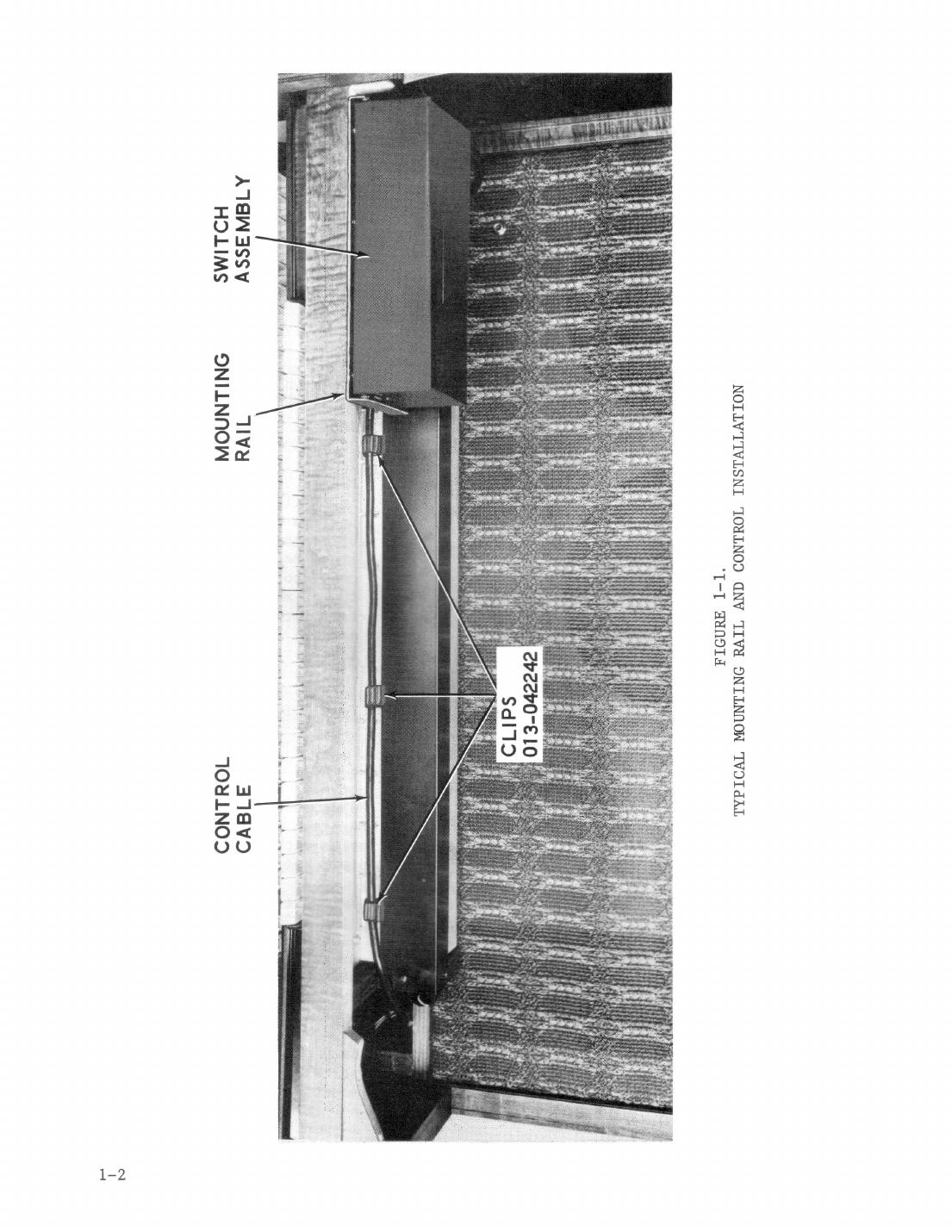
This 1969 installation photograph makes the design legible: the Rhythm II did not ask for a place on the floor. Its switch assembly was installed beneath the keyboard, on a rail, with its cable routed through the organ cabinet.
A drawer with a rhythm section inside
Rhythm II was made to live inside the organ rather than beside it. Hammond’s 1969 installation book shows the control assembly sliding on a rail beneath the keyboard, the cable running into the cabinet and the rhythm source becoming part of a player’s existing instrument. It is a revealing form of rhythm machine: one sold not as a new band member on the floor, but as an upgrade hidden in furniture.
Fifteen beats, priced as an option
The contemporary master catalogue lists the L-100-2 with a factory-installed Rhythm II drawer. It records 15 programmed patterns, a silent/sound switch, on/off, added bass drum, tempo and volume controls, plus a light for the first beat of the bar. Hammond priced the change at $200 over the L-100-1 at the factory, or $250 when the dealer installed the unit.
An accessory that changed the organ
The installation instructions cover T, L and M-series organs and make the machine’s purpose physical: fit the rail, add the switch assembly, route the cable and close the case. It is the commercial history in miniature. A musician was not being sold an abstract automatic rhythm; they were being offered a prepared place for it in the instrument they already owned.
Sources
The visual archive