
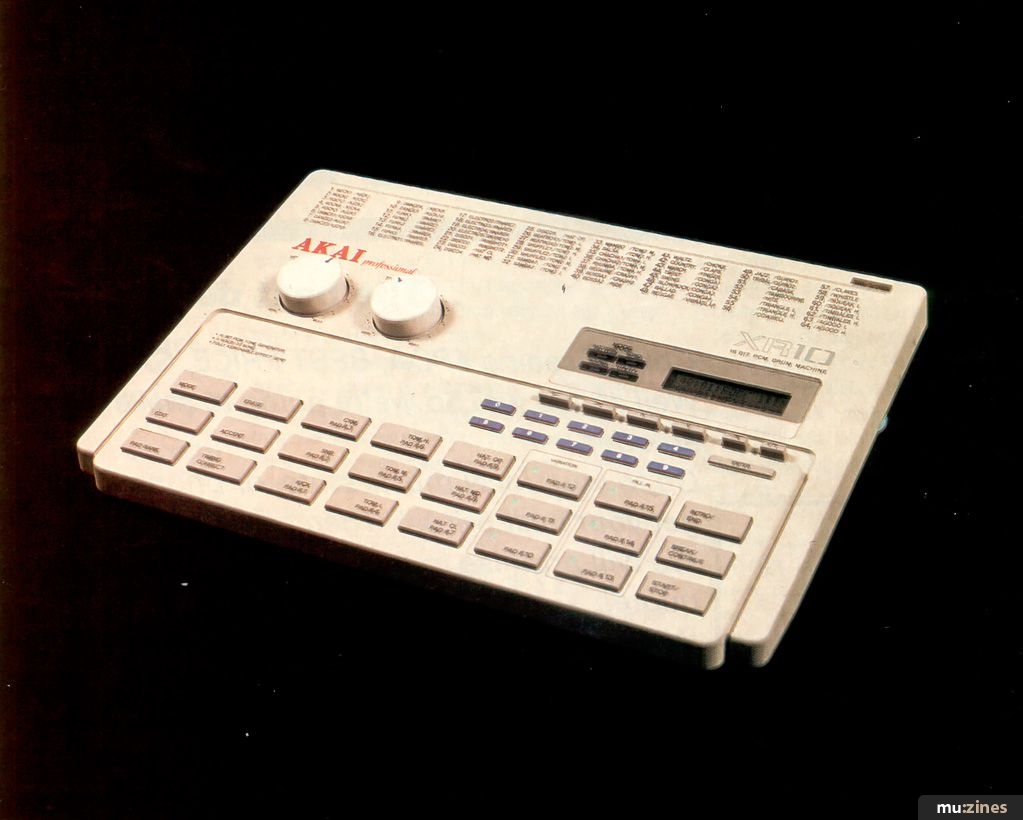
Akai’s XR10 arrived as a compact PCM drum machine for the late-1980s MIDI studio, putting programmed rhythm and a library of sampled percussion in one straightforward desktop instrument.
The machine in the record

D Fast / Planet Boogie.
Harri Dammert identifies XR10 samples in D Fast’s Planet Boogie work before further software processing. The Akai supplies the raw material; the finished record makes it move somewhere else.
Read D Fast – Planet Boogie – Äänitteen Tuottaminen ↗More records in the archive
The machine keeps turning up.
Jimmy Bralower / Manufacturer endorsement; no recording named
Akai presents Bralower as an XR10 user.
Read XR10 Jimmy Bralower advertisement ↗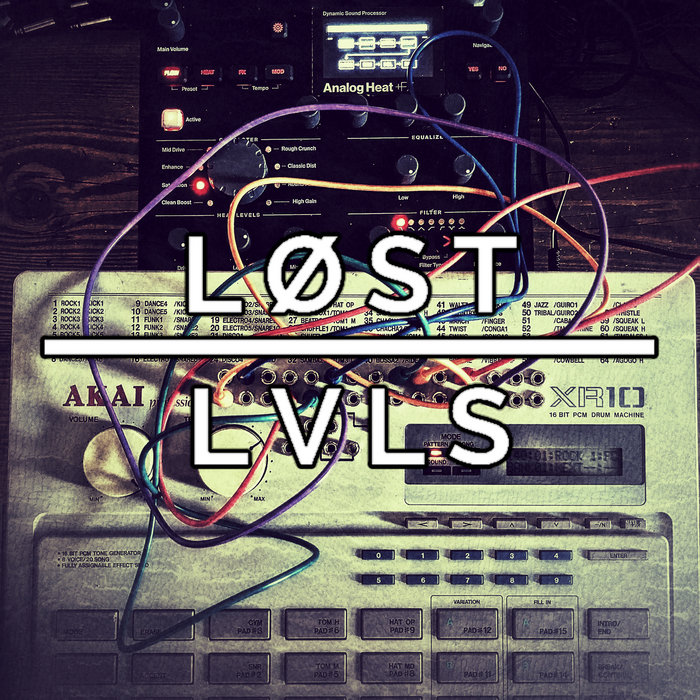
LØSTLVLS / XR10 Sample Pack
LØSTLVLS captured a modified Akai XR10 through Analog Heat, translating its PCM voices into a producer-facing sample library.
Read LØSTLVLS / XR10 Sample Pack ↗Direct Hit Productionz / beat-making source library
Direct Hit Productionz lists Akai XR-10 sounds among the drum-machine sources used for its beat-making work.
Read Direct Hit Productionz drum-machine source library ↗
Midnight Runners / Emerson Omega Sterling Gold / Open Labs
Midnight Runners’ Open Labs credits list an Akai XR-10 among the equipment used by Emerson Omega Sterling Gold.
Read Midnight Runners — Open Labs ↗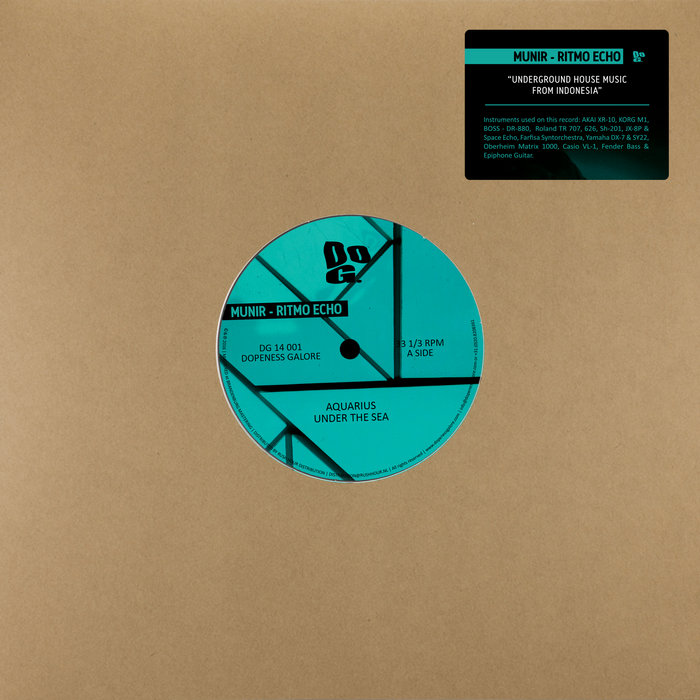
Munir / Ritmo Echo
Munir’s album inventory names an Akai XR-10.
Read Munir — Ritmo Echo ↗D Fast / Harri Dammert / Do You Wanna Dance With Me? — Planet Boogie
Harri Dammert used XR10 samples for “Do You Wanna Dance With Me?”, then processed them in software.
Read D Fast – Planet Boogie – Äänitteen Tuottaminen ↗
K.U.R.O. / Takeichiro Kurosaki / Revolution
Artist names all three machines in the album setup.
Read Artist: K.U.R.O. ↗Preset rhythms you can play with
Choose a preset, bring in a fill or write a rhythm of your own. The XR10 combines fifty preset rhythm types with ninety-nine programmable pattern locations. Intro, break, ending and variation parts can be selected from the pads while a preset runs, giving the player a way to change the accompaniment during a song.
Shaping the sampled kit
Sixty-five internal PCM sounds provide the raw material. Tuning, reverse playback and pitch sweeps alter them; user sound locations hold further versions. The pads themselves are not velocity-sensitive, although dynamics can be recorded from an external MIDI controller. A stereo pair and an effects send take the kit to the mixer.
The campaign image
Akai’s July 1990 Music Connection advertisement presented Jimmy Bralower as an XR10 user. It places a working producer beside the programmable machine, without naming a recording. That endorsement is a different kind of history from a participant describing how a particular record was made.
Samples become the record
Harri Dammert identifies XR10 samples in D Fast’s ‘Do You Wanna Dance With Me?’, then describes further software processing in his Planet Boogie production account. Takeichiro Kurosaki names an XR10 alongside a Yamaha RY30 and Korg DDD-5 on K.U.R.O.’s Revolution. One account follows samples into a track; the other names the machines in an album setup.
D Fast – Planet Boogie – Äänitteen Tuottaminen ↗ Artist: K.U.R.O. ↗
Sources
The visual archive
Further visual evidence.
Sources for images shown earlier (5)
- Akai XR10 review photography ↗
- LØSTLVLS — XR10 Sample Pack ↗
Release date not stated on source page · LØSTLVLS / release artwork via Bandcamp · Official Bandcamp release-page artwork (Open Graph image) - Midnight Runners / Emerson Omega Sterling Gold — Open Labs ↗
2015-06-04 · Midnight Runners / Emerson Omega Sterling Gold / release artwork via Bandcamp · Official Bandcamp release-page artwork (Open Graph image) - Munir — Ritmo Echo ↗
2016-06-08 · Munir / release artwork via Bandcamp · Official Bandcamp release-page artwork (Open Graph image) - D Fast / Harri Dammert — Do You Wanna Dance With Me? — Planet Boogie ↗
2008-10-09T07:00:00Z · D Fast / Harri Dammert / release artwork via Apple Music catalog artwork · Release catalogue and retained front artwork
Additional visual sources (3)
Original publications and related image sources.
- Akai XR10 Service Manual ↗
Edition · Akai document · Named service-manual item in document list - XR10 operator manual ↗
Edition · Akai · PDF pp.7–8 / printed pp.5–6 - Jimmy Bralower XR10 advertisement ↗
23 July 1990 · Akai Professional · PDF p.56, rear cover