

Akai’s rackmount XE8 reached the British press in December 1988, when Paul Ireson reviewed it at £499 including VAT. A further contemporary review followed in April 1989.
The machine in the record
AtomicBeats / MajorLeagueSounds Volume 1.
AtomicBeats recorded an Akai XE8 for MajorLeagueSounds Volume 1, carrying its 16-bit drum voices into a producer-focused library. This is a sample-source story, not use on a named artist release, and it keeps the XE8’s particular sounds in circulation.
Read Drum Kits ↗More records in the archive
The machine keeps turning up.
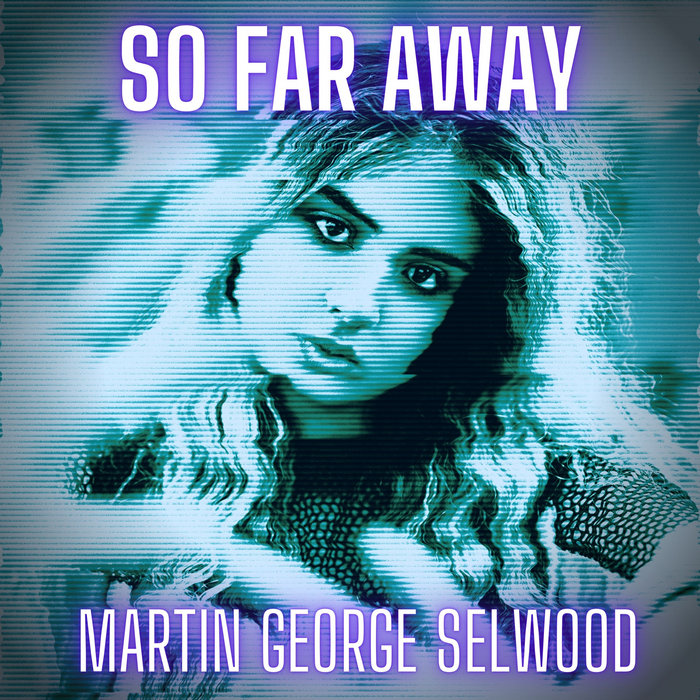
Martin George Selwood / So Far Away
Martin George Selwood lists an Akai XE8 among the instruments used for the mid-1990s recordings collected as So Far Away.
Read Martin George Selwood — So Far Away ↗A drum part arrives by MIDI
Send the XE8 a MIDI rhythm part and its rack of sampled percussion plays it. The sequence comes from a computer or another instrument; the Akai concentrates on choosing, editing and routing the sounds. One megabyte of internal ROM supplies sixteen samples, with two card slots for further sounds.
Akai XE8 Drum Box ↗ Akai XE8 MIDI Drum Expander owner’s manual ↗
Sixteen sounds, many programs
Akai’s manual specifies sixteen internal ROM sounds, two external sound-source IC-card slots and 32 battery-backed programs. Each program holds sixteen sound positions; a sound can receive up to sixteen MIDI note numbers, and overlapping assignments can place as many as eight sounds under one key or pad. Program changes let the previous program ring on, a small but musical detail in a sequenced arrangement.
A sample player with a synthesist’s touch
The XE8 plays fixed 16-bit linear PCM material at 32 or 44 kHz, with eight simultaneous notes. Its controls include tuning, pitch sweep, hold, decay, direction and per-sound level. Reverse playback and velocity-dependent hi-hat behaviour made the module more than a static sample rack: it invited the player to turn a finite drum set into a flexible set of gestures. Editing changes the playback of stored ROM samples; the XE8 does not record new user samples.
Eight outputs into the room
A mono mix and eight individual mono outputs divide the sixteen sounds into eight groups. Free Assign gives a new sound a free route; Fixed Assignment keeps a chosen route. MIDI support includes notes, velocity, aftertouch, pitch bend, selected controllers, program change and system exclusive data, with a utility for sending program data out again. The XE8 was designed to sit in the infrastructure of a sequenced studio.
Careful hands at the panel
The single rack space compresses the controls into a small panel. Paul Ireson’s December 1988 review found the dual-concentric knobs easy to turn accidentally while adjusting a neighbouring setting. Simon Trask’s April 1989 account also criticised them. Both describe an editing instrument whose tightly packed controls required care.
Recording and working accounts
Explore 2 source accounts
- AtomicBeats / MajorLeagueSounds — MajorLeagueSounds Volume 1
AtomicBeats recorded an Akai XE8 for MajorLeagueSounds Volume 1, carrying its 16-bit drum voices into a producer-focused library of ready-to-play hits.
- Martin George Selwood — So Far Away
Sources
The visual archive
Further visual evidence.
These displayed records are labelled by their documented role, date and source; source-only records are listed separately below.
Sources for images shown earlier (2)
- Music Technology — Akai XE8 Drum Box ↗
- Martin George Selwood — So Far Away ↗
Release date not stated on source page · Martin George Selwood / release artwork via Bandcamp · Official Bandcamp release-page artwork (Open Graph image)