
Ace Tone used Rhythm Ace for a family of analogue accompaniment machines. The FR-1 and FR-6 have their own model histories; an unsuffixed Rhythm Ace credit identifies the family without telling us which panel the musician used.
The machine in the record
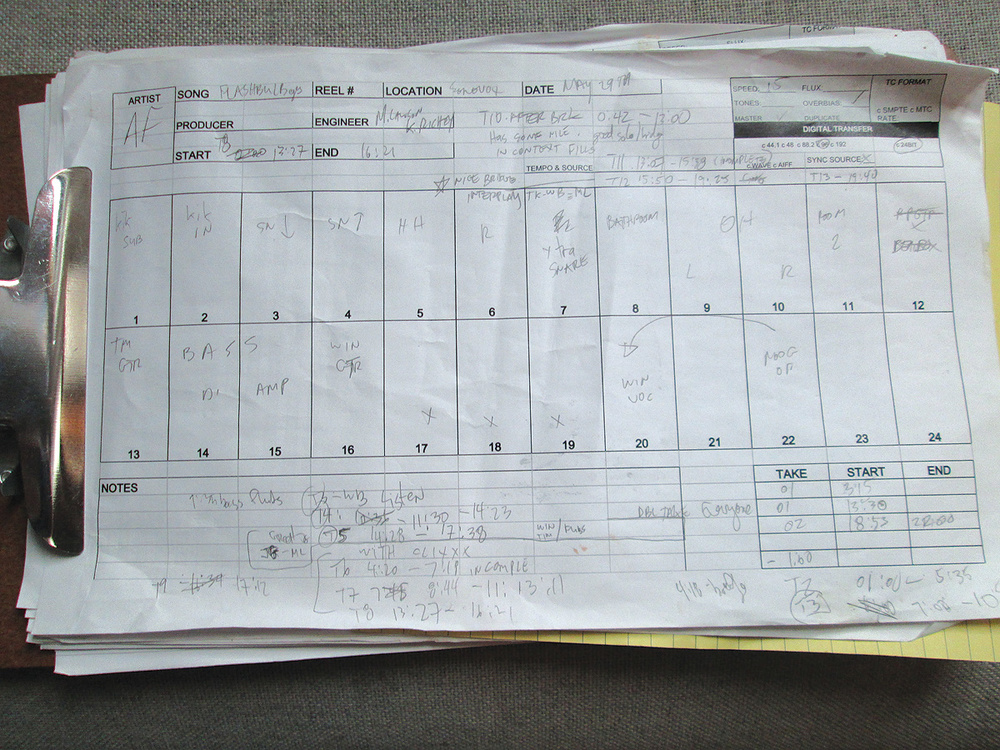
Arcade Fire / “Flashbulb Eyes”.
For the live basic track of “Flashbulb Eyes”, engineer Mark Lawson says Arcade Fire found a beat on an Ace Tone Rhythm Ace and played along to it. The source names the Rhythm Ace family, rather than a precise model or an audible final-mix part. What it captures is the working method: an old preset pulse used to settle a band into the take.
Read Inside Track: Arcade Fire’s Reflektor ↗More records in the archive
The machine keeps turning up.
Reported association
Arthur Brown / Kingdom Come / Kingdom Come live work; no named recording
A published account identifies an Ace Tone Rhythm Ace in Kingdom Come’s early live work.
Read Dr. Patrick Gleeson: The Interview, Part Three ↗
These Wonderful Evils / Zak Boerger / And the Rhythm Ace / Solar Anvil
These Wonderful Evils says the entire musical component of And the Rhythm Ace / Solar Anvil was made with an Ace Tone Rhythm Ace, guitars and effects, largely through improvised and real-time recording.
Read These Wonderful Evils / And the Rhythm Ace / Solar Anvil ↗Jimi Tenor / Wormhole Mystic
Wormhole Mystic’s release copy lists an Ace Tone Rhythm Ace FR-30 among the vintage machines whose programmed loops became the starting point for Jimi Tenor’s new album.
Read Jimi Tenor — Wormhole Mystic ↗
Tyler Brett / Rhythm Ace
Brett says the track began with live-selected Rhythm Ace beats.
Read Tyler Brett / Rhythm Ace ↗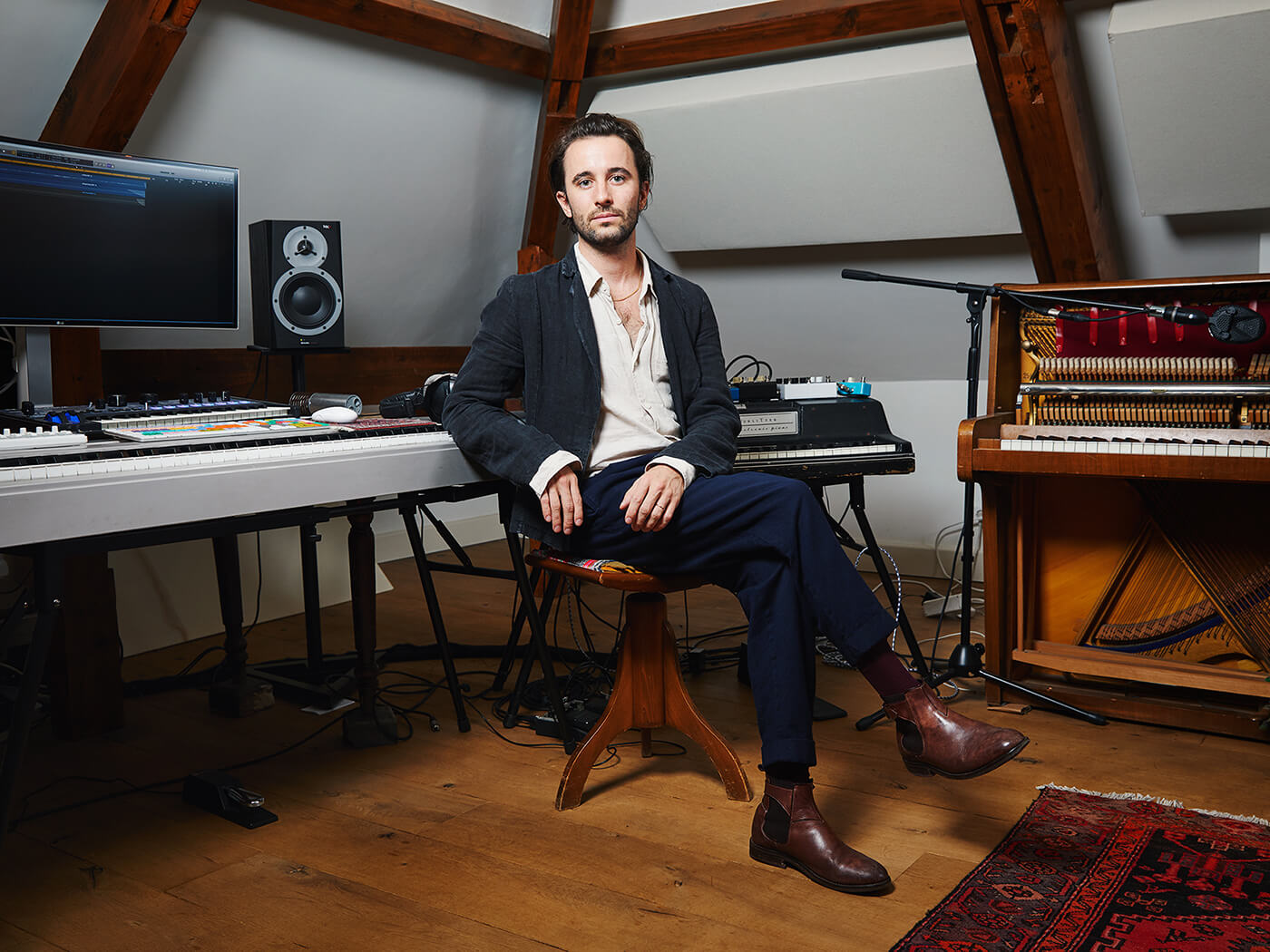
Oliver Patrice Weder / “Naturally”
Weder says an Ace Tone Rhythm Ace features on “Naturally”.
Read MusicTech interview ↗
The Tara Experiment / Michael Vallone / Sensory Deprivation and Mind Control
Michael Vallone’s session credit names a “Rhythm Ace”.
Read The Tara Experiment — Sensory Deprivation and Mind Control ↗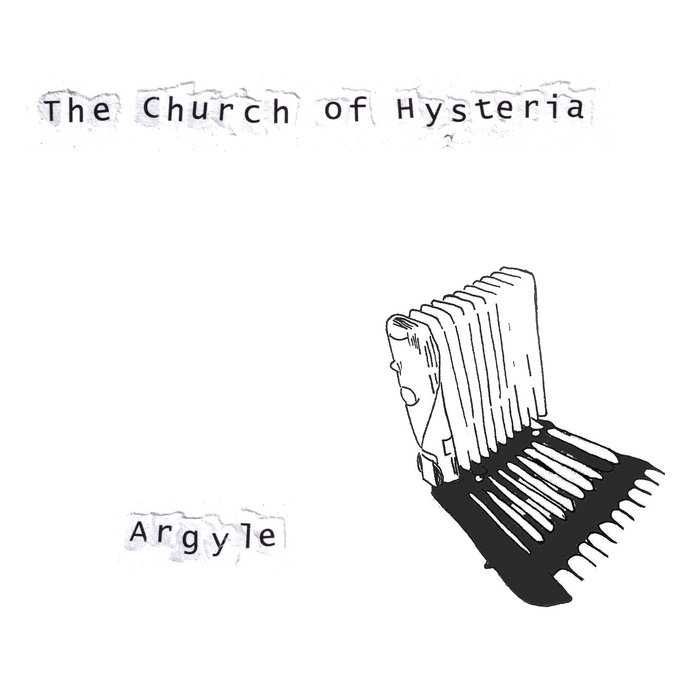
The Church of Hysteria / Argyle
The album acknowledgement records the gift of an Ace Tone Rhythm Ace FR-3 during the 2010–12 recording period.
Read The Church of Hysteria — Argyle ↗
MonoNeon / Retropmas / That’s Good News
The performance credit names Retropmas (Sam Porter) on Ace Tone Rhythm Ace drum machine.
Read MonoNeon / Retropmas — That’s Good News ↗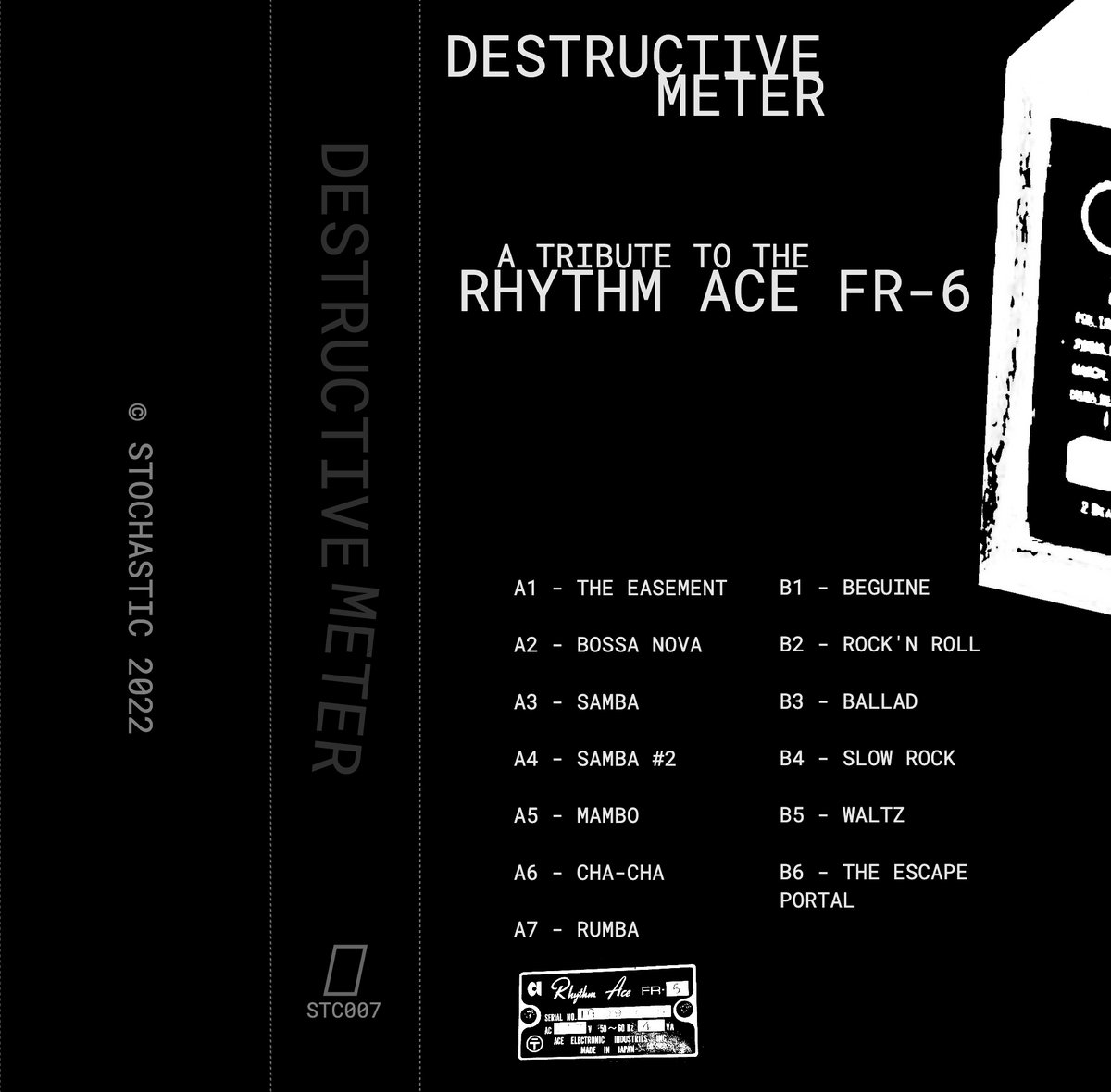
Stochastic Tapes / Destructive Meter: A Tribute to the Rhythm Ace
Stochastic Tapes’ 2022 Destructive Meter is an explicit tribute to the Ace Tone Rhythm Ace FR-6; its release notes say the full set was recorded live using only the FR-6 and effects.
Read Stochastic Tapes — Destructive Meter: A Tribute to the Rhythm Ace ↗
ZIV / יש המון (Yesh Hamon)
ZIV’s 2021 album יש המון (Yesh Hamon) credits an Ace Tone Rhythm Ace FR-6 in its instrument list.
Read ZIV — יש המון (Yesh Hamon) ↗On record
- Arthur Brown / Kingdom Come — Kingdom Come live work; no named recording. A published account identifies an Ace Tone Rhythm Ace in Kingdom Come’s early live work. Source ↗
- Jimi Tenor — Wormhole Mystic. Wormhole Mystic’s release copy lists an Ace Tone Rhythm Ace FR-30 among the vintage machines whose programmed loops became the starting point for Jimi Tenor’s new album. Source ↗
- Oliver Patrice Weder — “Naturally”. Weder says an Ace Tone Rhythm Ace features on “Naturally”. Source ↗
- Tyler Brett — Rhythm Ace. Brett says the track began with live-selected Rhythm Ace beats. Source ↗
- These Wonderful Evils / Zak Boerger — And the Rhythm Ace / Solar Anvil. These Wonderful Evils says the entire musical component of And the Rhythm Ace / Solar Anvil was made with an Ace Tone Rhythm Ace, guitars and effects, largely through improvised and real-time recording. Source ↗
- The Tara Experiment / Michael Vallone — Sensory Deprivation and Mind Control. Michael Vallone’s session credit names a “Rhythm Ace”. Source ↗
- The Church of Hysteria — Argyle. The album acknowledgement records the gift of an Ace Tone Rhythm Ace FR-3 during the 2010–12 recording period. Source ↗
- MonoNeon / Retropmas — That’s Good News. The performance credit names Retropmas (Sam Porter) on Ace Tone Rhythm Ace drum machine. Source ↗
A name for a small rhythm orchestra
Choose a rhythm, set the tempo and leave both hands at the keyboard: that was the invitation behind Ace Tone’s Rhythm Ace family. The name appeared on different models, with different panels and rhythm selections. The FR number matters when describing their controls; a musician’s recollection of a ‘Rhythm Ace’ may be less specific.
The History Of Roland: Part 1 ↗ A history of Roland drum machines, from the TR-77 to the TR-1000 ↗
The FR-1 arrives
The FR-1 gives the family a firm early foothold. A Dutch dealer offered it for organ and piano accompaniment in July 1967 at ƒ795. Its prepared rhythms could be combined and paced by the player, making a preset machine something to work with during a song. The separate FR-1 chapter follows those controls in detail.
The road to Roland
MusicRadar’s history places the later FR-8L before Roland’s TR-77. Both belong to the practical world of analogue percussion and preset accompaniment. That connection helps place the family in time, while the individual models retain their own controls and identities.
A history of Roland drum machines, from the TR-77 to the TR-1000 ↗
Arthur Brown follows the machine
A published account of Arthur Brown’s Kingdom Come recalls a damp Marquee Club show at which a Rhythm Ace began to misfire. The band reportedly followed its altered pulse for seventy-five minutes. The model is unnamed, but the working relationship is unusually clear: the players adjusted to the rhythm machine as the performance continued.
Sources
The visual archive
Further visual evidence.
Sources for images shown earlier (9)
- Arcade Fire — “Flashbulb Eyes” basic-session track sheet ↗
- Oliver Patrice Weder — MusicTech studio image ↗
- Stochastic Tapes — Destructive Meter: A Tribute to the Rhythm Ace ↗
- ZIV — יש המון (Yesh Hamon) ↗
- Tyler Brett — Rhythm Ace ↗
Release date not stated on source page · Tyler Brett / release artwork via Bandcamp · Official Bandcamp release-page artwork (Open Graph image) - These Wonderful Evils / Zak Boerger — And the Rhythm Ace / Solar Anvil ↗
2015-12-01 · These Wonderful Evils / Zak Boerger / release artwork via Bandcamp · Official Bandcamp release-page artwork (Open Graph image) - The Tara Experiment / Michael Vallone — Sensory Deprivation and Mind Control ↗
2010-01-12 · The Tara Experiment / Michael Vallone / release artwork via Bandcamp · Official Bandcamp release-page artwork (Open Graph image) - The Church of Hysteria — Argyle ↗
2012-11-23 · The Church of Hysteria / release artwork via Bandcamp · Official Bandcamp release-page artwork (Open Graph image) - MonoNeon / Retropmas — That’s Good News ↗
Undated · MonoNeon / Retropmas / release artwork via Bandcamp · Official Bandcamp release-page artwork (Open Graph image)
Additional visual sources (1)
Original publications and related image sources.
- MusicRadar — history of Roland drum machines ↗
2025 · MusicRadar · Ace Tone Rhythm Ace family discussion and imagery